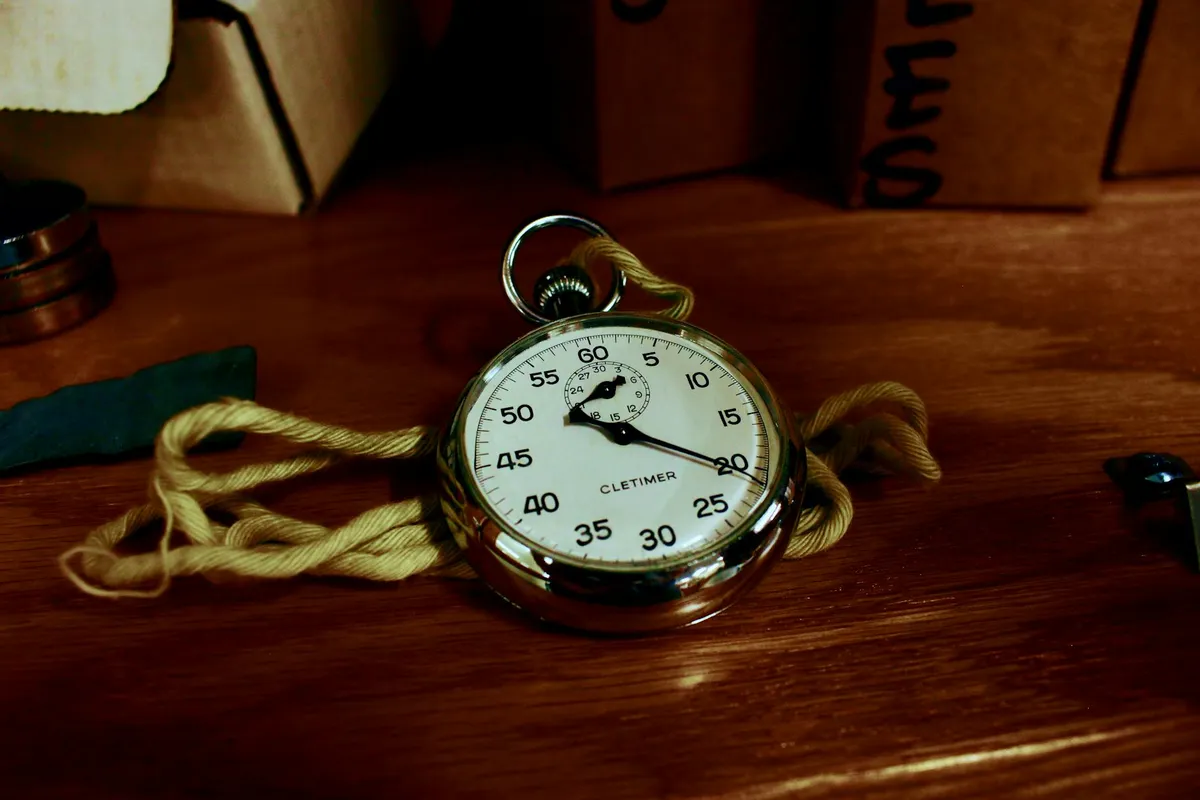
Yes. Two or three 30-minute full-body strength sessions a week meet the guideline of muscle-strengthening activity on at least two days. Use compound exercises, pair upper- and lower-body moves to cut rest time, and add daily walking or short cardio to reach 150 minutes of moderate activity a week.
You do not need an hour a day to get fit. Two or three well-planned 30-minute workouts a week build strength, and short bouts of cardio add up toward your weekly activity target. Below are four ready-made plans: a 30-minute gym session, a 30-minute dumbbell workout for home, a 20-minute bodyweight circuit and a 15-minute express workout for your busiest days, plus weekly schedules for two, three or four days.
Table of Contents
Why 30 minutes is enough
Public health guidelines ask adults for muscle-strengthening activity on at least two days a week, plus 150 to 300 minutes of moderate activity such as brisk walking (see our summary of the physical activity guidelines). Three 30-minute full-body sessions cover the strength part on their own, and any cardio and daily walking counts toward the rest. What matters is how you use the time: big compound exercises, paired sets and short rests.
How to make short workouts work
- Superset non-competing exercises. Pair a lower-body move with an upper-body move, or a push with a pull, and alternate between them. One muscle rests while the other works, so you can cut rest periods without losing performance.
- Use compound exercises. Squats, deadlifts, presses, rows and lunges work several muscles at once.
- Warm up inside the workout. Two minutes of movement, then one light set of your first exercise.
- Set up once. Choose exercises you can do at one station, such as a pair of dumbbells and a bench.
- Train hard. End most sets one or two reps short of failure.
Plan 1: 30-minute full-body gym workout
Do the pairs in order. For each pair, alternate the two exercises with 45 to 60 seconds of rest between them until all sets are done.
| Pair | Exercise | Sets × reps |
|---|---|---|
| Warm-up | Bike or rower, then 1 light set of squats | 3 min |
| A1 | Goblet squat or leg press | 3 × 8–12 |
| A2 | Lat pulldown | 3 × 8–12 |
| B1 | Dumbbell Romanian deadlift | 3 × 8–12 |
| B2 | Dumbbell bench press | 3 × 8–12 |
| C1 | Walking lunge | 2 × 10 per leg |
| C2 | Seated cable row | 2 × 10–12 |
| Finisher | Plank | 2 × 30–45 s |
Plan 2: 30-minute dumbbell workout at home
All you need is a pair of dumbbells and a bench or sturdy chair. Use the same paired format with 45 seconds of rest.
| Pair | Exercise | Sets × reps |
|---|---|---|
| A1 | Dumbbell goblet squat | 3 × 10–15 |
| A2 | One-arm dumbbell row | 3 × 10–12 per side |
| B1 | Dumbbell Romanian deadlift | 3 × 10–12 |
| B2 | Push-up (hands elevated if needed) | 3 × 8–15 |
| C1 | Reverse lunge | 2 × 10 per leg |
| C2 | Seated dumbbell shoulder press | 2 × 10–12 |
| Finisher | Dumbbell suitcase carry or march in place | 2 × 40 s per side |
Plan 3: 20-minute bodyweight circuit
No equipment needed. Do each exercise for 40 seconds, rest 20 seconds and move to the next. After all six, rest one minute. Complete three rounds, adding a fourth when it starts to feel easy.
- Bodyweight squat (or jump squat when you are fitter)
- Push-up (on knees or hands on a bench if needed)
- Glute bridge
- Reverse lunge, alternating legs
- Plank shoulder taps
- Mountain climbers
Plan 4: 15-minute express workout
For days when 15 minutes is all you have, use an every-minute-on-the-minute (EMOM) format. Start a timer. At the start of each minute, do the listed reps, then rest for whatever is left of the minute. Cycle through the three exercises five times, for 15 minutes in total.
- Minute 1: 10 goblet squats or 15 bodyweight squats
- Minute 2: 8–12 push-ups
- Minute 3: 10 dumbbell rows per side, or 12 band rows
Weekly schedules
| Days available | Suggested week |
|---|---|
| 2 days | Plan 1 or 2 on Monday and Thursday; walk 20–30 minutes on most other days |
| 3 days | Plan 1 or 2 on Monday, Wednesday and Friday |
| 4 days | Plan 1 or 2 on Monday and Thursday; Plan 3 on Tuesday; one interval session on Saturday |
For harder cardio in very little time, our HIIT workouts include sessions that take under 20 minutes.
How to progress
Add reps until you reach the top of each range on all sets, then use heavier dumbbells or a harder version of the exercise. For circuits, add a round or extend the work interval to 45 seconds. Write your numbers down so each session can beat the last one by a little.
Tips for fitting workouts into a busy life
- Book it. Put the session in your calendar and treat it like any other appointment.
- Train early if evenings are unpredictable; our morning workout routine shows how to set one up.
- Lower the barrier at home. Keep your dumbbells and a mat where you can see them. A small setup such as EVA floor mats and an affordable spin bike removes the commute entirely.
- Move during the workday. Short walks and standing breaks add up; see how to stay fit while working from home.
- Something beats nothing. On a chaotic day, the 15-minute plan keeps the habit alive.
When you have more time, step up to our full-body workout routine. If you are new to lifting, learn the basic movements with the beginner gym plan first.
Frequently asked questions
How many times a week should I do a 30-minute workout?
Two to four times a week. Three full-body sessions is a good default; add a short cardio or interval session on a fourth day if you have time.
What is the best workout when you have little time?
A full-body strength workout using supersets of compound exercises, such as squats paired with rows and deadlifts paired with presses, gives the most benefit per minute.
Can a 15-minute workout make a difference?
Yes. A short, hard session keeps your strength and the habit going on busy days. Done regularly, short workouts add up, especially combined with daily walking.

TrainCoreFit is dedicated to helping people build stronger bodies and healthier lifestyles through simple, practical fitness guidance. We share workouts, nutrition tips, and wellness advice designed for both beginners and experienced fitness enthusiasts. Our goal is to inspire consistency, confidence, and real progress in every fitness journey.
LATEST STORIES
- Fitness Pickleball Guide: Master the Court with Proven Tactics Posted By: TrainCoreFit
- Fitness Sunny SF-B1002 Indoor Cycling Bike Review Posted By: TrainCoreFit
- Fitness Strength Training Shields Hearts: Less Disease, No Cardio Needed Posted By: TrainCoreFit
- Fitness The Ultimate Guide to Staying Fit and Healthy This Winter Posted By: TrainCoreFit