
Discover the ultimate workout plan for maximum results at the gym – Sweat, Lift, Repeat your way to success!
Table of Contents
Embarking on a journey to improve your health through a workout routine and nutritious diet is a commendable decision. The key to success lies in creating a balanced plan that targets both exercise and nutrition. In this blog post, we will delve into practical tips for designing a workout plan, incorporating nutritious foods, and staying motivated along the way.
Setting Fitness Goals
Before diving into a workout routine, it’s essential to identify your fitness goals. Are you looking to lose weight, build muscle, or improve overall health? Take some time to prioritize your goals and create a clear vision of what you want to achieve.
Designing a Workout Plan
When designing a workout plan, it’s important to incorporate a mix of cardiovascular, strength training, and flexibility exercises. Cardiovascular exercises like running, cycling, or swimming can improve heart health and burn calories. Strength training exercises, such as weight lifting or bodyweight exercises, help build muscle and increase metabolism. Flexibility exercises like yoga or stretching improve mobility and prevent injuries.
Finding Time to Exercise
One of the biggest challenges in maintaining a workout routine is finding time to exercise. If you have a busy schedule, try to schedule your workouts at times when you are most likely to stick to them. Consider early mornings, lunch breaks, or evenings as potential workout times. Additionally, high-intensity interval training (HIIT) can be a time-efficient way to get a good workout in a short amount of time.
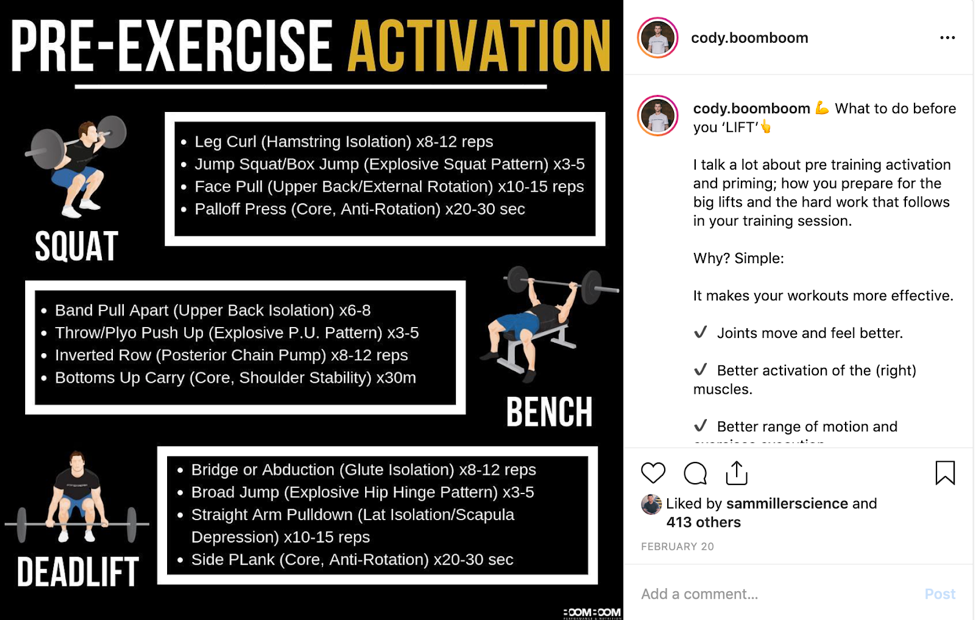
Image courtesy of via Google Images
Incorporating Nutritious Foods
A nutritious diet is just as important as exercise when it comes to improving your health. Focus on consuming a variety of fruits, vegetables, lean proteins, and whole grains. Meal prepping can be a great way to ensure you have healthy options readily available. Planning your meals and snacks ahead of time can help you make better food choices throughout the day.
Balancing Macronutrients
The key to a balanced diet is ensuring you are getting the right balance of macronutrients – carbohydrates, fats, and proteins. Carbohydrates provide energy, fats support brain function and hormone production, and proteins are essential for muscle repair and growth. Tracking your macronutrient intake can help you make informed choices about your diet.

Image courtesy of via Google Images
Staying Hydrated
Hydration is crucial for overall health and performance during workouts. Aim to drink an adequate amount of water throughout the day, both during and outside of exercise. Calculating your daily water intake goal based on your body weight and activity level can help you stay hydrated.
Creating a Support System
Having a support system can greatly impact your success in achieving your fitness goals. Consider finding a workout buddy or joining a fitness community for added motivation and accountability. Being part of a supportive environment can help you stay on track and push through challenges.
Image courtesy of via Google Images
Adjusting Your Plan
As you progress on your fitness journey, it’s important to periodically evaluate your plan and make adjustments as needed. If you hit a plateau, consider changing up your workout routine or reassessing your diet. Setbacks are normal, but staying flexible and adapting your plan can help you stay on track towards your goals.
In conclusion, improving your health through a workout routine and nutritious diet requires dedication and consistency. By setting clear goals, designing a balanced workout plan, incorporating nutritious foods, and staying motivated, you can achieve lasting results. Remember to listen to your body, stay patient, and celebrate your progress along the way. Sweat, lift, repeat – and watch your health and fitness soar.
Best power rack under 500
The power rack (otherwise called the power confine) is one of the most significant and adaptable bits of gear that you might actually purchase for your home exercise center.
With just a power rack and a bar with loads, you can change your build, execution, and accomplish enormous steps towards your wellness objectives. With sufficient opportunity and savvy preparation, you can utilize this piece of hardware to change for as long as you can remember. A considerable lot of the most grounded people alive have procured their benefits in the straightforward, crude strength-building practices a power confine permits.
Top 9 Power Racks Under $500
1. HulkFit 1000lb Multi-Function Power Cage
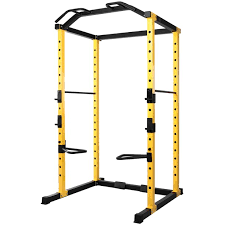 The HulkFit 1,000lbs multi-work power confines is a tremendous enhancement for their 800lbs squat rack that we canvassed in our squat rack survey and guide. This item accompanies a lot more grounded base and further developed a security that makes it an alternate monster from the past power confine we discussed. The strength and impression of this item are extraordinary, while the 1,000lbs weight rating gives a lot of additional room regardless of how weighty you’re lifting. It additionally guarantees that the distinctions that come from dynamic development are represented and guards you, in any event, when falling flat huge loads! This all comes at an extraordinary cost. Once more, we’re not going to examine the lat pulldown connection as it is a superior autonomous item and doesn’t give much in the method of center capacities for the power confine itself. The enclosure is great, the superfluous connections don’t add a lot.
Key Features
- Built with 11 measure steel, this power confine has a 1000lb weight limit. The 2. 5in X 2. 5in casing offers more prominent security all through
- Power Cage additionally incorporates two steel wellbeing bars with J-Hooks or safety belts, two plunge bars, and additional J-Hooks. NOTE: We are changing from wellbeing bars to safety belts. Contingent upon when you request, you might get either and we can’t promise either.
- Unsupported unit with a huge stroll in space and elastic feet to guarantee security and ensure the flooring
- The front rack incorporates a multi-grip pull-up bar for extra activities and stretches. Crossbars can likewise be utilized for band and obstruction preparing.
- Gathered aspects: 81″ x 44″ x 47″. Item weight: 140 Pounds (power confine as it were)
- If it’s not too much trouble, note that we are highly involved with progressing from security bars to safety belts. In light of client input, we exchanged over to safety belts as they give greater adaptability and don’t harm your hand weight whenever dropped on them. We can’t ensure what you get in your shipment
Pros
- Incredible plan
- Hardcore and high-soundness if you have an all-around looked item
- Incredible sticker price
Cons
- Problematic quality affirmation with missing pieces
- Items might have inadequately adjusted security pins, requiring outsider exhausting or being unsatisfactory for use
2. Fitness Reality 810XLT Power Cage
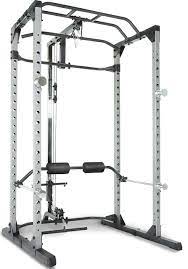 This item accompanies an assortment of choices – albeit the link pulley connection is a genuine illustration of an extra that truly doesn’t add a lot. We’ve worked with this sort of connection broadly and they’re nearly generally awful. The standard model of the 810XLT is evaluated to 800-lbs which is a sensible measure of weight rating, however not similar to others on this rundown. 800lbs of static weight is great yet consider that you will bomb weight with speed, rather than static – so a superior weight-resilience would be a decent reward. This is a very decent item for individuals who are new to weight preparation and don’t need a hard-core item. There are some cool capacities –, for example, the different draw upholds and balance out bars that are intended to fit the rear of the item. Nonetheless, this item is most certainly outmatched by others on this rundown and just stands its ground for amateurs, or those on a careful spending plan. There are a lot of enclosure connections however a significant number of them are moderately ineffectual, make the enclosure harder to utilize, and should be bought independently.
Key Features
- 【STRONG ASTM tested 800 LBS. WEIGHT CAPACITY】-Don’t place your well-being in the possession of a squat Rack that hasn’t been tried and our squat rack was ASTM tried at 2,000 pounds to get an authority weight limit of 800 pounds.
- 【SOLID STEEL LONG SAFETY ARMS】-Other organizations give empty cylinders, not us. Experience harmony of psyche realizing that our wellbeing arms are strong steel poles, intended to deal with the significant burden.
- 【MULTI-GRIP and REVERSIBLE PULLUP BARS】-Wide grasp, slender hold, hammer hold pullups are largely accessible with this power confine. Can be switched to bring down the tallness of the enclosure. This is significant if you have a lower roof.
- 【STANDARD SIZED 1″ HOLES】-Makes your Squat rack viable with standard estimated connections, for example, J snares, dip Bars, Weight stockpiling bars, and so on
- 【TWIN SUPPORT BRACES】-Makes This power confine solid. Lower support additionally goes about As a feet support when utilizing the Low Row Cable connection
- 【MAX WORKOUT SPACE】-Our ELEVATED and bent help support imply more exercise space and nothing to stumble over. Get an additional foot of room for your seat.
- 【TOTAL HOME GYM EQUIPMENT】-Combine With our Weight seats or full set-up of connections to work out an absolute home exercise center arrangement
- 【CUSTOMIZE WITH ATTACHMENTS】-Get J snares, plunge bars, landmine, weight plate stockpiling connections, and others.
Pros
- Great cost
- Basic and simple to utilize
Cons
- Low weight resilience contrasted with different items on this rundown
- Lat pulldown connection is moderately inferior quality, off-kilter to explore, and has an unnatural length-strain relationship
- Outmatched by different items on this rundown
3. Rep PR 1,000lb Lifting Cage
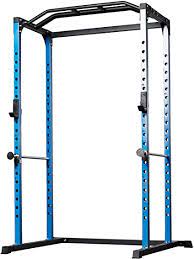 This item imitates the best and most noticeably terrible parts of the HulkFit rack. The advantages are in the essentially successful plan of the rack with compelling plan choices and attention on the nuts and bolts. Be that as it may, the issues on quality confirmation and the nature of execution are frequently poor. This doesn’t show as a helpless arrangement, yet rather rehashed instances of broad interior rusting. This could be because of helpless treatment or helpless capacity/delivering rehearses. This is a significant worry to the primary trustworthiness of this item, which essentially changes the first weight rating and could truly debase the general item. This isn’t what you anticipate from a huge buy like this, particularly since the cost of this item is higher than others we’ve examined so far on this rundown.
Key Features
- WHAT’S INCLUDED: Each weight confine accompanies an incorporated pullup bar, (2) j-cups, and (2) full-length wellbeing bars. Bar, plates, and seats are excluded.
- Intended FOR HOME GYMS: At complete tallness of just 80.5 inches, the PR-1100 gives you the greatest usefulness in a bundle that fits in most home rec center spaces. Presently you can crouch, and perform many other strength practices in your home securely and adequately. Aspects: 80.5″ tall x 48″ wide x 47.5″ profound. Inside confine aspects: 44″ wide x 45.5″ profound.
- Progressed FEATURES: We designed our most recent weight enclosure to have the elements you want at the value you need. Where different producers penance quality and utility, we continued to add highlights to improve our enclosure! Broadened security bars, coordinated multi-hold pull-up unit, laser-cut numbered uprights, and extreme, sturdy dark powder coat makes this the best and best worth enclosure available.
- Protected AND STABLE: Lift with certainty realizing that your enclosure is evaluated to 1000lbs, and is worked from solid, 14 check steel with twofold back strength bars. The pullup curve and discretionary plunge bars are evaluated for 400lbs, and the lat pull-down connection can oblige an entire 250 lbs so you can undoubtedly add sufficient load for your exercises.
- Purchase WITH CONFIDENCE: Rep Fitness is a full-administration hardware organization situated in Denver, Colorado. Look at our different postings to see the total line of solidarity and molding hardware including seats, free weights, hand weights, racks, cardio gear and that’s only the tip of the iceberg!
Pros
- Great plan
- Solid spotlight on the essentials
- Incredible weight-rating
Cons
- Quality affirmation disregards some main points of contention
- Inner rust can without much of a stretch trade off the inside strength and nature of the rack
- Cost is higher than some others despite the huge issues
4. TDS Power Rack
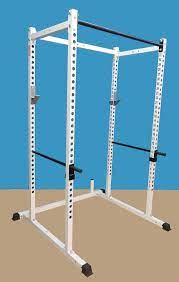 We love the essential, central methodology that the TDS power confine takes, offering a viable item with none of the shocking QA or assembling issues we’ve seen up until now. This item gives the authoritative straightforward, viable, severely solid power confine that we’ve been searching for up until now. It is appraised for 1,050lbs without any issues, with additional security highlights including locking handles on J-snares and strong wellbeing bars to help immense loads. The expansion of a well-knurled jawline-up bar is an extraordinary option in contrast to the smooth bars regularly found on different items. It gives a grippy, very much planned surface for pull-ups that is effortlessly incorporated into the general plan. The just issues we’ve truly experienced with this item are uncommon QA issues –, for example, openings that are not well-fitted to the self-locking pins or helpless delivery choices (which could be because of maker obligation).
Key Features
- 2″ Sq. steel tube construction HD. J Hooks and 1″ solid steel safety bars included.
- 48.5″ x 48″ x 82.5″ H – 140 lbs Olympic set and loads are displayed for data just not Included.
- Expertly Knurled 1/8″ Dia front chinning bar. Intended to add numerous connections to change over as a home exercise center.
- 31 openings 2″ separated including Numbers for a change. 2″ distance among openings and numbers are fundamental for proficient lifting
- TDS has been doing business for quite some time and Thousands have been sold everywhere.
Pros
- Heaviest weight rating so far at 1,050lbs
- Extraordinary cost for the quality
- Excellent form with extra wellbeing highlights
- Coordinated, knurled jaw up bar
Cons
- Quality confirmation is (seldom) an issue and delivery transporters might be ineffectively picked
5. Valor Fitness BD-33
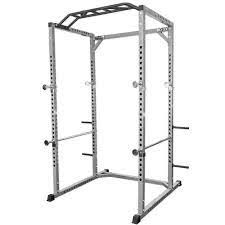 This is a re-visitation of the standard however unremarkable 800lbs weight limit, considerably more so because the 800lbs rating is just for the wellbeing bars. The “bar gets” are just evaluated for 500-650lbs, which is idiotically low. This is a critical minimization from different items on this rundown and truly falls beneath the standard set by the TDS power confine recently talked about. This is an extremely conventional-looking item from Valor that does the occupation for those with more vulnerable legs, yet certainly doesn’t give a critical motivation to buy when contrasted with different items on this list. The power rack with link hybrid is perhaps the biggest contraption we’ve at any point seen, and the links keep on being the inferior quality connection we’d prefer to keep away from. They’re likewise mysteriously positioned behind the rack which makes them almost difficult to use for something besides double stack twisting and requires the rack to be put in the focal point of your home exercise center. Absurd!
Key Features
- Rock-solid Constructed of 2″ x 2″ 12-measure steel. Elastic Base Covers Encase each Foot to add Security, solidness, and floor insurance.
- Adaptable Includes a multi-grasp pull-up station at the lagfest point of the rack, considering a wide scope of activities and employments. Band/tie stake openings situated along the top and base. Band/tie stakes (MB-L) and spring cuts (SC-1) sold independently.
- Movable 27 variable situations for bar support, going in the range from 15″ to 67″. Energetic numbering framework to effortlessly distinguish variable positions.
- Capacity PEGS-Allows for a Coordinated Home Rec Center with 4 plate stockpiling stakes estimating 8″ each for Abundant Capacity for Both Olympic and Standard plates.
- Extra 500 lb and Max Load if Utilizing the Bar Catchers Outside confine, 650 lb. max load if utilizing bar catchers inside the enclosure, 750 lb. max load for wellbeing bars and Guarantee, 3-year casing, and 1-year equipment and Shows up in 2 separate boxes.
Pros
- Nothing to specify
Cons
- Prone to harm your hand weight’s knurling, making it harder to use in future
- Unsound and shoe bar gets, the second rate compared to J-snares
- Generally helpless weight-rating
- Sub-par item, effortlessly outmatched by others on this rundown
6. Titan Short Power Cage
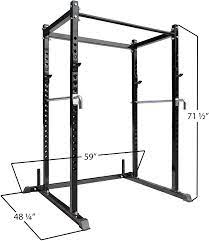 This is a stripped-down power confine and in that exists the best and most noticeably awful things about this item. From one viewpoint, there’s very little that can turn out badly and the actual item is both hard-wearing and stable contrasted with some items on this rundown. Then again, it doesn’t stir things up and is most all-around respected for being a straightforward and utilitarian piece of exercise center gear. The rating for this item is only horrendous at 700lbs of static weight, which is higher than the bar-gets of different items. This could be because of the inferior quality J-snares, as the actual casing is delivered from steel and 11-measure, creating great thickness. This is certainly one of the lighter items in the Titan T-2 territory and we’re persuaded that this lightweight configuration is a more practical option in contrast to the Valor or Powerline choices, regardless of an ostensibly more regrettable weight rating. We’re not saying the rating isn’t right, yet we trust this rack more.
Key Features
- Incredible FOR IMPROVING FORM: The reason for working out is to reinforce your muscles, not hurt them! That is the reason it’s imperative to rehearse great structure while you’re lifting loads. The Titan T2 Power Rack is planned given your security and solace. It incorporates plunge bars and different highlights intended to securely upgrade your exercise.
- Fabricate STRONG MUSCLES: This short Titan Power Rack is a must-have! This piece of gear can fit in little storm cellars that won’t oblige standard power racks. You can play out an assortment of activities with this rack, including chinups, plunges, twists, deadlifts, and squats. Assuming you need to do seat squeezes, place a seat under and you’re all set.
- Fast AND EASY ASSEMBLY: Don’t sit around with abundance equipment and convoluted development. Setting up your power rack with all your exercise stuff and embellishments is basic. This set accompanies all fundamental equipment, including J-hooks.
- Strong CONSTRUCTION: Our power rack is fabulous speculation for both genuine competitors and amateurs the same! It was produced using heavy-duty steel for strength. Its steel structure guarantees that it will hold up for quite a long time without harm. The amazing steel outline is likewise sufficiently able to hold a limit of up to 700pounds.
Pros
- Little plan for a decreased impression and reduced plan
- All around checked steel development
- Not very many moving parts, offering a steady and dependable form
Cons
- Low weight-rating
- Just appropriate for fledglings and those with space impediments
- Questionable quality J-snares
Conclusions
With a power enclosure, free weight, and a few plates you can drastically change your constitution and execution. This is a focal point for any balanced home rec center and ought to be the main concern. Assuming that you’re hoping to begin with a home rec center, you can get a top-notch power to confine under $500. That has been our concentrate today and it has driven us to suggest the TDS Power Cage – effectively the best item on this rundown. This item gives a huge assortment of advantages. It has the best weight resistance, close by a top-notch work with strong backings and strong equipment that accompanies extra wellbeing highlights, for example, hand-locks to forestall slipping and harm. This addresses the absolute best of the financial plan, at-home power enclosures and we couldn’t look for a superior item. No ifs, and or buts, the TDS Power confine is the best power rack available and the reasonable decision for your money!
Frequently Asked Questions
1. Is a garage gym worth it?
This might come as a shock at first, but investing in a garage gym saves money in the long run. Yes, there is certainly a pretty hefty upfront cost to building a garage gym, but you will never have to pay for a gym membership again. The typical box membership costs anywhere from $175 – $250 per month.
2. What power rack depth do I need?
You will need at least twenty-four inches of depth in front of the power rack, so you have enough room to set up barbells or pull-up bars. The same area is needed behind the rack for spotters and added room to add plates to your barbell.
3. Does a power rack need to be bolted down?
The short answer is – most power racks SHOULD be permanently secured to the ground. The reason is so that the unit does not move while it’s being used. Although power racks are very heavy and usually quite tall – the movement of the heavyweights will tend to shift the rack inch by inch away from its original spot.
4. What height power rack should I get?
Because if you want to use the pull-up bar up top for a full range of motion pulls, you’ll need some clearance between the top of the rack and the ceiling to avoid smacking your head at the top of each rep! Most power racks clock in at a little over 80″, or somewhere around 7 feet, tall.
5. Can you deadlift in a power rack?
A power rack is a great tool because it allows you to lift heavy weights safely. Unlike traditional machines in the gym, the power rack is extremely versatile. You can use it for back squats, front squats, shoulder press, deadlifts, bench press, and heavy rows.
6. Do you need a platform for a power rack?
If you aren’t dropping your bar or lifting with metal plates, this is all you need. There’s no need for a 4′ x 8′ platform for most lifters. Again, if you are pulling a ton of weight, or are regularly dropping the bar, a platform is the way to go.
Unleash your inner beast with this killer gym routine guaranteed to sculpt muscle and boost strength like never before.
Table of Contents
When it comes to achieving optimal health, it’s essential to strike a balance between effective workout routines and a proper nutrition plan. In this blog post, we will be discussing tips and strategies for maximizing your health through a combination of targeted workouts and smart eating choices.
Setting Fitness Goals
Setting clear and specific fitness goals is the first step towards success. These goals should be measurable, achievable, relevant, and time-bound. Whether your goal is to lose weight, gain muscle, or improve overall fitness, having a clear direction will help you stay motivated and focused on your journey.
Choosing the Right Workout Routine
There are various workout options to choose from, including strength training, cardio, and flexibility exercises. When deciding on a workout routine, consider factors such as your fitness level, goals, and preferences. It’s important to find a routine that challenges you but is also enjoyable and sustainable in the long run.
Incorporating a Balanced Nutrition Plan
Nutrition plays a crucial role in supporting your fitness goals. A balanced nutrition plan should include a mix of macronutrients (carbohydrates, proteins, fats) and micronutrients (vitamins and minerals). Aim to consume whole, nutrient-dense foods that fuel your body and support your workouts.
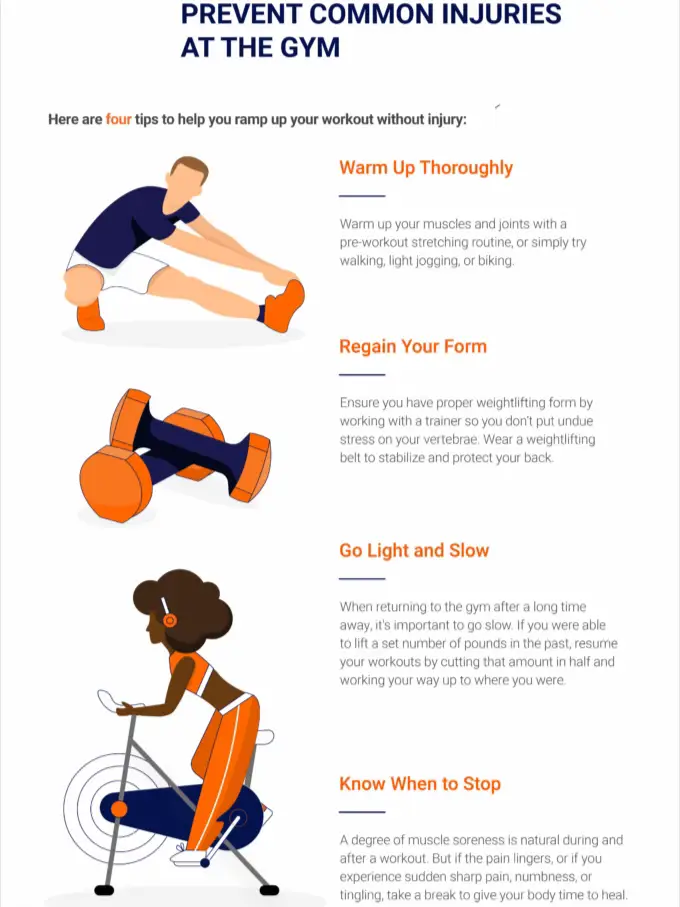
Image courtesy of www.lemon8-app.com via Google Images
Planning Meals and Snacks
Meal planning and preparation are key to sticking to your nutrition goals. Consider preparing your meals and snacks ahead of time to avoid making impulsive, unhealthy choices. Focus on incorporating a variety of foods to ensure you’re getting a good balance of nutrients throughout the day.
Hydration and Recovery
Staying hydrated is essential for overall health and performance. Make sure to drink plenty of water throughout the day and especially during and after workouts. Additionally, don’t forget to prioritize rest and recovery, including stretching, foam rolling, and getting enough sleep to support your body’s recovery process.

Image courtesy of ar.pinterest.com via Google Images
Monitoring Progress
It’s important to track your progress towards your fitness goals to ensure you’re on the right track. Keep a workout journal, log your meals, and regularly assess your progress. This will help you stay motivated and make adjustments to your workout and nutrition plans as needed.
Seeking Professional Guidance
If you’re feeling overwhelmed or unsure about how to proceed with your fitness journey, consider seeking guidance from a professional. A fitness trainer or nutritionist can provide personalized advice and support to help you reach your goals effectively and safely.
Image courtesy of www.quora.com via Google Images
Staying Consistent and Motivated
Consistency is key when it comes to achieving fitness goals. Despite challenges or setbacks, it’s important to stay committed to your workout and nutrition plans. Find ways to stay motivated, whether it’s by setting small goals, finding a workout buddy, or rewarding yourself for progress.
Conclusion
By combining effective workout routines with a balanced nutrition plan, you can maximize your health and achieve your fitness goals. Remember to set clear goals, choose a workout routine that suits your needs, and prioritize your nutrition and recovery. With consistent effort and motivation, you can build strength, improve your fitness, and optimize your overall health.
Unlock the hidden potential of nutrients in your daily diet! Discover the key to optimal health and vitality.

Table of Contents
In today’s fast-paced world, finding the right balance between workouts and nutrition can be a challenge. However, by understanding the power of nutrients in your daily diet, you can optimize your fitness goals and overall well-being. This blog post will provide you with valuable tips on creating a balanced workout and nutrition plan that works for you.
Assess Your Current Fitness Level
Before embarking on any fitness journey, it’s essential to assess your current fitness level. Take a close look at your workout routine and nutrition habits to identify areas that need improvement. Setting realistic goals is crucial to success, so take the time to establish what you want to achieve and by when.
Set Specific and Realistic Goals
Setting specific and realistic goals is the foundation of any successful fitness plan. Whether you aim to lose weight, gain muscle, or improve your overall health, having clear objectives will keep you motivated and on track. Be sure to define your goals and establish a timeframe for achieving them.
Create a Workout Plan
Working with a fitness expert or personal trainer can help you create a customized workout plan tailored to your specific needs and goals. Your workout plan should include a mix of cardio, strength training, and flexibility exercises to target all areas of fitness.

Image courtesy of www.linkedin.com via Google Images
Incorporate Proper Nutrition
Nutrition plays a vital role in fueling your workouts and supporting your overall health. Consulting with a nutritionist or dietitian can help you develop a balanced meal plan that aligns with your fitness goals. Focus on incorporating whole, nutrient-dense foods into your diet and limit processed or sugary snacks.
Monitor Your Progress
Keeping track of your workouts and nutrition intake is essential for monitoring your progress. By maintaining a journal or using a fitness app, you can see how far you’ve come and make any necessary adjustments to your plan. Regularly assessing your progress will help you stay accountable and motivated.

Image courtesy of www.linkedin.com via Google Images
Stay Consistent
Consistency is key when it comes to achieving your fitness goals. Make exercise and healthy eating a regular part of your daily routine to ensure long-term success. When faced with challenges or setbacks, resist the urge to give up and instead stay committed to your plan.
Listen to Your Body
Your body is a powerful indicator of what it needs. Pay attention to signals such as fatigue, soreness, or hunger, and adjust your workout or nutrition plan accordingly. Rest and recovery are essential components of any fitness regimen to prevent burnout and injury.
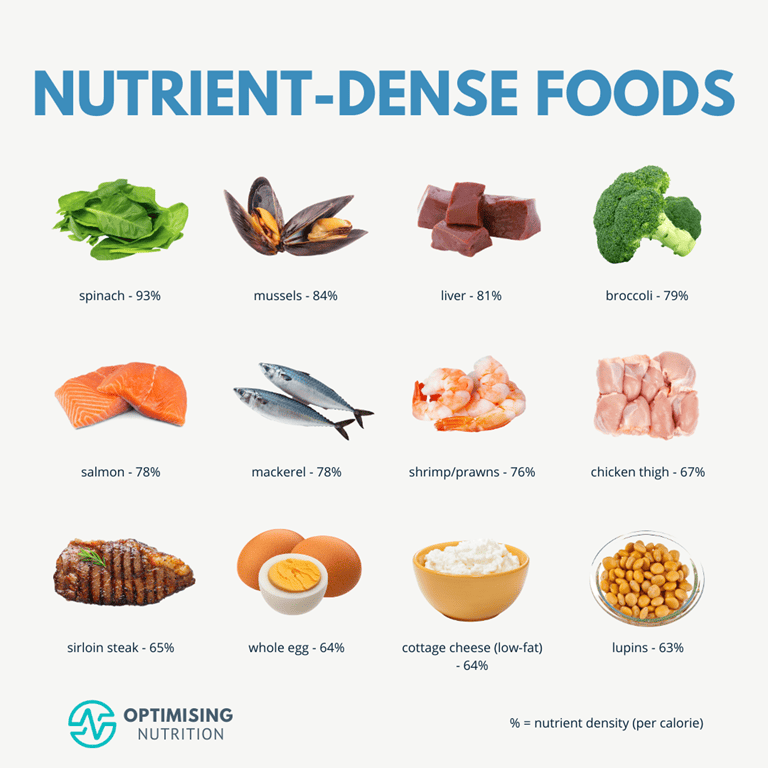
Image courtesy of optimisingnutrition.com via Google Images
Stay Hydrated
Staying hydrated is crucial for supporting your workouts and overall health. Make sure to drink plenty of water throughout the day, especially before and after exercise. Avoid sugary drinks and excessive caffeine intake, as they can dehydrate you and hinder your progress.
Seek Support and Accountability
Seeking support and accountability from others can help keep you motivated on your fitness journey. Whether you find a workout buddy or join a fitness group, having a support system in place can make a significant difference in your success. Sharing your progress with others will help you stay on track and motivated.

Image courtesy of www.pinterest.com via Google Images
Conclusion
In conclusion, achieving your fitness goals is within reach when you create a balanced workout and nutrition plan. By following the tips outlined in this blog post, you can unlock the power of nutrients in your daily diet and take your fitness to the next level. Remember to assess your current fitness level, set specific and realistic goals, create a tailored workout plan, incorporate proper nutrition, monitor your progress, stay consistent, listen to your body, stay hydrated, and seek support and accountability. With dedication and perseverance, you can achieve the results you desire.
Increase your daily efficiency with these game-changing tips for maximizing productivity and achieving workplace success like never before.

Table of Contents
Creating an effective workout plan that incorporates proper nutrition is essential for achieving success in the gym. Whether you’re a seasoned gym-goer or just starting out on your fitness journey, finding the right balance between exercise and nutrition can make a significant difference in your results. In this curated blog post, we will provide you with tips and advice on how to create a personalized workout plan that complements your nutrition for maximum gym success.
Setting Fitness Goals
Setting clear and achievable fitness goals is the first step towards creating a successful workout plan. By defining specific, measurable, achievable, relevant, and time-bound goals (SMART), you can track your progress and stay motivated. Take some time to reflect on what you want to achieve in terms of your fitness and health, and then break down these goals into smaller milestones that you can work towards.
Choosing the Right Exercises
When designing your workout plan, be sure to include a variety of exercises that target different muscle groups and aspects of fitness. This could involve a mix of cardiovascular exercises like running or cycling, strength training exercises such as weightlifting or bodyweight exercises, and flexibility exercises like yoga or stretching. By incorporating a well-rounded workout routine, you can improve your overall fitness levels and prevent plateaus in your progress.
Creating a Gym Plan
Once you have identified your fitness goals and chosen the right exercises, it’s time to create a gym plan that fits your schedule and lifestyle. Consider factors like the frequency of your workouts, the duration of each session, and the intensity of your exercises. Be realistic about how much time you can commit to the gym each week and plan your workout sessions accordingly. It may be helpful to consult with a fitness professional to help you design a personalized gym plan that suits your needs.
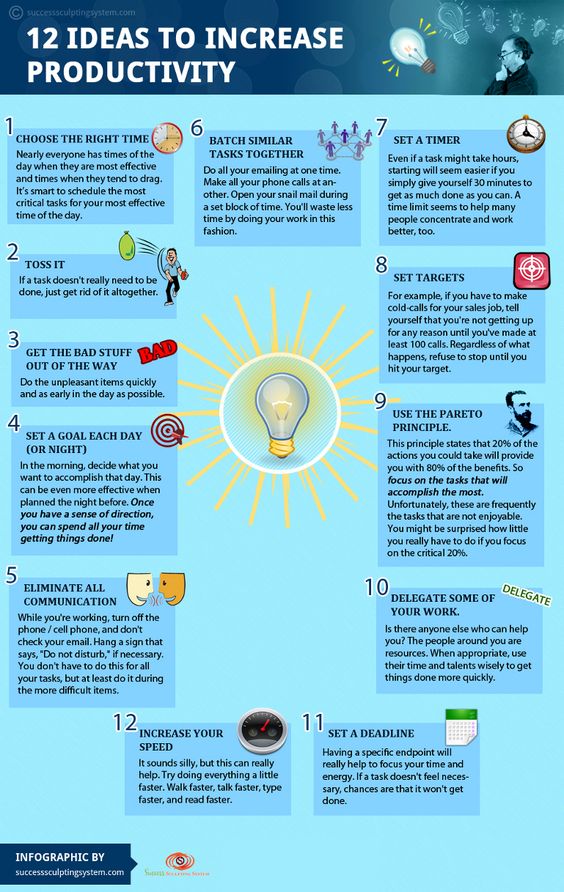
Image courtesy of elearninginfographics.com via Google Images
Balancing Cardio and Strength Training
Cardiovascular and strength training are two essential components of a well-rounded workout routine. Cardio exercises help improve your cardiovascular fitness and burn calories, while strength training exercises build muscle mass and increase strength. To achieve optimal results, aim to strike a balance between these two types of exercises in your gym plan. Start by incorporating a mix of both cardio and strength training exercises into your weekly routine and adjust the intensity as needed.
Incorporating Proper Nutrition
Nutrition plays a crucial role in supporting your workouts and enhancing your performance in the gym. Fueling your body with the right nutrients can help improve your energy levels, promote muscle recovery, and aid in muscle growth. Focus on eating a balanced diet that includes a variety of fruits, vegetables, lean proteins, whole grains, and healthy fats. Stay hydrated by drinking plenty of water throughout the day and consider timing your meals around your workouts to optimize your performance.
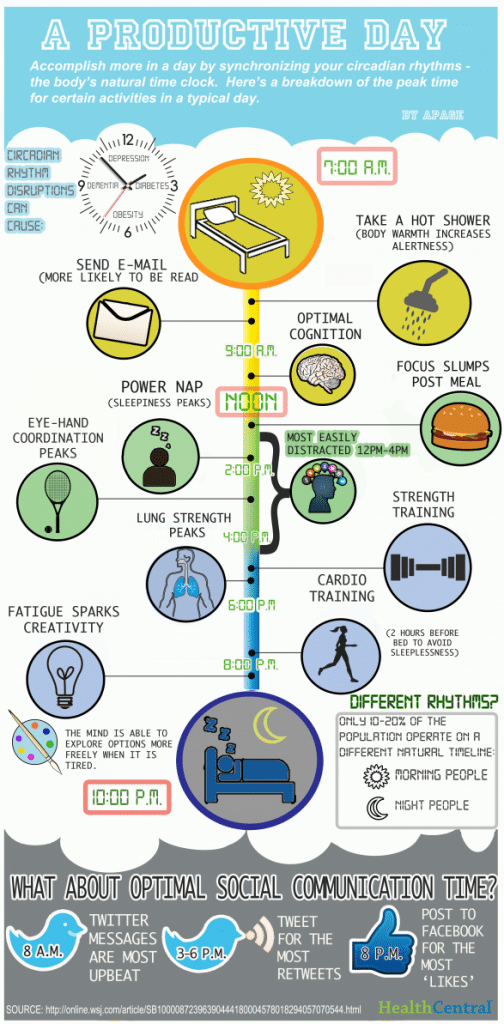
Image courtesy of rockcontent.com via Google Images
Pre- and Post-Workout Nutrition
Before heading to the gym, it’s essential to fuel your body with the right nutrients to power through your workout. Consider eating a balanced meal or snack that includes carbohydrates for energy and protein for muscle repair. After your workout, refuel your body with a mix of protein and carbohydrates to support muscle recovery and replenish glycogen stores. Experiment with different pre- and post-workout snacks to find what works best for you and fits your nutritional needs.
Rest and Recovery
Rest and recovery are critical components of any workout plan, as they allow your muscles to repair and grow stronger. Incorporate rest days into your weekly gym plan to prevent overtraining and reduce the risk of injury. Consider incorporating active recovery activities like yoga, walking, or stretching on your rest days to keep your body moving while still allowing for recovery. Additionally, prioritize getting an adequate amount of sleep each night to support your body’s recovery process.
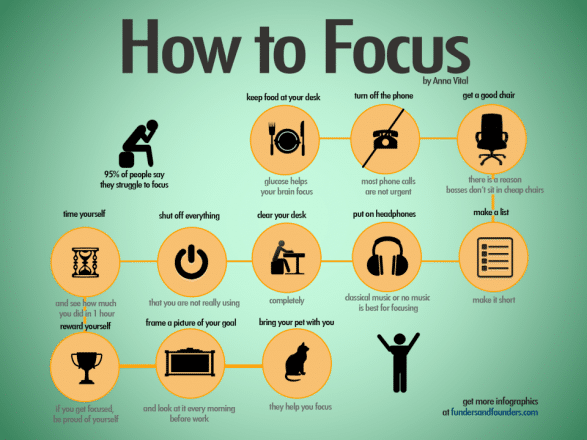
Image courtesy of rockcontent.com via Google Images
Staying Motivated
Staying motivated on your fitness journey is essential for long-term success. Set realistic goals, celebrate your achievements, and don’t be too hard on yourself if you experience setbacks. Find ways to stay accountable, whether that’s by working out with a friend, joining a fitness class, or tracking your progress in a journal. Remember to focus on the positive changes you’re making in your health and fitness journey and stay committed to achieving your goals.
Conclusion
Creating an effective workout plan that incorporates proper nutrition can significantly impact your success in the gym. By setting SMART fitness goals, choosing the right exercises, creating a personalized gym plan, balancing cardio and strength training, and focusing on proper nutrition, you can enhance your performance and achieve optimal results. Remember to prioritize rest and recovery, stay motivated, and make adjustments as needed to continually progress towards your fitness goals. Start implementing these curated tips into your workout routine and watch as your gym success unfolds.
Discover the secrets to unlocking your primal strength and unleashing your inner beast with this ultimate workout routine guide.

Table of Contents
Welcome to our guide on how to improve your health through an effective workout and nutrition plan. In today’s fast-paced world, it’s easy to let our health take a backseat. However, with the right approach to exercise and nutrition, you can achieve your fitness goals and feel your best. By combining a well-rounded workout regimen with a focus on proper nutrition, you will set yourself up for success on your journey to better health.
Assess Your Current Fitness Level
Before diving into any workout routine, it’s essential to assess your current fitness level. This will help you set realistic goals and tailor your plan to suit your needs. Consider factors like your stamina, strength, and flexibility to get a clear picture of where you stand. You can perform simple fitness tests or consult with a trainer to help you assess your current fitness level.
Set Specific Fitness Goals
Setting specific fitness goals is key to staying motivated and focused on your health journey. Whether it’s losing weight, gaining muscle, or improving endurance, make sure your goals are specific, measurable, achievable, relevant, and time-bound (SMART). By having a clear vision of what you want to achieve, you’ll be more likely to stay committed to your workout and nutrition plan.
Create a Workout Plan
A well-rounded workout plan should include a mix of cardio, strength training, and flexibility exercises. Cardiovascular activities like running, cycling, or swimming help improve your endurance and burn calories. Strength training, whether using weights or bodyweight exercises, helps build muscle and increase metabolism. Don’t forget to incorporate flexibility exercises like yoga or stretching to improve range of motion and prevent injuries.
Image courtesy of via Google Images
Incorporate Proper Nutrition
Nutrition plays a crucial role in fuelling your workouts and supporting recovery. Aim to eat a balanced diet rich in fruits, vegetables, lean proteins, whole grains, and healthy fats. Avoid processed foods and excessive sugar, as they can hinder your progress. Stay hydrated by drinking plenty of water throughout the day, particularly before, during, and after exercise.
Meal Prep and Planning
Meal prepping and planning can make a significant difference in your ability to stick to a healthy eating plan. Spend some time each week preparing nutritious meals and snacks that you can easily grab on the go. Plan your meals ahead of time, so you’re less likely to reach for unhealthy options when hunger strikes. Having healthy foods readily available will help you stay on track with your nutrition goals.

Image courtesy of via Google Images
Rest and Recovery
Rest and recovery are often overlooked but are vital components of any workout plan. Your muscles need time to repair and grow stronger after exercise. Aim to get adequate sleep each night, and don’t be afraid to take rest days when needed. Listen to your body and adjust your workout intensity as necessary to prevent burnout and injuries.
Track Your Progress
Tracking your progress is essential for staying motivated and accountable on your health journey. Use tools like fitness apps, workout journals, or even a simple calendar to log your workouts, meals, and progress. Celebrate your achievements, no matter how small, and adjust your plan as needed based on your results and preferences.

Image courtesy of via Google Images
Adjust and Adapt
Remember that your workout and nutrition plan should be flexible and adaptable to suit your changing needs. If something isn’t working, don’t be afraid to make adjustments. Listen to your body and make changes to your routine as necessary. The key is to find a plan that works for you and helps you achieve your health and fitness goals.
Conclusion
Congratulations! You’ve now learned how to improve your health through an effective workout and nutrition plan. By incorporating a well-rounded workout routine, focusing on proper nutrition, and staying consistent in your efforts, you’ll be well on your way to achieving your fitness goals. Remember to assess your current fitness level, set specific goals, create a workout plan, prioritize proper nutrition, and track your progress to stay motivated. With dedication and perseverance, you can unleash your inner beast and become the healthiest version of yourself. Here’s to your health and wellness!
Unleash your inner athlete with a beginner’s guide to working out. Find your strength and confidence with these simple tips.
Table of Contents
Are you ready to take your workout routine to the next level? Maximizing your workout results is not just about hitting the gym regularly – it also involves paying attention to your nutrition and having a solid gym plan in place. In this blog post, we will provide you with some valuable tips on how to achieve your fitness goals through a combination of proper nutrition and an effective gym routine.
Creating a Balanced Nutrition Plan
One of the key components of maximizing your workout results is fueling your body with the right nutrients. A balanced nutrition plan should include a variety of whole foods to ensure you are getting all the essential vitamins and minerals your body needs to function optimally. Planning and prepping your meals ahead of time can help you stay on track and avoid making unhealthy choices when you are pressed for time.
Understanding Macronutrients
Macronutrients, namely carbohydrates, proteins, and fats, play a crucial role in fueling your workouts and supporting muscle growth and recovery. Carbohydrates provide the energy needed for intense workouts, while proteins are essential for muscle repair and growth. Fats help maintain hormone levels and aid in nutrient absorption. Balancing your macronutrient intake based on your fitness goals can help you achieve the best results from your workouts.
Incorporating Supplements into Your Nutrition Plan
While it is best to get your nutrients from whole foods, supplements can be a useful addition to your nutrition plan. Common supplements like protein powders, creatine, and BCAAs can help support your fitness goals. However, it is important to consult with a healthcare professional before incorporating supplements into your diet to ensure they are safe and effective for you.
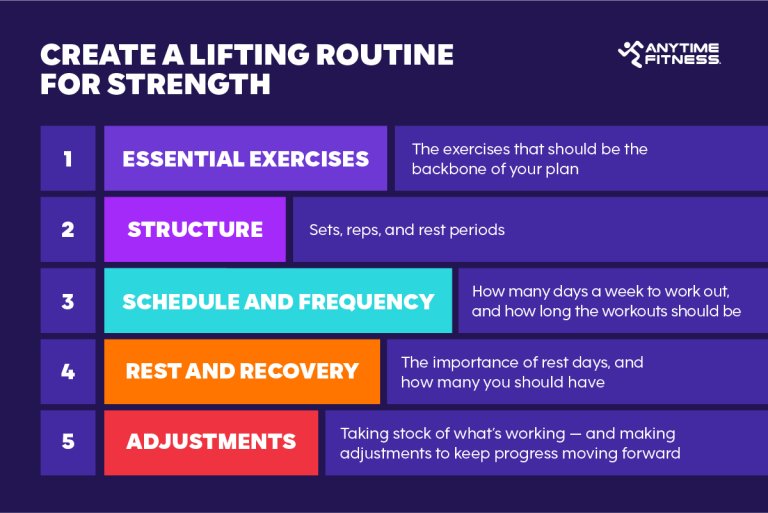
Image courtesy of www.anytimefitness.com via Google Images
Hydration and Its Impact on Workouts
Staying hydrated is essential for optimal workout performance. Dehydration can lead to decreased energy levels, muscle cramps, and impaired recovery. To determine your fluid needs, calculate your body weight in pounds and divide it by two to get the number of ounces of water you should aim to drink each day. During workouts, be sure to hydrate regularly to maintain peak performance.
Recovery and Rest Days
Rest days are just as important as gym days when it comes to achieving your fitness goals. Resting allows your muscles to repair and grow, reducing the risk of injury and burnout. Consider incorporating active recovery activities like walking, yoga, or stretching on your rest days to keep your body moving without putting too much stress on your muscles.
Image courtesy of www.lemon8-app.com via Google Images
Tracking Your Progress
Tracking your workouts, nutrition, and progress towards your goals is essential for staying motivated and accountable. Keeping a workout journal or using a fitness app can help you monitor your progress, identify areas for improvement, and celebrate your successes along the way. By tracking your progress, you can make adjustments to your gym plan and nutrition as needed to continue seeing results.
Adjusting Your Gym Plan and Nutrition as Needed
Your fitness journey is not set in stone – it is essential to be flexible and adaptable to meet your changing needs. If you notice that you are not making progress or are feeling fatigued, it may be time to reassess your gym plan and nutrition. Seek guidance from a fitness professional or nutritionist to determine the best course of action to help you get back on track towards your fitness goals.
By following these tips for maximizing your workout results with nutrition and a solid gym plan, you can set yourself up for success in achieving your fitness goals. Remember to stay committed, stay consistent, and stay focused on your health and well-being. Flex your fitness and start seeing the results you desire!
Discover powerful immune-boosting strategies used by wellness warriors to enhance your health and stay strong during challenging times.

Table of Contents
Are you ready to take charge of your health and fitness journey? In this ultimate guide, we will delve into the essential components of achieving your fitness goals: workouts, nutrition, and a well-planned gym routine. By incorporating these elements into your daily routine, you will be well on your way to a healthier and more active lifestyle.
Benefits of Regular Exercise
Regular exercise is not just about maintaining a certain body weight or appearance; it is crucial for overall health and well-being. Physical activity has numerous benefits that go beyond just the physical aspect. It can boost your mood, improve your energy levels, and reduce your risk of chronic diseases such as heart disease and diabetes.
There are various types of workouts that you can incorporate into your fitness routine to keep things interesting and challenge your body in different ways. Cardio workouts, such as running or cycling, help improve your cardiovascular health and burn calories. Strength training exercises, like weightlifting or bodyweight exercises, increase muscle mass and strength. Flexibility exercises, such as yoga or stretching, improve your overall mobility and reduce the risk of injuries.
Creating a Balanced Nutrition Plan
Achieving your fitness goals is not just about the time you spend at the gym; nutrition plays a significant role in your success as well. A balanced diet that includes a mix of protein, carbohydrates, and healthy fats is essential for fueling your workouts and supporting your overall health. Protein helps repair and build muscle, carbohydrates provide energy for your workouts, and healthy fats support brain function and hormone production.
Meal prepping is a great way to ensure that you have healthy food options readily available and can prevent you from making unhealthy choices when you’re short on time. By planning and preparing your meals ahead of time, you can stick to your nutrition goals and avoid the temptation of fast food or unhealthy snacks.
Importance of Hydration
Staying hydrated is crucial for optimal workout performance and overall health. Water helps maintain proper bodily functions, regulates body temperature, and transports nutrients throughout your body. When you’re working out, it’s essential to replenish the fluids you lose through sweat to prevent dehydration and maintain your energy levels.

Image courtesy of skinrange.com via Google Images
Gym Plan Essentials
Having a well-thought-out gym plan is key to staying on track with your fitness goals. Start by setting specific, achievable goals that will motivate you to keep going. Whether you want to lose weight, build muscle, or improve your overall fitness, having a clear goal in mind will help you stay focused.
Tracking your progress is essential to monitor your growth and make adjustments to your gym routine as needed. By keeping a workout journal or using fitness apps, you can see how far you’ve come and identify areas for improvement. Don’t be afraid to switch up your routine if you’re not seeing the desired results.
Finding Motivation
Staying motivated to stick to your fitness routine can be challenging at times, but there are ways to keep yourself inspired and accountable. Set achievable goals that are specific, measurable, and realistic. Celebrate small victories along the way to keep your momentum going. Find a workout buddy or join a fitness class to stay engaged and motivated.
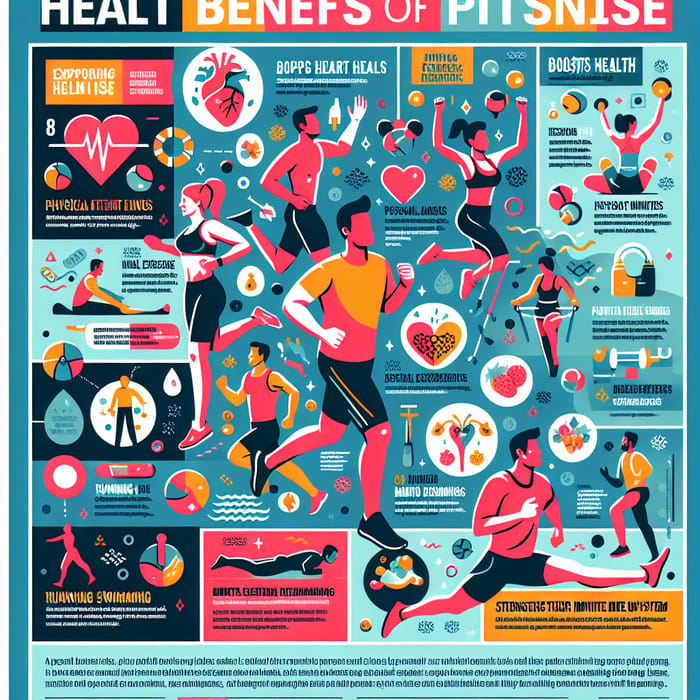
Image courtesy of easy-peasy.ai via Google Images
Recovery and Rest Days
Rest and recovery are essential components of any fitness routine. Your body needs time to repair and rebuild muscle after intense workouts, so be sure to incorporate rest days into your gym plan. Use this time to relax, stretch, and allow your body to recover fully. Overtraining can lead to burnout and injuries, so listen to your body and give yourself the rest you need.
In conclusion, achieving your fitness goals requires a holistic approach that includes workouts, nutrition, and a well-planned gym routine. By incorporating these elements into your daily life and staying motivated, you can reach your health and fitness goals and enjoy a healthier, more active lifestyle.
Discover the top plant-based protein sources that will supercharge your diet and leave you feeling stronger and more energized.

Table of Contents
When it comes to maintaining a healthy diet, getting enough protein is essential. While many people associate protein with meat and dairy products, plant-based proteins can be just as beneficial and nutritious. In this guide, we will explore the various plant-based protein sources available to help you meet your daily protein needs.
Legumes
Legumes are a great source of plant-based protein and are also rich in fiber, vitamins, and minerals. Options such as beans, lentils, chickpeas, and peas can easily be incorporated into soups, salads, stews, and stir-fries. Legumes are not only affordable but also versatile, making them an excellent choice for those following a plant-based diet.
Nuts and Seeds
Nuts and seeds are packed with protein, healthy fats, and essential nutrients. Almonds, walnuts, chia seeds, flaxseeds, and hemp seeds are just a few examples of nutrient-dense options. These can be enjoyed as a snack on their own, sprinkled on top of yogurt or salads, or blended into smoothies for an extra protein boost.
Whole Grains
Whole grains like quinoa, brown rice, oats, and barley are not only a good source of carbohydrates but also contain a fair amount of protein. These grains can be used as a base for salads, soups, or as a side dish to accompany protein-rich meals. Incorporating whole grains into your diet can help increase your overall protein intake.
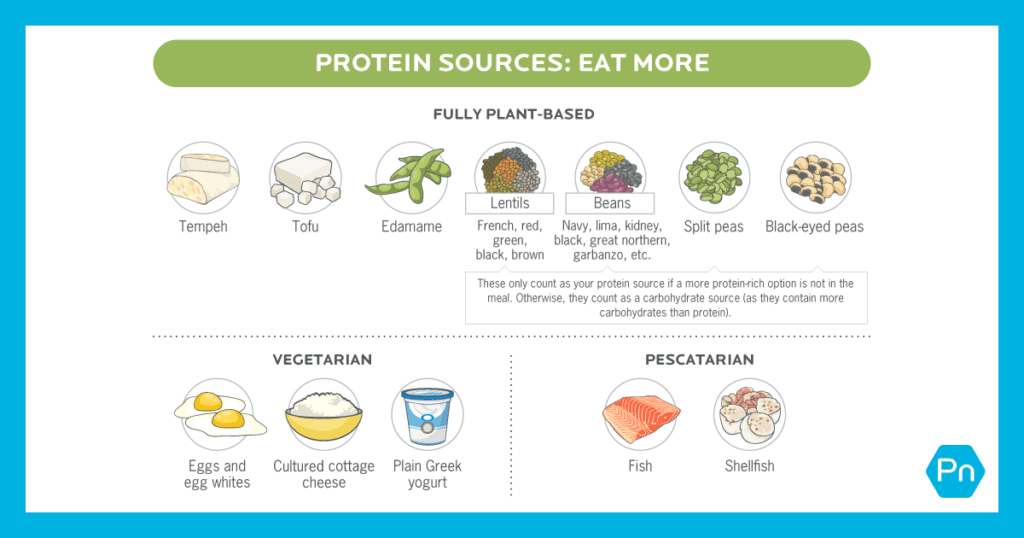
Image courtesy of www.precisionnutrition.com via Google Images
Soy Products
Soy products like tofu, tempeh, and edamame are high-quality sources of plant-based protein. Tofu can be grilled, sautéed, or blended into smoothies, while tempeh can be marinated and used in stir-fries or sandwiches. Edamame makes a great snack on its own or added to salads for an extra protein punch.
Seitan
Seitan, also known as wheat gluten, is a popular meat substitute among plant-based eaters due to its meat-like texture and high protein content. It can be used in a variety of dishes, such as stir-fries, sandwiches, and stews. Seitan is a versatile ingredient that can add a substantial amount of protein to your meals.

Image courtesy of www.pinterest.com via Google Images
Plant-Based Protein Powders
For those looking to supplement their protein intake, plant-based protein powders offer a convenient and easily digestible option. Pea protein, rice protein, hemp protein, and soy protein powders are common choices that can be added to smoothies, oatmeal, or baked goods. These powders are a great way to boost your protein intake post-workout or when on the go.
Combining Plant-Based Proteins
It’s important to note that plant-based proteins can be complementary, meaning that by combining different sources, you can create a complete amino acid profile similar to that of animal-based proteins. Pairing legumes with grains, nuts with seeds, or including a variety of plant-based protein sources in your meals can help you meet all your essential amino acid needs.
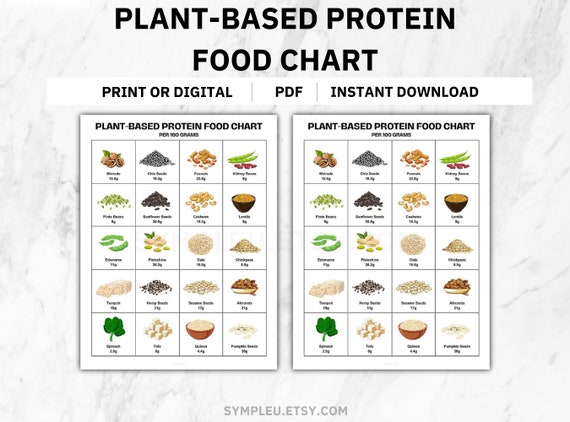
Image courtesy of www.etsy.com · In stock via Google Images
Conclusion
Adding plant-based protein sources to your diet can not only help you meet your daily protein requirements but also provide a host of other health benefits. Whether you follow a vegetarian, vegan, or omnivorous diet, incorporating a variety of plant-based proteins into your meals can contribute to overall well-being and balance in your diet.
Find out how to sculpt your body with this ultimate gym plan designed for maximum shredding and toning results!
Table of Contents
When it comes to transforming your body and achieving your fitness goals, there are two key components that play a crucial role – workout and nutrition. Combining these two factors can help you maximize your results and reach your desired level of fitness. In this blog post, we will discuss how to create an effective gym workout plan with nutrition tips to help you on your path to a stronger, healthier you.
Set Goals
Before diving into your gym plan, it’s important to define your fitness goals. Whether you aim to lose weight, build muscle, or improve endurance, having clear objectives will guide your workout plan. Consider factors such as your current fitness level, time commitment, and desired outcomes to tailor your plan to suit your needs.
Choose the Right Workout
When selecting exercises for your gym plan, it’s crucial to incorporate a variety that targets different muscle groups. A well-rounded workout plan will help you achieve overall strength and balance. Depending on your goals, consider including exercises such as squats, lunges, push-ups, and core exercises to work various muscle groups.
Create a Schedule
Consistency is key when it comes to adhering to your gym plan. Set aside dedicated time in your weekly schedule for workouts and treat them as non-negotiable appointments. Whether you prefer morning sessions to kickstart your day or evening workouts to unwind, find a time that works best for you and stick to it.
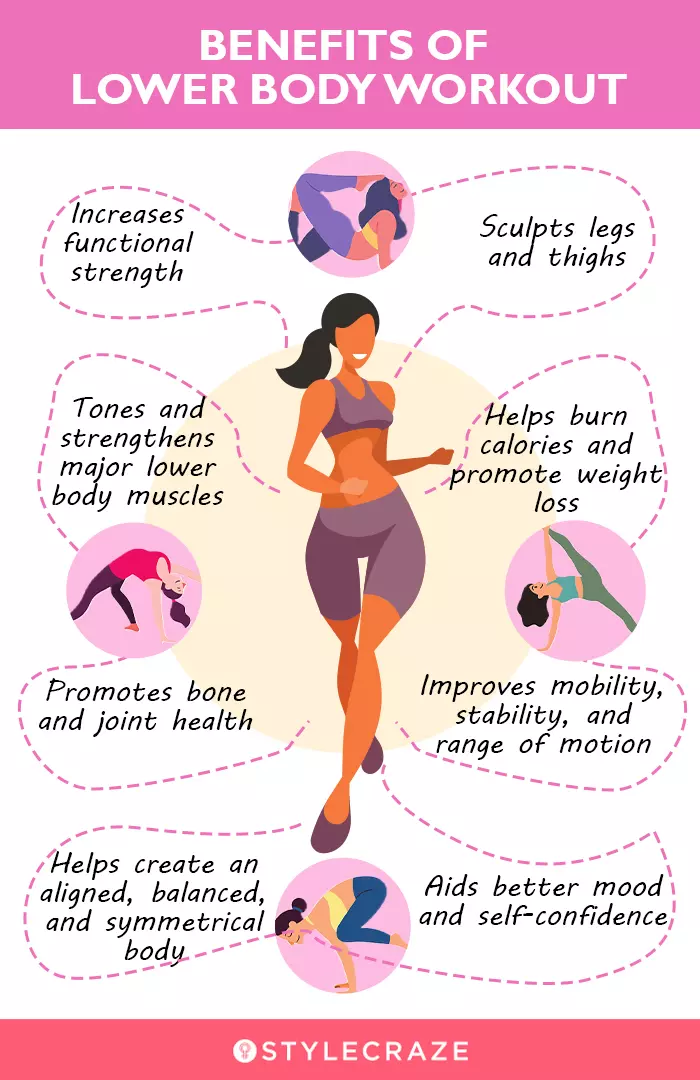
Image courtesy of www.stylecraze.com via Google Images
Incorporate Cardio
Cardiovascular exercises are essential for improving your heart health, burning calories, and boosting overall fitness levels. Include activities such as running, cycling, swimming, or even high-intensity interval training (HIIT) in your gym plan to elevate your heart rate and enhance endurance.
Strength Training
Strength training plays a vital role in building muscle, increasing metabolism, and enhancing overall strength. Incorporate exercises such as weightlifting, resistance bands, or bodyweight exercises to challenge your muscles and promote muscle growth. Aim to include strength training workouts in your plan at least 2-3 times per week.

Image courtesy of www.pinterest.com via Google Images
Plan Rest Days
Rest and recovery are critical components of any gym plan. Allow your body time to recuperate and repair muscles by incorporating rest days into your routine. Overtraining can lead to fatigue, injury, and burnout, so listen to your body and prioritize adequate rest for optimal performance.
Focus on Nutrition
Pairing your gym plan with proper nutrition is essential for fueling your workouts and supporting your fitness goals. Aim to consume a balanced diet rich in lean protein, fruits, vegetables, whole grains, and healthy fats to provide your body with the nutrients it needs to thrive. Stay hydrated, monitor portion sizes, and limit processed foods to enhance your performance and recovery.

Image courtesy of sheshreds.co via Google Images
Meal Prep
Meal prepping can be a game-changer when it comes to staying on track with your nutrition goals. Set aside time each week to plan and prepare healthy meals and snacks that align with your dietary needs. Having nutritious options readily available can help you avoid making impulsive food choices and ensure that you stay fueled for your workouts.
Track Your Progress
Monitoring your progress is essential for staying accountable and making adjustments to your gym plan as needed. Keep a workout journal, track your nutrition intake, and measure your results regularly to gauge your progress and celebrate your achievements. By staying consistent and committed to your fitness journey, you’ll be well on your way to a stronger, healthier you.