
Discover the ultimate guide to achieving your fitness goals and conquering your workouts with expert tips and strategies.
Table of Contents
- Setting Realistic Fitness Goals and Tracking Progress
- Choosing the Right Type of Workout
- Incorporating Strength Training, Cardio, and Flexibility Exercises
- Creating a Balanced and Nutritious Meal Plan
- The Role of Hydration in Fitness
- Meal Prep and Planning for Busy Schedules
- Incorporating Supplements and Vitamins
- Staying Motivated and Consistent
- Conclusion: Listen to Your Body and Make Adjustments
Whether you are a fitness newbie or a seasoned gym-goer, achieving your fitness goals requires a combination of effective workout routines and proper nutrition. In this curated guide, we will provide you with tips to help you create a successful workout plan and nutrition strategy to propel you towards your desired results.
Setting Realistic Fitness Goals and Tracking Progress
One of the key components of a successful fitness journey is setting realistic and achievable goals. Whether you want to lose weight, build muscle, or improve overall health, having specific, measurable, attainable, relevant, and time-bound (SMART) goals will keep you focused and motivated. Keep track of your progress by using a fitness journal, apps, or wearable devices that monitor your activity levels.
Choosing the Right Type of Workout
When designing your workout routine, consider your fitness level, goals, and preferences. Incorporate a mix of strength training, cardiovascular exercises, and flexibility work to ensure a well-rounded plan. Consult with a fitness professional to create a customized program that aligns with your objectives and avoids plateaus in progress.
Incorporating Strength Training, Cardio, and Flexibility Exercises
Strength training helps build muscle, increase metabolism, and improve overall strength. Cardiovascular exercises elevate heart rate, burn calories, and boost cardiovascular health. Flexibility exercises enhance joint mobility, reduce the risk of injury, and improve overall flexibility. Combine these types of exercises in your gym plan to maximize results.

Image courtesy of www.linkedin.com via Google Images
Creating a Balanced and Nutritious Meal Plan
Nutrition plays a significant role in supporting your fitness goals. Opt for a balanced meal plan that includes lean proteins, complex carbohydrates, healthy fats, and plenty of fruits and vegetables. Plan your meals ahead of time, prepare healthy snacks, and stay hydrated by drinking an adequate amount of water throughout the day.
The Role of Hydration in Fitness
Hydration is crucial for overall health and performance during workouts. Proper hydration helps regulate body temperature, transport nutrients, and remove waste from the body. Aim to drink at least 8-10 glasses of water per day, or more if you are engaging in intense physical activity.

Image courtesy of www.linkedin.com via Google Images
Meal Prep and Planning for Busy Schedules
Meal prep is a time-saving strategy that can help you stay on track with your nutrition goals, especially when you have a hectic schedule. Dedicate time each week to plan and prepare meals in advance, portion out servings, and have healthy options readily available to avoid impulsive food choices.
Incorporating Supplements and Vitamins
Supplements and vitamins can be helpful in filling nutrient gaps or supporting specific fitness goals. Consult with a healthcare provider or nutritionist to determine if you need any supplements and choose high-quality products that are safe and effective. Remember that supplements should complement, not replace, a well-balanced diet.
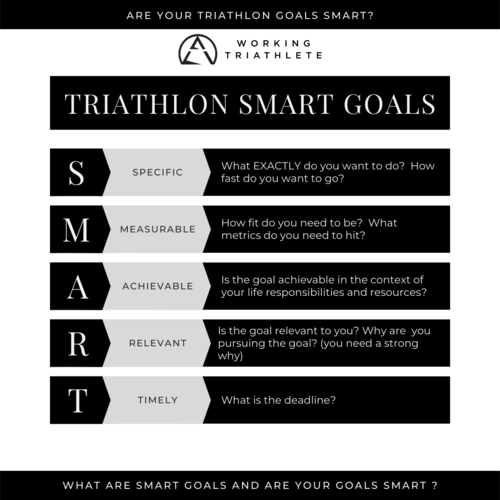
Image courtesy of www.workingtriathlete.com via Google Images
Staying Motivated and Consistent
Motivation can fluctuate, but consistency is key to achieving lasting results. Find activities that you enjoy, set small milestones along the way, reward yourself for progress, and enlist the support of friends or a workout buddy to stay accountable. Celebrate your achievements and be patient with yourself during setbacks.
Conclusion: Listen to Your Body and Make Adjustments
As you embark on your fitness journey, remember to listen to your body’s cues, rest when needed, and adjust your workout and nutrition plan as necessary. Bouncing back from setbacks, staying persistent, and making healthy choices will set you on the path to long-term success in reaching your fitness goals.
Discover how to tap into your primal power with these 5 intense workouts that will help you sculpt your dream physique.

Table of Contents
For many, the journey to a healthier lifestyle begins with a desire to improve fitness and nutrition habits. However, with so much information available, it can be overwhelming to know where to start. In this blog post, we will provide neutral tips for creating a balanced workout routine and nutrition plan that will set you up for success. By following these guidelines, you can design a sustainable wellness routine that will help you achieve your fitness goals.
Setting Goals
Before you begin designing your workout routine and nutrition plan, it is important to set clear and specific goals. Determine what you want to achieve, whether it be weight loss, muscle gain, increased endurance, or overall improved health. Make sure your goals are realistic and achievable within a reasonable timeframe. Setting attainable objectives will help you stay motivated and track your progress effectively.
Designing a Workout Routine
When creating your workout routine, aim to include a variety of exercises that target different muscle groups and fitness components. Incorporate strength training exercises to build muscle, cardio workouts to improve cardiovascular health, and flexibility exercises to enhance mobility and prevent injuries. By diversifying your workouts, you can keep things interesting and ensure you are working out all areas of your body.
Following a Nutrition Plan
Alongside your workout routine, pay close attention to your nutrition plan. Focus on consuming whole foods that are nutrient-dense and provide your body with the fuel it needs to perform at its best. Balance your macronutrients by including a mix of carbohydrates, proteins, and healthy fats in your meals. By fueling your body properly, you can optimize your performance during workouts and support your overall health and well-being.

Image courtesy of via Google Images
Meal Prepping
One effective way to stay on track with your nutrition plan is to meal prep in advance. Plan your meals for the week, making sure to include a variety of nutritious foods that align with your fitness goals. Prepare healthy snacks that you can grab on the go to avoid unhealthy temptations. Meal prepping not only saves you time and money but also helps you stay consistent with your nutrition intake.
Hydration
Staying hydrated is crucial for both your workouts and overall health. Make sure to drink an adequate amount of water throughout the day, especially before, during, and after exercise. Proper hydration can improve your performance, help regulate your body temperature, and support various bodily functions. Carry a water bottle with you wherever you go to ensure you stay hydrated at all times.

Image courtesy of via Google Images
Recovery
Rest and recovery are essential components of a balanced workout routine. Allow your body time to recover by incorporating rest days into your schedule. On active recovery days, engage in gentle activities like stretching or foam rolling to promote muscle relaxation and flexibility. Listen to your body and prioritize adequate rest to prevent burnout and injury.
Monitoring Progress
To track your progress effectively, keep a record of your workouts and nutrition intake. Note any changes in your strength, endurance, or body composition over time. Adjust your workout routine and nutrition plan as needed based on your progress and feedback from your body. By monitoring your journey closely, you can identify what works best for you and make informed decisions for continuous improvement.

Image courtesy of via Google Images
Consistency
Consistency is key when it comes to maintaining a healthy lifestyle. Stay committed to your workout routine and nutrition plan, even on days when motivation wanes. Set small, achievable goals to help you stay on track and celebrate your accomplishments along the way. Use tools like workout calendars or meal planners to stay organized and focused on your wellness journey.
In conclusion, creating a balanced workout routine and nutrition plan requires careful planning and dedication. By setting clear goals, designing a diverse workout routine, following a nutritious meal plan, and prioritizing rest and recovery, you can set yourself up for success in achieving your fitness goals. Remember to stay hydrated, monitor your progress, and prioritize consistency in your wellness journey. With these neutral tips in mind, you can unleash your inner beast and transform your body into its healthiest and strongest state.
Discover the secret to transforming your body with these intense killer workouts that will leave you feeling fit and fabulous!

Table of Contents
Do you want to achieve a healthier and fitter version of yourself? Look no further than this comprehensive guide on how to incorporate workout, nutrition, and a gym plan into your lifestyle. By following the tips outlined below, you can take a holistic approach to improving your health and fitness, leading you to a stronger, more energetic, and happier self.
Workout Tips
Regular exercise is key to maintaining good physical and mental health. Whether you enjoy cardio, strength training, or flexibility exercises, incorporating a variety of workouts into your routine can help you stay motivated and see results. Begin by setting realistic workout goals that challenge you but are attainable. Create a workout schedule that includes different types of exercises to work various muscle groups and keep things interesting.
Nutrition Tips
Eating a well-balanced diet is essential for fueling your body and achieving your fitness goals. Focus on incorporating nutrient-dense foods into your meals, such as fruits, vegetables, whole grains, and lean proteins. Plan your meals ahead of time to ensure you are consuming a variety of nutrients throughout the day. Pay attention to portion sizes and listen to your body’s hunger cues to prevent overeating.
Gym Plan Strategies
Working out at a gym can provide access to a wide range of equipment and resources to support your fitness journey. When creating a gym plan, consider your fitness level, preferences, and goals. Start by setting specific gym goals that align with your overall health objectives. Track your progress and adjust your gym plan as needed to continue challenging yourself and seeing improvements.

Image courtesy of www.fitfeelsgood.com via Google Images
Integrating Workout, Nutrition, and Gym Plan
Workout, nutrition, and a gym plan are interconnected components of a healthy lifestyle. By integrating these three aspects, you can optimize your physical and mental well-being. Find a balance that works for you, considering your schedule, personal preferences, and fitness goals. Remember that consistency is key to seeing long-term results, so make an effort to commit to a routine that incorporates all three elements.
Building Endurance and Strength
Improving your cardiovascular fitness and muscle strength requires a combination of targeted exercises and progressive overload. Gradually increase the intensity and duration of your workouts to challenge your body and build endurance. Focus on incorporating a mix of cardio and strength training exercises to work different muscle groups and improve overall fitness levels.

Image courtesy of www.pinterest.com via Google Images
Fueling Your Workouts
Prioritize pre- and post-workout nutrition to optimize your performance and recovery. Choose foods and supplements that support your energy levels and aid in muscle repair. Stay hydrated before, during, and after your workouts to prevent fatigue and maintain proper body function. Listen to your body and adjust your nutrition based on the type and intensity of your workouts.
Tailoring Your Gym Plan
Every individual is unique, and your gym plan should reflect your specific needs and goals. Customize your workouts to suit your fitness level and desired outcomes. Make adjustments to exercises, reps, and sets as needed to challenge yourself and continue making progress. Experiment with different equipment and exercises to keep your gym plan engaging and effective.

Image courtesy of www.linkedin.com via Google Images
Overcoming Challenges and Setbacks
It’s normal to face obstacles and setbacks on your fitness journey. Identify common barriers such as lack of time, motivation, or resources, and develop strategies to overcome them. Focus on maintaining a positive attitude and mindset, even when progress is slow or challenging. Remember that setbacks are temporary, and with perseverance and determination, you can get back on track and move closer to your health and fitness goals.
Conclusion
By taking a holistic approach to your health and fitness, you can transform your body and improve your overall well-being. Workout, nutrition, and a gym plan are essential components of a healthy lifestyle, and by incorporating these tips into your routine, you can achieve your desired results. Commit to prioritizing your physical and mental health, and enjoy the journey towards becoming the best version of yourself.
Discover the secret to optimal health and vitality with plant-based eating. Learn how nutrition can transform your life today!

Table of Contents
When it comes to improving your overall health, a balanced approach to workout routine, nutrition, and gym planning can make a significant difference. By incorporating these elements into your lifestyle, you can enhance your physical fitness, mental well-being, and overall quality of life. Let’s explore how you can harness the power of plant-based eating to transform your health.
Setting Goals
Before embarking on your health journey, it’s crucial to set clear and achievable goals. Whether you want to lose weight, build muscle, increase flexibility, or simply improve your overall fitness level, defining your objectives will help guide your efforts and keep you motivated along the way.
Creating a Workout Plan
For a well-rounded workout plan, consider incorporating a mix of cardio, strength training, and flexibility exercises. Cardio workouts, such as running, cycling, or swimming, can help improve your cardiovascular health and boost endurance. Strength training, through weightlifting or bodyweight exercises, can build muscle mass, increase metabolism, and enhance overall strength. Flexibility exercises, like yoga or stretching routines, can improve flexibility, balance, and range of motion.
When creating your workout plan, consider your fitness goals, time constraints, and personal preferences. Aim to schedule regular workouts throughout the week and vary your routine to prevent boredom and plateaus.
Choosing the Right Nutrition Plan
A balanced diet plays a crucial role in supporting your workouts and overall health. Consider adopting a plant-based eating approach, focusing on whole foods such as fruits, vegetables, whole grains, legumes, nuts, and seeds. Plant-based diets are rich in essential nutrients, fiber, and antioxidants, which can promote heart health, weight management, and disease prevention.

Image courtesy of greatlifebylucinda.com via Google Images
Meal prepping can help you stay on track with your nutrition plan, ensuring that you have healthy options readily available. Keep track of your food intake to monitor your nutrient intake and make adjustments as needed.
Incorporating Supplements
In addition to a well-rounded diet, supplements can complement your nutrition plan and support your workouts. Consider incorporating supplements such as protein powders, omega-3 fatty acids, vitamin D, or B12 to fill any nutritional gaps and support your overall health.
Finding the Right Gym
The right gym can make a world of difference in your fitness journey. When choosing a gym, consider factors such as location, amenities, equipment, class offerings, and atmosphere. Find a gym that aligns with your fitness goals, preferences, and budget to create a supportive environment for your workouts.

Image courtesy of www.linkedin.com via Google Images
Creating a Weekly Gym Schedule
To stay consistent with your workouts, establish a weekly gym schedule that includes a mix of cardio, strength training, and flexibility exercises. Aim to work out at least 3-5 times per week, scheduling different types of workouts on alternating days to allow for adequate rest and recovery.
Tracking Progress
Tracking your progress is a crucial part of your health journey. Keep a workout journal, log your food intake, take measurements, or use fitness apps to monitor your fitness improvements and nutrition goals. Tracking your progress can help you stay motivated, identify areas for improvement, and celebrate your achievements along the way.

Image courtesy of www.visualcapitalist.com via Google Images
Staying Motivated
Staying motivated on your health journey can be challenging, but incorporating variety into your routine can help keep things fresh and exciting. Try new workout classes, explore different types of exercises, set mini-goals for yourself, or find a workout buddy to keep you accountable and motivated. Remember to be patient with yourself, celebrate small victories, and focus on the progress you’ve made so far.
Conclusion
By integrating a balanced workout routine, healthy nutrition plan, and well-planned gym schedule into your lifestyle, you can transform your health and well-being. Harness the power of plant-based eating to fuel your workouts, support your overall health, and enhance your quality of life. Take the first step towards a healthier you today!
Unlock the secrets to boosting your diet and achieving optimal nutrition with these essential tips for success and vitality.

Table of Contents
When it comes to achieving your fitness goals, a well-rounded approach that combines workout routines, proper nutrition, and a structured gym plan is key. In this comprehensive guide, we will delve into the realm of nutrition and explore the essential tips and strategies to help you supercharge your diet for optimal health and fitness.
The Benefits of Regular Exercise
Regular exercise is not only beneficial for physical health but also plays a crucial role in improving mental well-being and overall quality of life. By incorporating consistent workout routines into your schedule, you can boost your energy levels, reduce stress, and enhance your mood. Whether you prefer cardio workouts, strength training, or yoga, finding a routine that you enjoy can make sticking to your fitness goals much easier.
Nutrition Basics for Health and Fitness
Proper nutrition is a cornerstone of any successful fitness journey. A balanced diet that includes a variety of whole foods such as fruits, vegetables, lean proteins, and whole grains is essential for supporting your workouts and overall health. It is also important to stay hydrated by drinking an adequate amount of water throughout the day to support your body’s functions and recovery.
Pre-Workout Nutrition Tips
Before diving into your workout routine, fueling your body with the right nutrients can help maximize your performance and optimize your results. Consuming a combination of protein and carbohydrates before a workout can provide your body with the energy it needs to push through your session. Timing your pre-workout meal or snack approximately 1-2 hours before exercising can help prevent digestive discomfort while still providing enough fuel for your workout.

Image courtesy of kwork.com via Google Images
Post-Workout Recovery
After completing your workout, it is crucial to focus on post-workout nutrition to support muscle recovery and replenish glycogen stores. Consuming a meal or snack that includes both protein and carbohydrates within 30-60 minutes of finishing your workout can help jumpstart the recovery process and facilitate muscle growth. Additionally, staying hydrated and incorporating foods rich in antioxidants can help reduce inflammation and support overall recovery.
Creating a Personalized Gym Plan
Building a gym plan tailored to your fitness goals and preferences is essential for staying motivated and on track. Start by identifying your fitness goals, whether they be weight loss, muscle gain, or improved endurance, and then create a workout schedule that aligns with those objectives. Consider incorporating a mix of cardio, strength training, and flexibility exercises to ensure a well-rounded fitness routine that targets all aspects of your health and wellness.
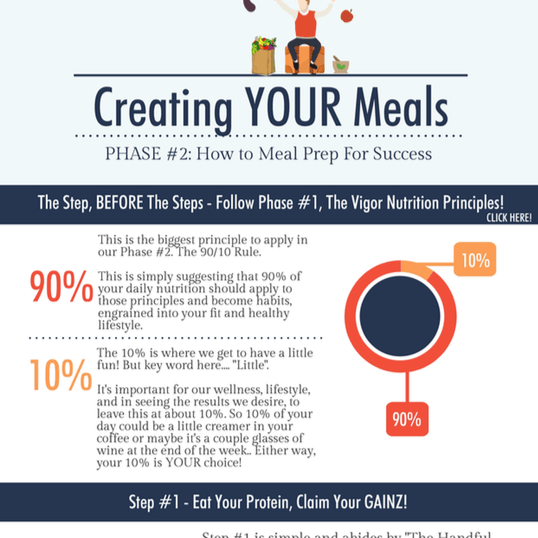
Image courtesy of tailoredcoachingmethod.com via Google Images
Strength Training Workouts
Strength training is a vital component of any fitness plan, as it helps build muscle, increase strength, and boost metabolism. Incorporating compound exercises such as squats, deadlifts, and bench presses can target multiple muscle groups and maximize your time in the gym. Remember to focus on proper form and technique to prevent injuries and ensure optimal results from your strength training workouts.
Cardio Workouts for Weight Loss and Endurance
Cardiovascular exercise can aid in weight loss, improve heart health, and boost endurance. Whether you prefer running, cycling, swimming, or HIIT workouts, incorporating cardio into your fitness routine can help burn calories, increase your fitness level, and support overall well-being. Experiment with different cardio activities to find ones that you enjoy and can stick to over the long term.

Image courtesy of kwork.com via Google Images
Incorporating Flexibility and Mobility Work
Flexibility and mobility work are often overlooked aspects of fitness but are crucial for preventing injuries and maintaining overall health. Incorporating stretches, yoga poses, and mobility exercises into your routine can improve your range of motion, reduce muscle stiffness, and enhance your overall performance during workouts. Focus on areas of tightness or weakness to address imbalances and improve your overall mobility.
Conclusion
By incorporating these nutritional tips and strategies into your fitness journey, you can supercharge your diet and take your health and wellness to the next level. Remember that achieving your fitness goals is a journey that requires consistency, dedication, and a balanced approach to both exercise and nutrition. With the right mindset and tools in hand, you can embark on a path to success and achieve the results you desire.
Unleash your inner beast with this killer gym plan guaranteed to make you sweat for a shredded summer body.

Table of Contents
Summertime is just around the corner, and if you’re looking to get in shape for the season, then it’s time to start planning your workout and nutrition strategy. Achieving your fitness goals requires a combination of dedication, discipline, and the right plan in place. In this blog post, we will provide you with tips on how to create an effective workout plan and nutrition strategy to help you reach your goals.
Setting Your Goals
Before you embark on your fitness journey, it’s important to determine your specific goals. Whether you’re looking to lose weight, build muscle, or improve your overall fitness level, having clear goals will help you stay motivated and on track. Set realistic timelines for achieving these goals so that you can measure your progress along the way.
Creating a Workout Plan
Identifying the types of workouts that align with your goals is crucial for creating an effective workout plan. Whether you prefer cardio, strength training, or a mix of both, make sure your workout plan is sustainable and enjoyable. Setting a consistent workout schedule that fits into your daily routine will help you stay committed to your fitness journey.
Importance of Nutrition
Understanding the role of nutrition in achieving your fitness goals is essential. A balanced diet that provides your body with the necessary nutrients is key to supporting your workouts and overall health. Whether you follow a specific dietary approach or simply focus on eating whole, nutrient-dense foods, make sure your nutrition plan complements your workout routine.

Image courtesy of www.pinterest.com via Google Images
Balanced Diet
Incorporating a variety of nutrients into your daily meals is crucial for maintaining overall health and energy levels. Make sure your diet includes a mix of proteins, carbohydrates, fats, vitamins, and minerals to support your workout routine. Hydration is also essential for staying hydrated and performing your best during workouts.
Meal Planning
Meal prepping can help you stay on track with your nutrition goals by ensuring you have healthy meals ready to go throughout the week. Creating a meal plan and grocery list can help you stay organized and on top of your nutritional needs. Focus on preparing balanced meals that nourish your body and support your fitness goals.

Image courtesy of www.ambitiouskitchen.com via Google Images
Building a Gym Routine
Setting up a gym plan that includes a variety of workouts, such as cardio, strength training, and flexibility exercises, can help you achieve a well-rounded fitness routine. Make sure to balance different types of workouts throughout the week to target different muscle groups and avoid burnout. Consistency is key when it comes to building a successful gym routine.
Keeping Track of Progress
Monitoring your workouts and tracking your progress is essential for staying motivated and adjusting your workout and nutrition plan as needed. Keep a workout journal or use a fitness app to log your workouts, track improvements, and identify areas for growth. Celebrate your successes along the way to stay motivated and committed to your fitness goals.

Image courtesy of m.youtube.com via Google Images
Staying Motivated
Finding a workout buddy or joining a fitness community can provide you with the support and motivation you need to stay on track with your fitness goals. Surround yourself with like-minded individuals who can encourage and challenge you to push yourself further. Reward yourself for achieving milestones in your fitness journey to stay motivated and inspired.
Conclusion
In conclusion, creating an effective workout plan and nutrition strategy is essential for achieving your fitness goals. By setting clear goals, creating a workout plan that aligns with your goals, and focusing on balanced nutrition, you can set yourself up for success. Remember to stay consistent, track your progress, and stay motivated throughout your fitness journey. With dedication and a solid plan in place, you can achieve your fitness goals and feel your best this summer.
The HHS has updated its physical activity guidelines to promote better health. These revisions reflect the latest research in exercise science.
Remaining active is vital for maintaining overall health, and the U. S. Department of Health and Human Services (HHS) periodically updates its physical activity guidelines to align with new scientific findings. The latest update offers revised recommendations for adults and children, emphasizing the importance of regular physical activity for preventing chronic diseases and improving mental health and quality of life.
Ensuring that these guidelines are accessible and actionable for the general public is a priority for HHS, as it seeks to encourage a more active lifestyle among Americans. The updates aim to make it easier for individuals to incorporate exercise into their daily routines, regardless of their age or fitness level.
Hhs Updates Physical Activity Imperatives
The U.S. Department of Health and Human Services (HHS) has rolled out new imperatives that aim to shape the nation’s approach to physical fitness and health. These updates not only reflect the latest scientific evidence but also seek to make physical activity more accessible and tailored for individuals of varying ages and abilities. Understanding these guidelines is crucial for anyone looking to improve their health regimen or encourage others to stay active.
Understanding the latest HHS physical activity guidelinesUnderstanding The Latest Hhs Physical Activity Guidelines
Keeping abreast with the latest physical activity guidelines is essential. The updated HHS recommendations offer comprehensive advice on the amount, types, and level of physical activity necessary to maintain good health.
- Focus on integration of physical activity into daily life
- Emphasis on strength-training and aerobic exercises
- Recommendations for various age groups and specific populations
The Significance Of Staying Active For Overall Health
Physical activity stands as a cornerstone of a healthy lifestyle. Regular exercise boasts a plethora of benefits including:
- Enhancement of heart and cardiovascular health
- Reduction in the risk of chronic diseases such as diabetes and obesity
- Improvement in mental health and mood stabilization
- Better sleep quality and increased energy levels
Adherence to the HHS guidelines can lead to a longer, more vibrant life.
Key changes from the previous guidelinesKey Changes From The Previous Guidelines
Key updates in the new HHS physical activity guidelines include:
| Aspect | Previous Guidelines | Updated Guidelines |
|---|---|---|
| Frequency | Week-long commitment | More flexible schedule |
| Intensity | Focus on moderate to vigorous activity | Inclusion of all intensity levels |
| Specific Groups | General advice | Tailored recommendations |
The revised standards emphasize the importance of movement of any amount and remove the stipulation that physical activity must last for at least 10 minutes to be effective.
Incorporating Movement Into Daily Routines
Embracing an active lifestyle is crucial for maintaining overall health, and the recent HHS updates to Physical Activity Guidelines emphasize just that. Integrating exercise into our day-to-day routines can be a game-changer, positively influencing everything from mood to metabolism. Whether it’s a busy schedule or a sedentary job that stands in the way, finding ways to include more movement throughout the day is both necessary and achievable. Let’s dive into practical tips, strategies, and ideas to keep our bodies moving!
Practical Ways To Increase Physical Activity
Small adjustments to daily habits can lead to significant health benefits down the line. Consider these simple yet effective methods to boost your physical activity levels:
- Take the stairs instead of the elevator.
- Go for short, brisk walks during breaks.
- Involve family or friends in evening physical activities, like biking or playing sports.
- Set a timer to stand up and stretch every hour during sedentary activities.
- Integrate exercise into leisure time by engaging in activities such as gardening or dancing.
Strategies For Overcoming Common Barriers To Exercise
It’s important to identify and address the obstacles that prevent regular exercise. Here are several strategies to conquer these hindrances:
| Barrier | Strategy |
|---|---|
| Lack of Time | Utilize short bursts of activity, like a 10-minute walk or a quick set of push-ups. |
| Limited Access to Equipment | Focus on body-weight exercises or use household items as improvised weights. |
| Low Energy | Schedule workouts at times of the day when you feel most energetic. |
Remember, consistency is key; regular moderate activity is better than sporadic high-intensity workouts.
Incorporating Activity At Work And At Home
Whether you’re at the office or in the comfort of your own home, opportunities to stay active can be seamlessly woven into your environment. At work, use a standing desk or organize walking meetings. Home activities might include doing calf raises while washing dishes or lunges when vacuuming.
- Convert seated workstations into standing ones.
- Suggest or join a company sports team.
- Involve the whole family in active chores.
- Turn TV time into a mini workout session with light exercises.
Ultimately, making movement a natural part of your routine is about finding what works for you and sticking with it. The benefits are worth the effort!
Tailored Guidelines For Varied Demographics
Embracing a physically active lifestyle is pivotal for maintaining optimal health, and the Health and Human Services (HHS) has rolled out updated physical activity guidelines that cater to the unique needs of various demographics. Recognizing that one-size-fits-all recommendations are not always practical, these tailored guidelines address the diverse needs of the population, ensuring that everyone, irrespective of age, condition, or ability, has a clear roadmap towards a more active and healthful life.
Breakdown Of Activities For Different Age Groups
Physical activity plays a crucial role at every stage of life. The HHS provides age-appropriate recommendations to help individuals make the right choices for their fitness journey:
- Children aged 3-5 years should be physically active throughout the day to enhance growth and development.
- Youth aged 6-17 years require at least 60 minutes of moderate to vigorous physical activity daily, including muscle and bone-strengthening activities.
- Adults aged 18-64 years should aim for at least 150 minutes of moderate-intensity aerobic activity per week, complemented by muscle-strengthening activities on two or more days.
- Older adults aged 65 years and older should incorporate balance training alongside aerobic and muscle-strengthening activities, with emphasis on activities that improve balance and prevent falls.
Special Considerations For Pregnant Women And Individuals With Disabilities
The latest guidelines proffer nuanced instructions to support pregnant women and individuals with disabilities:
- Pregnant and postpartum women should aim for at least 150 minutes of moderate-intensity aerobic activity each week. Exercises should be adapted to ensure safety and comfort.
- People with disabilities are encouraged to partake in physical activities suited to their abilities. This helps to improve their physical function and reduces the risk of chronic disease.
Guidance For Those With Chronic Illnesses
Managing chronic illnesses can be challenging, but regular physical activity is known to help mitigate symptoms and improve quality of life. The HHS underscores the importance of tailored physical activity:
- Individuals should engage in activities that accommodate their condition and level of fitness.
- Starting with small amounts of physical activity and gradually increasing the duration, frequency, and intensity is beneficial.
- Consultation with a healthcare provider is crucial to develop a personalized and safe exercise plan.

Credit: www.youtube.com
Get Moving Now! Tips And Tricks
Embracing the updated HHS Physical Activity Guidelines doesn’t have to be a daunting task! Regardless of your current fitness level or time constraints, these practical tips and tricks can jump-start your journey to a more active lifestyle. Remember, the key to success is progression, not perfection. Let’s dive into straightforward methods to weave more physical activity into your daily routine and turn those health goals into reality.
Starting with Small, Achievable GoalsStarting With Small, Achievable Goals
Begin with bite-sized objectives that feel manageable. Small goals are stepping stones, leading to greater achievements. Consider these simple starting points:
- Set a daily step target and increase it weekly.
- Commit to short bouts of activity, like five minutes of stretching every morning.
- Choose stairs over elevators whenever possible to sneak in extra steps.
These incremental changes can make a significant difference over time and boost your confidence, keeping motivation high.
Technology and Apps That Track and Encourage ActivityTechnology And Apps That Track And Encourage Activity
Technology can be a powerful ally in tracking your progress and staying motivated. Explore these popular tools:
Fitness trackers and smartwatches monitor steps, heart rate, and even sleep, providing a holistic view of your health.
Mobile applications offer tailor-made workouts, guided meditations, and can gamify your exercise routine, making it fun and engaging.
| App/Device | Features | Benefits |
|---|---|---|
| Step Counter App | Tracks your steps | Encourages more walking |
| Wearable Fitness Tracker | Monitors multiple activities, sleep, heart rate | Provides comprehensive health data |
Community Resources And Programs To Stay Active
Tap into the power of community to keep your physical activity enjoyable and consistent. Local resources and programs offer valuable support:
- Check out group fitness classes at nearby gyms or community centers, which cater to all levels and interests.
- Join a walking or running club to connect with others who share your fitness goals.
- Explore public parks and recreational areas for hiking, biking, or simply walking in a serene environment.
Communal activities not only promote physical well-being but also foster social connections that can make exercising more enjoyable.
Measuring Your Fitness Progress
Measuring your fitness progress is essential when following the updated physical activity guidelines from HHS. As you embark on a journey to improve your health and fitness, it’s vital to track your progress. Doing so will not only motivate you but also provide valuable insights into the effectiveness of your exercise routine. Let’s dive into the ways you can measure your fitness advancements.
Understanding the metrics for monitoring activityUnderstanding The Metrics For Monitoring Activity
Accurately tracking your fitness journey begins with understanding which metrics are most beneficial to monitor. Common measurements include:
- Heart rate
- Calories burned
- Steps taken
- Exercise intensity
- Active minutes
- Sleep patterns
Tools such as fitness trackers, smartwatches, and smartphone applications can record these statistics automatically, providing a clear picture of your daily activity levels. Focus on metrics that align with your personal fitness goals for the most relevant insights.
Setting realistic milestones and goalsSetting Realistic Milestones And Goals
Goal setting is a powerful motivator in any fitness regimen. Start with assessing your current activity level and setting achievable short-term and long-term milestones. These goals may include:
- Increasing daily step count
- Improving running distance or time
- Upping the intensity of workouts
- Adding additional active days per week
Ensure each milestone is measurable. For instance, rather than aiming to “exercise more,” set a specific target such as “complete a 30-minute walk five days a week.” This precision allows you to track your progress and adjust your goals as needed.
The importance of consistency and perseveranceThe Importance Of Consistency And Perseverance
When it comes to improving fitness, the value of consistency cannot be overstated. Consistent efforts compound over time, leading to significant improvements. Combining this with perseverance, particularly through challenging periods, is what transforms short-term gains into long-term successes. Keep in mind that progress may not always be linear, and patience plays a crucial role in achieving your objectives.
- Establishing a routine – Dedicate specific times for physical activity.
- Tracking your habits – Use logs or apps to maintain a record of your workouts and progress.
- Seeking support – Engage with a community, fitness class, or accountability partner.
By focusing on these aspects, you will create a solid foundation for attaining and even surpassing your fitness goals.
Conclusion
Embracing the updated HHS guidelines for physical activity can transform your well-being. Regular exercise aligns with these recommendations, fostering a healthier lifestyle. Commit to your fitness journey and feel the tangible benefits. Let’s move towards a more active, vibrant future together.
Start now and keep moving forward!
Unlock the secrets to skyrocketing your productivity with these 10 game-changing tips that will revolutionize your workflow today!

Table of Contents
When it comes to enhancing our productivity, a well-rounded approach that includes a balanced workout plan and proper nutrition is key. Combining physical activity with a healthy diet can optimize our energy levels, focus, and overall well-being. In this blog post, we will discuss the importance of setting fitness goals, choosing the right workout routine, incorporating strength training, cardio workouts for fat loss, the role of nutrition in fitness, meal planning, hydration, supplementation, tracking progress, and making adjustments along the way.
Setting Your Fitness Goals
Setting realistic and achievable fitness goals is essential for staying motivated and on track. Whether it’s increasing strength, improving endurance, or losing weight, clearly defining your objectives can help guide your workout and nutrition plan. Start by identifying your primary fitness goal and break it down into smaller, measurable targets that you can work towards over time.
Choosing the Right Workout Routine
When selecting a workout routine, consider factors such as your fitness level, preferences, and goals. Whether you prefer high-intensity interval training, weightlifting, or yoga, finding a routine that you enjoy and can stick to is crucial for long-term success. Consulting with a fitness professional can also help ensure that you are following a program that aligns with your specific needs.
Incorporating Strength Training
Strength training plays a vital role in improving muscle tone, boosting metabolism, and enhancing overall fitness. Incorporating exercises that target major muscle groups, such as squats, deadlifts, and push-ups, can help increase strength and endurance. Aim to include strength training workouts at least two to three times per week to see significant progress.
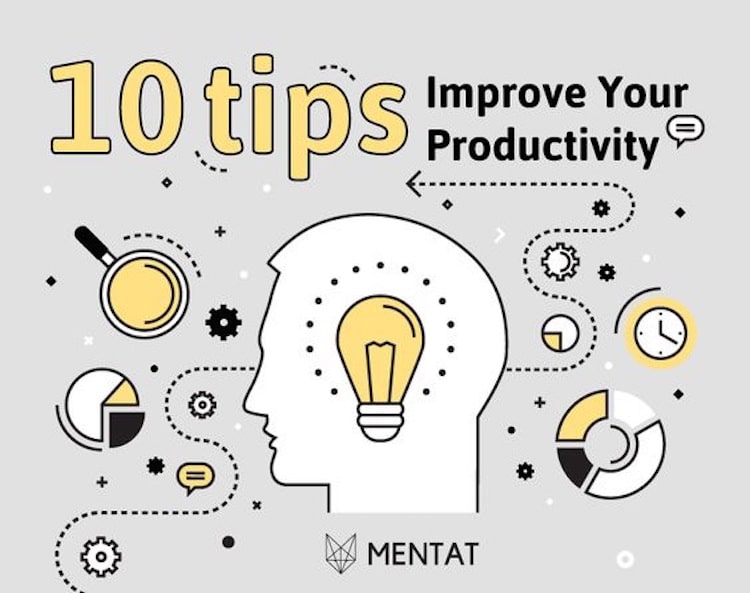
Image courtesy of mymodernmet.com via Google Images
Cardio Workouts for Fat Loss
Cardiovascular exercise is an effective way to burn calories, improve cardiovascular health, and promote fat loss. Whether you prefer running, cycling, swimming, or dancing, incorporating cardio workouts into your routine can help you achieve your weight loss goals. Aim for at least 150 minutes of moderate-intensity cardio per week for optimal results.
The Role of Nutrition in Fitness
Nutrition plays a crucial role in supporting your workouts and overall fitness goals. Consuming a balanced diet that includes a variety of fruits, vegetables, lean proteins, whole grains, and healthy fats can provide your body with the nutrients it needs to perform at its best. Avoiding processed foods, sugary beverages, and excessive amounts of alcohol can also help optimize your fitness journey.
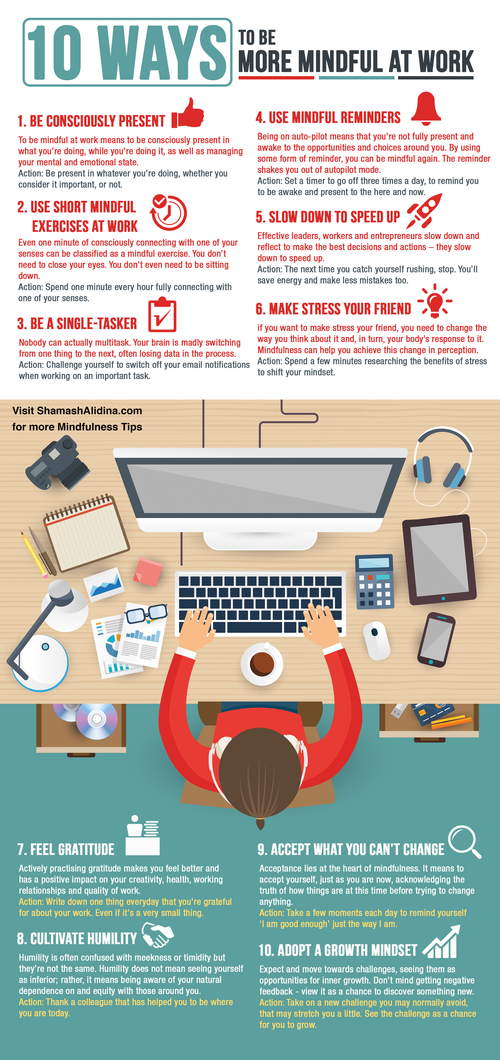
Image courtesy of www.shamashalidina.com via Google Images
Macronutrients and Micronutrients
Macronutrients, including carbohydrates, proteins, and fats, provide the energy needed for workouts and recovery. Micronutrients, such as vitamins and minerals, play essential roles in various bodily functions and overall health. Ensuring that you are getting an adequate balance of macronutrients and micronutrients through your diet can support your fitness goals and overall well-being.
Planning Your Meals
Meal planning is key to maintaining a healthy diet and supporting your fitness goals. Preparing meals in advance can help you make healthier choices throughout the week and avoid impulsive eating. Focus on incorporating a variety of nutrient-dense foods into your meals, and aim to eat balanced meals that include a good source of protein, carbohydrates, and healthy fats.

Image courtesy of alisonyang.com via Google Images
Hydration and Supplementation
Staying hydrated is essential for optimal performance during workouts and recovery. Aim to drink an adequate amount of water throughout the day to stay hydrated and replenish fluids lost during exercise. Additionally, consider incorporating supplements like protein powders, multivitamins, or electrolyte drinks to support your fitness goals, especially if you have specific dietary needs or deficiencies.
Tracking Progress and Making Adjustments
Tracking your progress is a valuable tool for staying accountable and making adjustments to your workout and nutrition plan as needed. Keep a journal of your workouts, meals, and overall progress to see how far you’ve come and identify areas for improvement. Be flexible and willing to adjust your plan based on your results and feedback from your body to continue making progress towards your goals.
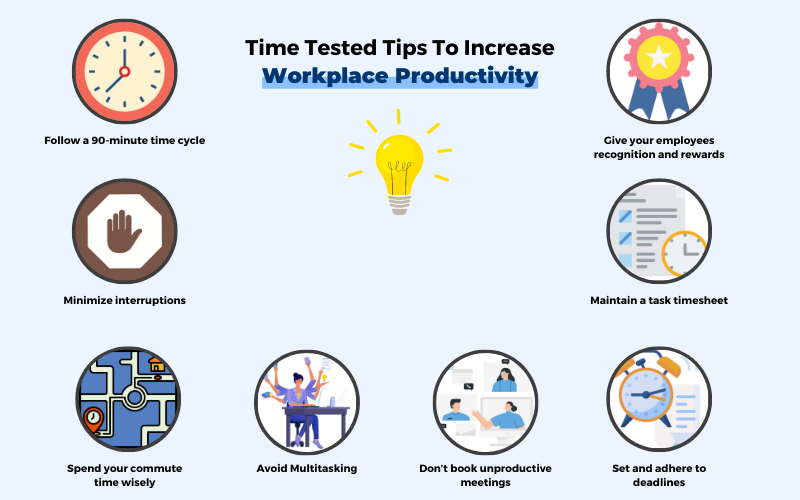
Image courtesy of quixy.com via Google Images
Conclusion
By combining a well-rounded workout plan with proper nutrition, you can optimize your productivity, energy levels, and overall well-being. Setting clear fitness goals, choosing the right workout routine, incorporating strength training and cardio workouts, focusing on nutrition, meal planning, staying hydrated, supplementing when necessary, tracking progress, and making adjustments along the way can help you achieve success in your fitness journey. Remember, consistency is key, so stay committed to your goals and enjoy the process of becoming the best version of yourself.
Unlock the secrets of a healthy diet by exploring the A to Z of nutrients and discover how each bite matters.

Table of Contents
Getting fit requires a combination of exercise and proper nutrition. A balanced workout routine and nutrition plan are essential components in achieving your fitness goals and maintaining overall health. In this guide, we will explore tips for creating an effective workout routine, meal planning, the importance of rest and recovery, setting SMART goals, monitoring progress, adjusting your plan, and overcoming challenges.
Creating a Workout Routine
Identifying your fitness goals and preferences is the first step in creating a workout routine that works for you. Whether you prefer cardio, strength training, or flexibility exercises, a well-rounded routine should include a mix of all three components. Consistency is key, so scheduling regular workout sessions and sticking to them will help you stay on track.
Meal Planning and Nutrition
When it comes to nutrition, balance is key. Make sure each meal includes a mix of carbohydrates, proteins, and fats to fuel your body properly. Opt for whole, nutrient-dense foods over processed options whenever possible. Staying hydrated and monitoring portion sizes will help you maintain a healthy diet.
Importance of Rest and Recovery
Rest and recovery are often overlooked but essential aspects of any fitness plan. It’s important to schedule rest days in your workout routine to allow your body time to recover. Prioritizing sleep and incorporating stretching and foam rolling into your routine will help prevent injuries and keep you feeling your best.

Image courtesy of berryondairy.blogspot.com via Google Images
Setting SMART Goals
Setting SMART goals – specific, measurable, achievable, relevant, and time-bound – is a proven strategy for achieving success. Define what you want to achieve, track your progress, set realistic goals, align them with your fitness aspirations, and establish deadlines for each goal to keep you motivated.
Monitoring Your Progress
Keeping track of your progress is essential for staying motivated and on track toward reaching your fitness goals. Whether you use a workout journal to record exercises, weights, and reps, or fitness apps and wearable trackers to monitor activity levels, tracking your progress can help you see how far you’ve come and stay focused on your goals.
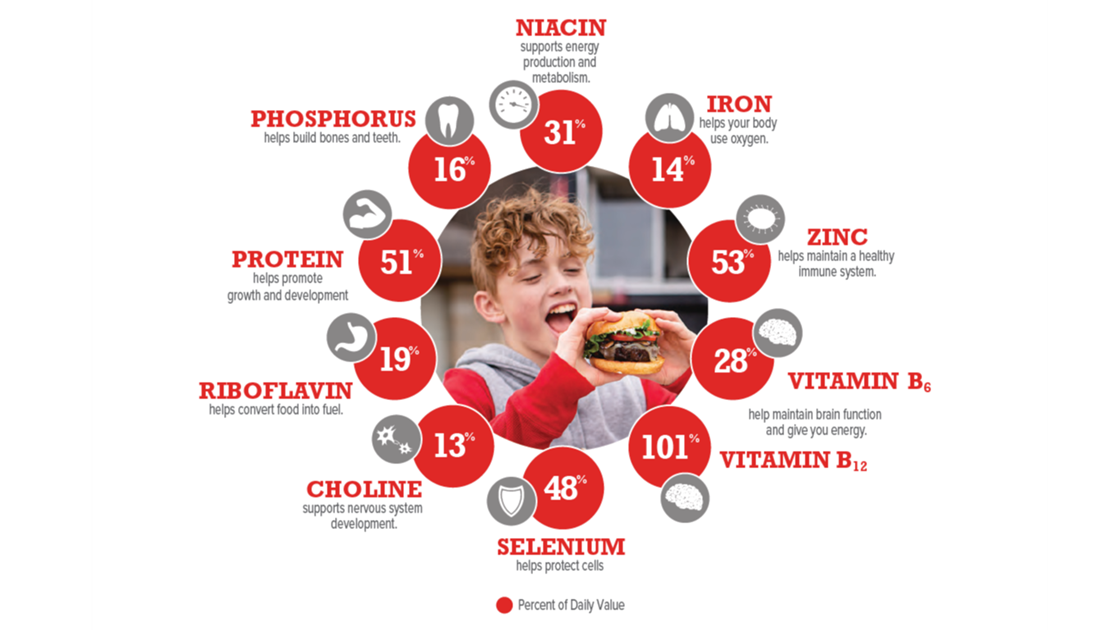
Image courtesy of www.beefitswhatsfordinner.com via Google Images
Adjusting Your Plan as Needed
Listening to your body and making adjustments to your workout routine and nutrition plan is key for long-term success. Be open to trying new exercises or nutrition strategies, and don’t hesitate to seek guidance from professionals when needed. Flexibility and adaptability are essential for maintaining a sustainable fitness plan.
Benefits of Consistency
Consistency is the cornerstone of any successful fitness journey. Regular workouts and nutritious eating habits lead to long-term results and help you establish healthy habits that become second nature. Celebrating small victories along the way can help you stay motivated and committed to your health and fitness goals.
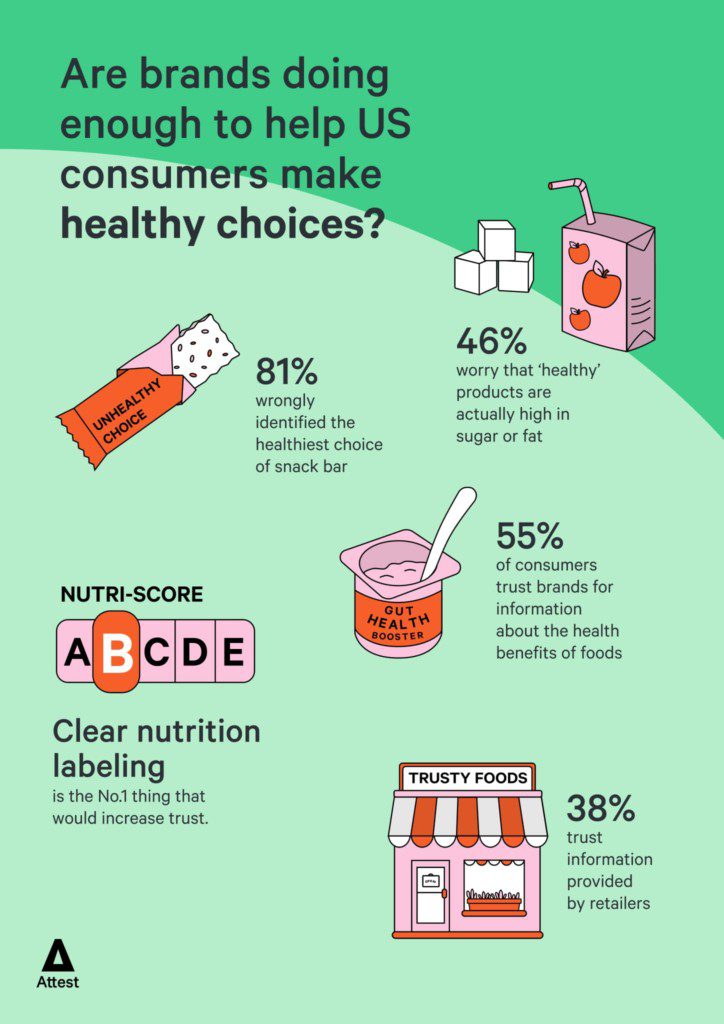
Image courtesy of www.askattest.com via Google Images
Overcoming Challenges
Obstacles and setbacks are inevitable on any fitness journey. Being prepared for challenges and having a plan in place for when life gets hectic can help you stay on track. Remembering why you started on this journey and staying focused on your goals will help you overcome challenges and continue making progress.
Conclusion
Creating a balanced workout routine and nutrition plan is essential for achieving your fitness goals and maintaining a healthy lifestyle. By following these tips, setting SMART goals, monitoring your progress, and staying consistent, you can boost your health and fitness one step at a time. Remember to listen to your body, stay adaptable, and celebrate your successes along the way. With dedication and commitment, you can achieve the results you desire and live a healthier, more active life.
Discover the 4-week gym plan that guarantees quick results and leaves you feeling stronger, fitter, and more confident than ever!
Table of Contents
Ensuring a healthy lifestyle requires a combination of a proper workout regimen, balanced nutrition, and a well-structured gym plan. By incorporating these elements into your daily routine, you can improve your overall health and well-being.
Importance of Workout
Exercise is essential for maintaining a healthy body and mind. It helps to improve cardiovascular health, build strength, and increase flexibility. Different types of exercises, such as cardio, strength training, and flexibility exercises, offer various benefits and should be incorporated into your workout routine.
Creating a Workout Schedule
Developing a workout schedule that fits your lifestyle and fitness goals is crucial for consistency. Start by setting realistic goals and determining the best time of day for your workouts. Consider factors such as your work schedule, energy levels, and preferred type of exercise.
Importance of Nutrition
Nutrition plays a significant role in supporting your workout efforts and overall health. A balanced diet that includes a variety of nutrients is essential for fueling your body and aiding in recovery. Incorporate fruits, vegetables, lean proteins, whole grains, and healthy fats into your meals for optimal nutrition.
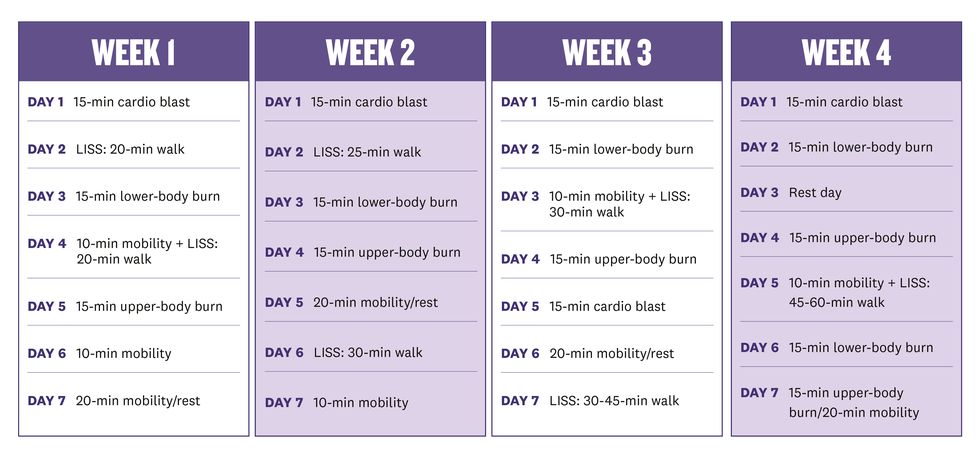
Image courtesy of www.womenshealthmag.com via Google Images
Creating a Balanced Diet
To maintain a healthy diet, aim to include a variety of foods from all food groups. Focus on portion control, mindful eating, and staying hydrated throughout the day. Include superfoods such as berries, nuts, seeds, and leafy greens in your meals for added nutritional benefits.
Supplements and Superfoods
In addition to a balanced diet, consider incorporating supplements and superfoods to support your overall health. Consult with a healthcare professional to determine which supplements may benefit you based on your individual needs and lifestyle.

Image courtesy of www.pinterest.com via Google Images
Tracking Progress
Monitoring your progress is essential for evaluating the effectiveness of your workout and nutrition plan. Keep track of your workouts, measurements, and food intake to identify areas for improvement and make necessary adjustments to your plan.
Benefits of Gym Plan
Having a structured gym plan can help you stay on track with your fitness goals and maximize your time in the gym. Consider factors such as equipment availability, class offerings, and location when selecting a gym that suits your needs.

Image courtesy of www.sleekgeek.co.za via Google Images
Conclusion
By incorporating a proper workout routine, balanced nutrition, and a well-structured gym plan into your lifestyle, you can achieve and maintain optimal health and fitness. Consistency, dedication, and a positive mindset are key to reaching your goals and enjoying the benefits of a healthy lifestyle.