
Unwind and destress with these 5 relaxation techniques that will leave you feeling refreshed, rejuvenated, and ready to conquer your day.
Table of Contents
Stress is an inevitable part of life, but it can take a toll on our physical and mental well-being if not properly managed. In today’s fast-paced world, finding time to relax and unwind is crucial for maintaining a healthy lifestyle. In this blog post, we will explore five relaxation techniques that you can incorporate into your daily routine to help reduce stress and promote a healthier you.
Deep Breathing
One of the simplest and most effective relaxation techniques is deep breathing. Taking slow, deep breaths can help lower your heart rate and blood pressure, promoting a sense of calm and relaxation. To practice deep breathing, find a quiet space where you can sit or lie down comfortably. Close your eyes and inhale deeply through your nose, filling your lungs with air. Hold your breath for a few seconds, then exhale slowly through your mouth. Repeat this process several times, focusing on your breath and letting go of any tension or stress you may be feeling.
Meditation
Meditation is another powerful relaxation technique that has been practiced for centuries to promote overall well-being. By quieting the mind and focusing on the present moment, meditation can help reduce stress and anxiety, improve concentration, and enhance self-awareness. To get started with meditation, find a quiet and comfortable space where you can sit or lie down. Close your eyes and focus on your breath, allowing thoughts to come and go without judgment. You can also try guided meditation apps or videos to help you stay focused and relaxed.
Progressive Muscle Relaxation
Progressive muscle relaxation is a relaxation technique that involves tensing and then releasing different muscle groups in the body to promote relaxation. This technique can help reduce muscle tension, improve sleep, and alleviate stress. To practice progressive muscle relaxation, start by sitting or lying down in a comfortable position. Begin by tensing the muscles in your toes for a few seconds, then release and relax. Move on to your calves, thighs, abdomen, chest, arms, and so on, until you have tensed and relaxed all major muscle groups in your body. Focus on the sensation of relaxation as you release each muscle group.

Image courtesy of www.linkedin.com via Google Images
Yoga
Yoga is a holistic practice that combines physical postures, breathwork, and meditation to promote relaxation and overall well-being. Regular practice of yoga can help reduce stress, improve flexibility and strength, and enhance mental clarity. There are various styles of yoga to choose from, ranging from gentle and restorative practices to more dynamic and challenging sequences. Whether you’re a beginner or an experienced yogi, incorporating yoga into your routine can help you find balance and tranquility amidst the chaos of daily life.
Nature Walks
Connecting with nature is a simple yet effective way to promote relaxation and reduce stress. Spending time outdoors surrounded by greenery and fresh air can help clear the mind, boost mood, and improve overall well-being. Going for a nature walk, hike, or bike ride can provide a much-needed break from the hustle and bustle of daily life. Take the time to notice the sights, sounds, and smells of nature as you explore your surroundings. Whether you have access to a nearby park, beach, or forest, immersing yourself in nature can help you unwind and recharge.
Incorporating these relaxation techniques into your daily routine can help you manage stress, improve your overall well-being, and lead a healthier, happier life. Remember to listen to your body and mind, and prioritize self-care and relaxation in order to thrive in today’s fast-paced world. Say goodbye to stress and hello to a healthier, more relaxed you!
Best recumbent exercise bike under 500
Prostrate exercise bicycles have been demonstrated to be perhaps the best apparatus for low-sway cardio at home or in the rec center. In any case, finding a prostrate bicycle that brings the appropriate elements without burning through every last dollar isn’t generally so straightforward as it sounds. Today we will show you the absolute best supine bicycles under $500. Why this specific value range? Since this is the perfect balance where you’re getting a fair set-up of highlights and great form quality at a sensible cost. Thus, a portion of these bicycles is really among the best supine bicycles available right now. In this article, we’ll go over these singular models exhaustively and afterward talk about what to search for in supine bicycles in this fragment.
The Best Recumbent Bikes Under $500
- Schwinn 230 Recumbent Bike
- Harison Magnetic Recumbent Bike
- Nautilus R614 Recumbent Bike
- Marcy ME-706 Regenerating Recumbent Exercise Bike
- Sunny Health & Fitness SF-RB4850
1. Schwinn 230 Recumbent Bike
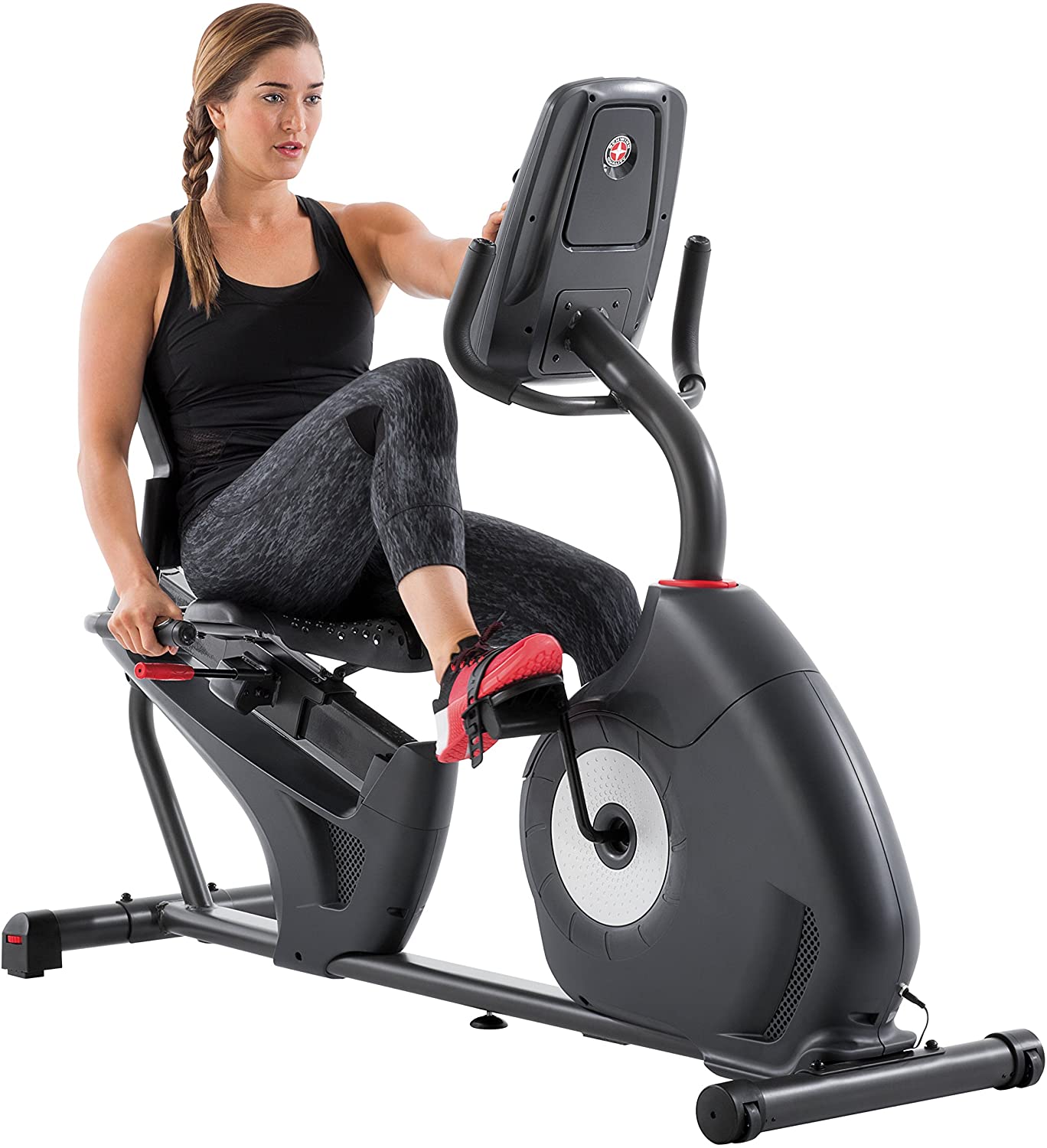 Schwinn’s 230 supine bicycles have shown to be an ideal value-for-your-money choice for those hoping to extend their venture. In addition to the fact that it is the best supine bicycle under $500, however, it’s one of the most outstanding activity bicycles under $500 of any sort. The bicycle includes a solid however low-profile venture through outline that makes it simple to get on and off the bicycle. The edge highlights evening out feet in the back that permit you to even out the bicycle on lopsided surfaces and dispense with irritating wobbles. Toward the front, you have a couple of wheels that make moving the bicycle around genuinely simple.
Key Features
- Objective Trackability empowers the client to layout individual exercise objectives
- 20 degrees of obstruction for a wide scope of exercise force choices
- Rapid, high idleness drive framework for simple beginning up and smooth, calm exercises
- DualTrack 2 LCD screen shows offer expanded permeability to projects and objective following
- 22 preset exercise programs: 9 profile, 8 pulse control, 2 wellness tests, 1 speedy beginning
Specifications
- Brand Schwinn Fitness
- Thing Dimensions LxWxH 64 x 27.7 x 49.9 inches
- Thing Weight 81.6 Pounds
- Material Other
- Power Source Battery Powered
- Most extreme Weight Recommendation 300 Pounds
- Number of Resistance Levels 20
Pros
- Great form quality for what it’s worth
- Accompanies a lot of leader highlights
- Gigantic control center unit that is brimming with presets and different choices
- Inherent common luxuries like speakers, water bottle holder, and media rack
Cons
- The seat can be elusive because of its shape and the absence of cushioning
2. Harison Magnetic Recumbent Bike
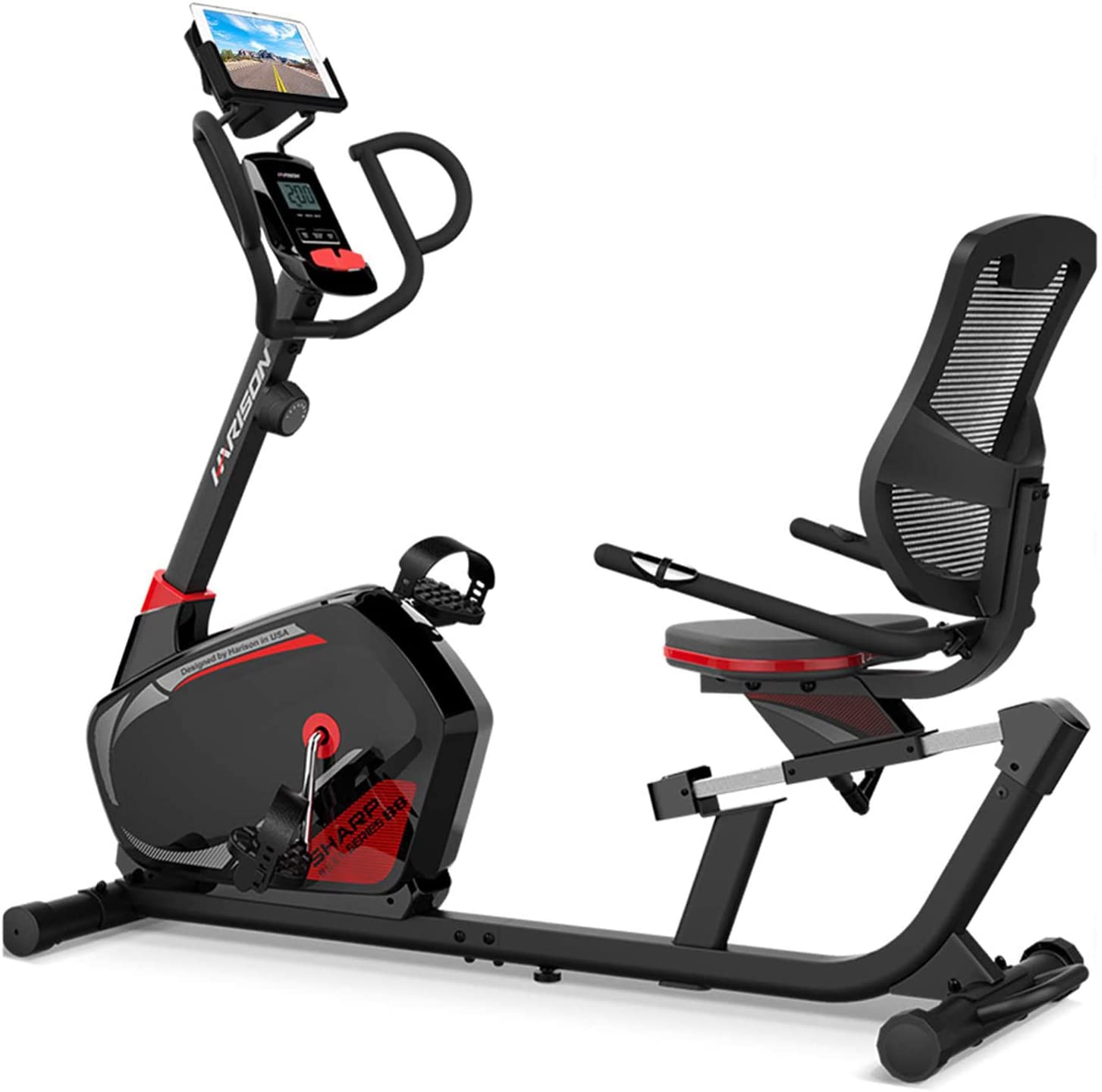 The Harison model we’re taking a gander at here adopts an alternate sort of strategy to supine bicycles. They’ve gone with a more moderate plan. Beginning from the casing we see strong tubing everywhere, which moves certainty assuming that you’re searching for extreme dependability. Albeit the bicycle accompanies evening out feet, they’re the pivoting covers which are more simple than screw-in feet like on the Schwinn 230 above. The seat’s plan is a mixture of a molded lattice plastic backrest and a straightforward cushioned base. As far as solace, it takes care of business yet that meager cushioning can cause some weakness over the long run. Since the bicycle highlights pulse observing, you have two sensors mounted on handlebars close to the seat. The actual seat is mounted on a thin rail that can take up to 350 lbs. of weight max. We’d prefer to see a more strong rail plan as it seems like Harison cut a couple of corners in this office. All things considered, the rail deals with the weight alright.
Key Features
- 【Great gift】You can give it as a present to your mother, father, companion, little girl, child, relative on Thanksgiving, Christmas, Boxing Day, New Year’s Day, and different occasions as an approach to rapidly improve your relationship.
- 【Premium Solid Construction】Heavy obligation Stainless steel outline consolidates both plan and execution. The progression through plan works with the fast passage and exit from the bicycle, erosion obstruction, and oxidation opposition, The strong development can uphold a client weighing up to 350 lbs. Advantageous vehicle wheels permit you to move the cycling bicycle around effectively without lifting it.
- 【Magnetic Adult Recumbent Bike】This indoor prostrate bicycle gives 14 degrees of smooth attractive opposition choices, permits the client to change the strain level for a simpler or more troublesome exercise. Basically, no upkeep is required. A Smooth force wrenching framework gives a smooth and steady accelerating movement. You can practice heart and lung work, or progress fortifies exercise and extreme focus to reinforce your entire body.
- 【Easy-to-Read Digital Monitor】Multi work LCD show, Real-time advanced screen prepared to record time, speed, distance, calories, RPM, sweep, odometer and pulse. 2 of every 1 iPad holder and water bottle holder give extraordinary comfort to your cycling exercise. You can partake in your film or music simultaneously. Best prostrate exercise bicycle for seniors or grown-ups and entire family cardio exercise.
- 【Adjustable Seat and Backrest】Padded with high-thickness froth, the seat and backrest support your hip and back to guarantee the right stance in the interim give the most extreme ease, The huge flexible seat permits you completely partake in the indoor cycling experience at home, Sliding seat rail framework is not difficult to change from front to back for individuals of various stature. Save your legs at an agreeable length for the best outcomes.
- 30 Day Risk-Free Trial and 1-Year Warranty – We trust in our items which is the reason all of HARISON items accompany a multi-day hazard-free preliminary and a 1-year guarantee to give you genuine serenity! We are focused on offering you superior execution premium elements on our stuff at an incredible worth. Our accomplished group attempts to demonstrate that consistently!
Specifications
- Brand HARISON
- Thing Dimensions LxWxH 61 x 51 x 21 inches
- Most extreme Height 51 Inches
- Least Height 38 Inches
- Thing Weight 77 Pounds
- Obstruction Mechanism Magnetic
- Material Alloy Steel
- Power Source Battery Powered
- Most extreme Weight Recommendation 350 Pounds
- Number of Resistance Levels 14
Pros
- Straightforward, strong, and smaller plan that simply works
- Great generally assemble quality
- Formed backrest and padded seat
- Accompanies a smooth and calm flywheel
Cons
- The rail configuration might have been beefier
- Media rack at a strange point that will not work for everybody
3. Nautilus R614 Recumbent Bike
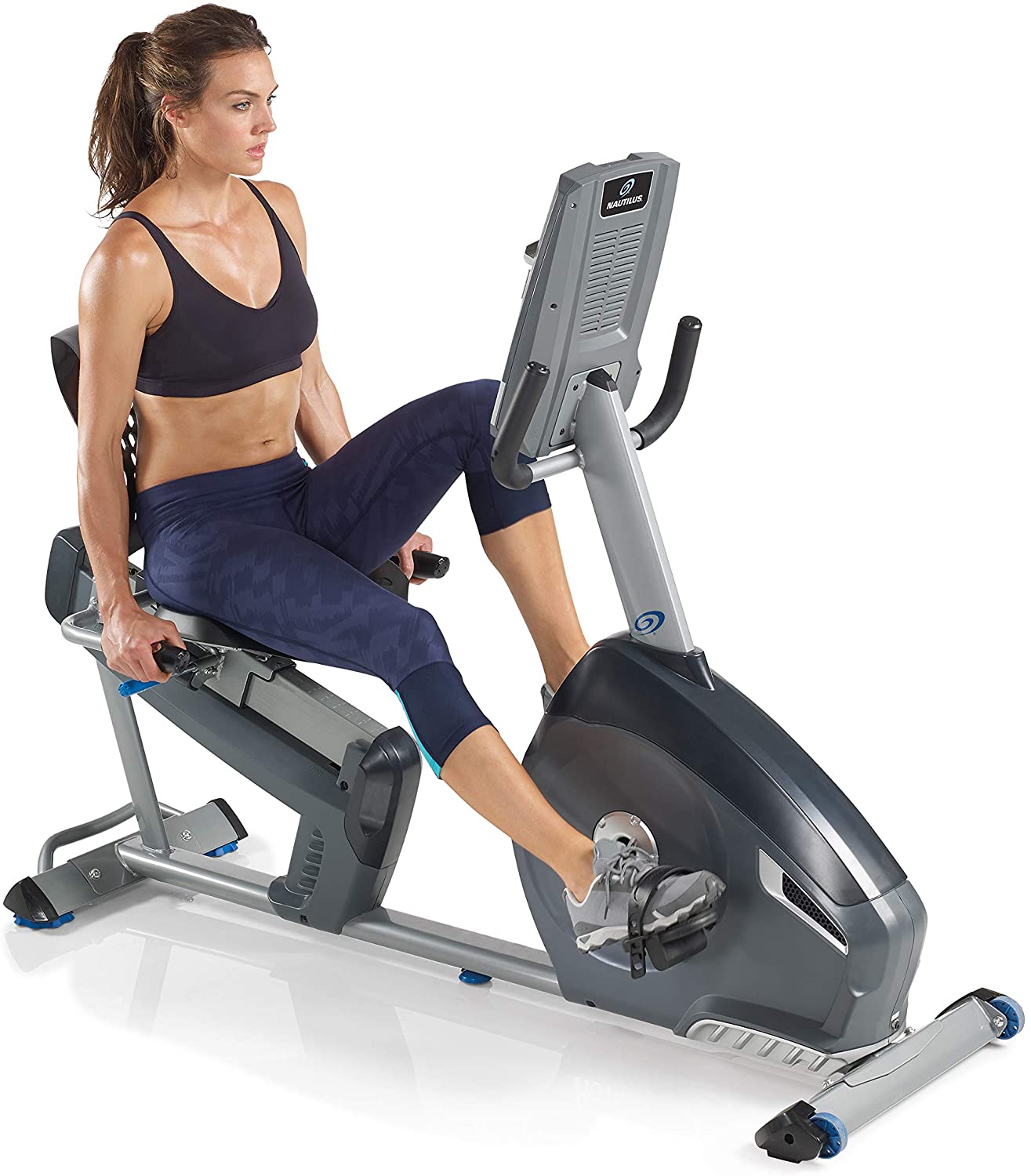 In case you’re searching for a reasonable model that actually offers large numbers of the lead includes, the Nautilus R614 may very well be an ideal bicycle for you. This smaller prostrate bicycle includes a hearty H-design outline that offers fine evening-out change toward the back and a bunch of wheels toward the front. Moreover, they’ve introduced an idea about the back of the casing that permits you to lift the bicycle up and move it all through capacity effortlessly. That is an element we seldom see even on more costly models.
The seat is made of shaped plastic. It’s an unbending, formed lattice plan that offers good help and solace. The seat is mounted on a hearty rail, despite the fact that Nautilus has utilized unsatisfactory bolts to do as such. Thus, they’re known to come free over longer times of utilization. You’ll possibly need to retighten the bolts over the long run or, in a perfect world, utilize a fixative like Loctite when first gathering the bicycle.
The bicycle includes a bunch of handlebars close to the seat that sports standard pulse checking sensors. These HR screens are not known to be especially great, so don’t expect a lot from them.
A flywheel is a strong unit that is about normal with regards to clamor and perfection under load. Opposition is controlled by means of the huge control center unit that highlights 22 exercise programs just as 20 degrees of physically customizable obstruction. You’re getting two showcases – the fundamental presentation utilized for route just as preset control, and the optional presentation that shows your principle details. These controls are natural and easy to utilize.
Key Features
- Objective Track capacity empowers clients to define individual exercise objectives
- Aspects: 64″ L x 27″ W x 50″ H | Product Weight: 80 lbs
- 22 projects: 9 profiles, 8 pulse control, 2 custom, 2 wellness test, and 1 fast beginning
- 20 degrees of opposition for a wide scope of exercise power choices
- Fast, high dormancy drive framework with edge-weighted flywheel for simple beginning up and smooth, reliable exercises
- DualTrack LCD shows; Maximum client weight: 136 kg
- In console speakers with an MP3 input port
- Media plate, USB charging port, and movable fan included
Specifications
- Brand Nautilus
- Color Grey
- Thing Dimensions LxWxH 27 x 50 x 64 inches
- Greatest Height 50 Inches
- Thing Weight 93 Pounds
- Material Other
- Greatest Weight Recommendation 136 Kilograms
- Number of Resistance Levels 20
Pros
- Leader highlights in a moderately reasonable bicycle
- Great form quality and strong materials bar the seat issue
- Includes a lot of usefulness and presets
- Simple to pull all through capacity
Cons
- Seat mount screws will more often than not come unraveled
- Can be fairly precarious to gather – 2 individuals will lessen this issue
4. Marcy ME-706 Regenerating Recumbent Exercise Bike
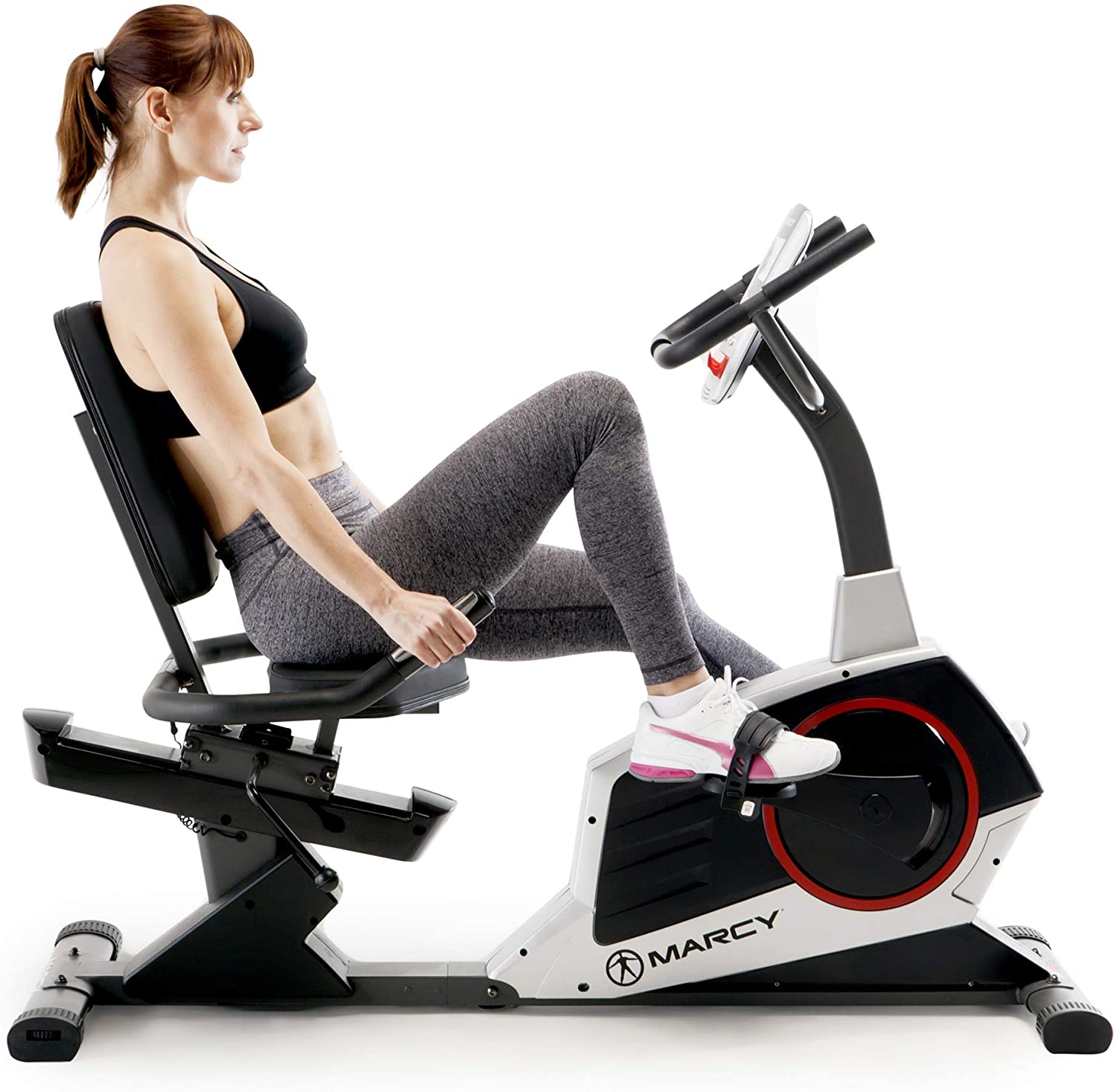 This supine bicycle is one of Marcy’s mid-range contributions and is a strong decision for those searching for something somewhat unique. Marcy hasn’t followed the doctrine with regard to supine bicycles in this market section. First of all, the ME-706 is fairly minimal. It sits on a position of safety H-design outline that is made of level steel tubes. It accompanies a fundamental level change in the back and wheels toward the front.
The seat is the place where Marcy headed out in different directions from most different bicycles on this rundown. Rather than going with a hard lattice plastic seat plan, they essentially took two totally level sheets and added quality cushioning to them. Despite the fact that it might appear to be a lethargic plan alternate route, these sorts of seats will more often than not turn out better for the individuals who find shaped formed plans excessively forceful. All things considered, the seat is not difficult to change and very steady.
Marcy has utilized a quality flywheel for this model that has a double reason: Aside from offering opposition, the flywheel drives oneself to recover the power framework. At the end of the day, accelerating powers up the control center and implies that the bicycle requires no batteries or outer power. All things considered, there’s really not that much to drive. The ME-706’s control center is essential contrasted with most others on this rundown. You’re getting an illuminated presentation, simple controls, and a media rack.
With carefully controlled opposition, you can pick between 23 production line presets and 24 degrees of physically selectable obstruction. With everything taken into account, this is effectively one of Marcy’s best supine bicycles under $500.
Key Features
- The strong steel outline consolidates both plan and execution. Its progression through plan allows you to get on and off the bicycle effectively | The offset pedals adjust to your foot’s work to guarantee prevalent accelerating
- Item aspects – 57″ L x 24″ W x 42″ H | Weight limit – 300 lbs. | For clients between – 10 to 99 years | 3.5mm jack input | Freewheel – No | No electrical association required, just beginning accelerating
- Accompanies a manual attractive opposition instrument with 23 projects and 24 degrees of obstruction that reproduce the impact of trekking in various territories
- Intended to give adequate space to the legs, this bicycle flaunts a customizable cushioned seat to oblige most clients | Its switch-based System permits fast change of the seat even while situated
- This reduced exercise bicycle accompanies a practical LCD with a LED backdrop illumination that allows you to screen distance voyaged, current speed, and heartbeat rate while monitoring time slipped by time and calories copied
Specifications
- Bicycle Type Recumbent Bike
- Age Range (Description) Adult
- Brand Marcy
- Suspension Type Front
- Extraordinary Feature Electric Size One Size
- Color Black
- Outline Material Steel
- Brake Style Coaster
- Thing Weight 99 Pounds
Pros
- Strong form quality no matter how you look at it
- Self-regenerative power implies no requirement for batteries or outside power sources
- Highlights an incredible choice of manufacturing plant presets
- Quality flywheel guarantees close quiet activity
Cons
- Accompanies exceptionally helpless gathering guidelines
- Seat configuration probably won’t be up however everybody would prefer
5. Sunny Health & Fitness SF-RB4850
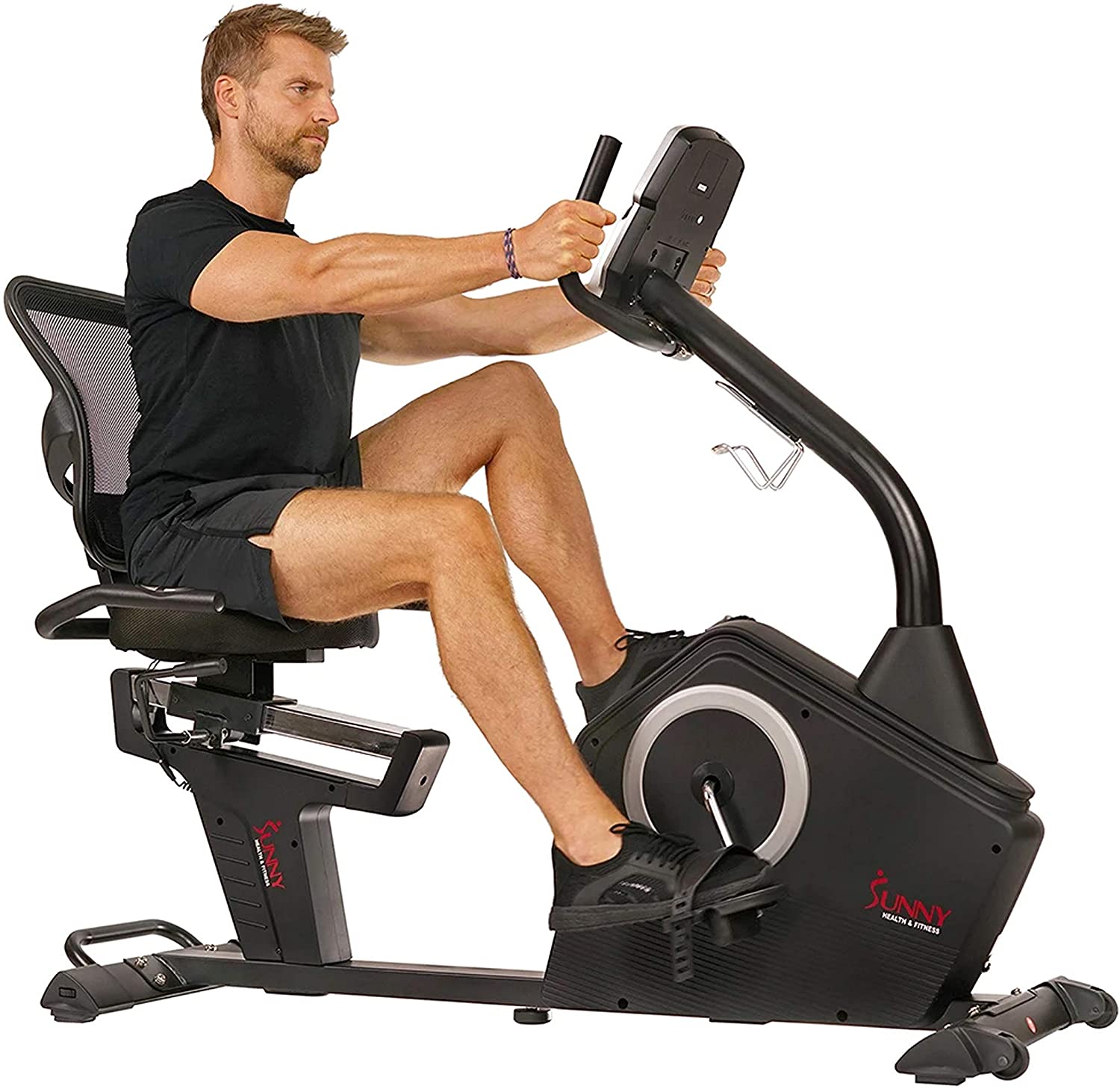 The keep going bicycle on our rundown comes from Sunny Health and Fitness and addresses a balanced choice for the individuals who would rather not spend a lot on a supine exercise bicycle. The SF-RB4850 highlights the trifecta of good casing configuration: Fine evening out the change in the back, transport haggles transport handle. Besides that, you’re seeing strong steel development that is very steady.
The seat on this bicycle addresses what’s likely the ideal arrangement with regards to comfort. Bright Health and Fitness have utilized a hard plastic cross-section for the formed backrest while the real seat is intensely cushioned with high thickness froth. Changing the seat for tallness is finished utilizing a straightforward switch instrument. Very much like on different models that sport pulse checking, the sensors are found on the handlebars mounted to the seat.
Key Features
- Attractive TENSION: Modifying obstruction on this in-home cardio machine is simple. Utilize the control center to spin through 16 degrees of PC-controlled attractive opposition.
- Exercise MODES: This attractive prostrate bicycle is outfitted with 12 exercises presets. you can likewise spin through manual, client adaptable, target pulse, and wattage exercise modes to test your cycling endurance.
- Gadget HOLDER: Watch your beloved exercise recordings, network shows, or peruse the web when you place your telephone or tablet in the gadget holder while you work out.
- Beat GRIPS: This bicycle has two seat-level heartbeat sensors that are not difficult to snatch while you work out. Utilize the information from the beat sensor to check your presentation. Snatch the ergonomic handlebars to keep up with your equilibrium while you work out.
- Agreeable DESIGN: Enjoy both fast and suffering activity meetings on the wide bicycle seat and lattice back help. The progression through the plan makes it simple to mount. Place your feet in the wide foot pedals that have lashes for a safe fit.
Specifications
- Brand Sunny Health and Fitness
- Color Black
- Thing Dimensions LxWxH 59 x 26 x 47.5 inches
- Thing Weight 86.4 Pounds
- Obstruction Mechanism Magnetic
- Material Alloy Steel
- Most extreme Weight Recommendation 300 Pounds
- Number of Resistance Levels 16
- Drive System Belt
Pros
- Great form quality no matter how you look at it
- Highlights what is seemingly the most agreeable seat plan you can pick
- Accompanies an all-around planned control center unit
- Implicit container holder and media rack
Cons
- Just 16 degrees of obstruction isn’t too incredible for this fragment of the market
Conclusions
Prostrate bicycles offer low-sway practice choices at a lesser expense. These are explicitly appropriate for senior grown-ups or those recuperating from a physical issue. Guarantee the bicycle you buy suits your weight and tallness prerequisites. The bicycle additionally should be agreeable for your exercise to be compelling. We trust this article will assist you with making an educated buy.
Frequently Asked Questions
1. What should I look for in a recumbent bike?
When choosing a recumbent bike, look for the same features as an upright: a clear display with the desired measurements, built-in workout programs, adjustable seating and some form of heart-rate monitoring. Recumbent bike shoppers should also take the machine’s dimensions into consideration.
2. Can you get a good workout on a recumbent bike?
Yes! You can get a great cardiovascular workout on a recumbent bike. The benefit of this bike, as opposed to an upright, is that it takes less effort to balance and move the pedals. This means less pressure on your joints, all the while, allowing you to get a good cardio workout.
3. Are 30 minutes on a recumbent bike good?
It also works hard to increase the good cholesterol and lower the bad cholesterol in your body. To put it simply, riding an exercise bike for 30 minutes a day for a handful of times per week can extend your life.
4. Why are recumbent bikes so expensive?
The price increase in recumbent bikes is due to two factors: economies of scale and the seat. … Recumbents typically only come from small or medium-sized companies who can’t get huge discounts on frames, parts, or materials like large bike companies can.
5. What is the difference between a recumbent bike and an exercise bike?
A recumbent exercise bike is a bike that provides a comfortable position as the rider reclines against a backrest. … Compared to a standard exercise bike, a recumbent bike has a larger seat, cushioned back support, and pedals situated in front rather than in line with the body as in upright bikes
6. Why are recumbent bikes not popular?
A big reason you don’t see more recumbents is safety in traffic. If you’re on a “normal” bicycle, you’re (theoretically) going to be relatively more visible to motor vehicles than if you’re lying close to the floor on a recumbent.
7. Does a recumbent bike work your core?
Recumbent bikes will work your abs. When you pedal, your abdominal muscles engage to balance and stabilize your upper body. Your abs also give you the strength to pedal intensely. Sitting in a semi-reclined position on a recumbent bike engages your abs, especially the lower abs and obliques.
8. Can you lose belly fat by riding a stationary bike?
Cycling on a stationary bike is very efficient in burning calories (300 to 700 kcal per hour) and fat since you can alternate between cardio exercises (aerobic zone) and HIIT workouts (anaerobic zone) and thus burn belly fat faster. … Cycling on a stationary bike is a very effective way to reduce belly fat.
9. Does the recumbent bike work inner thighs?
Cycling on a recumbent improves your overall health and wellness, but only uses your legs for the workout. … You use your quadriceps, the fronts of your upper legs, your hamstrings, the backs of your upper legs, your inner thighs, and your glutes to push the pedals on the bike.
10. Can you use a recumbent bike daily?
They can be safely used every day as part of a workout routine and may be ideal for people with joint problems. However, because stationary biking only works the lower body, supplementing daily biking with exercises designed for the upper body is necessary to ensure a full-body workout.
Unlock the key to optimal health with our beginner’s guide to nutrition – discover how to eat well and thrive!

Table of Contents
Tips for Success:
When it comes to achieving your fitness goals, nutrition plays a crucial role. Here are some tips to help you make better food choices:
Setting realistic goals is key. Start by identifying what you want to achieve with your nutrition plan. Whether it’s weight loss, muscle gain, or overall health improvement, having clear objectives will guide your food choices.
Tracking your progress can also be beneficial. Keep a food journal or use a mobile app to monitor your daily intake. This can help you identify patterns, track your macros, and make adjustments as needed.
Workout:
A well-rounded workout routine should include a mix of cardio and strength training exercises. Cardio helps improve cardiovascular health, while strength training builds muscle and boosts metabolism.
For beginners, start with simple bodyweight exercises like squats, lunges, and push-ups. As you progress, you can incorporate weights or resistance bands for added intensity. It’s essential to challenge your muscles to see progress.
To avoid plateaus, vary your workouts regularly. Try different forms of exercise like yoga, Pilates, or HIIT to keep your body guessing and prevent boredom.
Nutrition:
Eating a balanced diet is crucial for fueling your workouts and promoting recovery. Aim to include a variety of foods from all food groups in your meals.
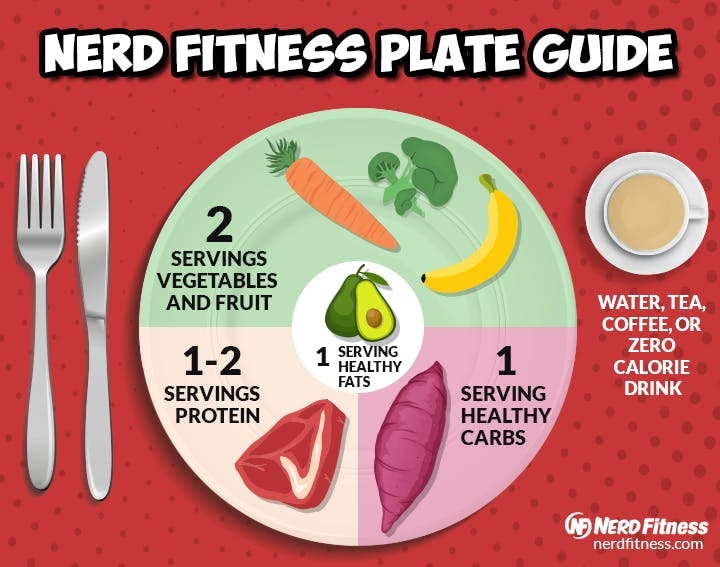
Image courtesy of www.nerdfitness.com via Google Images
Focus on macronutrients like carbohydrates, proteins, and fats. Carbs provide energy for your workouts, proteins support muscle growth and repair, and fats are essential for hormone production and nutrient absorption.
Meal planning and prep can make it easier to stick to your nutrition goals. Take some time at the beginning of the week to plan your meals and snacks, and consider batch cooking for convenience.
Gym Plan:
Creating a gym plan that aligns with your fitness goals is crucial for success. Consider factors like your current fitness level, workout preferences, and time availability when designing your routine.
Incorporate a mix of exercises that target different muscle groups. Include compound movements like squats, deadlifts, and bench presses for full-body strength and coordination.
Staying motivated can be challenging, so find workout buddies or join group classes for accountability and support. Remember to listen to your body and rest when needed to prevent overtraining.
Warm-up and Cool-down:
Warming up before a workout helps prepare your body for the physical demands ahead. Start with a few minutes of light cardio to increase blood flow to your muscles and joints.

Image courtesy of www.pinterest.com via Google Images
Incorporate dynamic stretches like leg swings, arm circles, and hip rotations to improve flexibility and mobility. Avoid static stretching before working out, as this can lead to decreased performance.
Cooling down after a workout is just as crucial. This helps promote blood circulation, reduce muscle soreness, and prevent injury. Finish your workout with static stretches focusing on the muscles you worked.
Recovery and Rest:
Rest and recovery are essential components of a successful fitness plan. Your muscles need time to repair and grow stronger after intense workouts.
Include rest days in your workout schedule to allow your body to recuperate. You can still stay active on rest days with light activities like walking, swimming, or yoga.
Prioritize quality sleep for optimal recovery. Aim for 7-9 hours of restful sleep each night to support hormone regulation, muscle repair, and overall well-being.
Supplements:
Supplements can complement your nutrition plan and help fill nutrient gaps. However, they should not replace whole foods in your diet.

Image courtesy of ontd-political.livejournal.com via Google Images
Common supplements for fitness enthusiasts include protein powder, creatine, BCAAs, and multivitamins. Consult with a healthcare provider or registered dietitian before adding supplements to your routine.
Remember that supplements are not a magic solution and should be used in conjunction with a balanced diet and regular exercise for best results.
Mind-body Connection:
Managing stress and staying mentally focused are crucial for long-term fitness success. Incorporate mindfulness practices like meditation, deep breathing, and visualization techniques into your routine.
Stress can impact your body’s ability to recover and adapt to exercise. Find time for self-care activities like reading, taking a bath, or spending time in nature to relax and unwind.
Stay connected to your goals and motivations. Celebrate small victories along the way and remember that progress takes time. Stay positive and trust the process.
Conclusion:
By combining tips, workouts, nutrition, and a well-planned gym routine, you can set yourself up for fitness success. Remember to stay consistent, listen to your body, and seek support when needed.
Whether you’re a beginner or experienced fitness enthusiast, building a strong foundation of nutrition knowledge and exercise habits will help you reach your goals and maintain a healthy lifestyle for years to come.
Discover the secrets to unlocking boundless energy and sharp focus with the power of proper nutrition for body and mind.
Table of Contents
Staying healthy is a goal many of us aspire to achieve, but with busy schedules and endless distractions, it can be difficult to prioritize our well-being. However, by incorporating effective workouts, nutritious eating habits, and a well-structured gym plan into our daily routines, we can take significant steps towards achieving optimal health. In this blog post, we will explore how to stay healthy through proper workouts, nutrition, and a well-organized gym plan.
Setting Health Goals
Determining your health and fitness goals is the first step towards creating a sustainable wellness plan. Whether you aim to lose weight, build muscle, increase flexibility, or simply improve your overall well-being, establishing clear objectives will help guide your choices and keep you motivated on your journey.
Finding the Right Workout Routine
When it comes to workouts, variety is key. Research and experiment with different types of exercises, such as cardiovascular activities, strength training, and flexibility exercises. Choose a workout routine that not only aligns with your goals but is enjoyable and sustainable in the long run. Whether you prefer high-intensity interval training, yoga, or weightlifting, find what works best for you.
Creating a Balanced Nutrition Plan
Nutrition plays a crucial role in fueling your body and mind. Understanding the basics of nutrition, including macronutrients, micronutrients, and hydration, is essential for building a healthy eating plan. Focus on incorporating a variety of fruits, vegetables, lean proteins, whole grains, and healthy fats into your meals. Meal prepping can also help you stay on track with your nutrition goals and avoid unhealthy food choices.
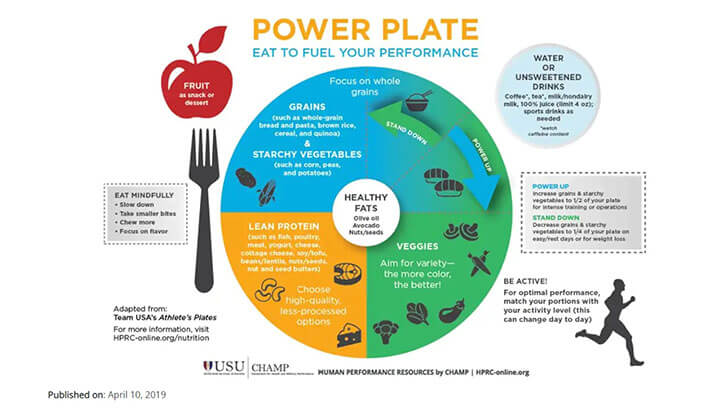
Image courtesy of www.health.mil via Google Images
Using Supplements Wisely
While a balanced diet should provide most of the nutrients your body needs, supplements can be a helpful addition to your wellness regimen. Before incorporating supplements like protein powders, branched-chain amino acids (BCAAs), or multivitamins, consult with a healthcare professional to ensure they align with your specific needs and goals.
Meal Prepping for Success
Meal prepping is a fantastic way to ensure you have healthy options readily available throughout the week. By planning and preparing your meals in advance, you can avoid impulsive food choices and stick to your nutrition plan. Include a variety of colorful fruits and vegetables, lean proteins, whole grains, and healthy snacks in your meal prepping routine.
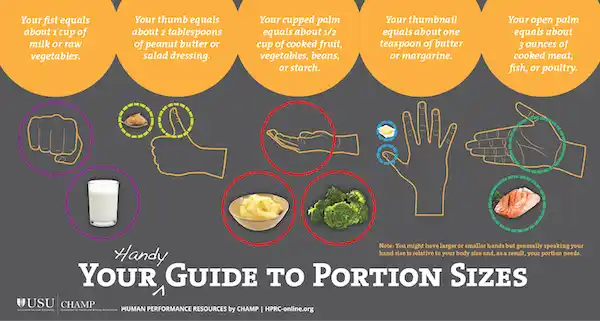
Image courtesy of health.mil via Google Images
Setting Up a Gym Plan
When it comes to gym plans, finding a fitness facility that meets your needs and preferences is crucial. Consider factors such as location, equipment availability, class offerings, and support services when choosing a gym. If you’re new to the gym or unsure where to start, working with a personal trainer can provide guidance and support to help you achieve your fitness goals.
Structuring Your Gym Workouts
Creating a structured gym plan can help you stay organized and focused on your fitness journey. Designate specific days for different types of workouts, such as cardio, strength training, and stretching exercises. Incorporate a mix of exercises that target different muscle groups to ensure a well-rounded workout routine.
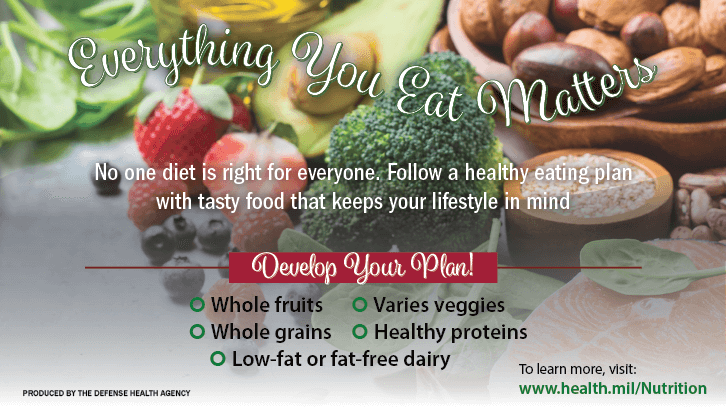
Image courtesy of www.health.mil via Google Images
Incorporating Rest and Recovery
Rest and recovery are essential components of any fitness routine. Allow your body time to recover and repair itself by incorporating rest days into your gym plan. Stretching, foam rolling, and other recovery techniques can help reduce muscle soreness, improve flexibility, and prevent injuries.
Staying Consistent and Making Adjustments
Consistency is key to seeing results and maintaining a healthy lifestyle. Track your progress, celebrate your achievements, and be open to making adjustments to your workouts and nutrition plan as needed. Set new goals, stay motivated, and enjoy the journey towards improved health and wellness.
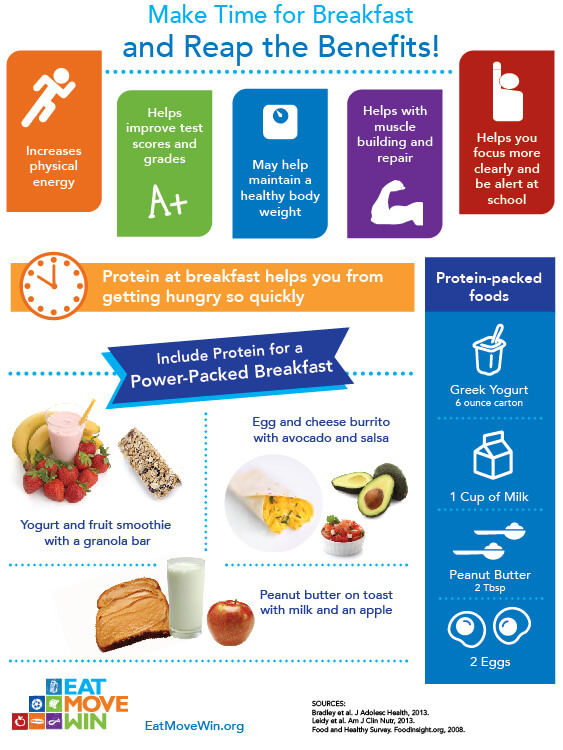
Image courtesy of www.healthyeating.org via Google Images
Conclusion
By incorporating effective workouts, proper nutrition, and a well-structured gym plan into your daily routine, you can take significant steps towards achieving optimal health. Prioritize your well-being, seek support from fitness professionals when needed, and remember that small changes can lead to significant improvements in your overall health and quality of life. Remember, staying healthy is a journey, not a destination, so embrace the process and enjoy the benefits of a healthier, happier you.
Unlock the secret to a healthier you with these 10 nutrition hacks that will revolutionize your eating habits for good.

Table of Contents
In today’s fast-paced world, maintaining a healthy lifestyle can be a challenge. However, with the right guidance and strategies, it is possible to achieve your fitness goals and lead a healthier life. This comprehensive guide will cover essential tips, workouts, nutrition advice, and gym plans to help you on your journey to a fitter and healthier you.
Health Tips
Taking care of your health is crucial when embarking on a fitness journey. Making small adjustments to your daily routine can have a significant impact on your overall well-being. Staying hydrated throughout the day is essential to support your energy levels and recovery. Additionally, ensuring you get an adequate amount of sleep each night allows your body to repair and regenerate. Incorporating stretching into your pre and post-workout routine can help prevent injuries and improve flexibility. Lastly, listen to your body and rest when needed to avoid burnout and overtraining.
Workouts
Choosing the right workouts for your fitness goals is key to seeing progress. Whether you prefer strength training, cardio, or flexibility exercises, there are various options to suit your preferences. Sample workout routines for beginners, intermediate, and advanced levels can provide structure and guidance. Staying motivated and consistent with your workouts is essential for long-term success. Set achievable goals and track your progress to stay accountable and motivated.
Nutrition
A balanced diet full of nutrients is crucial for fueling your workouts and promoting overall health. Meal planning and preparation can help you make healthier choices and avoid impulsive eating. Incorporate a variety of foods for energy, muscle recovery, and optimal performance. Consider adding supplements to bridge any nutritional gaps in your diet and support your fitness goals.
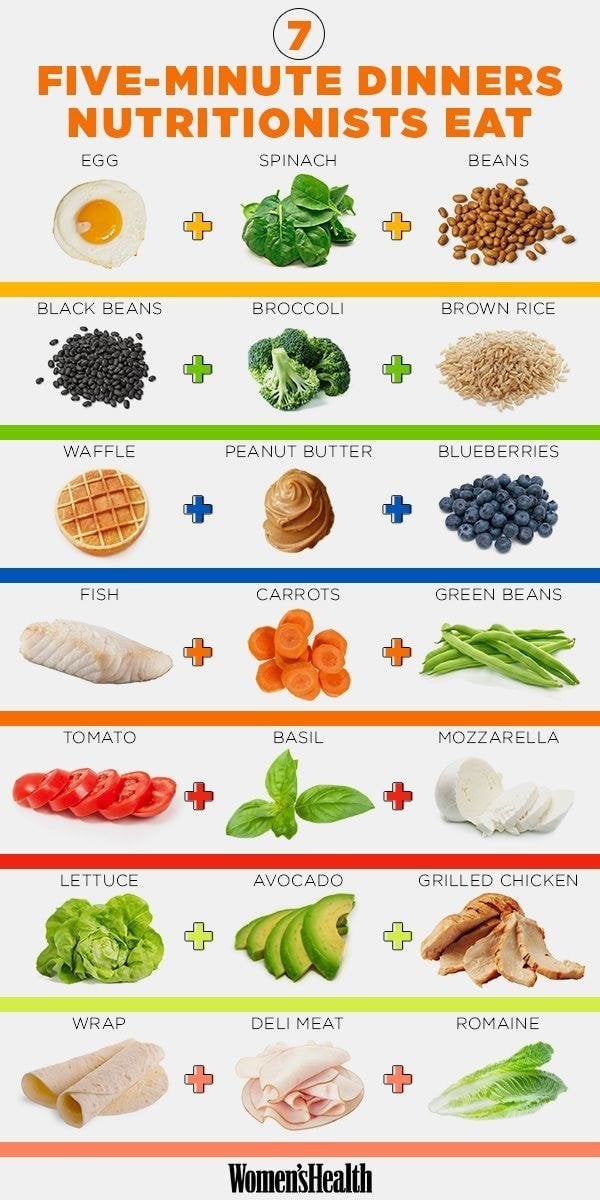
Image courtesy of www.lifehack.org via Google Images
Gym Plan
Developing a gym plan that aligns with your fitness goals is essential for success. Set clear goals for your gym workouts, whether it’s building strength, improving endurance, or toning muscles. Creating a schedule for your gym sessions ensures you prioritize your workouts and stay consistent. Choose the right equipment and exercises that target your specific goals. Track your progress and adjust your plan as needed to continue seeing results.
How to Stay Consistent
Consistency is key when it comes to achieving your fitness goals. Overcoming challenges and staying motivated can be difficult, but implementing strategies like setting goals, creating a routine, and rewarding yourself can help you stay on track. Incorporating fitness into your daily routine and taking small steps towards your goals can lead to long-lasting results.
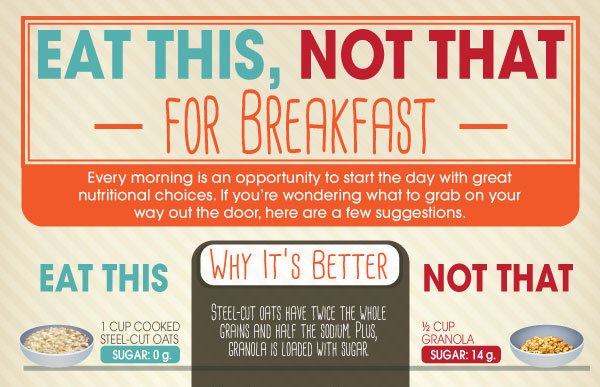
Image courtesy of www.lifehack.org via Google Images
Mindset and Mental Health
Your mental health plays a significant role in maintaining a healthy lifestyle. Practices like meditation, mindfulness, and stress reduction can help you stay focused and positive. Take care of your mental well-being by prioritizing self-care, setting boundaries, and seeking support when needed. Remember that progress takes time, and it’s essential to be patient and kind to yourself throughout your fitness journey.
Progress Tracking
Tracking your progress is essential for staying motivated and adjusting your fitness plan as needed. Different methods like measurements, photos, and performance metrics can help you see how far you’ve come. Utilize apps and tools to monitor your workouts, nutrition, and overall health. Celebrate your milestones and use them as motivation to keep pushing towards your goals.

Image courtesy of www.reddit.com via Google Images
Seeking Support and Accountability
Finding support and accountability can be a game-changer in achieving your fitness goals. Joining a fitness community, finding a workout buddy, or working with a professional like a personal trainer or nutritionist can provide guidance and motivation. Use social media as a tool for inspiration and accountability by sharing your journey and connecting with others who are on a similar path.
Conclusion
In conclusion, achieving your fitness goals requires dedication, consistency, and a holistic approach to health. By implementing the tips and strategies outlined in this guide, you can create a solid foundation for a healthier lifestyle. Remember to be patient with yourself, celebrate your progress, and seek support when needed. With the right mindset and determination, you can reach your fitness goals and become the best version of yourself.
Discover how to craft a gym routine that will make you sweat, smile, and keep you coming back for more.

Table of Contents
Whether you’re just starting your fitness journey or looking to take your workouts to the next level, having a well-rounded gym routine is key to achieving your health and fitness goals. In this comprehensive guide, we’ll cover everything from workout tips and nutritional advice to creating a personalized gym plan that works for you.
The Benefits of Exercise
Regular exercise offers a wide range of benefits, from boosting your mood and improving mental clarity to reducing your risk of chronic diseases such as heart disease and diabetes. Incorporating a variety of exercises into your routine, including cardiovascular, strength training, and flexibility exercises, can help you achieve a balanced and holistic approach to fitness.
Creating a Workout Routine
When it comes to creating a workout routine, it’s important to consider your fitness goals, personal preferences, and schedule. Start by setting realistic goals and gradually increasing the intensity and duration of your workouts as you progress. Mix up your routine to keep things interesting and challenge your body in new ways.
Workout Tips for Beginners
If you’re new to exercise, it’s important to start slowly and listen to your body. Begin with low-impact activities such as walking or swimming, and gradually incorporate more challenging exercises as your fitness level improves. Remember to warm up before each workout and cool down afterwards to prevent injury and promote recovery.
Image courtesy of www.etsy.com · In stock via Google Images
Nutrition Essentials
Exercise is just one piece of the puzzle when it comes to achieving optimal health and fitness. Nutrition plays a crucial role in fueling your workouts, promoting muscle recovery, and supporting overall well-being. Aim to eat a balanced diet that includes a variety of fruits, vegetables, whole grains, lean proteins, and healthy fats.
Meal Planning
Meal planning is a great way to ensure that you’re eating nutritious meals that align with your fitness goals. Prepare meals in advance, stock up on healthy snacks, and opt for homemade meals over processed foods whenever possible. Planning ahead can help you make better food choices and stick to your nutrition plan.
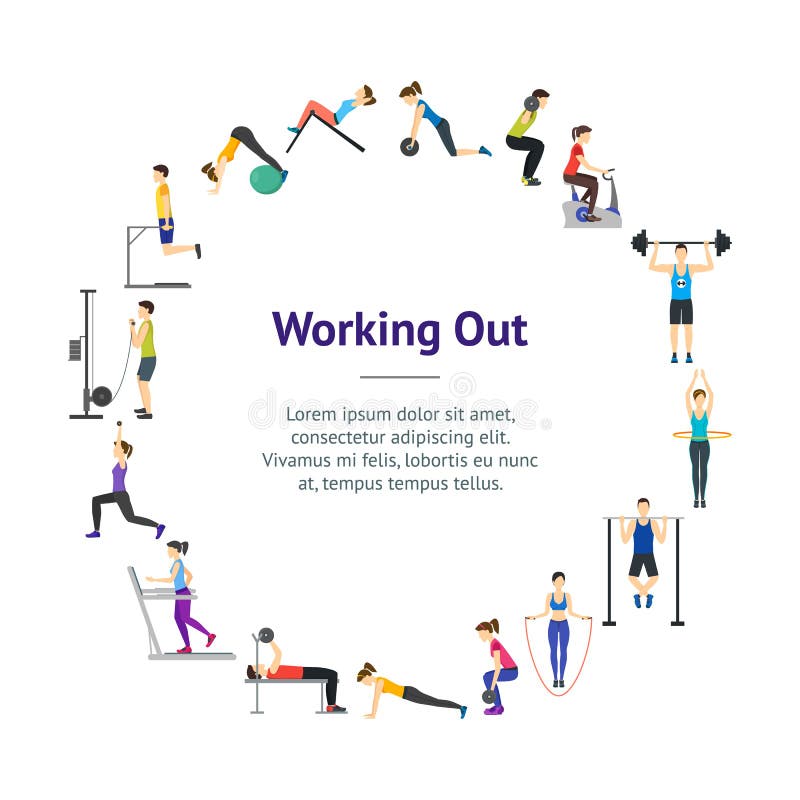
Image courtesy of www.dreamstime.com via Google Images
Protein Intake
Protein is essential for muscle repair and growth, making it an important nutrient for those who exercise regularly. Include sources of high-quality protein in your diet, such as lean meats, poultry, fish, eggs, dairy products, legumes, and tofu. Aim to consume protein at every meal to support your fitness goals.
Hydration
Staying hydrated is key to maintaining optimal performance during workouts and promoting overall health. Drink plenty of water throughout the day, especially before, during, and after exercise. Consider carrying a reusable water bottle with you to ensure you’re staying hydrated wherever you go.

Image courtesy of www.shutterstock.com via Google Images
Gym Plan
Creating a gym plan that aligns with your fitness goals and preferences is essential for making the most of your workouts. Incorporate a mix of cardio, strength training, and flexibility exercises into your routine to build strength, improve endurance, and increase flexibility. Allow for rest and recovery days to prevent burnout and promote muscle repair.
In conclusion, achieving your health and fitness goals requires a combination of regular exercise, healthy eating habits, and a well-rounded gym routine. By incorporating the tips and advice outlined in this guide, you can create a personalized fitness plan that works for you and helps you reach your full potential. Remember to listen to your body, stay motivated, and enjoy the journey towards a healthier, happier you.
Unlock the secrets of eating for energy and discover how to maximize performance with the right diet choices. Don’t miss out!
Table of Contents
- The Role of Nutrition in Your Workout Routine
- Key Nutrients for Fitness Success
- Meal Planning for Athletic Performance
- Hydration and Fitness
- Building a Customized Gym Plan
- Setting Realistic Goals and Tracking Progress
- Seeking Professional Guidance
- Overcoming Plateaus and Staying Motivated
- Conclusion
When it comes to achieving your fitness goals, nutrition plays a crucial role in fueling your workouts and maximizing your results. By strategically planning your meals and snacks, you can boost your energy levels, improve muscle recovery, and enhance your overall performance in the gym. In this blog post, we will explore the importance of nutrition and a structured gym plan in enhancing your workout routine.
The Role of Nutrition in Your Workout Routine
Nutrition has a direct impact on your performance in the gym. Proper nutrition provides your body with the fuel it needs to sustain intense workouts, support muscle growth, and aid in recovery. Whether you are looking to build strength, increase endurance, or lose weight, what you eat can significantly impact your results. It is essential to pay attention to both pre-workout and post-workout nutrition to optimize your performance and recovery.
Key Nutrients for Fitness Success
There are several key nutrients that are essential for fitness success. Protein is crucial for muscle repair and growth, while carbohydrates provide the energy for your workouts. Healthy fats support hormone production and aid in nutrient absorption. Additionally, vitamins and minerals play a vital role in various bodily functions that are important for exercise performance. By including a variety of nutrient-dense foods in your diet, you can ensure that your body has everything it needs to perform at its best.
Meal Planning for Athletic Performance
Meal planning is a valuable tool for optimizing athletic performance. By preparing your meals ahead of time, you can ensure that you have the right balance of nutrients to fuel your workouts and support recovery. Consider incorporating a mix of lean proteins, whole grains, fruits, vegetables, and healthy fats into your meals. Preparing snacks and meals that are easy to grab on the go can help you stay on track with your nutrition goals, even on your busiest days.
Image courtesy of www.health.mil via Google Images
Hydration and Fitness
Hydration is often overlooked but is a critical component of fitness success. Staying properly hydrated before, during, and after your workouts can help regulate your body temperature, transport nutrients to your muscles, and flush out toxins. Make sure to drink an adequate amount of water throughout the day, and consider consuming electrolyte-rich beverages if you are engaging in intense exercise or sweating heavily. Proper hydration can greatly impact your energy levels and workout performance.
Building a Customized Gym Plan
Building a customized gym plan is essential for achieving your fitness goals. Your workout routine should be tailored to your specific objectives, whether you are aiming to build muscle, improve cardiovascular health, or increase flexibility. Incorporate a mix of strength training, cardio, and flexibility exercises into your plan to achieve a well-rounded fitness regimen. Consider consulting with a personal trainer to help design a program that aligns with your goals and abilities.

Image courtesy of www.pinterest.com via Google Images
Setting Realistic Goals and Tracking Progress
Setting realistic fitness goals is key to maintaining motivation and tracking your progress. Establish both short-term and long-term goals that are achievable and measurable. Utilize tools such as fitness apps or journals to track your workouts, nutrition, and overall performance. By monitoring your progress over time, you can identify areas of improvement and celebrate your successes along the way.
Seeking Professional Guidance
If you are struggling to reach your fitness goals or feeling overwhelmed by the abundance of nutrition and workout information available, consider seeking professional guidance. A nutritionist or personal trainer can provide personalized advice and support to help you optimize your diet and gym plan for peak performance. Research reputable professionals in your area or ask for recommendations from friends or family members.
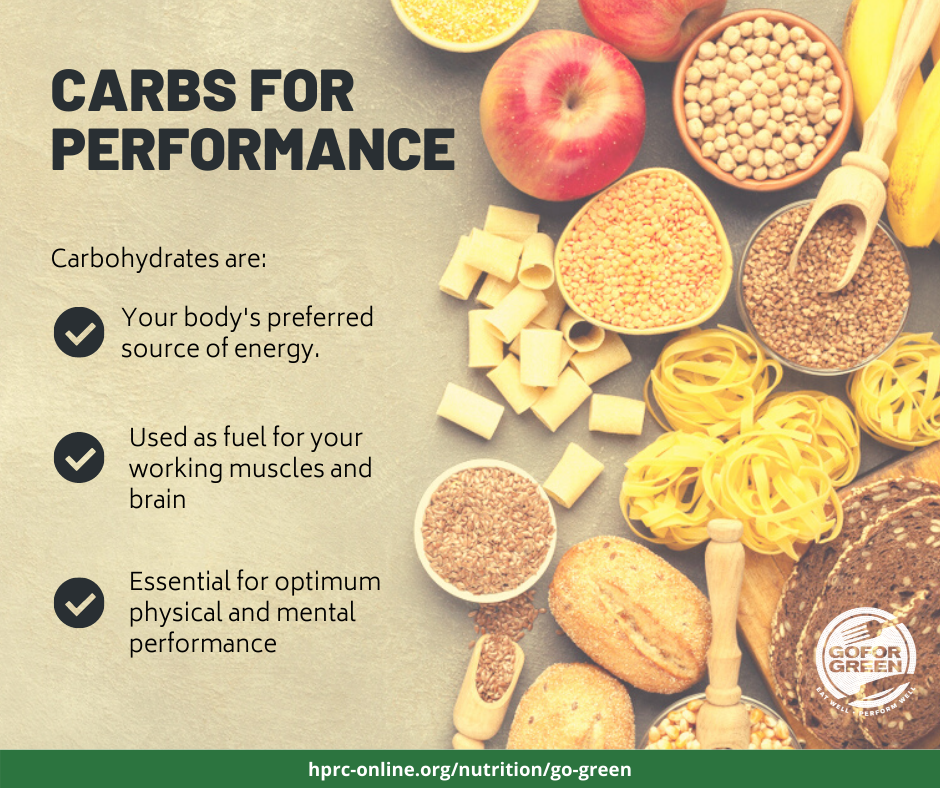
Image courtesy of www.hprc-online.org via Google Images
Overcoming Plateaus and Staying Motivated
It is normal to experience plateaus in your fitness journey, but there are strategies to overcome them and stay motivated. Mix up your workout routine by trying new exercises or varying the intensity of your workouts. Focus on small, incremental goals that keep you engaged and motivated. Remember that progress takes time, and staying consistent with your nutrition and gym plan is key to long-term success.
Conclusion
Optimizing your diet and gym plan can have a profound impact on your workout results and overall fitness success. By paying attention to your nutrition, building a customized gym plan, and setting realistic goals, you can enhance your performance, improve your endurance, and achieve your fitness objectives. Remember to stay hydrated, seek professional guidance when needed, and stay committed to your fitness journey. With the right approach, you can unlock your full potential and reach new levels of health and wellness.
Discover the powerful connection between nutrition and energy levels, and learn how to fuel your body for optimal wellness.

Table of Contents
Whether you are hitting the gym for weight loss, muscle gain, or overall fitness improvement, one thing remains constant – the importance of proper nutrition. Fueling your body with the right nutrients not only maximizes your workout results but also supports overall health and wellness. In this guide, we will explore tips for creating a balanced nutrition plan to enhance your workouts and achieve your fitness goals.
Pre-Workout Nutrition: Setting the Stage for Success
Before heading to the gym, it’s essential to fuel your body with the right nutrients to power through your workout. A combination of carbohydrates and protein can provide the energy and muscle support needed for optimal performance. Opt for complex carbohydrates like whole grains, fruits, and vegetables to sustain energy levels throughout your workout. Pair them with lean proteins such as chicken, fish, or tofu to support muscle repair and growth.
In addition to carbs and protein, don’t forget about hydration. Drinking water before your workout helps prevent dehydration and ensures your body functions properly during exercise. Consider adding a splash of electrolytes or a sports drink for added hydration benefits.
Post-Workout Recovery: Replenish and Repair
After a rigorous workout, your body needs nutrients to replenish energy stores and promote muscle recovery. Focus on consuming a mix of protein and carbohydrates within 30 minutes to an hour post-exercise. Protein aids in muscle repair and growth, while carbohydrates help replenish glycogen stores and enhance recovery.
Opt for a protein shake, Greek yogurt with fruit, or a turkey and avocado wrap as a post-workout snack. These options provide a blend of nutrients to support recovery without feeling weighed down. Don’t forget to hydrate with water or a sports drink to replace lost fluids and electrolytes.
Superfoods and Supplements: Enhancing Your Performance
While a well-rounded diet provides essential nutrients for optimal performance, incorporating superfoods and supplements can offer additional benefits. Superfoods like berries, spinach, and nuts are rich in antioxidants, vitamins, and minerals that support immune function and muscle recovery.

Image courtesy of www.pinterest.com via Google Images
Consider adding supplements like whey protein, creatine, or branched-chain amino acids (BCAAs) to your regimen for an extra boost. These supplements can help support muscle growth, improve performance, and aid in recovery. However, it’s essential to consult with a healthcare professional before adding any new supplements to your routine.
Hydration Hygiene: The Key to Workout Success
Proper hydration is crucial for workout performance and overall health. Dehydration can lead to fatigue, muscle cramps, and decreased exercise performance. Aim to drink at least 8-10 glasses of water per day, and increase intake before, during, and after exercise.
During your workout, sip on water or a sports drink to stay hydrated and maintain optimal performance. If you sweat heavily or engage in intense exercise, consider weighing yourself before and after your workout to gauge fluid loss and adjust your hydration accordingly.
Setting Realistic Fitness Goals: Crafting Your Gym Plan
Before hitting the gym, it’s essential to set realistic fitness goals that align with your desired outcomes. Whether you aim to lose weight, build muscle, or improve overall fitness, defining clear and achievable goals can help guide your workout plan.

Image courtesy of www.pinterest.com via Google Images
Consider incorporating a mix of strength training, cardio, and flexibility exercises into your routine to achieve a well-rounded fitness program. Strength training builds muscle mass and strength, while cardio enhances cardiovascular health and burns calories. Combining these elements with flexibility exercises like yoga or stretching improves mobility and reduces the risk of injury.
Motivation Magic: Staying on Track
Staying motivated is key to maintaining a consistent workout routine and achieving your fitness goals. Finding a workout buddy, joining a group fitness class, or setting small, achievable milestones can help keep you on track and accountable.
If you hit a plateau or lose motivation, reassess your goals and workout plan to make adjustments. Consider consulting with a personal trainer or fitness professional for guidance and support. Remember that progress takes time, and consistent effort is the key to long-term success.
In conclusion, proper nutrition and a well-planned gym routine are essential for maximizing workout results and achieving your fitness goals. By fueling your body with the right nutrients, staying hydrated, and crafting a balanced workout plan, you can optimize your performance and enhance overall wellness. Remember to listen to your body, stay patient, and celebrate small victories along the way to a healthier, fitter you.
Discover the secrets to getting fit quickly with the ultimate gym plan designed specifically for busy bees on-the-go.

Table of Contents
Are you a busy bee looking to achieve your fitness goals but struggling to find the time and motivation to hit the gym? Look no further! In this blog post, we will delve into the world of workout plans and nutrition regimens, and provide you with the tips and strategies you need to succeed in your fitness journey. By combining a well-designed workout plan with proper nutrition, you can optimize your results and reach your goals faster than you ever thought possible.
Assess Your Goals
Before diving into a workout plan and nutrition regimen, it’s important to assess your fitness goals. Are you looking to lose weight, build muscle, improve your cardiovascular health, or simply maintain your overall well-being? By setting specific, attainable goals, you can tailor your workout plan and nutrition regimen to meet your unique needs and desires.
Create a Workout Plan
Designing a workout plan that aligns with your goals and fitness level is crucial for success. Incorporate a variety of exercises targeting strength, cardiovascular health, and flexibility to ensure a well-rounded fitness routine. Be sure to also consider factors such as frequency of workouts, duration, and intensity to maximize your results.
Stick to a Consistent Schedule
Consistency is key when it comes to achieving your fitness goals. By sticking to a consistent workout schedule, you can maintain progress, see results, and stay motivated. Develop strategies to overcome obstacles such as fatigue, busy schedules, and lack of motivation, so you can stay on track and reach your goals.
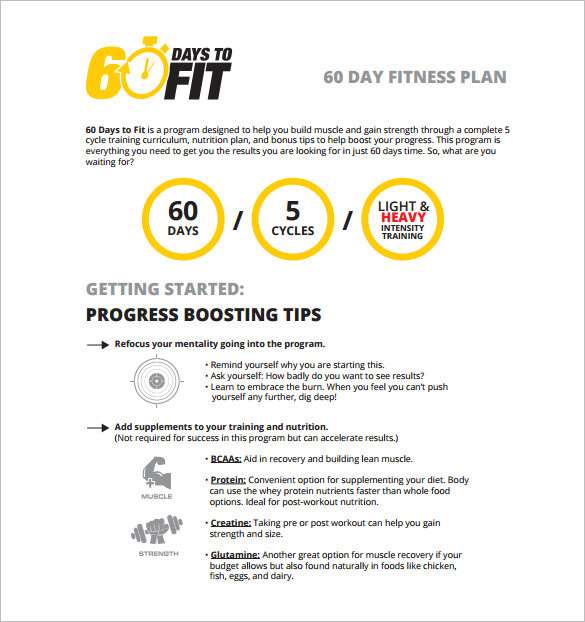
Image courtesy of via Google Images
Incorporate Proper Nutrition
Nutrition plays a crucial role in supporting your exercise routine and maximizing your results. Create a balanced diet that provides your body with the nutrients it needs to fuel your workouts, support recovery, and promote overall health. Be sure to include a mix of macronutrients such as protein, carbohydrates, and fats in your meals to optimize your performance.
Meal Planning
Planning and preparing healthy meals and snacks in advance can make it easier to stick to your nutrition goals. Ensure that your meals are balanced and provide you with the necessary energy and nutrients to support your fitness routine. Consider timing your meals around your workouts to optimize your performance and recovery.
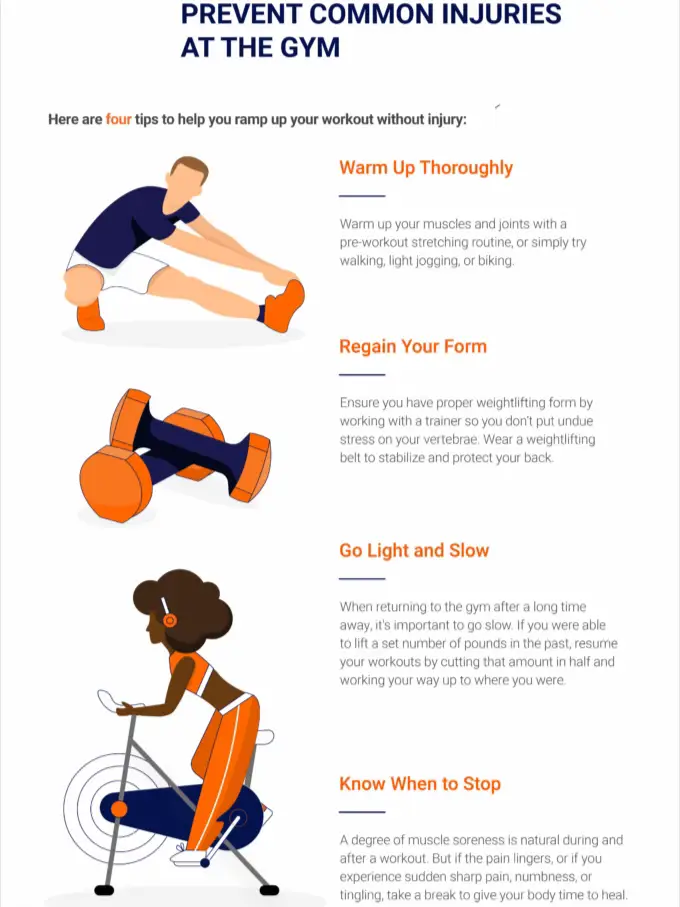
Image courtesy of via Google Images
Hydration
Staying hydrated is essential for optimal exercise performance and recovery. Make sure to drink an adequate amount of water throughout the day, especially before, during, and after your workouts. Proper hydration can help prevent fatigue, cramps, and other issues that may hinder your fitness progress.
Supplements
While a well-rounded diet should provide you with most of the nutrients you need, supplements can be a helpful addition to your nutrition regimen. Consider incorporating supplements such as protein powder, vitamins, or minerals to fill in any gaps in your diet and support your fitness goals.
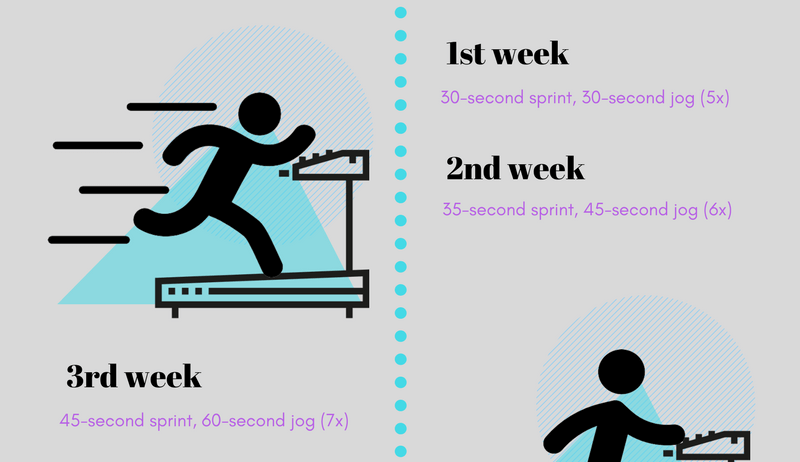
Image courtesy of via Google Images
Recovery and Rest
Rest days are just as important as workout days when it comes to achieving your fitness goals. Give your body time to rest and recover to prevent burnout, injuries, and plateaus in your progress. Incorporate relaxation techniques such as stretching, yoga, or meditation to help your body and mind rejuvenate.
Continuing Your Fitness Journey
As you progress on your fitness journey, be prepared to adjust your workout plan and nutrition regimen as needed. Listen to your body, track your progress, and make modifications to your routine to continue making gains and improvements. Stay committed to your goals, stay consistent, and remember to enjoy the process of becoming the best version of yourself.
In conclusion, achieving your fitness goals is within reach with the right workout plan and nutrition regimen. By setting clear goals, designing a well-rounded workout plan, sticking to a consistent schedule, and fueling your body with the right nutrients, you can optimize your results and reach your fitness aspirations. Remember to prioritize rest and recovery, listen to your body, and stay committed to your health and wellness journey. Get started today and watch as you transform into a healthier, fitter, and happier version of yourself!
Discover the secrets to unlocking your inner athlete and achieving your fitness goals with our game-changing gym plan today!
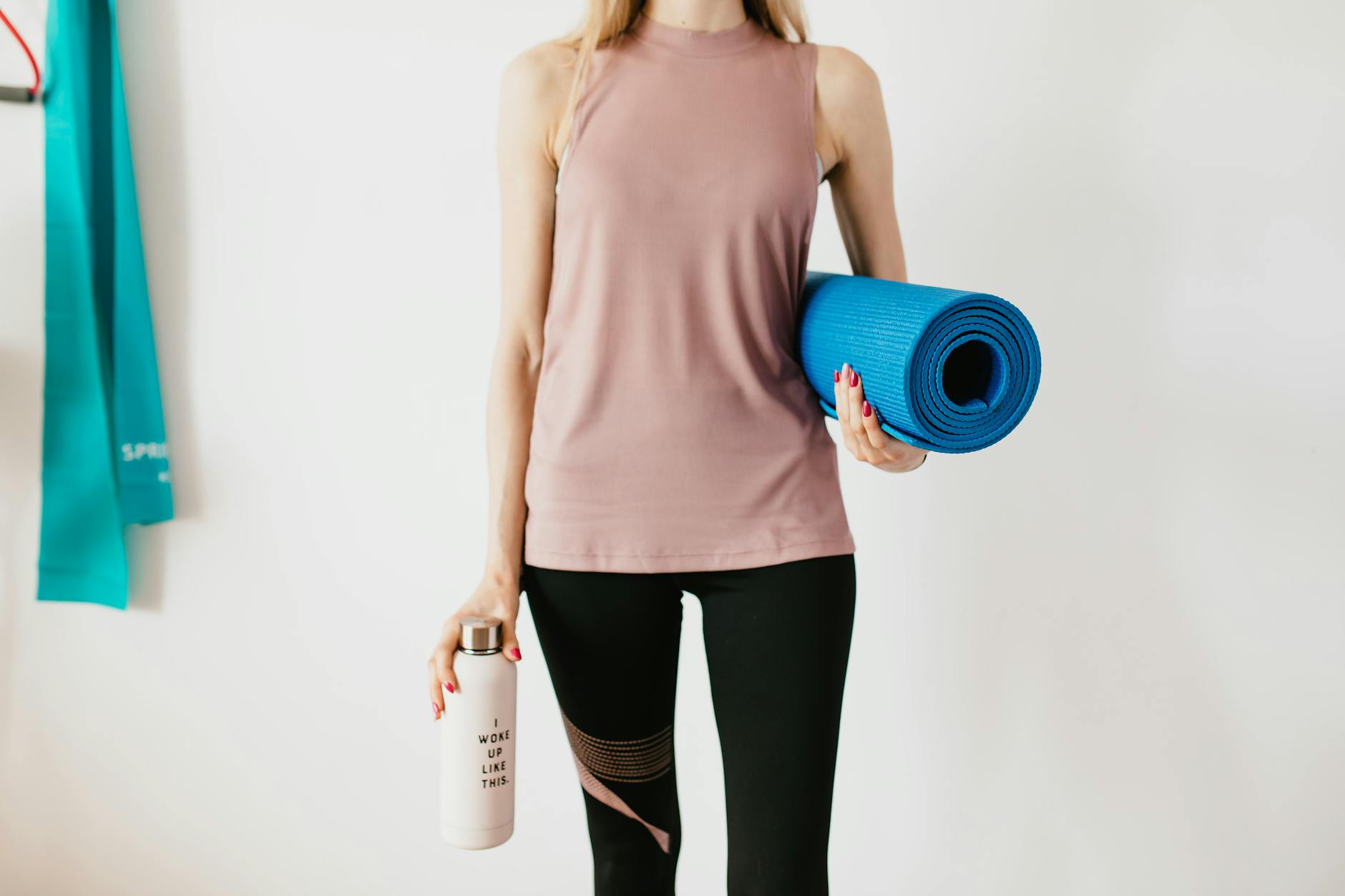
Table of Contents
Embarking on a fitness journey can be both exciting and challenging. Whether you’re looking to lose weight, build muscle, or simply improve your overall health and well-being, combining effective workouts with proper nutrition is key to achieving your goals. In this blog post, we will provide you with valuable tips on how to create a workout and nutrition plan that will help you unleash your inner athlete and reach your full potential.
Setting Fitness Goals
Setting clear and achievable fitness goals is the first step towards success. To ensure that your goals are effective, it’s important to follow the SMART criteria: specific, measurable, achievable, relevant, and time-bound. By having well-defined goals, you’ll be able to track your progress and stay motivated throughout your fitness journey.
Effective Workouts
When it comes to effective workouts, it’s important to incorporate a variety of exercises to target different muscle groups and improve overall fitness. Resistance training helps build muscle and strength, while cardio exercises improve cardiovascular health and burn calories. Flexibility exercises are essential for maintaining mobility and preventing injuries. By combining these different types of workouts, you’ll be able to achieve a well-rounded fitness routine.
Workout Schedule
Creating a workout schedule that is both balanced and sustainable is crucial for long-term success. It’s recommended to engage in physical activity at least 3-4 times per week, with rest days in between to allow your muscles to recover. Be sure to vary your workouts to prevent boredom and plateaus in progress. Remember to listen to your body and adjust your schedule as needed to avoid overtraining.
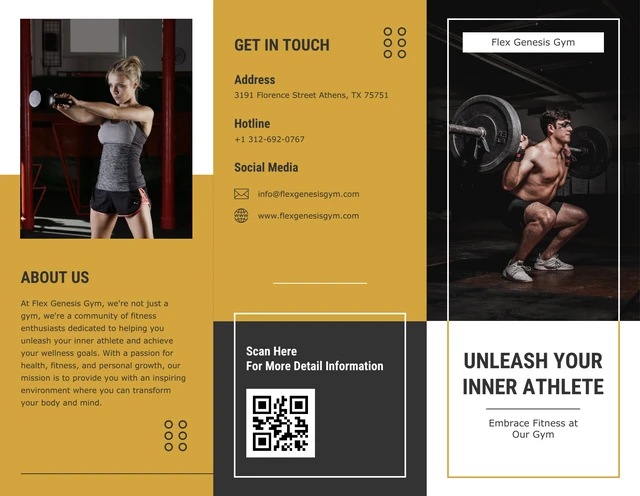
Image courtesy of via Google Images
Nutritious Foods
Proper nutrition is just as important as exercise when it comes to achieving your fitness goals. Focus on consuming nutrient-dense foods that provide essential vitamins, minerals, and macronutrients. Incorporate a variety of fruits, vegetables, lean proteins, whole grains, and healthy fats into your diet to fuel your workouts and promote muscle recovery.
Meal Planning
Meal planning can help you stay on track with your nutrition goals and avoid making unhealthy food choices. Take the time to plan out your meals and snacks for the week, ensuring that they are balanced and provide the necessary nutrients your body needs. Prepare healthy meals in advance to have on hand when you’re short on time or tempted to grab fast food.

Image courtesy of via Google Images
Hydration
Staying hydrated is essential for optimal performance during workouts and overall health. Aim to drink at least 8-10 glasses of water per day, and more if you’re engaging in intense physical activity or sweating heavily. Carry a reusable water bottle with you throughout the day to remind yourself to stay hydrated and avoid dehydration.
Gym Plan
Finding the right gym or workout environment is crucial for staying motivated and consistent with your fitness routine. Consider factors such as location, hours of operation, equipment availability, and atmosphere when selecting a gym. If a gym membership is not feasible, there are plenty of at-home workout options and outdoor activities that can help you stay active and fit.
Image courtesy of via Google Images
Personalization
Every person is unique, and what works for one individual may not work for another. It’s important to personalize your workout and nutrition plan to fit your specific goals, preferences, and lifestyle. Experiment with different exercises, meal plans, and schedules to find what works best for you and keeps you motivated to stick to your fitness routine.
Consistency and Progress Tracking
Consistency is key when it comes to achieving your fitness goals. Make a commitment to yourself to stay consistent with your workouts and nutrition habits, even on days when you don’t feel motivated. Track your progress by keeping a fitness journal, taking measurements, or using fitness apps to monitor your workouts and nutrition intake. Celebrate your achievements and make adjustments as needed to continue making progress towards your goals.
In conclusion, by following these effective workout and nutrition tips, you can unleash your inner athlete and achieve your fitness goals. Remember to stay focused, stay consistent, and prioritize your health and well-being. With dedication and hard work, you can transform your body and improve your quality of life. Start today and unleash the athlete within you!