
Discover the secret to effortless and nutritious meal planning with our comprehensive guide to healthy eating. Say goodbye to stress!

Table of Contents
In today’s fast-paced world, taking care of our health often takes a backseat. However, maintaining a healthy lifestyle is crucial for our overall well-being. One of the key components of a healthy lifestyle is proper nutrition. In this comprehensive guide, we will delve into the importance of meal planning, tips for creating balanced meals, and how to incorporate healthy eating habits into your daily routine.
The Benefits of Healthy Meal Planning
Meal planning offers numerous benefits for both our physical and mental health. By carefully planning your meals, you can ensure that you are consuming a balanced diet that includes all the necessary nutrients your body needs. This can help improve your energy levels, boost your immune system, and support weight management goals.
Additionally, meal planning can save you time and money by reducing the temptation to eat out or grab unhealthy convenience foods. It also allows you to make healthier choices, as you are less likely to reach for unhealthy snacks when your meals are already planned out.
Crafting a Balanced Meal Plan
When creating a balanced meal plan, it’s important to consider a variety of factors such as your individual dietary needs, preferences, and lifestyle. Aim to include a mix of fruits, vegetables, whole grains, lean proteins, and healthy fats in each meal. This will help ensure that you are getting all the essential vitamins and minerals your body needs to function optimally.
Try to include a variety of colors and textures in your meals to make them more visually appealing and enjoyable to eat. Experiment with different recipes and cooking methods to keep things interesting and prevent mealtime boredom.
The Role of Portion Control
Even if you are eating nutritious foods, consuming oversized portions can still lead to overeating and weight gain. Pay attention to portion sizes and listen to your body’s hunger cues to help prevent overeating. Using smaller plates, measuring out servings, and being mindful of portion sizes can all help you maintain a healthy weight.

Image courtesy of www.forthwithlife.co.uk via Google Images
Remember that it’s okay to indulge in treats occasionally, but moderation is key. Treat yourself to your favorite dessert or snack in moderation to satisfy cravings without derailing your healthy eating habits.
Meal Prep and Batch Cooking
Meal prepping and batch cooking can be game-changers when it comes to sticking to a healthy meal plan. Dedicate some time each week to plan out your meals, shop for ingredients, and prepare healthy meals in advance. This can help you save time during busy weekdays and ensure that you always have nutritious options on hand.
Consider investing in quality food storage containers and portioning out meals in advance to make it easier to grab and go. Experiment with different meal prep strategies, such as preparing ingredients in bulk, cooking multiple servings of a dish, or creating make-ahead freezer meals.
Smart Shopping Strategies
When grocery shopping, it’s important to have a plan in place to avoid impulse purchases and ensure that you are buying nutritious foods. Make a list of the items you need before heading to the store and stick to it as much as possible. Avoid shopping on an empty stomach, as this can lead to impulse buys of unhealthy snacks.

Image courtesy of venngage.com via Google Images
Focus on purchasing fresh produce, whole grains, lean proteins, and healthy fats. Read food labels to identify hidden sugars, sodium, and unhealthy fats in packaged foods. Opt for whole, minimally processed foods whenever possible to fuel your body with essential nutrients.
Healthy Eating on a Budget
Eating healthy doesn’t have to break the bank. With some smart shopping strategies and meal planning techniques, you can enjoy nutritious meals without overspending. Look for sales, coupons, and discounts on healthy staples such as fruits, vegetables, and lean proteins. Consider buying frozen fruits and vegetables, which are often more budget-friendly than fresh produce.
Plan your meals around seasonal produce, as these items are typically more affordable and flavorful when they are in season. Consider buying in bulk or purchasing generic brands to save money on pantry staples. Get creative with leftovers and repurpose them into new meals to prevent food waste and save money.
Conclusion
Meal planning is a cornerstone of a healthy lifestyle and can have a profound impact on your overall well-being. By taking the time to plan and prepare nutritious meals, you can fuel your body with the nutrients it needs to thrive. Incorporate the tips and strategies outlined in this guide to create a balanced meal plan that works for you and supports your health goals.
Remember that healthy eating is a journey, and it’s okay to have occasional indulgences. Focus on progress, not perfection, and celebrate small victories along the way. Prioritize your health and well-being by making mindful choices when it comes to nutrition, and you’ll be on your way to a healthier, happier you.
Yoga wellness retreats cater to yogis of all levels, offering a rejuvenating escape. These retreats blend yoga practice with holistic well-being activities.
Immerse yourself in the transformative experience of a yoga wellness retreat, a perfect fusion of physical mindfulness and serene relaxation. Tailored to suit both beginners and seasoned practitioners, these retreats present an opportunity to deepen your yoga practice amidst tranquil natural settings.
Engage in daily yoga sessions, meditation workshops, and wellness activities designed to harmonize the body, mind, and spirit. With a focus on personal growth and self-care, yoga retreats provide the ideal environment for disconnecting from life’s fast pace and reconnecting with one’s inner self. Discover the art of balanced living, nutritious eating, and holistic health as you step away from your everyday routine and into a space of healing and self-discovery. Embark on a journey that energizes the body, soothes the soul, and clears the mind at a yoga wellness retreat suited for every kind of yogi.
Discovering Bliss With Yoga Wellness Retreats
Imagine a sanctuary where the hustle and bustle of daily life fades into the tranquil sounds of nature. This is the essence of a Yoga Wellness Retreat. For yogis of all levels and walks of life, these retreats offer the quintessential opportunity to immerse in the depths of yoga practice, all while connecting deeply with the self. Visualize starting your day with a sun salutation as the dawn breaks, meditating beside a gently babbling brook, or unwinding with a serene yoga Nidra as the stars take their night watch. Here we explore what makes these wellness havens more than just a holiday—it’s the gateway to a rejuvenated soul and a vibrant body.
Dive into the heart of what makes a yoga wellness retreat an experience of a lifetimeDive Into The Heart Of What Makes A Yoga Wellness Retreat An Experience Of A Lifetime
A Yoga Wellness Retreat is not just a break away from the world; it is a leap into a transformative experience that nourishes every facet of our being. The serene settings are handpicked to inspire peace and harmony, while the schedule harmoniously blends rigorous yoga sessions with ample time for reflection and inner growth. Benefits to expect include:
- Enhanced physical strength and flexibility with daily yoga practices
- A deeper understanding of mindfulness and meditation techniques
- Renewed mental clarity and focused thought processes
- Nutritional meals crafted for optimal health and vitality
- Workshops and seminars led by world-class instructors
- Opportunities for meaningful connections with like-minded individuals
The Unique Blend Of Yoga Practice And Wellness Activities
Every Yoga Wellness Retreat is a tapestry of experiences designed to cater to the holistic well-being of each participant. Mornings might begin with Vinyasa flows or Hatha yoga for stimulation, followed by afternoons dedicated to workshops on nutrition, holistic health, or even the principles of Ayurveda. Evenings could include restorative yoga or Yin sessions, promoting deep relaxation before a peaceful night’s sleep. The wellness activities extend beyond the mat:
| Activity | Benefits |
|---|---|
| Guided Meditation | Stress reduction, increased self-awareness |
| Silent Nature Walks | Connection with nature, mindfulness, sensory enhancement |
| Spa and Holistic Therapies | Detoxification, relaxation, rejuvenation |
| Interactive Cooking Classes | Nutritional education, hands-on healthy meal preparation |
Such a carefully crafted blend awakens the senses, encourages self-discovery, and fosters a rejuvenated spirit. It’s not just about the poses; it’s about connecting the dots between mind, body, and spirit to discover a healthier, more harmonious way of living.

Credit: swellwomen.com
Choosing Your Blissful Retreat
Embark on a journey of rejuvenation and tranquility by opting for a yoga wellness retreat that resonates with your soul. A perfect blend of serene surroundings, dedicated practice, and expert guidance awaits a yogi’s heart. As you sift through the myriad options, it’s essential to make choices that mold the retreat experience into your personal sanctuary of bliss.
Considerations For Selecting The Right Retreat: Location, Style, And Instructors
Choosing the ideal retreat is not just about picking a destination; it’s about finding the right ambiance, yoga style, and instructors that align with your well-being goals. Here’s a guide to help in your selection:
- Location: Scour for places that ignite your senses. Be it the tranquil beaches, lush mountains, or spiritual havens renowned for their energy.
- Style: Determine the yoga style that speaks to your practice, whether it’s the intensity of Ashtanga or the restorative caress of Yin yoga.
- Instructors: Look for mentors who not only have the wisdom but also the right approach to facilitate your growth, both spiritually and physically.
| Aspect | Details to Consider |
|---|---|
| Location | Accessibility, environment, and cultural immersion opportunities. |
| Style | Does the retreat cater to your preferred yoga style and offer diversity in practice? |
| Instructors | Experience, certifications, and teaching philosophy. |
The Importance Of Aligning Your Yoga Level With The Retreat’s Offerings
Securing a match between your current yoga prowess and the retreat’s program is key to a fulfilling experience. Seasoned practitioners and newcomers alike must find a retreat that corresponds to their skill level for optimum benefit. Consider these pointers:
- Identify the retreat’s focus on specific levels — beginner, intermediate, or advanced practitioners.
- Ensure there is a balance between learning opportunities and challenges within your capacity.
- Dive into the retreat’s itinerary — workshops, teacher-student ratio, and the flexibility of the program to accommodate personal space and exploration.
Opt for a retreat that promises a blend of guidance and autonomy, enabling you to explore the depths of your practice in a supportive environment. Let your yoga journey be a true expression of self-discovery and enlightenment.
Every Kind Yogi’s Paradise
Yoga Wellness Retreats offer the quintessential escape to serenity for yogis of all forms and stages. Whether a burgeoning beginner or a seasoned sage, these retreats evoke a sense of communal belonging while providing personalized paths toward inner peace and physical wellness. A Yogi’s Paradise is not a one-size-fits-all – it’s an immersive sanctuary where every individual’s journey is honoured, and their unique needs are addressed with care.
Inclusive Retreats Catering To Diversities: Beginners, Advanced, And Specific Needs
Yoga is a practice that embraces all, and the same should be true for retreats. In a Yogi’s Paradise, the inclusivity transcends mere words. Retreats that cater to diverse skill levels ensure that everyone, from the novice to the adept practitioner, finds their space. Specific needs are not overlooked; programs are designed to accommodate physical limitations, dietary preferences, and learning styles. With a variety of yoga styles, from the gentle flow of Hatha to the vigorous intensity of Ashtanga, there’s something for every yogi.
- Custom classes for different skill levels
- Adaptive yoga for specific health considerations
- Variety in yoga styles and teaching methods
- Dietary accommodations ranging from vegan to Ayurvedic
Tailored Experiences: From Luxury To Eco-friendly Retreats
Within the realm of Yoga Wellness Retreats, personalization is key. One yogi’s luxury is another’s simplicity — and Yoga’s Paradise caters to both. Indulge in a luxury retreat with plush accommodations, spa treatments, and gourmet meals, or find harmony with nature in an eco-friendly haven, where sustainability and mindfulness intersect. Try yoga on a sun-kissed beach, meditate in a serene forest, or practice asanas on a mountain top — the tailored experiences are as limitless as the skies.
| Type of Retreat | Description | Examples |
|---|---|---|
| Luxury Retreats | Opulent accommodations, world-class facilities, private instruction | Spa treatments, gourmet dining, personal wellness coaching |
| Eco-Friendly Retreats | Green living, organic food, renewable energy sources | Outdoor yoga, conservation workshops, community-based activities |
Yoga Wellness Retreats Every Kind Yogi: Benefits Unveiled
Embark on a transformative journey tailored to yogis of all kinds with Yoga Wellness Retreats. Whether a novice or a seasoned practitioner, these retreats offer a sanctuary to deepen your practice, rejuvenate your body, and quiet your mind. The benefits are manifold, extending well beyond the yoga mat to infuse every aspect of your life with renewed vitality and purpose. Gain profound insights into your physical and mental well-being in an environment crafted to foster growth and healing.
Physical And Mental Health Benefits Of Attending A Retreat
Yoga wellness retreats serve as a gateway to personal transformation. Participants often report a plethora of health benefits:
- Stress Reduction: Immersive yoga practices coupled with serene environments significantly lower stress levels.
- Enhanced Flexibility: Daily yoga sessions improve flexibility, reducing the risk of injury and enhancing overall physical performance.
- Boosted Immunity: A combination of mindful practices, nutritious meals, and relaxation strengthens the immune system.
- Improved Sleep: The peaceful setting and reduction in stress contribute to more restful sleep.
- Better Concentration: Meditation and yoga help sharpen focus and cognitive function.
These benefits together create a strong foundation for ongoing physical health and mental clarity, establishing habits that attendees can integrate into their everyday lives.
The Impact On Your Yoga Practice And Overall Wellbeing
At a yoga wellness retreat, you can expect your practice to reach new heights. Here’s how:
- Deepened Practice: Intensive sessions help refine technique, proper alignment, and introduce advanced poses in a supportive setting.
- Personalized Guidance: Expert instructors provide one-on-one attention, helping you to overcome obstacles and tailor your practice to your needs.
- Mindfulness Expansion: The retreat’s environment encourages a deeper connection with the self, fostering a well-rounded approach to wellness.
- Community Connection: Sharing the experience with like-minded individuals leads to lasting friendships and a sense of shared growth.
- Sustained Motivation: The immersive experience renews passion for yoga and can reignite a commitment to regular practice.
These combined elements ensure that the impact of the retreat continues to resonate, elevating your yoga journey and enhancing your quality of life.
Beyond The Mat: Wellness Activities
Yoga retreats are about more than just perfecting poses on the mat. When you step away from the practice sessions, a plethora of wellness activities awaits to enrich your experience. These complementary practices serve to enhance your physical, mental, and spiritual well-being, aligning with the holistic philosophy of yoga. Immerse yourself in the variety of wellness activities specifically designed to harmonize your retreat journey.
The Variety Of Wellness Activities That Complement Yoga Sessions
Balance is a key concept in yoga, and this extends to the range of activities offered at yoga wellness retreats. Participants have the opportunity to engage in a spectrum of practices aimed at replenishing the body and spirit. You might find yourself exploring:
- Sound healing sessions where the power of vibration promotes deep relaxation.
- Spa treatments for rejuvenating your tired muscles.
- Art and creativity workshops designed to unlock new channels of self-expression.
- Fitness classes, such as Pilates or tai chi, to complement your yoga regimen.
- Outdoor excursions that range from gentle walks to vigorous hikes, encouraging connection with nature.
Each experience is meant to weave seamlessly into your yoga practice, creating a tapestry of health and harmony.
Nutritional Workshops
Understanding the union between diet and wellness is another integral aspect of yoga retreats. Nutritional workshops provide valuable insights into eating habits that support your yoga journey:
- Interactive cooking classes featuring wholesome, plant-based meals
- Sessions on mindful eating to deepen the connection between food and body
- Workshops on superfoods and their benefits to an active lifestyle
These workshops aim to equip you with knowledge and skills for maintaining a healthy diet long after the retreat ends.
Meditation And Nature Immersions
Inner peace and tranquility often go hand in hand with yoga. Meditation sessions offer you the keys to unlock mental clarity and emotional stability. Retreats frequently include:
- Guided meditation practices to help harness a state of mindfulness.
- Breathwork exercises to improve focus and reduce stress.
- Sound baths or chanting sessions that encourage a meditative state.
Alongside meditation, nature immersions stand as pillars of the retreat experience. They might consist of:
| Activity | Benefits |
|---|---|
| Barefoot walks | Energize and ground yourself through the earth’s natural charge. |
| Sunrise and sunset viewing | Acknowledge the natural rhythms of the day and reflect on life cycles. |
| Forest bathing | Embrace the restorative effects of being amongst trees. |
| Wildlife observation | Connect with local fauna and develop respect for all forms of life. |
Whether breathing in the fresh mountain air or feeling the gentle waves lap at your feet, these outdoor experiences serve as the perfect complement to yoga, enhancing your retreat and your connection to the natural world.
From Solo To Social: Community And Connections
Welcome to the enriching world of Yoga Wellness Retreats, where the journey from solo practice to a vivid social tapestry weaves a tale of deep connections and community spirit. ‘From Solo to Social: Community and Connections’ isn’t just about enhancing your yoga postures but also about embracing the warmth of fellow yogis. Unveiling the layers of solitude to find a collective heartbeat, these retreats are portals to forming bonds that nourish both body and soul.
The Role Of Community In Yoga Wellness Retreats
The fabric of a Yoga Wellness Retreat is interlaced with the yarns of community – a critical element that transforms an individual’s experience into a shared odyssey. The community acts as a catalyst for personal growth, reflection, and profound healing. Through immersive group sessions, shared meals, and collaborative workshops, participants engage in a flow of energies, fostering an atmosphere of unconditional support and motivation.
- Bonding during sunrise asanas
- Sharing insights post-meditation
- Engaging in group discussions
- Nurturing growth in healing circles
- Celebrating progress through communal activities
Forming Lasting Connections With Like-minded Individuals
Above all, Yoga Wellness Retreats serve as a crucible for forming lasting connections. Amidst the serene backdrops, you meet individuals whose journeys echo your own desires and struggles. These retreats craft unique experiences that bind strangers who might have never met otherwise, paving the way for friendships that extend beyond the retreat setting.
Participants typically find that:
- Common interests spark deep conversations
- Shared goals lead to joint ventures
- Mutual support systems are established
- Celebration of individual and group triumphs
Yoga Wellness Retreats are not just an avenue for self-discovery but also a gateway to a world brimming with new allies and mentors. Whether it be through a partner yoga pose or a profound discussion under the stars, you’re sure to discover the vibrant spectrum of human connection.
Conclusion
Embracing the serenity of a yoga retreat can transform your practice and well-being. Whether you’re a beginner or seasoned yogi, there’s a sanctuary waiting for you. Explore and indulge in the peace these retreats offer. Connect with yourself and nature.
Embark on your yoga journey today—your body and soul will thank you.
You may need more calories for workouts if you feel fatigued or experience poor recovery. Noticeable weight loss can also signal a caloric deficit.
Engaging in regular exercise demands more than just determination and discipline; it requires an appropriate fuel supply to sustain energy levels and facilitate recovery. Understanding the delicate balance between calorie intake and expenditure is crucial for optimizing performance and achieving fitness goals.
Elevating physical activity typically increases the body’s energy requirements, which, if not met, can lead to decreased endurance, muscle mass, and a compromised immune system. To support your workouts, pay attention to your body’s signals, track your progress, and adjust your caloric intake to align with your increased energy demands. A focused approach to nutrition will not only bolster your training efforts but also enhance overall health and well-being.
Identifying Signs Of Inadequate Fueling
Knowing whether you’re fueling your body adequately for workouts can be as critical as the exercise itself. If you find yourself constantly struggling through your fitness regimen, you might need to reevaluate your caloric intake. Insufficient calorie consumption can undermine your hard work and stall progress. Let’s explore some clear indicators that suggest it’s time to increase your calorie intake for optimal performance and recovery.
Frequent Fatigue During Exercises
Fatigue is the body’s SOS, signaling an energy shortfall. Frequent, inexplicable tiredness, despite adequate rest, could point to insufficient caloric fuel. Persistent weariness consistently undermines your ability to sustain intensity during workouts, cutting into the gains you seek from your exercise routine.
Extended Muscle Soreness And Slow Recovery
If you’re experiencing prolonged muscle soreness beyond the typical post-workout window, this is your body’s clue that it’s not receiving enough nutrients for repair. Slow recovery can halt your training progress and may increase the risk of injury. The essential calories and nutrients are not only fuel for your workout but are also crucial for the repair and rebuilding phase that follows.
Inability To Complete Routine Workout Sessions
A telltale sign of inadequate calorie intake is a consistent struggle to complete workouts that you previously managed with ease. If you’re cutting your sessions short or lowering your regular weights and reps, it’s a strong indication that your body lacks the energy it requires to sustain proper exercise intensity and volume.
Listen closely to your body as these signs unfold, and take action by reevaluating your nutritional needs to support your fitness journey more effectively. Ensuring a proper calorie intake is as crucial as the workout itself to achieve the results you aspire to.
How To Know When To Increase Workout Calories
Fueling your body for workouts is akin to adding gasoline to a car; without the proper fuel, it won’t perform optimally. Knowing when to increase your calorie intake can significantly enhance your exercise regimen and help you achieve desired fitness goals. At times, it becomes essential to adjust your calories based on your physical demands. Let’s delve into how you can recognize the need for more energy to power through your workouts.
Monitoring Physical Responses Post-exercise
Assessing how your body reacts after exercising is crucial in determining your calorie requirements. Warning signs indicating that you might need additional calories include:
- Extended Muscle Soreness – Soreness beyond the typical recovery period.
- Energy Drain – Feeling unusually tired or fatigued instead of revitalized post-workout.
- Sluggish Recovery – Slow progress or regression in workout performance.
If you notice these symptoms persistently, it’s a clear signal your body may benefit from a higher calorie intake to support recovery and performance.
Calculating energy expenditure for workout typesCalculating Energy Expenditure For Workout Types
The type of workout you engage in has a direct impact on your calorie burn. A table categorizing various exercises and their approximate calorie expenditure can guide you:
| Workout Type | Average Calories Burned per Hour |
|---|---|
| Cardio activities (running, cycling) | 500 – 1000 |
| Strength training | 300 – 500 |
| High-Intensity Interval Training (HIIT) | 400 – 600 |
| Yoga/Pilates | 180 – 360 |
Utilizing a fitness tracker or calorie calculator tailored to your individual stats (age, weight, height) and the intensity of your workout can help you pinpoint a more personalized calorie expenditure.
Evaluating persistent hunger as an indicatorEvaluating Persistent Hunger As An Indicator
Persistent hunger can be a potent indicator that your body needs more fuel. Listening to hunger cues is essential. Typical signs include:
- Feeling hungry shortly after a meal.
- Cravings for high-energy foods, particularly carb-rich options.
- An overall increase in appetite on workout days.
Consistently feeling hungry, especially after increasing workout intensity or duration, should not be ignored as it signifies your body’s need for more calories to keep up with expended energy.
Matching Diet With Fitness Regimen
Welcome to the nexus of nutrition and fitness where caloric intake is not just about eating more or less, but about eating right. Your body demands proper fuel to match the vigor of your workouts. Hence, identifying when to increase your calories becomes crucial, often more art than science. Let’s break down the essentials to ensure your diet is in harmony with your fitness goals.
Recognizing The Role Of Macronutrients
Fueling your body with the ideal balance of macronutrients is key to maximizing workout performance and recovery. Every macronutrient has a specific function:
- Proteins build and repair muscle tissue.
- Carbohydrates provide immediate energy, crucial during high-intensity training.
- Fats serve as a long-term energy source, essential for endurance activities.
If you experience fatigue or slow recovery, an imbalance in macronutrient intake may be the culprit. Listen to your body; an increase in hunger, particularly craving for certain types of foods, could hint at what your diet is lacking.
Adjusting Meal Timing For Optimal Energy
Nutrient timing plays a pivotal role in fuelling your workouts. The timing of your meals should align with your training schedule to ensure peak performance. Here’s a quick guide:
- A meal rich in complex carbohydrates 3-4 hours before exercise provides sustainable energy.
- A smaller snack, closer to your workout, can top off your energy reserves.
- Post-workout, prioritize protein and carbohydrates to aid in recovery and muscle replenishment.
Adjustments may be necessary based on your individual response. If you notice energy dips or prolonged fatigue, consider revising your meal timing around workouts.
Portion Sizing And Frequency For Intense Workouts
Determining the right size and frequency of your meals is vital, especially when your workouts intensify. A more rigorous regimen demands bigger fuel loads. Structuring your food intake can be done in two ways:
- Larger meal portions can bolster calorie intake without increasing meal frequency. This approach suits individuals with higher caloric needs who prefer fewer meals.
- Increased meal frequency with smaller, more regular meals can keep energy steady throughout the day. Athletes often favor this to maintain a constant influx of nutrients.
Either method should focus on nutrient-dense foods. Include a variety of whole grains, lean proteins, and healthy fats to ensure each meal packs a punch.
As your training demands escalate, monitor your body’s response to your current diet. Persistent exhaustion, decreased performance, or weight loss may signal the need to up your calorie intake.

Credit: www.eatingwell.com
Fuel Your Fitness Through Mindful Eating
Fuel Your Fitness Through Mindful Eating: striking the right balance between your calorie intake and your workouts can be a tricky task. The quantity and quality of calories consumed should align with your fitness goals and the rigor of your exercise routine. Understanding when your body needs more fuel is pivotal for optimizing your performance and recovery. Mindful eating is not just about the foods you choose; it’s about recognizing and responding to your body’s hunger signals before and after workouts. Here’s how to keep your tank topped up and your body primed with the right energy sources.
The Importance Of Pre And Post-workout Meals
Eating the right foods at the right time enhances your performance during exercise and aids in recovery afterwards. Pre-workout meals should focus on carbohydrates, providing a quick source of energy. Adding a moderate amount of protein can help reduce muscle damage during the workout.
Post-exercise, your focus should shift towards replenishment. A combination of proteins and carbohydrates is essential to repair muscle tissues and refill glycogen stores. Consider these meal timing guidelines to maximize benefits:
- Pre-Workout: Consume a meal 2-3 hours before exercising, or a small snack 30-60 minutes prior.
- Post-Workout: Aim to refuel within 45 minutes after exercise, the prime window for muscle recovery.
By paying attention to these meal timings, you can ensure your body has the necessary nutrients when they are most needed.
Hydration’s Role In Caloric Absorption
Hydration is often overlooked but plays a crucial role in how your body processes and uses calories. Proper fluid intake is essential for digesting food and facilitating nutrient transport to your muscles. Additionally, remaining hydrated optimizes blood flow and oxygen delivery during exercise, which enhances caloric burn and efficacy.
Here are some hydration tips to keep in mind:
- Drink water throughout the day, not just during workouts.
- Aim for about 17-20 ounces of water 2-3 hours before exercising.
- Consume 7-10 ounces every 10-20 minutes during activity, depending on the intensity.
- After workouts, rehydrate based on your body’s fluid losses (about 16-24 ounces for every pound lost).
Incorporating these hydration strategies will help ensure the calories you consume are effectively supporting your fitness journey.
When To Consult A Nutrition Specialist
Embarking on a fitness journey requires a blend of physical activity and nutritional support to meet the energy demands of your workouts. Knowing when your body needs more calories can be a pivotal factor in achieving your fitness goals. At times, despite your best efforts to adjust your diet, you might still feel like you’re running on empty. This is when consulting a nutrition specialist can make all the difference. They can provide you with the tailored guidance necessary to align your calorie intake with the level of physical activity you’re undertaking.
Persistent Energy Deficits Despite Diet Adjustments
Do you consistently feel fatigued, or find that your performance during workouts is not improving? Despite increasing your calorie intake or tweaking your diet, if these issues persist, it’s a strong indicator that your current nutritional strategy may not be aligned with your energy needs.
- Unintended weight loss could be signaling that your body is consuming muscle for fuel due to inadequate calorie consumption.
- Recovery takes longer than usual post-workout, and you experience muscle soreness for extended periods.
- Irritability and mood swings due to low energy reserves impact not just your workouts but your daily life.
A nutrition specialist can examine these symptoms and delve into your lifestyle habits to identify the core issues. They’ll assess your dietary history and help you understand the underlying causes of your energy deficits.
Crafting A Personalized Meal Plan For Fitness Goals
Fitness and nutritional needs are highly individualistic, and what works for one person may not work for another. A tailored meal plan is crucial for reaching peak performance levels and achieving specific fitness outcomes. Nutrition specialists can create a personalized diet, considering multiple factors:
| Aspect | Consideration |
|---|---|
| Activity Level | Type and intensity of workouts. |
| Body Composition Goals | Gaining muscle or losing fat. |
| Dietary Preferences/Restrictions | Vegetarian, vegan, allergies, etc. |
| Metabolic Rate | Basal metabolic rate and daily energy expenditure. |
With your unique needs as the cornerstone, the specialist provides the necessary adjustments to your calorie intake, macro distribution, and meal timing to fuel your workouts effectively.
Moving Beyond Calories: Holistic Fitness Fuel
Understanding the intricacies of workout nutrition extends far beyond just counting calories. In the realm of holistic fitness fuel, it’s about fine-tuning your body’s needs to ensure you’re not just meeting energy requirements, but also supporting your overall health and performance goals. As you hone in on perfecting your workout regimen, it’s crucial to recognize the signs that your body may need more than just additional calories—it needs the right kind of fuel.
Incorporating Micronutrients And Supplements
While macronutrients provide the bulk of our dietary calories, micronutrients and supplements play a pivotal role in facilitating physiological functions that are vital for athletic performance and recovery. Here’s how to ensure your diet isn’t lacking:
- Vitamins and Minerals: A balanced intake of essential vitamins and minerals supports functions such as muscle contraction, blood health, and bone strength.
- Performance Enhancers: Certain legal supplements can help enhance your workout. For instance, creatine for muscle energy, beta-alanine for endurance, and branched-chain amino acids (BCAAs) for muscle recovery.
- Electrolyte Balance: Especially important for endurance athletes, electrolytes regulate hydration and nerve function. Adequate levels prevent cramping and fatigue.
To fully optimize your nutrition, consider a blood test to find potential deficiencies and consult with a healthcare professional before starting any new supplement regimen.
Understanding The Role Of Rest And Recovery
Efficient workouts don’t solely depend on what you consume; they’re also inextricably linked to how well you rest and recover. Acknowledge these signs that your body might require more downtime:
- Persistent Fatigue: Continual tiredness despite adequate sleep and nutrition may indicate overtraining.
- Delayed Onset Muscle Soreness (DOMS): If soreness lasts more than 72 hours post-workout, your muscles need more time to repair.
- Compromised Performance: A notable decrease in performance could be a sign that your body hasn’t fully recovered.
Integrating active recovery days, prioritizing sleep, and employing strategies such as foam rolling and massages can greatly improve muscle recuperation and overall well-being.
Remember, giving your body the right blend of nutrients, along with ample rest, will fuel not just a stronger workout, but a healthier life.
Conclusion
Understanding your body’s needs is crucial for workout success. By recognizing the signs for increased caloric intake, you’ll fuel your fitness journey effectively. Listen to your body, monitor your performance, and consult with nutrition experts if needed. Remember, the right calorie balance enhances workout results.
Stay informed, stay healthy, and keep moving forward.
Ready to sculpt your dream summer body? Discover the ultimate gym plan that will have you shredding fat and gaining muscle.

Table of Contents
As summer approaches, many people are looking to amp up their gym routines to achieve their fitness goals and get in shape for the warmer months ahead. One crucial aspect of maximizing your workout results is ensuring that you have the right nutrition and gym plan in place. In this guide, we will provide you with tips on how to optimize your workouts through proper nutrition and a strategic gym plan.
Before diving into specific tips and strategies, it’s essential to understand the importance of combining nutrition and exercise for achieving your fitness goals. Nutrition plays a vital role in fueling your workouts, promoting muscle growth, and supporting recovery. By incorporating the right nutrients into your diet and creating a structured gym plan, you can optimize your performance and maximize your results.
Nutrition Tips
Pre-Workout Nutrition:
Before heading to the gym, it’s crucial to fuel your body with the right nutrients to provide sustained energy and enhance your performance. Opt for a combination of carbohydrates and protein to fuel your muscles and ensure you have enough energy to power through your workout. Consider options like a banana with almond butter, Greek yogurt with berries, or a protein smoothie with fruits and veggies.
Post-Workout Nutrition:
After completing your workout, focus on replenishing your glycogen stores, repairing muscle tissue, and supporting recovery. Aim to consume a balance of carbohydrates and protein within 30 minutes to an hour post-workout to promote muscle recovery and enhance performance. Options like a chicken and quinoa bowl, a turkey wrap with veggies, or a protein shake with a banana can help support your body’s recovery process.
Calculating Your Nutritional Needs
When it comes to planning your meals and snacks, it’s important to calculate your daily caloric and macronutrient needs based on your fitness goals and activity level. To determine your calorie requirements, consider factors such as your age, weight, height, and activity level. Use online calculators or consult with a nutritionist to assess your individual needs and create a customized meal plan that aligns with your fitness goals.
Sample Meal Plan Ideas
Here are some sample meal plan ideas to help you fuel your workouts and support your fitness goals:

Image courtesy of vshred.com via Google Images
Breakfast: Overnight oats with Greek yogurt and berries
Lunch: Grilled chicken salad with quinoa and veggies
Snack: Almonds with an apple
Dinner: Baked salmon with sweet potato and asparagus
Remember to include a balance of carbohydrates, protein, and healthy fats in each meal to support your energy levels, muscle recovery, and overall health.
Hydration
Staying properly hydrated is crucial for optimal performance and recovery during your workouts. Aim to drink water throughout the day and during your gym sessions to replenish fluids lost through sweat. Consider carrying a reusable water bottle with you to stay hydrated and ensure you’re meeting your daily fluid intake needs.
Creating Your Gym Plan
When it comes to structuring your gym plan, it’s essential to incorporate a mix of resistance training and cardiovascular exercises to target all muscle groups and promote overall fitness. Consider working with a personal trainer to develop a customized workout plan that aligns with your goals and abilities.

Image courtesy of www.pinterest.com via Google Images
Resistance Training:
Incorporate exercises that target major muscle groups, such as squats, deadlifts, chest presses, and rows. Aim to perform a mix of compound and isolation exercises to build strength and muscle mass effectively.
Cardiovascular Exercises:
Include cardio workouts such as running, cycling, or rowing to improve your cardiovascular fitness, burn calories, and support weight loss goals. Choose activities that you enjoy and vary your cardio routine to prevent boredom and plateauing.
Tracking Progress
As you progress with your nutrition and gym plan, it’s essential to track your results and make adjustments as needed. Keep a workout journal to record your exercises, sets, reps, and weights used. Monitor your weight, body measurements, and performance in the gym to gauge your progress and make informed decisions about your nutrition and workout routine.
By following these tips and strategies for combining proper nutrition with a strategic gym plan, you can maximize your workout results and achieve your fitness goals in time for summer. Remember to stay consistent, listen to your body, and make adjustments as needed to support your health and fitness journey.
Unlock your full potential with this comprehensive guide to the ultimate full-body workout routine that will make you sweat!
Table of Contents
Leading a healthy lifestyle is crucial for overall well-being and longevity. A key aspect of maintaining optimal health involves incorporating effective workouts, proper nutrition, and well-structured gym plans into your routine. In this comprehensive guide, we will explore how these components work together to help you achieve your fitness goals and improve your quality of life.
Setting Fitness Goals
Setting clear and actionable fitness goals is the first step towards achieving optimal health. Whether you’re looking to build muscle, lose weight, increase endurance, or improve flexibility, establishing specific, measurable goals can help keep you on track and motivated. Consider your current fitness level, any limitations you may have, and what you hope to accomplish in a realistic timeframe.
Effective Workout Strategies
Workouts play a significant role in shaping your body and improving overall fitness. Incorporating a mix of strength training, cardio, and flexibility exercises can help you achieve a balanced and well-rounded fitness routine. Depending on your goals, you may need to tailor your workouts to focus on specific areas or muscle groups.
For beginners, starting with bodyweight exercises and light cardio can help build a foundation of strength and endurance. Intermediate and advanced fitness enthusiasts may benefit from incorporating more challenging movements, heavier weights, and high-intensity interval training (HIIT) into their workouts.
Staying motivated and overcoming workout plateaus can be challenging, but varying your routine, setting new goals, and seeking support from a workout buddy or fitness coach can help you stay on track and avoid burnout.
Importance of Nutrition
Nutrition is a vital component of overall health and well-being. A well-balanced diet rich in fruits, vegetables, lean proteins, whole grains, and healthy fats can provide your body with the essential nutrients it needs to perform at its best. Creating a meal plan that supports your fitness goals and prioritizes nutrient-dense foods is key to fueling your workouts and promoting recovery.
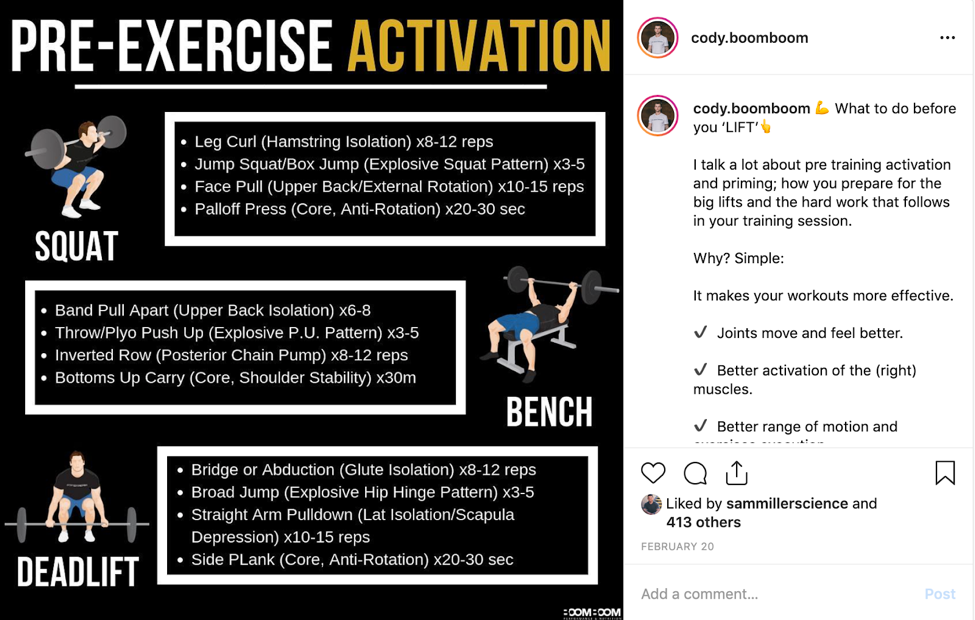
Image courtesy of tailoredcoachingmethod.com via Google Images
By paying attention to portion sizes, meal timing, and food quality, you can optimize your nutrition and support your fitness efforts. Avoiding processed foods, excessive sugar, and empty calories can help maintain steady energy levels and prevent nutrient deficiencies.
Healthy Eating Habits
Developing healthy eating habits goes beyond simply counting calories or following a restrictive diet. Mindful eating involves listening to your body’s hunger and fullness cues, choosing whole, unprocessed foods, and enjoying meals without distractions.
Avoiding emotional eating, binge eating, or mindless snacking can be challenging, but by incorporating mindful eating practices, you can build a healthier relationship with food and make more conscious choices that support your fitness goals.
By focusing on whole foods, reducing added sugars and refined carbohydrates, and emphasizing a variety of nutrients in your diet, you can nourish your body and mind for optimal performance and well-being.
Customizing a Gym Plan
Creating a personalized gym plan that aligns with your fitness goals and preferences is essential for making progress and staying motivated. Consider factors such as your schedule, access to equipment, and fitness level when designing your gym plan.
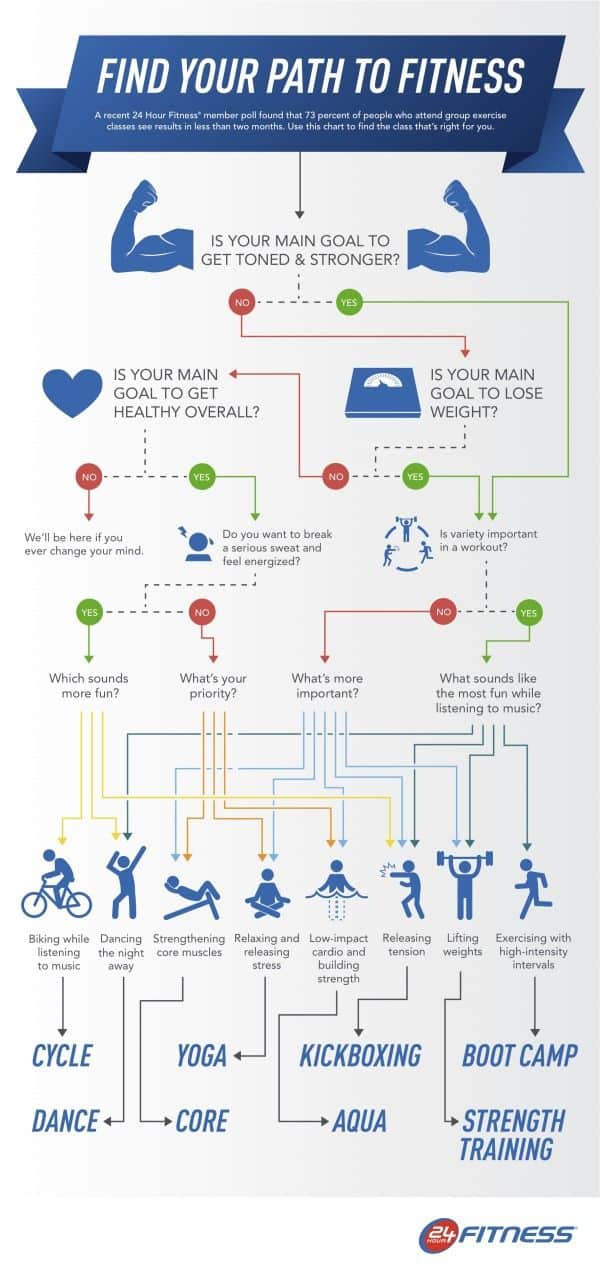
Image courtesy of www.dailyinfographic.com via Google Images
Whether you prefer strength training, cardio machines, group fitness classes, or circuit workouts, incorporating variety into your routine can help prevent boredom and target different muscle groups. Rotating between different types of exercises and incorporating rest days for recovery can also support long-term progress and prevent overtraining.
Tracking Progress
Tracking your progress is important for staying accountable and making adjustments to your fitness plan as needed. Whether you use measurements, fitness assessments, workout logs, or progress photos, keeping track of your achievements can help you see how far you’ve come and where you can continue to improve.
Consistency is key when it comes to tracking progress and staying committed to your fitness goals. Celebrate small victories, learn from setbacks, and adapt your workouts and nutrition plans based on the feedback your body gives you over time.
Overcoming Challenges
It’s common to face challenges on the road to optimal health, whether it’s lack of motivation, time constraints, or unexpected setbacks. By acknowledging obstacles and developing strategies to overcome them, you can stay focused on your goals and make progress towards a healthier lifestyle.

Image courtesy of www.pinterest.com via Google Images
Remember to be gentle with yourself, seek support from friends, family, or a fitness community, and stay flexible in your approach. By learning from challenges and adjusting your plan as needed, you can navigate obstacles and continue moving forward on your fitness journey.
Maintaining Long-Term Health
Optimal health is not a destination but a lifelong journey. By adopting sustainable habits, prioritizing self-care, and incorporating regular workouts and balanced nutrition into your routine, you can maintain long-term health and well-being.
Focus on creating a lifestyle that supports your health and happiness, rather than quick fixes or short-term goals. By nurturing your physical, mental, and emotional well-being, you can enjoy the benefits of optimal health for years to come.
Conclusion
In conclusion, achieving optimal health requires a holistic approach that combines effective workouts, nutritious meals, and personalized gym plans. By setting clear goals, staying consistent, and prioritizing your well-being, you can enhance your fitness journey and enjoy the rewards of a healthier lifestyle. Remember that small changes can lead to significant improvements over time, so take the first step towards better health today.
Discover the ultimate fitness plan guaranteed to push your limits and help you crush your goals in record time!

Table of Contents
Embarking on a journey to improve your health can seem daunting, but with the right approach, it can be both achievable and rewarding. By incorporating workouts, nutrition, and gym planning into your routine, you can set yourself up for success in reaching your health goals. Here are 10 practical tips to guide you on your path to better health.
Set Clear Goals
Setting clear and specific health goals is essential for staying motivated and tracking your progress. Whether your goal is to lose weight, build muscle, or improve your overall fitness, having a clearly defined target will help you stay focused and determined.
Workout Routine
When creating a workout routine, it’s important to incorporate a mix of cardio, strength training, and flexibility exercises. Cardiovascular workouts can help improve your heart health and burn calories, while strength training builds muscle and increases metabolism. Flexibility exercises, such as yoga or stretching, can improve mobility and prevent injury.
Healthy Eating Habits
Nutrition plays a crucial role in your overall health and well-being. Focus on incorporating nutrient-rich foods into your diet, such as fruits, vegetables, lean proteins, and whole grains. Avoiding processed foods and sugary beverages can help reduce inflammation and improve your energy levels.

Image courtesy of www.linkedin.com via Google Images
Hydration
Staying properly hydrated is essential for your body to function optimally. Aim to drink at least eight glasses of water per day, and consider carrying a reusable water bottle with you to encourage regular hydration throughout the day. Hydrating before, during, and after workouts is especially important to support performance and recovery.
Meal Planning
Meal planning can help you make healthier food choices and save time throughout the week. Consider preparing meals in advance, portioning out snacks, and packing lunches to avoid impulse eating unhealthy options. Planning ahead can also help you stick to a balanced and nutritious diet.

Image courtesy of www.pinterest.com via Google Images
Gym Membership
Joining a gym can provide access to a variety of equipment and classes to support your fitness goals. Before choosing a gym, consider factors such as location, hours of operation, types of equipment available, and the expertise of the staff. Take advantage of group fitness classes, personal training sessions, or other amenities offered at the gym to keep your workouts engaging and effective.
Accountability
Staying accountable to your health goals can be challenging but is crucial for long-term success. Find a workout buddy, join a fitness group, or participate in a challenge to hold yourself more accountable. Keeping a food journal, tracking your workouts, or setting regular check-ins with a coach can also help you stay on track and motivated.

Image courtesy of www.pinterest.com via Google Images
Rest and Recovery
Rest and recovery are essential components of any fitness regimen. Overtraining can lead to burnout, injury, and decreased performance. Prioritize rest days, adequate sleep, and recovery strategies such as foam rolling, stretching, or massage to support the repair and growth of your muscles. Listen to your body and give yourself permission to rest when needed.
Consulting a Professional
Seeking guidance from a professional, such as a personal trainer, nutritionist, or healthcare provider, can provide personalized advice and support for your health goals. A professional can help you create a tailored workout plan, offer nutrition recommendations, and address any health concerns you may have. Consulting a professional can help ensure that you are on the right track to achieving your desired outcomes.
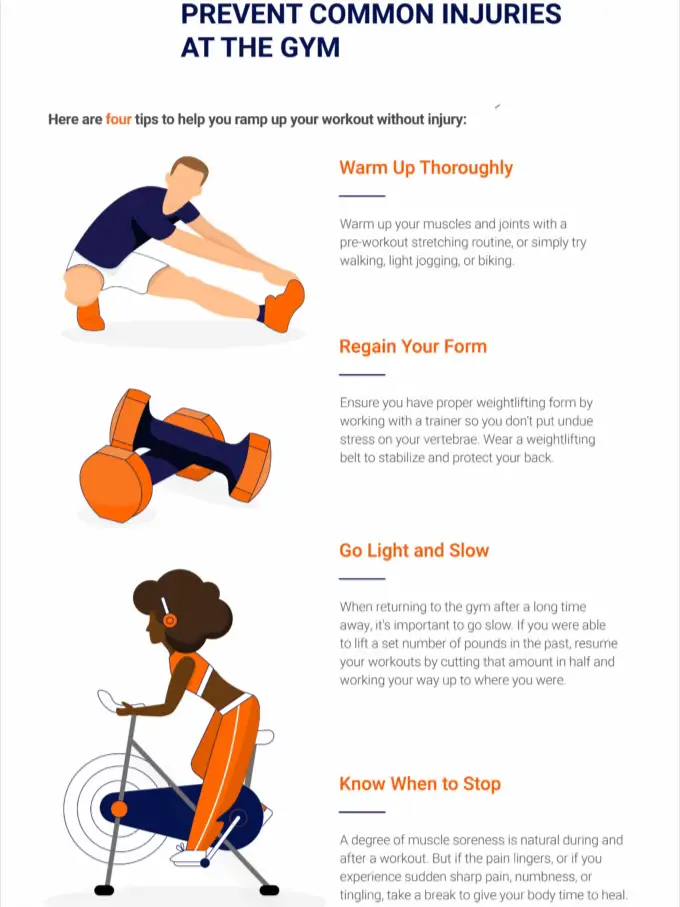
Image courtesy of www.lemon8-app.com via Google Images
Conclusion
Improving your health through workouts, nutrition, and gym planning is a journey that requires dedication, consistency, and patience. By setting clear goals, creating a balanced workout routine, making healthy food choices, staying accountable, and prioritizing rest and recovery, you can make significant strides towards a healthier lifestyle. Remember to consult a professional for guidance and support as you navigate your health journey. With the right mindset and approach, crushing your fitness goals is well within reach.
Discover these 5 surprising tips that will slash your grocery bill in half – you won’t believe how easy it is!

Table of Contents
When it comes to maximizing your workouts, proper nutrition and gym planning play a crucial role in achieving your fitness goals. By fueling your body with the right nutrients and having a well-structured workout plan, you can enhance your performance, optimize your recovery, and see better results. In this ultimate guide, we will explore the tips and strategies for incorporating nutrition and gym planning into your fitness routine.
Tips for Pre-Workout Nutrition
Before you hit the gym, it’s essential to fuel your body with the right nutrients to maximize your workout performance. Aim for a combination of carbohydrates and protein to provide energy and support muscle function. Some examples of pre-workout snacks include a banana with nut butter, Greek yogurt with berries, or a small protein shake. Additionally, don’t forget to stay hydrated by drinking water or a sports drink before your workout to prevent dehydration.
Tips for Post-Workout Nutrition
After a strenuous workout, your body needs to refuel and recover properly. Make sure to consume a balance of protein and carbohydrates to replenish glycogen stores and support muscle repair. Good post-workout meal options include a chicken and quinoa bowl, a smoothie with protein powder and fruit, or a turkey wrap with veggies. It’s also important to hydrate well after exercise to replace fluids lost through sweat.
How to Plan Your Gym Workouts
Having a well-structured workout plan is key to staying on track with your fitness goals. Start by setting specific and achievable goals, whether it’s building muscle, improving endurance, or losing weight. Based on your goals, create a workout schedule that includes a mix of cardio, strength training, and flexibility exercises. Consider working with a personal trainer to help design a customized workout plan that suits your needs and abilities.

Image courtesy of www.pinterest.ph via Google Images
Importance of Rest and Recovery
Rest is just as crucial as exercise in achieving optimal fitness results. Make sure to include rest days in your workout plan to allow your body to recover and repair. Overtraining can lead to fatigue, burnout, and even injury, so listen to your body and give yourself permission to take a break when needed. Incorporating activities like stretching, yoga, or foam rolling can also help promote recovery and prevent muscle tightness.
Balancing Macros for Optimal Performance
Macronutrients, including protein, carbohydrates, and fats, are essential for fueling your body and supporting your workouts. To optimize your performance, aim to balance your macros in each meal by including a mix of all three nutrients. For instance, a balanced meal might consist of grilled chicken (protein), quinoa (carbohydrates), and avocado (healthy fats). Experiment with different meals to find what works best for your body and fitness goals.

Image courtesy of einvestingforbeginners.com via Google Images
Supplements for Enhanced Performance
While a well-rounded diet should be the primary source of nutrients, supplements can sometimes be beneficial for enhancing performance. Popular workout supplements like protein powder, creatine, and BCAAs can aid in muscle recovery, growth, and energy levels. However, it’s essential to consult with a healthcare provider or nutritionist before incorporating supplements into your routine to ensure they are safe and appropriate for you.
How to Stay Motivated and Consistent
Staying motivated and consistent with your fitness routine can be challenging, but there are strategies to help you stay on track. Set small, achievable goals and celebrate your progress along the way to maintain momentum. Find a workout buddy or join a fitness community for support and accountability. Tracking your workouts, nutrition, and progress can also help you stay motivated and see how far you’ve come.

Image courtesy of www.creditkarma.com via Google Images
Adjusting Your Plan for Long-Term Success
As you progress on your fitness journey, it’s important to reassess and adjust your workout and nutrition plan as needed. Your body may adapt to your routine, leading to plateaus in progress. Listen to your body’s signals and make modifications to continue challenging yourself. Stay open to trying new workouts, classes, or meal plans to keep things exciting and ensure continued progress towards your long-term fitness goals.
In conclusion, proper nutrition and gym planning are essential components of a successful fitness routine. By following these tips and strategies, you can optimize your workouts, support your body’s recovery, and achieve your fitness goals. Remember to prioritize rest, stay consistent, and adjust your plan as needed to ensure long-term success on your fitness journey.
It is a question that many people are asking. Are recumbent bikes good for sciatica? The answer might surprise you: yes it is.
Sciatica is determined agony felt along the sciatic nerve. This nerve runs from the lower back, down through the butt cheek and into the lower leg. Torment results when this nerve is packed or harmed. It most usually results from irritation, bone chips brought about by joint pain, or a herniated (“slipped”) plate in the lower spine.
Sciatica causes sharp, consuming agony, or shivering or deadness along the nerve. Much of the time, manifestations are more regrettable around evening time. Also the torment is exacerbated by movement.
Many individuals with sciatica keep away from practice by and large inspired by a paranoid fear of exacerbating the situation. That is normally not the most ideal choice. I compliment your methodology of practicing while at the same time being insightful with regards to which practice you pick.
With respect to which works out, my recommendation is the same presumably as what your grandma may have given: Avoid practices that hurt, and look for practices that help you to have an improved outlook.
You get some information about riding a fixed bicycle. Sciatica torment is frequently more regrettable when sitting on a firm surface in light of the fact that the sciatic nerve goes directly through the butt cheek. At the point when you sit on a bike seat, it can come down on the nerve. Yet, sitting doesn’t generally exacerbate indications. For instance, assuming that your sciatic nerve torment results from an issue higher up close to the spine, you might endure riding a bicycle.
Sciatica can be brought about by various things, including sitting erroneously at your work area or in the vehicle. A recumbent bicycle will help with diminishing strain on the lower back and leg muscles since you’re situated more upstanding when riding it. You’ll likewise observe that they are a lot simpler on your knees than on a conventional bike since you don’t need to twist them very much.
What is Sciatica and What are the Symptoms?
Sciatica is a condition that influences the nerves in your lower back. It can cause you to feel torment, deadness, or shivering down one of your legs and it very well might be hard to walk whenever left untreated.
The most widely recognized side effect is torment that moves from the foundation of your spine up through the two rump and into one or the other leg subsequent to sitting for significant stretches of time. When lying on their side, individuals with sciatica frequently experience strain or agony along the course of their nerve root as they rest since this position puts weight on it.
Other symptoms include burning, tightness, or weakness in an arm; pins-and-needles sensations in arms and legs; trouble sleeping due to discomfort when lying flat on one’s back; difficulty turning over in bed; or pain when getting out of bed.
How does a Recumbent Bike Help with Sciatica?
Recumbent bikes are frequently suggested for individuals with sciatica since they can be utilized to practice the muscles around the spine and pelvis without as much uneasiness. They also give a low-sway exercise that reinforces center muscles without putting an excess of strain on joints and connective tissues like hips, knees, lower legs, and feet.
This makes them particularly useful for individuals with joint inflammation in their lower back or the people who need to keep away from hard arrivals from high leaps (line skating). Recumbent bikes will most likely be unable to give you a vigorous exercise as different sorts of gym equipment yet they’re as yet a preferred choice over sitting from morning ’till night.
The seat is further away from your body, so it’s more similar to sitting in a seat than on an upstanding bicycle or seat with surprisingly better structure with less uneasiness. In addition, you’ll as a rule find that recumbents come preloaded with programs customized explicitly towards the individuals who experience the ill effects of back torment.
There are many benefits to utilizing a Recumbent Bike, and they can also assist with sciatica manifestations. The arm that goes through the hip regularly causes lower-back torment when it’s strained so individuals who don’t figure their backs can deal with riding on different sorts of bicycles track down help by plunking down. They’re superior to most exercise balls since they require less equilibrium which is ideal for those with constant back issues.
One more fun reward for utilizing this sort of bicycle is that it’s useful for your stance. Assuming you can bear the cost of the more costly models with a higher seat back and movable handlebars, then, at that point, you will actually want to change it so when situated on the machine your spine is in arrangement without bowing forward.
Furthermore not exclusively does an activity supine bicycle assist with forestalling wounds like sciatica by easing tension on your lower back just as fortifying muscles all around your body; rather than slouching over on a standard bike seat which puts pressure straightforwardly onto the tailbone you’ll keep up with better structure with less distress in light of the fact that the seat is further away and it’s more similar to sitting in a seat.
Advantages of Using a Recumbent Bike for Sciatica Pain Relief
- It doesn’t need extraordinary equilibrium to utilize.
- Calmer and less diverting than different bikes.
- It diminishes the tension on your spine and pelvic area.
- Plunking down eases the heat off the back, hips, knees, and lower legs thus decreasing sciatica torment.
- Low back help which is ideal for those with constant lower back issues.
- You can practice in a situated position where you won’t have balance issues like different bicycles, this is extraordinary on the grounds that it helps individuals who track down standing up troublesome or difficult because of their sciatica torment.
- They give adjustment and solace when riding the bicycle that permits one to work out longer without getting worn out as quickly as on an upstanding bike. The recumbent bikes have been designed so you incline forward while plunking down rather than inclining in reverse like on an upstanding bicycle seat which makes it more straightforward to ride bikes assuming you want lumbar spine help from your sciatica side effects.
- Expands center strength by holding your abs tight while sitting on recumbent bikes. This is significant for those with persistent back issues or who need to keep such issues from happening.
- Recumbent bikes are commonly pre-stacked with programs custom fitted to the individuals who experience the ill effects of back torment, which can make them simpler to use for sciatica victims. Anyway not all recumbents come stacked with these sorts of highlights.
Disadvantages of Using a Recumbent Bike for Sciatica Pain Relief
- Inclining forward can aggravate the lower spine assuming you sit excessively far out of the seat’s normal lean back position
- They’re not work for focused energy exercises (however some have opposition levels up to 300 watts)
- In addition, it’s hard getting locally available to them without assistance since they’re so low to the ground.
Tips to Use a Recumbent Bike Correctly
Change the seat and handlebars so they are at an agreeable stature. You ought not slump while sitting or inclining toward them.
If you have lower back issues brought about by tension from clutching handles, then, at that point, have a go at utilizing just one hand for better arm/hand situating (one hand could be resting alongside the casing). Assuming this is still excessively awkward for your lower back, utilize cushioned bicycle gloves that can be bought independently or add cushioning around the bar hold region with towels or defensive cushions sold at bike shops.
Sit once more into the situation and be certain that you’re not very near its front, so your knees are at a 90-degree point from your hips.
Changing pedals accurately will assist with tension on your feet, also. Change the two sets until they’ve arrived at an equivalent tallness for simpler accelerating movement with next to no aggravation or uneasiness while riding. You might require more than one pedal wrench on the off chance that changing them is extreme because of their snugness prior to putting them on appropriately utilizing two hands rather than only one hand.
In the event that you end up exceeding when attempting to pedal rapidly, place a few towels under each foot for some additional padding.
You may also have to change the seat’s height so you’re not very short or tall for your bike.
Why do People Love Recumbent Bike for Sciatica?
Recumbent bikes appear to be an odd decision when managing back torment issues brought about by sciatica as they require inclining forward consistently. However, many individuals who experience the ill effects of persistent back issues have observed that sitting on a supine bicycle can be useful because of the low-sway nature of the machine.
The customary upstanding plan can put a ton of weight on the lower back, making torment discharge up in regions that are now touchy; notwithstanding, when you sit supine, your chest area is leaning against a strong backrest with less strain set upon it. The most effective way to keep away from sciatica flares while utilizing this gym equipment is by changing the seat tallness and handlebars so they’re agreeable for you to simply try not to slump.
Recumbent bikes have been demonstrated as a compelling therapy for constant back issues brought about by sciatica in light of the fact that their low effect configuration lessens tension on those spaces without expanding nervousness or trouble breathing They give delicate exercise that doesn’t build levels of carbon dioxide and power, which is incredible for individuals with hypertension.
Assuming you have a past filled with sciatica or experience the ill effects of constant back issues brought about by it like agony in the hips, knees, or lower legs, think about utilizing recumbent bikes to facilitate your manifestations.
The most effective way to stay away from these eruptions while practicing on this machine however is by changing seat tallness and handlebars so they’re agreeable and simply don’t slump. Assuming you are thinking about getting one yet aren’t sure in case it will be appropriate for you depending on the spot requirements like space in the home or accessible supports then, at that point, consider buying an activity cycle that has flexible pedals.
Normal Mistakes to Avoid
Going too quick or hard on the activity machine. The way to get great sciatica alleviation is to keep your body in arrangement and stay away from superfluous pressure that can disturb, torment side effects and exacerbate the situation. Dial back, utilize lighter tension on pedals, don’t push so severely with handles until you become acclimated to it, and so on. It’s better not to exaggerate anything from the get go.
Neglecting to enjoy reprieves occasionally. Get off of your Recumbent Bike like clockwork on the off chance that conceivably loosen up those muscles while they’re loose prior to returning into position once more.
Try not to try too hard. In case you’re encountering sciatica torment, keep away from any activity that may bother your indications. This incorporates downhill running, squats and certain yoga presents.
Recumbent bikes ought to be a piece of your treatment plan for sciatica torment in the event that you are hoping to fortify the muscles in your lower back or further develop flow.”
Ensure that you have an activity routine with practices that work for quite a long time bunches all at once so as not to exhaust a specific region to an extreme. This can assist with lightening a portion of your indications while chipping away at those different regions like reinforcing your center and pelvic floor muscles.
Buying Guidelines for Recumbent Bike
Checking the following features and testing bikes at a gym or store first will increase the chances of finding the right bike for an exercise program:
- Enough space between the seat and handles to easily get on and off
- A heavy front wheel, which makes for a more stable bike
- A heart-rate monitor that will allow users to measure whether they are at the right level of exertion. More expensive machines have cordless chest straps, which are more accurate than a hand-grip monitor.
- An easily adjustable seat. The seat should be at hip height to ride comfortably. On a recumbent model, the back should feel fully supported. Pedals should be wide with a strap to keep feet in place.
- A covered wheel and chain will prevent fingers from getting pinched and minimize the amount of dust that could settle on and clog the mechanism, and also buffer the noise from the machine
- A readable monitor within easy reach to adjust resistance and see displays such as distance, speed, time, calories burned and resistance level.
Conclusion
The recumbent bike isn’t a fix just for sciatica, however it tends to be useful when utilized related to different medicines. Assuming you’ve been experiencing sciatica and need some alleviation without medications or medical procedure.
The recumbent bike is an astounding method for practicing and might be useful for sciatica. The best thing about it is that you can pedal in various positions which implies the strain on your back will differ. This machine likewise modestly affects the joints just as muscles due to its plan. It’s important to consult with your doctor before starting any new fitness routine but this might just do the trick.
Frequently Asked Questions
1. Does recumbent bike help sciatica?
Aerobic exercise, which is what recumbent biking is classified as, is beneficial for those suffering from sciatica, as it helps to strengthen and condition your trunk and spinal muscles. Exercise also helps to decrease the risk of sciatica recurrences over time.
2. Is it OK to ride a bike with sciatica?
When you sit on a bicycle seat, it can put pressure on the nerves. But sitting does not always make symptoms worse. For example, if your sciatic nerve pain results from a problem higher up near the spine, you may tolerate riding a bike.
3. Does a recumbent bike help back pain?
Reclining bicycles, also called recumbent bikes, can also help those with lower back pain who feel better in a reclining position. Although biking can be a good exercise option for those with existing back pain, it can also cause back pain if not done properly. Poor posture on the bicycle can strain the back.
4. What makes sciatica flare up?
Sciatica nerve pain can flare up due to carrying extra weight and bad posture. Sciatica is a medical condition where an individual feels pain radiating from the sciatic nerve. This nerve begins in the lower back and runs down to the legs.
5. Why does sciatica hurt more at night?
Some people with sciatica notice their symptoms get worse when they’re in bed. Lying down can increase pressure on your irritated nerve, especially if you sleep on a soft mattress that causes you to bend your spine while sleeping.
6. Is bed rest good for sciatica?
For patients with sciatica, there is little or no difference between advice to rest in bed and advice to stay active. There is little or no difference in the effect of bed rest compared to exercises or physiotherapy, or seven days of bed rest compared with two to three.
7. Is sciatica worse in the morning?
Sciatica is often worse in the morning because of the way you sleep. Laying in incorrect and awkward positions can irritate nerves because you compress the exit spaces in the spinal column. This limits the space nerve roots have to travel and can worsen your condition.
8. Is sitting bad for sciatica?
Sitting too much can also trigger or worsen sciatica pain. Sitting is another activity that puts a lot of pressure on your glute muscles, lower back, and sciatic nerve. Moving around gives your sciatic nerve a break, a chance to stretch and allow blood to flow to the area.
9. What side is your sciatic nerve on?
The five nerve roots come together to form a right and left sciatic nerve. On each side of your body, one sciatic nerve runs through your hips, buttocks and down a leg, ending just below the knee. The sciatic nerve then branches into other nerves, which continue down your leg and into your foot and toes.
10. How long will sciatica take to heal?
For the majority of patients, acute sciatica pain resolves within 1-2 weeks. In some cases, behavioral modification or at-home remedies may be adequate for relieving sciatica pain. However, certain patients may develop chronic sciatica pain which may wax and wane but remains present over many years.
Looking to add a power rack with a lat pulldown attachment to your home gym? Here is a breakdown of the best squat racks with lat pulldown for every gym and budget. When you consider it, your power rack is a ton like the edge of your home.
The essential edge can do a considerable amount, however it’s the additional items that take it from a fundamental squat enclosure to something that looks like a multi-utilitarian preparing machine. You can dress it up with a lot of additional items, from a landmine connection, multi-grasp pull-up bar, use it as weight plate stockpiling, etc.Also one of the most well known ways of step up your power rack is with a lat pulldown connection.
Preparing a ton of similar muscles as the all-powerful draw up, the lat pulldown connection is in reality considerably more than this. The pulley framework implies that you can also join a rear arm muscle rope, lower leg ties, or some other of the link machine connections out available.
Below is a breakdown of the best power racks with lat pulldown attachments on the market right now. Read on, find the cage and attachment that suits your goals and budget, and level up your squat rack into a full-body training machine.
Best 9 Squat Rack with Lat Pulldown
1. Valor Fitness BD-7 Squat Rack
 Set up in 2006 in the territory of Florida, Valor Fitness fabricates more than 400 distinct items to assist you with meeting your wellness objectives without burning through every last dollar. Regardless of whether it’s at home, in a hurry, or you are beginning to fabricate a definitive exercise studio, with our wide assortment of decisions and U.S.based client help you make certain to observe every one of the parts you want. From contest preparing, to extending and restoration, Valor Fitness has what you really want to focus on your body, and your financial plan.
The BD-7BCC Bundle contains every one of the characteristics of the BD-7 Power Rack w/Lat Pull Attachment, with the additional advantage of the Valor Fitness BD-CC2.0 Cable Crossover Attachment. This incorporates 2 connectable link machines to fit the two sides of the power rack, just as 2 single movable handles that join to the pulley framework. Each side of the connection highlights 17 flexible positions and a pulley framework that works with you as you venture out for more stretch or power. The twofold bar track on the link hybrids makes greater strength and a smoother development when utilizing either Olympic or standard plates.
Key Features
- ROCK SOLID, STURDY & SAFE: Whether you are racking your heavy barbell or performing pull-ups, this rack will have your back. It will remain completely still with no shaking or rocking. Comes with heavy duty safety bars for your safety and security while using this rack. Constructed of 2” x 2” 12-gauge steel with rubber base caps that encase each foot to add safety, stability, and floor protection.
- ORGANIZED & ADJUSTABLE: This weight rack cage allows for an organized home gym with 4 plate storage pegs measuring 8” each for ample storage for both Olympic and standard plates. 27 variable positions for bar support, ranging in height from 17.5” to 68”. Vibrant numbering system to easily identify variable positions.
- CHANGE UP YOUR WORKOUT: This squat cage can be used in many ways. Includes a pull up station with knurled grip at the top of the workout cage, in addition to the lat pulldown station with plate loading carriage (lap bar and low row/curl bar included). Use it for squats, bench, pull-ups, lat pulls, bicep curls and many more.
- ADDITIONAL: 500 lb. max load if using the bar catchers outside of the power cage, 650 lb. max load if using the bar catchers inside the fitness rack, 750 lb. max load for safety bars. 200lb. max load on the Lat Pulldown. For longer wear and tear, gently return the carriage to the starting position. Warranty, 3-year frame, 2-year cable, and 1-year hardware. Arrives in 2 separate boxes.
- EASY TO ASSEMBLE: This squat rack cage does not need to be bolted down. Comes with all necessary hardware and our new and improved manual with easy to follow instructions.
Specifications
| Package Dimensions L x W x H | 81 x 12 x 6 inches |
| Package Weight | 113.74 Pounds |
| Item Dimensions LxWxH | 47 x 63.5 x 82 inches |
| Item Weight | 89 Pounds |
| Brand Name | Valor Fitness |
| Color | Black |
| Number of Items | 1 |
| Manufacturer | Valor Athletics Inc. |
| Part Number | 2BD0072BM |
| Style | BD-7 Power Rack w/ Lat Pull |
| Size | One Size |
Pros
- It is easy to build
- Easily can identify variable positions.
- Very sturdy and the lat attachment works great
Cons
- More expensive than better products like the TDS power cage
- As bad as the BD-33 for bar catches and general lack of mindful design
- Comes with a crappy lat-pulldown that degrades rapidly and provides poor-quality resistance
2. VANSWE Power Cage with LAT Pull Down Squat Rack
 The Vanswe Olympic Power Cage can deal with up to 1300 lbs of genuine weight limit. North of 24 activities can be performed and the substantial 2×2.75″ rounded steel outline development will give strength and solidness through numerous exercises. There is a lot of room inside the enclosure for wide position squats and an extra spotter for wellbeing. The overhead jaw up/pull up hold offers different hand positions to upgrade back, shoulder and arm muscles. What’s more, the Lat PullDown and Low Row Cable connection is an extraordinary extra for building your upper back, shoulders and arms muscles. So get the strength exercise you need with the Vanswe Power Rack with Lat PullDown and Low Row Cable Attachment.
Key Features
- Stable Construction: 1300 lbs of real weight capacity with 2”×2.75” tubular steel frame construction offers great stability
- 10 Extra Accessories: Four J-Hooks and two safety bars, bonus J-Hooks and four 1″ weight holder bars. 21 variable positions for safety bars and J-Hooks supports ranging in height from 12″ to 67″, extra marked numbers for better height recognition
- Lat Pulldown Attachment: This power rack includes high and low row pulley systems that can handle up to 300 lbs capacity. High tensile strength nylon coated cable. Easy glide two round chrome guide rails for smooth operation. Includes one 38.6” lat bar and one 13.8” low row curl bar attachments with foam grips. Two 1″ weight plate storage and two 2″ adapter sleeves suits for standard and Olympic weight plates, two 1″ and two 2″ clip collars also included
- Power Cage Dimensions: 48 L x 67 W x 85 H inches. Inside cage dimension: 42 W x 50 D inches. Total weight: 256 pounds. Our cage is designed with a large walk in space providing easy side to side movement. Ships in three boxes and may arrive separately
- Expand the power cage: With lat pull-down attachment adding Olympic bars (not included) and workout bench (not included), perfect for exercises of Pull-ups, Lat Pull Over, Squats, Curls, Shrugs, and Bench Press, etc.
Specifications
| Package Dimensions L x W x H | 80 x 10 x 5 inches |
| Package Weight | 65 Pounds |
| Brand Name | VANSWE |
| Color | Silver&Black |
| Material | Steel |
| Manufacturer | Vanswe |
Pros
- Easy to assemble
- Smooth cable system
- Good ceiling height
- Sturdy construction
- Ample walk-in space
- Free accessories
- Rubber feet for protection of the floor and avoiding loud noise
Cons
- J-hooks are not strong
- Side to side wobbles
- Welding is not rust proof
3. Papababe LAT Pulldown Power Rack Home Gym Equipment
 Develops the latissimus dorsi muscle, fortifies the lower and center trapezius. PAPABABE Power Cage can deal with up to 1200lbs of genuine weight limit. Lat Pulldown connection can deal with up to 400lbs of genuine weight plates, permitting you to alter your activity needs.
PAPABABE Power confine with Lat Pull-Down Attachment to be multi work, multi-position overhead jawline up/pull up hold with Lat Pulldown connection for north of 25 activities can be performed, fabricating your arm, shoulder, and back muscle bunches with an assortment of activities.
Key Features
- Heavy duty steel
- 26 adjustable height levels for the safety bars. Safety bars are compatible with 7′ Olympic bars, User height up to 6’4″. Rubber base caps encase each foot for safety, stability, and floor protection.
- Can be used by adding Olympic bars
- 1200 lbs of real weight capacity with 2″ x 2″ tubular steel frame construction for a safe exercise environment. TWO BONUS pairs of steel J-Hooks included(TWO small and TWO large hooks). Four pre-drilled bolt holes come with every foot of the power cage, you can bolt your power rack to any floor. Quality and safety guaranteed.
- Included Olympic lat pulldown and low row cable attachment works with high and low pulleys offer a wide range of upper and lower body exercises for a strong and confident physique. Build up your chest, shoulders, back, biceps, triceps, and make the workout easier. Two Olympic adapter sleeves are included as a free gift and can be equipped for 2″ Olympic plates(not included).
- Dimension: 47 L x 54W x 88 H inches.(Takes up 48” x 60” of the floor, pull-up bar is 88 inches off the ground.) Total weights: 163 pounds. Our cage is designed with a large walk in space providing easy side to side movement. Inside cage dimension: 43 W x 45 D inches.
- (not included) and PAPABABE Adjustable bench (not included), perfect for exercises of Squats, Curls, Shrugs, Pull-ups, Upright rows, Flat Bench Press etc.
Specifications
| Package Weight | 182 Pounds |
| Item Dimensions LxWxH | 47 x 53.2 x 88 inches |
| Brand Name | Papababe |
| Color | Black |
| Material | Heavy duty steel |
| Manufacturer | papababe |
| Style | Power cage |
| Sport Type | Squats, Curls, Shrugs, Pull-ups, Flat Bench Press |
| Skill Level | Advanced, expert, professional, beginner |
Pros
- Sturdy
- 4 bonus J-HOOKS
- Free Olympic Adaptor sleeves
- Cable coated with high tensile strength nylon
- Rubber coating to avoid friction and loud banging noise
Cons
- No dip bars
- No weight plate holder
4. HulkFit 1000-Pound Capacity Multi-Function Adjustable Power Cage
 The HulkFit 1,000lbs multi-function power cage is a huge improvement on their 800lbs squat rack that we covered in our squat rack review and guide. This product comes with a much stronger base and improved stability.
The stability and footprint of this product are great, while the 1,000lbs weight-rating provides plenty of extra space no matter how heavy you’re lifting. It also ensures that the differences that come from dynamic movement are accounted for and keeps you safe, even when failing significant weights.
This all comes at a great price. Again, we’re not going to discuss the lat pulldown attachment as it is a better independent product and doesn’t provide much in the way of core functions for the power cage itself. The cage is good, the unnecessary attachments don’t add much.
Key Features
- Constructed with 11 gauge steel, this power cage has a 1000lb weight capacity. The 2. 5in X 2. 5in frame offers greater stability throughout
- Free standing unit with a large walk-in space and rubber feet to ensure stability and protect flooring
- Power Cage also includes two steel safety bars with J-Hooks or safety straps, two dip bars and extra J-Hooks. NOTE: We are transitioning from safety bars to safety straps. Depending on when you order, you may receive either and we cannot guarantee one or the other.
- Front of the rack includes a multi grip pull-up bar for additional exercises and stretches. Cross bars can also be used for band & resistance training.
- Assembled dimensions: 81″ x 44″ x 47″. Product weight: 140 Pounds (power cage only)
- Please note that we are in the middle of transitioning from safety bars to safety straps. Based on customer feedback, we switched over to safety straps as they provide more versatility and don’t damage your barbell if dropped on them. We cannot guarantee what you receive in your shipment
Specifications
| Package Dimensions L x W x H | 77 x 13 x 10.5 inches |
| Package Weight | 63.5 Kilograms |
| Item Dimensions LxWxH | 47 x 44 x 81 inches |
| Item Weight | 60.78 Kilograms |
| Brand Name | HulkFit |
| Warranty Description | 2-Year Warranty |
| Model Name | Multi-Function |
| Color | Yellow |
| Material | Composite |
| Suggested Users | Unisex-adult |
| Manufacturer | HulkFit |
| Part Number | HFPC-1 |
| Style | 1. Power Cage, Yellow |
| Included Components | Power Cage |
Pros
- Durable
- Sturdy
- Great design
- Great price tag
- Dip bars and J-HOOKS provided
- Multifunctional pull-up grips are provided
- Heavy duty and high-stability if you get a well-checked product
Cons
- Need to buy separate weight pegs
- The back bar on the floor is too forward take some space
- Questionable quality assurance with missing pieces
- Products may have poorly-aligned safety pins, requiring 3rd party boring or being unsuitable for use
5. Fitness Reality X-Class Light Commercial High Capacity Olympic Squat Rack
 Fitness Reality X-Class light business high limit Olympic power confine is a decent choice for your solidarity preparing exercises since it upholds north of 24 activities like squats, jawline ups, seat press, and some more. This enclosure is sufficiently extensive and upholds very heavyweights.
Key Features
- 1500 lbs of real weight capacity with 2″ x 3″ tubular steel frame construction. Limited Lifetime Warranty
- Two adjustable 2″x 20″ high Density rubber grip dip handles with user weight capacity of 600 lbs
- 2 height position adjustable multi-grip chin up/pull up bars with a weight capacity of 600 lbs
- Included Olympic lat pull down and low row cable attachment for strengthening the upper back, shoulders and arms
- Two 11.5″ safety bars and two 35.5″ dual mounted safety bars with each set combined weight capacity of 1500 lbs. Compatible with 7′ Olympic bars. Safety bars for racking weight bars with no wobbling
- Two 11.5″ safety bars and two 35.5″ dual mounted safety bars with each set combined weight capacity of 1500 lbs. Compatible with 7′ Olympic bars. Safety bars for racking weight bars with no wobbling
- 1500 lbs of real weight capacity with 2″ x 3″ tubular steel frame construction. Limited Lifetime Warranty
- Two adjustable 2″x 20″ high Density rubber grip dip handles with user weight capacity of 600 l
- 2 height position adjustable multi-grip chin up/pull up bars with a weight capacity of 600 lbs
- Included Olympic lat pull down and low row cable attachment for strengthening the upper back, shoulders and arms
Specifications
| Package Dimensions L x W x H | 68 x 19 x 9.5 inches |
| Package Weight | 63.5 Kilograms |
| Item Dimensions LxWxH | 86.5 x 52 x 86 inches |
| Brand Name | Fitness Reality |
| Warranty Description | Warranty: 10 years frame, 3 years parts and 2 years wearable parts. |
| Model Name | X-Class |
| Color | Black |
| Material | Aluminum |
| Suggested Users | Unisex-adult |
| Number of Items | 1 |
| Manufacturer | Paradigm Health & Wellness Inc. — DROPSHIP |
| Part Number | 2868 |
| Style | With Lat Pull-Down Attachment |
| Included Components | Power cage, lat pulldown |
| Size | One Size |
Pros
- Durable
- Sturdy and heavy
- 2 additional Dip handles provided
- Bonus pair of J-Hooks additionally provided
- Safety bars are compatible with Olympic bars
- Safety bars are covered with rubber to prevent loud banging and scratches
Cons
- Non-standard dimensions
- Limited aftermarket accessories
6. Merax Athletics Fitness Power Rack
 Being able to exercise safely is an important part of any home workout, and that’s why Merax Power Rack makes such a valuable add-on for your fitness equipment. This squat rack system can provide the user with over 24 exercise strength training options. With a heavy duty steel frame construction, this home squat exercise equipment offers superior strength and durability, allowing it to withstand your intense workout sessions. There is plenty of space inside the cage for wide stance squats and an additional spotter for your safety. The multi-grip pull up bars are designed to allow you to use multiple hand positions to further engage and enhance back, shoulder and arm muscles. Additionally, the Merax Lat Pull Down and Low Row Cable attachment is a great add-on for building your upper back, shoulders and arms muscles.
Merax athletics uses the exact same design as the Valor BD-7, down to the poor-quality lat pulldown system and poor-quality footprint. The bar catches continue to ruin our pleasant demeanor and the fact that they’re still used has become a sign of poor concern for your home gym equipment.
Key Features
- From cable crossovers, lat pulldowns, pull-ups to a low row and everything in between, make a motion to improve your core, build your strength and increase your endurance with Merax cable machine
- A 38.2″ lat pulldown bar and 20″ low row bar with 300lbs weight capacity. Compatible with standard 1” plates or 2” Olympic weight plates. The integrated weight plates storage peg lets you store your plates easily for a tidy gym that fits any room.
- Multi-grip pull-up bars allow you to grip it in the wide, parallel or narrow positions to target different upper body muscle groups. The angled pull up bar design protects your wrists while doing wide grip.
- The cable machine stands 81″ tall with a 56.7″ width and 83.5″ depth.
- Dual pulley systems with strengthened nylon deliver consistent smooth movement and are up to the task of repeated high-intensity use. 17 adjustable positions allow this cable station to meet the needs of all users, whether you’re looking for full-body strength workouts, exercises targeting specific muscle groups, or functional mobility.
Specifications
| Brand Name | Merax |
| Color | Silver&Black Cable Crossover Machine |
| Material | Foam, Steel |
| Manufacturer | Merax |
| Part Number | MS036580NAA+MS036581NAA |
Pros
- Perfect for at-home gyms and commercial use
- Designed to offer maximum workout versatility
- Safely train multiple muscle groups in one workout
Cons
- Poorly designed
- Unstable and slippery
- Ratings for safety bars are 800lbs, but actual bar catches are only 500-650lbs
7. Fitness Reality 810XLT Super Max Power Cage
 The Fitness Reality 810XLT super max power cage with lat pull-down is spacious enough for comfortable and safer movements. It has two safety bars and two lock-on safety, both of chrome. The body and design are quite fascinating. This power rack is perfect for pull-ups, squats, shrugs, bench presses, and many other workouts.
This power rack works equally well for beginners as well as experienced lifters. This power cage comes with high and low row pulley systems. The cable used in the pulley systems is coated with high tensile strength nylon. The glide is very smooth operating on the guide rail.
Key Features
- CHROME SAFETY BARS: Two 3 ¼” long chrome lock-on safety bars. Two 23” long chrome dual mounted safety bars. 19 adjustable height levels for the safety bars. Safety bars are compatible with 7’ Olympic bars. 2 Rear stability bars
- HEAVY DUTY FRAME: 800 lbs. weight capacity with heavy duty frame construction. Large walk in space providing easy side to side movement. 2″ x 2″ square steel frame construction. Multi-position over head chin up/pull up grip bars
- ADJUSTABLE LEG HOLD-DOWN: Leg Hold-down can shift along the long safety bars for your comfortable secure position. The height can be adjusted by shifting the long safety bars up or down along the cage height. Two adjustable foam rollers included. Multi-position over head chin up/pull up grip bars
- BALL BEARING PULLEY SYSTEMS: Includes high lat and low row pulley systems with high tensile strength nylon coated cable. Easy glide 2” x 2” chrome guide rail for smooth operation. Includes one 39” lat bar and one 20” low row bar attachments
- COMPATIBLE WEIGHT PLATES: Lat pull-down weight post is for use with Olympic or standard weight plates(Not Included). 2” Olympic plates need to be used with Olympic Adapter Sleeves (Not Included). Olympic bars/weights and weight bench not included
- EXTRA SPACE: Extended lower rear cross bar provides extra space for fitting in benches and footrest for seated row exercises. 6. 5” Long x 1″ diameter weight plate storage post with 270 lbs. weight capacity. Two 1-inch Spring Clip Collars included
- Included Components: Power Cage, Lat Pulldown
Specifications
| Package Dimensions L x W x H | 79 x 13 x 10 inches |
| Package Weight | 67.13 Kilograms |
| Item Dimensions LxWxH | 68 x 46 x 84.5 inches |
| Brand Name | Fitness Reality |
| Warranty Description | 1 year limited |
| Model Name | 810XLT |
| Color | Gray |
| Material | Steel |
| Suggested Users | Unisex-adult |
| Manufacturer | Paradigm Health & Wellness |
| Part Number | 2821 |
| Style | Power Cage with Lat Pull-down |
| Included Components | Power cage, lat pulldown |
Pros
- Sturdy
- Versatile
- Easy to assemble
- Enormous walk-in space
- Multi-position pull up bars
Cons
- No weight holders
- This product does not contain dip bars.
- Olympic bar and weight plates are not included
8. REP FITNESS PR-1100 Power Rack
 This item imitates the best and most exceedingly terrible parts of the HulkFit rack. The advantages are in the basically viable plan of the rack with successful plan choices and an attention on the rudiments.
However, the issues on quality confirmation and the nature of execution are regularly poor. This doesn’t show as a helpless arrangement, yet rather rehashed instances of broad inside rusting. This could be because of helpless treatment or just helpless stockpiling/delivering rehearsals.
This is clearly a significant worry to the underlying trustworthiness of this item, which altogether hazards the first weight-rating and could truly debase the general item. This isn’t what you anticipate from a critical buy like this, particularly since the cost of this item is higher.
Key Features
- WHAT’S INCLUDED: Each weight cage comes with an integrated pullup bar, (2) j-cups, and (2) full length safety bars. The PR-1100 is a safe, stable freestanding weight cage that does not need to be anchored to the floor. Floor anchor points are not included on this model. Please note that the bottom brackets have an improved design that no longer requires side plates.
- DESIGNED FOR HOME GYMS: At a total height of only 84 inches, the PR-1100 gives you maximum functionality in a package that fits in most home gym spaces. Now you can squat, press, and perform hundreds of other strength exercises in your home safely and effectively. Dimensions: 84” tall x 48” wide x 47.5” deep (84″ is to top of pull-up bar, when mounted as shown in the photos, Top of uprights is 82″ if you prefer to mount the pull-up bar upside down). Inside cage dimensions: 44” wide x 45.5” deep.
- BUY WITH CONFIDENCE: Buy now and get a 2 Year Warranty on your PR-1100. Rep Fitness is a full-service equipment company based in Denver, Colorado. Check out our other listings to see the complete line of strength and conditioning equipment including benches, barbells, dumbbells, racks, cardio equipment and more.
- SAFE AND STABLE: Lift with confidence knowing that your cage is rated to 1000lbs, and is built from strong, 14 gauge steel with double rear stability bars. The pullup arch and optional dip bars are rated for 400lbs, and the lat pull-down attachment can accommodate a full 250 lbs so you can easily add enough weight for your workouts.
- ADVANCED FEATURES: We engineered our latest weight cage to have the features you need at the price you want. Where other manufacturers sacrifice quality and utility, we kept adding features to make our cage better! Extended safety bars, integrated multi-grip pullup unit, laser cut numbered uprights and tough, durable black powdercoat make this the highest quality and best value cage on the market.
Specifications
| Package Dimensions L x W x H | 80 x 16 x 8.5 inches |
| Package Weight | 66.68 Kilograms |
| Item Dimensions LxWxH | 47.5 x 48 x 80.5 inches |
| Item Weight | 135 Pounds |
| Brand Name | REP FITNESS |
| Color | Power Rack |
| Material | Steel |
| Suggested Users | Unisex |
| Manufacturer | Rep Fitness |
| Part Number | PR-1100 |
| Size | No Bench |
Pros
- Good design
- Great weight-rating
- Strong focus on the basics
Cons
- Quality assurance overlooks some key issues
- Price is higher than some others despite the significant problems
- Internal rust can easily compromise the internal strength and quality of the rack
9. Titan T-3 Series Tall Power Rack and Pulley Tower Combo
 The Titan T-3 Series Tall Power Rack 24″ Depth will help you work out safely and efficiently. With the added pulley tower, you can now add a lat machine to your rack. This high-quality attachment simply bolts to the inside of your power rack uprights and features both a lat pulldown and low row position. Easily add your desired weight to the two weight posts and you are ready to go. The wide walk-in design offers plenty of side-to-side movement for a variety of total body exercises. The rack offers a total of 21 positions, helping it accommodate different heights and exercises. The 5/8″ hardware provides maximum security even when the rack is completely maxed out.
Key Features
- BUILD MUSCLE: Get ripped using Titan’s Power Rack and Lat Pulley Tower! It can accommodate many different heights and workouts. You can perform a variety of exercises with this power rack, including chin-ups, deadlifts, pull-ups, and squats. Place a bench underneath and perform bench presses. Use the pulley tower for lat pulls and low rows.
- IMPROVE YOUR FORM: We’ve designed special safety features on this power rack to assist with improving your form. On either side of the power rack, there are spotter bars designed to catch the barbell, helping you stay safe while you work out. This rack has a convenient, wide walk-in design.
- STURDY STEEL CONSTRUCTION: This power rack and pulley tower are made from heavy-duty, high-quality steel. Its all-steel construction ensures that it will withstand harsh weather conditions and unfavorable environments. With its powerful steel material, the power rack has a rackable capacity of 1100 lbs. and a total rack capacity of 4400 lbs.
- DIMENSIONS: The rack has a total height of 91.125″ with the height of the pull-up bar being 89″. This rack has an inside width of 42.125″ and a depth of 24″. The outside width is 53.25″ and the depth is 32.75″. It has a floor space of 12.11 sq. ft. The steel tubes are 2″ x 3″. The pull-up bars have diameters of 1.25″ and 2″.
- EASY ASSEMBLY: Setting up this power rack is super simple. It comes with weight holder attachments and updated gusseted J-hooks to help ease installation. The pulley attachment simply bolts to the inside of the power rack rear uprights. This power rack and pulley tower combo will make a great addition to your home gym.
Specifications
- Weight: 281 LB
- Height: 91 1/8″
- Height of Pull Up Bar: 89″
- Inside Width: 42 1/8″
- Outside Width: 53 1/4″
- Inside Depth: 24″
- Outside Depth: 32 3/4″
- Floor Space: 12.11 sq/ft
- Rackable Capacity: 1,100 LB
- Whole Rack Capacity: 4,400 LB
Pros
- Durable powder-coated frame
- Excellent choice of attachments
- Affordable price for a quality commercial standard rack
Cons
- Pricey attachments
- 1 year limited warranty
Conclusion
Power racks with Lat Pulldown can be easily accommodated in your house or even in the basement as it occupies very less space compared to having exercise specific multiple exercise equipment. Most importantly you will be able to do all the compound lifts and most of the isolation workouts with a power rack.
FAQ’s
1. How high should my squat rack be?
The bar should be racked slightly lower than shoulder height. This means that when you come to unrack the bar, you don’t need to dangerously go up onto tiptoes. The bar should be placed centrally on the rack. The spotter bars should be set at around 1-inch lower than your fail height.
2. How wide should my lat pulldown be?
Jim Stoppani of the SimplyShredded.com adds that a wide grip is best for adding width to your back and targets the lats all the way down to their insertion point at the waist. With a wide-grip pulldown, your hands should be 2 to 3 inches wider than shoulder width.
3. Should you touch your chest on lat pulldowns?
Pulling to the clavicle minimizes activation in the lats, particularly the lower lats, as the shoulders and scapula can’t fully depress and medially rotate towards the spine. It also ensures you’re not pulling from the upper traps and shoulders. The bar should NOT touch the chest.
All-in-one yoga apps offer an affordable alternative to traditional yoga studios, often costing less. Many of these digital platforms provide a variety of classes at a fraction of the price.
Embracing the digital age, yoga enthusiasts now have the luxury of practicing anywhere, anytime with the advent of all-in-one yoga apps. These comprehensive applications deliver a wide range of yoga sessions, guided meditations, and other wellness content that was once exclusive to brick-and-mortar studios.
As the global interest in personal well-being continues to skyrocket, these apps cater to both beginners and seasoned yogis by offering customizable experiences that fit individual schedules and budgets. Unlike memberships to physical yoga studios that come with higher overhead costs, these virtual platforms are typically a more cost-effective choice, providing unlimited access to their resources for a single, manageable fee. They harmonize convenience, variety, and value, making the practice of yoga more accessible than it has ever been before.
All One Yoga Apps: Cutting Studio Costs
Yoga enthusiasts are constantly on a quest to balance their budget with their passion for yoga. Enter All One Yoga Apps, a digital venue that promises not only to guide you through your asanas but also to decrease your spending on yoga significantly. In the contemporary world, where wellness is paramount, these apps serve as a bridge to a continual yoga practice without the financial strain of traditional studios.
The Surge In Yoga App Popularity
The boom in the yoga app market is no surprise. With daily routines becoming increasingly hectic, more individuals prefer their yoga practice to adapt to their lifestyle rather than the other way around. All One Yoga Apps answer this call, providing a comprehensive library of yoga sessions tailored to all levels and preferences, anytime and anywhere.
Cost Comparison With Physical Studios
When comparing costs, the difference is staggering. A standard yoga studio membership can set you back significantly, depending on location and package options. In contrast, most All One Yoga Apps offer affordable subscriptions, with many features accessible even in free versions. Here’s a brief breakdown:
| Yoga Expense Type | Physical Studio | All One Yoga Apps |
|---|---|---|
| Monthly Membership | $100-$150 | $0-$20 |
| Annual Membership | $1000-$1800 | $0-$120 |
| Drop-in Class | $15-$25 | $0 |
Convenience And Accessibility Factors
The convenience and accessibility of All One Yoga apps stand unquestioned. These apps eliminate the need for a commute, fitting seamlessly into your daily routine. Whether at home, in the office, or on vacation, a fulfilling yoga session is just a few taps away. With features like offline access, personalized routines, and progress tracking, these apps are designed to cater to your unique yogic journey.
- No travel required
- User-friendly interfaces
- Availability 24/7
- Customizable schedules and sequences
Features To Seek In Yoga Apps
If you’re trading the yoga studio for the convenience of a digital dojo on your smart device, pinpointing the best app can be as challenging as holding a Tree Pose for five minutes. Choosing the right yoga app can make the difference between a makeshift session and a transformative practice. Let’s dive into the key features you should look for in yoga apps to ensure your virtual experience rivals that of any in-person class.
Personalization And User Experience
User-friendly design and tailored programs are central to a rewarding yoga app experience. Seek apps that offer:
- Customizable routines: Flexibility to adjust session duration, difficulty, and focus areas.
- Intuitive navigation: Effortless movement within the app to find exactly what you need, be it poses, classes, or resources.
- Accessibility features: Options for various abilities, including modifications and supports.
An app that adapts to your personal journey and preferences will keep you engaged and committed to your practice.
Variety Of Yoga Practices And Routines
Choose an app that can spice up your yoga diet with a rich array of practices. This diversity should include:
- Hatha, Vinyasa, Ashtanga, Iyengar, and more for a well-rounded approach.
- Specialized sessions such as pre-natal, therapeutic or high-intensity power yoga.
- Guided meditations and breathing exercises for a holistic experience.
With this assortment, you won’t hit a plateau and you can consistently challenge your body and mind.
Tracking Progress And Community Features
Monitor your journey and stay motivated with apps that include:
- Progress logs: Visualize your accomplishments with easy-to-read charts and session histories.
- Goal setting: Implement targeted objectives to strive for in your practice.
- Social integration: Connect with fellow yogis, share achievements, and perhaps even join live classes or challenges.
An interactive community and the ability to track how far you’ve come can be the catalyst for persistent growth and dedication.
Transitioning From Studios To Apps
The world of yoga is experiencing a paradigm shift. Traditional studio sessions are no longer the only option for those looking to enhance their practice. An array of all-in-one yoga apps have made it possible to bring the serenity and strength of yoga into the comfort of your own space. With these apps costing significantly less than studio memberships, the transition requires a blend of open-mindedness and strategy to fully embrace the digital yoga experience.
Overcoming The Hesitation To Switch
Making the switch to yoga apps can be daunting at first. Yogis often value the personal connection and community that a studio provides. Yet, with the right app, you not only maintain these connections but also gain unprecedented flexibility in your practice. Here’s how to ease into the transition:
- Do the research: Comfort lies in familiarity, so find an app that offers the styles and levels you enjoy.
- Commit to a trial period: Most apps offer free trials. Use this time to explore features and build a routine.
- Connect and engage: Join live classes and community forums within the app to recreate the studio atmosphere.
Integrating Apps Into Your Yoga Routine
Adopting a new routine requires a solid plan. Integrate a yoga app into your lifestyle with these steps:
- Set specific goals: What do you want to achieve with your home practice? More flexibility? Better stress management?
- Create a dedicated space: Designate a peaceful spot in your home where you can comfortably practice.
- Schedule regular sessions: Just like you would attend a studio class, put your yoga sessions on your calendar.
Success Stories: Savings And Improvements
The transition to yoga apps is not just about cutting costs; it’s about enriching your practice. Here are real-world accounts:
| User | Savings | Improvements |
|---|---|---|
| Emily R. | $100/mo | Increased flexibility, daily meditation habit |
| Ajay K. | $75/mo | Stronger poses, lower stress levels |
| Lisa Q. | $85/mo | Better sleep, more consistent practice |
These stories are a testament to the potential personal and financial benefits yoga apps offer. With commitment and the right strategies, the transition from a studio to an app can transform your practice, making it more personalized, accessible, and cost-effective.
Maximizing Savings With App Subscriptions
Yoga enthusiasts wishing to maintain their practice at home are increasingly turning to mobile applications. These digital solutions offer a convenient and cost-effective alternative to traditional yoga studios. Understanding the different subscription models and options available can lead to significant savings without compromising the quality of your practice.
Monthly And Annual App Subscription Models
Many yoga apps offer two primary subscription types: monthly and annual plans. A monthly subscription is ideal for those testing the waters, allowing users to cancel anytime without a long-term commitment. On the other hand, annual subscriptions often come at a discounted rate, appealing to those dedicated to a consistent yoga regime. Users can often save up to 50% off the monthly price by opting for the yearly option.
Special Deals And Family Sharing Options
Keep an eye out for special promotions and discounts which can further reduce costs. New user sign-up deals, holiday discounts, and referral programs can provide additional savings. Furthermore, some apps feature family sharing plans that allow multiple members to use the same account, spreading the cost-effectiveness across households. This approach makes yoga practice accessible to everyone in the family at a single affordable fee.
Additional In-app Purchases Vs. All-inclusive Fees
While comparing the apps, it’s important to distinguish between additional in-app purchases and all-inclusive fees. Some apps may offer a base subscription rate but then charge extra for premium features or exclusive content. Other apps provide an all-inclusive fee, granting full access to their libraries without any hidden costs. Users should consider not only their budget but also their preferences and needs when choosing between these two pricing structures.
| Subscription Type | Advantages |
|---|---|
| Monthly | No long-term commitment, flexibility to cancel |
| Annual | Lower overall cost, suits regular practitioners |
The right yoga app subscription can deliver not just cost savings, but also an enhanced yoga experience. Subscribers can unlock a wealth of resources, from guided sessions to tailored programs, all at their fingertips. Choose wisely with an eye on savings and lifestyle needs!
Enhancing Your Practice With All One Yoga Apps
Ready to enhance your yoga practice without breaking the bank? Look no further than All One Yoga apps. With a slate of intuitive, cost-effective options, these apps invite you to refine your yoga routine from the comfort of your home, saving you the trip and expense of attending studio classes. Whether you’re a beginner or an adept yogi, the All One Yoga apps offer comprehensive tools to enrich your journey to wellness and tranquility.
Technology Augmenting Traditional Yoga
Embrace the digital revolution in your yoga practice. The All One Yoga apps integrate seamlessly with your daily life, bringing the ancient art of yoga into the 21st century. These potent tools utilize cutting-edge technology to assist in perfecting poses, tracking progress, and staying motivated. From virtual yoga instructors to real-time posture corrections, your practice advances with the smart application of tech innovations.
- Interactive Asana Guides: Detailed animations and videos help capture the subtleties of each movement.
- Pose Recognition: Leveraging your device’s camera, the apps provide feedback on alignment and form.
- Progress Tracking: Monitor your development with integrated tracking features displaying your growth over time.
Extra Resources: Tutorials, Music, And Guided Meditation
Unlock a treasure trove of supplemental content aimed at boosting your yoga experience. The All One Yoga apps offer an array of additional resources:
| Tutorials | Music | Guided Meditation |
|---|---|---|
| Step-by-step guides for every level | Curated playlists for your practice | Expert-led sessions for mindfulness |
With these enriching features, your session transcends physical activity, becoming a holistic practice that nurtures the mind, body, and soul.
Aligning App Usage With Personal Fitness Goals
One of the prime benefits of All One Yoga apps is their adaptability to your unique fitness objectives. Set and achieve milestones at your own pace, guided by personalized workout plans and performance analytics.
- Customizable Sequences: Craft routines that cater to your goals, whether it’s increasing flexibility, building strength, or enhancing balance.
- Goal-Oriented Programs: Select programs designed for specific outcomes, like stress reduction or improved concentration.
- Data Insights: Review your achievements and adjust goals accordingly for optimal results.
Aligning tech with personal milestones empowers you to take control of your yoga journey, ensuring you stay on the path to your desired wellness destination.

Credit: www.verywellfit.com
Conclusion
Embracing a digital yoga practice with All One Yoga apps presents an undeniable value. Not only do they offer convenience, but also a significant cost saving compared to traditional studios. Unleash the potential of your wellness journey, anytime, anywhere, without straining your wallet.
Discover the harmony of affordability and accessibility; let All One Yoga be your guide.