
Ready to switch up your workout routine? Explore exciting outdoor workouts that will keep you active and energized all day!
Table of Contents
As we strive to achieve our health and fitness goals, it’s important to explore various workout options that can keep us motivated and engaged. In addition to traditional gym routines, outdoor workouts provide a refreshing change of scenery and a dose of vitamin D. In this blog post, we will explore some fun outdoor workout ideas that you can try today to add excitement to your fitness regimen.
Setting Fitness Goals
Before diving into outdoor workouts, it’s essential to establish clear fitness goals that will guide your exercise routine. Setting specific, measurable, attainable, relevant, and time-bound goals will provide you with a roadmap to success. Whether you’re aiming to improve your endurance, strength, flexibility, or overall health, having well-defined goals can help you stay focused and motivated.
Workout Tips
Outdoor workouts offer a wide range of exercise options that can target different muscle groups while providing an enjoyable experience. Incorporating activities like hiking, trail running, cycling, or outdoor yoga can help you stay physically active while enjoying the beauty of nature. These workouts not only challenge your body but also stimulate your mind and spirit, creating a holistic approach to fitness.
Nutrition Guidelines
Alongside your outdoor workouts, maintaining a balanced nutritional intake is crucial for supporting your fitness goals. Fueling your body with whole foods, lean proteins, healthy fats, and complex carbohydrates can enhance your performance and recovery. Prioritizing nutrition will ensure that you have the energy and nutrients needed to sustain outdoor activities and achieve optimal results.
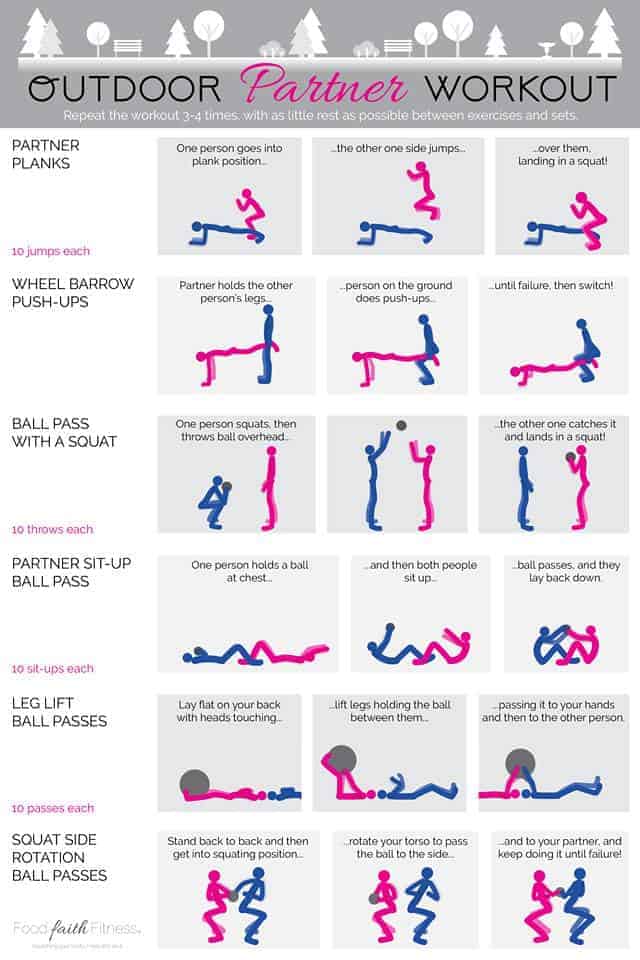
Image courtesy of www.foodfaithfitness.com via Google Images
Meal Planning
Planning and preparing nutritious meals ahead of time can help you stay on track with your fitness goals. Whether you’re packing snacks for a hiking adventure or prepping post-workout meals, having a meal plan in place ensures that you’re meeting your dietary requirements. By incorporating a variety of nutrient-dense foods into your meals, you can support your body’s needs and maintain peak performance during outdoor workouts.
Hydration
Staying hydrated is essential for maintaining optimal performance during outdoor workouts, especially in warm weather conditions. Drinking an adequate amount of water and choosing hydrating beverages can prevent dehydration and enhance your exercise experience. By monitoring your hydration levels and replenishing fluids regularly, you can ensure that your body is properly fueled and ready for outdoor activities.

Image courtesy of www.howtomoney.com via Google Images
Gym Plan
While outdoor workouts offer a refreshing change of pace, having a gym plan in place can complement your fitness routine and provide additional training opportunities. Incorporating gym sessions for strength training, cardio workouts, or specialized classes can help you achieve a well-rounded fitness program. By balancing outdoor activities with gym routines, you can work towards achieving your fitness goals efficiently and effectively.
Recovery and Rest
Rest and recovery are crucial components of any fitness regimen, including outdoor workouts. Allowing your body time to recover and repair after intense exercise sessions is essential for muscle growth and injury prevention. Incorporating rest days, stretching exercises, and relaxation techniques into your routine can help you recover faster and maintain overall well-being.

Image courtesy of www.wfla.com via Google Images
Tracking Progress
Monitoring your fitness progress is vital for understanding your performance level and adjusting your workout plan accordingly. Using tools like fitness apps, wearable devices, or fitness journals can help you track your workouts, nutrition, and overall progress. By analyzing your data and making informed decisions, you can optimize your outdoor workouts and maximize your results.
Conclusion
Exploring fun outdoor workouts can bring a new dimension to your fitness journey and inspire you to push your boundaries. By combining outdoor activities with gym routines, proper nutrition, hydration, rest, and progress tracking, you can create a well-rounded approach to achieving your health and fitness goals. Remember to stay committed, stay motivated, and most importantly, have fun on your fitness adventure!
Discover the secrets to staying fit while working from home, from workout routines to healthy snack ideas and productivity tips.
Table of Contents
In today’s fast-paced world, many of us find ourselves working from home more than ever before. With the convenience of remote work comes the challenge of staying fit and active throughout the day. This comprehensive guide will provide you with tips and strategies to help you achieve your health and fitness goals, even while working from the comfort of your home.
Benefits of Regular Workouts
Engaging in regular workouts is essential for maintaining your physical and mental well-being. Exercise not only helps to keep your body in shape but also boosts your mood and energy levels. To incorporate workouts into your daily routine, try setting aside dedicated time each day for exercise. Whether it’s a morning yoga session or an evening run, find a workout that you enjoy and stick to it.
Creating a Balanced Nutrition Plan
A balanced nutrition plan is crucial for fueling your body and supporting your fitness goals. Focus on incorporating a variety of whole foods into your diet, including fruits, vegetables, lean proteins, and whole grains. Meal prepping can also be a great way to ensure that you have healthy meals on hand throughout the week.
The Role of Protein, Carbs, and Fats
Protein, carbs, and fats are the building blocks of a healthy diet. Protein is essential for muscle repair and growth, while carbs provide your body with energy. Healthy fats, such as those found in avocados and nuts, are important for brain function and hormone production. Aim to include a balance of all three macronutrients in your meals to support your overall health.

Image courtesy of www.sleekgeek.co.za via Google Images
Gym Planning 101
Creating a gym plan that works for you is key to achieving your fitness goals. Start by setting specific and achievable goals, whether it’s increasing your strength, improving your cardiovascular fitness, or simply maintaining your current level of fitness. Consider consulting with a fitness professional to help you design a tailored workout plan that meets your needs.
Cardio vs. Strength Training
Both cardio and strength training are important components of a well-rounded workout routine. Cardio exercises, such as running or cycling, help to improve your cardiovascular health and burn calories. Strength training, on the other hand, can help to build muscle mass and increase your overall strength. Incorporating a mix of both types of exercise into your routine can help you achieve a balanced level of fitness.
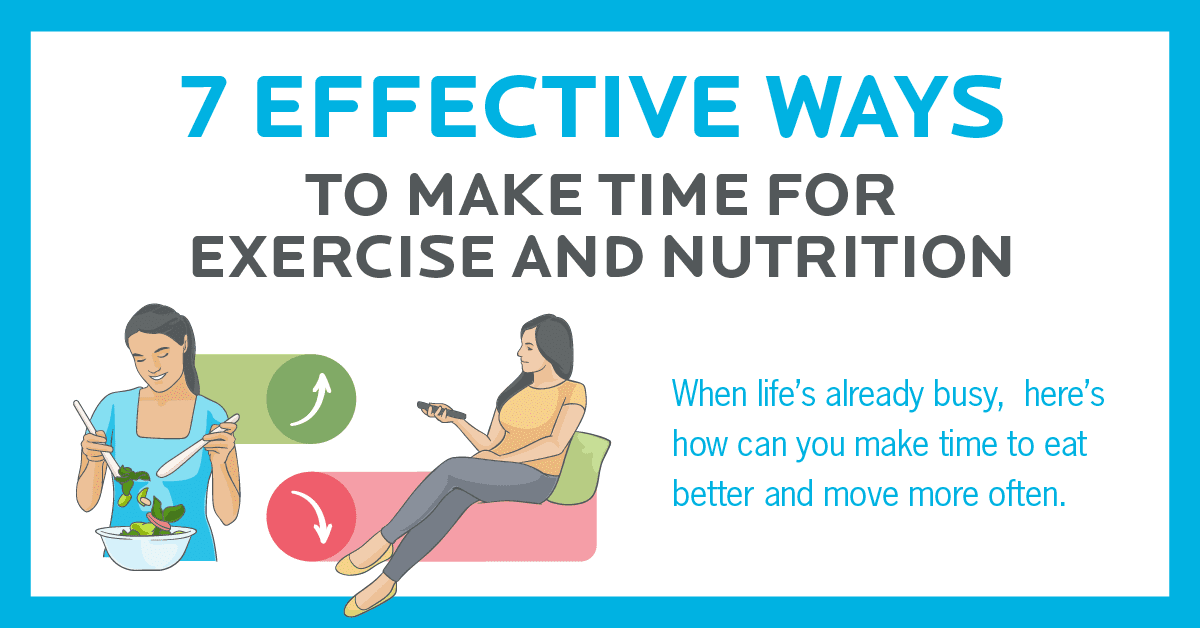
Image courtesy of www.precisionnutrition.com via Google Images
Importance of Rest and Recovery
Rest and recovery are just as important as exercise itself. Make sure to give your body time to recover between workouts and prioritize getting enough sleep each night. Listen to your body and take rest days when needed to prevent burnout and reduce the risk of injury. Remember, progress is made not only during your workouts but also during your rest periods.
Tracking Progress
Tracking your progress can help you stay motivated and identify areas for improvement. Consider keeping a workout journal or using a fitness tracking app to record your workouts, nutrition, and overall progress. Celebrate small victories along the way, whether it’s completing a challenging workout or reaching a new personal best.
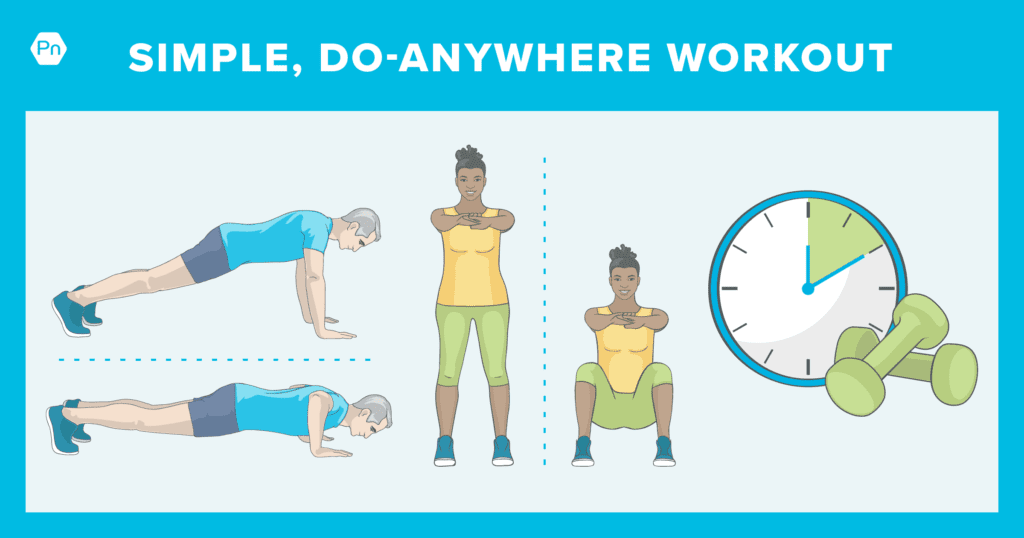
Image courtesy of www.precisionnutrition.com via Google Images
Overcoming Plateaus
It’s common to hit fitness plateaus while working towards your goals. If you find yourself stuck in a rut, consider mixing up your workout routine, trying a new activity, or consulting with a fitness professional for guidance. Remember that progress takes time and consistency, so don’t be discouraged by temporary setbacks.
Incorporating Variety into Your Routine
Keeping your workout routine varied and engaging can help you stay motivated and prevent boredom. Try incorporating different types of exercise, such as yoga, Pilates, or dance classes, to keep things interesting. Experiment with new workout formats and challenge yourself to step out of your comfort zone from time to time.

Image courtesy of www.istockphoto.com via Google Images
Conclusion
Staying fit and healthy while working from home is achievable with the right strategies and mindset. By incorporating regular workouts, a balanced nutrition plan, and a structured gym plan into your daily routine, you can maintain your overall health and well-being. Remember to listen to your body, track your progress, and stay motivated on your fitness journey. Here’s to a healthier you!
Find out how to sculpt your body with this ultimate gym plan designed for maximum shredding and toning results!
Table of Contents
When it comes to transforming your body and achieving your fitness goals, there are two key components that play a crucial role – workout and nutrition. Combining these two factors can help you maximize your results and reach your desired level of fitness. In this blog post, we will discuss how to create an effective gym workout plan with nutrition tips to help you on your path to a stronger, healthier you.
Set Goals
Before diving into your gym plan, it’s important to define your fitness goals. Whether you aim to lose weight, build muscle, or improve endurance, having clear objectives will guide your workout plan. Consider factors such as your current fitness level, time commitment, and desired outcomes to tailor your plan to suit your needs.
Choose the Right Workout
When selecting exercises for your gym plan, it’s crucial to incorporate a variety that targets different muscle groups. A well-rounded workout plan will help you achieve overall strength and balance. Depending on your goals, consider including exercises such as squats, lunges, push-ups, and core exercises to work various muscle groups.
Create a Schedule
Consistency is key when it comes to adhering to your gym plan. Set aside dedicated time in your weekly schedule for workouts and treat them as non-negotiable appointments. Whether you prefer morning sessions to kickstart your day or evening workouts to unwind, find a time that works best for you and stick to it.
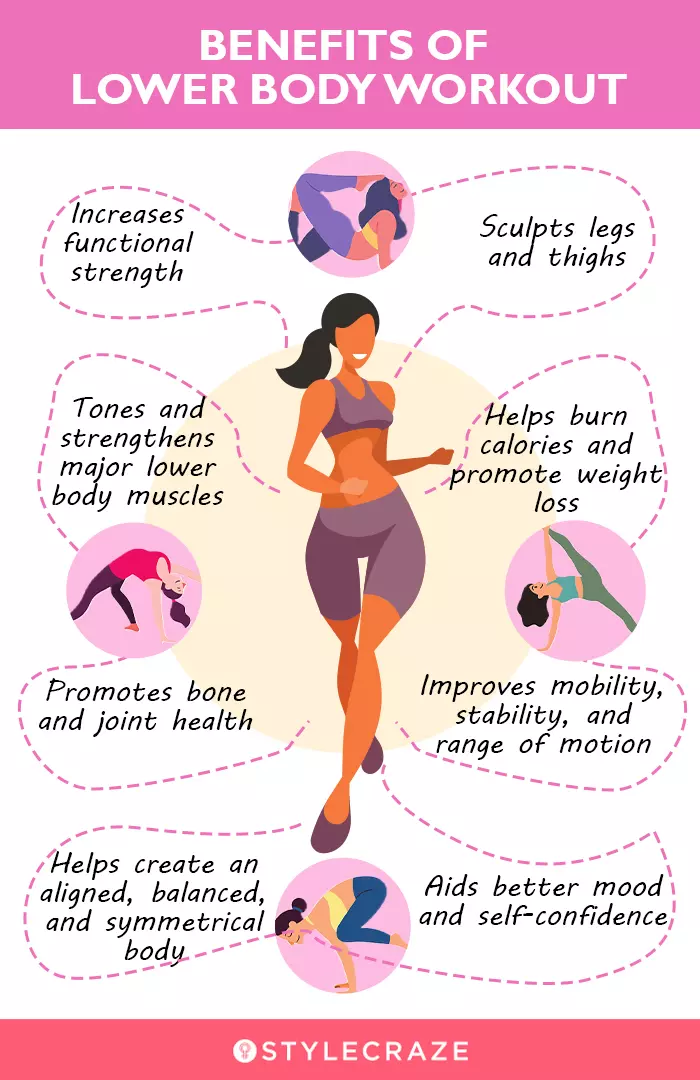
Image courtesy of www.stylecraze.com via Google Images
Incorporate Cardio
Cardiovascular exercises are essential for improving your heart health, burning calories, and boosting overall fitness levels. Include activities such as running, cycling, swimming, or even high-intensity interval training (HIIT) in your gym plan to elevate your heart rate and enhance endurance.
Strength Training
Strength training plays a vital role in building muscle, increasing metabolism, and enhancing overall strength. Incorporate exercises such as weightlifting, resistance bands, or bodyweight exercises to challenge your muscles and promote muscle growth. Aim to include strength training workouts in your plan at least 2-3 times per week.

Image courtesy of www.pinterest.com via Google Images
Plan Rest Days
Rest and recovery are critical components of any gym plan. Allow your body time to recuperate and repair muscles by incorporating rest days into your routine. Overtraining can lead to fatigue, injury, and burnout, so listen to your body and prioritize adequate rest for optimal performance.
Focus on Nutrition
Pairing your gym plan with proper nutrition is essential for fueling your workouts and supporting your fitness goals. Aim to consume a balanced diet rich in lean protein, fruits, vegetables, whole grains, and healthy fats to provide your body with the nutrients it needs to thrive. Stay hydrated, monitor portion sizes, and limit processed foods to enhance your performance and recovery.

Image courtesy of sheshreds.co via Google Images
Meal Prep
Meal prepping can be a game-changer when it comes to staying on track with your nutrition goals. Set aside time each week to plan and prepare healthy meals and snacks that align with your dietary needs. Having nutritious options readily available can help you avoid making impulsive food choices and ensure that you stay fueled for your workouts.
Track Your Progress
Monitoring your progress is essential for staying accountable and making adjustments to your gym plan as needed. Keep a workout journal, track your nutrition intake, and measure your results regularly to gauge your progress and celebrate your achievements. By staying consistent and committed to your fitness journey, you’ll be well on your way to a stronger, healthier you.
Discover the ultimate guide on transforming from a couch potato to a fitness fanatic with these essential workout routine tips.

Table of Contents
Embarking on a fitness journey can be both exciting and overwhelming. With so much information available on workouts, nutrition, and gym plans, it can be challenging to know where to start. However, with the right tips and strategies, you can create a balanced workout and nutrition plan that will help you achieve your fitness goals. In this blog post, we will guide you through the process of creating a workout routine that is sustainable and effective.
Setting Goals
Before you dive into any workout or nutrition plan, it is crucial to establish clear and concrete goals. Whether you want to lose weight, build muscle, or improve your overall health, setting specific and measurable goals will help you stay focused and motivated. Take some time to assess your current fitness level, consider any time constraints you may have, and think about what you ultimately want to achieve.
Creating a Workout Plan
Once you have set your goals, it’s time to create a workout plan that aligns with them. Your plan should include a mix of cardiovascular, strength training, and flexibility exercises to ensure that you are working out all areas of your body. You can determine the frequency and duration of your workouts based on your schedule and fitness level. If you’re new to working out, start with shorter sessions and gradually increase the intensity as you build strength and endurance.
Choosing the Right Gym
Choosing the right gym is crucial to your success in sticking to a workout routine. Consider factors such as location, equipment, and classes offered when selecting a gym. Find a gym that is convenient for you to visit regularly and offers the amenities and resources you need to achieve your fitness goals. Additionally, consider joining group fitness classes or hiring a personal trainer to keep you motivated and accountable.

Image courtesy of www.onlymyhealth.com via Google Images
Nutrition Basics
Alongside your workout routine, nutrition plays a vital role in helping you achieve your fitness goals. Fueling your body with the right nutrients is essential for optimal performance and recovery. Ensure that your diet includes a balance of protein, carbohydrates, and healthy fats to support your workouts and promote overall health. Consider meal prepping and planning your meals ahead of time to avoid unhealthy food choices and stay on track with your nutrition goals.
Hydration and Supplements
Staying hydrated during your workouts is essential for maintaining energy levels and preventing dehydration. Make sure to drink plenty of water throughout the day, especially before and after your workouts. Additionally, consider incorporating supplements into your diet to support your fitness goals. Consult with a healthcare professional or a nutritionist to determine which supplements may be beneficial for you based on your individual needs.
Image courtesy of www.elitedaily.com via Google Images
Tracking Progress
Tracking your progress is key to staying motivated and on track with your fitness goals. Use fitness apps, workout journals, or progress photos to monitor your achievements and celebrate small victories along the way. By keeping track of your progress, you can identify areas of improvement and make necessary adjustments to your workout and nutrition plan to continue seeing results.
Rest and Recovery
While staying consistent with your workout routine is important, it is equally crucial to prioritize rest and recovery. Incorporate rest days into your schedule to allow your body to repair and recharge. Improve your sleep quality, manage stress levels, and consider incorporating activities like yoga or stretching into your routine to promote relaxation and recovery.
Image courtesy of seattlegummy.com via Google Images
Conclusion
Starting and sticking to a workout routine may seem daunting at first, but with the right tips and strategies, you can achieve your fitness goals. By setting clear goals, creating a balanced workout and nutrition plan, choosing the right gym, and prioritizing rest and recovery, you can transform from a couch potato to a fitness fanatic. Remember to stay consistent, stay focused, and believe in your ability to achieve your fitness goals. Here’s to your health and wellness journey!
Nordictrack gx3 9 sportbike review
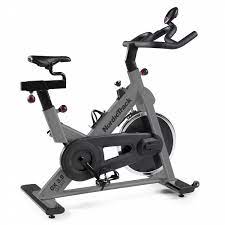 Note, as this cycle is stopped, we recommend looking at the NordicTrack S15i Studio Cycle. Click here for our full overview. The NordicTrack GX 3.5 Sport is an indoor cycle mentor that rehashes the energy of road cycling and offers an unbelievable exercise to arrange. The most noteworthy features on the GX 3.5 Sport consolidate the profound, 40-pound flywheel, toe-keep pedals, adjustable handlebar handles and saddle, and a chain drive check structure to help with giving a quiet and smooth riding experience. With a chain drive system, you can generally expect a higher future and less likelihood of needing help. The GX 3.5 Sport is furthermore adaptable and goes with worked-in wheels to quickly stow away the bike or move it into another room. Yet the GX 3.5 doesn’t have a redirection and adjusted exercise console, this is an average characteristic of the various indoor cycle and Spin bike models. Notwithstanding the shortfall of preset activities, this indoor cycling model leftover parts a renowned worth buy watching out for. As a rule, the GX 3.5 Sport offers a sensible, outside journeying experience, and with piles of versatile features, it is viably customizable. It moreover has a decently significant flywheel at 40 pounds when you balance it with a business rec focus bike, which commonly has around 48-pound flywheels. Bring all of the benefits of studio cycling home, with the NordicTrack GX 3.9 Indoor Trainer. With a profound 18kg flywheel, customary wool felt impediment system, and quick quit dialing back, it offers a solid stage for the most requested of cycling gatherings
Key Features
- Flywheel weight: 18kg (39.7lbs); console: LCD Display; Brakes: Brakes with Toe Cages and Bands; Merchandise weight: 47kg (103.6lbs);
- Opposition: natural wool felt resistance Arrangement(Manually-Adjustable); Transportation Wheels: Yes, front-mounted; water Glass holder: yes;
- Drive system: belt; handlebars: Flexible, Multi-position Non-slip handlebar with Dipped Grips; quick stop braking: Yes;
- Guarantee: 5 Years frame, 2 Years parts and labor (whenever Registered Within 28 Days of Purchase); Max. Client Weight: 115kg (253.5lbs); Dimensions: Length=127cm (50″), Width=54cm (21.3″), Height=114cm (44.8″);
- Seat: Padded Bed with Upright and Level Adjustment; Console Feedback: Time, Speed, Distance, Calories;
- Illuminated LCD show helps you with controlling your pace, time, distance, heartbeat, and calories mimicked to check the authority of your study and see your improvement in live time
- Manual opposition is completely changed by employing a handle to increment or abatement force during your exercise
- The imaginative slowing device permits you to rapidly and securely begin and stop your exercise on a case by case basis
Specifications
- Brand Nordictrack
- Colour Black
- Thing aspects L x W x H 107 x 53 x 118 centimeters
- Least height 114 Centimeters
- Thing weight 47 Kilograms
- Opposition mechanism Friction
- Material Alloy Steel
- Power source Battery Powered
- Drive system Belt
- Stature: 39″
- Width: 18.5″
- Length: 49″
- Thing weight: Not Available
- Max client weight: 250 lbs
What We Love About the NordicTrack GX 3.5 Sport Indoor Cycle:
Weighty Flywheel
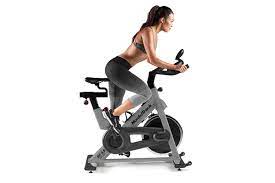 The NordicTrack GX 3.5 Sport accompanies a weighty and incredible 40-pound flywheel, or anchor, which assists with causing your ride to feel regular and smooth. The heavier flywheel is likewise the sign of a quality indoor bicycle, as it permits learners to prepare at extreme focuses securely and adequately. Furthermore, rather than a belt drive framework, the GX 3.5 Sport has a chain drive framework, for which you can anticipate a higher future and less upkeep overall. The mix of these plan decisions additionally fits a calmer ride, so you don’t need to stress over causing an uproar.
Practical and Adjustable Experience
The NordicTrack GX 3.5 Sport is a flexible bicycle that accompanies numerous customizable highlights: You’ll have the option to change the seat both in an upward direction and evenly, the handlebars to oblige your tallness, the protection from your ideal degree of power, and the toe lashes to remain secure on your feet inside the toe confines. The GX 3.5 Sport is intended to feel very much like a street bicycle on account of its speedy quit slowing down, chain drive obstruction framework, and opposition handle. The main non-customizable component to consider is the seat, which might be awkwardly hard for a few. In case you experience inconvenience, nonetheless, there are many seat pads that can be purchased to work on the general insight of utilizing the seat.
Amusement + Console
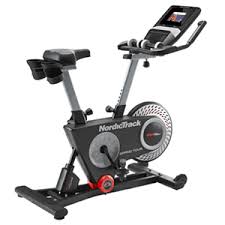 If the NordicTrack GX 3.5 Sport needs any region it very well may be in the amusement division. The GX 3.5 has no underlying exercise applications, or amusement consoles, and furthermore doesn’t have iFit Coach similarity, a tablet holder, or touchscreen innovation. For ardent cyclers who just need to see their details, this may not be significant, and it isn’t so much that surprising on indoor cycles and Spin bicycles like this one. In any case, for a little more to keep them drawn in and occupied, an indoor bicycle or upstanding bicycle with a more delicious diversion bundle might be seriously engaging. In case you’re only here to get an extraordinary exercise, you’ll be okay.
Guarantee
The GX 3.5 Sport has a guarantee that is 90 days for work and parts, yet that ought to be a lot of time to check whether there’s anything amiss with the bicycle. While the edge has a lifetime guarantee, it’s made of steel and will probably never require any support around there.
This guarantee stretches out just to the first buyer (you) and isn’t adaptable. The guarantee doesn’t cover:
- Typical mileage (instances of ordinary wear parts incorporate strolling belts, drive belts, batteries, brake cushions, and hopping mats).
- Any improvised fixes, transformations, or changes to alter this item from its ordinary reason and capacity as portrayed in your client’s manual.
- Harm coming about because of: a) Wilful or malignant demonstrations. b) Transportation. c) Improper establishment, gathering, or association that isn’t as per ICON determinations or suggestions. d) Abuse, abuse, inability to adhere to directions or inappropriate or unusual utilization. e) Non-consistence with the directions in your client’s manual (like the utilization of cleaning and support items other than those suggested, inability to wind down the item after use, and so on) f) Non-home use (counting however not restricted to use in business, expert, rental, or institutional settings). g) Repairs not given by an ICON-approved specialist organization or utilization of parts not given or approved by ICON. h) Accidents, impacts, power changes, lightning, storms, water, fire, creatures, or some other causes outside the ability to control ICON. I) Improper area including, yet not restricted to, muggy, dusty, or outside conditions (models incorporate carports, basements, yards, and porches).
Item DESCRIPTION
Including a business-grade welded steel outline with upgraded consumption opposition, the GX 3.9 offers superb dependability. There’s no think twice about execution either – the flexible fleece felt opposition combined with the weighty 18kg flywheel and belt drive framework conveys a strong revolution and testing climbs. The LCD show shows generally your key exercise details including speed, time, distance, and calories copied so you can undoubtedly screen your advancement all through each meeting. Including a cushioned seat that can be changed on a level plane or in an upward direction for wonderful situating and pedals with toe clasps and ties, the GX3.9 offers a smooth and agreeable ride, in any event, during the most extreme exercises. Different elements incorporate a fast quit slowing mechanism, vertical handlebar change, water bottle holder, and customizable evening out feet.
Pros
- Incredible twist cycle
Just purchased this cycle through NordicTrack straightforwardly, since it’s unavailable on this site. Be that as it may, I can enthusiastically suggest this twist bicycle. It’s a respectable size and assembled exceptionally solid. Handily collected in around 15 minutes. The flywheel was screeching a piece when you utilized opposition right out of the crate, yet a little silicon oil applied to the edge of the flywheel fixed the issue right away. Strongly suggested!
- Great value
Ideal for a decent-worth at-home twist bicycle, or on the other hand assuming you need something smaller than a customary super coach. Others in my family say the seat is awkward, it’s actually similar to an ordinary street dashing one tbh. It very well may be changed for an alternate one assuming you needed tho. A little tip! The flywheel can be uproarious at higher protections from the get-go, so utilize some standard family oil on it and the commotion will bit by bit go as the brake cushion thing relax.
- Excellent quality good value for
Excellent quality good value for money very study
- Great bike
Great bike and easily assembled. Good reliable company and delivery
Conclusions
The NordicTrack GX 3.5 Sport indoor bicycle is straightforward esteem buy for the numerous adaptable and movable choices, its likeness to open-air trekking, and its and weighty flywheel, which all add to a smooth and pleasurable exercise. Therefore, the GX 3.5 Sport can be ideal for families obliging various statures, for students searching for low-sway yet powerful exercises, just as for the people who are shopping on a careful spending plan. The NordicTrack GX 3.5 Sport indoor cycle is a fantastic model worked with a tough, steel outline, and keeping in mind that the amusement and control center elements aren’t the most recent available, the general solace, plan, and usefulness of the bicycle are solid motivations to think about buying. Rating: 88/100. The NordicTrack GX 3.5 Sport possesses all the necessary qualities when you need a straightforward indoor bicycle with street bicycle execution. Its guarantee is short yet the GX 3.5 gets great audits for sturdiness, making it one of the better exercise bicycles under $500.For bicycles with further developed elements and longer guarantees, you can remain inside the NordicTrack GX line and get great worth.
Frequently Asked Questions
Unleash the power within you as we reveal the ultimate customized gym plan guaranteed to make you sweat and transform.

Table of Contents
When it comes to improving your health and fitness, a well-rounded approach that includes workout routines, proper nutrition, and a gym plan can make a significant difference. By incorporating these elements into your daily routine, you can boost your energy levels, manage your weight, and improve your overall well-being. In this ultimate guide, we will dive into the benefits of regular workouts, essential nutrients for optimal health, designing a gym plan that works for you, and how to stay motivated and consistent on your health journey.
Benefits of Regular Workouts
Regular workouts offer a wide range of benefits that go beyond just physical appearance. Engaging in physical activity can help increase your energy levels, boost your mood, and improve your cardiovascular health. Whether you prefer cardio exercises like running or strength training with weights, incorporating regular workouts into your routine can enhance your overall quality of life.
Essential Nutrients for Optimal Health
Proper nutrition is a key component of a healthy lifestyle. Ensuring you consume essential nutrients such as protein, healthy fats, vitamins, and minerals can support your body’s functions and help you achieve your fitness goals. Protein is essential for muscle building and repair, while healthy fats play a crucial role in brain function and hormone production. Vitamins and minerals are also important for overall health and immune function.
Pre-Workout Nutrition
Before hitting the gym, it’s essential to fuel your body with the right nutrients to optimize your workout performance. Consider consuming a light meal or snack that includes a balance of carbohydrates, protein, and fats. This will provide your body with the energy it needs to sustain you throughout your workout.

Image courtesy of in.pinterest.com via Google Images
Post-Workout Nutrition
After completing your workout, it’s important to replenish your body with the nutrients it needs for muscle recovery and growth. Consuming a post-workout meal or snack that includes protein and carbohydrates within the first hour after exercise can help facilitate this process. Consider options like a protein shake, grilled chicken with sweet potatoes, or Greek yogurt with berries.
Designing a Gym Plan
Designing a gym plan that aligns with your fitness goals is crucial for success. Start by assessing your current fitness level and setting realistic goals for yourself. Choose a workout program that fits your preferences and schedule, whether it’s strength training, cardio, or a combination of both. Creating a structured plan will help you stay on track and make progress towards your desired outcomes.

Image courtesy of online.visual-paradigm.com via Google Images
Cardio Workouts for Weight Loss
Cardio exercises are an effective way to burn calories and support weight loss. Running, cycling, swimming, and other forms of cardiovascular activities can help increase your heart rate and improve your endurance. To maximize the calorie burn during your cardio workouts, aim for high-intensity intervals or longer duration sessions at a moderate pace.
Strength Training for Muscle Building
Incorporating strength training into your gym plan is essential for building muscle mass and boosting your metabolism. Resistance exercises with weights, bands, or bodyweight can help strengthen your muscles and improve your overall physical performance. Consider incorporating compound movements like squats, deadlifts, and bench presses for a full-body workout.

Image courtesy of www.pinterest.com via Google Images
Importance of Rest and Recovery
While regular exercise is vital for overall health, rest and recovery are equally important. Giving your body time to rest and repair is crucial for preventing injuries and optimizing performance. Incorporate rest days into your gym plan and focus on activities like stretching, foam rolling, or yoga to promote relaxation and recovery.
Staying Motivated and Consistent
Staying motivated and consistent on your fitness journey is key to achieving long-term success. Set realistic goals for yourself, track your progress, and celebrate small victories along the way. Consider finding an accountability partner or joining group fitness classes to stay motivated and engaged in your workouts. Remember that consistency is key to seeing progress and reaching your goals.
:max_bytes(150000):strip_icc()/autumn-calabrese-muscle-building-workout-plan-2-04cf1df91a124633868a1958a0c03aa9.jpg)
Image courtesy of www.shape.com via Google Images
Conclusion
In conclusion, incorporating workout routines, proper nutrition, and a customized gym plan into your daily routine can significantly impact your health and well-being. By focusing on regular exercise, consuming essential nutrients, and staying consistent with your workouts, you can transform your body and reach your fitness goals. Remember to listen to your body, set realistic expectations, and enjoy the journey towards a healthier and happier you!
Discover the secrets to achieving your fitness goals and maintaining them with the ultimate workout plan for success revealed here!
Table of Contents
Get Fit, Stay Fit: The Ultimate Workout Plan for Success
In today’s fast-paced world, it can be challenging to prioritize our health and fitness. However, incorporating a workout routine, focusing on nutrition, and creating a gym plan are essential components for maintaining good health. By following these tips and guidelines, you can achieve your fitness goals and lead a healthier lifestyle.
Setting Fitness Goals
Determining your fitness goals is the first step towards creating a successful workout plan. Whether you aim to lose weight, build muscle, or improve your overall fitness, setting realistic and achievable targets is crucial. By defining your goals, you can stay motivated and track your progress along the way.
Workout Tips
Regular exercise is key to maintaining good health. Incorporating a mix of cardio, strength training, and flexibility exercises into your workout routine can help you achieve a balanced fitness level. Whether you prefer hitting the gym, going for a run outdoors, or practicing yoga at home, finding activities that you enjoy can make working out more enjoyable and sustainable.
Nutritional Guidelines
Good nutrition plays a significant role in your overall health and well-being. Consuming a balanced diet that includes a variety of nutrients is essential for fueling your body and supporting your fitness goals. Incorporate lean proteins, whole grains, fruits, and vegetables into your meals to provide your body with the necessary energy and nutrients it needs to thrive.
Image courtesy of via Google Images
Gym Plan
Creating a personalized gym plan tailored to your fitness goals is essential for success. Whether you’re a beginner or an experienced gym-goer, having a structured workout routine can help you stay focused and make progress towards your goals. Consider working with a personal trainer to design a plan that aligns with your objectives and preferences.
Meal Prep
Meal prepping is a valuable tool for maintaining a healthy diet, especially for those with busy schedules. By preparing meals in advance, you can ensure that you have nutritious options readily available, making it easier to fuel your body with the right foods. Dedicate time each week to plan and prepare your meals to set yourself up for success.
Image courtesy of via Google Images
Workout Supplements
Supplements can be beneficial for filling nutrient gaps and supporting your fitness goals. Consider incorporating supplements such as protein powder, creatine, or multivitamins into your diet to enhance your performance and recovery. However, it’s essential to consult with a healthcare professional before adding new supplements to your routine.
Recovery and Rest
Rest and recovery are crucial aspects of a successful fitness plan. Giving your body time to recover after intense workouts is essential for muscle growth and overall health. Incorporate rest days into your schedule, prioritize sleep, and practice relaxation techniques to support your body’s recovery process.

Image courtesy of via Google Images
Tracking Progress
Tracking your progress is essential for staying motivated and monitoring your fitness journey. Utilize tools such as fitness apps, journals, or wearable devices to track your workouts, nutrition, and progress towards your goals. By monitoring your achievements, you can celebrate your successes and identify areas for improvement.
Staying Consistent
Consistency is key to achieving your fitness goals. Establishing a routine, staying motivated, and overcoming setbacks are essential for maintaining your progress. Find ways to stay accountable, whether through workout buddies, fitness challenges, or goal-setting strategies. By prioritizing your health and fitness, you can stay consistent and achieve long-term success.
Get Fit, Stay Fit: The Ultimate Workout Plan for Success encompasses a holistic approach to wellness by incorporating a well-rounded workout routine, focusing on proper nutrition, and creating a gym plan tailored to your individual needs. By following these tips and guidelines, you can set yourself up for success and achieve your fitness goals.
Discover the 5 surprisingly easy steps to transform your health and boost your well-being in just a few simple changes.

Table of Contents
When it comes to achieving optimal health and wellness, there are two key components that should not be overlooked: exercise and nutrition. By incorporating a balanced workout routine and a healthy diet into your daily life, you can significantly improve your overall well-being. In this blog post, we will explore the benefits of regular exercise, different types of workouts you can try, how to create a personalized gym plan, the importance of nutrition, essential nutrients for exercise, pre-workout and post-workout nutrition, as well as the importance of staying hydrated. Let’s dive in and discover how you can transform your health with these simple tips!
Benefits of Regular Exercise
Regular exercise offers a multitude of benefits for both your physical and mental health. Not only does it help you maintain a healthy weight and reduce your risk of chronic diseases, but it can also boost your mood and energy levels. By engaging in regular physical activity, you can improve your overall quality of life and enhance your well-being. Whether you prefer cardio, strength training, or flexibility exercises, finding a workout routine that you enjoy is key to sticking with it in the long run.
Creating a Personalized Gym Plan
When it comes to creating a personalized gym plan, it’s important to consider your fitness goals, schedule, and preferences. Make sure to incorporate a mix of cardio, strength training, and flexibility exercises to target different muscle groups and improve overall fitness. Set realistic goals for yourself and track your progress to stay motivated. Remember, consistency is key when it comes to seeing results from your workouts.
Importance of Nutrition
Nutrition plays a crucial role in fueling your workouts and supporting your overall health. Consuming a balanced diet rich in essential nutrients is essential for optimal performance and recovery. Make sure to include a variety of foods from all food groups, focusing on lean proteins, whole grains, fruits, and vegetables. Avoid processed foods and sugary drinks, and opt for nutrient-dense options that will nourish your body and support your fitness goals.

Image courtesy of www.loyolamedicine.org via Google Images
Essential Nutrients for Exercise
When it comes to exercise, certain nutrients are particularly important for supporting your performance and recovery. Protein is essential for muscle repair and growth, while carbohydrates serve as the body’s primary source of energy. Vitamins and minerals play a key role in various metabolic processes that are necessary for optimal performance. Make sure to include a variety of nutrient-dense foods in your diet to ensure you are getting all the essential nutrients you need to support your workouts.
Pre-Workout Nutrition
What you eat before a workout can have a significant impact on your performance and energy levels. Aim to consume a balanced meal or snack that includes protein, carbohydrates, and healthy fats about 1-2 hours before your workout. This will provide your body with the necessary fuel to power through your exercise session and maximize your results. Experiment with different pre-workout meals and snacks to find what works best for you.

Image courtesy of www.sleekgeek.co.za via Google Images
Post-Workout Recovery
After a workout, it’s important to refuel your body with the nutrients it needs to recover and repair muscle tissue. Consuming a combination of protein and carbohydrates within 30 minutes to an hour after your workout can help speed up recovery and replenish energy stores. Consider options such as a protein shake, a turkey sandwich, or Greek yogurt with fruit to provide your body with the nutrients it needs to recover effectively.
Hydration
Staying hydrated is essential for maintaining optimal performance and supporting your overall health. Make sure to drink plenty of water before, during, and after your workouts to prevent dehydration and support proper bodily functions. Consider carrying a water bottle with you at all times to ensure you are staying hydrated throughout the day. If you are engaging in intense exercise or working out in hot weather, you may need to increase your fluid intake to compensate for sweat loss.
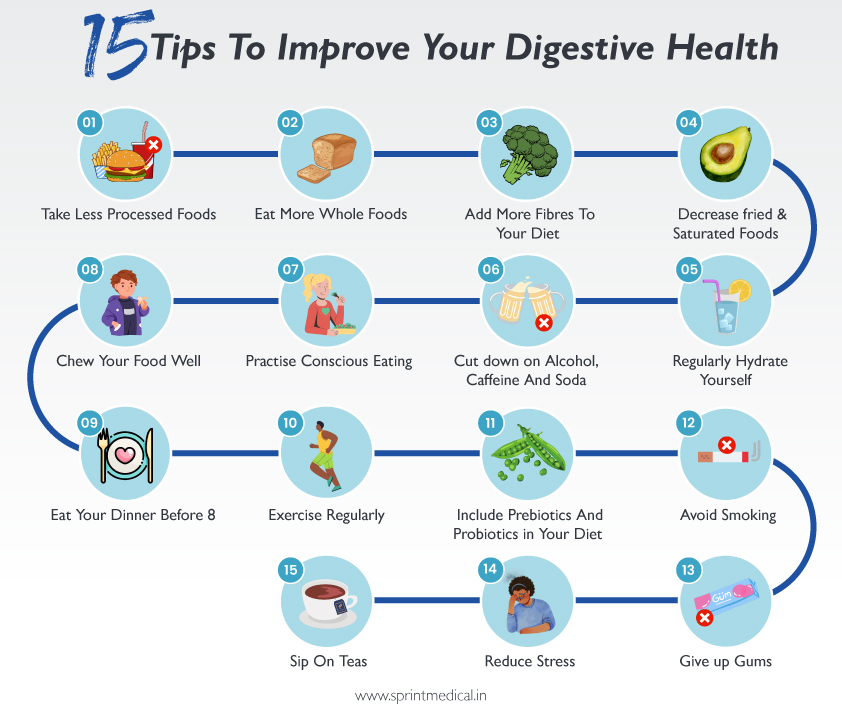
Image courtesy of dailyinfographic.com via Google Images
Conclusion
By incorporating a balanced workout routine and a healthy diet into your daily life, you can transform your health and improve your overall well-being. Remember to focus on both exercise and nutrition to support your fitness goals and enhance your quality of life. Whether you prefer cardio, strength training, or flexibility exercises, finding a workout routine that you enjoy is key to staying motivated. Make sure to fuel your workouts with a balanced diet rich in essential nutrients, and prioritize hydration to support optimal performance. By following these simple tips, you can take control of your health and transform your well-being.
Tai Chi may help middle-aged and older adults reduce abdominal fat. This traditional Chinese exercise offers a low-impact option for targeting belly fat.
Exploring the nexus between traditional exercises and modern health benefits, Tai Chi emerges as a promising practice for individuals seeking to manage their midsection weight, especially as they age. This ancient martial art, known for its smooth and flowing movements, is not only therapeutic but also effective in enhancing physical fitness and overall well-being.
Studies have indicated that engaging in Tai Chi can lead to improvements in body composition, which is particularly significant for those contending with the challenges of increased abdominal fat common in later years. The practice’s adaptability makes it suitable for a wide range of fitness levels, and its emphasis on mindfulness and breath control complements the physical aspect, offering a holistic approach to health that is in high demand in our current wellness landscape.
Tai Chi’s Impact On Belly Fat Reduction
If you’re interested in a gentle yet effective way to tackle abdominal fat, Tai Chi might be the surprising solution. This ancient practice, known for its slow and graceful movements, has been linked to numerous health benefits. In the realm of weight management, Tai Chi is garnering attention for its potential to help reduce belly fat, particularly in middle-aged and older adults. Let’s delve into how this serene exercise can shape not only the body but also overall wellness.
The Connection Between Tai Chi And Physical Health
Tai Chi, a mind-body practice originating from China, encompasses a series of flowing movements that integrate physical postures, breathing techniques, and meditation. This holistic approach to fitness improves cardiovascular health, flexibility, and balance. For those experiencing the challenges of weight accumulation around the midsection, Tai Chi serves as a low-impact exercise that can be sustained over time, promoting a healthier lifestyle and potentially aiding in the reduction of visceral fat.
Tai Chi As A Method For Targeting Abdominal Fat
Recent studies suggest that Tai Chi may specifically affect abdominal obesity. As the body moves through the sequences, it engages multiple muscle groups, boosting metabolic activity that helps in breaking down fat deposits. The gentle but substantial activity coupled with relaxation techniques improves digestion and helps regulate metabolism, functions closely linked to abdominal weight. Unlike high-intensity workouts, Tai Chi is gentle on the joints and can be practiced by individuals at various levels of fitness, making it particularly appealing for those who might find other exercises challenging.
Comparative Analysis With Other Fitness Regimens
When comparing Tai Chi to other fitness routines, it boasts unique advantages. High-impact exercises may deliver quicker results but can be hard to sustain and may lead to injuries, especially as we age. On the other hand, Tai Chi promotes a balanced and sustainable approach to fitness that is accessible for the long-term. This contrasts with short-term, high-intensity regimens which may not be suitable for everyone. Furthermore, the stress-reducing properties of Tai Chi ensure that it helps combat one of the primary contributors to weight gain: stress-induced cortisol spikes, which are typically associated with an increase in belly fat.
Investigating further, a table comparison highlights the distinctive features of Tai Chi in relation to other popular exercise forms:
| Exercise Form | Impact Level | Accessibility for Older Adults | Stress Reduction Ability | Effectiveness in Belly Fat Reduction |
|---|---|---|---|---|
| Tai Chi | Low | High | High | Moderate to High |
| Aerobics | High | Moderate | Low to Moderate | High |
| Weight Training | Varies | Low | Low | High |
| Yoga | Low to Moderate | High | High | Moderate |
Ultimately, consistency and personal preference are key factors in any fitness routine’s effectiveness in reducing belly fat. Tai Chi not only offers a gentle, accessible approach for those looking to decrease abdominal girth but also enriches overall well-being with its stress-relieving and holistic health benefits. Middle-aged and older adults may find Tai Chi to be the perfect blend of movement, mindfulness, and metabolic activation to target belly fat and improve their quality of life.
Tai Chi Might Help Reduce Belly Fat Mechanics
An intriguing form of exercise that combines gentle physical activity and mindfulness is Tai Chi. Often described as meditation in motion, this ancient martial art is becoming a modern-day weapon in the battle against belly fat in middle-aged and older adults. But what are the mechanics behind Tai Chi that might make it effective for trimming the waistline? Let’s dive into how Tai Chi engages the body’s physiology to possibly help reduce belly fat.
Understanding The Body’s Fat-burning Process During Tai Chi
Tai Chi is a low-impact workout that focuses on fluid movements and controlled postures. While it may appear serene and slow, the practice activates the body’s fat-burning processes. The key to burning fat lies in enhancing the metabolic rate, and Tai Chi may help achieve this through its calming yet physical nature. It’s a holistic approach that combines physical activity with stress reduction, potentially leading to improved metabolism and fat loss, particularly in the abdominal region.
Role Of Tai Chi Movements In Activating Core Muscles
The gentle swirling and sweeping motions of Tai Chi require the stabilization of the core. Each posture transition aims to engage the abdominal muscles, which play a critical role in maintaining balance and posture. As practitioners move through various poses, there is a subtle, yet effective engagement of core muscles, which encourages strength-building and toning – factors that contribute to a reduction in belly fat over time as muscle mass increases and replaces fat deposits.
The Importance Of Deep Breathing Techniques In Fat Reduction
Breathing is an integral part of Tai Chi, with deep, diaphragmatic breathing patterns playing a pivotal role. This type of breathing not only improves oxygenation of the blood but also stimulates the lymphatic system, aiding in the elimination of toxins and fat. Moreover, deep breathing has been linked to a reduction in cortisol levels, the stress hormone often associated with increased abdominal fat. By incorporating deep breathing techniques, Tai Chi practitioners may experience a supportive boost in their journey to reduce belly fat.
Tai Chi’s Age-defying Fitness Secrets Unveiled
The ancient art of Tai Chi is no longer just a mystery surrounded by elegance; scientific research continues to peel back the layers, revealing its impressive benefits for both the mind and body. What was once shrouded in the lore of traditional Chinese medicine is now recognized in gyms and health clubs worldwide, particularly for its potential to help reduce belly fat in middle-aged and older adults. With movements that embody grace and mindfulness, Tai Chi provides a fitness approach that defies age, promoting holistic well-being and a more youthful physique well into one’s golden years.
Exploring the holistic benefits of Tai Chi for aging individualsExploring The Holistic Benefits Of Tai Chi For Aging Individuals
As one progresses in years, the body demands exercises that are low-impact yet effective—a niche Tai Chi fills perfectly. By harmonizing the body, mind, and spirit, this martial art transcends simple physical activity. The result is a holistic exercise that enhances flexibility, balance, and mental clarity, all of which are crucial components in maintaining an active lifestyle as we age. Listed below are some of Tai Chi’s holistic advantages:
- Improved muscular strength: Slow, deliberate movements increase muscle endurance and strength.
- Better balance and coordination: The practice reduces risks of falls, a common concern among older adults.
- Stress reduction: Mindfulness inherent in Tai Chi helps lower stress hormones.
- Enhanced mental focus: Concentration on movements improves overall cognitive function.
How Consistent Practice Promotes Longevity And Fitness
Like the steady flow of a river carves the landscape, consistent practice of Tai Chi shapes and sustains the body’s vitality. Through its mild intensity, it is an exercise regime well-suited for daily practice, ensuring individuals can acquire its longevity benefits without the risk of overexertion. This continued dedication not only builds physical stamina but also contributes to prolonged health, as the body becomes adept at handling stress and warding off illness.
Tai Chi’s influence on metabolism and weight management as we ageTai Chi’s Influence On Metabolism And Weight Management As We Age
The quest to maintain a healthy weight becomes increasingly challenging with age, as the metabolism naturally slows down. Tai Chi emerges as a gentle yet powerful ally in this battle, stimulating the body’s metabolic processes in a way that can counteract the encroachment of unwanted belly fat. Regular Tai Chi practice signals the body to burn calories more efficiently, even when at rest, and assists in the regulation of the digestive system. Coupled with mindfulness, it encourages a balanced approach to eating, contributing to a healthier body composition through mindful consumption and an active lifestyle.
Boost Your Core Strength With Tai Chi
Tai Chi, a gentle martial art known for its health benefits, might seem like an unlikely candidate for targeting abdominal fat. Yet, this ancient practice, focusing on slow, deliberate movements and deep breathing, has demonstrated surprising efficacy in not just promoting relaxation and flexibility, but also enhancing core strength—a key factor in addressing belly fat in middle-aged and older adults.
Tai Chi Exercises Focused On Enhancing Core Stability
Tai Chi routines accentuate fluid motion and balance, which cannot be achieved without a strong core. Engaging in Tai Chi exercises that focus on the midsection can lead to improved posture and core stability. Some of these routines include:
- Wave Hands Like Clouds: emphasizes weight shifting and torso twisting.
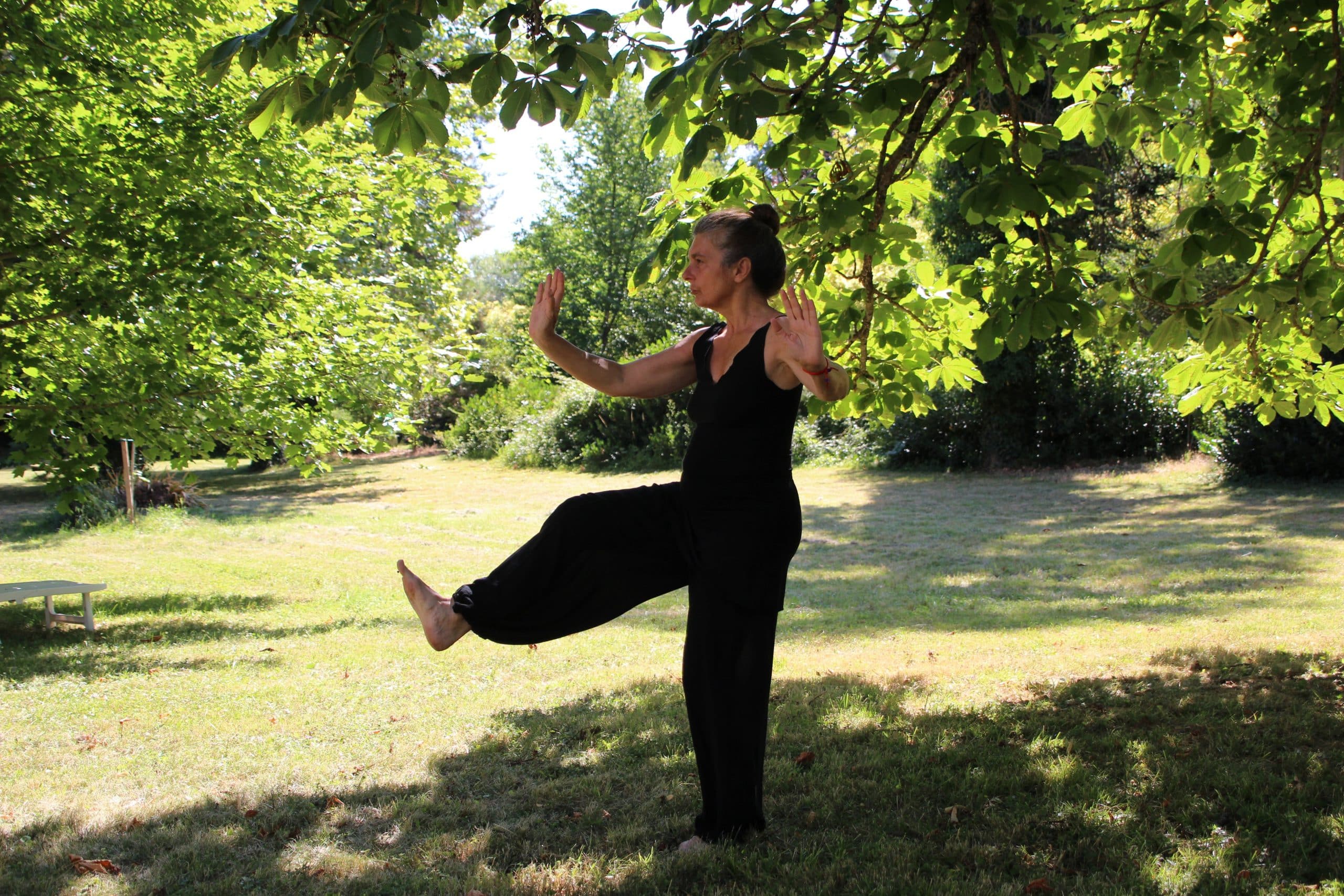
- Golden Rooster Stands on One Leg: challenges balance, engaging core muscles.
- Repulse the Monkey: incorporates backward steps with arm movements that facilitate core engagement.
The Science Behind Muscle Strengthening And Fat Loss With Tai Chi
According to research, Tai Chi effectively enhances muscle tone and endurance. These movements stimulate muscle activity, especially in the core region, which can contribute to fat reduction. Consistent practice has been associated with lowering body mass index (BMI) and shrinking waistlines. Moreover, the meditative state induced by Tai Chi can reduce stress levels, potentially lowering cortisol, a hormone that is linked to abdominal fat accumulation.
Tailoring Tai Chi Routines For Optimal Belly Fat Reduction
Not all Tai Chi routines are equal when it comes to fighting belly fat. To achieve the best results, it’s essential to focus on those movements that effectively target the abdominal area. Crafting a Tai Chi routine with the following components can help maximize belly fat reduction:
- Incorporating movements that specifically engage the transverse abdominis, the deepest core muscle.
- Combining diaphragmatic breathing with exercises to engage the entire core.
- Practicing high-frequency routines that increase heart rate and boost metabolism.
Employing a Tai Chi sequence with these elements may not only help with belly fat reduction but also contribute to overall health and wellbeing, demonstrating why this ancient art continues to be relevant in today’s pursuit of fitness and a balanced lifestyle.
Lifestyle Integration For Sustained Benefits
Embracing Tai Chi not only invites tranquility into your life but also carves a path to physical wellbeing, particularly concerning the reduction of belly fat among middle-aged and older adults. Lifestyle Integration for Sustained Benefits is a pivotal aspect of making Tai Chi a cornerstone of your daily routine. Successfully incorporating it can lead to more profound and long-lasting health outcomes. Let’s explore how Tai Chi can seamlessly blend into your life and subsequently decrease abdominal fat, enhance overall fitness, and promote a stable foundation for your health.
Developing A Routine: Integrating Tai Chi Into Daily Life
Tai Chi thrives on consistency. Merging this ancient practice with your everyday routine doesn’t require monumental changes, yet it can yield significant results. The idea is to make Tai Chi a natural part of your day, likening it to a morning cup of coffee or an evening stroll. Consider these tips:
- Set a specific time each day for your Tai Chi practice to establish a rhythm.
- Designate a tranquil space in your home where you can move freely and focus inward.
- Start with short sessions and gradually extend them as you become more comfortable with the movements.
By embedding Tai Chi into your daily schedule, you not only work towards reducing belly fat but also cultivate a meditative reprieve from the stresses of life.
Balancing Diet And Tai Chi For Maximum Fat Loss
While Tai Chi can be a catalyst in trimming waistlines, pairing it with a balanced diet accelerates fat loss. Combining mindful eating with the mindfulness of Tai Chi creates a synergy that can be particularly effective for belly fat reduction. Here’s a simple approach:
| Tai Chi Practice | Dietary Habit |
|---|---|
| Morning session | Hearty breakfast with lean proteins and whole grains |
| Evening session | Light dinner with an emphasis on vegetables and fiber |
Staying hydrated, reducing processed foods, and portion control are equally essential factors to remember. The combined effect of Tai Chi and nutritious eating can lead to more sustainable body fat reduction.
Long-term Effects Of Tai Chi On Health And Well-being
Longevity is a hallmark of Tai Chi practice, with many adherents experiencing profound health benefits over time. Regular engagement with Tai Chi not only promotes loss of belly fat but also:
- Improves balance and functional mobility
- Boosts cardiovascular health
- Enhances mental clarity and emotional resilience
Consistent practice extends well beyond fat loss, contributing to a well-rounded, healthier lifestyle. These lasting effects exemplify the worth of making Tai Chi a lifelong companion.
Credit: ironfitsanantonio.com
Conclusion
Tai Chi, an ancient practice, offers modern health benefits. This low-impact exercise can lead to reduced belly fat among older adults. Embracing its gentle movements may promote a stronger, leaner body. So, consider adding Tai Chi to your routine for a holistic approach to fitness and well-being.
Unlock the secrets of eating for energy and discover how the nutrients you consume can make or break your day.

Table of Contents
Keeping up with the demands of a busy day requires more than just caffeine or sugar to power through. Proper nutrition plays a crucial role in maintaining energy levels and overall well-being. In this blog post, we will explore the importance of different nutrients in your diet and how they can impact your energy levels throughout the day.
Benefits of Regular Workouts
Regular physical activity is essential for maintaining good health and well-being. In addition to improving physical health, workouts have numerous mental health benefits. Exercise has been shown to reduce feelings of anxiety and depression, boost self-esteem, and enhance cognitive function.
Creating a Workout Routine
When it comes to creating a workout routine, it’s important to set clear fitness goals. Whether your goal is to lose weight, build muscle, or improve your overall fitness levels, having a specific target in mind can help you stay motivated and focused. Choose exercises that align with your goals and schedule your workouts at times when you are most likely to stick to them.
Incorporating Cardio and Strength Training
Both cardiovascular exercises and strength training play important roles in a well-rounded workout routine. Cardiovascular exercises, such as running or cycling, can improve heart health and endurance. Strength training, on the other hand, helps build muscle and increase metabolism. Balancing these two types of workouts can help you achieve a well-rounded level of fitness.

Image courtesy of via Google Images
Addressing Nutritional Needs
A balanced diet is essential for maintaining good health and energy levels. Consuming a variety of nutrient-dense foods can provide your body with the essential vitamins and minerals it needs to function optimally. Meal planning and prepping can help you stay on track with a healthy diet, and incorporating foods such as fruits, vegetables, whole grains, lean proteins, and healthy fats can fuel your body and keep you feeling energized throughout the day.
Hydration and Its Role in Health
Staying hydrated is crucial for maintaining overall health and well-being. Dehydration can lead to fatigue, headaches, and poor concentration. Drinking an adequate amount of water throughout the day can help you stay energized and focused, especially during workouts. Make sure to carry a reusable water bottle with you and sip on water consistently throughout the day.
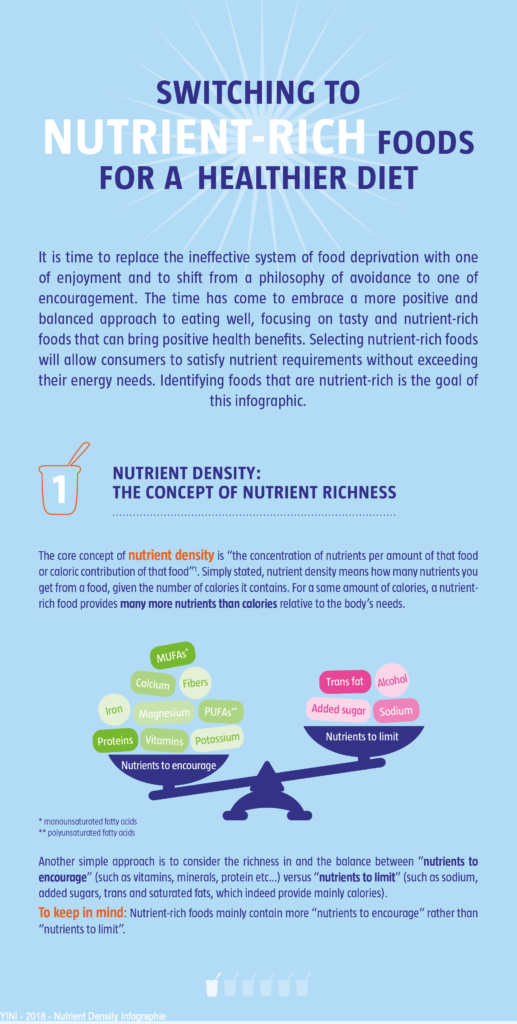
Image courtesy of via Google Images
Planning Meals Around Workouts
When it comes to fueling your body for workouts, timing is key. Pre- and post-workout nutrition can impact your performance and recovery. Consuming a combination of carbohydrates, proteins, and fats before and after workouts can provide your body with the necessary fuel and nutrients to maximize your exercise routine. Experiment with different meal options and listen to your body to find what works best for you.
Creating a Gym Plan
If you prefer to work out at the gym, choosing the right gym membership and planning your workout schedule can help you stay consistent with your fitness routine. Take advantage of gym amenities and classes to mix up your workouts and stay motivated. Create a plan that suits your lifestyle and fitness goals, and don’t be afraid to ask for help from gym staff or personal trainers if needed.
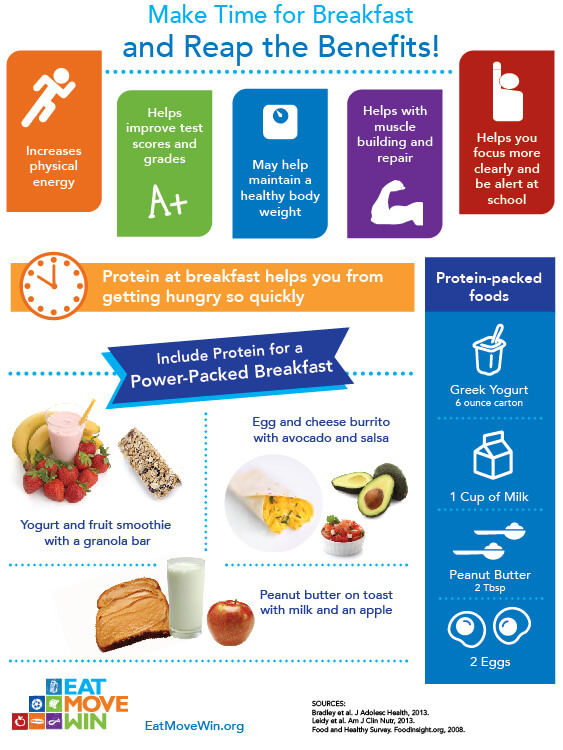
Image courtesy of via Google Images
Balancing Workouts and Rest
While regular workouts are important for maintaining good health, it’s equally essential to give your body time to rest and recover. Overtraining can lead to fatigue, muscle soreness, and increased risk of injury. Listen to your body’s cues and take rest days when needed. Remember that rest is an essential part of any fitness routine and can help prevent burnout and improve performance.
Setting Realistic Goals and Tracking Progress
Setting realistic fitness goals can help you stay motivated and focused on your health and wellness journey. Whether your goal is to lose a few pounds, run a marathon, or simply improve your overall fitness levels, having a clear target in mind can keep you on track. Track your progress using a fitness journal or app, celebrate your achievements, and adjust your goals as needed to keep challenging yourself.
In conclusion, maintaining energy levels throughout the day requires a combination of regular workouts, proper nutrition, and effective gym planning. By incorporating these elements into your daily routine, you can support your physical and mental well-being and achieve your fitness goals. Remember to listen to your body, set realistic goals, and celebrate your progress along the way.