Are you a busy bee trying to juggle work, family, and personal commitments while still trying to prioritize your health and fitness? Finding the time to fit in a workout and maintain a nutritious diet can be a challenge, but with the right gym plan and health tips in place, you can achieve your goals without compromising your busy schedule.
Workout Tips
When it comes to working out, it’s essential to start with a proper warm-up to prepare your body for exercise. Stretching and doing some light cardio can help prevent injuries and improve your performance during your workout sessions. Incorporating a mix of cardio and strength training exercises is also crucial for balanced fitness. Cardio helps improve your cardiovascular health, while strength training helps build muscle mass and increase metabolism.
Setting realistic goals is key to staying motivated and tracking your progress. Whether it’s reaching a certain number of steps per day, increasing your weights at the gym, or improving your endurance during cardio sessions, having clear goals can keep you focused and on track towards achieving your fitness aspirations.
Nutrition Tips
Proper nutrition plays a significant role in fueling your workouts and promoting recovery. A balanced diet that includes a mix of protein, carbohydrates, and healthy fats is essential for maintaining energy levels and supporting muscle growth. Make sure to hydrate adequately before, during, and after your workouts to prevent fatigue and ensure optimal performance.
When it comes to pre-workout nutrition, it’s important to choose foods that provide sustained energy, such as whole grains, fruits, and lean proteins. Timing your meals and snacks appropriately can also make a difference in your workout performance, ensuring you have enough fuel to power through your exercise routine.
After your workout, replenishing your body with a combination of protein and carbohydrates is crucial for muscle recovery and growth. Consuming a post-workout snack or meal within 30 minutes to an hour after exercise can help replenish glycogen stores and repair muscle tissue.
Gym Plan
Creating a personalized gym plan is essential for maximizing your time and efforts at the gym. Start by identifying your fitness goals, whether it’s building muscle, losing weight, or improving overall health. Based on your goals, choose a mix of exercises that target different muscle groups and incorporate various forms of cardio to keep your workouts challenging and engaging.
For beginners, it’s important to start with basic exercises to build strength and endurance gradually. Focus on mastering proper form and technique before increasing weights or intensity. As you progress to an intermediate level, you can introduce more advanced exercises and techniques to push your limits and continue seeing improvements in strength and fitness.
For advanced fitness enthusiasts, incorporating high-intensity interval training (HIIT) and advanced strength training can take your workouts to the next level. By constantly challenging your body with new exercises and workout routines, you can avoid plateaus and continue to see progress in your fitness journey.
Staying motivated and consistent with your gym plan is key to achieving your fitness goals. Set aside dedicated time in your schedule for workouts, meal prep, and self-care to prioritize your health and well-being. Remember that progress takes time, so be patient with yourself and celebrate small victories along the way. With a balanced gym plan, proper nutrition, and a positive mindset, you can fit in a flash and achieve long-term success in your health and fitness goals.
Uncover the surprising ways good nutrition impacts your health – from immunity to mood, discover the secrets to feeling your best.
Nutrition plays a crucial role in our overall health and well-being, especially when it comes to getting the most out of our workouts at the gym. By fueling our bodies with the right nutrients before, during, and after exercise, we can optimize our performance and see better results. In this blog post, we will explore the importance of proper nutrition in conjunction with workouts and provide practical tips for incorporating healthy eating habits into your gym routine.
Assessing Your Current Diet and Workout Routine
Before making any changes to your nutrition plan, it’s important to take stock of your current diet and exercise habits. Are you getting enough protein, carbohydrates, and essential vitamins and minerals? How often do you work out, and what types of exercises do you do? By evaluating these factors, you can identify areas for improvement and make informed decisions about your nutrition and gym plan moving forward.
Setting Realistic Goals
Setting clear and achievable fitness goals is essential for success in the gym. Whether you’re aiming to lose weight, build muscle, or improve your overall fitness level, your nutrition plays a key role in reaching these milestones. By establishing realistic goals and understanding how proper nutrition can support your efforts, you can stay motivated and on track to achieve the results you desire.
Pre-Workout Nutrition Tips
Fueling your body with the right nutrients before a workout can have a significant impact on your performance and energy levels. Consider eating a balanced meal or snack that includes protein and carbohydrates about an hour before your workout. This will help fuel your muscles and provide the energy you need to get through your gym session.
Image courtesy of www.pinterest.com via Google Images
During Workout Hydration and Nutrition
Staying hydrated during your workout is essential for maintaining optimal performance and preventing dehydration. Make sure to drink plenty of water before, during, and after your exercise routine. Additionally, consider bringing a small snack like a granola bar or a piece of fruit to eat during your workout to keep your energy levels up.
Post-Workout Recovery
After your workout, it’s important to refuel your body with the right nutrients to support muscle recovery and replenish energy stores. Focus on consuming a meal or snack that contains protein to aid in muscle repair and carbohydrates to replenish glycogen stores. This will help your body recover faster and prepare you for your next workout.
Image courtesy of www.pinterest.com via Google Images
Planning Ahead for Success
Meal prepping for the week is a great way to ensure that you have healthy options available when you need them. By planning ahead and preparing nutritious meals and snacks in advance, you can avoid unhealthy food choices and stay on track with your fitness goals. Consider setting aside some time each week to plan and prepare your meals for the upcoming days.
Tracking Progress and Adjusting Your Nutrition Plan
Tracking your food intake and workout progress can help you identify patterns and make adjustments to your nutrition plan as needed. Keep a food diary to monitor what you’re eating and how it makes you feel, and track your workouts to see how your performance improves over time. By analyzing this data, you can make informed decisions about how to optimize your nutrition for better results.
Image courtesy of www.edrawmax.com via Google Images
Getting Creative with Nutritious Meals
Healthy eating doesn’t have to be boring or bland. Get creative in the kitchen by trying out new recipes and experimenting with different ingredients. Focus on incorporating a variety of fruits, vegetables, lean proteins, and whole grains into your meals to ensure that you’re getting a well-rounded nutrition plan. By diversifying your food choices, you can stay motivated and excited about eating healthy.
Consulting with a Nutritionist or Trainer
If you’re unsure about how to create a personalized nutrition plan that aligns with your fitness goals, consider seeking guidance from a nutritionist or trainer. These professionals can provide expert advice and support to help you develop a plan that works for your unique needs and preferences. By consulting with a nutritionist or trainer, you can gain valuable insights and tools to enhance your health and fitness journey.
Discover unique and innovative methods to cut costs on your next adventure with these 5 surprising ways to save money!
Whether you are planning a weekend getaway or a dream vacation, one of the biggest challenges can be staying within your budget. By employing some savvy techniques, you can make your travel dreams a reality without breaking the bank. In this blog post, we’ll share five creative ways to save money on travel expenses without sacrificing quality or enjoyment.
Setting Your Travel Budget
Before you begin planning your trip, it’s important to establish a realistic budget. Consider all potential expenses, including transportation, accommodation, meals, activities, and souvenirs. Determine a total budget that you are comfortable with and break it down by category to help guide your spending decisions.
Flexible Travel Dates
One of the easiest ways to save money on travel expenses is to be flexible with your travel dates. Flights and accommodations are often cheaper during off-peak times or mid-week days. Use online tools and websites to compare prices across different dates and choose the most affordable option. Additionally, consider traveling during shoulder seasons when prices are lower, and crowds are smaller.
Accommodation Alternatives
While traditional hotels may offer comfort and convenience, they can also be expensive. Consider alternative accommodation options such as vacation rentals, hostels, or guesthouses. Websites like Airbnb and Booking.com offer a wide range of accommodation choices at various price points. Staying outside of major tourist areas can also save you money while providing a more authentic local experience.
Image courtesy of www.panelplace.com via Google Images
Local Transportation
Transportation costs can quickly add up when traveling, but there are ways to reduce these expenses. Instead of relying on taxis or rental cars, explore public transportation options like buses, subways, or trains. Many cities also offer affordable bike rentals or ride-sharing services that can help you get around without breaking the bank. Walking is another eco-friendly and cost-effective way to explore a new destination.
Cuisine on a Budget
Sampling local cuisine is a highlight of any trip, but dining out at restaurants can be pricey. To save money on food expenses, consider eating like a local by visiting markets, street food stalls, or grocery stores. Opt for self-catering accommodation with kitchen facilities to prepare your meals and pack snacks for day trips. Look for lunch specials, happy hour deals, or food trucks for affordable dining options.
Traveling on a budget doesn’t have to mean sacrificing comfort or fun. By following these creative ways to save money on travel expenses, you can make your travel dreams a reality without breaking the bank. Remember to plan ahead, stay flexible, and make smart choices to maximize your travel budget and create lasting memories.
Discover the simple yet powerful habits that can revolutionize your lifestyle and lead you to a healthier, happier life today!
In today’s fast-paced world, maintaining a healthy lifestyle can sometimes feel like a daunting task. However, incorporating simple yet effective habits into your daily routine can make a significant difference in your overall well-being. By focusing on workouts, nutrition, and gym plans, you can achieve optimal health and transform your life for the better.
Benefits of Regular Workouts
Regular workouts offer a plethora of benefits that go beyond just physical appearance. Engaging in physical activity can improve your cardiovascular health, help with weight management, and boost your energy levels. Whether you prefer cardio exercises, strength training, or flexibility workouts, finding a routine that works for you is essential for long-term health.
Types of Workouts to Consider
When it comes to workouts, variety is key. Cardiovascular exercises such as running, cycling, or swimming can improve heart health and endurance. Strength training, on the other hand, helps build muscle mass and increase metabolism. Flexibility exercises like yoga or stretching can enhance mobility and prevent injuries. Incorporating a mix of these workouts into your routine can provide a well-rounded approach to fitness.
Tips for Creating an Effective Gym Plan
Setting specific fitness goals and scheduling workout sessions are crucial steps in creating an effective gym plan. It’s important to incorporate rest days into your routine to allow your body to recover and prevent burnout. By designing a plan that is tailored to your personal goals and preferences, you can stay motivated and committed to your fitness journey.
Image courtesy of www.pinterest.com via Google Images
Importance of Proper Nutrition
Nutrition plays a vital role in supporting your workouts and overall health. Fueling your body with nutritious foods and staying hydrated are key components of a balanced diet. Understanding the role of macronutrients such as carbohydrates, proteins, and fats can help you make informed choices about what you eat and how it impacts your fitness goals.
Incorporating Supplements into Your Nutrition Plan
In addition to whole foods, supplements can be a helpful addition to your nutrition plan. Protein supplements aid in muscle repair and growth, while pre-workout supplements can enhance your performance during exercise. Multivitamins can provide essential nutrients that you may be lacking in your diet. Consulting with a healthcare provider before taking any supplements is recommended.
Image courtesy of www.pinterest.com via Google Images
Balancing Workouts and Nutrition for Optimal Results
By aligning your workouts and nutrition plan, you can maximize your results and achieve optimal health. Planning meals around your workout times, adjusting your nutrient intake based on exercise intensity, and staying consistent with your habits are all essential factors in reaching your fitness goals. Remember that balance is key to long-term success.
Tracking Progress and Making Adjustments
Keeping track of your progress through a workout journal can help you stay motivated and accountable. Monitoring changes in your physical appearance and performance can guide you in making necessary adjustments to your fitness routine. If you feel stuck or unsure about your progress, seeking guidance from a fitness professional can provide valuable insights.
Image courtesy of hdsupplysolutions.com via Google Images
Overcoming Challenges in Maintaining a Healthy Lifestyle
Challenges are a natural part of the journey to better health. From setbacks and plateaus to finding motivation on difficult days, it’s important to stay resilient and focused on your goals. Seeking support from friends, family, or online communities can help you stay on track and navigate through obstacles with a positive mindset.
Conclusion
Transforming your life through healthy habits is within your reach. By prioritizing workouts, nutrition, and gym plans, you can achieve optimal health and well-being. Remember to stay consistent, listen to your body, and celebrate your progress along the way. With dedication and perseverance, you can create positive changes that will positively impact your life for years to come.
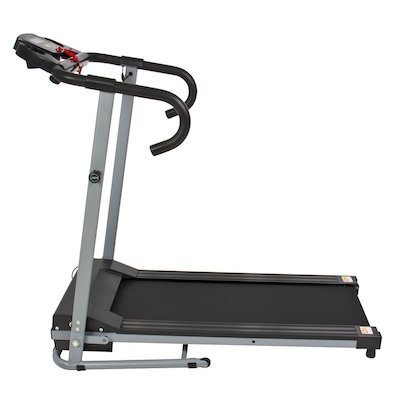
Equipped with an incredible and low-commotion 500 watt engine, the SpeedrunnerPRO treadmill speeds up to 10km/h. The huge LCD show gives you data about preparing important information such as. Time, speed, calories consumed and distance covered. The two handrails have a pulse screen joined, which sends your pulse to the preparation PC continuously. The treadmill additionally has 12 preinstalled practice programs, which reproduce various segments of track and consequently change the speed likewise.
The new 3-step height adjustment, permits you to adjust the treadmill to suit your necessities. In the wake of preparing, the treadmill can collapse away. Because of the coordinated rollers, the treadmill can be effectively moved to another area. The SpeedrunnerPro by Letixsports is furnished with a Bluetooth interface, which permits you to control the treadmill by means of a wellness application. Essentially interface your tablet or cell phone to the treadmill and download the “iFitShow” application. Incorporates a Bluetooth Pulse Belt to follow your exercise.
Key Features
Bearing
Tablet holder
Solid handrail
Heartbeat monitor belt
Vibration-dampened
App function000
Integrated rollers
Up to 120 kg load
Emergency stop safety switch
Three-stage height adjustment
Foldable design for easy storage
Powerful low-noise motor
Emergency stop safety switch
6 month warranty
Available in colours black or white
LCD display with information such as time, speed, calorie consumption and travelled distance
Heart Rate monitor on both handrails that transmits the user’s pulse to the training computer
13 training programs that simulate different track sections and adjust the speed automatically
Specifications
Power: 500W
Voltage: 220V – 240V
Frequency: 50Hz – 60Hz
Speed: Up to 10 km/h
Dimensions: 1200mm (L) x 650mm (W) x 1200mm (H)
Dimensions when folded: 520mm (L) x 650mm (W) x 1200mm (H)
Running surface: 925mm (L) x 355mm (B)
Weight: 28kg
Assembly
Getting the Best Choice 500w Portable Folding Electric Motorized Treadmill is very simple. It comes transported to you to some degree. Get together is finished in eight simple tasks and should be possible with the instruments given in the bundling. Getting together will require 30 minutes or less.
Cost
At this value, you’re not going to track down too many mechanized treadmills. Other than the Best Choice 500w Portable Folding Electric Motorized Treadmill, there might be a modest bunch of others. These treadmills generally have similar size engines. You’re not going to get anything incredibly amazing, yet they are useful for strolling and light running, which is the thing that this treadmill is intended for. Notwithstanding the engine on the 500w Portable Folding Electric Motorized Treadmill, you additionally get a foldable plan. This is one more incredible choice for those individuals who have very little exercise or extra room. This treadmill creases up to 19″ inside and out, which can permit you to store it in a wardrobe or under a bed.
Quality
What stresses us most over the Best Choice 500w Portable Folding Electric Motorized Treadmill is the problematic quality. There are certain clients whining about the nature of this treadmill. You really want to consider that this treadmill is at the passage level value range, so you’re not going to get first rate parts. All things being equal, we would expect better surveys than what we are seeing. By and large, we are seeing around four negative surveys for each 10 remarks on the 500w Portable Folding Electric Motorized Treadmill. We suggest additionally investigating the Weslo Cadence G 5.9 Treadmill for another to analyze in this treadmill value range.
FINE PRINT
Please allow 7 – 9 working days for delivery
Your order will be fulfilled by EveMotion
Delivery to ROI addresses only
While every effort is made by Empathy Marketing Limited (The Platform) to substantiate any claims made by The Merchant, Empathy Marketing Limited relies solely on information provided by the advertising merchant for any claims or benefits made about any product offered for sale through the advertising platform.
Final Words
Assuming that you’re checking out the Best Choice 500w Portable Folding Electric Motorized Treadmill, you are most likely searching for a financial plan amicable treadmill with mechanized ability. There aren’t such a large number of treadmills that fit that depiction, however this treadmill does. Assuming you need to run, you will have to go through some more cash for an all the more impressive engine, bigger running surface and more sturdy parts. This treadmill is intended for strolling and light running. The solidness of the Best Choice 500w Portable Folding Electric Motorized Treadmill isn’t of the greatest quality, however it’s useful at the cost and will get you rolling.
Frequently Asked Questions
1. Are fold away treadmills any good?
If you are limited for space yet want to run indoors, a foldable treadmill is the ideal solution. It can make the perfect addition to your home gym as many of them can be stashed away out of sight when not in use. Some are also extremely reasonably priced, meaning you can invest in treadmill technology at a low price.
2. How much does a good treadmill cost?
A good treadmill will be comfortable, quiet, easy to use, and last a long time. If you want a treadmill that will last, you’ll likely spend at least $1,000, although spending between $1,500 and $3,000 will offer more stability, better motors, and more workout options.
3. Can echelon instructors see?
Echelon keeps track of your progress through your profile, so you’re always able to go back and review. When you view your profile on the screen, you can see the classes you’ve taken, the instructors you’ve ridden with, and the number of minutes you’ve spent on the bike.
4. What time of year do treadmills go on sale?
“January is usually a good time to buy treadmills and ellipticals, when prices are reduced to attract resolution-conscious consumers,” says Courtney Pennicooke, a CR market analyst. “But consumers can also find huge holiday discounts at big-box stores, sporting goods stores, and fitness dealers now.”
5. What’s a good treadmill speed?
However, in general 2-4 mph on the treadmill is a walking speed and 4-5 mph is a fast walk or jog. Runners will set the treadmill at 5 mph or faster. To add some variety and difficulty to the workout, set the treadmill incline at 1-2. That closely simulates walking or running outside.
6. Can you put a treadmill on the carpet?
Yes, a treadmill can be installed directly on carpet. Your treadmill won’t damage the carpet any more than other heavy pieces of furniture. Make sure to use a treadmill mat to help keep dirt, dust, and carpet fibers out of the treadmill as well as to aid with airflow under the unit.
7. Will 30 minutes a day on the treadmill?
As you walk on a treadmill for 30 minutes a day, you’ll be burning calories. In general, you’ll need to burn about 3,500 calories to lose 1 pound of body fat. Picking up the pace and walking 4.5 mph for 30 minutes results in a calorie burn of 186 and 150 calories, respectively.
8. How many calories are burned incline on a treadmill?
Here’s an example of incline training and calorie burn from medical studies: A 160-pound person might normally burn 150 calories during a regular 30-minute treadmill walk at 4.0 mph. Just changing the treadmill incline to 5% would boost calories burn to about 250 calories.
9. Where is the storage latch on a Proform treadmill?
Lift the treadmill platform and raise it halfway towards the vertical position. Use your left hand to lift the storage latch, while holding the platform firmly with your right hand. The storage latch is on the left side of the console near the left handrail.
10. Are treadmills bad for your knees?
Running or jogging on a treadmill can put more stress on your bones and joints compared to working out on an elliptical trainer. Ultimately, this can lead to injuries . Common running injuries include shin splints, knee injuries, and stress fractures.
To burn 150 calories, engage in moderate activities like brisk walking or household chores. Alternatively, try higher intensity workouts for a shorter duration.
Burning an extra 150 calories a day can contribute significantly to weight loss and overall health improvement. Small changes in daily activities can make this goal easily achievable. Fitness enthusiasts often look for efficient ways to increase their daily calorie burn without dedicating too much time.
Yet, many people overlook the fact that everyday routines can be tweaked to increase caloric expenditure. This guide to incinerating 150 calories merges convenience with practicality, offering a variety of options to fit any lifestyle or schedule. Whether you have five minutes or thirty, there’s a strategy for everyone to chip away at those calories, fostering a healthy metabolism and aiding in weight management.
Boost Your Burn With Basicstips15
Boost Your Burn with Basicstips15: 15 Ways To Burn 150 Calories
Ignite your metabolism and say goodbye to unwanted calories with Basicstips15 — your ultimate guide to a healthier, more active lifestyle. Burning 150 calories can be fun, easy, and surprisingly quick when you have the right activities and knowledge. Engaging in these methods won’t just help you shed some extra weight, but also improve your cardiovascular health and boost overall well-being.
The secret to effective weight loss and fitness is a profound understanding of how your body burns calories. Calories are the energy that fuels your body, and to burn them efficiently, you need to engage in activities that increase your heart rate and challenge your muscles. Think of your body as a furnace; the more intense the activity, the hotter the fire burns and the more calories you’ll incinerate.
Several factors influence how many calories you burn throughout the day. Your weight, age, gender, and metabolism play pivotal roles in determining your total calorie burn. For instance, a person with more muscle mass burns more calories at rest compared to those with a higher fat percentage. The type of activity, duration, and intensity also dictate the total calorie expenditure. Below, find a diverse mix of activities that can help increase your calorie burn, tailored to work with these variables:
Table showcasing different activities
Activity
Duration
Estimated Calories Burned
Brisk walking
30 minutes
~100-150
Jogging
15 minutes
~150
Dancing
30 minutes
~150
Cycling
15 minutes
~150
Swimming
20 minutes
~150
Easy Tricks To Torch 150 Calories
Finding easy ways to burn calories can feel daunting, but it’s all about making smart, simple lifestyle changes. Below are some clever tricks up your sleeve that will help you torch through 150 calories without dedicating hours to the gym. Discover quick shifts to your daily routine that pack a powerful punch in your fitness goals.
Quick Indoor Exercises
Quick Indoor Exercises
Indoor activities can be incredibly effective for burning calories. You don’t need a home gym; just a small space and the willingness to move can get you there. Try these exercises:
Jumping Jacks: About 15 minutes can burn 150 calories.
Dance Party: Turn up your favorite tunes and dance around for approximately 30 minutes.
Cleaning Spree: Vigorous house cleaning for 30-40 minutes not only leaves your space sparkling but sheds calories too.
Hula Hooping: Spin the hoop for around 30 minutes for a fun way to slim down.
High Knees: Run in place with high knees for about 15 minutes to feel the burn.
By integrating these exercises into your daily routine, you can chip away at calories consistently without the need for specialized equipment or hefty time commitments.
Outdoor Activities That Increase Burn
Outdoor Activities That Increase Burn
Take advantage of the outdoors to invigorate your workout routine. Fresh air and natural terrain can enhance calorie burning. Here’s how to make the most out of outdoor activities:
Brisk Walk: A 30-minute pace can efficiently burn around 150 calories.
Riding a Bike: Hit the trails or the road at a moderate pace for about 20 minutes.
Jump Rope: This schoolyard activity isn’t just for kids—it can torch 150 calories in just 15 minutes.
Gardening: Did you know 30-45 minutes of gardening activities also counts as a workout?
Beach Volleyball: Playing for just 15-20 minutes is not only fun but an excellent calorie burner.
Whichever you choose, ensure it’s something you enjoy so it feels less like a workout and more like a part of your lifestyle.
https://www.youtube.com/watch?v=
Make Every Step Count
Introduction
Imagine every step you take torching calories, transforming mundane walks into powerful strides towards your fitness goals. Embrace the ‘Make Every Step Count’ philosophy and unlock the art of maximizing calorie burn with each footfall. Whether it’s a casual stroll or a brisk walk, ensure that no step goes to waste.
Walking techniques for optimal calorie burning
Walking Techniques For Optimal Calorie Burning
Boost your calorie burn with these strategic walking techniques:
Power Walk: Raise the intensity with brisk walking, keeping your heart rate up.
High Knees: Incorporate high knees to engage your core and enhance calorie expenditure.
Use Your Arms: Swing your arms with purpose for additional upper body workout.
Varied Pacing: Mix up your pace; it keeps your walk interesting and challenges your body.
Incline Walking: Spice up your route with hills or inclined surfaces for a tougher workout.
Using technology to track and enhance walks
Using Technology To Track And Enhance Walks
Gadget
Uses
Benefits
Pedometer
Counts your steps
Quantify each stride to meet daily step goals
Fitness Tracker
Tracks steps, calories, distance, and heart rate
Holistic view of your walk and progress over time
Mobile Apps
Provides routes, tracking, and community support
Explore new paths while staying motivated
Smart Shoes
Offer feedback on walking patterns
Optimize walking technique for better results
Choose a device that best suits your lifestyle and tracking preference. Set clear targets, and use the technology to stay on track towards your calorie-burning goals. Remember, consistency paired with the right tech can turn simple walks into calorie-crushing adventures.
H2o Workouts For Calorie Deficit
Water is not just a refreshing element but also a potent medium for weight loss and fitness. H2O workouts are a buoyant treasure trove of calorie-burning activities. Whether you’re a seasoned athlete or a fitness beginner, water exercises provide a unique combination of resistance and support, making them perfect for burning those stubborn calories. Here we’ll dive into two exhilarating ways to achieve a calorie deficit while making a splash.
Swimming: Styles And Durations
Swimming is an exquisite symphony of strokes and rhythms, challenging every muscle group. It’s a complete body workout that defies the calories steadfastly clinging to you.
Freestyle is agile and fast, perfect for maximizing calorie burn. 30 minutes can slash approximately 150 calories.
Butterfly stroke engages the core and is rigorous, suitable for an intense, short duration workout.
Backstroke offers a comparative reprieve and is ideal for a consistent, moderate burn.
Breaststroke is rhythmical and requires technique, torching calories effectively while also enhancing flexibility.
Intervals of intense laps combined with rest or slower, methodical strokes can optimize the calorie deficit. Aiming for swimming durations of 15-30 minutes, depending on the intensity and stroke, can be an effective strategy for meeting the 150-calorie burn target.
Water Aerobics: Low Impact, High Results
Water aerobics is a compelling low-impact activity that wields water resistance to ensure high energy expenditure. Fitness enthusiasts can enjoy a social, upbeat exercise session that’s gentle on the joints yet formidable in burning calories.
Jogging in place
Leg lifts
Arm circles
Water push-ups
Combine these movements in a choreographed sequence for about 30-45 minutes, keeping the pace lively and the rest intervals short. This not only catalyzes a calorie burn of roughly 150 or more but also promotes muscular endurance and cardiovascular health.
Incorporating these H2O workouts into a fitness routine can add diversity, challenge, and joy. It allow individuals to reach their calorie goals effortlessly while also providing a respite from the daily grind. So dive in, the water’s fine, and the calorie deficit await!
Kitchen Manoeuvres To Cut Calories
Turning the kitchen into your personal fitness zone is simpler than you might think. Beyond crafting nutritious meals, your kitchen activities can serve a dual purpose of helping you burn calories. With some creativity and a bit of effort, you can transform your meal prep time into an opportunity to work towards your fitness goals. Let’s explore how to make your kitchen ventures not only effective in cooking but also efficient in burning calories.
Cooking Actions That Double As Exercise
Get ready to add a fitness twist to your cooking routines:
Standing calf raises while washing dishes can tone your legs and burn calories.
Perform squats as you reach for pots and pans in lower cabinets.
Use a manual whisk instead of an electric mixer to work your arm muscles.
Do lunges across the kitchen while waiting for water to boil or the oven to preheat.
Step in place during slower moments for a low-impact cardio workout.
Each physical activity, be it small or moderate, adds up throughout your cooking process, boosting your daily calorie expenditure. Incorporate these simple exercises into your meal prep and turn up the heat on fitness in the kitchen!
Smart Food Prep Choices For Fitness
Selecting the right tasks can make a big difference:
Food Prep Task
Calorie-Burning Benefit
Chopping vegetables
Improves dexterity and engages core muscles.
Grating cheese by hand
Uses arm strength and burns more calories than using pre-grated cheese.
Kneading dough
Works the arms and shoulders, functioning like a mini upper-body workout.
Using a pestle and mortar
Enhances grip strength and can be an intense forearm workout.
Handwashing dishes
Engages the whole body, particularly when reaching and bending.
Opt for these hands-on tasks rather than relying on convenience gadgets. Your body will thank you for the added movements and caloric output. Smart choices in food preparation not only contribute to a healthier meal but also a fitter you!
Credit: www.honestdocs.id
Conclusion
Burning calories doesn’t require drastic changes. Simple activities like dancing, cleaning, or yoga can make a difference. Remember, consistency is key to success. So pick a few of these methods, stick with them, and watch as your fitness journey gains momentum.
Start small, stay motivated, and the results will follow.
Discover the secrets to achieving the ultimate gym plan that will help you build muscle, burn fat, and feel amazing!
Are you looking to take your fitness journey to the next level? Whether you’re a beginner looking to get started or a seasoned gym-goer wanting to optimize your workouts, having a solid gym plan and nutrition strategy is key. In this blog post, we’ll provide you with effective tips for maximizing your gym workouts and nutrition plan to help you reach your fitness goals.
Setting fitness goals
Setting fitness goals is the first step to success in the gym. It’s important to set realistic and achievable goals that are specific and measurable. Whether you’re aiming to lose weight, build muscle, or improve your overall fitness level, having clear goals will keep you motivated and focused on your journey.
Creating an effective workout plan
When it comes to creating an effective workout plan, it’s important to tailor your routine to your fitness level and goals. Incorporating a mix of cardio and strength training exercises is ideal for overall fitness and achieving a balanced physique. Be sure to include exercises that target different muscle groups and vary your routine to prevent plateaus.
Planning your gym schedule
Planning your gym schedule is crucial for consistency and progress. It’s important to schedule your workouts at times that work best for your lifestyle and commit to sticking to your plan. Be sure to include rest days in your schedule to allow your body to recover and prevent burnout.
Image courtesy of www.precisionnutrition.com via Google Images
Nutritional guidance
Nutrition plays a crucial role in fueling your workouts and supporting your fitness goals. A balanced diet that includes a mix of macronutrients is essential for optimal performance in the gym. Be sure to meal plan and prep to ensure you have healthy meals and snacks readily available.
Hydration
Proper hydration is key for optimal performance during workouts and overall health. Drinking an adequate amount of water throughout the day can help prevent dehydration and support your body’s functions. Be sure to drink water before, during, and after your workouts to stay hydrated.
While supplements are not necessary for everyone, they can be beneficial for some individuals to support their fitness goals. Whether you’re looking to boost energy, improve recovery, or enhance muscle growth, there are a variety of supplements available that may aid in your fitness journey. It’s important to speak with a healthcare professional before adding any supplements to your routine.
Tracking progress
Tracking your progress is essential for staying motivated and making adjustments to your gym plan as needed. Whether you keep a workout journal, use a fitness app, or take progress photos, tracking your results can help you see how far you’ve come and set new goals.
Image courtesy of www.pinterest.com via Google Images
Mental and emotional well-being
Mental and emotional well-being are equally important as physical fitness in achieving your goals. Managing stress, staying positive, and finding ways to stay motivated are key to long-term success in the gym. Be sure to take care of your mental health and seek support when needed.
In conclusion, by following these effective tips for maximizing your gym workouts and nutrition plan, you can build muscle, burn fat, and feel great. Remember to set clear goals, create a balanced workout plan, prioritize nutrition, stay hydrated, consider supplements, track your progress, and prioritize your mental and emotional well-being. With dedication and consistency, you can achieve your fitness goals and transform your overall health and well-being.
Learn the secrets to transforming your body with our ultimate 12-week gym plan – get ready to achieve your dream body!
Curated Tips for Maximizing Your Workout Results with Proper Nutrition and Gym Planning
Fitness goals are important for anyone looking to improve their physical health and achieve their dream body. To truly maximize your workout results, it’s essential to focus not only on your exercise routine but also on your nutrition and gym planning. In this curated guide, we will provide you with valuable tips on how to optimize your fitness journey through proper nutrition and gym planning.
Setting Fitness Goals
When setting fitness goals, it’s crucial to be specific about what you want to achieve. Make sure your goals are measurable, achievable, relevant to your overall health, and have a timeframe for completion. This will help you stay motivated and focused throughout your fitness journey.
Understanding Macronutrients
Macronutrients are the three main components of your diet that provide energy and support overall health: carbohydrates, proteins, and fats. Carbohydrates are your body’s primary source of energy, proteins are essential for muscle repair and growth, and fats play a crucial role in hormone production. Understanding how to balance these macronutrients in your diet will help you fuel your workouts and optimize recovery.
Meal Prepping and Planning
Meal prepping and planning is a key strategy for ensuring you have the right nutrients to support your workouts. By preparing your meals in advance, you can control portion sizes, make healthier food choices, and save time during the week. Make sure to include a balance of carbohydrates, proteins, and fats in each meal to fuel your workouts and promote muscle growth.
Image courtesy of www.pinterest.com via Google Images
Hydration
Staying hydrated is essential for maintaining performance during workouts and supporting overall health. Dehydration can lead to fatigue, muscle cramps, and decreased exercise performance. Make sure to drink plenty of water throughout the day, especially before, during, and after your workouts to stay hydrated and energized.
Pre-workout Nutrition
Pre-workout nutrition plays a crucial role in fueling your workouts and providing sustained energy. Aim to consume a balanced meal or snack that includes carbohydrates for energy and protein for muscle repair. Good options include a banana with almond butter, Greek yogurt with berries, or a turkey sandwich on whole grain bread.
Image courtesy of www.pinterest.com via Google Images
Post-workout Nutrition
After a workout, it’s important to refuel your body with the nutrients it needs to recover and rebuild muscle. Focus on consuming a combination of carbohydrates and protein within 30 minutes to an hour after your workout to maximize muscle growth and repair. Good post-workout options include a protein smoothie, chicken with quinoa, or a turkey wrap with veggies.
Gym Plan
Creating a workout plan that aligns with your fitness goals is essential for making progress and staying motivated. Consider your fitness level, time availability, and preferred types of exercise when designing your gym plan. Make sure to include a mix of cardiovascular exercise, strength training, and flexibility work to target different aspects of your fitness.
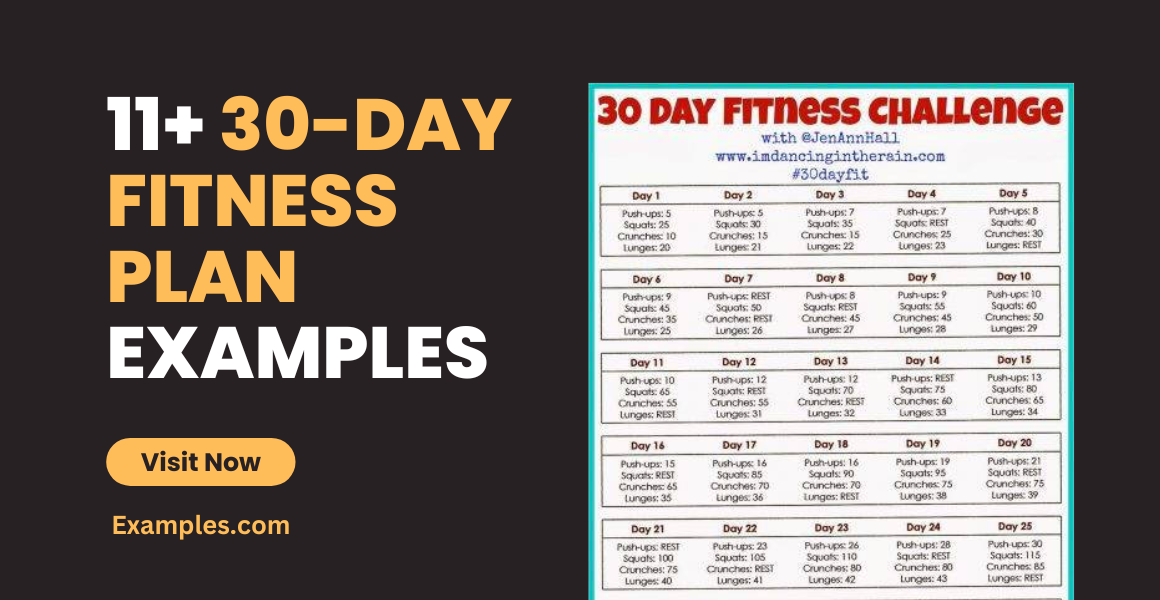
Image courtesy of www.examples.com via Google Images
Proper Form and Technique
Proper form and technique are crucial for preventing injuries and maximizing the effectiveness of your workouts. Take the time to learn the correct form for each exercise you perform and focus on maintaining proper alignment and posture throughout your workout. If you’re unsure about your form, consider working with a personal trainer to ensure you’re performing exercises safely and effectively.
Rest and Recovery
Rest and recovery are just as important as exercise when it comes to achieving your fitness goals. Incorporating rest days into your gym plan allows your muscles to recover and repair, reducing the risk of overtraining and burnout. Make sure to prioritize quality sleep, relaxation, and recovery activities like yoga or stretching to support your overall health and well-being.
The treadmill strut workout trend claims to boost cardiovascular fitness and muscle tone. Many fitness enthusiasts embrace it for its fun, upbeat approach to exercise.
Treading a fine line between traditional treadmill workouts and dance, the treadmill strut trend has caught the attention of gym-goers and social media fitness communities alike. Designed to inject fun into cardio routines, it combines walking with style and rhythm, offering a fresh take on mundane workouts.
The idea is not just to walk or jog, but to do it with attitude, often to the beat of high-tempo music. Advocates suggest this trend can improve not only your physical well-being but also uplift your spirits, turning the workout into a more enjoyable and therefore sustainable part of one’s fitness regime. While the effectiveness of this workout trend depends largely on personal effort and consistency, the combination of engaging cardiovascular exercise with an enjoyable format holds promise for those looking to liven up their fitness routines.
Credit: blogs.oregonstate.edu
Treadmill Strut Workout Trend Examination
The treadmill strut workout has been stepping up on fitness enthusiasts’ radars, gaining traction for its compelling blend of cardio and style. As more people seek innovative ways to spice up their workout routines, this trend stands out with its promise of combining fitness with fun. But is the buzz around the treadmill strut justified? It’s crucial to look at the origins, defining features, and research on the trend to determine if it’s just a fleeting fad or a legitimate workout revolution.
Origin And Rise In Popularity Of The Treadmill Strut Workout
The treadmill strut workout’s meteoric rise can be traced back to social media, where fitness influencers began sharing clips of themselves walking with attitude on treadmills. The engaging visuals and high-energy vibes quickly captured the attention of viewers looking for something fresh in the realm of exercise. Compelling soundtracks often accompany these workouts, making them not just a physical activity, but a performance.
Viral social media posts catapulted the trend
Influencers leverage music and fashion to enhance appeal
Public’s craving for dynamic workout options fuels growth
Key Components That Define The Treadmill Strut Workout
At its core, the treadmill strut workout consists of a combination of confidence, charisma, and calorie-burning. It diverges from traditional treadmill exercises by emphasizing:
Rhythm: Synchronizing steps to the beat of an energetic playlist
Posture: Maintaining an upright stance to accentuate the “strut”
Swagger: Adding personal flair to each step, encouraging self-expression
The workout engages both the body and mind, requiring participants to focus on their movements while cutting loose and enjoying the experience.
Research And Statistics Backing The Trend
To validate the effectiveness of the treadmill strut workout, one must look beyond its flashy exterior. Recent fitness studies show that workouts integrating music and dance elements can enhance enjoyment and motivation, potentially leading to higher adherence rates. Moreover, the strut’s vigorous nature boosts cardiovascular endurance, similar to traditional treadmill exercises. Preliminary data suggests the following:
Aspect
Impact
Enjoyment Level
Increases likelihood of routine adherence
Cardiovascular Benefit
Comparable to classic treadmill workouts
Motivation
Enhanced through music and personal expression
While the strut workout is still comparatively new, its ingredients—a blend of cardio, music, and style—are proven components for a successful fitness regimen.
Strut Workout: Hype Or Fitness Breakthrough?
The Strut Workout, a rising star in the fitness universe, promises an invigorating update to the monotonous treadmill routine. With participants stepping out at rhythmic intervals, this trend combines cardio with sass, making it a lively alternative to conventional treadmill workouts. But does this fashion-forward fitness craze bring measurable benefits, or is it merely a passing fad? To discern whether the treadmill strut workout is truly a breakthrough, it’s crucial to dissect its physiological impacts, compare it to its traditional counterpart, and review what fitness aficionados and experts are saying.
Evaluating The Physiological Benefits Of Strut Workouts
Strut workouts are not just a trendy way to burn calories; they’re engineered to enhance cardiovascular fitness and improve coordination. A dance-inspired approach, strut workouts integrate high-intensity intervals that can help in:
Increase in heart rate: Sustaining an elevated heart rate can improve cardiac health.
Full-body engagement: Unlike a regular walk, strutting demands more from the core and lower body muscles.
Boosting mental health: The upbeat nature of the workout can release endorphins, promoting a positive mood.
By infusing energy and flair into a workout, strutting may help maintain motivation and potentially lead to long-term fitness adherence.
Comparison With Traditional Treadmill Workouts
Aspect
Traditional Treadmill Workout
Strut Workout
Intensity Variation
Often features steady-state or basic interval training
Infuses high-intensity dance moves and dynamic intervals
Muscle Engagement
Focused on lower body; limited core engagement
Targets multiple muscle groups including the core
Entertainment Factor
Can be repetitive and monotonous
High-energy, enjoyable routines that provide variety
In terms of sheer variety and cardiovascular challenge, strut workouts seem to capture the spotlight over the monotony of traditional treadmill sessions.
Testimonials And Expert Opinions On Effectiveness
Those who have embraced the strut workout often speak of its transformative impact on their fitness routines:
“Every stride on the treadmill now feels like a performance”, says a dedicated strut enthusiast.
“The strut workout can be an effective cardio session as it encourages participants to push past their comfort zone, energizing their stride and strengthening their body” – a certified personal trainer.
While personal experiences and professional insights highlight the potential effectiveness of strut workouts, individual results may vary. The consensus? Strut workouts offer a refreshing twist to treadmill exercise, bringing both physical and mental health benefits.
Breaking Down The Strut Workout Phenomenon
The fitness world is buzzing about a new entrant on the workout scene: the treadmill strut workout trend. It’s becoming a staple in cardio playlists and fitness vlogs, but is it worth the hype? This section delves into the mechanics and promises of the strut workout to see if it makes the cut for your fitness regimen.
Analyzing The Strut Workout’s Components One By One
The strut workout is not your average treadmill march. This routine turns a mundane jog into a full-blown fitness extravaganza. But what are the parts that make up this workout trend? Let’s break it down:
Speed Variations: Alternating between brisk walks and sprint intervals, the workout keeps your heart rate up.
Incline Challenges: By increasing the treadmill’s incline, the workout intensifies, targeting more muscle groups effectively.
Strut Moves: It’s more than just walking; it involves specific “strut” moves, adding a dance-like flair and fun to your cardio.
Each component is designed to keep the workout interesting while pushing muscle performance to new heights.
Understanding The Impact On Different Muscle Groups
Unlike a simple jog, the strut workout engages a complex array of muscles. The unique striding motions, coupled with varied inclines and speeds, challenge not just the legs but also the core and balance. Here’s a glimpse into its multi-muscle group engagement:
Lower Body: Quads, hamstrings, calves, and glutes are constantly active during the strides and incline changes.
Core Stability: Maintaining posture and balance during the strut moves calls for a strong engagement of the abdominal muscles.
Upper Body: Although less intensive, the upper body also gets a workout through the maintenance of dynamic posture and arm movements.
The workout can be adjusted to emphasize different muscle groups, catering to a wide range of fitness goals.
Safety Considerations For Beginners And Enthusiasts
For newcomers and seasoned gym-goers alike, safety should always be top priority. The strut workout is no exception. Before hitting the ‘Start’ button on that treadmill, take note of the following safety tips:
Consideration
Advice
Footwear
Wear supportive shoes to reduce the risk of injury.
Posture
Keep a neutral spine and avoid leaning too far forward or backward.
Intensity
Start slowly and gradually increase speed and incline to prevent overexertion.
Hydration
Ensure you are well-hydrated before, during, and after the workout.
Carefully listening to your body’s signals and respecting its limits can help avoid injuries and ensure a safe and effective workout experience.
Essential Gear For The Treadmill Strut Trend
The Treadmill Strut Trend is sweeping fitness communities by storm, blending the fun of dance with the intensity of a workout. The allure is undeniable – a cardio session that doesn’t just blast through calories but does so with style. Before jumping on the bandwagon, however, it’s vital to get your hands on the appropriate gear. Here’s a comprehensive guide on what you’ll need to ensure your treadmill strut is not just fun, but functionally optimal and cost-effective.
Recommended Treadmill Specifications For Optimal Performance
Your treadmill is the cornerstone of the strut workout, and ensuring it has the right specs is crucial. Look for:
A robust motor: Aim for at least 2.5 CHP (Continuous Horse Power) for enduring performance.
Adjustable incline: A range up to 15% is ideal to mimic natural walking terrains.
High-quality belt: A belt width of 20-22 inches ensures enough space for strut movements.
Cushioning system: Superior impact absorption is key for joint health during intense strut sessions.
Speed capabilities: Though strutting doesn’t emphasize sprinting, the flexibility to reach at least 10 mph can be beneficial.
These specific features will not only enhance your workout experience but also help prevent strain and injury.
Additional Equipment For Enhancing The Strut Workout
The right accessories can elevate the effectiveness of your workout. Consider these add-ons:
Supportive footwear: Shoes with ample cushioning and support are non-negotiable for high-impact exercises.
Moisture-wicking apparel: Comfort meets function with clothing that keeps sweat at bay.
Resistance bands: Integrate strength training into your strut with these versatile tools.
Heart rate monitor: Keep track of your cardio intensity for a workout that’s as effective as it is safe.
High-energy playlist: Music is pivotal for the strut workout. Use a smartphone and quality earphones to keep your beats and feet in sync.
Each piece of additional equipment brings a unique benefit to the workout, enhancing both engagement and results.
Cost Analysis Of Getting Started With Treadmill Strutting
A budget-friendly start is often a concern for many. Here’s a breakdown:
Item
Average Cost
Mid-range Treadmill
$800-$1500
Quality Footwear
$50-$150
Workout Apparel
$30-$100
Resistance Bands
$10-$40
Heart Rate Monitor
$50-$200
Initial investment for a basic setup could range from $940 to $1990. Considering the convenience and potential health benefits, this upfront cost can be a value investment for long-term fitness.
Strut Workout Programs And Protocols
The treadmill strut workout is taking the fitness world by storm, turning the monotonous jog into an exhilarating, full-body experience. But what’s behind this trend? Does it truly deliver results worth stepping up for? Let’s dive into the strut workout programs and protocols to see if they are more than just a passing fancy on the exercise landscape.
Outline Of Popular Treadmill Strut Workout Routines
Fusing cardio, dance-like movements, and strength training, strut workouts on the treadmill are diverse and dynamic. Here’s an outline of what enthusiasts are currently raving about:
Speed Variation Struts: Alternating between brisk walks and sprints, these routines are designed to boost metabolism and burn calories efficiently.
Incline Challenge Struts: By varying incline levels, these workouts mimic uphill struts, increasing lower body strength, and enhancing endurance.
High-Energy Dance Struts: Combine basic strut techniques with dance-inspired moves, these sessions are not only about fitness but also about fun.
Customizing Your Workout To Match Fitness Levels And Goals
Strut workouts are adaptable to every fitness level. Beginners might start with short, moderate-paced walks with minimal incline, while advanced exercisers might opt for longer sessions with rapid sprints and high inclines. Key to customization is assessing your current fitness level and clearly defining long-term fitness goals. An effective strut workout plan may include:
Fitness Level
Session Length
Sprint Duration
Incline Percentage
Beginner
20 minutes
30 seconds
0-2%
Intermediate
30 minutes
60 seconds
3-5%
Advanced
40+ minutes
90 seconds
6%+
Incorporating Strut Workouts Into A Comprehensive Fitness Plan
To reap the full benefits of strut workouts, integrate them into a broader fitness strategy. Balance strut days with strength training, flexibility exercises, and adequate rest periods. Here’s a basic weekly structure for a comprehensive plan:
Monday: Treadmill Strut Workout (Cardio focus)
Tuesday: Upper Body Strength Training
Wednesday: Active Recovery or Yoga (Flexibility)
Thursday: Treadmill Strut Workout (Incline focus)
Friday: Lower Body Strength Training
Saturday: Active Recovery or Pilates (Core strengthening)
Sunday: Rest
Remember that consistency is key. Tailor strut sessions and rest days to align with your body’s needs and to prevent overtraining. Listen to your body, stay committed, and watch as the strut workout elevates your fitness to new heights.
Is The Treadmill Strut Workout Trend Sustainable?
The Treadmill Strut Workout, with its catchy name and compelling visuals, is taking the fitness world by storm. Celebrities and fitness enthusiasts alike are seen walking with exaggerated, confident struts on treadmills. The workout promises to target multiple muscle groups while boosting cardio endurance. But beyond this trending workout’s initial dazzle lies an essential question: Can it sustain its momentum, or is it destined to be another passing fad in the constantly evolving landscape of fitness?
Critically Examining The Long-term Viability Of The Workout
When we strip away the gloss of any new fitness trend, we must scrutinize its practicality over time and its science-based effectiveness. A workout’s long-term viability hinges on its ability to provide consistent results, prevent injury, and keep participants engaged. Curiosity about the Treadmill Strut Workout’s ability to meet these criteria is mounting. The strut emphasizes posture, hip movement, and engages the core, which can theoretically offer substantial physical benefits if done correctly. Nonetheless, ensuring these moves do not strain the body wrongly is crucial.
The Role Of Strut Workouts In Future Fitness Landscapes
Integration with existing routines: Strut workouts might be infused into varied fitness regimens, complementing traditional cardio and strength exercises.
Diversity in application: The dynamic movements could be adapted for different skill levels and potentially introduced in group fitness classes.
Innovation and iteration: As with many fitness trends, it could evolve with enhancements from fitness professionals aiming to boost its appeal and effectiveness.
Predictions And Insights From Fitness Industry Professionals
Fitness industry professionals are observing the rise of the Treadmill Strut Workout with keen interest. Many believe that workouts incorporating multitasking elements—such as combining cardio with muscle toning—are here to stay. Such workouts cater to the modern exerciser’s desire for efficiency. Experts also predict that technology, such as virtual reality and fitness apps, might play a role in advancing and customizing strut-style workouts to keep them fresh and engaging.
Element
Predicted Role in Strut Workout Sustainability
Technological Integration
Enhance engagement and tracking of progress
Customization
Adaptability to individual fitness levels and goals
Community Aspect
Fostering shared experiences and motivation
In conclusion, as the Treadmill Strut Workout pirouettes its way onto our social media feeds and into our gyms, it raises valuable conversations about the importance of sustainable practices in our fitness routines. With an eye on evolving trends and insights from seasoned professionals, only time will tell if this strut will make a lasting impression on the treadmill tapes of the future.
Conclusion
As fitness trends go, the Treadmill Strut has created some buzz. It’s an approach blending cardio with style, seemingly worth a try for workout enthusiasts. Whether it lives up to the hype depends on personal goals and preferences. Give it a go—your results may just stride past expectations.
Stay energized and strut on!
Brands now cater to women of all shapes, sizes, and body types. Diversity in fashion ensures style inclusivity.
Today’s marketplace celebrates the beauty of diversity, with brands stepping up to embrace every woman’s uniqueness. Clothing lines have expanded their collections to include a wide range of sizes that accommodate various body shapes, ensuring that fashion is accessible and flattering for everyone.
This shift towards inclusivity allows women to find outfits that not only fit well but also enhance their individuality. Embracing all forms of beauty, these brands are changing the narrative and promoting body positivity, making it a golden era for fashion enthusiasts. By focusing on the needs of a diverse customer base, these companies are fostering a welcoming environment where every woman can feel confident and stylish in her skin.
Diverse Brands Championing Inclusivity
The fashion industry is undergoing a transformative period, redefining what beauty and style mean for the modern consumer. Brands worldwide are taking strides towards more inclusive approaches, acknowledging that women of all shapes, sizes, and body types deserve representation and the same access to fashion. This includes offering diverse sizing options and casting models that reflect the full spectrum of consumer body types. The onset of this evolution isn’t just about aesthetics — it’s about ensuring that every individual feels valued and included in the world of fashion.
The demand for inclusion in the fashion industry is louder than ever. Women everywhere are seeking apparel that not only fits but also celebrates their bodies. The shift toward a diverse representation is not just a trend; it’s an acknowledgement that beauty isn’t one-size-fits-all. Studies have shown that greater representation can lead to improved self-esteem and body positivity, making the push for inclusivity a powerful movement towards greater societal well-being. Brands that successfully integrate this diversity in their offerings foster deeper connections and loyalty with their customer base.
Progressive brands are redefining fashion norms by launching initiatives to celebrate the diversity of women’s bodies. These initiatives range from size expansion to interactive fit guides and from body-positive marketing campaigns to collaborations with influencers across the size spectrum. For instance, some brands are leveraging technology to provide virtual fitting rooms, allowing customers to see how garments look on a range of body types before making a purchase. Others have committed to a “no Photoshop” policy in their advertising to showcase more realistic body images. Understanding the power of representation, these brands are not only inclusive but are leading the charge in changing the fashion industry’s narrative to one that honors individuality and inclusivity.
Brands Embracing All Shapes And Sizes
In recent years, a remarkable shift in the fashion and retail industries has paved the way for a more inclusive environment where diversity is not just welcomed, it is celebrated. Several forward-thinking brands have taken the lead in ensuring that women of all shapes, sizes, and body types feel represented and empowered. No longer limited by the traditional one-size-fits-all approach, these brands are redefining industry standards and are becoming champions for body positivity. By embracing real beauty in all its forms, they are setting a new benchmark for the entire fashion world.
Advertisement campaigns showcasing diversity
Advertisement Campaigns Showcasing Diversity
Advertisement campaigns today are more than just a tool to sell products; they are a platform to promote inclusivity and reflect real-world diversity. Brands are mindfully curating adverts that showcase a broad spectrum of body types, consciously moving away from unrealistic beauty standards. Pioneering campaigns feature models that span a variety of sizes, ages, and ethnicities, representing a true cross-section of society. These visual narratives tell compelling stories, creating deep connections with audiences who see themselves in these images, often for the first time.
Collaborations with advocacy groups for inclusivity
Collaborations With Advocacy Groups For Inclusivity
Leading the charge in the drive for greater inclusivity, several brands are not just adjusting their marketing strategies but also aligning themselves with advocacy groups and initiatives that champion body diversity. Through these strategic partnerships, they are engaging in meaningful dialogue and taking actionable steps to challenge and dismantle prevailing beauty paradigms. Whether it’s through co-created product lines, inclusivity training for staff, or supporting events that promote diverse body representation, these collaborations are essential in fostering a more accepting and inclusive fashion landscape.
Size Representation In Fashion Industry
Welcome to a discussion on a topic that touches the heart of fashion inclusivity: Size Representation in the Fashion Industry. Gone are the days when fashion was tailored only to a select group with a narrow range of body types. The industry is slowly but surely embracing the beautiful spectrum of shapes and sizes that define humanity. But why is size representation so crucial, and how do brands navigate the challenges it brings? Let’s delve into the impacts of size diversity in fashion and uncover the hurdles brands face in their journey towards catering to every body type.
Impact Of Size Diversity On Consumer Confidence
Size diversity in fashion isn’t a fleeting trend; it’s a movement towards body positivity that is rapidly gaining momentum. Offering a variety of sizes has a monumental impact on consumer confidence, as customers see themselves represented in brand imagery and marketing. This inclusivity not only empowers individuals but also cultivates a loyal customer base. People want to shop brands that understand and celebrate their bodies. Seeing models that mirror their own body type can transform the shopping experience from daunting to delightful.
Boosts self-esteem: When shoppers see that fashion caters to people just like them, it uplifts their self-image.
Enhances shopping experience: Size representation means more options and a better fit, making fashion more accessible and enjoyable.
Reflects real-world demographics: Displaying a range of body types aligns brands with the diversity of their customer base.
Challenges In Catering To All Body Types
Fashion brands are striving to become more inclusive, but the road to fully catering to every body type is fraught with obstacles. One major challenge is the complexity of designing garments that not only vary in size but also fit well across different body shapes. Another difficulty lies in stock management and the associated costs, as a greater range of sizes means more inventory to produce, store, and distribute.
Challenges
Details
Design Complexity
Adapting designs to accommodate various body types requires expertise and can be time-consuming.
Inventory Management
Expanding size ranges necessitates larger stock levels, which can be expensive and difficult to manage.
Production Costs
Offering more sizes can increase production costs, influencing price points and profit margins.
Despite these challenges, the importance of size diversity cannot be overstated. Brands that commit to being inclusive often find that the rewards outweigh the difficulties, forging a path that others are inspired to follow.
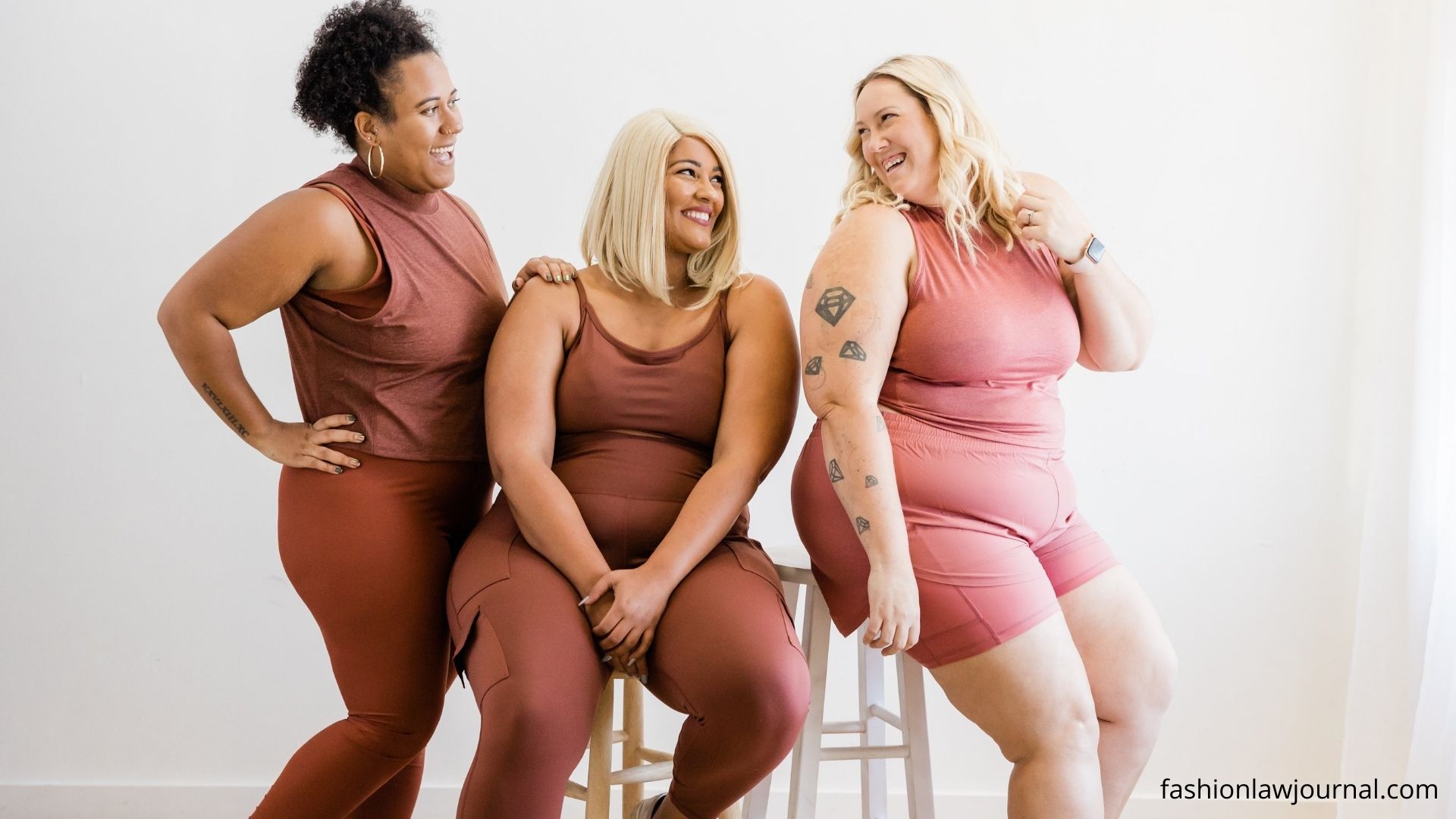
Credit: fashionlawjournal.com
Inclusive Clothing Lines Launched
The fashion industry is embracing a powerful shift towards inclusivity, finally recognizing the importance of catering to women of all shapes, sizes, and body types. Brands are launching inclusive clothing lines to celebrate diversity, breaking free from the one-size-fits-all approach. This transformation is more than a fleeting trend—it’s a movement towards body positivity and fashion for everyone. The success of these inclusive collections is not only in their size range but in their ability to make every woman feel confident and stylish.
Success Stories From Diverse Size And Shape Collections
Inclusive fashion lines are redefining success in the apparel industry. Designers are broadening their horizons, and the results are inspiring:
Expanded Size Offerings: Brands that once stopped at size 12 are now offering options up to size 24 and beyond.
Adaptive Clothing: Functional and fashionable pieces cater to those with different physical abilities, making style accessible to all.
Mannequin Diversity: Retail stores are showcasing their commitment by displaying a variety of mannequin body types, celebrating bodies in all forms.
Retailers witnessing a surge in sales are proof that embracing body diversity resonates with consumers. Companies like Universal Standard and Aerie are pioneering this change, seeing both brand loyalty and customer base growth.
Consumer Response To Inclusive Size Ranges
The market’s reaction to inclusive clothing lines has been overwhelmingly positive. Social media buzz and customer reviews highlight the enthusiastic embrace of wider size ranges:
Customers are vocal about their appreciation, often tagging brands in their posts to thank them for their inclusivity efforts.
Product reviews frequently mention the joy of finding fashionable clothes that fit well and look great, regardless of size or shape.
Increased customer loyalty is evident as consumers return to brands that make them feel seen and respected.
Through surveys and feedback forms, customers are directly influencing future collections, ensuring that their needs and preferences are not only heard but acted upon.
Body Positivity And Brand Responsibility
Body Positivity and Brand Responsibility
Embracing body positivity signifies a critical shift in societal norms, a shift from idealized standards to inclusive representation of all body types. Brands play an instrumental role in this transformative movement. Gone are the days when fashion and beauty campaigns showcased a single body type; today, the call for diversity echoes loudly. Brands shoulder a profound responsibility: to mirror the real, unedited panorama of humanity in their messaging and products.
The Role Of Social Media In Promoting Body Positivity
Social media, a ubiquitous presence in modern life, wields immense power to influence perceptions and attitudes. With every post and share, users and influencers advocate for a more inclusive vision that celebrates bodies of every form.
Brands regularly collaborate with content creators who reflect diversity.
Hashtag movements, such as #BodyPositivity and #EveryBodyIsBeautiful, garner millions of supportive followers and contributors.
Visual platforms like Instagram highlight real-life stories, encouraging women to take pride in their unique beauty.
These collective actions on social media carve pathways for genuine connection, bolstering a community that stands robust against unrealistic beauty standards.
How Brands Are Contributing To Positive Body Image
Proactive brands are revising marketing strategies and product lines to foster positive body image and self-esteem. Their contributions manifest in multiple, impactful ways:
Brand Initiative
Impact on Body Positivity
Diverse Mannequins
Displaying a range of body types in stores and visuals, making the shopping experience more inclusive.
Size-Inclusive Collections
Offering style for all, ensuring every woman finds outfits that make her feel confident and empowered.
No Retouching Policies
Showcasing models with natural bodies in campaigns to encourage acceptance of natural beauty.
Empowerment campaigns and partnerships with body-positive activists are further strategies that increase visibility for all body types. This dedication from brands not only enhances customer loyalty but also ignites critical conversations about beauty standards in today’s society.
Women’s Empowerment Through Fashion
Women’s Empowerment Through Fashion is not just a fleeting trend; it’s a profound movement reshaping the fashion industry. As women reclaim their right to feel beautiful and confident regardless of their size or shape, fashion becomes a tool for empowerment. This cultural shift has led to an increased demand for inclusivity in clothing lines, paving the way for brands that celebrate diversity, encouraging women to embrace their unique bodies with confidence and style.
Examples Of Brands Enabling Women’s Confidence
The landscape of women’s fashion is dotted with pioneering brands that champion body positivity. These forward-thinking companies are leading the charge in sculpting a fashion world where every woman feels represented and valued.
Universal Standard: Setting the bar high, this brand offers an impressive size range, ensuring high-quality and style are accessible for women of all sizes.
ThirdLove: With their innovative approach to lingerie, they offer bras in an extensive array of sizes, guaranteeing a perfect fit for every body type.
Eloquii: This fashion-forward brand provides trendy plus-size clothing, empowering women to wear bold prints and colors unapologetically.
Girlfriend Collective: They focus on sustainable, size-inclusive activewear, promoting both ethical fashion and body positivity.
Fabletics: By offering stylish and performance-centric athleisure wear, they cater to women’s diverse bodies and active lifestyles.
The Future Of Women’s Fashion Embracing All Bodies
The horizon for women’s fashion looks promising, as the conversation around body inclusivity only grows louder and more impactful. Emerging designers and established brands alike are listening, culminating in broader size ranges, mannequins that reflect real body shapes, and marketing campaigns that celebrate diversity.
Feature
Impact
Technology in Tailored Fit
Using AI and data analytics to craft personalized fit for every body type.
Virtual Fitting Rooms
Allowing customers to virtually try on clothing, increasing confidence in purchase decisions.
Size-Inclusive Runways
Bringing visibility to all body types in high fashion, challenging traditional industry standards.
Customer-Centric Designs
Brands are curating designs based on real feedback from women of all shapes.
These advancements not only foster inclusivity but also spearhead a shift in societal norms, underpinning the undeniable message that beauty comes in all forms. As this wave of empowerment grows, women everywhere will continue to see themselves reflected in haute couture and daily wear, feeling unstoppable in their sartorial choices.
Conclusion
Embracing diversity in fashion empowers individuals across various body types. Brands that recognize and celebrate this foster inclusivity and positivity. Every woman deserves to find her perfect fit and style. Let’s champion labels that cater to everyone, making fashion truly accessible and enjoyable.
Together, we create a world where all sizes shine.











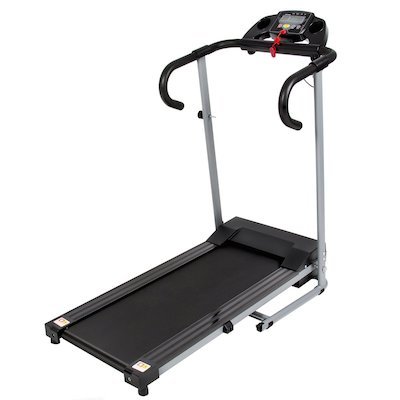
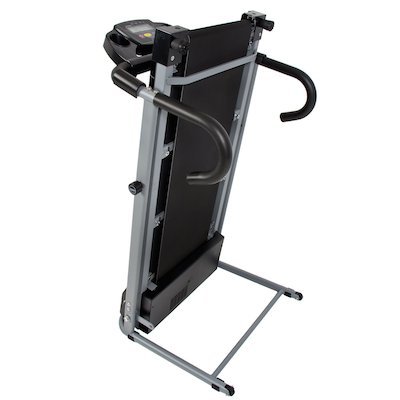 Getting the Best Choice 500w Portable Folding Electric Motorized Treadmill is very simple. It comes transported to you to some degree. Get together is finished in eight simple tasks and should be possible with the instruments given in the bundling. Getting together will require 30 minutes or less.