Embarking on a journey to improve your health through a workout routine and nutritious diet is a commendable decision. The key to success lies in creating a balanced plan that targets both exercise and nutrition. In this blog post, we will delve into practical tips for designing a workout plan, incorporating nutritious foods, and staying motivated along the way.
Setting Fitness Goals
Before diving into a workout routine, it’s essential to identify your fitness goals. Are you looking to lose weight, build muscle, or improve overall health? Take some time to prioritize your goals and create a clear vision of what you want to achieve.
Designing a Workout Plan
When designing a workout plan, it’s important to incorporate a mix of cardiovascular, strength training, and flexibility exercises. Cardiovascular exercises like running, cycling, or swimming can improve heart health and burn calories. Strength training exercises, such as weight lifting or bodyweight exercises, help build muscle and increase metabolism. Flexibility exercises like yoga or stretching improve mobility and prevent injuries.
Finding Time to Exercise
One of the biggest challenges in maintaining a workout routine is finding time to exercise. If you have a busy schedule, try to schedule your workouts at times when you are most likely to stick to them. Consider early mornings, lunch breaks, or evenings as potential workout times. Additionally, high-intensity interval training (HIIT) can be a time-efficient way to get a good workout in a short amount of time.
A nutritious diet is just as important as exercise when it comes to improving your health. Focus on consuming a variety of fruits, vegetables, lean proteins, and whole grains. Meal prepping can be a great way to ensure you have healthy options readily available. Planning your meals and snacks ahead of time can help you make better food choices throughout the day.
Balancing Macronutrients
The key to a balanced diet is ensuring you are getting the right balance of macronutrients – carbohydrates, fats, and proteins. Carbohydrates provide energy, fats support brain function and hormone production, and proteins are essential for muscle repair and growth. Tracking your macronutrient intake can help you make informed choices about your diet.
Hydration is crucial for overall health and performance during workouts. Aim to drink an adequate amount of water throughout the day, both during and outside of exercise. Calculating your daily water intake goal based on your body weight and activity level can help you stay hydrated.
Creating a Support System
Having a support system can greatly impact your success in achieving your fitness goals. Consider finding a workout buddy or joining a fitness community for added motivation and accountability. Being part of a supportive environment can help you stay on track and push through challenges.
As you progress on your fitness journey, it’s important to periodically evaluate your plan and make adjustments as needed. If you hit a plateau, consider changing up your workout routine or reassessing your diet. Setbacks are normal, but staying flexible and adapting your plan can help you stay on track towards your goals.
In conclusion, improving your health through a workout routine and nutritious diet requires dedication and consistency. By setting clear goals, designing a balanced workout plan, incorporating nutritious foods, and staying motivated, you can achieve lasting results. Remember to listen to your body, stay patient, and celebrate your progress along the way. Sweat, lift, repeat – and watch your health and fitness soar.
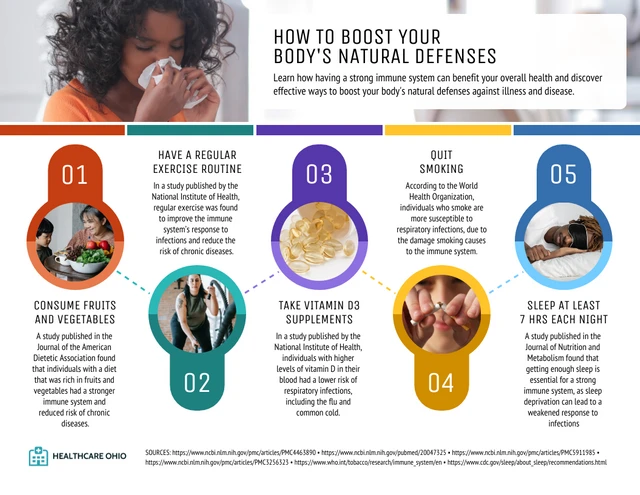
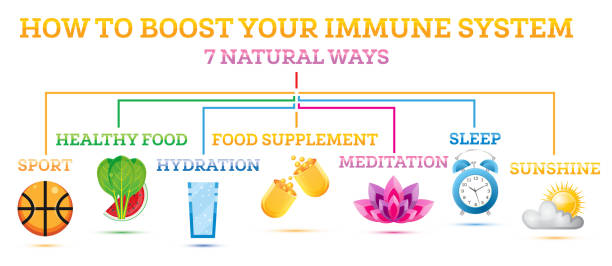
Unlock the secrets to supercharging your immune system with our comprehensive guide to natural ways to stay healthy and strong.
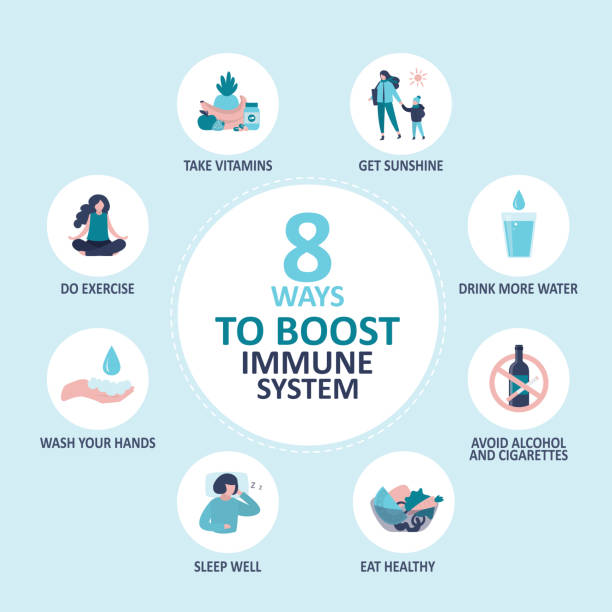
Our immune system serves as our body’s defense mechanism against illness and disease. By adopting a well-rounded fitness and nutrition plan, you can significantly boost your immune system and improve your overall health. Here, we provide you with the ultimate guide to achieving optimal health through a balanced approach to fitness and nutrition.
Setting Fitness Goals
Setting specific and attainable fitness goals is crucial for staying motivated and on track with your health journey. Whether you aim to increase your strength, improve your cardiovascular endurance, or simply maintain a healthy weight, having clear goals in mind will help you stay focused. Remember to set goals that are realistic, measurable, and time-bound to ensure your success.
Crafting a Workout Routine
A well-rounded workout routine should include a mix of cardiovascular exercise, strength training, and flexibility exercises. Cardiovascular exercise helps improve your heart health and stamina, while strength training helps build muscle mass and increase metabolism. Incorporating flexibility exercises, such as yoga or stretching, can improve your overall mobility and prevent injuries.
Incorporating Proper Nutrition
Nutrition plays a crucial role in fueling your workouts and supporting your immune system. A diet rich in fruits, vegetables, whole grains, lean proteins, and healthy fats provides your body with essential nutrients and antioxidants. Be mindful of your portion sizes and aim to eat a variety of foods to ensure you’re getting a well-rounded intake of nutrients.
Tracking your progress is essential for monitoring your fitness and nutrition goals. Keep a workout journal or use a fitness app to log your exercise routines, meals, and overall health. By tracking your progress, you can identify areas for improvement and celebrate your successes along the way.
Creating a Gym Plan
When it comes to crafting a gym plan, consider including a mix of cardio and strength training exercises. Cardio workouts, such as running, cycling, or swimming, help improve your cardiovascular health and burn calories. Strength training exercises, like weightlifting or bodyweight exercises, help build muscle strength and endurance. Be sure to incorporate both types of workouts into your gym plan for maximum results.
Image courtesy of www.istockphoto.com via Google Images
Staying Consistent
Consistency is key when it comes to achieving and maintaining a healthy lifestyle. Set a schedule for your workouts and meal prepping to ensure you stay on track with your fitness and nutrition goals. Find ways to stay motivated, whether it’s working out with a friend, trying new workout classes, or setting small achievable milestones along the way.
Rest and Recovery
Rest and recovery are just as important as staying active and eating well. Giving your body time to rest and repair is essential for preventing injuries and allowing your muscles to recover. Make sure to incorporate rest days into your workout routine and prioritize getting enough sleep each night to support your overall health.
Image courtesy of www.istockphoto.com via Google Images
Seeking Professional Guidance
If you’re new to fitness or nutrition planning, consider seeking guidance from a professional. A personal trainer can help you create a customized workout plan tailored to your goals and fitness level. Similarly, working with a nutritionist can provide you with personalized dietary advice to support your immune system and overall well-being.
By following this ultimate guide to boosting your immune system naturally through a well-rounded fitness and nutrition plan, you can take control of your health and lead a more vibrant and energized life. Remember to stay committed to your goals, listen to your body, and celebrate your progress along the way.
Unlock the secrets to smashing your fitness goals with this ultimate gym plan guaranteed to elevate your workout game!
Are you ready to take your fitness journey to the next level? Creating a well-rounded workout and nutrition plan is crucial for reaching your goals. In this comprehensive guide, we will walk you through how to design the ultimate gym plan that will set you up for success. From assessing your fitness goals to meal planning and staying motivated, we’ve got you covered every step of the way.
Assessing Your Fitness Goals
Setting clear and realistic fitness goals is the first step in creating an effective gym plan. Whether you’re looking to lose weight, gain muscle, increase strength, or improve overall fitness, defining your objectives will help tailor your plan to your specific needs and aspirations. Take some time to reflect on what you want to achieve and commit to those goals.
Creating a Balanced Workout Routine
A balanced workout routine should include a mix of cardio, strength training, and flexibility exercises. This variety helps target different muscle groups, improve overall fitness, and prevent burnout. Design a workout schedule that fits your lifestyle and allows for adequate rest and recovery time between sessions. Consistency is key, so aim to stick to your plan to see optimal results.
Choosing the Right Nutrition Plan
Nutrition plays a crucial role in achieving your fitness goals. Assess your caloric needs based on your activity level and objectives. Focus on incorporating a balance of macronutrients – carbohydrates, proteins, and fats – into your diet. Opt for whole, nutrient-dense foods to fuel your workouts and support recovery.
Image courtesy of www.linkedin.com via Google Images
Meal Planning and Prepping
Meal planning and prepping can help you stay on track with your nutrition plan. Take time each week to plan out your meals and snacks, making sure they align with your goals. Create a grocery list based on your meal plan to ensure you have everything you need on hand. By preparing your meals in advance, you can save time, money, and stay consistent with your nutrition.
Hydration and Supplements
Staying hydrated is essential for optimal performance during workouts. Make it a priority to drink an adequate amount of water throughout the day, especially before, during, and after exercise. Consider incorporating supplements to enhance your performance and support recovery. Consult with a healthcare professional or nutritionist to determine which supplements may be beneficial for you.
Image courtesy of www.instagram.com via Google Images
Tracking Progress
Tracking your progress is a great way to stay motivated and adjust your gym plan as needed. Keep a fitness journal where you can record your workouts, measurements, and overall progress. Use this information to identify areas of improvement and celebrate your successes. Adjust your plan based on your results to continue moving towards your fitness goals.
Staying Motivated
Staying motivated throughout your fitness journey can be challenging, but there are strategies you can implement to keep yourself on track. Consider finding a workout buddy or joining fitness challenges for added accountability and support. Reward yourself for reaching milestones along the way to stay motivated and engaged in your gym plan.
Image courtesy of www.lemon8-app.com via Google Images
Avoiding Burnout and Overtraining
Avoiding burnout and overtraining is crucial for long-term success. Listen to your body and incorporate rest days into your workout routine to allow for proper recovery. Avoid crash diets or extreme workout regimens that can lead to burnout and ultimately hinder your progress. Remember, sustainable results take time and consistency.
Conclusion
By following these tips and guidelines, you can create the ultimate gym plan that will help you crush your fitness goals. Remember that every journey is unique, and results may vary. Stay committed, stay consistent, and believe in yourself. With dedication and hard work, you can achieve the fitness goals you’ve always dreamed of. Here’s to a stronger, healthier, and happier you!
Unlock the key to optimal health with our beginner’s guide to nutrition – discover how to eat well and thrive!
When it comes to achieving your fitness goals, nutrition plays a crucial role. Here are some tips to help you make better food choices:
Setting realistic goals is key. Start by identifying what you want to achieve with your nutrition plan. Whether it’s weight loss, muscle gain, or overall health improvement, having clear objectives will guide your food choices.
Tracking your progress can also be beneficial. Keep a food journal or use a mobile app to monitor your daily intake. This can help you identify patterns, track your macros, and make adjustments as needed.
Workout:
A well-rounded workout routine should include a mix of cardio and strength training exercises. Cardio helps improve cardiovascular health, while strength training builds muscle and boosts metabolism.
For beginners, start with simple bodyweight exercises like squats, lunges, and push-ups. As you progress, you can incorporate weights or resistance bands for added intensity. It’s essential to challenge your muscles to see progress.
To avoid plateaus, vary your workouts regularly. Try different forms of exercise like yoga, Pilates, or HIIT to keep your body guessing and prevent boredom.
Nutrition:
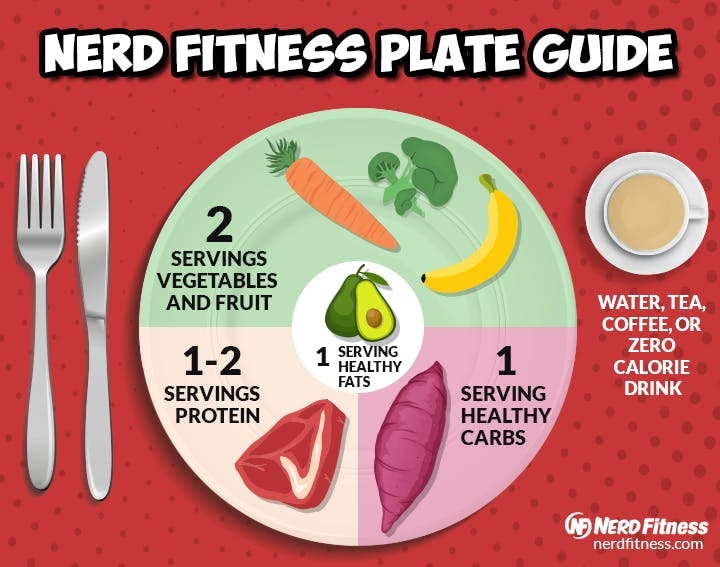
Eating a balanced diet is crucial for fueling your workouts and promoting recovery. Aim to include a variety of foods from all food groups in your meals.
Image courtesy of www.nerdfitness.com via Google Images
Focus on macronutrients like carbohydrates, proteins, and fats. Carbs provide energy for your workouts, proteins support muscle growth and repair, and fats are essential for hormone production and nutrient absorption.
Meal planning and prep can make it easier to stick to your nutrition goals. Take some time at the beginning of the week to plan your meals and snacks, and consider batch cooking for convenience.
Gym Plan:
Creating a gym plan that aligns with your fitness goals is crucial for success. Consider factors like your current fitness level, workout preferences, and time availability when designing your routine.
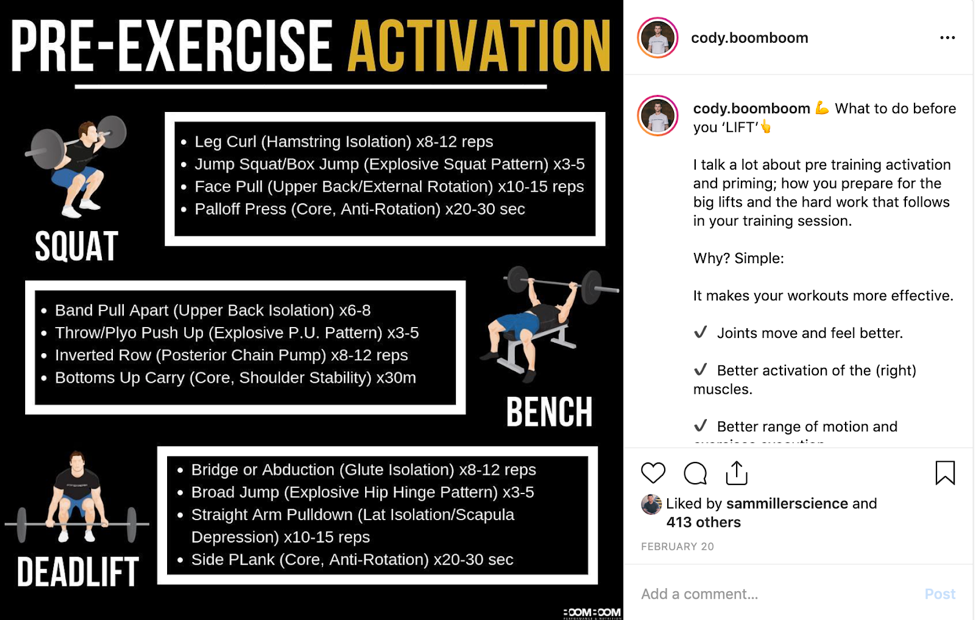
Incorporate a mix of exercises that target different muscle groups. Include compound movements like squats, deadlifts, and bench presses for full-body strength and coordination.
Staying motivated can be challenging, so find workout buddies or join group classes for accountability and support. Remember to listen to your body and rest when needed to prevent overtraining.
Warm-up and Cool-down:
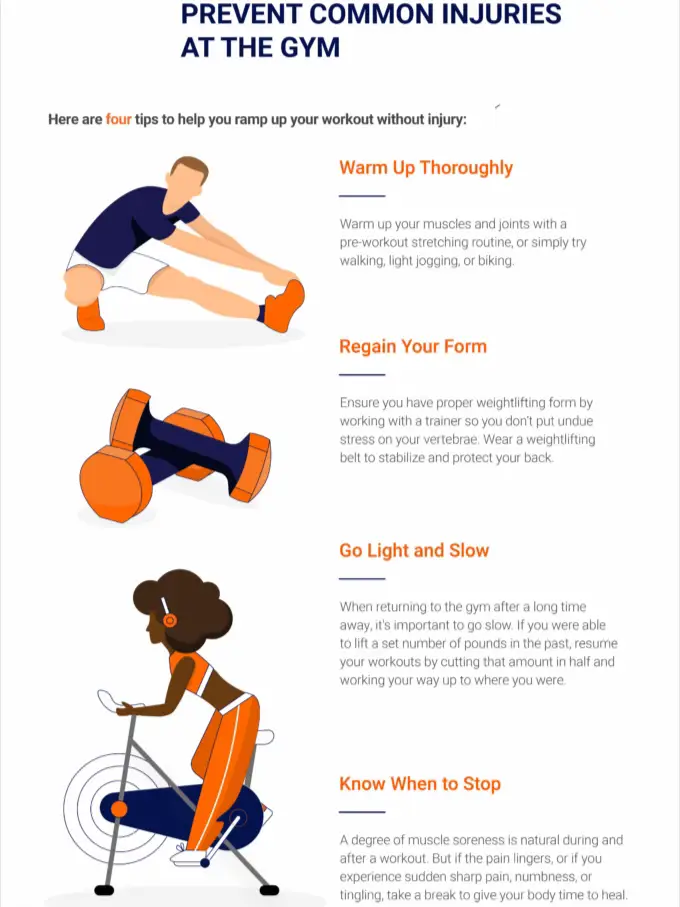
Warming up before a workout helps prepare your body for the physical demands ahead. Start with a few minutes of light cardio to increase blood flow to your muscles and joints.
Image courtesy of www.pinterest.com via Google Images
Incorporate dynamic stretches like leg swings, arm circles, and hip rotations to improve flexibility and mobility. Avoid static stretching before working out, as this can lead to decreased performance.
Cooling down after a workout is just as crucial. This helps promote blood circulation, reduce muscle soreness, and prevent injury. Finish your workout with static stretches focusing on the muscles you worked.
Recovery and Rest:
Rest and recovery are essential components of a successful fitness plan. Your muscles need time to repair and grow stronger after intense workouts.
Include rest days in your workout schedule to allow your body to recuperate. You can still stay active on rest days with light activities like walking, swimming, or yoga.
Prioritize quality sleep for optimal recovery. Aim for 7-9 hours of restful sleep each night to support hormone regulation, muscle repair, and overall well-being.
Supplements:
Supplements can complement your nutrition plan and help fill nutrient gaps. However, they should not replace whole foods in your diet.
Image courtesy of ontd-political.livejournal.com via Google Images
Common supplements for fitness enthusiasts include protein powder, creatine, BCAAs, and multivitamins. Consult with a healthcare provider or registered dietitian before adding supplements to your routine.
Remember that supplements are not a magic solution and should be used in conjunction with a balanced diet and regular exercise for best results.
Mind-body Connection:
Managing stress and staying mentally focused are crucial for long-term fitness success. Incorporate mindfulness practices like meditation, deep breathing, and visualization techniques into your routine.
Stress can impact your body’s ability to recover and adapt to exercise. Find time for self-care activities like reading, taking a bath, or spending time in nature to relax and unwind.
Stay connected to your goals and motivations. Celebrate small victories along the way and remember that progress takes time. Stay positive and trust the process.
Conclusion:
By combining tips, workouts, nutrition, and a well-planned gym routine, you can set yourself up for fitness success. Remember to stay consistent, listen to your body, and seek support when needed.
Whether you’re a beginner or experienced fitness enthusiast, building a strong foundation of nutrition knowledge and exercise habits will help you reach your goals and maintain a healthy lifestyle for years to come.
To start swimming as a complete beginner, find a local pool and invest in essential gear like swimsuits and goggles. Consider enrolling in beginner swimming lessons to learn the basics safely.
Diving into the world of swimming can be both exciting and intimidating for beginners. With the right approach, anyone can master the art of swimming. This guide aims to ease your entry into the water with practical steps and helpful tips.
Embracing swimming offers numerous benefits, including improved fitness, coordination, and mental well-being. Starting with the fundamentals, such as understanding water safety and becoming comfortable in the pool, is crucial. By breaking down the process into manageable stages, this introduction ensures that novice swimmers can confidently set off on their aquatic journey. So, whether you’re swimming for health, leisure, or aiming to tackle competitive strokes later on, let’s make your first splash a success!
Understanding Swimming Benefits
Embarking on a journey into the world of swimming is not just about learning a new skill, it’s about embracing a bundle of benefits for both body and mind. For those standing at the edge of the pool, eager to dip their toes into this aquatic adventure, understanding the advantages swimming offers can fuel your motivation and commitment. Unpack the myriad of perks wrapped up in the strokes and dives of swimming with our beginner-friendly guide on how this sport transforms you inside and out.
Physical Health Improvements
Swimming stands as a powerhouse of physical health benefits. Glide through water and witness your body’s transformation as this low-impact exercise increases cardiovascular stamina, improves muscle strength, and enhances flexibility without straining joints. Ideal for every age and fitness level, swimming serves as a comprehensive workout. Let’s dissect these benefits further:
Muscle Tone and Strength: Navigate through water resistance to build muscle strength across the entire body.
Joint Health: The buoyancy of water supports your body, allowing for exercise without excess pressure on joints.
Weight Management: Engage in a full-body workout that efficiently burns calories, aiding weight control and metabolism.
Mental Wellness Through Exercise
Swimming transcends physical boundaries, delving deep into mental wellness. The rhythmic nature of swimming strokes can be incredibly meditative and stress relieving, aligning breath and movement in a soothing symphony. Let’s immerse in the mental health advantages of swimming:
Stress Reduction: Swimming can lower stress levels, thanks to the relaxing effect of water and exercise-induced endorphin release.
Mindfulness: The focus on technique and breathing during swimming encourages a present state of mind.
Improved Sleep: A workout in the pool can lead to a deeper and more restful sleep pattern.
Cognitive Function: Exercise like swimming boosts brain health, enhancing memory, and cognitive function.
Lifelong Skill And Recreational Enjoyment
Swimming is more than a sport; it’s a life skill with invaluable benefits that extend beyond the pool. It equips individuals with the ability to ensure safety in water environments and offers a platform for social interaction. The joy and relaxation garnered from swimming are unmatched, turning it into a recreational hobby that many cherish for a lifetime. Diving into these perennial pleasures:
Safety: Mastering swimming can save lives, making it a crucial skill for everyone.
Social Activity: It’s a fun way to connect with others, whether it’s a swim class or a casual dip with friends.
Versatility: Swimming isn’t restricted by age; it’s an inclusive activity that can be enjoyed at any stage of life.
Fun Factor: Jumping into the water brings joy and excitement, providing a break from routine and a sense of adventure.
Equipment Essentials For New Swimmers
Diving into the world of swimming can be both thrilling and daunting for beginners. Along with the excitement comes the need to arm yourself with the right equipment to make your experience both enjoyable and effective. Understanding the essentials not only helps you glide through the waters with ease but also ensures safety and comfort. Let’s break down the essential gear that every new swimmer should consider before taking the plunge.
Choosing The Right Swimwear
Swimwear is not just about aesthetics; it’s about functionality and comfort. For men, swimming trunks or jammers are ideal as they reduce water resistance and allow for smooth movement. Women should look for a one-piece swimsuit that stays in place and offers support. Both should seek chlorine-resistant fabric to ensure longevity.
Goggles And Their Importance
Goggles are a game-changer in swimming. They protect your eyes from chlorine and help maintain clear vision underwater. Look for goggles with a comfortable fit, good seal, and UV protection. A fog-resistant coating is a bonus, providing uninterrupted vision during your swim.
Additional Gear: Swim Caps, Ear Plugs, And Nose Clips
Swim Caps: Essential for both hygiene and reducing drag. They keep your hair out of your face and minimize resistance.
Ear Plugs: To prevent water from entering the ear canal, potentially causing discomfort or swimmer’s ear.
Nose Clips: These help new swimmers concentrate on breathing technique without worrying about water entering their nostrils.
Each piece of equipment plays a vital role in a swimmer’s journey. Start with the basics and gradually build up your gear as you become more comfortable in the water.
Building Confidence With Breathing Techniques
Embarking on your swimming journey can be as exciting as it is intimidating, but mastering the art of breathing can transform trepidation into triumph. Building Confidence with Breathing Techniques is an essential pillar of becoming comfortable in the water. Breathing correctly ensures you can stay relaxed, conserve energy, and focus on learning other aspects of swimming. Let’s dive into how you can establish a solid breathing foundation.
Rhythmic Breathing Fundamentals
Breathing rhythmically is the cornerstone of a successful swimming experience. Focusing on inhaling through your mouth when above water and exhaling through your nose underwater keeps unwanted water at bay. Initially, try practicing this rhythm without swimming, by standing in the water or holding onto the side of the pool. Start by taking a deep breath, submerge your face, and exhale gently through your nose before surfacing to inhale through your mouth. As your comfort increases, count to establish a steady rhythm and maintain a consistent pattern with these essential steps:
Inhale quickly and calmly above water.
Submerge your face, and begin exhaling slowly through your nose.
Surface and repeat, establishing a comfortable and sustainable pattern.
Practicing In Shallow Water
Begin your breathing practice in water shallow enough to stand in. Shallow water allows for quick recovery if you become uncomfortable and provides a sense of safety while you focus on your technique. Use a kickboard or the pool’s edge to stabilize yourself if needed. Here’s a structured approach to build your breathing skill set:
Stand in shallow water with water just above your waist.
Lean forward with your face in the water, kickboard in hand for support if necessary.
Practice the rhythmic breathing technique, coming up for air when needed.
Gradually increase the time your face is submerged as confidence grows.
Graduating To Deeper Waters
As your comfort level with rhythmic breathing improves, challenge yourself by moving into deeper waters. Ensure you’re within your depth or have a swimming aid nearby. In deeper water, you’ll feel less grounded, making it vital to trust your breathing skills. Continue using a kickboard to focus on your breathing without the added complexity of full stroke swimming. Transition smoothly with these steps:
Step
Action
1
Initiate with a flotation device for added security
2
Maintain a relaxed and upright position, avoid panicking
3
Apply the rhythmic breathing technique learned in shallow water
4
Increase the depth gradually as you gain more confidence
5
Eventually, discard the kickboard and practice without support
How To Get Started With Swimming: Dive Into Basics!
If you’re new to swimming, thinking about where to begin might feel like treading water in the deep end. Fear not! Starting your swimming journey doesn’t have to be overwhelming. First steps involve understanding the elemental parts: the strokes, technique, and drills. Mastering these core components will set you up with a strong foundation to become a confident swimmer. So take a deep breath, and let’s plunge into the basics of getting started with swimming.
Fundamental Swimming Strokes
Identifying and learning the fundamental strokes is the first splash into swimming. The four strokes to familiarize yourself with are:
Freestyle: Also known as the front crawl, this stroke is the fastest and most efficient.
Backstroke: As its name suggests, backstroke is performed on your back and is excellent for developing a strong back and shoulders.
Breaststroke: This stroke is known for its unique frog-like kick and arm movements. It’s slower but great for building endurance.
Butterfly: Often regarded as the most challenging stroke, the butterfly requires coordination and strength.
As a beginner, start with the freestyle as it’s the most straightforward to understand and keeps your face out of the water most of the time, making breathing easier to grasp.
Step-by-step Stroke Refinement
Once familiar with the strokes, it’s time to refine your technique with a focus on precision and efficiency. Follow these steps:
Position your body flat on the surface of the water to minimize drag.
Practice a consistent and steady kick to maintain momentum.
Concentrate on proper arm movement—extend fully, pull down through the water, and recover appropriately.
Work on breathing techniques—inhaling quickly through your mouth and exhaling underwater through your nose or mouth.
Use a pull buoy or kickboard to isolate and strengthen particular parts of your stroke.
Regular feedback from a coach or a more experienced swimmer can accelerate your progress and help iron out any wrinkles in your form.
Drills For Enhancing Technique
Drills are specific exercises focusing on improving your swimming technique. They help break down complex movements into manageable parts. Here are some drills for each stroke:
Stroke
Drill
Purpose
Freestyle
Catch-Up Drill
To improve arm pull and timing
Backstroke
Single-Arm Backstroke
To enhance arm coordination and strength
Breaststroke
Two-Kick One-Pull Drill
To develop a stronger kick and proper gliding position
Butterfly
Dolphin Kick Drill
To strengthen the core and improve kick efficiency
Incorporate these drills into your practice sessions, focusing on one stroke at a time. Start slowly, prioritizing form over speed, and as your muscle memory builds, increase the intensity to challenge yourself. Swimming’s sweet spot lies in repetition and consistency, so keep at it!
Navigating Pools And Open Waters
How To Get Started With Swimming: An Absolute Beginner’s Guide
Embarking on your swimming journey invokes a blend of excitement and challenges, be it in the controlled environment of a pool or the unpredictable nature of open waters. Each setting has its own rules and obstacles. In this guide, we’ll delve into the essentials of navigating through both, ensuring a safe and enjoyable experience for swimming beginners.
Pool Etiquette And Hygiene
Aquatic centers and community pools are excellent starting points for novices. Before plunging in, familiarize yourself with the fundamentals of pool etiquette and hygiene to foster a respectful and healthy swimming environment for all.
Shower before entry: Rinse off any sweat, lotions, or perfumes in the communal showers.
Use appropriate swimwear: Select attire designated for pool use to avoid contaminating the water.
Observe lane rules: Choose a lane that matches your pace and adhere to the direction of swim traffic.
Maintain personal space: Give fellow swimmers sufficient room, especially when overtaking.
Understanding Open Water Challenges
The allure of open water swimming comes with unique hurdles. Transitioning from pool to natural water bodies such as lakes, rivers, or oceans requires an adaptation to varied conditions.
Beware of changing weather patterns that can swiftly alter water conditions.
Learn to navigate through currents, waves, and possibly underwater obstacles.
Always swim in designated areas monitored by lifeguards if possible.
Use high-visibility swim caps or gear to ensure you’re easily spotted.
Emergency Skills And Prevention Tips
Being prepared for emergencies is paramount. Equipping yourself with emergency skills and prevention tips builds confidence and could be life-saving.
Emergency Skill/Prevention Tip
Description
Buddy System
Swim with a partner whenever possible for mutual supervision and assistance.
Basic Life Support
Take courses on CPR and rescue breathing to assist in potential drowning situations.
Understand Distress Signals
Learn to recognize signs of struggle in yourself and others to act quickly.
Pre-Swim Safety Check
Assess the environment, weather, and your physical condition before each swim.
Credit: www.ncsasports.org
Conclusion
Embarking on your swimming journey is truly exciting. With clear goals and consistent practice, you’ll be gliding through the water in no time. Remember to start slow, stay safe, and enjoy each splash. Here’s to diving into a healthy new hobby—your aquatic adventure begins now.