Are you ready to take your fitness journey to the next level? Look no further! In this comprehensive guide, we will provide you with tips and strategies to help you maximize your workout results through effective exercise routines, smart nutrition choices, and a well-structured gym plan. By following these suggestions, you can achieve your fitness goals and get in the best shape of your life.
Setting Goals
Setting clear and achievable goals is the first step towards a successful fitness journey. It is important to define specific objectives for your workouts, nutrition, and gym plans to keep you motivated and on track. Whether you aim to lose weight, build muscle, or improve your overall health, having a clear goal in mind will help guide your efforts.
Workout Tips
When it comes to workouts, variety is key. Incorporating a mix of strength training, cardio, and flexibility exercises will help you achieve a well-rounded fitness routine. Focus on proper form and technique to prevent injuries and make the most out of each workout session. Additionally, gradually increasing the intensity of your workouts will challenge your body and prevent plateaus in your progress.
Nutrition
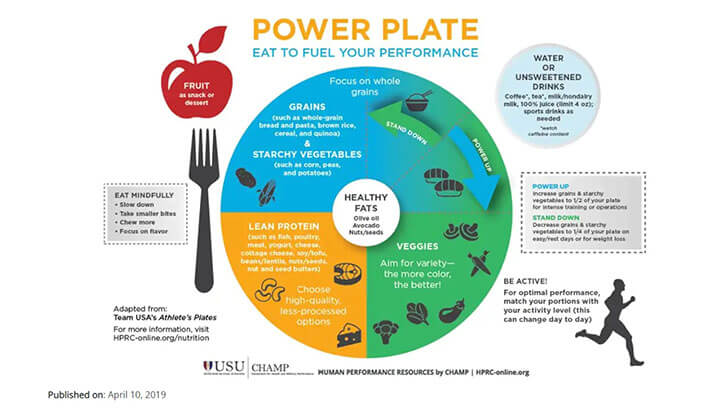
A balanced diet is essential for fueling your workouts and supporting your body’s recovery. Make sure to include a variety of nutrients in your meals, such as lean proteins, whole grains, fruits, and vegetables. Proper hydration is also crucial for optimal performance during workouts and overall health. Meal planning and preparation can help you stay on track with your nutrition goals.
Image courtesy of professionalshealthconnectiondotcom.wordpress.com via Google Images
Gym Plan
Creating a structured gym plan that targets different muscle groups is key to achieving a well-balanced physique. Make sure to include rest and recovery days in your gym plan to prevent overtraining and support muscle growth. Tracking your progress and making adjustments to your gym plan as needed will help you stay motivated and see results.
Full-body Workouts
Full-body workouts are a great way to target multiple muscle groups in a single session. By incorporating exercises that engage various parts of your body, you can maximize your time at the gym and improve overall strength and endurance. Examples of full-body workout routines can include compound movements like squats, deadlifts, and push-ups.
Image courtesy of www.pinterest.cl via Google Images
Strength Training
Strength training is essential for building muscle mass, increasing strength, and boosting metabolism. By incorporating exercises that target specific muscle groups, you can see significant improvements in your physique and overall fitness levels. Make sure to use proper form and technique to prevent injuries and maximize the effectiveness of your workouts.
Cardio Workouts
Cardio workouts are great for improving cardiovascular health, burning calories, and boosting endurance. Including a mix of high-intensity interval training (HIIT), steady-state cardio, and aerobic exercises in your routine can help you achieve your fitness goals faster. Experiment with different types of cardio workouts to keep things interesting and prevent boredom.
Image courtesy of www.examples.com via Google Images
Recovery and Rest
Rest and recovery are just as important as workouts in promoting muscle growth and preventing burnout. Make sure to prioritize rest days in your gym plan to allow your body to recover and repair from strenuous workouts. Incorporating self-care practices like stretching, foam rolling, and proper nutrition can further support your body’s recovery process.
In conclusion, by following these tips and strategies for effective workouts, nutrition, and gym plans, you can achieve your fitness goals and transform your body. Remember to stay consistent, listen to your body, and make adjustments as needed along the way. With dedication and perseverance, you can reach your full potential and become the best version of yourself!
Unleash your inner beast with this hardcore 30-day gym plan guaranteed to whip you into shredded shape. Ready? Let’s go!
Embarking on a journey to improve your health and fitness is a commendable goal. Achieving success in your workout and nutrition plan requires dedication, consistency, and a curated approach. By combining effective workouts with proper nutrition, you can set yourself up for a healthier, fitter life. Let’s dive into some curated health tips that will help you create a successful workout and nutrition plan.
Setting Fitness Goals
Setting clear and achievable fitness goals is crucial to success. Whether your aim is weight loss, muscle gain, or overall fitness improvement, defining your goals will help guide your workout and nutrition plan. Consider what you want to achieve and break it down into smaller, manageable milestones to keep yourself motivated along the way.
Creating a Workout Plan
When it comes to working out, variety is key. Incorporate a mix of cardio, strength training, and flexibility exercises into your workout routine for optimal results. Cardio workouts will help improve heart health and burn calories, while strength training is essential for building muscle and increasing metabolism.
Building a Nutrition Plan
A well-balanced diet is the foundation of any successful fitness plan. Make sure to include a variety of fruits, vegetables, lean proteins, whole grains, and healthy fats in your meals. Proper nutrition not only fuels your workouts but also aids in muscle recovery and overall well-being.
Meal prepping is a game-changer for staying on track with your nutrition goals, especially when life gets busy. Spend some time each week planning and preparing healthy meals and snacks that align with your fitness goals. This will help you make better choices throughout the week and avoid reaching for unhealthy options.
Hydration and Supplements
Staying hydrated is essential for both workouts and overall health. Make sure to drink an adequate amount of water before, during, and after your workouts to maintain proper hydration levels. Additionally, consider incorporating supplements like protein powder or multivitamins to support your fitness goals and recovery.
Technology can be a great ally in your fitness journey. There are numerous fitness apps and tools available that can help you track your workouts, monitor your nutrition, and stay accountable to your goals. Explore different options and find a tool that suits your needs and preferences.
Finding Motivation
Staying motivated throughout your fitness journey can be challenging at times. Set reminders for your workouts, establish rewards for reaching milestones, and consider joining a fitness community for support and encouragement. Surrounding yourself with like-minded individuals can help keep you motivated and on track.
While it’s essential to push yourself during workouts, rest is equally important for muscle recovery and overall well-being. Make sure to schedule rest days into your workout plan to allow your body to repair and rebuild. Finding a balance between activity and rest will help prevent burnout and injury.
Tracking Progress
Keeping track of your progress is key to staying motivated and on course. Consider maintaining a fitness journal or using tracking apps to monitor your workouts, nutrition, and goals. Celebrate your achievements along the way and don’t hesitate to adjust your plan as needed to continue progressing.
By incorporating these curated health tips into your workout and nutrition plan, you can set yourself up for success on your fitness journey. Remember to stay consistent, listen to your body, and make adjustments as needed. The effort you put in today will pay off in the long run, leading to a healthier, fitter you. Here’s to a stronger, happier, and healthier lifestyle!
To exercise with an ectomorph body type, focus on strength training and limit cardio. Include compound movements and progressively increase weight and intensity.
Ectomorphs typically have a lean build, high metabolism, and find it challenging to gain muscle mass. Crafting an exercise regimen for this body type requires understanding its unique characteristics. Given their propensity to burn off calories quickly, ectomorphs benefit greatly from weightlifting and resistance exercises aimed at muscle growth and strength building.
Emphasis should be on shorter workout sessions to prevent calorie deficit, which can hinder muscle gain. Exercises involving multiple muscle groups, such as squats, deadlifts, and bench presses, will most effectively stimulate growth. Consistency, adequate nutrition, and sufficient rest are vital, as these factors help ectomorphs overcome their natural inclination toward slimness and build a stronger physique.
Understanding Ectomorph Body Type
Embarking on a fitness journey requires a thorough understanding of your body type. The ectomorph body type is one of three somatotypes, characterized by a lean build, long limbs, and a fast metabolism. Recognizing the specific needs of this body type is crucial for effective exercise and nutrition strategies.
Characteristics Of An Ectomorph Body
Lean physique: Typically, ectomorphs have a naturally thin frame and low body fat percentage.
Small joints and bones: Ectomorphs often have narrow shoulders, hips, and wrists, contributing to their slender appearance.
Fast metabolism: This body type burns calories at a higher rate, which can make gaining weight and muscle challenging.
Difficulty in building mass: Due to a rapid metabolic rate, ectomorphs may struggle to increase muscle size and strength.
Challenges In Gaining Muscle And Weight
For ectomorphs, packing on muscle and increasing weight can feel like an uphill battle. Despite diligent efforts, the results can sometimes seem minimal when compared to other body types. This is due to their high metabolic rate and a propensity for burning calories quickly, which can make it difficult to achieve the caloric surplus necessary for muscle growth.
Metabolic Considerations For Ectomorphs
Understanding the metabolic rate is essential for ectomorphs looking to transform their physique. The key is to focus on caloric intake and macronutrient balance, tailoring diet and exercise regimens to accommodate the body’s rapid energy expenditure. By consuming more calories than the fast-acting metabolism burns, ectomorphs can create the conditions needed for muscle gain.
Additionally, ectomorphs should emphasize nutrient-dense foods and frequent meals to stay fuelled throughout the day. This approach, combined with targeted resistance training, can help overcome the metabolic challenges associated with this body type.
Credit: www.magersandquinn.com
Eating Right For Ectomorphs
Understanding the unique needs of an ectomorph body type is crucial when crafting an effective exercise and nutrition strategy. Ectomorphs, typically characterized by a lean build, high metabolism, and difficulty in gaining weight or muscle mass, not only have to approach workouts differently but also need to pay close attention to their dietary habits. Fueling your body correctly is just as important as the workout itself, ensuring that you maximize muscle gains and energy levels. Here’s how to master your eating plan, tailored precisely to the ectomorph’s requirements.
Importance Of Nutrition In Exercise Routine
For ectomorphs, nutrition plays a pivotal role in reaching fitness goals. Given the naturally fast metabolism of ectomorphs, it is essential to consume sufficient calories that fuel workouts and aid in recovery and muscle growth. Without the right nutrition, the body may not respond to training effectively, potentially leading to fatigue or a plateau in progress. A well-designed meal plan is the backbone of a successful exercise regimen for anyone with an ectomorph body type.
Macronutrient Distribution For Ectomorphs
Macronutrients–carbohydrates, proteins, and fats–are the dietary cornerstones for muscle gain and energy. For ectomorphs, a general guideline for macronutrient distribution is as follows:
Carbohydrates: 50-60% of daily caloric intake
Proteins: 25-30%
Fats: 15-20%
This distribution may vary slightly depending on individual needs and goals, but the emphasis is usually on higher carbohydrate intake to support energy needs and encourage weight gain.
Pre And Post-workout Meals
Timing and composition of meals around workout times are critical for ectomorphs. These meals play a significant role in performance and recovery.
Meal Timing
Meal Components
Pre-Workout
Aim for a meal rich in complex carbohydrates and lean protein.
Examples: Whole-grain toast with turkey and avocado, oats with berries and whey protein.
Eat 1-2 hours before training to ensure optimal energy levels.
Post-Workout
Focus on protein recovery and fast-acting carbohydrates.
Examples: Chicken breast with sweet potatoes, quinoa salad with grilled fish.
Consume within 30 minutes to an hour after your workout for best results.
Choosing the right nutrients during these crucial windows will help ectomorphs to restore energy, rebuild muscle tissues, and stimulate growth.
Exercise Fundamentals For Ectomorphs
Understanding the Exercise Fundamentals for Ectomorphs is crucial for those with this body type, characterized by a lean build, fast metabolism, and difficulty gaining weight or muscle mass. Ectomorphs often struggle to see the results they desire without the right approach to exercise. The key lies in maximizing muscle gain and promoting healthy weight increase through specific workout strategies tailored to this unique body type. Below are essential guidelines for ectomorphs looking to optimize their exercise regimen for better results.
Resistance Training Over Cardio
Resistance training should take priority over cardio for ectomorphs. Cardiovascular exercises are excellent for heart health, but they can counteract muscle gain by burning the vital calories needed to build mass. Instead, focusing on weight lifting and resistance exercises fuels muscle growth and strength. Incorporating moderate cardio sessions can still be beneficial but maintaining a delicate balance is vital to ensure cardio does not overshadow resistance training, which is essential for ectomorph body transformation.
Compound Movements Vs Isolation Exercises
For ectomorphs, compound movements are the cornerstone of an effective workout plan. Exercises like squats, deadlifts, and bench presses work multiple muscle groups simultaneously, leading to a more significant hormone response and consequently, improved muscle building. While isolation exercises targeting specific muscles have their place, they should complement compound movements rather than dominate the workout routine. The multi-joint nature of compound exercises also means more calories burned and a more efficient gym session.
Exercise Frequency And Recovery Time
Ectomorphs need to find the right balance between exercise frequency and recovery time. Striking this balance is imperative for muscle development. Ectomorphs benefit from shorter, more intense workout sessions, limited to 3-4 times per week, allowing sufficient recovery time between workouts. This recovery period is when muscles repair and grow, making it as crucial as the workout itself. Overtraining can lead to inadequate muscle recovery and possibly injury, derailing progress. Quality rest and optimal nutrition are non-negotiable elements for an ectomorph’s recovery process.
Creating The Ultimate Ectomorph Routine
Crafting the ultimate workout routine for those with an ectomorph body type requires a specialized approach to fitness. For those unfamiliar, ectomorphs are typically characterized by their lean build, high metabolism, and difficulty gaining weight or muscle. To combat these natural tendencies, ectomorphs must focus on strategic training techniques designed to promote muscle growth and strength. This section delves into creating a potent regimen tailored to maximize the potential of an ectomorph’s slender frame. Embrace these tailored strategies and over time, the results will speak for themselves.
Incorporating Progressive Overload
The cornerstone of any successful training program for ectomorphs is progressive overload. This method involves gradually increasing the demands placed on your muscles, compelling them to adapt and grow. Here are dynamic ways to incorporate progressive overload into an ectomorph’s routine:
Increase Weights: Aim to lift heavier weights over time while maintaining proper form.
More Reps: If increasing weight is not an option, perform more reps with the same weight.
Additional Sets: Introduce extra sets to your workout to further challenge your muscles.
Decrease Rest Time: Shorter breaks between sets can intensify your workout and improve muscular endurance.
Exercise Variation: Change your exercises regularly to target muscles from differing angles and prevent plateaus.
Sample Workout Split For Ectomorphs
Designing an effective workout split is crucial for ectomorphs, balancing intensity and recovery. This sample split is curated to enhance muscle growth while allowing ample rest between sessions:
Day
Muscle Groups
Focus
Monday
Chest and Triceps
Strength and Power
Wednesday
Back and Biceps
Hypertrophy
Friday
Legs and Shoulders
Compound Movements
Sunday
Rest or Active Recovery
Recovery
Consistency is key; stick to your workout split for best results. Feel free to adjust based on recovery needs and personal progress.
Importance Of Tracking Progress
Progress tracking is an invaluable tool for ectomorphs striving to build muscle. It serves several crucial purposes:
Visualizes Improvements: Seeing your progression over time can boost motivation and commitment to your routine.
Highlights Plateaus: Regular tracking helps identify when you’re not progressing, signaling a need to tweak your program.
Ensures Consistency: Keeping a record of your workouts ensures you maintain the intensity required for progressive overload.
Informs Future Adjustments: Use your progress or lack thereof to make informed decisions on how to advance your fitness journey.
Utilize apps, journals, or spreadsheets to track sets, reps, weight, and even rest periods meticulously. Reliable tracking paves the way for concrete results.
How To Exercise If You Have An Ectomorph Body Type
Understanding your body type can profoundly influence your fitness journey, and for individuals with an ectomorph body type, creating an optimized exercise routine is key to achieving tangible results. Characterized by a lean build, long limbs, and a fast metabolism, ectomorphs often find it challenging to gain muscle and bulk up. With specific strategies tailored to this distinctive body structure, ectomorphs can not only enhance their physique but also improve overall strength and health. Let’s dive into the best exercise approaches for those with an ectomorph body type.
Adjusting Intensity And Volume
Ectomorphs benefit from workouts that blend moderate to high intensity with a mindful approach to volume. Over-exertion often leads to excessive burnout without yielding the desired muscle growth. Here’s a guideline for intensity and volume:
Focus on compound movements like squats, deadlifts, and bench presses, which work multiple muscle groups simultaneously.
Limit workouts to 3-4 times per week, allowing sufficient recovery time between sessions.
Increase weight steadily rather than upping the number of repetitions. Aim for 6-8 reps per set for muscle growth, with a total of 3-5 sets per exercise.
Balancing Workout Variations
Maintaining a diversified exercise regimen is essential for ectomorphs to stimulate muscle adaptation and growth. Implement a dynamic blend of workout styles:
Integrate strength training with heavier weights to build muscle mass.
Include hypertrophy training, targeting a moderate weight range to induce muscle size through higher volume and moderate resistance.
Mix in functional movements like kettlebell swings or plyometrics to enhance athleticism and coordination.
Strategic Use Of Rest Periods
The importance of rest periods cannot be overstated for those with an ectomorph body type. Rest allows for muscle recovery and growth, a vital aspect of an ectomorph’s training regimen. Here’s how to strategize:
Workout Type
Rest Period
Strength Training
2-3 minutes
Hypertrophy Training
60-90 seconds
Functional/High-Intensity
30-45 seconds
Optimize these rest intervals to allow for muscle recuperation without fully cooling down, maintaining an effective workout pace. Typically, the heavier the lift, the longer the rest period can be.
Adapting Your Approach For Continuous Growth
Embarking on a fitness journey tailored to an ectomorph body type demands an evolving strategy for success. Ectomorphs, characterized by their lean frame and quick metabolism, often face unique challenges in gaining muscle mass and strength. To see continued growth, it’s crucial to be agile in your workout approach. This means recognizing the signals that mandate a change in your routine, avoiding common pitfalls, and implementing strategies that fuel consistent progress. Let’s dive into how you can adapt your exercise regimen to thrive as an ectomorph.
When To Modify Your Exercise Regimen
Understanding the right time to switch up your workout is pivotal in overcoming plateaus and sparking new growth. Pay attention to certain indicators that suggest modifications are due. This includes a lack of improvement in strength or size over a few weeks, persistent fatigue, or loss of motivation.
Monitor strength and endurance gains – if these plateau, introduce new exercises or increase intensity.
Listen to your body – lingering soreness or fatigue indicates the need for a recovery-focused period or diversified routine.
Assess your enthusiasm – waning interest can be a sign to refresh your workout program with different activities or challenges.
Learning From Common Ectomorph Mistakes
Many ectomorphs fall into traps that hinder their progress. A major one is over-emphasizing cardio, which can counteract muscle gains when overdone. Another is neglecting nutrition; without proper fuel, muscles won’t grow. Moreover, insufficient rest to repair and build muscle can derail your goals.
Leverage strength training as the core of your routine, limiting cardio.
Consume a balanced diet, rich in protein, to support muscle growth.
Ensure adequate sleep and rest days to allow for full recovery.
Tactics To Ensure Consistent Progression
A strategic plan combining the right exercises, recovery, and nutrition is essential for ectomorphs to maintain momentum. Incorporate the following tactics:
Tactic
Benefit
Progressive Overload
Consistently increase the weight or reps to challenge your muscles.
Compound Movements
Focus on exercises like squats and deadlifts that engage multiple muscle groups.
Structured Deload Phases
Periodically reduce intensity to prevent overtraining and promote recovery.
Track Workouts
Keep a record of your regimens to monitor progress and plan adjustments.
Implementing these tactics, monitoring your body’s response, and staying dedicated will enable you as an ectomorph to witness continuous growth. Remember to focus on the quality of exercises, give your body the nutrients it craves, and respect its need for rest. Tailor your approach, and over time, you’ll turn your ectomorph challenges into triumphs.
Conclusion
Embracing your ectomorph body type means tailoring exercise to your unique physique. With targeted strength training and consistent, balanced workouts, you’ll unlock your fitness potential. Always remember to nourish your body and rest adequately. Start your tailored journey today, and witness the transformative power of personalized fitness.
Unleash your inner fitness warrior with these 10 dynamic workouts guaranteed to make you sweat and feel fabulous. Try today!
Embarking on a journey to build muscle requires dedication, consistency, and the right combination of workout, nutrition, and gym plan. In this guide, we will dive into the essential tips to help you achieve your muscle-building goals efficiently and effectively.
Setting Goals
Before you start your muscle-building journey, it’s crucial to set specific and achievable goals. Whether you aim to increase muscle mass, strength, or improve overall fitness, having clear objectives will keep you motivated and focused on your progress.
Workout Tips
When it comes to building muscle, incorporating various types of workouts is key. From resistance training to bodyweight exercises, mixing up your routine will challenge your muscles and promote growth. Remember to focus on proper form and technique to prevent injuries and maximize results.
Nutrition Tips
Proper nutrition plays a significant role in muscle building. Ensure you’re consuming an adequate amount of protein to support muscle growth, along with healthy fats and carbohydrates for energy. Stay hydrated throughout the day to aid in muscle recovery.
Before hitting the gym, fuel your body with a balanced meal or snack that includes protein and carbohydrates. This will provide you with the energy needed to power through your workout and optimize muscle gains.
Post-Workout Nutrition
After your workout, refuel your body with a combination of protein and carbohydrates to support muscle recovery and growth. Eating a nutrient-rich meal or snack within a few hours of exercising can help replenish glycogen stores and repair muscle tissue.
Creating a structured gym plan that targets different muscle groups is essential for building muscle effectively. Consider incorporating a mix of strength training and cardio exercises to keep your workouts dynamic and challenging. Don’t forget to include rest days in your routine to allow your muscles time to recover and grow.
Setting a Routine
Consistency is key when it comes to building muscle. Set aside dedicated time each week for your workouts and meal preparation to stay on track with your goals. Remember to listen to your body and give yourself rest and recovery days to prevent burnout and promote muscle growth.
Tracking your progress is essential for monitoring your muscle-building journey. Keep a record of your measurements, photos, and strength gains to gauge your progress over time. Use this information to adjust your workout and nutrition plan as needed to continue seeing results.
Conclusion
With the right combination of workout, nutrition, and gym plan tips, you can achieve your muscle-building goals and transform your physique. Stay committed, stay consistent, and watch as your strength and muscle mass increase over time. Get ready to feel fit and fabulous with these dynamic workouts!
Looking to spice up your workout routine? Discover 10 unique and engaging workouts to keep you motivated and feeling fabulous!
Are you looking to improve your health and fitness but not sure where to start? Incorporating workouts, proper nutrition, and a structured gym plan are key components to achieving your health goals. In this curated guide, we will explore how you can effectively integrate these elements into your routine to help you on your journey to wellness.
Workout Tips
When it comes to working out, variety is key. Incorporating different types of workouts such as cardio, strength training, and flexibility exercises can help you target different areas of your body and prevent boredom in your routine. Mix it up by trying out new classes or workout videos to keep things interesting.
Staying motivated and consistent with your workouts can be a challenge, but setting specific, achievable goals can help keep you on track. Whether it’s aiming to go for a run three times a week or increasing your weight lifting reps, having a clear target in mind can drive you to push yourself.
To avoid hitting a plateau in your fitness journey, it’s important to continually challenge yourself. Increase the intensity of your workouts gradually, try out new exercises, or even enlist the help of a personal trainer to create a customized plan for you.
Nutrition Tips
A balanced diet plays a crucial role in supporting your fitness goals. Incorporate a mix of macronutrients – carbohydrates, proteins, and fats – into your meals to ensure you’re getting the necessary nutrients to fuel your workouts and aid in recovery.
Hydration is key to maintaining your energy levels and supporting your body during workouts. Make sure to drink an adequate amount of water throughout the day, especially before and after your gym sessions.
Healthy snacks can be a great way to keep your energy levels up without sabotaging your fitness goals. Pack a handful of nuts, a piece of fruit, or a protein bar in your gym bag for a quick post-workout refuel.
Gym Plan
Designing a personalized gym plan starts with understanding your fitness goals and creating a workout schedule that aligns with them. Whether you’re aiming to build muscle, improve endurance, or lose weight, tailoring your gym plan to target those specific areas can help you see results faster.
Image courtesy of www.instagram.com via Google Images
Tracking your progress is important in staying accountable and ensuring you’re on the right path to achieving your goals. Use a fitness tracker, journal, or even apps to log your workouts, track your food intake, and monitor your progress over time.
Maximizing your gym sessions involves more than just showing up. Focus on proper form, challenge yourself with heavier weights or longer workout durations, and make sure to incorporate rest days to allow your body to recover and prevent burnout.
Conclusion
In conclusion, integrating workouts, proper nutrition, and a structured gym plan into your routine can help you achieve your health and fitness goals. By following these curated tips, you can set yourself up for success and take your wellness journey to the next level. Remember, consistency and perseverance are key – you’ve got this!
Unlock the secrets to taking your fitness routine to the next level with these 10 innovative techniques and motivational tips.
Whether you are just starting your fitness journey or looking to take your current routine to the next level, incorporating a comprehensive approach to health and fitness is key. By combining effective workouts, balanced nutrition, and a structured gym plan, you can optimize your results and improve your overall well-being. In this guide, we will explore workout tips, nutrition advice, and gym plans to help you achieve your fitness goals.
Workout Tips
When it comes to workouts, variety is key. Incorporating different types of exercises can help target different muscle groups, prevent boredom, and keep your body challenged. Cardio workouts are great for improving cardiovascular health and burning calories. Strength training is essential for building muscle, increasing strength, and boosting metabolism. Flexibility exercises help improve mobility and prevent injuries.
Setting clear workout goals is important to stay motivated and track progress. Whether you are aiming to lose weight, gain muscle, or improve endurance, setting specific and measurable goals can help you stay on track. It’s also important to find a workout schedule that works for you. Whether you prefer to work out in the morning, during lunch, or in the evening, consistency is key to seeing results.
Nutrition Tips
While exercise is crucial for fitness, nutrition plays an equally important role. A balanced diet provides the fuel your body needs to perform at its best. Macronutrients like carbohydrates, proteins, and fats are essential for energy and muscle repair. Micronutrients like vitamins and minerals support overall health and well-being.
Meal planning is a great way to ensure you are eating nutritious meals throughout the day. By planning ahead, you can avoid unhealthy food choices and stay on track with your nutrition goals. Portion control is also important to prevent overeating and maintain a healthy weight. Mindful eating, where you pay attention to your food and listen to your body’s hunger cues, can help you develop a healthy relationship with food.
Gym Plan
Having a structured gym plan can help you stay organized and focused on your fitness goals. Whether you are a beginner, intermediate, or advanced gym-goer, a plan can help you track progress, stay motivated, and ensure you are working towards your desired outcomes.
Depending on your fitness goals, your gym plan may include a mix of cardio, strength training, and flexibility exercises. For weight loss, a combination of cardio and strength training can help you burn calories and build muscle. For muscle gain, focusing on strength training and proper nutrition is key. For improving endurance, incorporating regular cardio workouts can help boost cardiovascular health.
Cardio Workouts
Cardiovascular exercise is essential for heart health, calorie burning, and overall fitness. There are many options for cardio workouts, including running, cycling, swimming, and high-intensity interval training (HIIT). Choose a form of cardio that you enjoy and can stick with consistently.
For beginners, starting with low-impact cardio like walking or cycling is a great way to build endurance. As you progress, you can increase the intensity and duration of your cardio workouts to continue challenging your body and seeing results.
Strength Training
Strength training is crucial for building muscle, increasing metabolism, and improving overall strength. Incorporating exercises like squats, deadlifts, push-ups, and lunges can help target major muscle groups and improve functional strength.
When starting a strength training routine, it’s important to focus on proper form to prevent injuries and maximize results. Gradually increasing the weight and intensity of your workouts can help you continue to challenge your muscles and see progress over time.
Flexibility Exercises
Flexibility exercises are often overlooked but are essential for overall mobility and injury prevention. Incorporating activities like yoga, stretching, and foam rolling can help improve flexibility, reduce muscle tightness, and improve posture.
Adding flexibility exercises to your workout routine can help improve your overall performance in other exercises, reduce the risk of injury, and enhance your overall well-being. Aim to incorporate flexibility exercises into your routine at least a few times a week to see the benefits.
Meal Planning
Meal planning is a powerful tool for staying on track with your nutrition goals and making healthy choices throughout the week. By planning your meals in advance, you can ensure you have nutritious options available and avoid unhealthy fast food or processed snacks.
Image courtesy of www.linkedin.com via Google Images
When creating a meal plan, aim to include a variety of nutrient-dense foods like fruits, vegetables, lean proteins, whole grains, and healthy fats. Planning out your meals and snacks for the week can help you save time, money, and reduce stress around meal times.
Supplement Considerations
While a balanced diet should provide most of the nutrients your body needs, supplements can be useful for filling in any gaps or supporting specific fitness goals. Popular supplements like protein powder, multivitamins, and omega-3 fatty acids can help support muscle recovery, overall health, and performance.
When considering supplements, it’s important to choose high-quality products from reputable brands. Consulting with a healthcare professional or registered dietitian can help ensure you are selecting the right supplements for your individual needs and goals.
Conclusion
By incorporating a comprehensive approach to health and fitness, you can optimize your results and improve your overall well-being. Whether you are focusing on workouts, nutrition, or gym planning, prioritizing your health goals and staying consistent can help you achieve your desired outcomes.
Remember that fitness is a journey, and it’s important to listen to your body, stay motivated, and make adjustments as needed along the way. With dedication, patience, and a holistic approach to health and fitness, you can push your limits and level up your fitness routine.
A Boxing Workouts Guide provides detailed routines for improving fitness and boxing technique. It includes exercises tailored for both beginners and advanced practitioners.
Boxing workouts are not just for fighters; they’re a fantastic way to get in top shape and enhance cardiovascular health. Whether you’re new to the sport or polishing your punches, a solid guide can help refine your skills and build endurance.
These routines focus on strength, agility, speed, and precision, all critical for the sweet science of boxing. Engaging in these workouts will also improve your coordination and mental resilience. Suitable for those aiming for the ring or just aiming for peak fitness, a boxing workout regime effectively combines intense physical exercise with strategic skill development. Embracing these exercises means stepping into a regimen that’s as mentally challenging as it is physically demanding, leading to comprehensive fitness improvements.
Boxing Workouts Guide For Champions
Boxing is not just a sport—it’s a science, an art form, and a pathway to supreme physical and mental conditioning. Champions in the ring aren’t made overnight. It takes relentless dedication, meticulous strategy, and rigorous training to rise to the top. This Boxing Workouts Guide for Champions is tailored for aspirants aiming to push their limits, break new grounds, and carve a niche in the world of boxing. Here, uncover the nucleus of champion-grade training, blending physical prowess with psychological fortitude.
The Essential Principles Behind Boxing Fitness
The cornerstone of boxing fitness hinges on a trifecta of elements—technique, power, and endurance. Grasping these principles directs your workouts towards practical ring-readiness:
Technique: Ensure each punch is sharp, accurate, and effective.
Power: Develop explosive strength with focused muscle conditioning.
Endurance: Build stamina with intensive cardio to maintain peak performance.
Understanding The Balance Between Strength, Speed, And Stamina
Component
Description
Workout Examples
Strength
Builds muscle and punching power.
Weightlifting, resistance training.
Speed
Enhances quick reflexes and rapid movements.
Shadowboxing, speed bag drills.
Stamina
Sustains high-level performance throughout rounds.
Long-distance running, high-intensity interval training (HIIT).
For a boxer, marrying strength with speed is non-negotiable. Adding stamina to the mix creates a formidable athlete capable of outlasting opponents. Integrating exercises that focus on these three aspects can lead to a well-rounded and unstoppable boxing regimen.
Mental Preparation: Building A Fighter’s Mindset
Beyond the physical, boxing demands a resilient psyche—a fighter’s mindset. This mental armor is forged through:
Visualization exercises to anticipate and plan for in-ring scenarios.
Stress management techniques to stay cool under pressure.
Continuous learning to understand and outthink opponents.
A well-prepared mental game complements the demanding physical grind, ensuring that both body and mind work in perfect unison come fight day.
Credit: in.pinterest.com
Starting Your Boxing Workout Journey
Embarking on a boxing workout journey can electrify your fitness routine with high-intensity, full-body exercises that not only burn calories but also improve agility, strength, and cardiovascular health. Whether you’re training for the ring or just looking to get in shape, the right approach to starting your boxing workout is crucial to achieve triumph in this physically demanding sport.
Choosing The Right Equipment For Home Or Gym Workouts
Securing the appropriate equipment is your first step to a successful boxing workout regimen. For those who prefer home workouts, consider investing in:
Boxing gloves: Vital for protecting your hands and wrists during bag work and sparring.
Heavy bag: A durable bag is essential for practicing punches and combinations.
Hand wraps: They provide additional support and protection for your wrists and hands.
Skipping rope: Excellent for cardio and improving footwork.
Timers: To monitor round lengths and rest periods.
If you opt for gym workouts, ensure the gym is well-equipped with these essentials, along with a ring, speed bags, and various training pads for a comprehensive routine.
Fundamentals Of Boxing Stance And Footwork
Mastering the basics of your stance and footwork is the foundation of boxing. Your stance should be stable yet flexible, with your weight evenly distributed across both feet. Begin by:
Positioning your feet shoulder-width apart with one foot slightly in front.
Bending your knees slightly for better maneuverability.
Keeping your guard up to protect your face and torso.
Maintaining a slight forward lean to stay agile.
Efficient footwork allows for quick and graceful movements. Continually practice your forwards, backwards, and lateral steps, ensuring your feet never cross and you remain balanced at all times.
Warm-ups Tailored For Boxing Performance
To maximize boxing efficiency, a targeted warm-up is essential. It prepares your muscles and cardiovascular system for intense activity and reduces the risk of injuries. Incorporate the following into your routine:
Warm-up Exercise
Duration
Benefit
Jump rope
3-5 minutes
Boosts cardio, timing, and foot coordination.
Shadow boxing
3 rounds
Enhances technique, form, and muscle memory.
Dynamic stretches
5-10 minutes
Improves flexibility and range of motion.
As you progress, your warm-ups should become more dynamic, mimicking the movements and intensity of actual boxing. This primes your body for an effective, injury-free training session.
Mastering The Basics Of Boxing Workouts
Embarking upon a boxing workout regime is not just about throwing punches; it’s a comprehensive fitness journey. By mastering the basics of boxing workouts, you dive into a world that enhances your agility, strength, and mental fortitude. It’s essential to start with a foundation that will set the tone for advanced techniques and ensure safety as well as efficacy.
Shadowboxing: Techniques And Benefits For Beginners
Shadowboxing is the cornerstone of any boxing workout, serving as a formative tool to refine your form and footwork. Beginners can reap numerous benefits by incorporating shadowboxing into their regimen:
Technique improvement: It allows practice of punch combinations and footwork without the need for equipment.
Warm-up exercise: It serves as an excellent warm-up to elevate the heart rate and prepare the muscles for a high-intensity workout.
Muscle memory development: Regular shadowboxing helps in developing muscle memory for proper boxing techniques.
Cognitive benefits: It also enhances focus and helps in strategizing punches and movement patterns.
Beginners should focus on their stance, guard position, and basic punch combinations. With consistent practice, shadowboxing also promotes improved balance and coordination.
Heavy Bag Drills: Enhancing Power And Endurance
Stepping up from shadowboxing, heavy bag drills become an integral part of increasing power and endurance in your boxing workout. These drills provide resistance, which helps build muscle and punching power. The benefits are extensive:
Strength enhancement: Consistent training with a heavy bag develops both upper and lower body strength.
Stamina boost: Extended rounds with the heavy bag improve cardiovascular endurance and overall stamina.
Stress relief: Hitting a heavy bag can serve as a stress-buster, releasing pent-up energy.
To start, focus on form and go for straight punches like the jab and cross. Gradually integrate hooks and uppercuts. It’s crucial to practice different combinations and include movement around the bag to simulate a real fight scenario.
Speed Bag Routines To Improve Hand-eye Coordination
The speed bag is an essential component for a boxer’s workout, particularly for honing hand-eye coordination. The rapid rhythm fine-tunes the boxer’s timing and speed, while also providing the following:
Sharper reflexes: Regular practice on the speed bag helps improve reaction times and sharpens reflexes.
Improved rhythm: It develops a sense of rhythm which is critical in boxing for both offensive and defensive actions.
Enhanced focus: Concentrating on maintaining a constant pace on the speed bag increases focus and concentration levels.
Begin with the basics by hitting the bag with a consistent and controlled rhythm. Ensure to rotate your hands to develop ambidexterity. Over time, you can increase your pace and incorporate more complex patterns.
By engraving these foundational exercises into your routine, you not only build a solid base for advanced boxing skills but also set the stage for a fitter, more resilient version of yourself. Remember, consistency is key, and with dedication, mastering the basics can lead to significant improvement in your boxing prowess.
Typically, HTML code for WordPress should include line breaks and proper formatting, but the information provided above is written as continuous prose to suit the format of this platform. The HTML tags used, such as
,
,
,
,
, and , are employed to demonstrate how the content would be structured in a WordPress environment, ensuring it is SEO-friendly.
Crafting The Champion’s Routine
Crafting the Champion’s Routine requires dedication, precision, and a scientifically structured approach to scale the echelons of the boxing world. The workout regime for a boxer isn’t just about throwing punches; it’s about building physical prowess, enhancing quick recovery, and fostering the explosive power needed in the ring. Whether you’re an aspiring contender or a fitness enthusiast captivated by the sweet science, integrating these critical elements into your boxing workout can be the difference between victory and defeat.
Structuring Your Boxing Workout For Peak Conditioning
A well-rounded routine strikes a balance between various types of exercises to achieve peak conditioning. The following workout structure ensures advanced fitness levels for any boxer:
Warm-up: Begin with dynamic stretching and light cardiovascular exercises to prep the body.
Technique work: Shadowboxing, footwork drills, and bag work refine your form and skills.
Conditioning rounds: Simulate the intensity of a boxing match with timed rounds of high-intensity exercises.
Cool-down: Finish with static stretching to promote recovery and flexibility.
Interval Training For Explosive Power And Quick Recovery
Interval training is a key component for sculpting a boxer’s ability to unleash explosive power and recover swiftly. It revolves around short bursts of intense activity, followed by periods of rest or lower intensity. Here’s how to incorporate interval training into your boxing workouts:
High-Intensity Bag Sessions: Drill the heavy bag for 2 minutes at maximum effort, then rest for 1 minute.
Speed Drills: Alternate between 30 seconds of rapid punches and 30 seconds of jogging in place.
Sprinting Intervals: Sprint for 20 seconds, followed by 40 seconds of walking or light jogging.
This method enhances aerobic and anaerobic endurance, catering to the intense demands of a boxing match.
Strength Exercises Specific To A Boxer’s Needs
No boxing workout is complete without strength training. Targeted exercises fortify a boxer’s arsenal by enhancing power generation, core stability, and overall muscle endurance. Include these tailored strength exercises to maximize your ring-ready physique:
Exercise
Sets
Repetitions
Deadlifts
3
6-8
Medicine Ball Slams
4
10-12
Rotational Core Work (e.g., Russian Twists)
3
15 each side
These exercises bolster the specific muscles utilized during a fight, from the explosive legs to the powerful torsion of the torso. Consistency and progression are pivotal to witnessing a transformation into the enduring, dynamic combatant every boxer strives to become.
Boxing Workouts Guide Advanced Techniques
When you’ve mastered the basics of boxing and are ready to step up your game, exploring advanced techniques can significantly enhance your skill set. In the Boxing Workouts Guide Advanced Techniques section, we delve into sophisticated methods to refine your boxing prowess. Not only will these advanced exercises polish your technique, but they will also challenge your stamina, coordination, and overall physical conditioning. Incorporate these advanced methods into your routine, and witness your performance soar in the ring.
Incorporating Defensive Moves Into Workout Sessions
Defense is as crucial as offense in boxing. Integrating defensive techniques into your workouts bolsters agility and reaction time. Start with these exercises:
Slip and Counter Drills: Partner up and practice slipping punches, then immediately countering. This drill hones your ability to quickly respond to attacks.
Bob and Weave Patterns: Set up a rope at shoulder height and move along it, going under and around, to boost your evasive maneuvers under pressure.
Defensive Shadowboxing: Visualize an opponent’s attacks and work on blocking, parrying, and rolling with the punches. It sharpens your anticipatory skills without the need for a partner.
Advanced Combinations And Footwork Drills
Enhance your offensive game with advanced punch combinations and dynamic footwork. Tackle these advanced drills:
Pivot and Punch: Incorporate pivots into your combinations to create angles and openings, then follow up with rapid-fire punches.
Five-Punch Combinations: Drill lengthy combos to improve endurance and hand speed. An example sequence could be jab, uppercut, cross, hook, cross.
Ladder Drills for Agility: Utilize an agility ladder to execute quick steps, enhancing your ability to move and change directions swiftly.
Conditioning The Body For Longer, More Intense Rounds
To prevail in those grueling later rounds, conditioning is non-negotiable. Incorporate these elements into your regimen:
Exercise
Purpose
Duration
High-Intensity Bag Work
Builds punching power and cardio endurance
3-5 minute rounds
Sprint Intervals
Boosts anaerobic capacity and recovery
30-second sprints, 30-second rest
Strength Training Circuits
Enhances overall muscular endurance
45-60 seconds per station
Commit to these advanced techniques, and you’ll not only be able to outlast your opponents but also dictate the pace and power behind every encounter in the ring.
Conclusion
Embrace the power of boxing workouts to transform your fitness journey. These sessions promise to elevate your stamina, strength, and agility. Start punching your way toward peak condition. Remember, consistency is key. Lace up your gloves and let every jab count towards a healthier, stronger you.
Ready to dominate the ring?
One of the delights of residing in 2020 is that you can work out without leaving your home. There’s a wide assortment of activity machines accessible on the lookout. Each machine is intended to target explicit muscle bunches in the body. What makes these machines extraordinary is their productive plan. They’re made to assist with boosting the proficiency of their client’s exercise.
It’s a hard decision to find the best recumbent bike for short legs. There are countless various brands, styles, and shadings available. However, relax; I’ve done all of that work for you. After browsing through a ton of products, I narrowed it down to my top 5 recumbent bikes for short legs and why they’re worth your time and money.
I also compiled a list of things to consider before buying a recumbent exercise bike for short legs which you can find later on in this article, together with some FAQ.
Top 5 Recumbent Bikes for Short Legs
1. Stamina Elite Total Body Recumbent Bike
The Stamina Elite Recumbent Bike offers you the capacity to practice your legs and arms on a similar machine. This gear is the best supine choice for the individuals who need to buy a machine that will assist them with acquiring muscle in different muscle gatherings.
This bicycle capacities as a standard prostrate bicycle with the additional advantage of upper arm pedals. This prostrate exercise machine can expand your arm, shoulder, and back strength during your standard leg and cardio meeting. You can increment or decline the obstruction of both the hand pedals and the feet pedals as you would prefer.
Endurance Elite’s prostate skewed bicycles highlight eight opposition levels that will permit you to change how troublesome every revolution will feel. The dial is effectively open to save you the cerebral pain of finding and fixing the obstruction on your activity bicycle.
Your details are recorded and shown on an electronic board connected to your prostate exercise bicycle. Knowing your details will urge you to give your best during your exercise. Its pulse screen connects to warm delicate handlebars that can precisely peruse out your details as you work out.
Like other exercise bicycles, the seat is shaped and movable so you can appropriately situate yourself. It is likewise simple to mount the bicycle, making it ideal for those with restricted versatility. The supine inclination at the rear of the seat empowers you to slide onto the activity bicycle in one quick movement.
The casing highlights wheels that will assist you with shipping the bicycle rapidly if necessary. The foundation of the bicycle is additionally amazingly adjusted, which causes the bicycle to feel tough and very much established in any event, during your most extreme meetings.
Key Features
Includes both upper hand pedals and lower foot pedals for a full body workout
Comfortable, padded, adjustable seat with angled back rest for added comfort
Eight levels of smooth, adjustable magnetic resistance with easy-to-reach tension dial
Sturdy, steel frame with built-in wheels for easy transport; Max weight capacity: 250lb
Multi-function electronic display with scan function tracks speed, calories, heart rate, distance, and workout time
Specifications
Brand
Stamina
Color
Metallic grey
Item Dimensions LxWxH
50 x 24 x 49 inches
Item Weight
117 Pounds
Resistance Mechanism
Magnetic
Material
Alloy Steel
Power Source
Corded Electric
Maximum Weight Recommendation
250 Pounds
Number of Resistance Levels
8
Drive System
Belt
Pros
Easy to mount
Full body workout
Small and stable frame
Cons
The seat is prone to loosening.
The seat base is made from plastic.
Difficult to operate arm handles while cycling.
2. Schwinn Recumbent Bike
This Schwinn bicycle model is the best supine choice for those hoping to associate electronic gadgets to a bicycle. Schwinn supine skewed bicycles are great for those with a cutthroat soul.
This bicycle can associate with Bluetooth and connections to wellness applications to keep tabs on your development. The RideSocial App can interface with your supine exercise bicycle, empowering you to associate with your companions in a constant ride-along meeting. Its capacity to interface with media enables you to give your best in each exercise as you can straightforwardly rival your companions or with your past records.
This activity bicycle choice accompanies 29 pre-customized exercises to fit all of your wellness needs. The bicycle is outfitted with two distinct wellness tests to decide your expertise level and activities that will assist you with arriving at your objective.
The bicycle likewise includes an edge weighted wheel, permitting you to begin accelerating rapidly. This supine exercise bicycle comes furnished with 25 degrees of protection from oblige each degree of wellness. You can keep the opposition low to cycle for longer terms, or increment the obstruction for a fast and heart-hustling exercise.
This supine bicycle accompanies a LCD alongside a media rack. It can convey your electronic gadget, or you can plug your earphones into the bicycle’s MP3 import to use its underlying speaker.
Another extraordinary component this bicycle has is an inherent fan. You can change the fan’s point to assist with keeping yourself cool as you siphon out an extreme exercise.
Key Features
25 levels of resistance for a wide range of workout intensity options
High speed, high inertia perimeter weighted flywheel for a smooth and quiet workout
With enhanced Bluetooth connectivity, users can set, track and monitor progress with popular app-based tracking tools.
Explore the world and discover 50 plus global routes that auto-adjust in real time to your speed
Telemetry heart rate enabled and ergonomically placed grip heart rate for a relaxed riding position when using a heart rate program
Ventilated and contoured seat with padded seat bottom and aluminum slider seat rail system with quick and easy lever
Fully-loaded console with DualTrack blue backlit LCD screens offers 29 workout programs and visibility to workout metrics, even when the media tray is in use
Specifications
Brand
Schwinn Fitness
Color
Multi
Item Dimensions LxWxH
64 x 27.7 x 49.9 inches
Item Weight
86.6 Pounds
Resistance Mechanism
Friction
Material
Carbon Steel
Power Source
Corded Electric
Maximum Weight Recommendation
136 Kilograms
Number of Resistance Levels
25
Pros
Built-in fan
Media friendly
Preloaded workout programs
Cons
Difficult to assemble
Pulse reader is inconsistent
Display quality is underwhelming
3. Nautilus Recumbent Bike
If you’re hoping to get additional perspiration and force from your exercise, you ought to consider getting a midrange prostate, for example, this Nautilus R618. It accompanies more positive highlights than most prostate exercise bicycles in this survey, and it is great for proficient cyclists and individuals who need extraordinary wellness preparing.
This supine exercise bicycle incorporates 29 inherent and adjustable preparing programs that you use to further develop your wellness objectives. The control center accompanies Bluetooth availability that synchronizes with applications like MyFitnessPal and the Nautilus application to follow your exercises. You can likewise adjust with a free RideSocial application that permits you to see huge loads of cycling courses and different cyclists basically while riding the bicycle. Additionally, the control center elements a media plate where you can space in your tablet or iPad to draw in with the applications and the MP3 information and USB port to play music from your gadget with the sound system speakers.
Honestly, the R618 is a massive prostate bicycle, and it has the biggest impression and weight esteem on my rundown. Additionally, assuming you contrast it and the Schwinn 270 bicycle, you get more worth with this prostrate for close to a large portion of the cost despite the fact that the highlights are practically comparable. The supine additionally incorporates a few solace elements, for example, the shifting control center to see your information better, a 3-speed fan to chill you off as you burn some calories, four client profiles, and a water bottle holder.
The seat change is one more remarkable element in that it is just about as basic as pulling up a switch and sliding it into position. The backrest is ventilated with point changes, while the seat accompanies a thick layer of gel cushioning for greatest solace. The seat handlebars include the pulse screen and an obstruction level change button.
The Nautilus R618 utilizes a kind of electromagnetic opposition framework known as the swirl current brake. The distinction from the average attractive frameworks is that it requires a power source to work while the other is manual. Additionally, it accompanies a border weighted flywheel that conveys a smooth accelerating activity with 25 obstruction levels. The benefit is that you can have a more extensive blend of clients on the grounds that the lower obstruction settings are lighter for seniors, while the higher settings give additional difficult exercises.
Key Features
25 levels of resistance for a wide range of workout intensity options.
Padded seat with ventilated back on sliding seat rail for adjustable comfort.
MP3 player jack and built-in charging port to keep your devices fully charged.
DualTrack blue backlit LCD console displays 29 customizable workout programs.
With enhanced Bluetooth connectivity, users can set, track and monitor progress with popular app-based tracking tools.
High speed, high inertia drive system with a perimeter weighted flywheel for easy start up and smooth, consistent workouts.
Explore the world and discover 50+ global routes that auto-adjust in real time to your speed . Access the Explore the World app and digitally immerse yourself in a world of virtual courses, exotic locales, and stunning trails from around the globe, 3 free courses available; Unlock more with explore the World app subscription.
Specifications
Brand
Nautilus
Color
Black
Item Dimensions LxWxH
61 x 22 x 41 inches
Item Weight
105 Pounds
Resistance Mechanism
Magnetic
Material
Other
Power Source
Corded Electric
Maximum Weight Recommendation
300 Pounds
Number of Resistance Levels
25
Pros
Excellent warranty package that includes labor,
Compatible with a variety of free fitness tracking apps,
Allows customized user-profiles and training programs,
It comes with various comfort and convenience features,
Drive system provides smooth pedaling action on all levels
Cons
Apps may not sync with all phones
No height adjustments for the saddle,
Heavy construction with a large footprint,
Seat and backrest angles may be uncomfortable,
4. Exerpeutic ExerWorK 1000
This Exerpeutic is the best supine choice for the individuals who telecommute. The supine exercise bicycle permits you to at the same time work and exercise, permitting you to remain on track and keep a sound way of life at home.
Exerpeutic supine skewed bicycles highlight an enormous work area that you can utilize while practicing or standing. The work area’s aspects are 24 X 16 inches, and it can uphold as much as 44 pounds.
The supine exercise bicycle additionally includes a capacity cabinet to give you more space to store desk work or composing utensils. This bicycle stores all of your important desk work not far off while you work on your PC.
The work area work likewise serves as a tablet holder, permitting you to marathon watch your beloved films or programs while you siphon out your best exercises. This component permits you to zero in on partaking in your optimal type of amusement while you wrench out an intense exercise.
This supine bicycle is likewise flexible. The work area’s stature and point can be changed, as can the tallness and distance the seat is away from the pedals. The supine inclination stays set up to permit you to change the activity bicycle appropriately.
A LCD PC is likewise embedded into the work area, showing your distance, calories copied, time, speed, odometer, and heartbeat. The seat is solid and cushioned with AirSoft to furnish you with an agreeable ride. The supine inclination is likewise cushioned and gives you a comfortable backrest while you bicycle.
This activity bicycle has eight attractive strain levels to furnish you with different degrees of obstruction in your exercise.
The bicycle likewise includes an extraordinary crease up plan. Its casing is something like 65 pounds, permitting you to crease and move it with practically no huge issues. It is one of the most flexible prostate exercise machines because of its lightweight and foldable casing.
Key Features
Weight capacity: 300 lbs. Semi-recumbent design for comfortable, effective workouts
Folds up for storage. The bike can still fold up when fully assembled, with a footprint of 21.3″ L x 25.5″ W
Patented XBike Desk and Exercise Semi-Recumbent Bicycle. 2.5″ Thick large AirSoft seat with extra comfort. Adjustable to fit 51 to 63 user height
Sliding Desktop: large fully adjustable desktop with tilt, forward, back, up and down adjustability for sitting or standing positions. 3 angle adjustments (0, 16 and 33 degrees), 5 height adjustments 41″ up to 45″. Storage Drawer. Arm rest. LCD Computer
An 8 level Magnetic Tension control system allows the user to adjust the tension level for an easier or more difficult workout. The actual work surface is 24 inches (W) x 16 inches (H) and it can hold objects up to 44 pounds
Specifications
Brand
Exerpeutic
Item Dimensions LxWxH
45.3 x 25 x 51.3 inches
Maximum Height
63 Inches
Minimum Height
137 Centimeters
Item Weight
64.7 Pounds
Resistance Mechanism
Magnetic
Material
Plastic
Power Source
Battery Powered
Maximum Weight Recommendation
300 Pounds
Number of Resistance Levels
Pros
Foldable
Includes a desk
You can use the desk sitting or standing
Cons
Loud after moderate use
Back support is not adjustable
Handlebars are prone to loosening
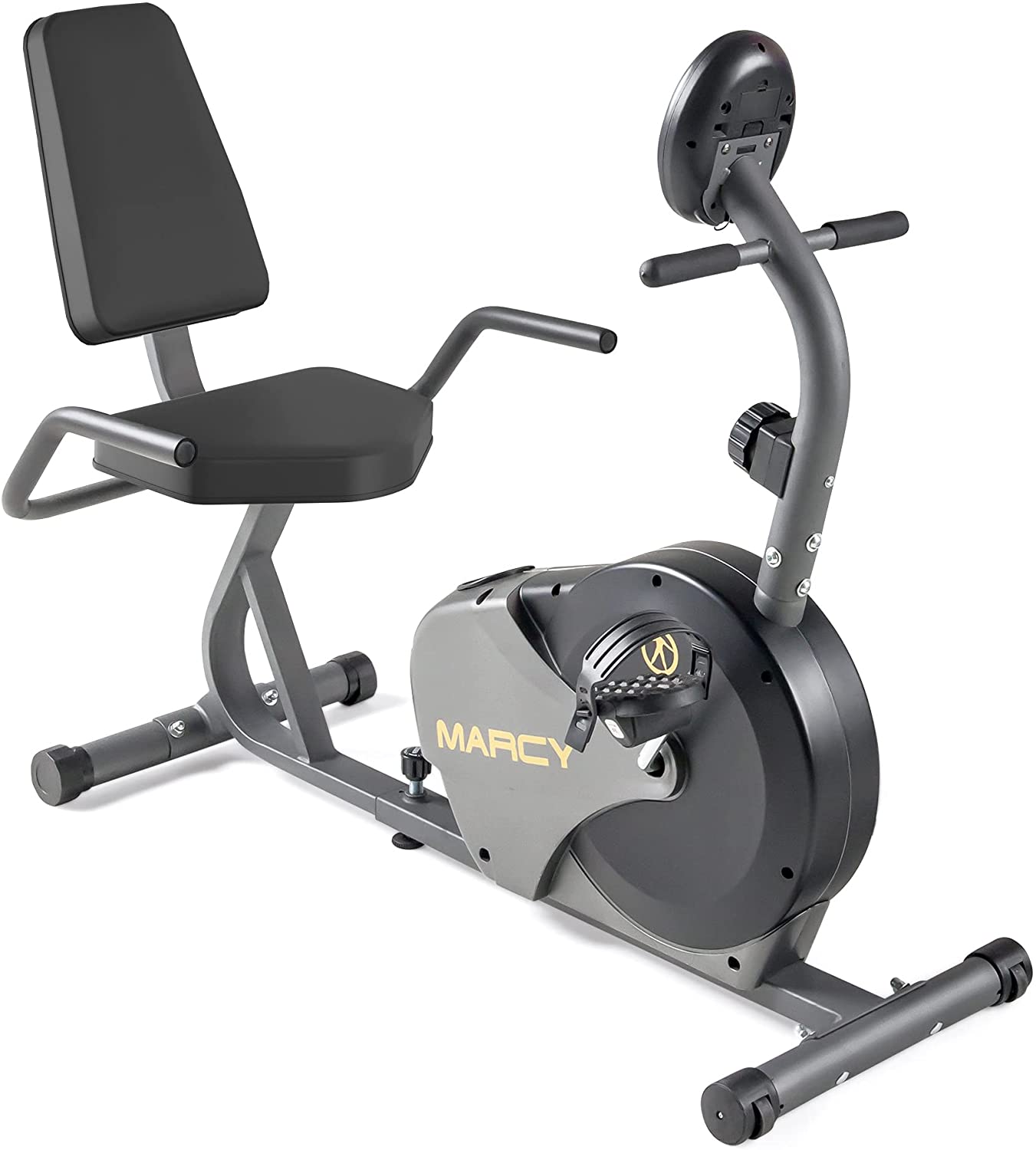
5. Marcy Magnetic Recumbent Bike
This bicycle may be the best prostate choice for those requiring a broad scope of movability in their activity machine. Marcy’s prostate skewed bicycles include amazingly movable seating for the people who need to sit nearer to the machine’s pedals.
You can change the opposition between eight unique levels that differ from little to direct obstruction. You can without much of a stretch change the obstruction levels by utilizing the bicycle’s eight-preset strain handle.
The seat is additionally movable, permitting you to bring the seat sufficiently close to the pedals for you to practice serenely. It can get extremely near the pedals, permitting even short appendages to contact them.
The prostrate bicycle highlights happily with cushioning on the seat, the handles, and the supine inclination. The bicycle’s seat estimates 15 X 10 inches, furnishing you with a huge and all around cushioned seat to lay your weight on while you work out. The handlebars along the edge of the seat and the presentation board are canvassed in froth cushioning to permit you to hold them solidly during your exercise. The prostrate inclination will empower you to easily recline and partake in your experience on the activity bicycle.
A LCD PC screen is appended to the front of this supine bicycle. It tracks your speed, distance, time, and measure of calories consumed during your activity and presents them on its advanced screen. The tracker shows just the fundamental information, which keeps you zeroed in on finishing your best exercise.
The body of the bicycle additionally includes a little cup holder for you to store your water or caffeinated drinks while you work out.
This supine hardware is furnished with haggles that weighs 59 pounds, making it simple to move for cleaning or gatherings. It is an optimal choice for more diminutive individuals or for the people who have a restricted scope of development. It is sufficiently low to the ground that you will not need to move onto the bicycle prior to utilizing it
Key Features
FULLY ADJUSTABLE: This recumbent bike features a fully adjustable seat that can fit a wide range of individual users. Keep your legs at a comfortable length for the best results.
SOFT HANDLEBARS: Comes with foam-covered handlebars of standard dimensions. A solid hold on the bike will let you make the most of each exercise session.
DIGITAL TRACKING PANEL: The Marcy Recumbent Bike is equipped with an LCD computer screen that tracks your speed, distance, time, and calories burned, all at the touch of a button.
8-PRESET TENSION KNOB: The magnetic wheel is supported by an 8-preset tension-adjustment knob that allows you to change your workout level in a snap. This offers a smooth pedal feeling for a flawless biking experience.
EASY TRANSPORTATION: Convenient transport wheels allow you to move the equipment around easily without lifting it. Great for moving it around the house hassle-free.
Specifications
Brand
Marcy
Item Dimensions
52 x 25 x 38 inches
Item Weight
41 Pounds
Resistance Mechanism
Magnetic
Material
Alloy Steel
Maximum Weight Recommendation
300 Pounds
Number of Resistance Levels
8
Pros
Comfortable seat
Built for beginners
Easy transportation
Cons
No electronics shelf
Low to medium resistance only
Difficult to reset the digital panel
Conclusion
These are all the things that you should keep in mind before buying a recumbent bike. Knowing as much as possible about the product will help you make better buying decisions. You shouldn’t forget the fact that these bikes don’t come cheap. The last thing you want is to make a bad purchase and end up wasting your money. The bike that you buy should be worth your money. It should be able to continue giving you value for a number of years.
Recumbent bikes can be a great investment. They make intensive cardio and lower body training practical. They also ensure that every workout session of yours is as efficient as possible.
Frequently Asked Questions
1. Why do recumbent bikes exist?
A recumbent bike allows you to exercise your thighs, calves, and glute muscles with less strain. It has a wider and lower seat than an upright bike. Additionally, recumbent bikes put less strain on your joints, which is ideal for those with arthritis, and are much easier to balance on and sit comfortably.
2. Are recumbent bikes good for long distance?
You can cover more ground faster- Due to the aerodynamic advantage and increased comfort, recumbent bikes allow you to travel further and tire out less quickly than you would on a standard bike. Over long distances, the benefits of increased efficiency and comfort add up.
3. Are recumbent bikes bad for your neck?
This kind of a bike is not just perfect for your back, or the joints associated with it such as ones in the neck, shoulders or along the entire length of your vertebrae, but it is gentle on all your joints.
4. Is a recumbent bike good for lower back pain?
Stationary bicycling is particularly gentle on the spine, and spinning classes can be a good workout option without causing too much stress on the back. Reclining bicycles, also called recumbent bikes, can also help those with lower back pain who feel better in a reclining position.
5. Is a recumbent bike good for spinal stenosis?
For patients with spinal stenosis, leaning forward on an upright exercise bike (rather than a recumbent bike) is an ideal form of aerobic exercise, as they tend to feel more comfortable flexed forward rather than sitting or standing up straight.
Discover how to fuel your body for optimal performance with these expert nutrition tips guaranteed to power up your plate.
Incorporating balanced nutrition into your daily routine is key to achieving peak performance in your workouts and overall health. Whether you’re a seasoned athlete or just starting your fitness journey, the right fuel can make a significant difference in your energy levels, recovery, and results. In this comprehensive guide, we’ll explore nutrition tips and strategies to help you power up your plate and reach your health and fitness goals.
Benefits of Nutrition for Health and Performance
Nutrition plays a crucial role in supporting overall health and performance. A well-rounded diet provides your body with the essential nutrients it needs to function optimally, helping you stay energized, build muscle, and recover effectively after workouts.
Macronutrients and Micronutrients
Macronutrients, including carbohydrates, proteins, and fats, are the building blocks of a healthy diet. Carbohydrates provide energy for workouts, proteins support muscle growth and repair, and fats play a role in hormone production and overall health. Micronutrients such as vitamins and minerals are equally important for various bodily functions, including immune support and metabolic processes.
Building a Balanced Meal Plan
Creating a balanced meal plan is essential for meeting your nutritional needs and optimizing your performance. Aim to include a variety of nutrient-dense foods from all food groups in each meal to ensure you’re getting a wide range of essential nutrients.
Sample Meal Plan
A sample meal plan might include:
Breakfast: Whole grain toast with avocado and eggs
Lunch: Grilled chicken salad with assorted vegetables and vinaigrette dressing
Dinner: Baked salmon with quinoa and roasted vegetables
Snacks: Greek yogurt with berries, almonds, or a piece of fruit
Hydration and Performance
Staying hydrated is essential for optimal performance during workouts. Dehydration can lead to fatigue, cramps, and decreased performance, so aim to drink an adequate amount of water throughout the day. Consider carrying a water bottle with you to stay hydrated during workouts and throughout the day.
While a well-rounded diet should provide most of the nutrients you need, certain supplements can enhance your performance and recovery. Common supplements include protein powders, creatine, and branched-chain amino acids (BCAAs). Consult with a healthcare provider or nutritionist before adding supplements to your routine.
Conclusion
By prioritizing nutrition and fueling your body with the right foods, you can optimize your performance, support your overall health, and reach your fitness goals. Remember that nutrition is a key component of a well-rounded approach to health and fitness, so pay attention to what you put on your plate and how it impacts your energy levels, recovery, and results.
Yes, your VR game can provide a significant workout. Engaging in active VR games often leads to a substantial calorie burn.
Virtual Reality (VR) gaming is revolutionizing the fitness landscape by transforming physical activity into a dynamic and immersive experience. With the appropriate game selection, players can move, dance, jog in place, and engage in a variety of activities that elevate heart rate and improve cardiovascular health.
By bridging the gap between entertainment and exercise, VR games encourage users to stay active without perceiving their activity as a traditional workout. This form of gaming becomes an appealing option for those who prefer interactive and enjoyable fitness sessions. With the right balance of gameplay intensity and duration, a VR game can indeed be an effective workout tool.
Benefits Of Vr In Workout Routines
Leveraging Virtual Reality (VR) technology in workout routines has transformed traditional fitness regimes into a dynamic and immersive experience. This innovative approach to staying active not only injects fun into workouts but also delivers tangible health benefits. From enhancing cardiovascular health to improving strength, flexibility and mental well-being, VR fitness incorporates it all. Let’s delve into the specific advantages VR brings to the table for your exercise routine.
Assessing Cardiovascular Impact
Assessing Cardiovascular Impact
Cardiovascular exercise is a cornerstone of fitness, and VR workouts raise the heart rate effectively, much like traditional aerobic activities. Interactive gaming environments keep you engaged, often making you forget the intensity of the workout as you aim to beat your high score or complete a challenge.
Studies have indicated that certain VR games can offer moderate to vigorous intensity workouts, testing endurance and pumping up the heart. This makes them a viable option for those looking to improve their cardiac efficiency and overall health.
Strength Training Through VR
Strength Training Through Vr
VR fitness programs can also contribute to strength building. With specialized VR equipment, users can experience resistance as they push, pull, and lift, translating to muscle engagement similar to weightlifting sessions. Engaging with these types of VR activities ensures that you target multiple muscle groups.
The versatility of VR programs means you can customize your strength training regimen by adjusting the difficulty and resistance to suit your level, thereby enabling steady progression and muscle gain.
Flexibility and Balance Improvement
Flexibility And Balance Improvement
In a VR workout, the world around you is in constant motion, requiring you to adapt and react. This not only serves as an entertaining distraction but also helps in enhancing flexibility and balance. Games that involve stretching, bending, and maintaining posture contribute to a more limber body and a stronger core, which is essential for good balance.
Yoga VR experiences improve flexibility and reduce injury risk.
Balance-centric games challenge your core and stability, aiding in better body control.
Impact on Mental Health
Impact On Mental Health
The mental health benefits associated with VR workouts are profound and multifaceted. As a stress-buster, immersive gaming merges the joys of play with the catharsis of physical exertion. The interactive nature of VR workouts can also alleviate symptoms of anxiety and depression, offering a wholesome escape that stimulates the body and the mind.
Moreover, the engagement factor of VR can lead to higher motivation and longer workout durations than traditional exercises. This leads to a greater sense of accomplishment and can have a significant boost in mood and self-esteem.
The Workout Potential Of Popular Vr Games
Virtual reality gaming has been transforming not just how we play but also how we exercise. With the rise of VR technology, many have discovered that gaming can double as an effective workout, offering an immersive experience that makes you break a sweat while having fun. Let’s delve into the workout potential of popular VR games and see how they stack up against traditional fitness routines.
High-intensity Vr Games For Calorie Burn
The calorie-burning capabilities of high-intensity VR games are quite noteworthy. These games require fast movements, quick reflexes, and endurance, providing a cardio workout that rivals traditional exercise. Many involve dancing, boxing, or simulating sports that keep you on your toes and your heart rate up.
Beat Saber: A rhythm game that involves slashing blocks to the beat of the music.
Thrill of the Fight: A boxing simulator that gets you throwing punches and dodging hits.
Sprint Vector: A high-speed racing game that uses arm-swinging motions to propel you forward.
Examples Of Vr Games Focused On Full Body Workouts
VR games that focus on full-body workouts can involve a variety of movements to engage different muscle groups. These games often mimic the experience of a personal training session or a high-energy fitness class.
Game Title
Type of Workout
Key Features
FitXR
Boxing and Dancing
Multiple intensity levels, workout classes, and leaderboards.
Supernatural
Full-body Training
Immersive environments, tailored workouts, and real-time coaching.
Holofit
Cardio Fitness
Compatibility with rowing machines and bikes, virtual landscapes.
Comparing Vr Games To Traditional Exercise
When comparing VR games to traditional forms of exercise, the convenience and enjoyment factor stands out. VR fitness can be accessed from the comfort of home and often makes exercise feel like play. Though virtual workouts can provide intensity comparable to gym sessions, they also add elements of competition, fantasy, and gamification that traditional workouts may lack.
Engagement: VR games are designed to be engaging, making it easier for individuals to stay motivated.
Variety: With a vast array of games available, VR workouts can continually offer new experiences.
Accessibility: VR fitness is accessible to users of all levels, from beginners to fitness enthusiasts.
Designing Engaging Vr Fitness Sessions
Virtual Reality (VR) isn’t just a thrilling adventure for gamers; it’s evolving into a powerful tool for fitness enthusiasts. When designed thoughtfully, your VR game can indeed transform into an energizing and effective workout. The secret lies in crafting sessions that are just as focused on fitness as they are on fun. This journey merges entertainment with exercise, creating a compelling world where calories are burned in the midst of quests and digital battles. Ready to level up your fitness regime? Let’s navigate the landscape of an engaging VR workout experience.
Creating A Balanced Vr Workout Plan
Success in VR fitness hinges on balance. A well-rounded workout plan alternates between high-intensity action and relaxed gameplay, preventing both boredom and overexertion. Identifying games that complement each other can keep the heart rate up while offering the necessary moments to recover. Here’s a quick guide:
Rhythmic games: These inject a beat-driven energy that’s perfect for cardio.
Puzzle platforms: These encourage strategic movement and problem-solving.
Adventure and exploration: Use these to immerse yourself in vast worlds, promoting steady activity.
Incorporating Fitness Goals In Vr Gaming
A VR game doubles as a potent workout when it’s aligned with specific fitness goals. To build your personalized VR workout regime, you’ll need to identify these targets. Whether it’s cardio endurance, muscle strengthening, or flexibility, select VR games that challenge these aspects. Here’s an example structure:
Goal
VR Game Type
Expected Benefit
Cardio Endurance
Rhythm/Dance Games
Increased heart rate, stamina
Muscle Strengthening
Combat/Fighting Games
Better muscle tone, strength
Flexibility
Yoga/Pilates Apps
Enhanced flexibility, posture
Motivation Boost Through Immersive Experiences
The immersive nature of VR is a game-changer for fitness motivation. Engaging in dynamic, virtual worlds offers a level of excitement that traditional workouts might lack. With VR, you’re not just lifting weights or running on a treadmill; you’re battling aliens, soaring through the skies, or exploring ancient ruins. This immersive environment captivates the mind, often leading users to exercise longer and more vigorously than they would in a non-gaming workout session.
Credit: www.marianatek.com
Measuring Your Vr Workout Success
Measuring Your VR Workout Success has become an intriguing topic as virtual reality games continue to blur the lines between entertainment and exercise. The immersive nature of VR can make us sweat and get our hearts racing, but how do we know if we’re truly reaping fitness benefits? To turn your VR gaming sessions into measurable workouts, it’s crucial to have the right tools and understand the pertinent metrics. Let’s dive into how you can keep track of your virtual victories and ensure your gameplay contributes to your health goals.
Tools For Tracking Progress In Vr Games
Keeping an eye on your VR-induced fitness progress demands tools that capture your efforts accurately. Consider the following:
Wearable Fitness Trackers: Devices such as heart rate monitors can synchronize with many VR systems, providing real-time feedback on your physical exertion.
In-Game Statistics: Many VR games offer built-in trackers that log your movements, tally calories burned, and record workout durations.
Third-Party Apps: Specialized VR fitness apps can take data from your gaming sessions and turn them into comprehensive fitness reports.
Understanding Metrics For Fitness In Vr Gaming
Knowing which metrics give a genuine picture of your workout intensity is paramount. Look for the following when assessing your VR fitness routines:
Heart Rate: An essential indicator of workout intensity. A higher heart rate during gaming means more calories are being burned.
Calories Burned: While estimates vary, a credible VR game will calculate calorie burn based on your activity and personal data.
Duration and Frequency: Longer, regular sessions equate to better fitness outcomes. Tracking how often and how long you play can show your commitment to fitness.
Performance Trends: Improvements in game scores or levels can indicate enhanced coordination, reaction times, and overall fitness levels.
Remember, the real measure of success in VR workouts lies in consistent tracking and understanding the fitness metrics that align with your personal health objectives. By using the smart tools and insights VR technology offers, you can turn gaming into a legitimate, enjoyable fitness regimen.
Ensuring A Safe Vr Fitness Environment
Gearing up for a virtual reality workout can turn any space into a dynamic gym, where you’re not just breaking a sweat but also having a blast. But before you dive headfirst into this exciting new way to get fit, it’s crucial to create a safe environment to ensure your virtual exercises promote health without risking injury. In this section, we’ll walk you through some top tips to keep your VR gaming experience both fun and secure.
Preventing Injuries While Gaming
Before venturing into virtual worlds, take proactive steps to minimize the risk of accidents. Here’s how you can safeguard your play area and yourself:
Clear space: Remove any obstacles that might cause you to trip or stumble while immersed in VR.
Use mats: Place non-slip mats to define your play area and provide a safe footing.
Wear appropriate gear: Consider supportive footwear or knee braces if necessary.
Motion sensitivity: Start slow to get used to the movements and gradually increase the intensity.
Importance Of Taking Breaks And Staying Hydrated
Regular rest periods and hydration are pivotal in preventing overexertion and ensuring you can game another day. Below are the key practices to follow:
Schedule breaks: Set timers to remind you to take short breaks throughout your VR workout.
Monitor exertion: Keep an eye on your physical response to the activity to avoid pushing yourself too hard.
Stay hydrated: Keep a bottle of water within reach and take sips often, even if you don’t feel thirsty right away.
Cool down: Give your body a chance to ease back to normal with light stretching or relaxation techniques.
Adjusting Vr Settings For Optimal Comfort And Safety
VR systems offer various settings to enhance comfort and safety. Personalize your VR device for an optimal experience:
Setting
Action
Benefit
Guardian System
Activate and correctly calibrate the boundary system.
Prevents stepping outside of the safe play area.
IPD Adjustment
Set the Interpupillary Distance to match your eyes.
Reduces eye strain and enhances visual clarity.
Headset Fit
Adjust straps for a secure, yet comfortable fit.
Maintains the headset in place, reducing hazards.
Audio Levels
Set a safe and comfortable volume.
Prevents hearing damage and maintains awareness of surroundings.
By fine-tuning these features, you enhance safety without sacrificing enjoyment.
Conclusion
Embarking on a VR fitness journey transforms gaming into a dynamic, full-body experience. Embrace these virtual adventures for both entertainment and exercise. Your gaming sessions can indeed double as an effective workout. Remember, the intensity of your movements dictates the calorie burn.
So, grab that headset and game your way to fitness!




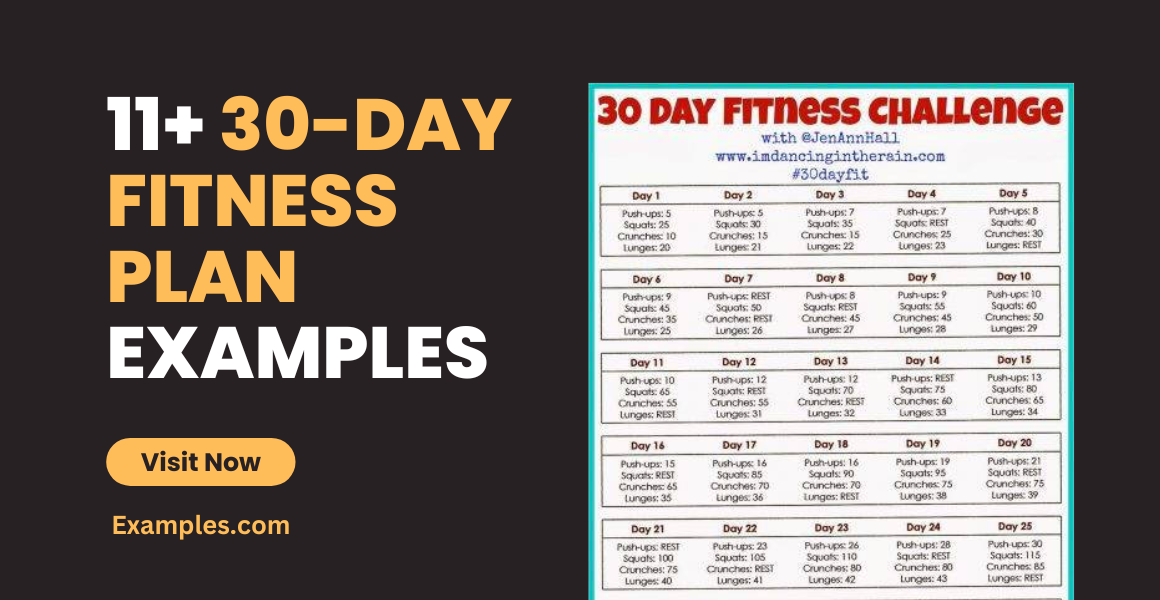





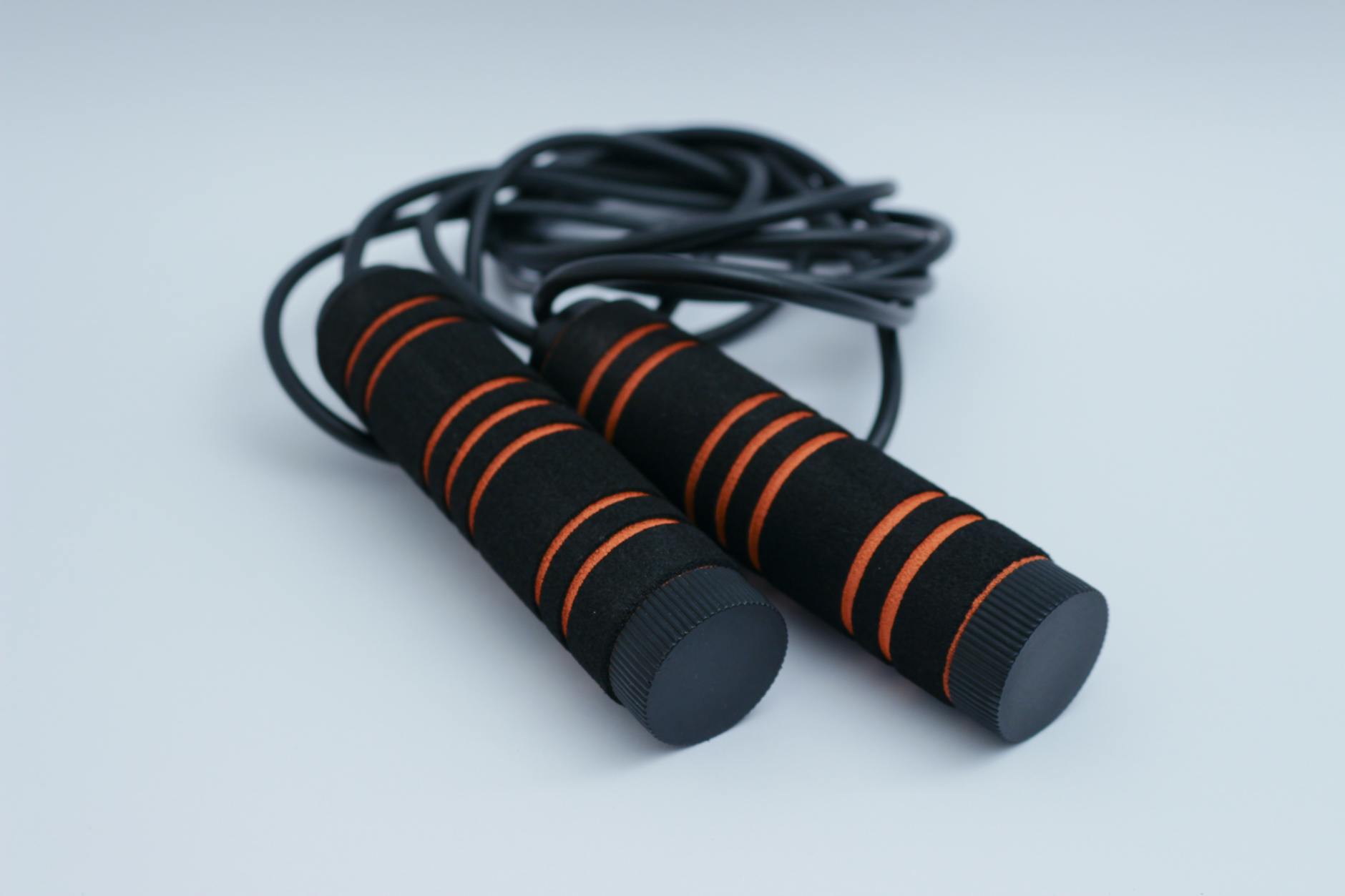




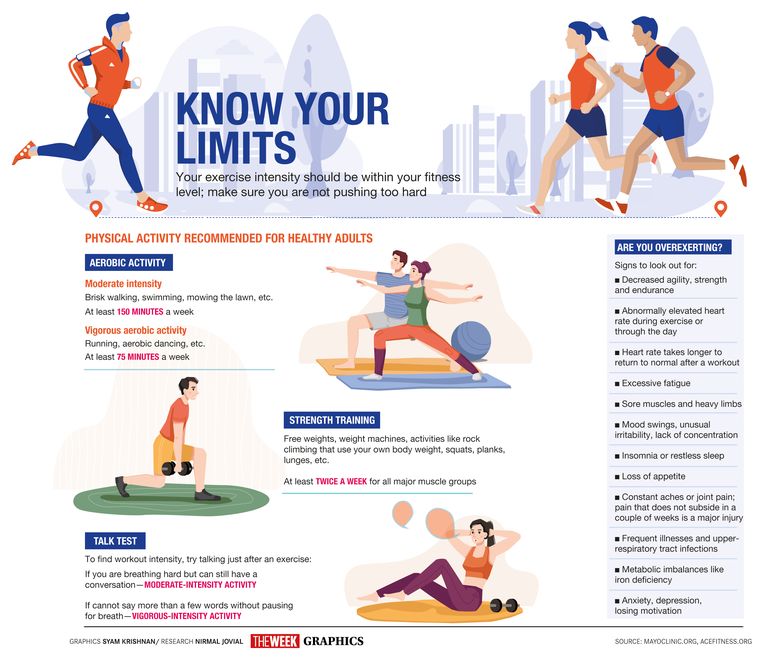


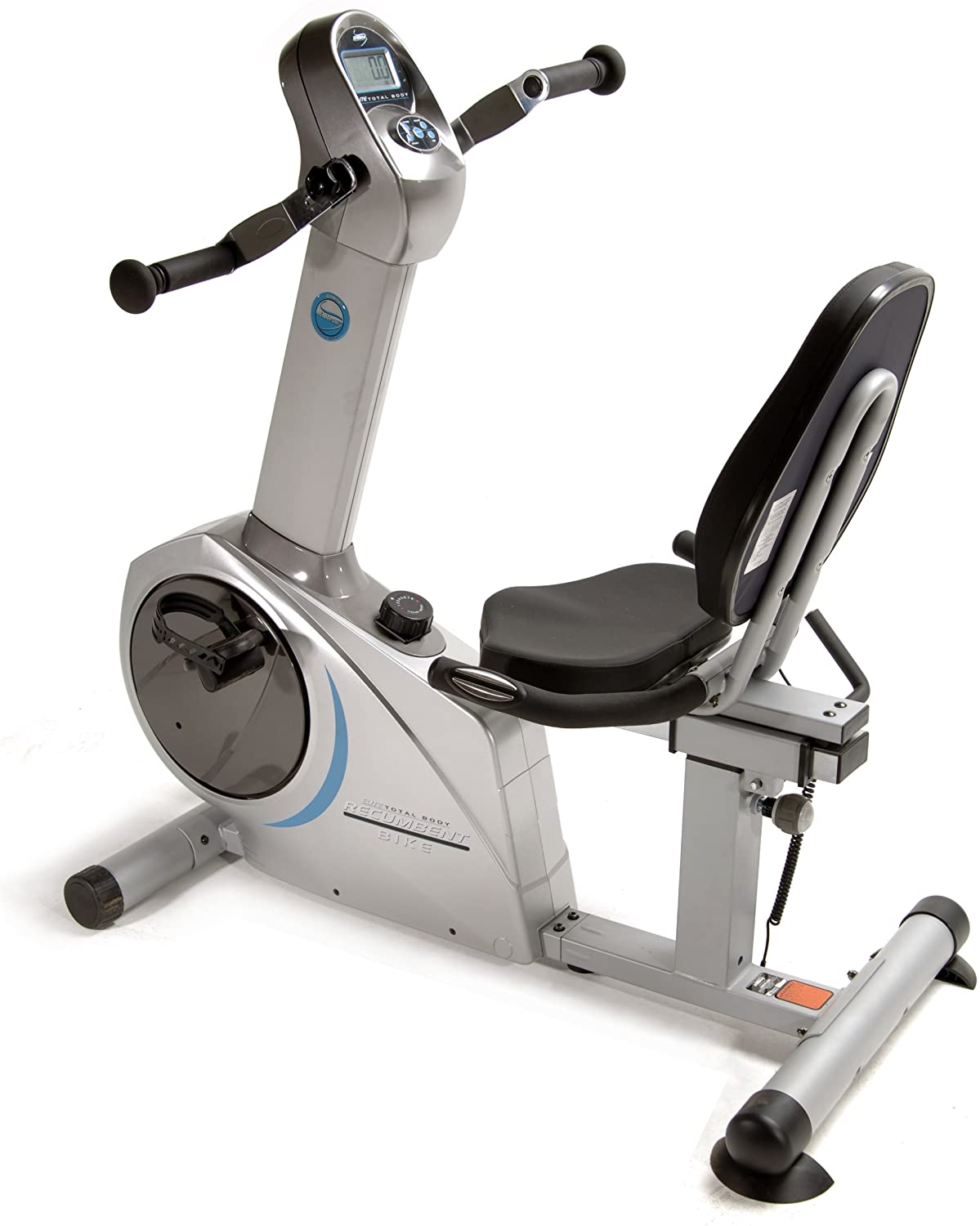
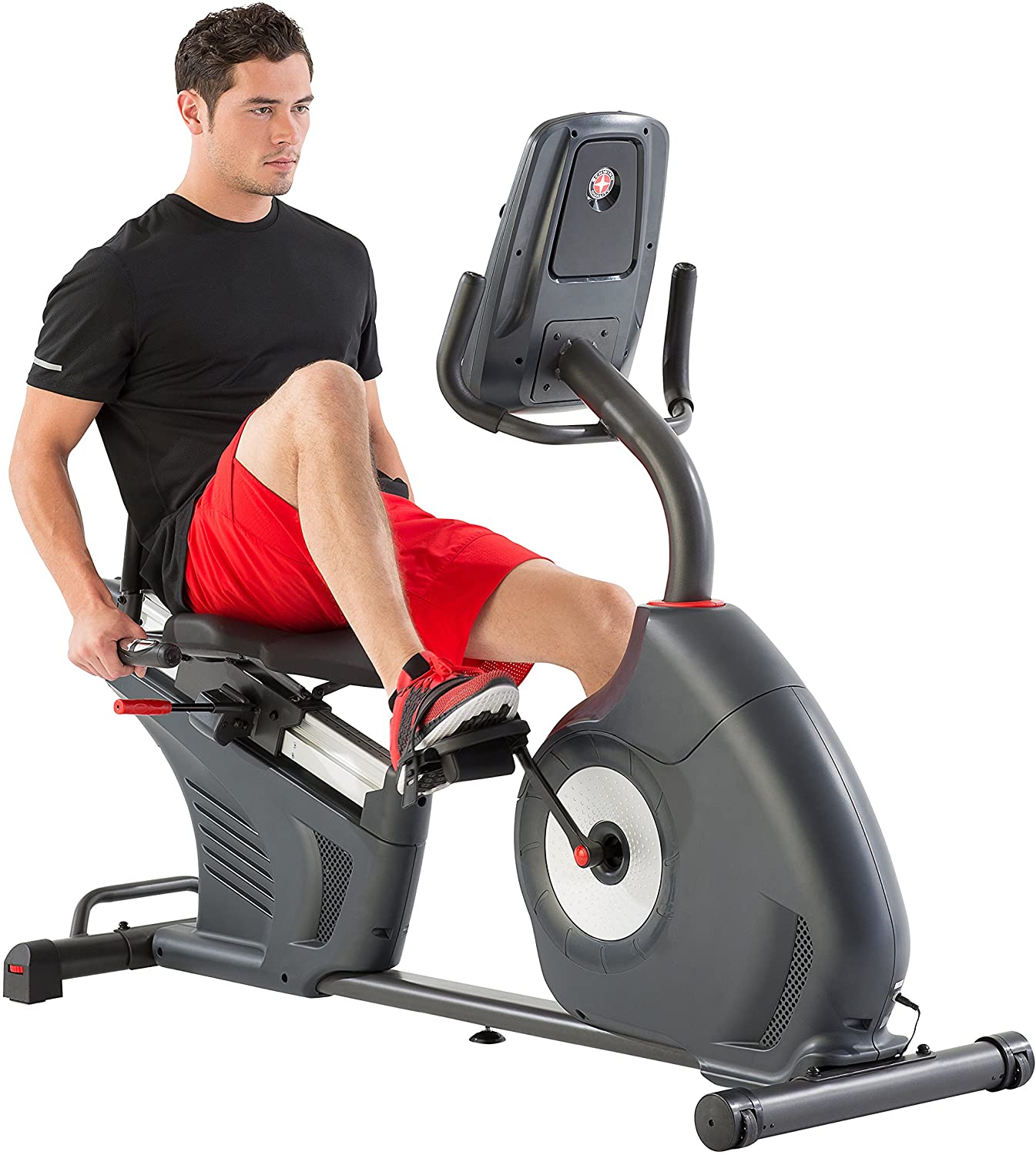
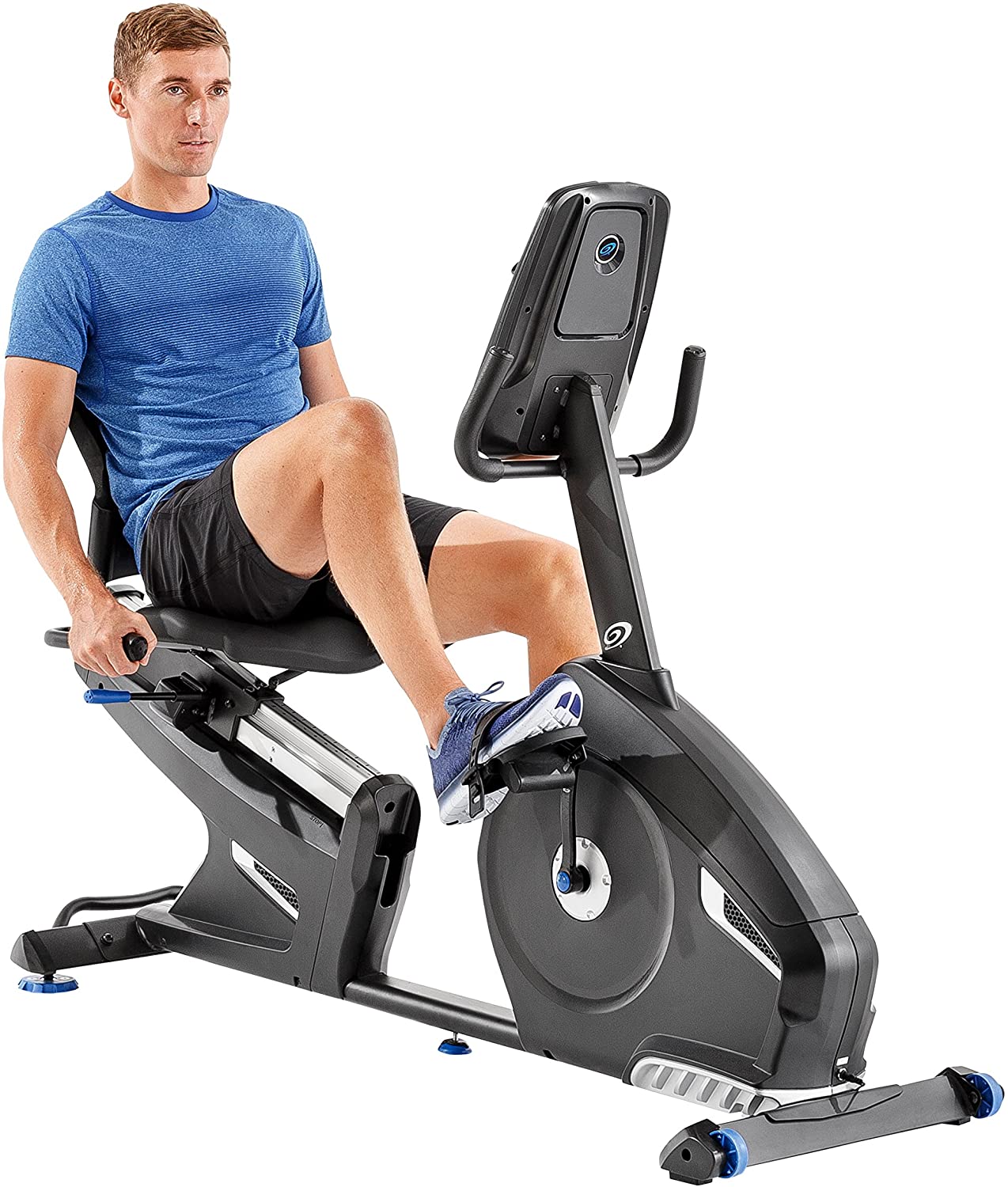
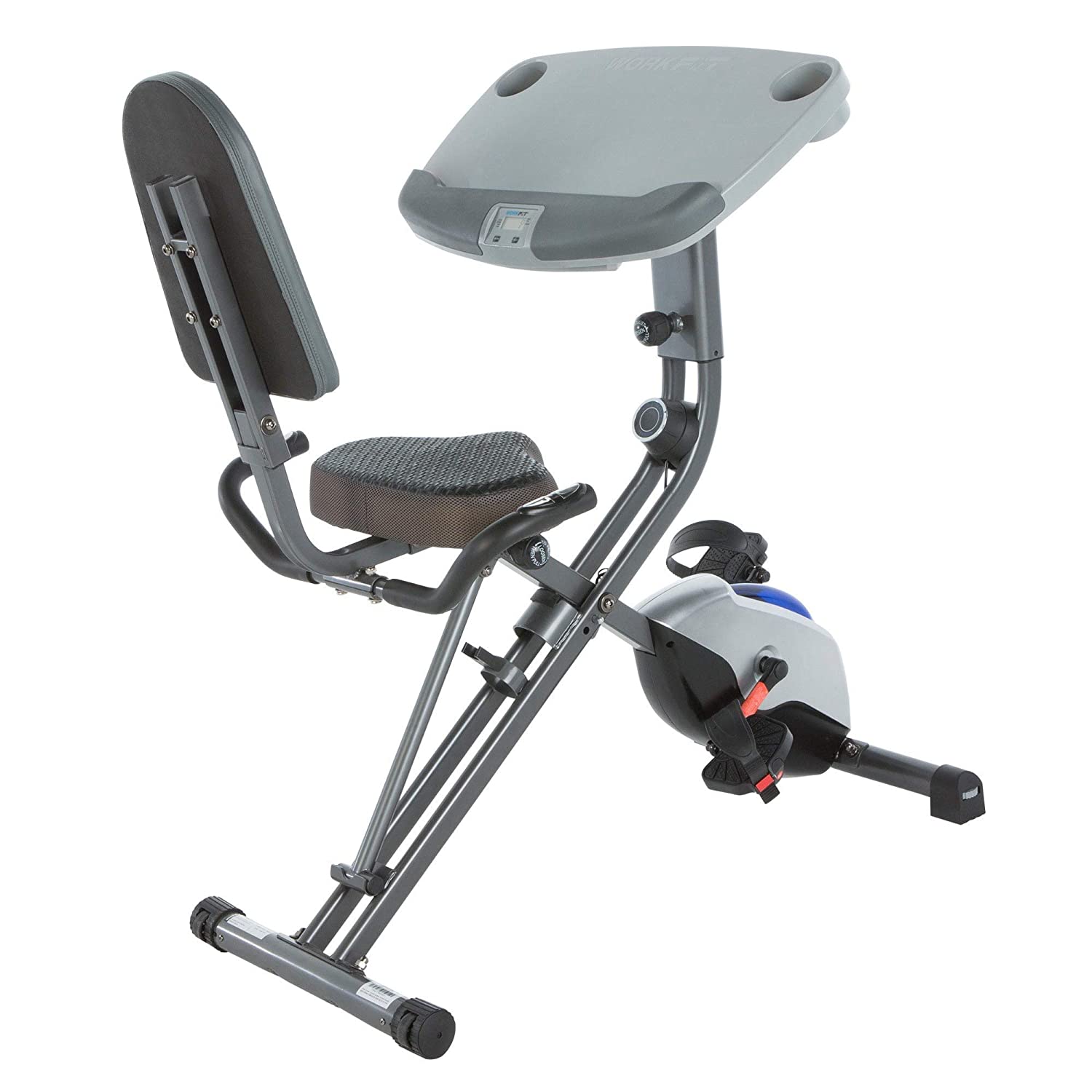 This Exerpeutic is the best supine choice for the individuals who telecommute. The supine exercise bicycle permits you to at the same time work and exercise, permitting you to remain on track and keep a sound way of life at home.