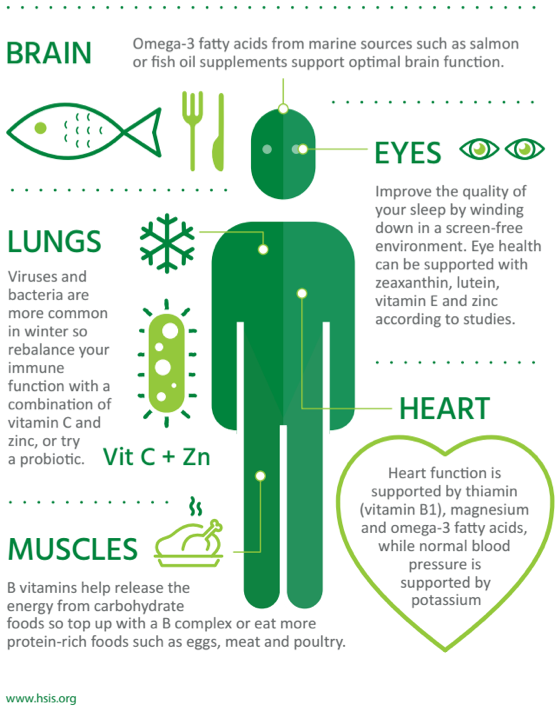
At the core of living a healthy lifestyle lies a balanced regimen of exercise and nutrition. While most individuals are aware of the importance of working out and eating well, many struggle to create a sustainable routine that incorporates both. In this comprehensive guide, we will delve into the key components of achieving optimal health – from workout tips to nutrition advice, and crafting the perfect gym plan.
Workout Tips
Regular exercise is essential for maintaining good health and well-being. It not only helps in managing weight but also improves mood and boosts energy levels. When it comes to workouts, variety is key. Incorporating different types of exercises such as cardio, strength training, and flexibility workouts can help target different muscle groups and prevent boredom.
To create a workout routine that fits your lifestyle, consider your fitness goals, schedule, and preferences. Whether it’s going for a run in the morning, taking a yoga class in the evening, or hitting the weights at the gym, find activities that you enjoy and can commit to regularly.
Nutrition Tips
Just as important as exercise is nutrition when it comes to achieving optimal health. Consuming a well-balanced diet rich in essential nutrients is key to fueling your body and reaching your fitness goals.
Protein, carbohydrates, fats, vitamins, and minerals play vital roles in supporting overall health and performance. To ensure you’re getting all the nutrients your body needs, focus on incorporating a variety of whole foods into your meals. Meal planning and practicing mindful eating habits can also help you make healthier food choices and avoid mindless snacking.
Gym Plan
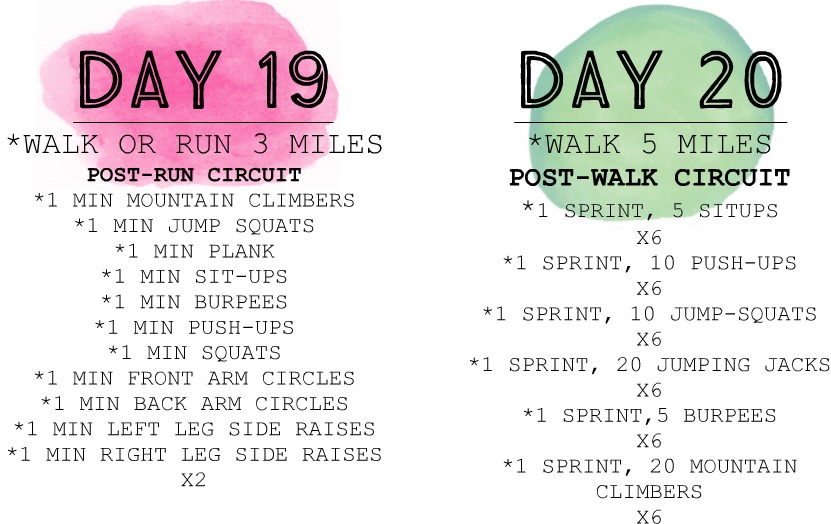
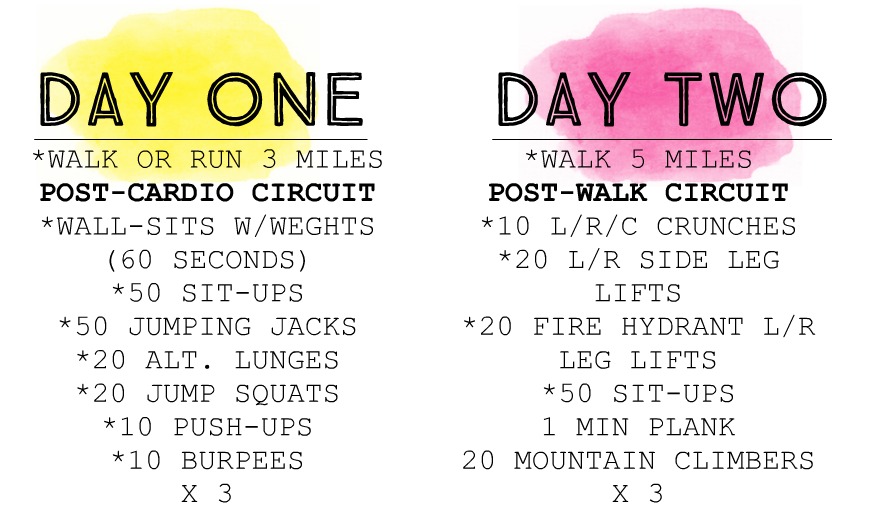
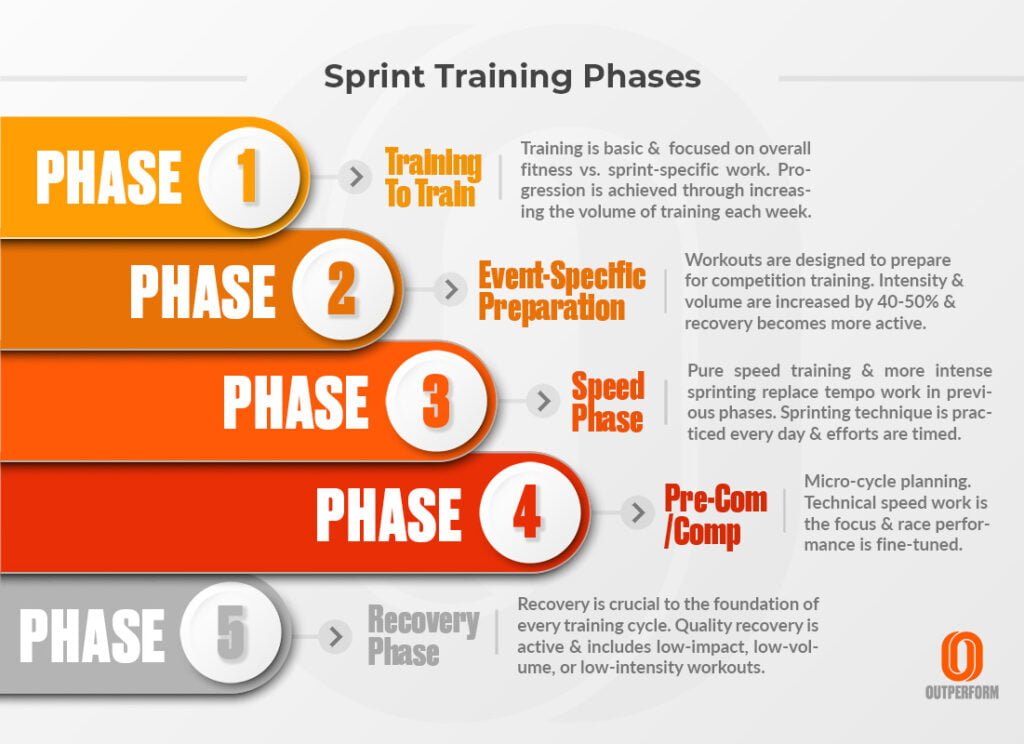
If you’re looking to take your fitness journey to the next level, joining a gym can offer access to a wide range of equipment and classes that can help you achieve your goals. Creating a gym plan tailored to your individual needs and preferences can help you stay organized and focused during your workouts.
Image courtesy of outperformsports.com via Google Images
Consider incorporating a mix of cardio, strength training, and flexibility exercises into your gym plan to target different aspects of fitness. As you progress, don’t be afraid to adjust your gym plan to challenge yourself and avoid plateauing.
Setting Realistic Goals
Setting achievable fitness goals is essential for staying motivated and tracking your progress. Whether you’re aiming to lose weight, build muscle, or improve endurance, breaking down your goals into smaller, actionable steps can make them more attainable.
Celebrating small victories along the way can help you stay motivated and focused on your long-term fitness journey. Remember to be patient with yourself and acknowledge the progress you’ve made, no matter how minor it may seem.
Rest and Recovery
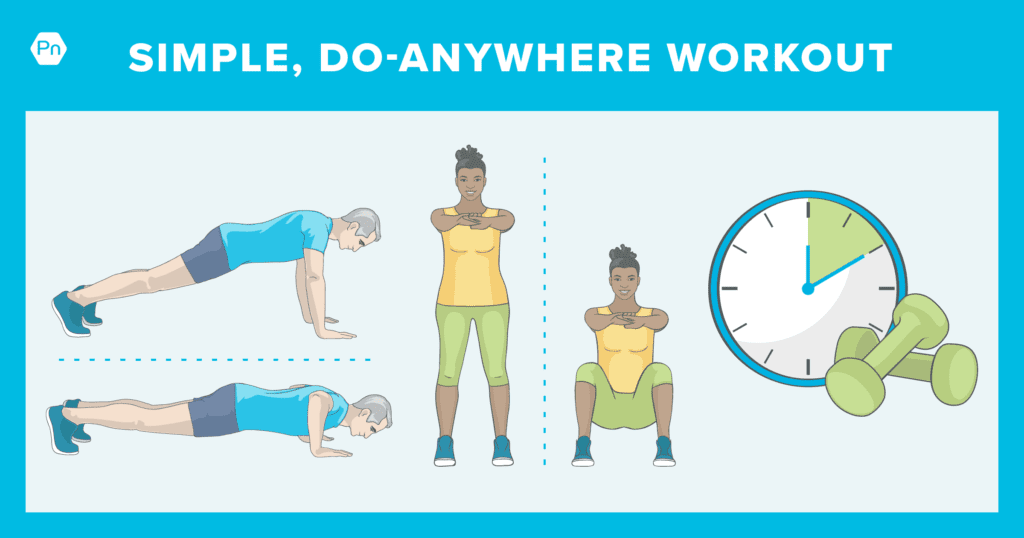
In the midst of a busy workout routine, it’s crucial to prioritize rest and recovery. Rest days are necessary for allowing your muscles to repair and grow stronger, reducing the risk of injury and preventing burnout.
Image courtesy of www.precisionnutrition.com via Google Images
In addition to rest days, incorporating strategies for promoting muscle recovery such as stretching, foam rolling, and adequate hydration can help optimize your performance and overall well-being. Remember that taking care of your body is just as important as pushing yourself during workouts.
Staying Consistent
Maintaining consistency in your workout and nutrition routine is key to achieving long-term success. While obstacles and challenges may arise, finding ways to stay motivated and dedicated to your health goals can help you overcome setbacks.
Building healthy habits such as setting a regular workout schedule, meal prepping, and staying accountable to yourself or a workout buddy can help you stay on track. Remember that progress takes time, and staying consistent with your efforts will eventually lead to positive results.
Seeking Professional Guidance
If you’re feeling lost or overwhelmed in your fitness journey, seeking professional guidance can provide valuable support and direction. Working with a personal trainer or nutritionist can help you tailor your workout and nutrition plans to meet your specific needs and goals.
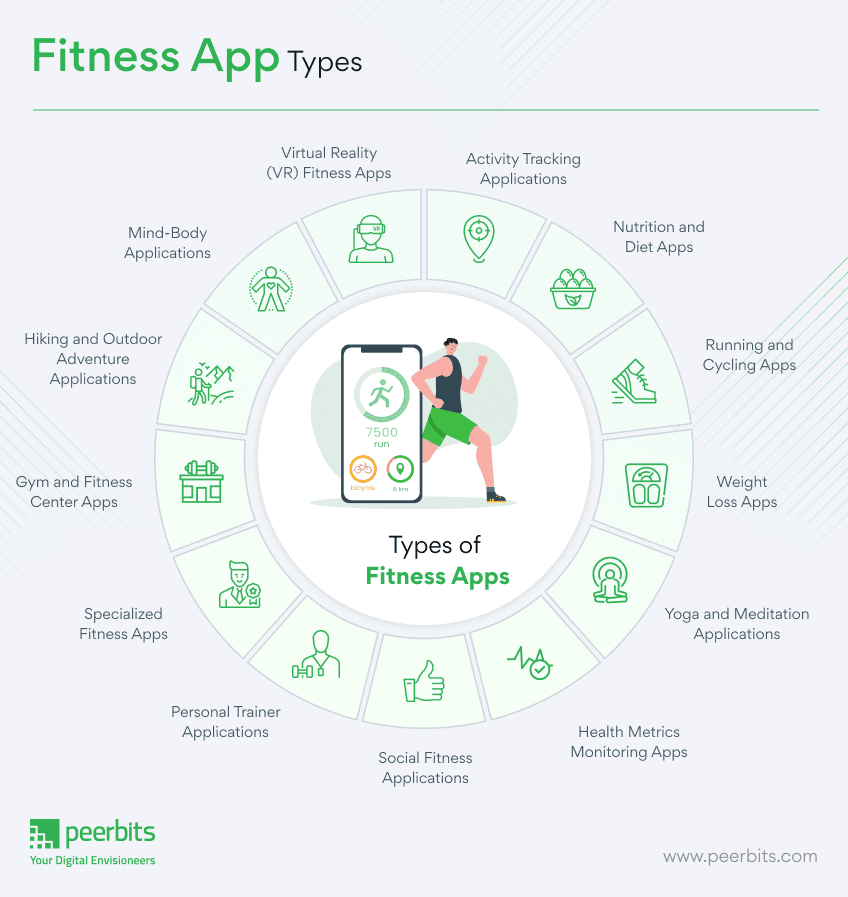
Image courtesy of www.peerbits.com via Google Images
Whether you choose to work one-on-one with a professional or utilize online resources such as fitness programs and apps, finding the right support system can make a significant difference in your overall health and well-being. Don’t be afraid to reach out for help when needed.
Mindset and Mental Health
In addition to physical health, mental health plays a crucial role in overall well-being. Maintaining a positive mindset and taking care of your mental health can greatly impact your fitness journey.
Strategies such as practicing mindfulness, meditation, and positive self-talk can help you overcome mental barriers and stay motivated during challenging times. Remember to be kind to yourself and prioritize self-care as you work towards your health and fitness goals.
Conclusion
By incorporating these workout tips, nutrition advice, and gym plans into your daily routine, you can level up your fitness journey and achieve optimal health. Remember that progress takes time, and staying consistent and dedicated to your goals is key.
Whether you’re just starting out on your health journey or looking to take your fitness routine to the next level, implementing these strategies can help you build a strong foundation for a healthier, happier life. Embrace the process, celebrate your victories, and continue to prioritize your well-being every step of the way.
Discover the secret to achieving maximum results with this ultimate workout routine that will make you sweat like never before.
Are you looking to achieve your fitness goals but not sure where to start? Look no further! In this comprehensive guide, we will walk you through the steps to create a workout routine that is tailored to your needs and goals. By incorporating effective workout tips, nutrition advice, and a structured gym plan, you will be on your way to achieving the results you desire.
Setting SMART Fitness Goals
Setting SMART goals is the first step towards a successful fitness journey. Specific, Measurable, Achievable, Relevant, and Time-bound goals will help keep you focused and motivated. For example, a SMART goal could be to lose 10 pounds in 3 months by exercising 4 times a week and following a balanced diet. By setting clear and realistic goals, you are more likely to stay on track and see progress.
Effective Workout Tips
When it comes to workouts, it’s essential to choose exercises that align with your goals. Whether you want to build muscle, improve endurance, or lose weight, selecting the right types of exercises is crucial. Additionally, paying attention to proper form and technique is important to prevent injury and maximize results. Remember, quality over quantity when it comes to your workouts!
Tips for Designing a Balanced Nutrition Plan
Nutrition plays a significant role in fueling your workouts and supporting your overall fitness goals. Understanding the importance of macronutrients such as carbohydrates, proteins, and fats is key to creating a balanced nutrition plan. Meal planning, portion control, and choosing nutrient-dense foods will help you stay on track and nourish your body for optimal performance.
Image courtesy of www.pinterest.com via Google Images
Tailoring Your Gym Plan
Having a structured gym plan that is tailored to your goals and fitness level is essential for success. A well-rounded workout routine should include a mix of cardiovascular, strength training, and flexibility exercises. By following a gym plan that is customized to your needs, you will maximize your time at the gym and see faster results.
Incorporating Rest and Recovery
Rest days are just as important as workout days when it comes to achieving your fitness goals. Giving your muscles time to recover and repair is crucial for preventing burnout and injury. Incorporating active recovery activities such as yoga or gentle stretching can help improve flexibility and reduce muscle soreness.
Tracking your progress towards your fitness goals is key to staying motivated and on course. Keep a workout log, monitor your nutrition intake, and regularly assess your progress. If you hit a plateau, don’t be discouraged. Adjust your gym plan and nutrition plan as needed to keep challenging yourself and continue making progress.
Overcoming Plateaus and Staying Motivated
Plateaus are a common part of the fitness journey, but they can be overcome with the right mindset and strategies. Incorporating variety into your workouts and nutrition plan can help break through plateaus and keep things interesting. Stay motivated by setting new goals, celebrating small victories, and finding a workout buddy for accountability.
Image courtesy of www.pinterest.com via Google Images
Seeking Professional Help
If you’re feeling overwhelmed or unsure about creating a workout routine, consider seeking professional help. Hiring a personal trainer or nutritionist can provide you with personalized guidance and support to reach your goals. Research reputable fitness professionals in your area and invest in your health and well-being.
Conclusion
By following the tips and strategies outlined in this guide, you can create a workout routine that will help you achieve your fitness goals. Remember to set SMART goals, choose effective workouts, fuel your body with a balanced nutrition plan, and tailor your gym plan to meet your individual needs. Stay motivated, track your progress, and don’t be afraid to seek professional help if needed. With dedication and consistency, you can sweat it out and reach your maximum potential!
Discover how to banish workout boredom for good and keep your fitness goals on track with these 10 motivating tips.
When it comes to achieving fitness goals, it’s not only about the workouts you do but also the nutrition you consume. By combining a well-rounded workout plan with proper nutrition, you can maximize your results and overall performance. In this article, we will provide you with tips on how to create the ultimate workout plan with nutrition tips for maximum results.
Assess Your Goals and Fitness Level
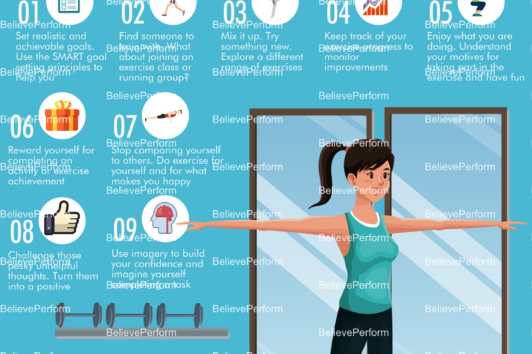
Before jumping into a workout plan, it’s crucial to assess your fitness goals and current level. Setting realistic and achievable goals is key to staying motivated and on track. Additionally, understanding your fitness limitations will help you tailor your workout plan to suit your needs.
Choose the Right Workout Routine
When selecting a workout routine, it’s important to consider your goals. Whether you’re aiming for weight loss, muscle gain, or overall fitness improvement, choosing a routine that aligns with your objectives is essential. A well-rounded routine should include a mix of cardio, strength training, and flexibility exercises to ensure you’re targeting all areas of fitness.
Designing Your Gym Plan
Creating a gym plan involves setting a weekly schedule with designated workout days. By setting specific goals for each workout session, you can stay focused and motivated. Whether you prefer a structured plan or a more flexible approach, having a clear outline of your gym routine will help you stay on track.
Image courtesy of members.believeperform.com via Google Images
Incorporate Proper Nutrition
Nutrition plays a crucial role in fueling your workouts and aiding in recovery. Understanding the role of macronutrients such as protein, carbs, and fats can help you plan balanced meals that support your energy levels and muscle repair. By incorporating proper nutrition into your fitness plan, you can enhance your overall performance and results.
Meal Prepping and Planning
Meal prepping is a great way to save time and ensure you’re making healthy eating choices. By preparing your meals in advance, you can avoid the temptation of unhealthy options and stay on track with your nutrition goals. Creating a grocery list with nutritious food options will make meal planning easier and more efficient.
Image courtesy of infographicaday.com via Google Images
Hydration and Supplements
Staying hydrated during workouts is crucial for maintaining energy levels and performance. Be sure to drink plenty of water before, during, and after your workouts to prevent dehydration. Additionally, incorporating supplements into your routine can help enhance your performance and aid in recovery, but it’s important to consult with a healthcare professional before adding any new supplements to your regimen.
Tracking Progress and Making Adjustments
Tracking your progress is essential for staying motivated and reaching your fitness goals. Utilizing fitness apps or journals to track your workouts, meals, and progress can help you stay accountable and make adjustments as needed. By monitoring your results and making necessary changes to your workout and nutrition plan, you can continue to progress towards your goals.
Image courtesy of www.sleekgeek.co.za via Google Images
Rest and Recovery
Rest days are just as important as workout days when it comes to achieving fitness goals. Giving your body time to rest and recover is essential for muscle repair and growth. Ensure you’re getting enough sleep each night to support your recovery process and optimize your fitness results.
Conclusion
By following these 10 ways to create the ultimate workout plan with nutrition tips, you can stay motivated and on track towards reaching your fitness goals. Remember to stay consistent and dedicated, and don’t be afraid to make adjustments along the way. With the right combination of workouts, nutrition, and dedication, you can achieve the results you’ve been working towards.
Discover the powerful impact of nutrition on your overall health and well-being. Learn how to fuel your body effectively.
As we strive to lead healthy, active lifestyles, it’s essential to recognize the crucial role that nutrition plays in supporting our overall well-being. Nutrition not only fuels our bodies for workouts and daily activities but also provides the necessary nutrients for optimal function. In this blog post, we’ll explore the importance of nutrition and share valuable tips for making smart dietary choices to support our health goals.
Why Nutrition Matters
Proper nutrition is the foundation of good health. The food we consume serves as the building blocks for our bodies, providing the essential nutrients needed for energy, growth, and repair. A well-balanced diet can help maintain a healthy weight, boost the immune system, and reduce the risk of chronic diseases such as heart disease and diabetes.
Key Nutrients to Include
When planning your meals, it’s important to incorporate a variety of nutrient-dense foods to ensure you’re meeting your body’s needs. Some key nutrients to prioritize include:
Protein: essential for muscle repair and growth
Carbohydrates: the body’s primary source of energy
Fats: provide energy and support cell function
Vitamins and minerals: important for overall health and well-being
Building a Balanced Plate
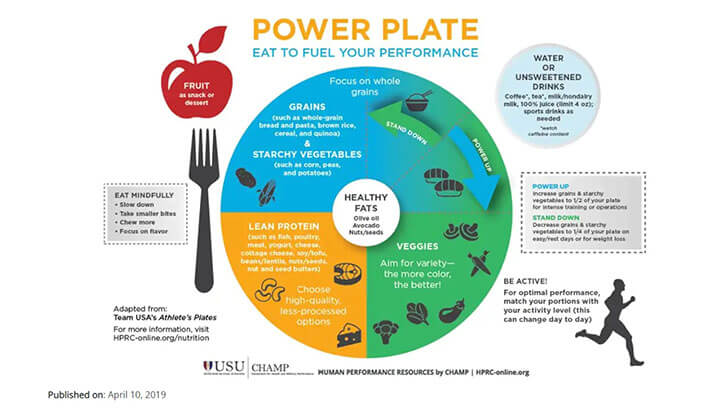
Creating a balanced plate can help ensure you’re getting a variety of nutrients in each meal. Aim to include a mix of lean protein, whole grains, healthy fats, and plenty of fruits and vegetables. This approach can help you feel satisfied, maintain steady energy levels, and support optimal nutrition intake.
Meal planning can be a game-changer when it comes to sticking to a healthy eating routine. By preparing meals in advance, you can avoid last-minute, less nutritious options and ensure you have healthy choices readily available. Consider batch cooking, meal prepping on weekends, or using a meal delivery service to simplify the process.
Hydration and Its Impact
Staying hydrated is crucial for overall health and well-being. Water plays a vital role in digestion, nutrient absorption, and temperature regulation. Aim to drink an adequate amount of water throughout the day, and consider incorporating hydrating foods such as fruits, vegetables, and herbal teas into your diet.
Image courtesy of www.pinterest.co.uk via Google Images
Seeking Professional Guidance
If you’re unsure about how to create a balanced, nutritious diet that meets your individual needs and goals, consider seeking guidance from a registered dietitian or nutritionist. These professionals can provide personalized recommendations, address specific dietary concerns, and help you develop a sustainable approach to eating for long-term health.
Conclusion
Nutrition is a powerful tool for supporting our health and well-being. By prioritizing a balanced diet rich in essential nutrients, we can fuel our bodies for workouts, boost our immune systems, and reduce the risk of chronic diseases. Remember to focus on building a balanced plate, staying hydrated, and seeking professional guidance when needed to optimize your nutrition intake and support your overall health goals.
Discover the secrets to crushing your fitness goals in just 30 days – prepare to be amazed at the results!
Welcome to our guide on how to achieve your fitness goals with proper nutrition and workout plans. Maintaining a balance between exercise and nutrition is essential for a healthy lifestyle. By following these steps, you can set yourself up for success and achieve your fitness goals in a sustainable way.
When it comes to improving your health and fitness, consistency is key. Combining effective workout plans with a nutritious diet can help you achieve your goals faster and maintain them in the long run. By creating a personalized plan that fits your lifestyle, you can set yourself up for success.
Assess Your Current Fitness Level
Before diving into a new workout or nutrition plan, take the time to assess your current fitness level. This will help you understand where you are starting from and set realistic goals for yourself. Consider factors such as your current weight, body composition, and overall physical fitness.
Set Realistic Fitness Goals
Setting realistic and achievable fitness goals is crucial for staying motivated and on track. Whether you want to lose weight, build muscle, or improve your overall fitness, having specific and measurable goals will help you stay focused and track your progress. Break down your goals into short-term and long-term milestones to make them more manageable.
Create a Workout Plan
A well-rounded workout plan should include a mix of cardio, strength training, and flexibility exercises. Cardio workouts help improve your cardiovascular health, while strength training builds muscle and boosts metabolism. Incorporating flexibility exercises such as yoga or stretching can help prevent injuries and improve overall mobility.
Image courtesy of simplytaralynn.com via Google Images
Establish a Nutrition Plan
Nutrition plays a crucial role in supporting your fitness goals. Focus on eating whole, nutrient-dense foods such as fruits, vegetables, lean proteins, and whole grains. Avoid processed foods high in added sugars and unhealthy fats. Make sure to include a balance of macronutrients (carbohydrates, proteins, and fats) in your meals to fuel your workouts and aid in recovery.
Meal Prep Tips
Meal prepping is a great way to stay on track with your nutrition goals. Set aside time each week to plan and prepare your meals ahead of time. This will help you avoid unhealthy food choices when you are pressed for time or feeling tempted to grab fast food. Invest in quality food storage containers and plan out your meals for the week to make meal prep a breeze.
Image courtesy of simplytaralynn.com via Google Images
Hydration Tips
Staying hydrated is essential for overall health and fitness. Drink plenty of water throughout the day, especially before, during, and after your workouts. Proper hydration helps regulate body temperature, improve digestion, and support muscle function. Carry a reusable water bottle with you to remind yourself to drink water regularly.
Gym Etiquette
Respecting others at the gym is important for creating a positive and supportive workout environment. Follow basic gym etiquette such as wiping down equipment after use, re-racking weights, and avoiding loud noises or distractions. Be mindful of your surroundings and considerate of others sharing the gym space with you.
Image courtesy of simplytaralynn.com via Google Images
Track Your Progress
Tracking your progress is key to staying motivated and making adjustments to your fitness plan as needed. Keep a fitness journal or use a fitness tracking app to monitor your workouts, nutrition, and overall progress. Set aside time each week to reflect on your achievements and identify areas where you can improve.
Adjust and Adapt
Flexibility is important when it comes to achieving your fitness goals. Be open to making adjustments to your workout and nutrition plans as needed. Listen to your body and make changes based on how you are feeling and progressing towards your goals. Don’t be afraid to seek guidance from fitness professionals or nutritionists to help you stay on track.
By following these steps and strategies, you can crush your fitness goals in 30 days and beyond. Remember that consistency, dedication, and a positive mindset are key to achieving long-term success. Take the time to invest in your health and well-being, and you will see the results you desire.
Unleash your inner beast with this hardcore 30-day gym plan guaranteed to whip you into shredded shape. Ready? Let’s go!
Embarking on a journey to improve your health and fitness is a commendable goal. Achieving success in your workout and nutrition plan requires dedication, consistency, and a curated approach. By combining effective workouts with proper nutrition, you can set yourself up for a healthier, fitter life. Let’s dive into some curated health tips that will help you create a successful workout and nutrition plan.
Setting Fitness Goals
Setting clear and achievable fitness goals is crucial to success. Whether your aim is weight loss, muscle gain, or overall fitness improvement, defining your goals will help guide your workout and nutrition plan. Consider what you want to achieve and break it down into smaller, manageable milestones to keep yourself motivated along the way.
Creating a Workout Plan
When it comes to working out, variety is key. Incorporate a mix of cardio, strength training, and flexibility exercises into your workout routine for optimal results. Cardio workouts will help improve heart health and burn calories, while strength training is essential for building muscle and increasing metabolism.
Building a Nutrition Plan
A well-balanced diet is the foundation of any successful fitness plan. Make sure to include a variety of fruits, vegetables, lean proteins, whole grains, and healthy fats in your meals. Proper nutrition not only fuels your workouts but also aids in muscle recovery and overall well-being.
Meal prepping is a game-changer for staying on track with your nutrition goals, especially when life gets busy. Spend some time each week planning and preparing healthy meals and snacks that align with your fitness goals. This will help you make better choices throughout the week and avoid reaching for unhealthy options.
Hydration and Supplements
Staying hydrated is essential for both workouts and overall health. Make sure to drink an adequate amount of water before, during, and after your workouts to maintain proper hydration levels. Additionally, consider incorporating supplements like protein powder or multivitamins to support your fitness goals and recovery.
Technology can be a great ally in your fitness journey. There are numerous fitness apps and tools available that can help you track your workouts, monitor your nutrition, and stay accountable to your goals. Explore different options and find a tool that suits your needs and preferences.
Finding Motivation
Staying motivated throughout your fitness journey can be challenging at times. Set reminders for your workouts, establish rewards for reaching milestones, and consider joining a fitness community for support and encouragement. Surrounding yourself with like-minded individuals can help keep you motivated and on track.
While it’s essential to push yourself during workouts, rest is equally important for muscle recovery and overall well-being. Make sure to schedule rest days into your workout plan to allow your body to repair and rebuild. Finding a balance between activity and rest will help prevent burnout and injury.
Tracking Progress
Keeping track of your progress is key to staying motivated and on course. Consider maintaining a fitness journal or using tracking apps to monitor your workouts, nutrition, and goals. Celebrate your achievements along the way and don’t hesitate to adjust your plan as needed to continue progressing.
By incorporating these curated health tips into your workout and nutrition plan, you can set yourself up for success on your fitness journey. Remember to stay consistent, listen to your body, and make adjustments as needed. The effort you put in today will pay off in the long run, leading to a healthier, fitter you. Here’s to a stronger, happier, and healthier lifestyle!
Discover the secrets to optimal health with the power of nutrition. Learn how to nourish your body for ultimate wellness.
Ultimate Guide to Achieving Health and Fitness Goals
When it comes to achieving health and fitness goals, a balanced workout and nutrition plan are essential components. By understanding the importance of both, you can optimize your overall health and well-being. This guide will provide you with valuable tips and strategies to help you reach your health and fitness goals effectively.
Setting Realistic Health Goals
It’s important to set realistic health goals that are achievable and sustainable. Instead of focusing on quick fixes or drastic changes, aim for gradual progress and long-term improvements. Consider factors such as your current fitness level, lifestyle, and any health conditions when setting your goals.
Choosing a Workout Routine
When selecting a workout routine, it’s crucial to find one that fits your lifestyle and fitness level. Consider incorporating a mix of cardio, strength training, and flexibility exercises to ensure a well-rounded fitness plan. Consult with a fitness professional if needed to help you create a customized workout routine.
Incorporating Different Types of Exercise
Varied types of exercise can provide numerous benefits for your overall health and fitness. Cardiovascular exercises can improve heart health, stamina, and calorie burn. Strength training helps build muscle, improve bone density, and boost metabolism. Flexibility exercises can enhance range of motion, reduce the risk of injury, and improve posture.
Image courtesy of optimisingnutrition.com via Google Images
Understanding the Role of Nutrition
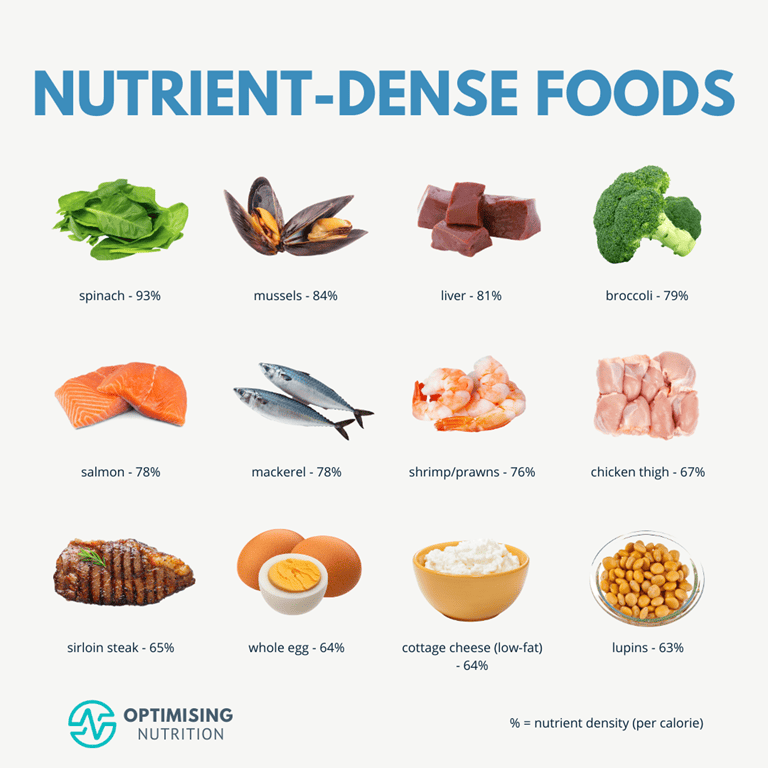
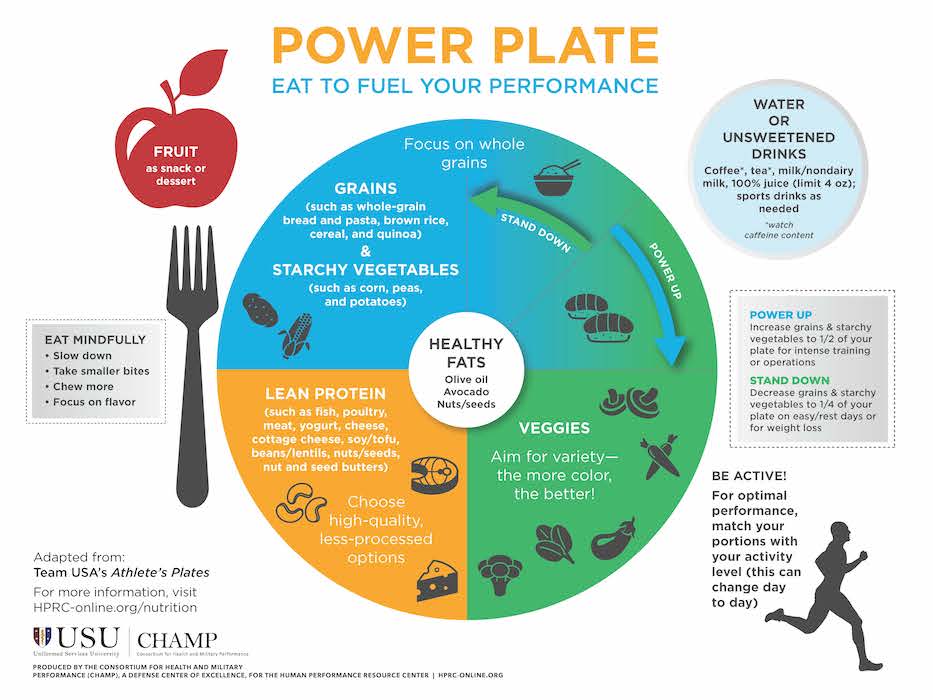
Nutrition plays a significant role in achieving your health goals. Consuming a balanced diet that includes a variety of nutrients is essential for optimal health. Focus on whole foods such as fruits, vegetables, lean proteins, whole grains, and healthy fats to fuel your body and support your workouts.
Creating a Meal Plan
Developing a meal plan that aligns with your workout routine and health goals is key to success. Consider prepping meals in advance, incorporating a mix of macronutrients in each meal, and keeping portion sizes in check. Aim for a balance of carbohydrates, proteins, and fats to support your energy levels and recovery.
Image courtesy of www.hprc-online.org via Google Images
Choosing the Right Supplements
Supplements can be beneficial in enhancing your fitness journey, but it’s important to choose wisely. Consult with a healthcare provider or nutritionist to determine if you have any nutrient deficiencies that may require supplementation. Common supplements for active individuals include protein powder, creatine, and omega-3 fatty acids.
Tips for Staying Motivated
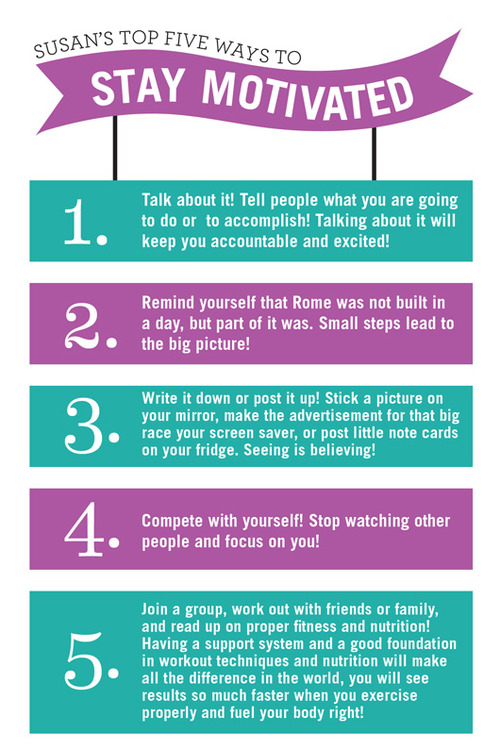
Maintaining motivation and consistency is key to reaching your health and fitness goals. Set small milestones along the way, reward yourself for progress, and find a workout buddy or support system to keep you accountable. Remember to focus on the positive changes you’re making for your health and celebrate your achievements.
Finding the right gym or workout environment can significantly impact your fitness journey. Consider factors such as location, equipment availability, class offerings, and overall atmosphere when choosing a gym. Visit different facilities and inquire about membership options to find the best fit for your needs.
Tracking Progress
Tracking your progress is essential for monitoring your health and fitness goals. Keep a workout journal, take measurements, track your food intake, or use fitness apps to monitor your progress over time. Make adjustments to your workout and nutrition plan as needed based on your results to continue progressing towards your goals.
Image courtesy of ncbrainhealth.org via Google Images
Conclusion
By following the strategies outlined in this guide and staying committed to your health and fitness goals, you can achieve a stronger, healthier version of yourself. Remember that progress takes time, so be patient with yourself and stay focused on making sustainable lifestyle changes. With dedication and perseverance, you can reach your health and fitness goals and enjoy the numerous benefits that come with a healthier lifestyle.
Discover the secrets to transforming your body with our ultimate workout guide – you won’t believe the results you’ll see!
Are you looking to take your fitness journey to the next level? Maximizing your gym workouts with proper nutrition is key to achieving your fitness goals. In this comprehensive guide, we will explore how you can optimize your workout routine through the power of nutrition. Let’s dive in!
Proper nutrition plays a crucial role in supporting your workout efforts. By fueling your body with the right nutrients, you can enhance your performance, improve recovery, and maximize the results of your gym sessions. Understanding the relationship between nutrition and exercise is essential for anyone looking to transform their body.
Set Your Fitness Goals
Before embarking on your fitness journey, it’s important to identify your specific goals. Whether you’re aiming for weight loss, muscle gain, or improved endurance, having clear objectives will help you tailor your workout plan accordingly. Take some time to define what you want to achieve through your fitness efforts.
Plan Your Workouts
Creating a structured workout routine is essential for making progress towards your fitness goals. Be sure to incorporate a combination of cardio and strength training exercises to target different muscle groups and improve overall fitness. Consistency is key, so find a workout schedule that works for you and stick to it.
Incorporate Proper Nutrition
Proper nutrition is the foundation of a successful fitness journey. Understanding the role of macronutrients – carbohydrates, proteins, and fats – can help you fuel your workouts and support muscle recovery. Focus on incorporating whole foods and nutrient-dense meals into your diet to provide your body with the necessary fuel to power through your gym sessions.
Image courtesy of www.amazon.co.uk · In stock via Google Images
Hydrate Properly
Staying hydrated is essential for optimal performance during your workouts. Make sure to drink water before, during, and after your gym sessions to prevent dehydration and support your body’s functions. Avoid sugary drinks and prioritize hydration with plain water for the best results.
Pre-Workout Nutrition
Before hitting the gym, fuel your body with a balanced meal or snack that includes carbohydrates and protein. This will provide your muscles with the necessary energy to power through your workout and optimize your performance. Paying attention to your pre-workout nutrition can make a significant difference in your training sessions.
Image courtesy of www.pinterest.com via Google Images
Post-Workout Nutrition
After a challenging workout, it’s crucial to replenish your body with nutrients to support muscle recovery and growth. Consume a mix of protein and carbohydrates to help repair muscle tissue and replenish glycogen stores. Including foods that promote recovery in your post-workout meal can enhance the benefits of your gym sessions.
Supplement Wisely
While a well-rounded diet should provide most of the nutrients your body needs, supplements can be beneficial in supporting your fitness goals. Consider incorporating supplements like protein powders, BCAAs, or creatine into your routine, but be sure to consult with a nutritionist or dietitian for personalized recommendations. Supplements should complement your diet, not replace it.
Keeping track of your fitness goals and nutrition intake is essential for evaluating your progress and making necessary adjustments to your routine. By monitoring your results, you can identify areas for improvement and make informed decisions about your workout and nutrition plan. Remember that progress takes time, so stay consistent and patient on your fitness journey.
Conclusion
Maximizing your gym workouts with proper nutrition is a powerful way to transform your body and achieve your fitness goals. By fueling your body with the right nutrients, staying hydrated, and following a personalized workout plan, you can optimize your performance and see significant results. Remember that consistency and dedication are key to success in fitness – so lace up your sneakers, fuel your body with the right foods, and get ready to crush your workouts!
To exercise with an ectomorph body type, focus on strength training and limit cardio. Include compound movements and progressively increase weight and intensity.
Ectomorphs typically have a lean build, high metabolism, and find it challenging to gain muscle mass. Crafting an exercise regimen for this body type requires understanding its unique characteristics. Given their propensity to burn off calories quickly, ectomorphs benefit greatly from weightlifting and resistance exercises aimed at muscle growth and strength building.
Emphasis should be on shorter workout sessions to prevent calorie deficit, which can hinder muscle gain. Exercises involving multiple muscle groups, such as squats, deadlifts, and bench presses, will most effectively stimulate growth. Consistency, adequate nutrition, and sufficient rest are vital, as these factors help ectomorphs overcome their natural inclination toward slimness and build a stronger physique.
Understanding Ectomorph Body Type
Embarking on a fitness journey requires a thorough understanding of your body type. The ectomorph body type is one of three somatotypes, characterized by a lean build, long limbs, and a fast metabolism. Recognizing the specific needs of this body type is crucial for effective exercise and nutrition strategies.
Characteristics Of An Ectomorph Body
Lean physique: Typically, ectomorphs have a naturally thin frame and low body fat percentage.
Small joints and bones: Ectomorphs often have narrow shoulders, hips, and wrists, contributing to their slender appearance.
Fast metabolism: This body type burns calories at a higher rate, which can make gaining weight and muscle challenging.
Difficulty in building mass: Due to a rapid metabolic rate, ectomorphs may struggle to increase muscle size and strength.
Challenges In Gaining Muscle And Weight
For ectomorphs, packing on muscle and increasing weight can feel like an uphill battle. Despite diligent efforts, the results can sometimes seem minimal when compared to other body types. This is due to their high metabolic rate and a propensity for burning calories quickly, which can make it difficult to achieve the caloric surplus necessary for muscle growth.
Metabolic Considerations For Ectomorphs
Understanding the metabolic rate is essential for ectomorphs looking to transform their physique. The key is to focus on caloric intake and macronutrient balance, tailoring diet and exercise regimens to accommodate the body’s rapid energy expenditure. By consuming more calories than the fast-acting metabolism burns, ectomorphs can create the conditions needed for muscle gain.
Additionally, ectomorphs should emphasize nutrient-dense foods and frequent meals to stay fuelled throughout the day. This approach, combined with targeted resistance training, can help overcome the metabolic challenges associated with this body type.
Credit: www.magersandquinn.com
Eating Right For Ectomorphs
Understanding the unique needs of an ectomorph body type is crucial when crafting an effective exercise and nutrition strategy. Ectomorphs, typically characterized by a lean build, high metabolism, and difficulty in gaining weight or muscle mass, not only have to approach workouts differently but also need to pay close attention to their dietary habits. Fueling your body correctly is just as important as the workout itself, ensuring that you maximize muscle gains and energy levels. Here’s how to master your eating plan, tailored precisely to the ectomorph’s requirements.
Importance Of Nutrition In Exercise Routine
For ectomorphs, nutrition plays a pivotal role in reaching fitness goals. Given the naturally fast metabolism of ectomorphs, it is essential to consume sufficient calories that fuel workouts and aid in recovery and muscle growth. Without the right nutrition, the body may not respond to training effectively, potentially leading to fatigue or a plateau in progress. A well-designed meal plan is the backbone of a successful exercise regimen for anyone with an ectomorph body type.
Macronutrient Distribution For Ectomorphs
Macronutrients–carbohydrates, proteins, and fats–are the dietary cornerstones for muscle gain and energy. For ectomorphs, a general guideline for macronutrient distribution is as follows:
Carbohydrates: 50-60% of daily caloric intake
Proteins: 25-30%
Fats: 15-20%
This distribution may vary slightly depending on individual needs and goals, but the emphasis is usually on higher carbohydrate intake to support energy needs and encourage weight gain.
Pre And Post-workout Meals
Timing and composition of meals around workout times are critical for ectomorphs. These meals play a significant role in performance and recovery.
Meal Timing
Meal Components
Pre-Workout
Aim for a meal rich in complex carbohydrates and lean protein.
Examples: Whole-grain toast with turkey and avocado, oats with berries and whey protein.
Eat 1-2 hours before training to ensure optimal energy levels.
Post-Workout
Focus on protein recovery and fast-acting carbohydrates.
Examples: Chicken breast with sweet potatoes, quinoa salad with grilled fish.
Consume within 30 minutes to an hour after your workout for best results.
Choosing the right nutrients during these crucial windows will help ectomorphs to restore energy, rebuild muscle tissues, and stimulate growth.
Exercise Fundamentals For Ectomorphs
Understanding the Exercise Fundamentals for Ectomorphs is crucial for those with this body type, characterized by a lean build, fast metabolism, and difficulty gaining weight or muscle mass. Ectomorphs often struggle to see the results they desire without the right approach to exercise. The key lies in maximizing muscle gain and promoting healthy weight increase through specific workout strategies tailored to this unique body type. Below are essential guidelines for ectomorphs looking to optimize their exercise regimen for better results.
Resistance Training Over Cardio
Resistance training should take priority over cardio for ectomorphs. Cardiovascular exercises are excellent for heart health, but they can counteract muscle gain by burning the vital calories needed to build mass. Instead, focusing on weight lifting and resistance exercises fuels muscle growth and strength. Incorporating moderate cardio sessions can still be beneficial but maintaining a delicate balance is vital to ensure cardio does not overshadow resistance training, which is essential for ectomorph body transformation.
Compound Movements Vs Isolation Exercises
For ectomorphs, compound movements are the cornerstone of an effective workout plan. Exercises like squats, deadlifts, and bench presses work multiple muscle groups simultaneously, leading to a more significant hormone response and consequently, improved muscle building. While isolation exercises targeting specific muscles have their place, they should complement compound movements rather than dominate the workout routine. The multi-joint nature of compound exercises also means more calories burned and a more efficient gym session.
Exercise Frequency And Recovery Time
Ectomorphs need to find the right balance between exercise frequency and recovery time. Striking this balance is imperative for muscle development. Ectomorphs benefit from shorter, more intense workout sessions, limited to 3-4 times per week, allowing sufficient recovery time between workouts. This recovery period is when muscles repair and grow, making it as crucial as the workout itself. Overtraining can lead to inadequate muscle recovery and possibly injury, derailing progress. Quality rest and optimal nutrition are non-negotiable elements for an ectomorph’s recovery process.
Creating The Ultimate Ectomorph Routine
Crafting the ultimate workout routine for those with an ectomorph body type requires a specialized approach to fitness. For those unfamiliar, ectomorphs are typically characterized by their lean build, high metabolism, and difficulty gaining weight or muscle. To combat these natural tendencies, ectomorphs must focus on strategic training techniques designed to promote muscle growth and strength. This section delves into creating a potent regimen tailored to maximize the potential of an ectomorph’s slender frame. Embrace these tailored strategies and over time, the results will speak for themselves.
Incorporating Progressive Overload
The cornerstone of any successful training program for ectomorphs is progressive overload. This method involves gradually increasing the demands placed on your muscles, compelling them to adapt and grow. Here are dynamic ways to incorporate progressive overload into an ectomorph’s routine:
Increase Weights: Aim to lift heavier weights over time while maintaining proper form.
More Reps: If increasing weight is not an option, perform more reps with the same weight.
Additional Sets: Introduce extra sets to your workout to further challenge your muscles.
Decrease Rest Time: Shorter breaks between sets can intensify your workout and improve muscular endurance.
Exercise Variation: Change your exercises regularly to target muscles from differing angles and prevent plateaus.
Sample Workout Split For Ectomorphs
Designing an effective workout split is crucial for ectomorphs, balancing intensity and recovery. This sample split is curated to enhance muscle growth while allowing ample rest between sessions:
Day
Muscle Groups
Focus
Monday
Chest and Triceps
Strength and Power
Wednesday
Back and Biceps
Hypertrophy
Friday
Legs and Shoulders
Compound Movements
Sunday
Rest or Active Recovery
Recovery
Consistency is key; stick to your workout split for best results. Feel free to adjust based on recovery needs and personal progress.
Importance Of Tracking Progress
Progress tracking is an invaluable tool for ectomorphs striving to build muscle. It serves several crucial purposes:
Visualizes Improvements: Seeing your progression over time can boost motivation and commitment to your routine.
Highlights Plateaus: Regular tracking helps identify when you’re not progressing, signaling a need to tweak your program.
Ensures Consistency: Keeping a record of your workouts ensures you maintain the intensity required for progressive overload.
Informs Future Adjustments: Use your progress or lack thereof to make informed decisions on how to advance your fitness journey.
Utilize apps, journals, or spreadsheets to track sets, reps, weight, and even rest periods meticulously. Reliable tracking paves the way for concrete results.
How To Exercise If You Have An Ectomorph Body Type
Understanding your body type can profoundly influence your fitness journey, and for individuals with an ectomorph body type, creating an optimized exercise routine is key to achieving tangible results. Characterized by a lean build, long limbs, and a fast metabolism, ectomorphs often find it challenging to gain muscle and bulk up. With specific strategies tailored to this distinctive body structure, ectomorphs can not only enhance their physique but also improve overall strength and health. Let’s dive into the best exercise approaches for those with an ectomorph body type.
Adjusting Intensity And Volume
Ectomorphs benefit from workouts that blend moderate to high intensity with a mindful approach to volume. Over-exertion often leads to excessive burnout without yielding the desired muscle growth. Here’s a guideline for intensity and volume:
Focus on compound movements like squats, deadlifts, and bench presses, which work multiple muscle groups simultaneously.
Limit workouts to 3-4 times per week, allowing sufficient recovery time between sessions.
Increase weight steadily rather than upping the number of repetitions. Aim for 6-8 reps per set for muscle growth, with a total of 3-5 sets per exercise.
Balancing Workout Variations
Maintaining a diversified exercise regimen is essential for ectomorphs to stimulate muscle adaptation and growth. Implement a dynamic blend of workout styles:
Integrate strength training with heavier weights to build muscle mass.
Include hypertrophy training, targeting a moderate weight range to induce muscle size through higher volume and moderate resistance.
Mix in functional movements like kettlebell swings or plyometrics to enhance athleticism and coordination.
Strategic Use Of Rest Periods
The importance of rest periods cannot be overstated for those with an ectomorph body type. Rest allows for muscle recovery and growth, a vital aspect of an ectomorph’s training regimen. Here’s how to strategize:
Workout Type
Rest Period
Strength Training
2-3 minutes
Hypertrophy Training
60-90 seconds
Functional/High-Intensity
30-45 seconds
Optimize these rest intervals to allow for muscle recuperation without fully cooling down, maintaining an effective workout pace. Typically, the heavier the lift, the longer the rest period can be.
Adapting Your Approach For Continuous Growth
Embarking on a fitness journey tailored to an ectomorph body type demands an evolving strategy for success. Ectomorphs, characterized by their lean frame and quick metabolism, often face unique challenges in gaining muscle mass and strength. To see continued growth, it’s crucial to be agile in your workout approach. This means recognizing the signals that mandate a change in your routine, avoiding common pitfalls, and implementing strategies that fuel consistent progress. Let’s dive into how you can adapt your exercise regimen to thrive as an ectomorph.
When To Modify Your Exercise Regimen
Understanding the right time to switch up your workout is pivotal in overcoming plateaus and sparking new growth. Pay attention to certain indicators that suggest modifications are due. This includes a lack of improvement in strength or size over a few weeks, persistent fatigue, or loss of motivation.
Monitor strength and endurance gains – if these plateau, introduce new exercises or increase intensity.
Listen to your body – lingering soreness or fatigue indicates the need for a recovery-focused period or diversified routine.
Assess your enthusiasm – waning interest can be a sign to refresh your workout program with different activities or challenges.
Learning From Common Ectomorph Mistakes
Many ectomorphs fall into traps that hinder their progress. A major one is over-emphasizing cardio, which can counteract muscle gains when overdone. Another is neglecting nutrition; without proper fuel, muscles won’t grow. Moreover, insufficient rest to repair and build muscle can derail your goals.
Leverage strength training as the core of your routine, limiting cardio.
Consume a balanced diet, rich in protein, to support muscle growth.
Ensure adequate sleep and rest days to allow for full recovery.
Tactics To Ensure Consistent Progression
A strategic plan combining the right exercises, recovery, and nutrition is essential for ectomorphs to maintain momentum. Incorporate the following tactics:
Tactic
Benefit
Progressive Overload
Consistently increase the weight or reps to challenge your muscles.
Compound Movements
Focus on exercises like squats and deadlifts that engage multiple muscle groups.
Structured Deload Phases
Periodically reduce intensity to prevent overtraining and promote recovery.
Track Workouts
Keep a record of your regimens to monitor progress and plan adjustments.
Implementing these tactics, monitoring your body’s response, and staying dedicated will enable you as an ectomorph to witness continuous growth. Remember to focus on the quality of exercises, give your body the nutrients it craves, and respect its need for rest. Tailor your approach, and over time, you’ll turn your ectomorph challenges into triumphs.
Conclusion
Embracing your ectomorph body type means tailoring exercise to your unique physique. With targeted strength training and consistent, balanced workouts, you’ll unlock your fitness potential. Always remember to nourish your body and rest adequately. Start your tailored journey today, and witness the transformative power of personalized fitness.
Discover the secret to reaching your goals faster with these game-changing nutrition tips – are you ready for success?
Living a healthy lifestyle involves a combination of proper workouts, nutrition, and gym plans that align with your fitness goals. In this guide, we will dive into the crucial role that nutrition plays in achieving optimal health and fitness. By following these nutrition tips, you can enhance your workouts, fuel your body effectively, and crush your fitness goals.
Setting Fitness Goals
Setting specific and achievable fitness goals is essential for staying motivated and tracking your progress. Whether your goal is to lose weight, gain muscle, or improve overall fitness, having a clear objective in mind will help you stay on track. Start by identifying your long-term goal and breaking it down into smaller, manageable milestones that you can work towards each day.
Workouts for Different Fitness Levels
Workouts should be tailored to your individual fitness level to ensure that they are challenging yet achievable. Beginners should focus on building a solid foundation of strength and endurance, while advanced individuals may need more complex exercises to continue progressing. Consider consulting with a fitness professional to design a workout plan that suits your fitness level and goals.
Importance of Nutrition
Nutrition plays a critical role in fueling your workouts and supporting your overall health. A balanced diet that includes a variety of nutrients is essential for maintaining energy levels, promoting muscle recovery, and supporting overall well-being. Focus on consuming whole, nutrient-dense foods such as fruits, vegetables, lean proteins, whole grains, and healthy fats to fuel your body effectively.
Image courtesy of www.instagram.com via Google Images
Pre-Workout Nutrition
What you eat before a workout can impact your performance and energy levels. Aim to consume a mix of carbohydrates, protein, and healthy fats about 1-2 hours before exercising. Some ideal pre-workout snacks include a banana with nut butter, Greek yogurt with berries, or a slice of whole-grain toast with avocado. Experiment with different options to find what works best for your body.
Post-Workout Nutrition
After a workout, it is essential to refuel your body with the nutrients it needs to recover and repair muscles. Focus on consuming a combination of protein and carbohydrates to replenish glycogen stores and promote muscle recovery. Good post-workout options include a protein shake, a turkey and avocado wrap, or a bowl of quinoa with vegetables. Stay hydrated and listen to your body’s hunger cues to determine when and what to eat after a workout.
Image courtesy of www.linkedin.com via Google Images
Gym Plan Essentials
A well-rounded gym plan should include a mix of cardio, strength training, and flexibility exercises to promote overall fitness and prevent boredom. Cardio workouts help improve cardiovascular health, while strength training builds muscle and boosts metabolism. Incorporating flexibility exercises such as yoga or stretching can help improve range of motion and prevent injury. Customize your gym plan to include exercises that you enjoy and that align with your fitness goals.
Setting a Workout Schedule
Consistency is key when it comes to achieving fitness goals. Set aside dedicated time each day or week for your workouts and treat them as non-negotiable appointments with yourself. Consider planning your workouts in advance and scheduling them in your calendar to ensure that you prioritize exercise. Remember to listen to your body and allow for rest days to prevent burnout and promote recovery.
Image courtesy of www.instagram.com via Google Images
Staying Motivated
Staying motivated to keep up with your workout and nutrition routine can be challenging, especially when life gets busy. Find ways to stay accountable, whether it’s by working out with a friend, joining a fitness class, or tracking your progress in a journal. Celebrate small victories along the way and remind yourself of the reasons why you started your fitness journey. When motivation wanes, focus on the positive impact that exercise and healthy eating have on your physical and mental well-being.
Conclusion
Incorporating these nutrition tips into your fitness journey can help you achieve your health and wellness goals. By focusing on proper nutrition, setting achievable fitness goals, following a well-rounded gym plan, and staying motivated, you can enhance your workouts and crush your fitness goals. Remember that progress takes time and consistency, so be patient with yourself and celebrate the small victories along the way. Here’s to a healthier, happier you!




:max_bytes(150000):strip_icc()/autumn-calabrese-muscle-building-workout-plan-2-04cf1df91a124633868a1958a0c03aa9.jpg)