
Unleash your full potential with these intense workouts guaranteed to take your fitness journey from limp to fit fast!
Table of Contents
Embarking on a journey towards a healthier and fitter lifestyle involves a combination of regular exercise and proper nutrition. Whether you’re new to working out or looking to revamp your current fitness routine, incorporating a mix of different workout styles and focusing on nutritious eating habits can help you achieve your goals. Read on for curated health tips on workouts, nutrition, gym plans, and more to kickstart your transformation.
Benefits of Regular Exercise
Regular exercise offers a myriad of benefits beyond just physical fitness. It can also boost your mood, improve your mental health, and increase your energy levels. Engaging in various forms of exercise, such as cardio, strength training, and flexibility exercises, can help you achieve overall wellness by targeting different aspects of your health.
Types of Workouts
Cardiovascular exercises like running, cycling, or swimming are excellent for improving heart health and burning calories. Strength training, on the other hand, can help build muscle mass, increase metabolism, and improve bone density. Additionally, incorporating flexibility exercises like yoga or Pilates can enhance your range of motion and prevent injuries.
Creating a Gym Plan
Designing a personalized gym plan tailored to your fitness goals is crucial for success. Consider factors such as your current fitness level, time availability, and preferred workout styles when crafting your plan. Strive to strike a balance between different types of exercises to keep your routine interesting and effective.

Image courtesy of www.pinterest.com via Google Images
Importance of Nutrition
Proper nutrition plays a significant role in supporting your fitness journey. Fueling your body with nutrient-rich foods such as lean proteins, whole grains, fruits, and vegetables can provide the energy and nutrients needed for optimal performance during workouts. Make informed choices about what you eat to complement your exercise regimen.
Nutrient-Rich Foods
Incorporate a variety of nutrient-dense foods into your diet to support your fitness goals. Lean proteins like chicken, fish, tofu, and legumes can aid in muscle recovery and growth. Whole grains such as quinoa, brown rice, and oats provide sustained energy throughout the day. Fill your plate with colorful fruits and vegetables to supply essential vitamins and minerals to your body.

Image courtesy of www.pinterest.com via Google Images
Meal Planning
Meal planning can help you stay on track with your nutrition goals and prevent unhealthy eating habits. Consider preparing meals in advance to have healthy options readily available. Stock up on nutritious snacks like nuts, seeds, and Greek yogurt to curb cravings and avoid reaching for sugary or processed foods.
Hydration
Staying hydrated is essential for overall health and performance during workouts. Aim to drink an adequate amount of water throughout the day, especially before, during, and after exercise. Hydration can help regulate body temperature, maintain energy levels, and support proper digestion and nutrient absorption.
Image courtesy of manflowyoga.com via Google Images
Rest and Recovery
Allowing your body to rest and recover between workouts is crucial for preventing burnout and avoiding injury. Prioritize getting enough sleep each night to support muscle repair and cognitive function. Incorporate active recovery days into your schedule with activities like stretching, yoga, or light walks to promote circulation and reduce muscle soreness.
Tracking Progress
Monitoring your progress can provide valuable insights into your fitness journey and help you stay motivated. Keep a workout journal to record your exercises, sets, and reps, and track your improvements over time. Set achievable goals and celebrate your milestones along the way to maintain enthusiasm and commitment towards your health goals.
Conclusion
As you embark on your health and fitness journey, remember that consistency and balance are key to achieving lasting results. By incorporating a mix of different workouts, focusing on nutrient-rich foods, creating a personalized gym plan, and prioritizing rest and recovery, you can transform your body and improve your overall well-being. Embrace the curated health tips provided in this guide and take proactive steps towards a healthier, fitter you.
Discover the ultimate secrets to achieving your fitness objectives and dominating your workout routines like never before. Sweat it out!

Table of Contents
Whether you’re a seasoned gym-goer or just starting out on your fitness journey, creating a successful gym plan and nutrition routine is key to achieving your workout goals. In this guide, we’ll provide you with 10 tips to help you build a solid foundation for your fitness routine.
Set realistic fitness goals
Before you hit the gym, take some time to set realistic fitness goals. Make sure your goals are specific, measurable, achievable, relevant, and time-bound. Whether you’re aiming to lose weight, build muscle, or improve your overall fitness level, having clear goals in mind will help keep you focused and motivated.
Evaluate your current fitness level
It’s important to evaluate your current fitness level before diving into a new workout routine. This will give you a baseline to track your progress and help you determine where to start. Consider factors such as your strength, stamina, and flexibility to get a holistic view of your fitness.
Create a balanced workout plan
A well-rounded workout plan should include a mix of strength training, cardio, and flexibility exercises. Strength training is essential for building muscle and boosting metabolism, while cardio exercises help improve cardiovascular health and burn calories. Don’t forget to incorporate flexibility exercises to improve range of motion and prevent injuries.

Image courtesy of www.linkedin.com via Google Images
Plan your workout schedule
Once you’ve determined which exercises to include in your workout plan, it’s time to schedule your workouts. Choose a time of day that works best for you and stick to a consistent schedule. Be sure to include rest days to allow your body time to recover and prevent burnout.
Incorporate proper nutrition
Nutrition plays a crucial role in supporting your fitness goals. Ensure you’re fueling your body with the right balance of macronutrients – carbohydrates, protein, and fats. Focus on consuming whole foods such as fruits, vegetables, lean proteins, and whole grains to nourish your body and support your workouts.
Image courtesy of www.canva.com via Google Images
Meal prep and planning
One of the keys to success in maintaining a nutritious diet is meal prepping and planning. Spend time each week preparing healthy meals and snacks that align with your fitness goals. This will help you avoid unhealthy food choices when hunger strikes and keep you on track with your nutrition plan.
Stay hydrated
Hydration is essential for overall health and performance during workouts. Make sure you’re drinking an adequate amount of water throughout the day, especially before, during, and after your workouts. Dehydration can lead to decreased performance and energy levels, so aim to keep a water bottle handy at all times.
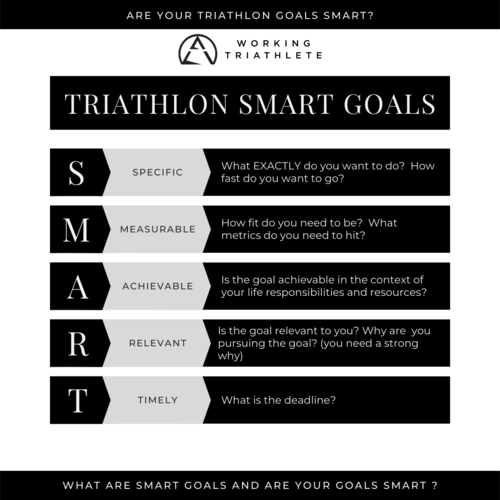
Image courtesy of www.workingtriathlete.com via Google Images
Track your progress
Tracking your workouts, nutrition intake, and progress towards your fitness goals is crucial for staying on track. Use a journal, fitness app, or wearable device to monitor your workouts, track your food intake, and measure your progress over time. This will help you identify what’s working and make adjustments as needed.
Listen to your body
Listening to your body is key to preventing injuries and avoiding burnout. Pay attention to how you feel during and after workouts, and adjust your gym plan and nutrition routine accordingly. If you’re feeling fatigued, sore, or overly hungry, it may be a sign that your body needs rest or more fuel.
In conclusion, building a successful gym plan and nutrition routine requires dedication, consistency, and a willingness to adapt. By setting realistic fitness goals, evaluating your current fitness level, creating a balanced workout plan, and incorporating proper nutrition, you’ll be well on your way to crushing your workout goals. Remember to stay hydrated, track your progress, and listen to your body along the way. With this guide, you’ll be set up for success in achieving your fitness aspirations.
Working out at home is turning out to be increasingly more famous among the individuals who need to be in full control of their time. Perhaps the most effective way to make a completely working home rec center is to begin with a strong establishment. There is one piece of gear that will fill in as an ideal base to expand upon a power rack. In days gone, power racks were just for those strength preparing lovers with money to consume.
Not anymore. Today you can get a good quality power rack even when you’re on a strict budget.
In this article, we will show you the 10 Best Squat Racks for getting solid and setting aside money.
The thought behind these models is to get you that protected strength preparing climate without constraining you to put away large chunks of change. When we go over our choices you’ll see that reasonable isn’t genuinely awful. Despite what might be expected, these racks bring a great deal to the table as far as execution.
So, putting resources into a power rack is no little thing, particularly assuming you’re on a tight spending plan. Assuming that is the situation, you’re perfectly located. We should begin with our top picks and later we’ll get into the points of interest of picking the best spending plan power rack for your necessities, what to pay special attention to when looking and then some.
Top 10 Best Squat Rack Under $500
1. Merax Athletics Fitness Power Rack
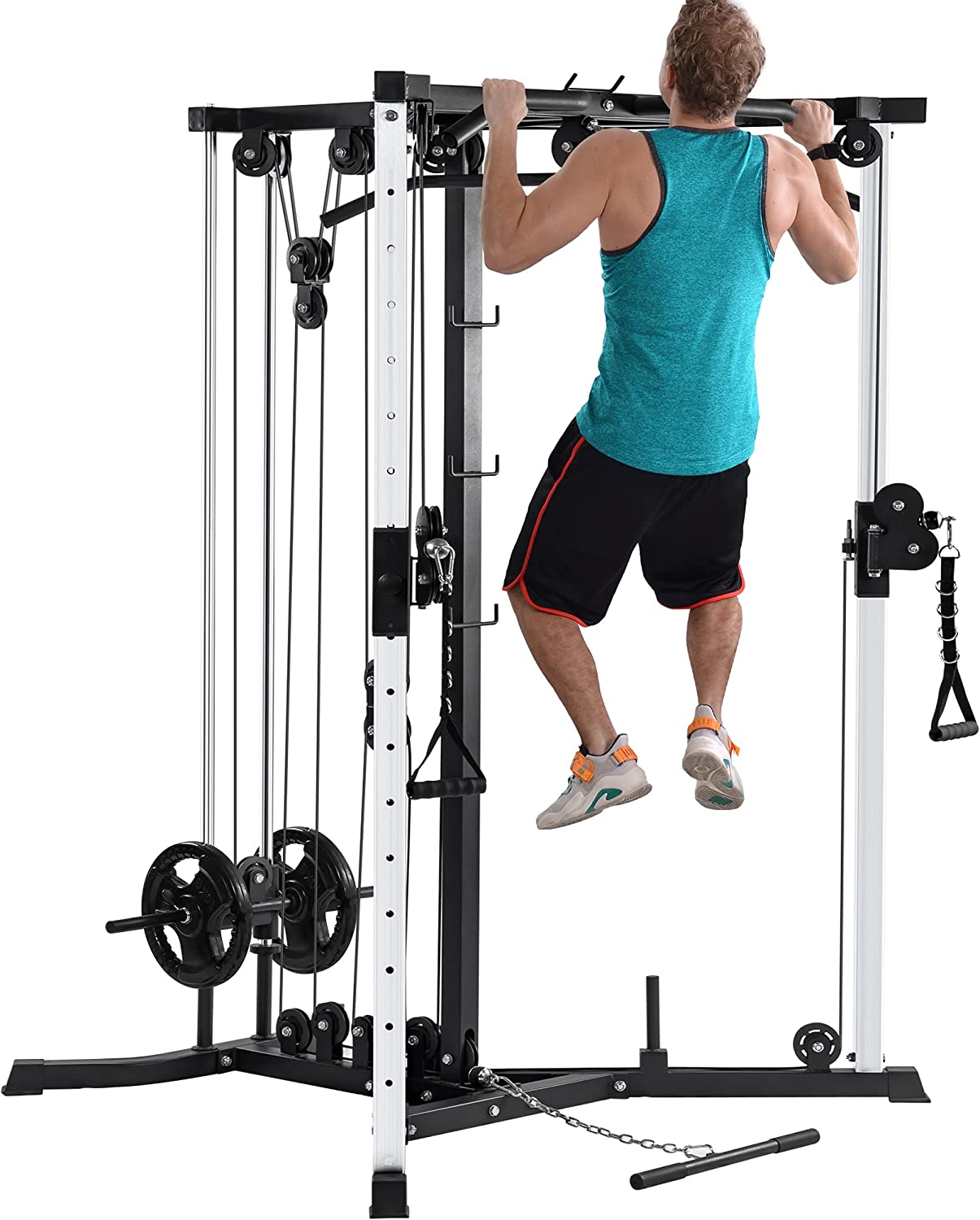 Being able to exercise safely is an important part of any home workout, and that’s why Merax Power Rack makes such a valuable add-on for your fitness equipment. This squat rack system can provide the user with over 24 exercise strength training options. With a heavy duty steel frame construction, this home squat exercise equipment offers superior strength and durability, allowing it to withstand your intense workout sessions. There is plenty of space inside the cage for wide stance squats and an additional spotter for your safety. The multi-grip pull up bars are designed to allow you to use multiple hand positions to further engage and enhance back, shoulder and arm muscles. Additionally, the Merax Lat Pull Down and Low Row Cable attachment is a great add-on for building your upper back, shoulders and arms muscles.
Merax athletics uses the exact same design as the Valor BD-7, down to the poor-quality lat pulldown system and poor-quality footprint. The bar catches continue to ruin our pleasant demeanor and the fact that they’re still used has become a sign of poor concern for your home gym equipment.
Key Features
- From cable crossovers, lat pulldowns, pull-ups to a low row and everything in between, make a motion to improve your core, build your strength and increase your endurance with Merax cable machine
- A 38.2″ lat pulldown bar and 20″ low row bar with 300lbs weight capacity. Compatible with standard 1” plates or 2” Olympic weight plates. The integrated weight plates storage peg lets you store your plates easily for a tidy gym that fits any room.
- Multi-grip pull-up bars allow you to grip it in the wide, parallel or narrow positions to target different upper body muscle groups. The angled pull up bar design protects your wrists while doing wide grip.
- The cable machine stands 81″ tall with a 56.7″ width and 83.5″ depth.
- Dual pulley systems with strengthened nylon deliver consistent smooth movement and are up to the task of repeated high-intensity use. 17 adjustable positions allow this cable station to meet the needs of all users, whether you’re looking for full-body strength workouts, exercises targeting specific muscle groups, or functional mobility.
Specifications
| Brand Name | Merax |
| Color | Silver&Black Cable Crossover Machine |
| Material | Foam, Steel |
| Manufacturer | Merax |
| Part Number | MS036580NAA+MS036581NAA |
Pros
- Perfect for at-home gyms and commercial use
- Designed to offer maximum workout versatility
- Safely train multiple muscle groups in one workout
Cons
- Poorly designed
- Unstable and slippery
- Ratings for safety bars are 800lbs, but actual bar catches are only 500-650lbs
2. TITAN FITNESS Short Power Rack
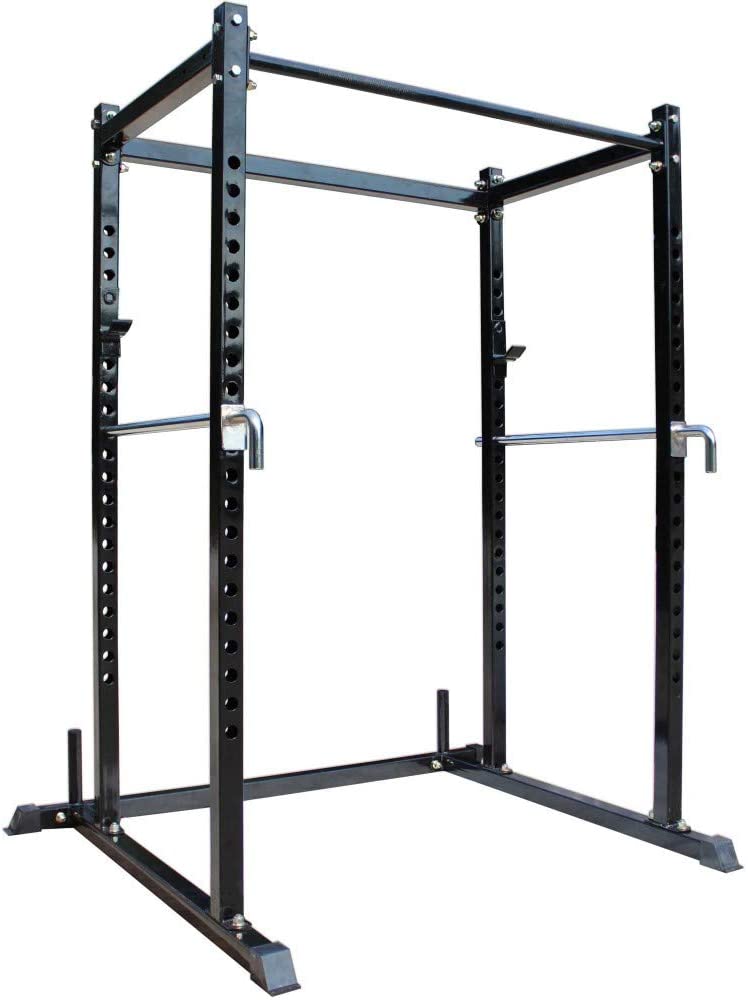 Do you want to work out efficiently at your home gym, even if you live in a smaller living space? The Titan T-2 Series Power Rack is the perfect solution! This rugged piece of bodybuilding equipment reduces fat and pumps up muscle mass, so you can work toward a fit, trim physique. This lift.ing cage allows you to work out many different muscles, including your abs, biceps, triceps, pectorals, and more. With this power rack, you’ll be able to incorporate a wide variety of different exercises to improve your workouts. This rack is perfect for pull-ups, chin-ups, squats, bench presses, and more. You can get creative with this versatile tool! If you want to do bench presses or skull crushers, simply place a bench underneath the power rack.
This is definitely one of the lighter products in the Titan T-2 range and we’re convinced that this light-weight design is a more cost-effective alternative to the Valor or Powerline alternatives, despite a nominally-worse weight-rating. We’re not saying the rating is wrong, but we trust this rack more.
Key Features
- BUILD STRONG MUSCLES: This short Titan Power Rack is a must have! This piece of equipment can fit in small basements that won’t accommodate standard power racks. You can perform a variety of exercises with this rack, including chinups, dips, curls, deadlifts, and squats. If you want to do bench presses, place a bench underneath and you’re good to go.
- GREAT FOR IMPROVING FORM: The purpose of working out is to strengthen your muscles, not hurt them! That’s why it’s vital to practice good form while you’re lifting weights. The Titan T2 Power Rack is designed with your safety and comfort in mind. It includes dip bars and other features designed to safely optimize your workout.
- DURABLE CONSTRUCTION: Our power rack is a fantastic investment for both serious athletes and beginners alike! It’s made from heavy duty steel for durability. Its allsteel structure ensures that it will hold up for years without damage. The powerful steel frame is also strong enough to hold a capacity of up to 700pounds.
- QUICK AND EASY ASSEMBLY: Don’t waste time with excess hardware and complicated construction. Setting up your power rack with all your workout gear and accessories is simple. This set comes with all necessary hardware, including J Hooks.
Specifications
| Item Package Dimensions L x W x H | 1 x 1 x 1 inches |
| Package Weight | 132 Pounds |
| Item Dimensions LxWxH | 48 x 58 x 71.5 inches |
| Item Weight | 132 Pounds |
| Brand Name | Titan Fitness |
| Material | Steel |
| Number of Items | 1 |
| Manufacturer | Titan Fitness |
| Part Number | SHOW 1-SHOW 2 |
| Style | T-2 Short Rack |
Pros
- Well-gauged steel construction
- Very few moving parts, offering a stable and reliable build
- Small design for a reduced footprint and compact design
Cons
- Low weight-rating
- Dubious-quality J-hooks
- Only suitable for beginners and those with space limitations
3. Valor Fitness BD-7 Power Rack
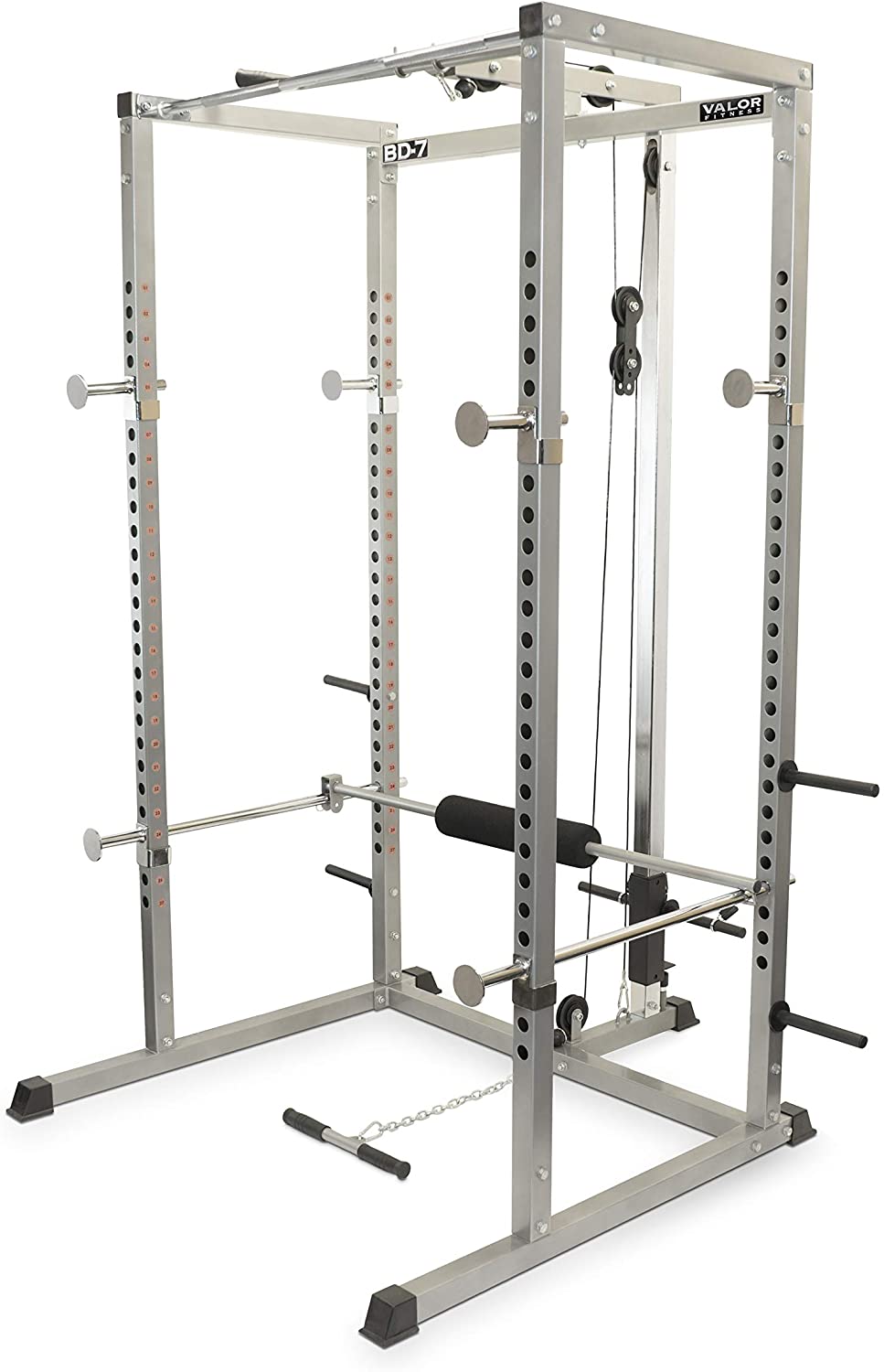 Established in 2006 in the state of Florida, Valor Fitness manufactures over 400 different products to help you meet your fitness goals without breaking the bank. Whether it’s at home, on the go, or you are starting to build the ultimate workout studio, with our wide variety of choices and U.S.based customer assistance you are sure to find all the components you need. From competition training, to stretching and rehabilitation, Valor Fitness has what you need to hone in on your body, and your budget.
The BD-7BCC Bundle contains all the attributes of the BD-7 Power Rack w/ Lat Pull Attachment, with the added benefit of the Valor Fitness BD-CC2.0 Cable Crossover Attachment. This includes 2 attachable cable machines to fit both sides of the power rack, as well as 2 single adjustable handles that attach to the pulley system. Each side of the attachment features 17 adjustable positions and a pulley system that works with you as you step out for more stretch or intensity. The double bar track on the cable crossovers creates more stability and a smoother movement when using either Olympic or standard plates.
Key Features
- CHANGE UP YOUR WORKOUT: This squat cage can be used in many ways. Includes a pull up station with knurled grip at the top of the workout cage, in addition to the lat pulldown station with plate loading carriage (lap bar and low row/curl bar included). Use it for squats, bench, pull-ups, lat pulls, bicep curls and many more.
- ROCK SOLID, STURDY & SAFE: Whether you are racking your heavy barbell or performing pull-ups, this rack will have your back. It will remain completely still with no shaking or rocking. Comes with heavy duty safety bars for your safety and security while using this rack. Constructed of 2” x 2” 12-gauge steel with rubber base caps that encase each foot to add safety, stability, and floor protection.
- ORGANIZED & ADJUSTABLE: This weight rack cage allows for an organized home gym with 4 plate storage pegs measuring 8” each for ample storage for both Olympic and standard plates. 27 variable positions for bar support, ranging in height from 17.5” to 68”. Vibrant numbering system to easily identify variable positions.
- EASY TO ASSEMBLE: This squat rack cage does not need to be bolted down. Comes with all necessary hardware and our new and improved manual with easy to follow instructions.
- ADDITIONAL: 500 lb. max load if using the bar catchers outside of the power cage, 650 lb. max load if using the bar catchers inside the fitness rack, 750 lb. max load for safety bars. 200lb. max load on the Lat Pulldown. For longer wear and tear, gently return the carriage to the starting position. Warranty, 3-year frame, 2-year cable, and 1-year hardware. Arrives in 2 separate boxes.
Specifications
| Package Dimensions L x W x H | 81 x 12 x 6 inches |
| Package Weight | 113.74 Pounds |
| Item Dimensions LxWxH | 47 x 63.5 x 82 inches |
| Item Weight | 89 Pounds |
| Brand Name | Valor Fitness |
| Color | Black |
| Number of Items | 1 |
| Manufacturer | Valor Athletics Inc. |
| Part Number | 2BD0072BM |
| Style | BD-7 Power Rack w/ Lat Pull |
| Size | One Size |
Pros
- It is easy to build
- Easily can identify variable positions.
- Very sturdy and the lat attachment works great
Cons
- More expensive than better products like the TDS power cage
- As bad as the BD-33 for bar catches and general lack of mindful design
- Comes with a crappy lat-pulldown that degrades rapidly and provides poor-quality resistance
4. Body-Solid Powerline PPR200X Adjustable Power Rack
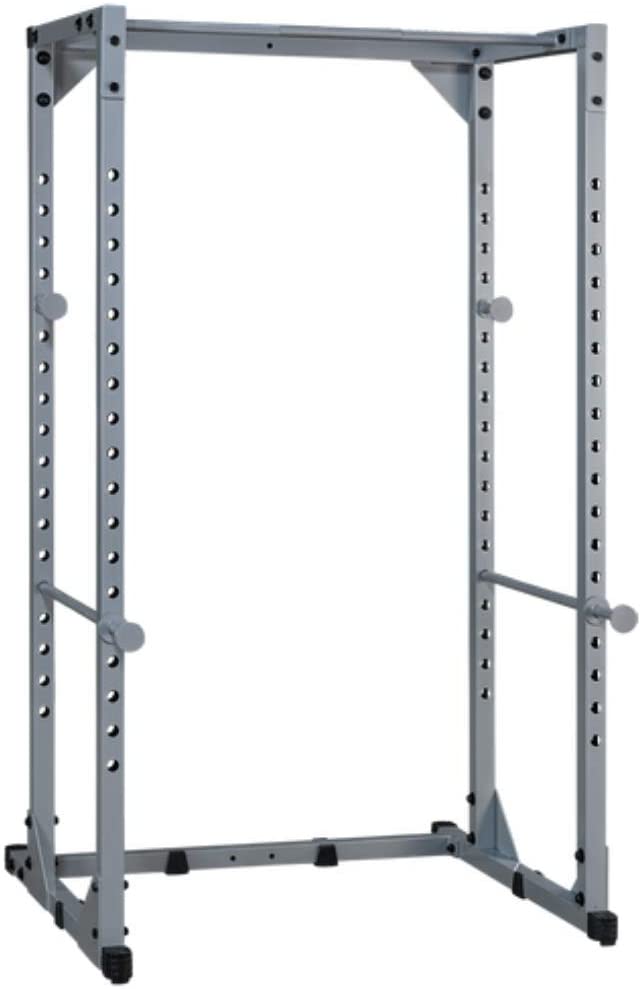 The product shares the exact same fatal flaws of poorly-rated weight tolerances, poorly-chosen bar catches, and a price tag that clearly alienates anyone who has read this list. It costs more than our current favorite the TDS power cage despite being as poorly-designed as the valor fitness model.
The Powerline by Body-Solid Power Rack features a wide walk-in design that allows plenty of side-to-side movement for a variety of exercises, including squats, incline, decline, flat, and military presses, as well as shrugs and calf raises. Complete with 18 positions, 2 heat tempered lift-offs, and 2 saber style safety rods, this power rack keeps your exercise routine simple and effective.
Key Features
- QUALITY CONSTRUCTION: Power racks help weightlifters work out safely and effectively at home
- SAFETY: The Body-Solid Powerline Power Rack has a wide walk-in design with 24 inches between upright pillars for easy motion during training
- CAPACITY: Rack weighs 133lbs, and has 2 heat-tempered lift-offs, and 2 saber-style safety rods .
- DIMENSIONS: The Body-Solid Powerline Power Rack measures 44 by 46 by 82 inches (L x W x H) with 18 adjustment levels
- SECURITY: Body-Solid Power Racks and gear sets the standard in home gym equipment
Specifications
| Item Package Dimensions L x W x H | 79.5 x 5 x 5 inches |
| Package Weight | 21.48 Kilograms |
| Item Dimensions LxWxH | 70 x 7 x 5 inches |
| Brand Name | Body-Solid |
| Warranty Description | 10 Year Frame Warranty, 1 year for other parts |
| Model Name | PPR200X |
| Color | Gray |
| Material | Blend |
| Suggested Users | Unisex-adult |
| Number of Items | 1 |
| Manufacturer | Powerline |
| Part Number | PPR200X |
| Included Components | Rack |
| Size | One Size |
| Sport Type | Weightlifting |
Pros
- An essential tool for safe weightlifting at home
- Sturdy steel mainframe with 600-pound capacity
- 2 Adjustable lift-offs and 2 full-length safety bars
- Ideal for squats, incline presses, flat bench, shoulder shrugs, and more
Cons
- Unstable compared to better products on the market
- Weigh-rating is trash compared to others on the market
- More expensive than better products, providing awful overall value
- Crappy bar catches will cause damage to your barbell at an accelerated rate
5. Valor Fitness BD-33 Heavy Duty Power Squat Rack
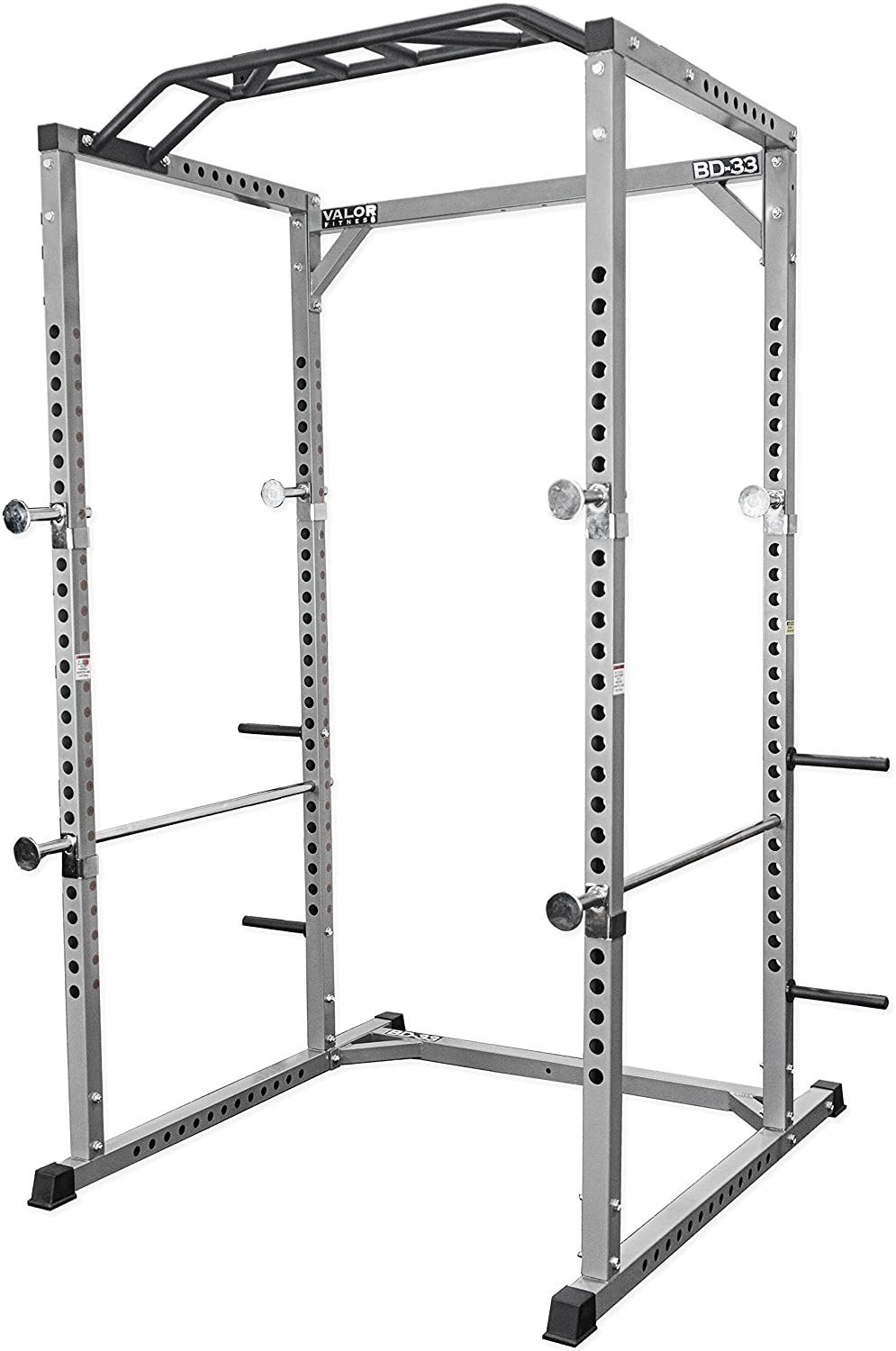 The Valor Fitness BD-33 Power Cage is the perfect rack for any home or garage gym. This versatile Power Cage is constructed with 2” x 2”, 12-gauge steel and rubber base caps on each foot for strength and durability throughout the unit – steel diminishes as the gauge increases, so a 12-gauge steel rack is stronger and more durable than any 13 or 14-gauge steel rack you may find. With this strong, stable unit, you can easily perform a wide variety of strength training exercises such as squats, bench press, rack pulls, and pull-ups in the comfort of your own home gym. With 43” between the uprights of the frame, you can easily slide your favorite bench in to perform bench press exercises using the bar catchers inside or on the outside of the cage.
The BD-33 Power Cage features bar catchers to easily rest a barbell. These bar catchers are constructed of steel with a chrome finish, and they can also be used. With 27 variable positions for bar support, ranging in height from 15” to 67” with a vibrant numbering system, the bar catchers can easily be adjusted to your preferred position. The 1” diameter holes at each adjustment position also accommodate the safety bars, which protect you in the event the lift can’t be completed, or simply to rest your bar on. At the top of the rack, the multi-grip pull-up bar allows you to add more variety to your workout in one space, with 6 ergonomically positioned handles for different variations of pull-ups or chin-ups. Band peg holes positioned along the top and bottom of the rack also allow users to add additional resistance to their workouts by simply looping the bands around the band pegs and the sleeve of their barbell.
Key Features
- VERSATILE: Includes a multi-grip pull up station at the top of the rack, allowing for a wide range of exercises and uses. Band/strap peg holes positioned along the top and bottom. Band/strap pegs (MB-L) and spring clips (SC-1) sold separately.
- HEAVY DUTY: Constructed of 2” x 2” 12-gauge steel. Rubber base caps encase each foot to add safety, stability, and floor protection.
- ADJUSTABLE: 27 variable positions for bar support, ranging in height from 15” to 67”. Vibrant numbering system to easily identify variable positions.
- STORAGE PEGS: Allows for an organized home gym with 4 plate storage pegs measuring 8” each for ample storage for both Olympic and standard plates.
- ADDITIONAL: 500 lb. max load if using the bar catchers outside the cage, 650 lb. max load if using bar catchers inside the cage, 750 lb. max load for safety bars. Warranty, 3-year frame and 1-year hardware. Arrives in 2 separate boxes.
Specifications
| Package Dimensions L x W x H | 80 x 12 x 6 inches |
| Item Dimensions LxWxH | 80 x 12 x 6 inches |
| Item Weight | 149 Pounds |
| Brand Name | Valor Fitness |
| Model Name | BD-33 |
| Color | BD-33 Power Rack |
| Material | Steel |
| Manufacturer | Valor Athletics Inc. |
| Part Number | BD-33 |
| Style | BD-33 Power Rack |
Pros
- Great spacing
- Comfortable grips
- It is extremely sturdy
Cons
- Relatively poor weight-rating
- Unstable and slipper bar catches, inferior to J-hooks
- Likely to damage your barbell’s knurling, making it harder to use in future
6. TDS Mega 1000 lb Rated White Power Squat Rack
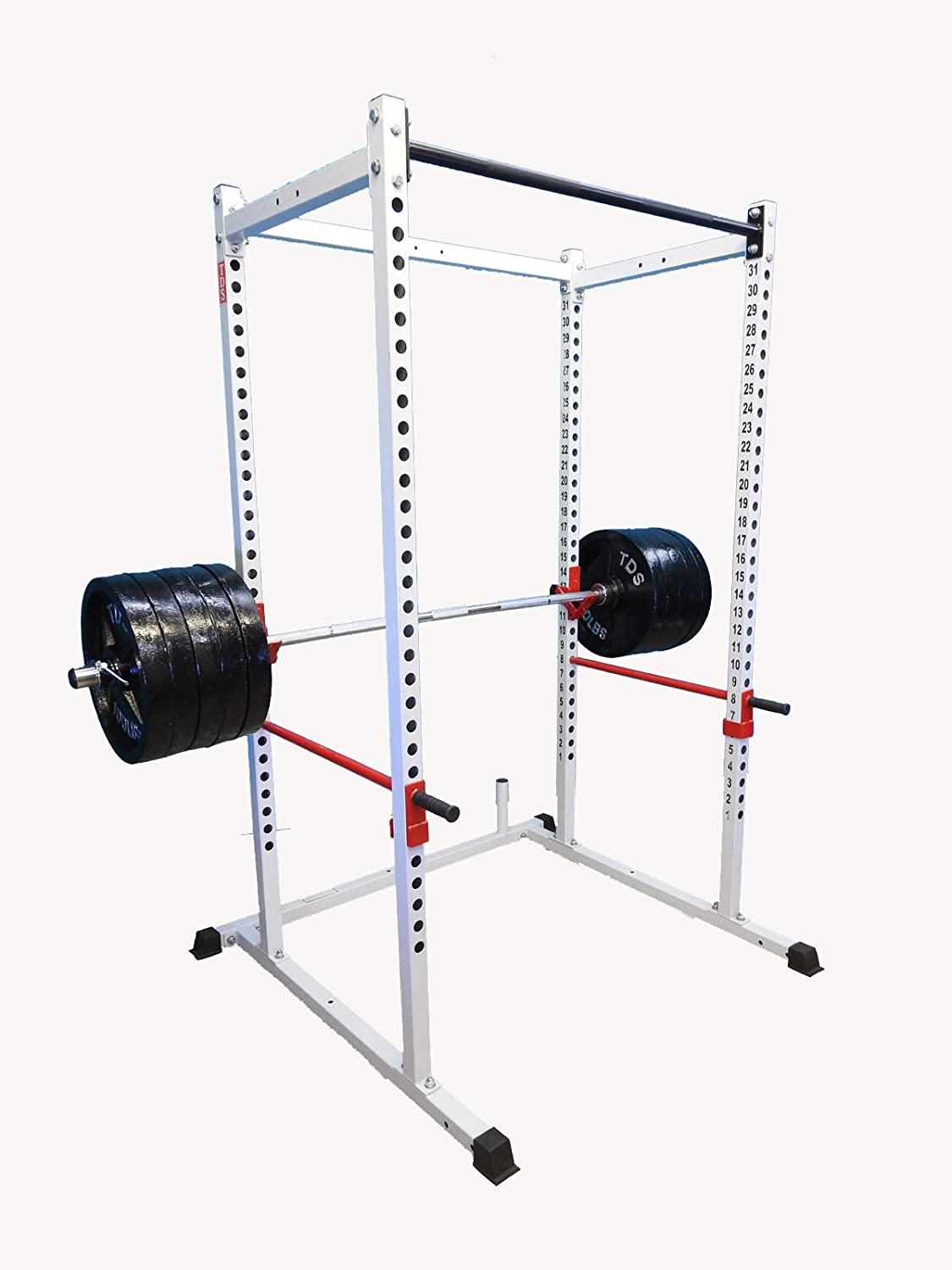 We love the basic, fundamental approach that the TDS power cage takes, offering a simply-effective product with none of the scandalous QA or manufacturing problems we’ve noticed so far. This product provides the definitive simple, effective, brutally-strong power cage that we’ve been looking for so far. It is rated for 1,050lbs with no problems, with extra safety features including locking handles on J-hooks and solid safety bars to support huge weights.
The addition of a well-knurled chin up bar is a great alternative to the smooth bars often found on other products. It provides a grippy, well-designed surface for pull-ups that is easily integrated into the overall design.
Key Features
- TDS has been in business for 44 years. Thousands have been sold all over the world
- 2″ Sq. Steel Tube Construction HD. J Hooks & 1″ Solid Steel Safety Bars included.
- 48.5″ x 48″ x 82.5″ H – 140 lbs Olympic Set & weights are shown for information only-not Included.
- Professionally Knurled 1 1/8″ Dia Front Chinning Bar. Designed to add many attachments to convert as a home gym.
- 31 holes 2″ apart with numbers for adjustment. 2″ distance between holes and numbers are essential for efficient lifting
Specifications
| Package Weight | 145 Pounds |
| Brand Name | TDS |
| Country of Origin | China |
| Color | White |
| Material | Heavy Duty Steel Tube |
| Manufacturer | TDS |
| Part Number | H-92563W |
Pros
- Great price for the quality
- Integrated, knurled chin-up bar
- Heaviest weight-rating so far at 1,050lbs
- High-quality build with additional safety features
Cons
- Quality assurance is (very rarely) a problem and shipping carriers may be poorly chosen
7. REP FITNESS PR-1100 Power Rack
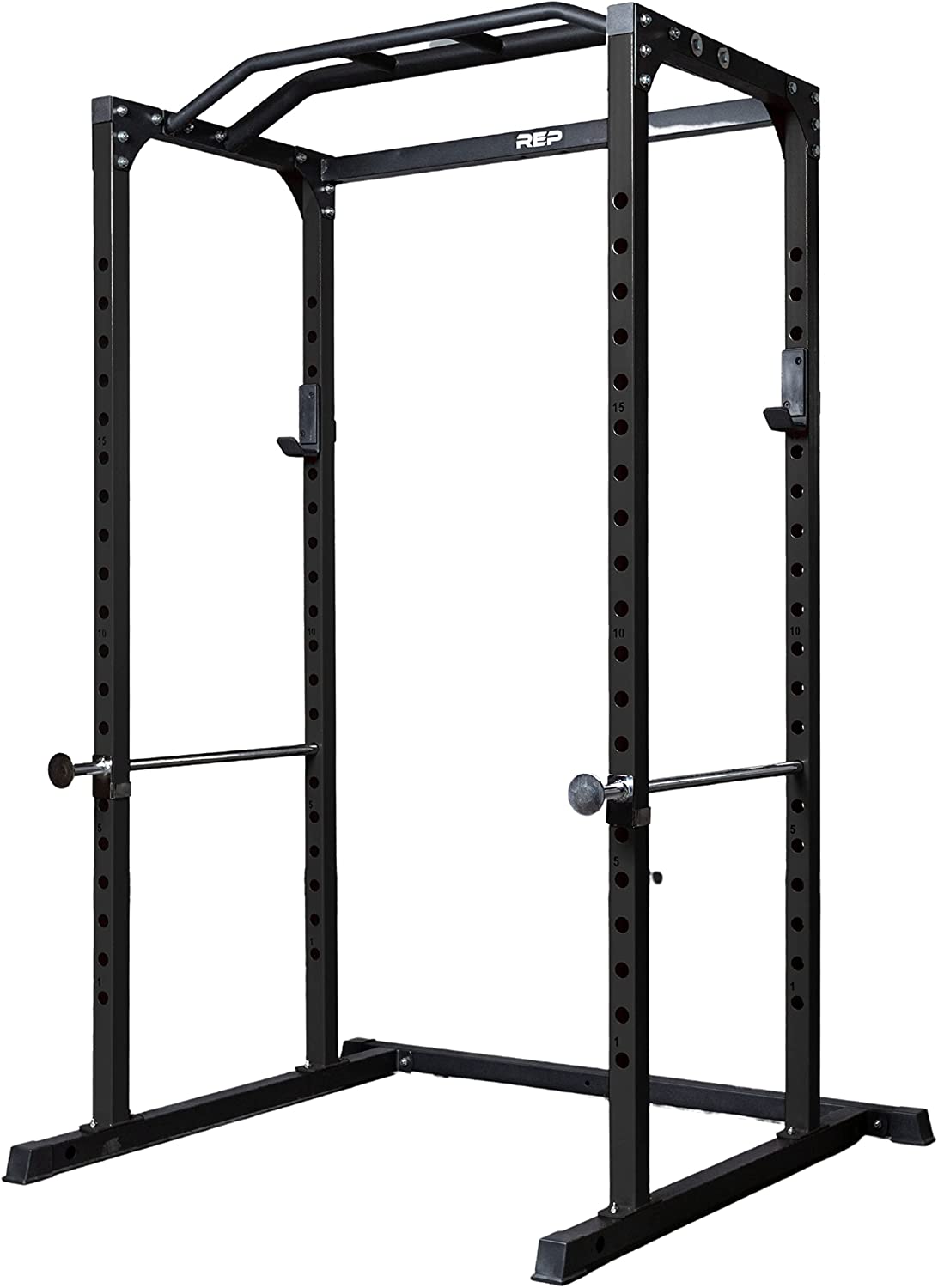 This item imitates the best and most exceedingly terrible parts of the HulkFit rack. The advantages are in the basically viable plan of the rack with successful plan choices and an attention on the rudiments.
However, the issues on quality confirmation and the nature of execution are regularly poor. This doesn’t show as a helpless arrangement, yet rather rehashed instances of broad inside rusting. This could be because of helpless treatment or just helpless stockpiling/delivering rehearsals.
This is clearly a significant worry to the underlying trustworthiness of this item, which altogether hazards the first weight-rating and could truly debase the general item. This isn’t what you anticipate from a critical buy like this, particularly since the cost of this item is higher.
Key Features
- DESIGNED FOR HOME GYMS: At a total height of only 84 inches, the PR-1100 gives you maximum functionality in a package that fits in most home gym spaces. Now you can squat, press, and perform hundreds of other strength exercises in your home safely and effectively. Dimensions: 84” tall x 48” wide x 47.5” deep (84″ is to top of pull-up bar, when mounted as shown in the photos, Top of uprights is 82″ if you prefer to mount the pull-up bar upside down). Inside cage dimensions: 44” wide x 45.5” deep.
- WHAT’S INCLUDED: Each weight cage comes with an integrated pullup bar, (2) j-cups, and (2) full length safety bars. The PR-1100 is a safe, stable freestanding weight cage that does not need to be anchored to the floor. Floor anchor points are not included on this model. Please note that the bottom brackets have an improved design that no longer requires side plates.
- SAFE AND STABLE: Lift with confidence knowing that your cage is rated to 1000lbs, and is built from strong, 14 gauge steel with double rear stability bars. The pullup arch and optional dip bars are rated for 400lbs, and the lat pull-down attachment can accommodate a full 250 lbs so you can easily add enough weight for your workouts.
- BUY WITH CONFIDENCE: Buy now and get a 2 Year Warranty on your PR-1100. Rep Fitness is a full-service equipment company based in Denver, Colorado. Check out our other listings to see the complete line of strength and conditioning equipment including benches, barbells, dumbbells, racks, cardio equipment and more.
- ADVANCED FEATURES: We engineered our latest weight cage to have the features you need at the price you want. Where other manufacturers sacrifice quality and utility, we kept adding features to make our cage better! Extended safety bars, integrated multi-grip pullup unit, laser cut numbered uprights and tough, durable black powdercoat make this the highest quality and best value cage on the market.
Specifications
| Package Dimensions L x W x H | 80 x 16 x 8.5 inches |
| Package Weight | 66.68 Kilograms |
| Item Dimensions LxWxH | 47.5 x 48 x 80.5 inches |
| Item Weight | 135 Pounds |
| Brand Name | REP FITNESS |
| Color | Power Rack |
| Material | Steel |
| Suggested Users | Unisex |
| Manufacturer | Rep Fitness |
| Part Number | PR-1100 |
| Size | No Bench |
Pros
- Good design
- Great weight-rating
- Strong focus on the basics
Cons
- Quality assurance overlooks some key issues
- Price is higher than some others despite the significant problems
- Internal rust can easily compromise the internal strength and quality of the rack
8. HulkFit 1000-Pound Capacity Multi-Function Adjustable Power Cage
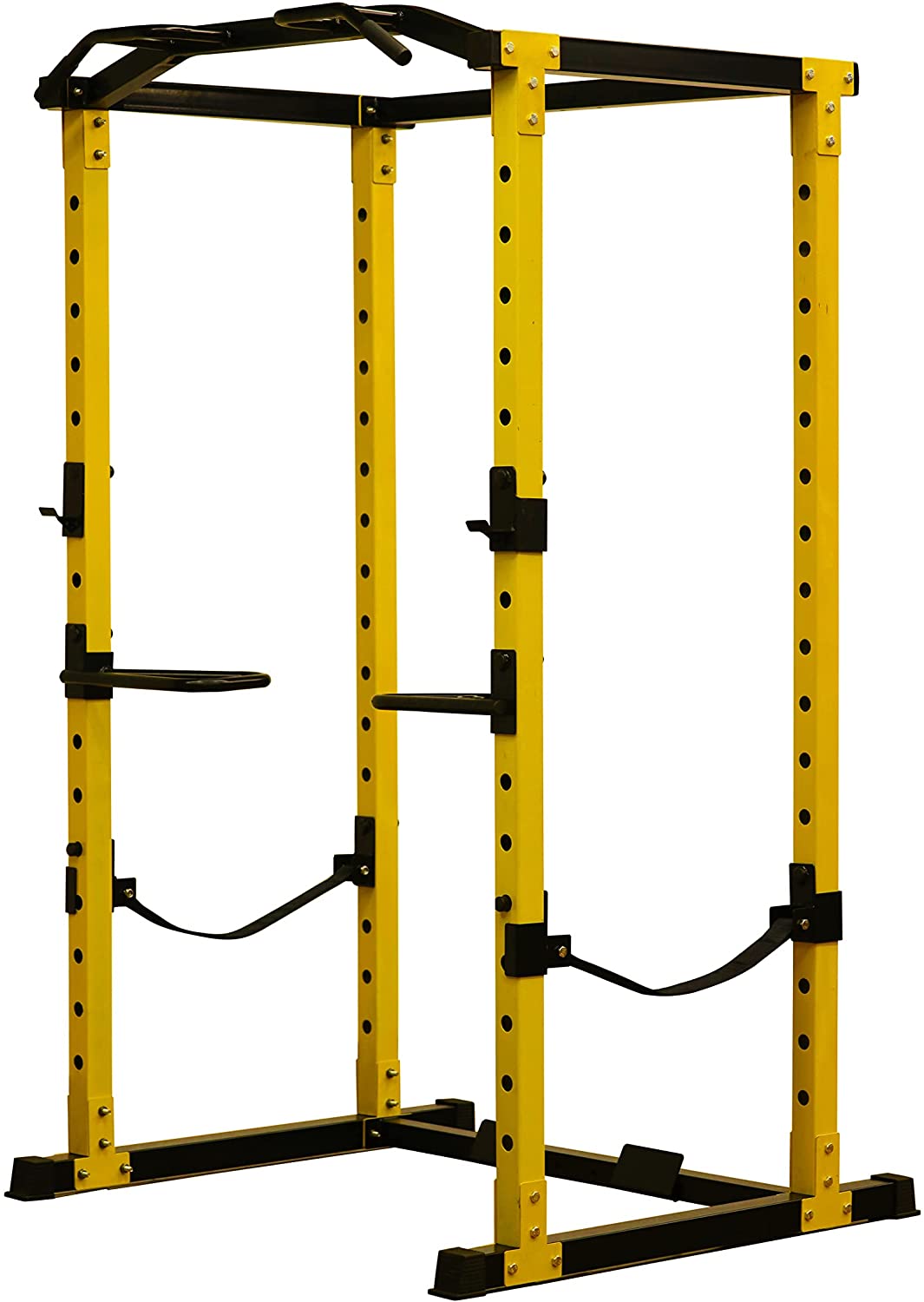 The HulkFit 1,000lbs multi-function power cage is a huge improvement on their 800lbs squat rack that we covered in our squat rack review and guide. This product comes with a much stronger base and improved stability.
The stability and footprint of this product are great, while the 1,000lbs weight-rating provides plenty of extra space no matter how heavy you’re lifting. It also ensures that the differences that come from dynamic movement are accounted for and keeps you safe, even when failing significant weights.
This all comes at a great price. Again, we’re not going to discuss the lat pulldown attachment as it is a better independent product and doesn’t provide much in the way of core functions for the power cage itself. The cage is good, the unnecessary attachments don’t add much.
Key Features
- Constructed with 11 gauge steel, this power cage has a 1000lb weight capacity. The 2. 5in X 2. 5in frame offers greater stability throughout
- Free standing unit with a large walk-in space and rubber feet to ensure stability and protect flooring
- Front of the rack includes a multi grip pull-up bar for additional exercises and stretches. Cross bars can also be used for band & resistance training.
- Assembled dimensions: 81″ x 44″ x 47″. Product weight: 140 Pounds (power cage only)
- Power Cage also includes two steel safety bars with J-Hooks or safety straps, two dip bars and extra J-Hooks. NOTE: We are transitioning from safety bars to safety straps. Depending on when you order, you may receive either and we cannot guarantee one or the other.
- Please note that we are in the middle of transitioning from safety bars to safety straps. Based on customer feedback, we switched over to safety straps as they provide more versatility and don’t damage your barbell if dropped on them. We cannot guarantee what you receive in your shipment
Specifications
| Package Dimensions L x W x H | 77 x 13 x 10.5 inches |
| Package Weight | 63.5 Kilograms |
| Item Dimensions LxWxH | 47 x 44 x 81 inches |
| Item Weight | 60.78 Kilograms |
| Brand Name | HulkFit |
| Warranty Description | 2-Year Warranty |
| Model Name | Multi-Function |
| Color | Yellow |
| Material | Composite |
| Suggested Users | Unisex-adult |
| Manufacturer | HulkFit |
| Part Number | HFPC-1 |
| Style | 1. Power Cage, Yellow |
| Included Components | Power Cage |
Pros
- Great design
- Great price tag
- Heavy duty and high-stability if you get a well-checked product
Cons
- Questionable quality assurance with missing pieces
- Products may have poorly-aligned safety pins, requiring 3rd party boring or being unsuitable for use
9. Fitness Reality Squat Rack
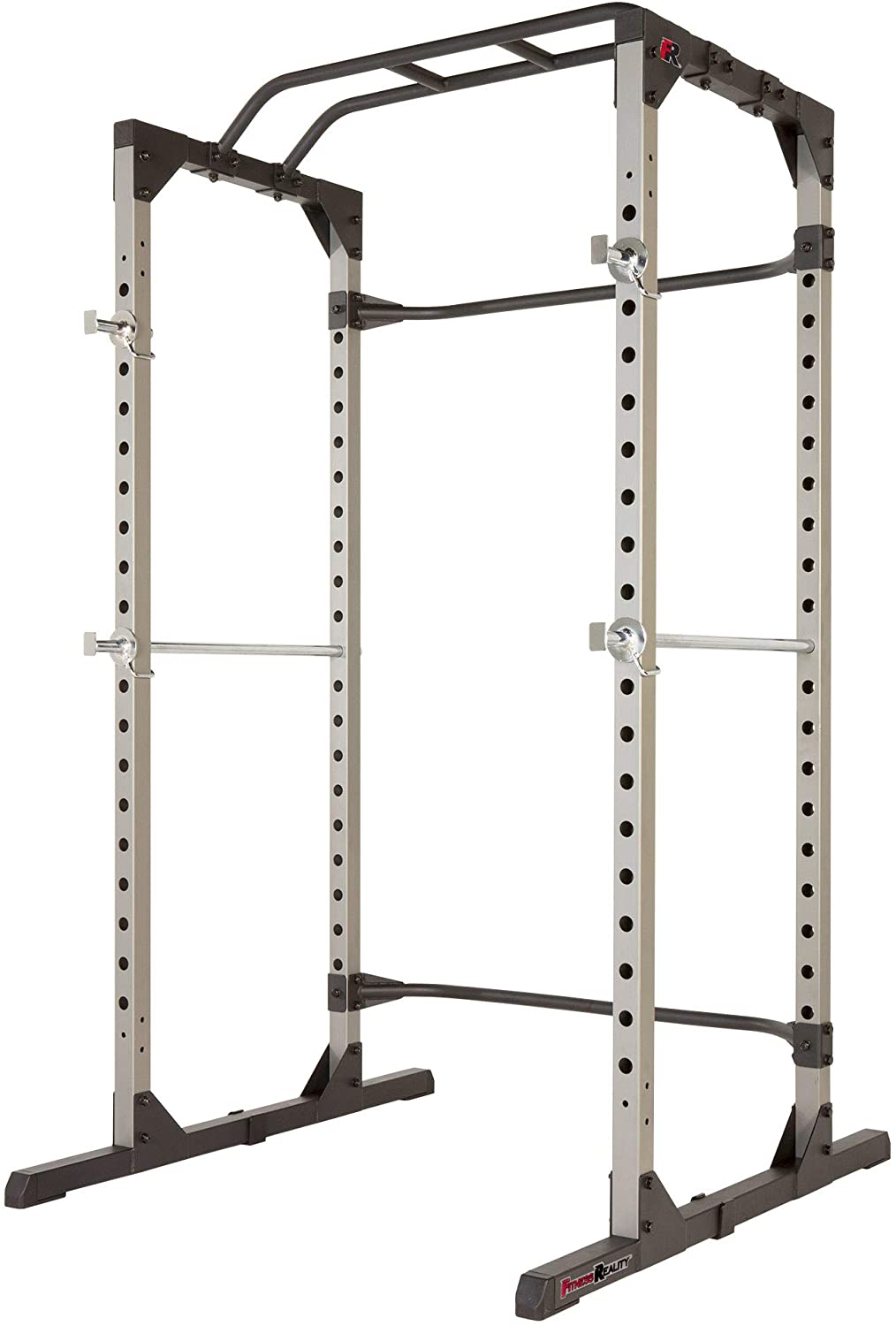 This item accompanies an assortment of choices albeit the link pulley connection is a genuine illustration of an extra that truly doesn’t add a lot. We’ve worked with this sort of connection widely and they’re nearly all around awful.
The standard model of the 810XLT is appraised to 800-lbs which is a sensible measure of weight-rating, however not practically identical with others on this rundown. 800lbs of static weight is great yet consider that you will bomb weight with speed, rather than static so a superior weight-resilience would be a decent reward.
This is a very decent item for the people who are new to weight preparing and don’t need a substantial item. There are some cool capacities for example, the different draw up grasps and balancing out bars that are intended to fit the rear of the item.
Key Features
- STRONG ASTM TESTED 800 LBS. WEIGHT CAPACITY: Don’t put your safety in the hands of a squat rack that hasn’t been tested. Our Squat Rack was ASTM tested at 2,000 pounds in order to get an official weight capacity of 800 pounds.
- SOLID STEEL LONG SAFETY ARMS: Other companies provide hollow tubes, not us. Have peace of mind knowing that our safety arms are solid steel rods, designed to handle heavy weight.
- MULTI-GRIP & REVERSIBLE PULL UP BARS: Wide grip, narrow grip, hammer grip pull ups are all available with this power cage. Can be reversed to lower the height of the cage. This is important if you have a lower ceiling.
- STANDARD SIZED 1″ HOLES: Makes your squat rack compatible with standard sized attachments such as J hooks, Dip bars, Weight storage bars etc…
- TWIN SUPPORT BRACES: Makes this power cage strong and sturdy. Lower brace also acts as a feet support when using the Low Row Cable attachment
- MAX WORKOUT SPACE: Our ELEVATED and curved support brace means more workout space and nothing to trip over. Get an extra foot of space for your bench.
- TOTAL HOME GYM EQUIPMENT: Combine with our weight benches or full suite of attachments to build out a total home gym solution
- CUSTOMIZE WITH ATTACHMENTS: Get J hooks, dip bars, landmine, weight plate storage attachments and others.
Specifications
| Package Dimensions L x W x H | 78.25 x 13 x 9.25 inches |
| Package Weight | 65.32 Kilograms |
| Item Dimensions LxWxH | 50.5 x 46.5 x 83.5 inches |
| Item Weight | 61 Kilograms |
| Brand Name | Fitness Reality |
| Warranty Description | 1 year limited |
| Model Name | 810XLT |
| Color | Grey |
| Material | Steel |
| Suggested Users | Unisex-adult |
| Style | Power Cage Only |
| Included Components | Cage |
| Size | One Size |
| Sport Type | Fitness & Yoga |
Pros
- Good price
- Simple and easy to use
Cons
- Low weight tolerance
- Lat pulldown attachment is relatively low quality, awkward to navigate, and has an unnatural length-tension relationship
10. Fuel Pureformance Deluxe Power Cage
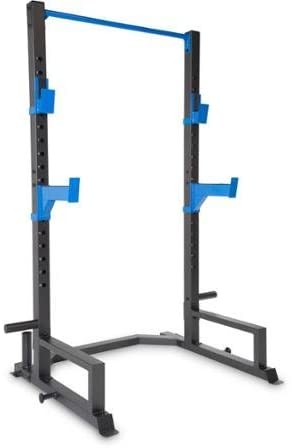 It’s a half-rack meaning it provides a limited number of exercises compared to a full cage. Because of its more compact size, it’s a better option for a smaller home gym or space. It has only footers for stability, two uprights with a single bar that connects them.
Virtually, you can do all the most essential weight lifting exercises with it. For example, bench press, squat, and deadlift, but the safety is much better in a full cage.
The squat rack has a 500 lbs weight limit which is not that much, but enough for most of the people for home. The bar at the top can be used as a pull-up bar, useful for bodyweight exercises. This rack is compatible with Olympic barbells and weights. You can also buy a compatible weight bench separately. Finally, the cheap power rack has floor attachments to prevent tipping.
Key Features
- Steel construction
- Oversized tubing and powder-coated finish
- Abundance of training features
- Metallic finish with striking blue accents
- Olympic plate and bar storage
Specifications
| Brand Name | Fuel Pureformance |
| Material | Alloy Steel |
| Part Number | 3696659 |
Pros
- Good for small spaces
- Good value for the money
- Four rare pegs for plates
Cons
- Narrow
- Thin powder coat finish
- Suitable for moderate training
- Wobbles under heavy lifts if the rack isn’t anchored
Conclusion
All variables considered, the CAP brand is the sort, everything being equal. This scope of items is solid, truly dependable, and more extravagant in quality. You are bound to yield more prominent results by utilizing it. Assuming that I were you, I would focus on it.
We, be that as it may, pass on it to you to conclude which is best for you. Simply utilize the rules we have specified above to settle on your decision. Assuming you are stuck you can generally tell us. We will be happy to help you as we care for your government assistance.
When do you intend to buy your own? Have you found our information insightful? Who else do you intend to share the information with? Kindly let us know in the comments section here below. We wish you for the right squat rack!
Frequently Asked Questions
1. What is a hack squat?
The hack squat involves standing on the plate, leaning back onto the pads at an angle, with the weight placed on top of you by positioning yourself under the shoulder pads. The weight is then pushed in the concentric phase of the squat. Simply put, when you stand back up, that’s when the weight is pushed away from you.
2. Can squat rack be used for bench press?
Yes. You just need to make sure you have your squat stand set up right and don’t go above the maximum weight capacity. The safety bars will need to be set around an inch above your chest to make sure that they will catch the bar should you need to drop it.
3. Can you bench on a power rack?
The power rack is a great tool, because it allows you to lift heavy weights safely. Unlike traditional machines in the gym, the power rack is extremely versatile. You can use it for back squats, front squats, shoulder press, deadlifts, bench press and heavy rows. It’s like a playground for lifters.
4. Do you need to bolt down the squat rack?
A squat rack should always be secured in place before use. Not doing so could result in unwanted rack movement or tipping. Bolting the rack to a lifting platform or the floor is the most secure option. If it can’t be bolted down, ensure the rack is heavily weighted and has a wide base for stability.
Hiking and cycling are ideal fall exercises, taking advantage of cooler temperatures and changing scenery. Yoga amidst autumn leaves brings a calming ambiance to your fitness routine.
As the crisp autumn air rolls in, outdoor activities become increasingly inviting for fitness enthusiasts. Fall presents the perfect backdrop for a blend of exercise and enjoyment of nature’s beauty. Hiking provides an opportunity to traverse through nature trails, offering both a cardiovascular workout and the chance to witness the changing leaves.
Meanwhile, cycling allows for greater ground coverage, letting you explore further while improving your stamina and leg strength. For a more serene and reflective exercise, practicing yoga in a park surrounded by falling leaves can enhance your sense of peace and grounding. Altogether, these activities not only boost physical health but also contribute to mental well-being, making them superb options for your fall fitness regimen. With the right approach, these workouts can be easily tailored to any fitness level, ensuring a season full of health and enjoyment.
Credit: www.mikekellytoyota.com
Embrace Autumn Fitness Routines
Fall brings with it a mosaic of colors, cooler temperatures, and the perfect backdrop for revamping your exercise regimen. Autumn months offer a natural canvas for a variety of activities that are both invigorating and picturesque. As the leaves start to transform and the crisp air sets in, it’s time to consider how your workouts can adapt to the season. Let’s dive into some tips to ensure your exercise routine is as dynamic and vibrant as fall itself.
Consider The Changing Environment And Weather Patterns
As you embrace outdoor workouts during fall, it’s essential to be mindful of the shorter daylight hours and fluctuating weather conditions. Planning is key. Choose the time of day wisely—afternoons can be ideal as they’re typically warmer and more sunlight is available. Make sure to check the weather forecast regularly to avoid any surprises and to ensure safety throughout your workouts.
- Seek scenic trails with colorful foliage along your jogging route.
- Incorporate outdoor strength training; use park benches for dips or push-ups amid a natural setting.
- Transition into indoor pools for swimming as temperatures drop.
Biking or hiking in the fall can reveal new landscapes as nature transforms, providing a fresh perspective and motivation during your routine. Furthermore, be certain to have a backup plan for indoor exercise options when the weather doesn’t cooperate.
Embrace Layering Techniques For Comfort And Warmth During Workouts
Proper attire is critical for a comfortable and effective autumn workout. Mastering the art of layering will allow you to adjust your body temperature and remain comfortable as you heat up and cool down during exercise.
| Layer | Type | Function |
|---|---|---|
| Base Layer | Moisture-wicking fabric | Keeps skin dry |
| Middle Layer | Insulating material | Retains body heat |
| Outer Layer | Weather-resistant jacket | Protects against wind and rain |
Remember to adapt your layers throughout your workout: start with all layers on and remove them as needed. Ensure the first layer stays on at all times to maintain dryness against the skin. Additionally, gloves and hats are important as a significant amount of body heat is lost through the extremities.
As you set out to stay active this fall, proper planning and attire will not only enhance your performance but also make your fitness routine an enjoyable and integral part of the season. Explore the great outdoors with enthusiasm and watch as the environment transforms your workout experience.
Outdoor Fall Exercise Options
Fall brings with it a unique opportunity to embrace the great outdoors with a bevy of exercise options tailor-made for the season. The tapestry of autumn colors, the gentle rustle of falling leaves, and the cooler temperatures create a perfect environment for invigorating physical activities. Let’s explore some of the most rewarding ways to stay fit and active during this picturesque time of year.
Hiking Amid The Vibrant Foliage
Hiking is a fan favorite when it comes to fall exercise. The stunning hues of red, orange, and yellow transform any trail into a visual feast. You can revel in the crunch of leaves underfoot while your body benefits from the varied intensity of uphill climbs and leisurely walks across flat terrain. This time of the year usually promises cooler temperatures, which makes longer hikes more comfortable, minimizing the risk of overheating and dehydration. Ensure you’re adequately prepared with sturdy footwear, layered clothing, and ample hydration for a perfect day out on the trails.
Trail Running For Varied Terrain And Scenery
For those seeking an adrenaline boost, trail running in the fall is an exhilarating option. The varied terrain not only challenges your body but also stimulates the mind as you navigate through the diverse landscapes. The soft earth cushioned by layers of fallen leaves provides a good grip and is gentle on the joints, allowing for longer, safer, and more enjoyable runs. Immersing yourself in the changing scenery and witnessing the wildlife preparing for winter can be an additional motivating factor for trail runners enthusiastic about combining fitness with nature’s wonders. Remember to wear shoes with good traction and be mindful of early sunsets when planning your runs.
Biking Through The Crisp Air And Picturesque Landscapes
There’s no better way to cover more ground and take in the breadth of fall’s beauty than by biking. Feel the crisp, cool air against your face as you pedal through paths painted with rich autumn colors. Your senses will thank you for the experience as the landscape offers a stunning backdrop and the air carries the scent of earth and foliage. Taking your bike out on a fall day combines the thrill of speed with a full-body workout, enhancing cardiovascular health and building muscle strength. Pre-ride checks and proper safety gear are vital, as well as dressing in layers to adjust to the temperature changes throughout your ride. Whether on a city bike path or a country trail, this activity is sure to delight any fitness enthusiast.
Indoor Workouts For Cooler Days
As the crisp air of fall whisks away the warmth of summer, outdoor exercise becomes a bit more challenging. But don’t let the cooler temperatures put your fitness routine on ice. Embrace the change of season with a variety of indoor workouts that can keep your body moving and grooving. It’s the perfect time to explore new fitness territories or revisit trusted favorites that make breaking a sweat as enjoyable as a pumpkin spice treat.
Yoga Sequences Focusing On Warmth And Flexibility
Embrace the change of season with yoga sequences specifically tailored to generate internal heat and amplify flexibility. Transform your living room into a serene studio with these practices:
- Hot Yoga at Home: Crank up the thermostat a bit, grab your mat, and immerse yourself in a Vinyasa flow that naturally builds body heat.
- Dynamic Stretching: Engage in yoga sequences incorporating Sun Salutations to promote circulation and muscular flexibility.
- Restorative Yoga: Opt for slower, longer-held poses to deepen the stretch and enhance joint mobility on those chilly days.
These yoga routines ensure that despite the drop in the mercury, your body maintains its suppleness and warmth.
Functional Strength Training With A Focus On Core Stability
Functional strength training targets the muscles we use daily. Incorporating a core stability component can fortify your midsection and protect against falls or strains as you navigate the season’s slippery paths. Here’s how to engage your core indoors:
| Exercise | Benefits | Sets and Reps |
|---|---|---|
| Planks | Tightens deep abdominal muscles | 3 sets of 30 seconds |
| Dead Bugs | Improves coordination and spinal stability | 2 sets of 10 reps per side |
| Russian Twists | Targets obliques and rotational strength | 2 sets of 15 reps per side |
Regularly performing these exercises contributes to a solid core which aids in functional health and overall fitness endurance.
Group Fitness Classes Offering Motivation And Variety
For those who find solo workouts lacking in enthusiasm, group fitness classes offer a fun alternative. These are great for staying motivated and mixing up your routine:
- High-Intensity Interval Training (HIIT): A fast-paced class to get your heart racing and endorphins pumping.
- Zumba: Dance away the fall blues with energetic Latin rhythms in a vibrant class atmosphere.
- Spin Classes: Cycle through autumn with indoor cycling sessions that offer a low-impact, high-cardio workout.
Signing up for classes can introduce you to new workout styles and keeps you accountable on those darker, cooler days.
Home Exercise Setups
As the leaves turn shades of orange and the air becomes crisp, autumn invites new routines and fresh ways to stay active. Home Exercise Setups emerge as a convenient and comfortable option to keep fitness a top priority. Tailored to this colorful season, we explore how to create a space at home that is conducive to getting fit and staying motivated, regardless of the cooler weather.
Building A Budget-friendly Home Gym For Fall
With the right approach, a home gym doesn’t have to break the bank. Creating a budget-friendly exercise space is all about prioritizing essential equipment and making smart choices. Here’s a guide:
- Assess your space: Choose a designated area in your home that is spacious enough for movement but can also be a dedicated workout zone.
- Essential Equipment: Begin with basics like a yoga mat, resistance bands, and dumbbells. These versatile pieces lay the foundation for a myriad of exercises.
- Creative Substitutes: Use household items as weights–water bottles or books can be just as effective in a pinch!
Create different workout stations within your space to keep things interesting. For example, one corner could be for strength training, another for cardio activities, and a third for flexibility or balance exercises. Staying organized and having variety within your budget is key to making the most of your fall fitness regime.
Virtual Fitness Challenges To Stay Connected And Accountable
The fall season often brings the challenge of staying motivated as the days get shorter. Virtual fitness challenges provide a solution to this by keeping you accountable and connected to a community. Here are some engaging online initiatives to consider:
- Join a global challenge: Many fitness apps and online platforms host seasonal challenges that you can be a part of from the comfort of your home.
- Set up friendly competitions with friends or family: Use technology to track everyone’s progress and keep the spirit of healthy competition alive.
- Participate in live-streamed classes: Stay motivated by working out in real-time with others. This can replicate the feeling of being in a group fitness class without leaving your house.
These virtual fitness experiences not only elevate your exercise routine but also create a support network that can propel you toward your health goals throughout the season.
Fun Fall Family Activities
The crisp autumn air and the colorful tapestry of falling leaves make fall the perfect time to bond with your family through active and engaging activities. These moments not only encourage physical exercise but also foster family togetherness. Below, explore dynamic ways to infuse exercise into your family’s fall routine.
Organizing Weekend Active Outings
Planning active weekends is a brilliant strategy to keep everyone in your family moving, especially during the cooler months of fall. Consider these stimulating options:
- Hiking in a nearby park to enjoy the fall foliage.
- Biking along scenic routes dotted with autumn colors.
- Organizing a family scavenger hunt around the neighborhood.
- Embarking on a canoeing or kayaking adventure in a local lake or river.
Pick activities that cater to all ages within the family so that everyone can participate actively. Additionally, use this opportunity to explore different areas and create lasting memories.
Participating In Community Fall Sports Leagues
Joining local community sports leagues provides a structured way to engage in regular physical activity and socialize with neighbors. Some popular fall sports include:
| Sport | Age Group |
|---|---|
| Flag Football | All Ages |
| Soccer | Children to Adults |
| Field Hockey | Teens and Up |
| Ultimate Frisbee | Young Adults |
Check with your community center or parks and recreation department for league sign-ups and schedules. Embrace the competitive spirit and excitement that comes with team sports while you get fit and make new friends.
Creative Exercise Pairings
Autumn brings a refreshing crispness to the air, painting the outdoors with vibrant hues, and inviting you to think outside the gym for your fitness routine. With the season in full swing, it’s time to get creative and pair traditional exercises with the unique offerings of fall. These innovative approach to working out not only spices up your fitness plan but also helps you reap the benefits of the great outdoors while enjoying seasonal activities. Let’s dive into some creative exercise pairings tailored perfectly for this fall.
Combining Workouts With Seasonal Chores Like Raking Leaves
Fall chores can be more than just tasks on your to-do list; they’re opportunities for a great workout. Raking leaves is not only quintessentially autumnal but also an excellent form of cardiovascular and strength training. To maximize the benefits:
- Maintain proper form, keeping your back straight and using your legs to lift
- Switch hands frequently to work both sides of your body
- Intensify the workout by doing lunges or squats as you gather leaves
This outdoor activity pairs seamlessly with brisk walks or jogging intervals, ensuring a full-body workout amidst the natural beauty of the changing leaves.
Planning Fitness Meetups Around Fall Events And Festivals
Fall’s event calendar bursts with activities, from pumpkin patches to harvest festivals. Capitalizing on these occasions, you can plan fitness meetups that blend social fun with physical activity. Here’s how:
- Scout for local events that involve a good deal of walking
- Organize a group to attend the event with fitness trackers in tow
- Set step goals or challenges to keep everyone motivated
Whether it’s a haunted hayride walk-through or a corn maze excursion, the possibilities for a festive and active outing are endless.
Conclusion
As autumn’s golden hues take hold, so can your fitness routine. Embracing outdoor activities like hiking or yoga in the park can transform your exercise experience. Indoor workouts also adapt well to cooler weather—think dance classes or mall walking. Whichever path you choose, fall is a fantastic season to rekindle your love for movement while enjoying the crisp air and changing leaves.
Stay active and cherish the season’s unique offerings for a happier, healthier you.
Uncover the secrets to achieving your dream body with our foolproof gym plan designed to make you feel fabulous.

Table of Contents
Are you ready to take your fitness journey to the next level? Look no further! In this comprehensive guide, we will provide you with tips and strategies to help you maximize your workout results through effective exercise routines, smart nutrition choices, and a well-structured gym plan. By following these suggestions, you can achieve your fitness goals and get in the best shape of your life.
Setting Goals
Setting clear and achievable goals is the first step towards a successful fitness journey. It is important to define specific objectives for your workouts, nutrition, and gym plans to keep you motivated and on track. Whether you aim to lose weight, build muscle, or improve your overall health, having a clear goal in mind will help guide your efforts.
Workout Tips
When it comes to workouts, variety is key. Incorporating a mix of strength training, cardio, and flexibility exercises will help you achieve a well-rounded fitness routine. Focus on proper form and technique to prevent injuries and make the most out of each workout session. Additionally, gradually increasing the intensity of your workouts will challenge your body and prevent plateaus in your progress.
Nutrition
A balanced diet is essential for fueling your workouts and supporting your body’s recovery. Make sure to include a variety of nutrients in your meals, such as lean proteins, whole grains, fruits, and vegetables. Proper hydration is also crucial for optimal performance during workouts and overall health. Meal planning and preparation can help you stay on track with your nutrition goals.

Image courtesy of professionalshealthconnectiondotcom.wordpress.com via Google Images
Gym Plan
Creating a structured gym plan that targets different muscle groups is key to achieving a well-balanced physique. Make sure to include rest and recovery days in your gym plan to prevent overtraining and support muscle growth. Tracking your progress and making adjustments to your gym plan as needed will help you stay motivated and see results.
Full-body Workouts
Full-body workouts are a great way to target multiple muscle groups in a single session. By incorporating exercises that engage various parts of your body, you can maximize your time at the gym and improve overall strength and endurance. Examples of full-body workout routines can include compound movements like squats, deadlifts, and push-ups.

Image courtesy of www.pinterest.cl via Google Images
Strength Training
Strength training is essential for building muscle mass, increasing strength, and boosting metabolism. By incorporating exercises that target specific muscle groups, you can see significant improvements in your physique and overall fitness levels. Make sure to use proper form and technique to prevent injuries and maximize the effectiveness of your workouts.
Cardio Workouts
Cardio workouts are great for improving cardiovascular health, burning calories, and boosting endurance. Including a mix of high-intensity interval training (HIIT), steady-state cardio, and aerobic exercises in your routine can help you achieve your fitness goals faster. Experiment with different types of cardio workouts to keep things interesting and prevent boredom.
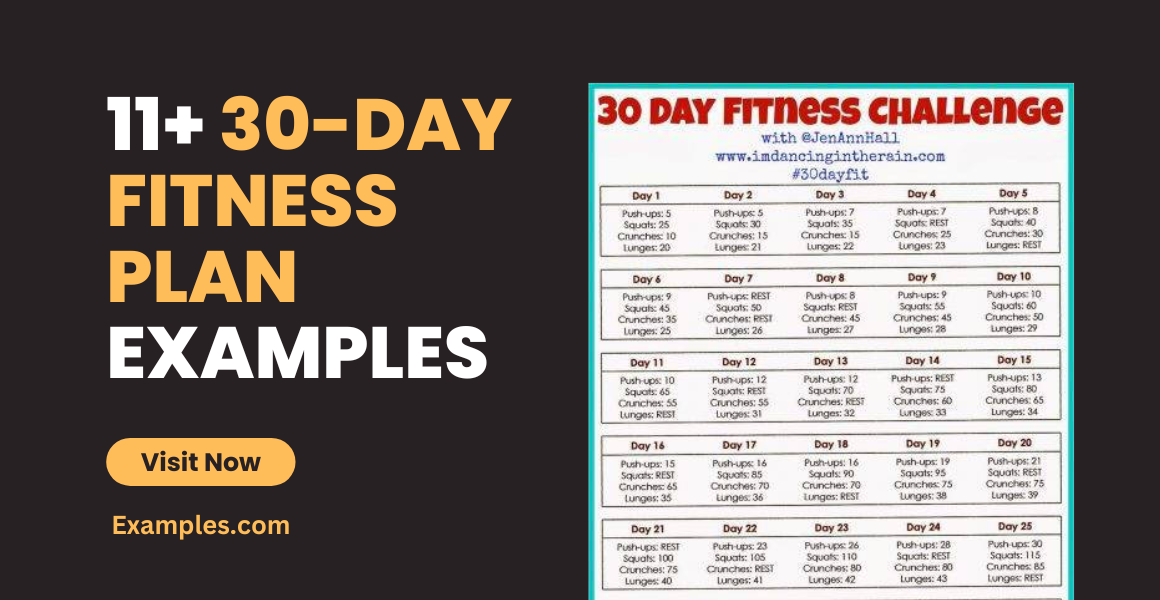
Image courtesy of www.examples.com via Google Images
Recovery and Rest
Rest and recovery are just as important as workouts in promoting muscle growth and preventing burnout. Make sure to prioritize rest days in your gym plan to allow your body to recover and repair from strenuous workouts. Incorporating self-care practices like stretching, foam rolling, and proper nutrition can further support your body’s recovery process.
In conclusion, by following these tips and strategies for effective workouts, nutrition, and gym plans, you can achieve your fitness goals and transform your body. Remember to stay consistent, listen to your body, and make adjustments as needed along the way. With dedication and perseverance, you can reach your full potential and become the best version of yourself!
One of the most well-known names in exercise equipment brings a top-quality elliptical trainer at a very reasonable price with the NordicTrack E 7.0 Z. At this value range, this circular has all that it ought to and all that you will require. You’re getting a quality piece of gym equipment supported with a lifetime outline guarantee.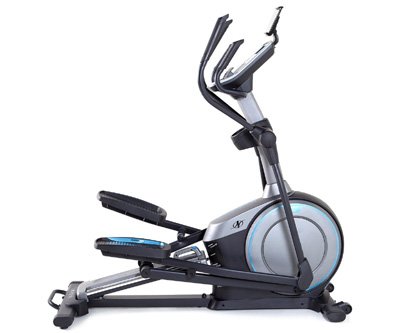
NordicTrack packs the right highlights into the E 7.0 Z. Highlights like 20 degrees of naturally changed obstruction, the capacity to lean consequently up to 20 degrees, and a 20″ step that makes certain to oblige essentially every client. The most amazing element anyway is that NordicTrack is pressing 20 pre-customized exercises into this curved and afterward likewise outfitting it with iFit capacity that furnishes you with a perpetual library of exercise choices. With highlights like these the NordicTrack E 7.0 Z is difficult to beat.
Again, the E 7.0 Z is at this point not ready to move and logical ends. We suggest investigating the NordicTrack Spacesaver SE7i as an extraordinary other option.
 Key Features
- 15 lb inertia-enhanced flywheel engineered for incredibly smooth, quiet and natural performance.
- 20 digital resistance levels to adjust the intensity of your workout with the touch of a button.
- Oversized, adjustable foot pedals with a 20” stride to target different muscle groups and add intensity to your workout.
- 0-20 degree power incline with quick adjustment allows you to modify your incline to focus on specific muscle groups without losing your focus during your workout.
- Dual grip sensors built into the handlebars to see your heart rate on the console and to target your intensity.
- Integrated book/tablet holder to help you pass the time.
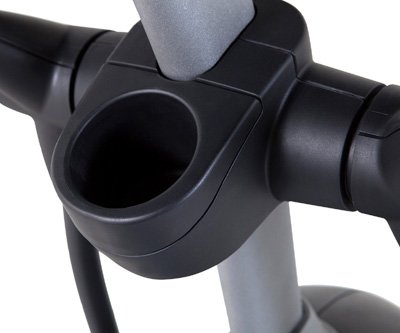
- Water bottle holder so you can stay hydrated throughout your workout.
- 5” backlit display keeps your workout stats right in front of you.
- MP3 compatible so you can listen to your favorite music with the built-in sound system.
- iFit compatible provides you with unlimited workouts designed by certified personal trainers.
- Provides global Google MapsTM routes, extensive fitness tracking and an unlimited workout library.
Specifications
- Height: 67”
- Width: 25”
- Length: 66”
- Item weight: 214 lbs
- Max user weight: 300 lbs
Resistance & Incline
Just like many top NordicTrack coaches, this machine uses a Silent Magnetic Resistance innovation (SMR) to challenge your exercises. To change its 20 degrees of opposition, you just have to contact a button on the control center. Furthermore by contacting the button on the control center unit, the magnet’s force will be initiated and the impact will be given to the flywheel which will, thus, make more strain for accelerating.
Being a magnetic resistance system,there isn’t a lot of contact between the framework’s components which suggests that mileage has been kept at any rate and you additionally have the advantage of a calm exercise.
NordicTrack E 7.0 Z draws a lot of its pride from its grade. Its mechanized grade framework, which is fixed on the front side, interfaces with the float rail which bends over as a slope incline. Changing the slope will prompt the rail raising up at the front bringing about an increment in the force of your activity.
Being a mechanized slope, changes are done by means of the control center. You can change it up to 20 degrees, which is the set most extreme or leave it at 0 degrees which is the least level. Note that at 20 degrees, the step length will be somewhat more limited by around 2″ while at o degrees, the step length will be at its most extreme (20″). On the off chance that you choose to exercise following a custom Google Maps course, your slope will be consequently changed with the assistance of the iFit innovation.
Console Unit
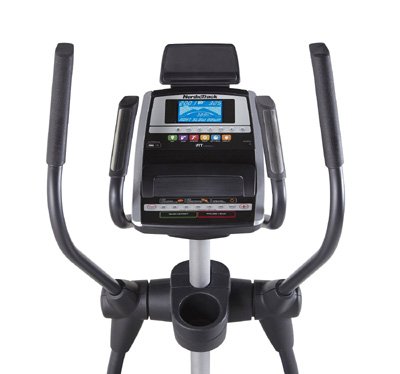
The console on this elliptical machine is a multifunctional one. An important feature of nearly all NordicTrack consoles that you can’t fail to appreciate is the iFit technology. With this feature, you can have your machine connected to your smartphone or tablet with the help of a Bluetooth connection. Note that in order to enjoy more workout options from this feature, you will need to subscribe for a full membership.
For the display, you have a 5″ diagonal LED display that comes equipped with a blue backlight to enhance readability. You can as well experience professional training from each of the 20 built-in workout programs.
Every important data you expect from a workout can be obtained with the help of this console. This includes:
- Time
- Pulse
- Stride
- Speed
- Distance
- Resistance
- Calories burned
- Revolutions per minute
Other remarkable amenities included on this console include:
- Tablet tray
- MP3 compatibility
- Water bottle holder
- Global Google MapsTM routes
- Intermix Acoustic Sound System
Build quality / Design
NordicTrack E 7.0 Z’s casing is made of substantial steel tubing and to make it impervious to scratches and consumption, it has been covered with an enemy of destructive paint. Truth be told, all the steel parts have been made impervious to consumption and scratches through a similar paint. Hard plastic has been utilized to encase the flywheel, pulley, joint fronts of the arms, and pedals.
For steadiness, the machine’s bases have been fixed with flexible feet which offer a likelihood to accomplish ideal strength paying little mind to the floor type.
The machine’s drive framework includes a tranquil and smooth belt drive framework upheld by a thick v-belt. One more extraordinary piece of its drive framework is the 15lbs idle improved flywheel which guarantees an extraordinarily calm, smooth and regular movement.
Comfort
As we mentioned earlier, this machine’s maximum stride length of 20″ is sensibly sufficiently long to oblige both taller and more limited clients. With the assistance of the machine’s mechanized slope, it’s not difficult to track down which length turns out best for you.
In designing the pedals, much spotlight was put on solace and this was accomplished by keeping them larger than average, including a thick layer of elastic to improve padding, a 2-degree slant, and a suspension component. This large number of highlights consolidate to make your exercise agreeable by diminishing the effect on your feet, improving adherence, and providing a characteristic vibe.
A thick layer of elastic froth which has been utilized to cover the machine’s multi-grasp handlebars goes into guaranteeing that you have a safe and agreeable hold. Not neglecting to specify that they’ve been made long enough so as clients, all things considered, can utilize the machine and have the option to exercise at various stances.
Assembly and Warranty
 When it comes to assembling this machine, you will need a few extra tools like a rubber mallet and a Phillips screwdriver on top of the ones that come included in the package. Putting this machine together isn’t exactly difficult. A comprehensive manual has also been included in the package to make work easier and fast for you. To get it ready, it shouldn’t take you any longer than one hour.
The warranty information is as follows:
- Parts: 1-year warranty
- Labor: 1-year warranty
- Frame: Lifetime warranty
Alternatives
 Despite the fact that NordicTrack E 7.0 Z offers such a huge amount at its cost, interestingly, there’s a circular mentor offering something very similar for a couple hundred dollars less.
ProForm Endurance 520E and NordicTrack E 7.0 Z resemble twins. The two offer many highlights from, same obstruction levels, step length, a 5″ LED show and a flexible grade, to the client weight limit, iFit innovation, thus substantially more. There aren’t any huge contrasts between the two thus a client will have a really simple time concluding which one to go for between the two.
Another famous option is the Schwinn 430. Schwinn 430 is much less modest than the NordicTrack E 7.0 Z and accompanies far more exercise programs and a couple of more modernized elements like a Dual-track LCD show not present in NordicTrack E 7.0 Z. Be that as it may, NordicTrack E 7.0 Z has a more alluring arrangement of guarantees and a more strongly constructed quality exhibited by the existence guarantee on the casing.
Pros
- Online connectivity
- Easy to assemble
- Low maintenance
- Decent set of warranties
- Diverse workout options
- Power adjustable incline
- Computerized features
- Solid and sturdy construction
Cons
- No cooling fan
- Console not telemetry enabled
Conclusion
You won’t be disappointed if you make the move to buy the E 7.0 Z Trainer. There are only a few names in the fitness industry that are as recognized as NordicTrack. You’re getting a name brand manufacturer in the fitness industry with quality components. You’re getting tons of workout options and great features in comfort, resistance and intensity.
Frequently Asked Questions
1. Why does NordicTrack make noise?
Lack of lubrication on pivot points can make the elliptical squeak. Apply a thin coat of all-purpose grease to pivot points on the pedal arms and handle bars to eliminate squeaks. Lubricate all moving parts during routine maintenance to prevent squeaks.
2. Can you get Netflix on NordicTrack?
Depending on your Nordictrack model, it appears there is a way to override the iFit screen and access a web browser from your smart screen. From here, you can potentially navigate downloading your app or accessing websites like Netflix.com or Youtube.com directly.
3. Do ellipticals need to be oiled?
Many people don’t understand that elliptical machines, just like treadmills, need to be lubricated from time to time. If you have a ramp and wheel system on your elliptical, that is wheels and roll back and forth across a steel or aluminum ramp, you will need to lubricate this every 4 to 6 months with liquid silicone.
4. Does NordicTrack elliptical come assembled?
Due to the great uncertainty of COVID-19 and restrictions throughout the country, NordicTrack is not offering in-home delivery and assembly, but we do offer threshold delivery. Threshold delivery means that your machine will be delivered to the front doorway of your home.
5. Can you use Lysol wipes on gym equipment?
To sanitize free weights and benches, simply wipe them down with a disinfectant wipe after you use them or spray them with a disinfectant like Lysol. Make sure they completely dry before using them again since the cleanser needs time to kill the bacteria, plus they’ll be a little slippery.
6. Is it hard to put together a NordicTrack elliptical?
Most NordicTrack machines are best built with two people working together. Depending on your machine, the console will weigh 15-25 pounds. Combine that with the awkward size, and you will definitely need help to safely and gently install your console.
7. What is nordictrack iFit membership?
With an iFit membership, you’ll receive the best interactive personalized fitness and health coaching right at home. iFit offers hundreds of training programs, including exciting global workouts and high-energy studio classes, and automatic machine adjustment to help maximize your equipment experience.
8. Is NordicTrack Made in the USA?
NordicTrack is an American company that manufactures treadmills, strength training equipment, ellipticals, exercise bikes, and accessories. NordicTrack is owned and managed by iFIT Health & Fitness Inc. and is headquartered in Logan, Utah. The company has been manufacturing exercise equipment since 1975.
9. Can you lose belly fat by using an elliptical?
Elliptical trainers can help burn calories, reduce belly fat and tone the body. One can lose belly fat by adhering to a strict diet plan and exercise regimen and by making a few lifestyle modifications. Elliptical trainers can help burn calories, reduce belly fat and tone the body.
10. Can you use hydrogen peroxide to clean gym equipment?
Hydrogen peroxide has a reputation for being a less-dangerous disinfecting agent than alcohol or bleach, however, hydrogen peroxide can also do serious damage to your gym equipment. Hydrogen peroxide is notorious for oxidizing aluminum, copper, iron, steel, tungsten, and other base metals or base metal alloys.
To do a lunge, step forward with one leg and lower your hips until both knees are bent at about a 90-degree angle. Lunges benefit your lower body by enhancing flexibility, balance, and strength.
Lunges are a powerhouse when it comes to fitness exercises, targeting numerous muscle groups in your lower body – your glutes, hamstrings, quadriceps, and calves all engage during this simple yet effective move. This exercise not only helps in building lean muscle but also improves your stability and posture.
Perfect for both gym enthusiasts and home workouts, lunges are versatile and can be easily incorporated into any fitness routine. Their impact on core strength cannot be overstated; as you perform a lunge, your abdominal and back muscles kick in to stabilize your entire body. Whether you’re warming up, cooling down, or powering through a high-intensity session, adding lunges to your workout regime is a smart move for a well-rounded approach to fitness.
Unleashing The Power Of Lunges
Step into a world where strength, stability, and stamina converge—welcome to the dynamic domain of lunges. This powerhouse exercise is a goldmine for anyone seeking to elevate their fitness game. With its simplicity and adaptability, the lunge is a foundational move that should be a non-negotiable in your workout regimen.
Key Reasons To Include Lunges In Your Fitness Routine
- Enhanced Balance and Coordination: Lunges mimic real-life movements, which helps in improving your functional fitness.
- Core Stability: Maintaining your posture during the movement strengthens the core muscles.
- Improved Posture and Alignment: Lunges engage your back muscles, aiding in the correction of postural imbalances.
- Flexibility: The stretching component of lunges helps increase hip flexor flexibility.
- Bilateral Training: Lunges are a unilateral exercise, which helps in correcting muscle imbalances between legs.
- Convenience: No equipment is necessary; perform lunges anywhere, anytime.
Understanding The Muscle Groups Activated By Lunges
| Primary Muscles | Secondary Muscles | Stabilizers |
|---|---|---|
| Quadriceps | Abdominals | Obliques |
| Glutes | Calves | Lower Back |
| Hamstrings | Adductors | Soleus |
Engaging these muscle groups through lunges not only builds lean muscle mass but also improves your metabolism. This occurs because working large muscle groups increases the energy (calories) your body uses both during and after your workout, promoting fat loss and muscle definition.
Perfecting The Lunge Technique
Mastering the art of the lunge not only bolsters your leg day routine, but it also ignites a powerhouse of muscle engagement, offering outstanding benefits for strength, stability, and flexibility. To reap these rewards, it is crucial to lock down the proper lunge form. Let’s take a deeper dive into how to execute this fundamental move with precision and care.
Step-by-step Guide To The Basic Lunge Form
To ensure you get the most out of your lunges, follow this simple, structured approach:
- Start with your feet> shoulder-width apart, standing tall to establish a balanced base.
- Step forward with one foot, planting the foot firmly on the ground, about two feet ahead.
- Bend both knees to lower your body toward the floor, creating a 90-degree angle in each leg. The back knee should hover just above the ground.
- Keep your upper body upright, with shoulders back and down, and core engaged.
- Press into your front heel to drive back up to the starting position.
- Repeat on the opposite leg to maintain balance and symmetry in your routine.
Common Mistakes To Avoid For Injury Prevention
Avoid these pitfalls to keep your lunge game strong and safe:
- Leaning too far forward: This can put excessive strain on your back and knee. Focus on keeping your chest up.
- Allowing your knee to extend over your toe: It can stress the knee joint. Ensure your front knee is directly above your ankle.
- Letting your knees buckle inward: This mistake can lead to injury and uneven muscle development. Keep knees in line with your toes.
- Not engaging your core: A strong core is essential for stability. Tighten your abdominal muscles throughout the movement.
Variations For Lunge Mastery
Mastering the myriad of lunge variations not only spices up your workout routine but also ensures a comprehensive lower body and core workout. Lunges are a quintessential exercise due to their multifaceted benefits, like improving balance, flexibility, and functional strength. By tweaking a classic lunge, you can tackle different muscles and movement patterns, making these exercises incredibly effective.
Static Lunges To Build Strength
Static lunges are a powerhouse for building strength in your legs and glutes. Anchor your feet in position, with one foot forward and one back, maintaining a staggered stance. As you drop your hips and bend your knees, you’ll create a potent stimulus for muscle growth. Static lunges help in developing a solid foundation by focusing on muscle tension in a fixed position, which is crucial for newcomers and strength enthusiasts alike.
Dynamic Lunges For Agility And Coordination
Dynamic lunges incorporate movement to improve your agility and coordination. By moving forward, backward or sideways in a lunge, your body has to adjust to various planes of motion. This not only enhances your proprioception but also stimulates your nervous system and challenges your balance. Exercises like walking lunges or jumping lunges are prime examples of dynamic lunges that help athletes and fitness enthusiasts become more attuned to their bodies.
Unilateral Exercises To Address Imbalances
Unilateral exercises, such as the split squat or bulgarian lunge, isolate one side of your body at a time, uncovering and addressing any imbalances. This form of training is crucial for not only athletes but also the average gym-goer. By focusing on one leg, you ensure that both sides do equal work, preventing the stronger side from taking over. This results in a balanced development of leg muscles and reduces the risk of injury.
Amplifying The Lunge Workout
If lunges already form part of your fitness regime, it’s time to amplify your workout and take it to the next level. Lunges are not just an exceptional lower-body exercise; they’re versatile, functional, and can be modified for increased difficulty and gains. Whether you’re looking to build strength, endurance, or muscle definition, tailoring your lunge workout is key to continued progress. Let’s explore how you can ramp up the intensity and benefits of your lunge exercises.
How To Increase The Difficulty Of Your Lunges
Progressive overload is essential for muscle growth and strength. By increasing the challenge of your lunges, you can continue to see improvements. Here are several effective ways to boost the difficulty:
- Depth: Sink deeper into each lunge for a greater range of motion.
- Tempo: Slow down your movements, particularly the downward phase, to increase muscle tension.
- Plyometric Lunges: Introduce explosive movements like jump lunges to engage fast-twitch muscle fibers.
- Uneven Surfaces: Perform lunges on uneven surfaces to engage stabilizing muscles.
- Isometric Holds: Pause and hold at the bottom of the lunge to significantly increase muscle strain.
Integrating Weights And Resistance For Maximum Gains
Weights and resistance are powerful tools for amplifying the challenge and effectiveness of your lunge workouts. Adding these elements forces your muscles to adapt and grow stronger. Explore these integrations:
| Integration | Description | Benefits |
|---|---|---|
| Dumbbells | Hold a pair of dumbbells at your sides while you lunge. | Adds extra weight, improving strength and endurance. |
| Barbell | Place a barbell across your shoulders. | Increases overall body tension and focus on form. |
| Kettlebells | Use a kettlebell for goblet lunges. | Improves core stability and adds a cardiovascular element. |
| Resistance Bands | Place a resistance band around your thighs or ankles. | Enhances muscle activation, particularly in the glutes and legs. |
Including weights and resistance not only enhances the intensity of your lunges but also ensures that your muscles don’t become complacent. By constantly challenging your muscle groups, you’re setting the stage for maximum gains in strength, balance, and muscle development. Remember to increase the weight or resistance level gradually to avoid injury and ensure consistent progression.
Whether you’re a beginner or a seasoned athlete, modifying your lunge workout can help you smash plateaus and achieve your fitness goals more effectively. Experiment with these variations and resistances to keep your routine engaging and your muscles guessing!
How To Do A Lunge: Sustaining Your Progress
Mastering the art of lunging means more than just performing a lunge correctly once or twice. It’s about incorporating this powerhouse exercise into your regular fitness routine and continually challenging your muscles for sustained progress. In this section, we will unravel some effective strategies to ensure that your lunge practice not only remains consistent over time but also contributes significantly to your overall fitness goals. Whether you’re a beginner or an avid fitness enthusiast, these tips will help enhance your technique, endurance, and strength.
Tips For Consistent Improvement Over Time
- Vary Your Routine: Mix up your workouts by including different lunge variations such as side lunges, reverse lunges, and walking lunges. This diversity not only prevents boredom but also targets different muscle groups.
- Focus on Form: Keep refining your technique. Ensure your front knee does not extend beyond your toes and your back is straight. A proper form is crucial for preventing injuries and getting the most out of your lunges.
- Increase Intensity Gradually: As you get stronger, add weights like dumbbells or a barbell to increase resistance, or try more challenging variations to keep the muscles adapting.
- Consistent Practice: Commit to a regular lunge routine, setting aside specific days and times to practice. Consistency is key for muscle memory and improvement.
- Rest and Recover: Muscles need time to repair and strengthen after a workout. Ensure you’re getting enough rest and not overtraining.
Setting Goals And Tracking Lunges For Ongoing Benefits
Goal setting is a powerful motivator for sustaining exercise habits. Start by setting achievable targets, such as a certain number of lunges per set or incorporating lunges into your routine three times a week.
| Week | Lunges Per Session | Notes |
|---|---|---|
| 1 | 10 per leg | Getting started |
| 2 | 15 per leg | Feeling stronger |
| 3 | 20 per leg | Incorporated weights |
Recording your exercises, either in a fitness app or a workout journal, can give you a clear picture of your progress and can motivate you to keep pushing your limits. Tracking helps to ensure consistent improvement and helps to appreciate the effort put in over time.
Reflect on your achievements regularly and adjust your goals accordingly. As your fitness level increases, so should your goals. The gratification of hitting new targets can be tremendously rewarding and propels you further on your fitness journey.
Credit: www.getphysical.com
Conclusion
Mastering lunges unlocks incredible benefits for your body. They enhance balance, build muscle, and boost flexibility. Embrace this power move and feel your strength surge. Start lunging today for a fitter tomorrow. Witness the transformation lunges bring, step by powerful step.
Let’s get moving!
Uncover the secrets to transforming your body in just 30 days with this intense workout challenge. Say goodbye to flab!

Table of Contents
Welcome to our guide on transforming your body from flab to fab with a 30-day workout challenge. Whether you’re looking to lose weight, tone up, or improve your overall fitness, having a well-thought-out gym plan is essential. In this blog post, we’ll provide you with tips and guidelines on how to create an effective gym plan that will help you achieve optimal fitness results. Let’s get started!
Define Your Goals
Before embarking on your 30-day workout challenge, it’s important to define your fitness goals. Do you want to lose weight, build muscle, increase endurance, or all of the above? By clearly defining your goals, you can tailor your gym plan to target specific areas that you want to work on.
Assess Your Current Fitness Level
Take some time to assess your current fitness level. Identify your strengths and weaknesses, as well as any limitations or injuries you may have. This self-assessment will help you determine which areas need the most attention and how to structure your workouts accordingly.
Plan Your Workouts
Once you’ve defined your goals and assessed your current fitness level, it’s time to plan your workouts. Create a schedule that includes a mix of cardio, strength training, and flexibility exercises. Aim to work out at least 3-5 times a week, with rest days in between to allow for recovery.

Image courtesy of fitness.allwomenstalk.com via Google Images
Incorporate Variety
Don’t get stuck in a rut by doing the same workouts day in and day out. Mix up your routine by trying different types of exercises and activities. This will not only prevent boredom but also help challenge your body in new ways, leading to better results.
Choose the Right Exercises
Select exercises that target multiple muscle groups and are appropriate for your fitness level. Incorporate a mix of cardio, strength training, and flexibility exercises to ensure a well-rounded workout plan. Focus on proper form to prevent injury and maximize the effectiveness of each exercise.
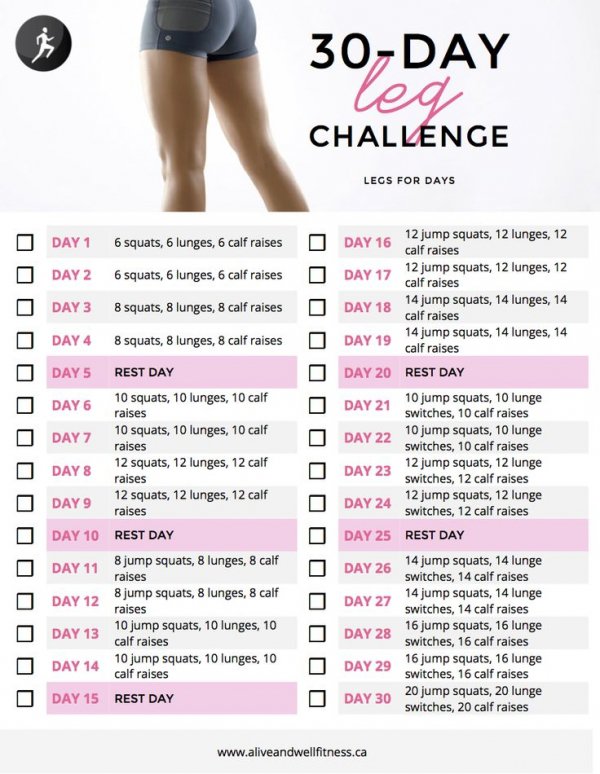
Image courtesy of fitness.allwomenstalk.com via Google Images
Focus on Proper Form
One of the most important aspects of any workout plan is proper form. Make sure you are performing exercises correctly to avoid injury and get the most out of your workouts. If you’re unsure about the proper form, consider working with a personal trainer or fitness instructor.
Include Rest Days
Rest days are just as important as workout days. Your body needs time to recover and repair in between workouts, so make sure to include rest days in your gym plan. Use this time to stretch, foam roll, or engage in light physical activity to help with recovery.

Image courtesy of fitness.allwomenstalk.com via Google Images
Nutrition Guidelines
Alongside your workout plan, it’s crucial to fuel your body with the right nutrients for optimal performance and results. Focus on eating a balanced diet rich in lean proteins, whole grains, fruits, and vegetables. Stay hydrated and consider speaking with a nutritionist for personalized recommendations.
Monitor Your Progress
Keep track of your workouts, measurements, and weight throughout the 30-day challenge. By monitoring your progress, you can see how far you’ve come and stay motivated to reach your goals. Consider keeping a workout journal or using a fitness app to track your progress.

Image courtesy of fitness.allwomenstalk.com via Google Images
Adjust Your Plan as Needed
Be flexible and willing to make adjustments to your gym plan as needed. If you’re not seeing the results you want or if you’re feeling fatigued, it may be time to tweak your plan. Consult with a fitness professional for guidance on how to make changes that will help you reach your goals.
Conclusion
Congratulations on taking the first step towards transforming your body with our 30-day workout challenge. By following the tips and guidelines outlined in this blog post, you’ll be well on your way to achieving optimal fitness results. Remember to stay consistent, stay motivated, and most importantly, listen to your body throughout the challenge. Here’s to a healthier, stronger, and happier you!
A recent study reveals that increased daily steps may enhance longevity in older women. This correlation suggests a straightforward strategy for improving health outcomes.
Exploring the connection between physical activity and life expectancy, a groundbreaking study offers compelling evidence specifically targeting older women. The clear message emerging from the research is that an uptick in the number of steps taken each day could be a game-changer in the quest for longer, healthier lives.
Accessible and simple, this finding empowers senior women to take charge of their health through an easily measurable activity. With the focus on step count, a commonly overlooked metric gains significance, proposing that the path to wellness might just be a walk away. Emphasizing the tangible benefits of maintaining an active lifestyle, the study aligns perfectly with current health guidelines that promote movement for aging populations.
Walk To Vitality: Key Findings
A groundbreaking study sheds light on the simple yet profound impact of walking on extending the lifespan of older women. Embracing a more active lifestyle could be the key to vitality and enhanced longevity. The research findings have sparked a conversation about revisiting public health guidelines for physical activity amongst older women. With science backing the benefits of increased step counts, the message is clear – more steps can lead to a longer, healthier life.
Significance Of Recent Research On Walking And Longevity
The recent study on walking and its effects on longevity among older women has unveiled some compelling evidence about the benefits of staying active. Key highlights from the research include:
- Increase in Daily Step Count: The study showcased a positive correlation between the number of steps taken each day and the decrease in mortality risk among women aged 60 and older.
- Intensity Less Important: Surprisingly, the speed at which these steps were taken did not significantly alter the results, suggesting that the total count of steps is more crucial than the intensity of the walking.
- Threshold for Benefits: An interesting discovery was that benefits plateaued at a certain threshold, meaning there was limited additional advantage beyond a specific number of daily steps.
Study’s Impact On Public Health Guidelines For Older Women
This research has the potential to transform public health guidelines specifically tailored for older women. Key takeaways include:
- Encouraging Regular Movement: With the knowledge that more steps can significantly impact health, strategies could be reinforced to integrate more walking into the daily routines of older women.
- Accessibility and Practicality: Since walking is an accessible form of exercise for most individuals, these findings support the practicality of creating guidelines that don’t require strenuous activities to achieve longevity benefits.
- Inclusive Health Strategies: The study can lead to more inclusive and achievable health recommendations that accommodate the abilities and limitations of older adults.
By highlighting the importance of each step, these insights not only encourage older women to walk more but also invite health policymakers to advocate for environments that support safe and enjoyable walking opportunities.

Credit: www.medicalnewstoday.com
Study Insights On Steps And Longevity
The quest for a longer and healthier life is something that has intrigued humanity for centuries. Recent research offers intriguing evidence that something as simple as walking more can significantly affect lifespan, especially in older women. In our exploration of the ‘Study Insights on Steps and Longevity’, we delve into fascinating findings that show a clear correlation between the number of steps taken daily and mortality rates. With the insights drawn from this study, we underscore the importance of integrating daily walking into one’s routine to bolster physical well-being. These compelling aspects will not only shed light on the impact of walking on longevity but also inspire a step-forward approach to daily exercise.
Correlation between step count and mortality ratesCorrelation Between Step Count And Mortality Rates
A recent study has presented clear-cut data that link the number of steps taken each day with longevity in older women. Participants who averaged more steps per day faced a lower risk of mortality compared to those with fewer daily steps. These are the key highlights from the research:
- Women who walked 4,000 steps a day exhibited a significant reduction in mortality rates when compared to less active participants.
- The benefits plateaued around 7,500 steps, noting that more steps did not significantly decrease mortality rates further.
- Elderly women who regularly crossed this threshold experienced better health outcomes and longevity.
These implications suggest that even moderate increases in daily steps can have a profound impact on health. It also illustrates that the widely cited goal of 10,000 steps per day may be more than necessary for older populations to reap mortality benefits.
Importance of daily walking as a form of exerciseImportance Of Daily Walking As A Form Of Exercise
The study not only reinforces the value of step count for longevity but also places daily walking at the forefront as a highly accessible form of exercise. Its importance comes from multiple angles:
| Aspect | Benefit |
|---|---|
| Cardiovascular Health | Improves heart rate and circulation |
| Musculoskeletal Fitness | Strengthens muscles and bones |
| Mental Well-being | Reduces stress and enhances mood |
| Weight Management | Helps in maintaining a healthy weight |
Walking is easy to incorporate into daily routines and does not require specialized equipment or training. By simply increasing the number of steps taken each day, older women — and indeed individuals of all ages — can empower their health and potentially extend their lifespan.
The study’s outcomes offer a clear message: embracing walking as a regular part of life can be a practical and potentially life-extending strategy. This form of physical activity, with its low barrier to entry, can make a critical difference in the lives of older women.
Understanding The Research Framework
As the quest for longevity continues to fascinate researchers worldwide, a recent study has shed light on the simple yet significant impact of increased physical activity for older women. Understanding the Research Framework is pivotal in interpreting the findings and applicability of the study that links more steps per day to a longer lifespan in this demographic. Investigating the robustness of the study’s methodology and scrutinizing participant data can offer valuable insights for those aiming to foster healthier, more active lifestyles among aging populations.
Overview Of The Study’s Methodology
The methodology of the study stands as the backbone of any research, dictating its reliability and validity. The research conducted on the correlation between step count and longevity in older women deployed a prospective cohort study design. This approach monitored participants over a period of time to observe the effects of daily steps on their mortality rates. The study meticulously opted for a large participant pool to ensure diverse representation and rigorous statistical analysis. Advanced pedometers were provided to each participant to accurately track daily step count, accompanied by periodic follow-ups to reinforce data integrity.
Participant Demographics And Data Collection Process
Successful research hinges on a thorough understanding of its subjects. In this study, researchers focused on older women, with a demographic range starting from the age of 60. The data collection process was designed to be as comprehensive and non-intrusive as possible. A mix of self-reported information and objective physical activity measurements were harnessed to capture a precise snapshot of each participant’s daily routine.
- Socioeconomic backgrounds, medical histories, and lifestyle factors were collected through detailed questionnaires.
- Step count data was extracted from pedometers, ensuring accuracy in the primary measurement of physical activity.
- Follow-up sessions, including interviews and further questionnaires, provided additional layers of data over the course of the study.
Additionally, to safeguard the study’s integrity and account for external factors, sophisticated statistical adjustments were made. These adjustments accounted for variables such as age, dietary habits, and pre-existing health conditions, which could influence the study’s outcome.
Benefits Beyond Living Longer
Exploring the ‘Benefits Beyond Living Longer,’ recent studies shed light on the myriad of advantages that older women can derive from increasing their daily step count. While the correlation between longevity and a higher number of steps is a significant motivator, the perks of an active lifestyle transcend mere survival. From enhancing overall health to bolstering mental well-being, the act of walking potentially unlocks a treasure trove of benefits that can dramatically improve the quality of life.
Positive Health Outcomes Associated With Increased Step Count
Integrating more steps into one’s daily routine can lead to a cascade of positive health outcomes:
- Boosted Cardiovascular Health: Regular walking enhances heart function and circulation, reducing the risks associated with heart disease.
- Better Weight Management: Elevated step counts can contribute to burning extra calories, supporting a healthy body weight.
- Increased Muscular Strength: Walking strengthens leg muscles, promoting mobility and reducing fall risks.
- Improved Joint Health: A consistent walking routine keeps joints supple and may alleviate symptoms of arthritis.
- Lowered Blood Sugar Levels: Post-meal walks help in managing blood glucose levels, which is particularly beneficial for those with diabetes or prediabetes.
Walking’s Role In Improving Mental Health And Wellness
The advantages of increased physical activity extend to the realm of mental health, with walking playing a pivotal role:
- Stress Reduction: Engaging in a walking routine fosters relaxation, helping to dissipate stress.
- Enhanced Mood: The release of endorphins during exercise can elevate mood, combating feelings of depression and anxiety.
- Improved Sleep Patterns: Regular walkers often experience better sleep quality, which is crucial for mental health.
- Increased Cognitive Function: Walking can boost cognitive abilities, such as memory and attention, warding off cognitive decline.
- Social Interaction: Walking with friends or in groups provides social engagement, essential for emotional well-being.
Optimizing Step Count For Health
Finding ways to extend life expectancy and improve health in older age is a continual quest in medical research. For older women, one simple activity appears to have significant benefits: walking. A recent study suggests increasing the number of steps taken each day could be a key to longevity. Optimizing step count for health isn’t about taking extreme measures; it’s about finding a balance and setting attainable goals that enhance well-being without overwhelming the individual. Let’s delve into what that looks like in practical terms.
Recommended daily step goals for older womenRecommended Daily Step Goals For Older Women
Maintaining an active lifestyle is crucial for health, particularly in older women. Research recommends a certain number of daily steps to promote longevity:
- Initial Target: Begin with a goal of 4,500 steps per day. This figure is associated with reducing health risks for sedentary individuals.
- Intermediate Goal: Gradually increase to 7,500 steps per day. The benefits of activity are even more pronounced at this level.
- Optimal Aim: Strive for 10,000 steps a day if possible, to maximize health benefits and potentially extend lifespan.
Note: These goals are generalized tips. It’s vital to tailor step counts to individual capabilities and health conditions.
Strategies to safely increase walking frequency and intensityStrategies To Safely Increase Walking Frequency And Intensity
It’s important to boost physical activity gradually and safely. Here are effective strategies for increasing walking frequency and intensity:
- Start Small: If new to walking, begin with shorter distances and slowly build up.
- Incorporate Walks into Daily Routine: Choose to walk for short errands or take the stairs.
- Regular Breaks: For desk-bound individuals, regular walking breaks can help accumulate steps.
- Track Progress: Using a pedometer or smartphone app to track steps can motivate and provide valuable feedback.
- Socialise on the Move: Walking with friends or in groups can be both encouraging and enjoyable.
- Gradual Intensity Increase: Start on flat surfaces, progressing to mild slopes to increase intensity.
For those with pre-existing conditions or mobility issues, consulting a healthcare provider before adjusting activity levels is essential. Always prioritize safety and listen to the body’s signals.
Consistency is key. Aim for regular, daily walks rather than intermittent bursts. Balance is essential—mix days with higher step counts with lower-intensity days to avoid overexertion.
From Research To Routine: Practical Tips
A recent study has revealed a simple yet profound truth for older women: more steps can significantly prolong life. But how do we weave this insight into the fabric of daily routines? Establishing a consistent walking habit may seem daunting at first, but with the right approach, it’s entirely achievable. Below are practical tips to transition from research to routine, ensuring longevity becomes an integral part of your lifestyle.
Creating A Sustainable Walking Routine
The magic lies in finding a walking routine that sticks. Here are some actionable strategies:
- Set realistic goals: Begin with a gentle target that feels manageable. Gradually increase your step count over time.
- Make it enjoyable: Vary your routes to keep walks interesting or find a walking buddy to join you.
- Routine Integration: Incorporate walks into daily activities like grocery shopping or parking farther away from your destination.
- Track Progress: Documenting your journey can build a sense of achievement and encourage you to stick with it.
- Listen to Your Body: Acknowledge your physical limits and avoid pushing too hard to prevent injury.
Technology And Tools To Monitor And Motivate
Embrace technology to keep up the momentum and maintain enthusiasm for your new routine. These tools can help:
- Step Counters: Wearable devices like pedometers or fitness trackers can automatically count your steps and track your progress.
- Fitness Apps: Download apps that set reminders and provide motivational tips to keep you moving.
- Online Communities: Join forums or social media groups where you can share experiences and receive support.
- Virtual Challenges: Participate in online step challenges to add a competitive edge to your routine.
Remember, every step counts towards a healthier, longer life. By integrating these tips into your daily life, you’ll not only improve your physical health but also enhance your overall wellbeing. So lace up your shoes and take the first step today!
Overcoming Common Barriers To Walking
The revelation that upping step counts can significantly improve longevity, especially in older women, brings to light new avenues in health optimization. Yet, the journey to step-enhanced health is not without its stumbling blocks. Below we delve into common obstacles that may deter regular walking habits and offer actionable solutions to overcome them.
Addressing Mobility Issues And Safety Concerns
Fears concerning mobility and safety are notable deterrents to a consistent walking routine. Individual constraints ranging from joint pain to balance issues can be addressed through a tailored approach, which may include:
- Engaging in physical therapy designed to strengthen muscles and enhance flexibility
- Exploring low-impact exercises such as water aerobics that can improve strength and endurance
- Utilizing assistive devices like canes or walkers for increased stability
Safety concerns, especially for walks during early mornings or late evenings, can be mitigated by:
- Choosing well-lit, populated routes to ensure visibility and social safety
- Wearing bright or reflective clothing and gear to stand out to drivers
- Walking in groups or with a companion to provide mutual support
Adapting Walking Habits To Different Lifestyles And Environments
Variability in lifestyle and environments necessitates flexible approaches to integrate walking into daily routines. Those confined to indoor environments or those who experience extreme weather conditions can still maintain an active lifestyle with the following practices:
- Walking up and down the stairs as a form of exercise improves cardiorespiratory fitness
- Making the most of indoor spaces like malls or large facilities with accessible walking areas
- Investing in a treadmill or under-desk walking device for home or office use
For those with tight schedules, fitting in walks can seem daunting. Yet, simple strategies can make walking a seamless activity:
- Incorporating walks into daily routines, such as parking further away from destinations
- Opting for a walking meeting or taking calls on the go to stay active during work hours
- Setting reminders to take short walking breaks throughout the day to revive energy and stay motivated
Walk To Vitality Success Stories
Welcome to the heartwarming corner of our blog, the ‘Walk to Vitality Success Stories’. Here, we celebrate the triumphs of older women who’ve found the key to a longer, healthier life through the simple act of walking. Discover how increasing their daily steps has not only boosted their physical health but also their overall wellbeing. Dive into these inspiring personal accounts and witness the transformative power of walking among senior communities.
Personal experiences and testimonialsPersonal Experiences And Testimonials
Listening to the inspiring testimonials of older women who attribute their increased vitality to walking can be a major motivational boost. Let’s explore a few stories that illustrate the positive impact of taking more steps on longevity and health:
- Mary’s Renaissance: At age 75, Mary discovered that her sedentary lifestyle was taking a toll on her health. She decided to start a walking group in her community. Her determination resulted in losing weight, reducing her medication, and significantly improving her cardiovascular health. Mary’s now an advocate for walking in her community, proving it’s never too late to start.
- Joan’s Journey: Joan, 68, found walking to be a solace after her husband passed away. Coupling her daily strolls with photography, she not only found a new hobby but also improved her blood pressure and mental health. Joan says walking gave her a new lease on life and helped her manage her grief.
- Gloria’s Group: Gloria started a walking group titled “Gloria’s Gliders” in her assisted living facility. What began with a small group, soon grew to a movement where more residents joined, leading to a marked increase in the community’s overall activity levels and social interactions. Now, other facilities are looking to replicate Gloria’s initiative.
How Walking Has Changed Lives Among Senior Communities
In senior living communities, walking has become a cornerstone activity for enhancing residents’ lives. Here’s how integrating regular walks has made a difference:
- Better Social Cohesion: Regular group walks have fostered a sense of camaraderie and friendship among residents, boosting their social life and reducing feelings of isolation.
- Enhanced Mobility: Many older adults have reported improved mobility and flexibility, crediting walking with their reduced reliance on walkers and canes.
- Improved Mental Health: Regular walkers often experience enhanced mental clarity and reduced symptoms of depression, leading to a more optimistic outlook on life.
Quality of Life Enhancements are not limited to physical health. Residents engaging in walking programs have noted improvements in sleep patterns, increased energy levels, and even a spark in creative interests.
Conclusion
Embracing an active lifestyle holds the key to longevity, especially for older women. This recent study illuminates a simple truth: stepping up daily activity can lead to a longer, healthier life. Start small, be consistent, and watch the transformative power of movement work its magic on your wellbeing.
Let every step be a step toward vitality.
Fitness levels can begin to decline after just two weeks of inactivity. Most people experience noticeable decreases in endurance and strength within two to four weeks.
Maintaining peak fitness levels is a concern for many athletes and fitness enthusiasts alike. Regular exercise contributes significantly to our overall health, but life can sometimes interrupt our routines. Whether you’re dealing with an injury or a hectic schedule, it’s important to understand how quickly your hard-earned fitness gains can start to fade.
This topic is not only relevant for those looking to optimize their physical condition but also for individuals aiming to understand the impacts of taking a break from exercise. It’s essential to recognize the speed at which our bodies can regress to a less fit state, to better plan for periods of inactivity and to mitigate the effects of detraining.
Recognizing The Signs Of Lost Fitness
When we take a break from our regular workout routines, the body begins to lose some of its fitness gains. Understanding the signs of decreased fitness levels is crucial for taking timely action to get back on track. The effects of a workout hiatus are not just physical but psychological as well, impacting overall well-being. Let’s explore the most common indicators of fitness loss and the importance of maintaining a consistent physical activity regimen.
Physiological Indicators Of Reduced Athleticism
Several key signals can alert us to a decline in physical fitness. These include:
- Increased heart rate – Noticeable during rest and physical activity; the heart works harder to pump oxygen.
- Reduced endurance – Difficulty completing workouts that previously seemed effortless.
- Loss of muscle strength – Challenges in lifting weights or performing bodyweight exercises that were once routine.
- Decreased flexibility – Tightness and a reduced range of motion in joints and muscles.
Beyond these, other signs may include increased body fat percentage and weight gain, longer recovery times after physical exertion, and a general lack of agility. Regular monitoring of these metrics can prompt quick action to reverse the decline.
Psychological Effects Of Interrupting A Workout Regimen
The mental aspect of fitness is just as significant as the physical. Interrupting regular exercise can lead to:
- Mood swings – Fluctuations in emotions due to changes in endorphin levels.
- Lack of motivation – Feeling discouraged or unmotivated to return to exercise routines.
- Inability to manage stress – Exercise is a stress reliever; without it, stress management can become more difficult.
- Lower self-esteem – The sense of achievement from consistent workouts is diminished.
It’s important to be mindful of these psychological effects, as they can influence the likelihood of resuming exercise and the overall quality of life.
Recognizing these signs of lost fitness can serve as an incentive to rekindle the exercise habit. Awareness leads to action, and the sooner these signs are addressed, the quicker one can regain lost fitness and maintain a healthy lifestyle.

Credit: www.marca.com
How Fast Do You Actually Lose Strength
Strength loss might seem like an overnight phenomenon, but it’s a process that happens over time. Understanding its pace and the variables at play is crucial for athletes, gym-goers, or anyone enjoying an active lifestyle. The fear of losing hard-earned muscle can become a significant stressor, especially when taking a break, whether planned or unexpected. Let’s delve deeper into the factors dictating how quickly you might start saying goodbye to those gains.
Comparing Fast-twitch Vs. Slow-twitch Muscle Fiber Resilience
The resilience of your muscle fibers is not uniform; it depends on their type. Fast-twitch fibers, known for their role in explosive, high-intensity movements, and slow-twitch fibers, crucial for endurance work, don’t lose strength at the same rate. Let’s compare their resilience.
- Fast-twitch fibers: These powerhouses tend to atrophy more quickly. Their high-force capability can dwindle when not regularly stimulated by strength training or explosive movements.
- Slow-twitch fibers: Known for their stamina and endurance, these fibers are more resistant to strength degradation. Activities like long-distance running keep them active and maintain their structure over time.
These differing rates mean that your type of training can influence how quickly you lose strength in certain muscle groups. Endurance athletes might hold onto muscle functionality longer than sprinters or weightlifters if they’re sidelined.
Impact Of Previous Training Intensity On Muscle Memory
Muscle memory plays a pivotal role in strength retention and recovery. This neurological mechanism holds the key to why previously trained individuals can bounce back faster after a period of inactivity. Previous training intensity sets the stage for muscle memory:
- Consistently high-intensity training leads to neuroadaptations, allowing for rapid reactivation of strength pathways when resuming activity.
- The level of strength you once achieved can be regained quicker thanks to muscle nuclei that persist even after muscle fibers shrink.
It isn’t merely about the muscles but also the work of the central nervous system which adapts to intensive training routines. If a seasoned athlete takes a break, they can fall back on this muscle memory, reducing the time needed to recover lost strength compared to someone who is less trained.
Cardiovascular Endurance And Swift Decline
Imagine your cardiovascular endurance as a hard-earned asset, whose value you want to maintain. Yet, without regular stimulation—a consistent deposit of physical activity—it’s subject to a swift decline. This all-too-common scenario sees aspiring athletes and fitness enthusiasts alike experiencing a lapse in workout routines, which often leads to a noticeable depreciation in cardiovascular health and fitness levels. But just how rapid and to what extent does this decline occur?
Measuring Vo2 Max Depreciation With Inactivity
At the heart of cardiovascular fitness lies your VO2 max, a vital indicator of how well your body utilizes oxygen during strenuous exercise. It’s the pinnacle marker for endurance athletes and fitness gurus. Yet, even the most elite can’t escape the downturn that inactivity brings to their VO2 max levels. So, what happens when the sneakers get hung up for a bit too long?
- Within 10 days: Initial signs of deterioration in VO2 max appear, as the body’s ability to consume oxygen efficiently wanes.
- After 2 weeks: VO2 max can decline by about 7%, a considerable dip that translates to a drop in your endurance capabilities.
- 4-week pause: Brace for a decrease of up to 15% in your otherwise peak VO2 max if you take a month-long hiatus.
Research paints a clear picture: taking time off has a significant impact. The sedentary lifestyle exposes the fragility of cardiovascular fitness—rapid losses in a seemingly short period are a stark reminder of the “use it or lose it” principle.
Reversible Effects On Heart And Lung Health
The silver lining in this narrative is the undeniable resilience of the human body. Cardiovascular declines may be swift, but they’re also highly reversible. A return to activity often sets the stage for a strong comeback.
| Duration of Inactivity | Loss of Fitness | Recovery Time |
|---|---|---|
| 2 weeks | Up to 7% VO2 max decline | Generally few weeks of retraining |
| 1 month | Up to 15% VO2 max decline | 1-3 months of consistent training |
Interestingly, muscle memory and the body’s adaptability play pivotal roles in regaining former glory. Regular cardiovascular exercise, with an emphasis on variety and intensity, promotes endurance and recovery of VO2 max levels. With structured training, the downturn in heart and lung capacity abates, restoring the pre-inactivity state of cardiovascular health.
Remember, the road to recovery is a testament to the body’s remarkable ability to heal and adapt. The key lies in patience, consistency, and a gradual increase in exercise intensity. Accelerating too quickly can invite injury, so pacing your return is crucial. Commitment to your training will have you bouncing back with even greater vigor.
Lifestyle And Genetic Role In Fitness Loss
Understanding the rate at which we lose fitness is not a one-size-fits-all equation. Daily habits and genetic makeup play crucial roles in how swiftly fitness levels can decline. Lifestyle factors such as nutrition, sleep quality, and stress management directly impact our physical condition. Genetics also come into play, affecting our body’s natural tendency to maintain or lose fitness. This section of the blog explores the intricate relationship between lifestyle choices and genetic predispositions in the journey of fitness loss.
The Interplay Of Diet, Sleep, And Stress On Physical Condition
Diet, sleep, and stress form a trinity of wellness that is paramount for maintaining fitness levels. Neglect in any one area can set off a cascade of health setbacks, including accelerated fitness loss.
- Diet: Consuming balanced nutrients provides the energy and building blocks required for muscle recovery and metabolic rate maintenance.
- Sleep: Adequate rest is essential for muscle repair, cognitive function, and hormonal balance. Insufficient sleep alters the body’s recovery process and can stall fitness progress.
- Stress: Chronic stress triggers cortisol release, potentially leading to muscle degradation and fat accumulation, thereby impacting overall fitness.
Maintaining a harmonious interplay among these factors is essential for preserving the fitness you’ve worked hard to achieve.
How Genetics Can Predispose The Rate Of Fitness Decline
Our genetic blueprint intricately influences how we gain, maintain, or lose fitness. Research shows that certain gene variants can impact muscle mass, strength, and even the body’s ability to utilize oxygen during exercise.
- Metabolic rate, which dictates how quickly we burn calories at rest and during activity,
- Muscle fiber composition, which determines whether we excel in endurance or power-based activities,
- Recovery rate, which influences how fast our muscles repair and adapt after exercise.
While genetics set the stage for fitness potential, lifestyle choices can either complement or combat these natural predispositions.
Maintaining Activity During Breaks
Maintaining regular activity during breaks is essential to preserve fitness levels. Deterioration of physical condition can occur surprisingly quickly with inactivity, making consistent movement integral for health retention.
Life happens, and sometimes a break from your regular fitness routine is unavoidable. The question on many active individuals’ minds is, how quickly does one decline in fitness level during these breaks? Fear not, as strategic maintenance can help minimize fitness losses and make the return to full activity less daunting. It’s about finding the right balance and approach to staying active, even in the midst of downtime. Key strategies involve incorporating minimal doses of exercise and employing cross-training.
Incorporating Minimal Effective Doses Of Exercise
To maintain fitness, you don’t have to replicate the intensity of your regular workouts. Instead, focus on the minimal effective dose of exercise. This concept is about engaging in short, targeted workouts that are enough to signal your body to maintain its current fitness levels without the pressure of lengthy sessions.
- Strength retention can often be maintained with as little as one or two shorter, high-intensity resistance training sessions per week.
- Cardiovascular fitness requires more frequency, but session duration can be shorter. Opt for two to three brief, high-intensity interval training (HIIT) workouts weekly.
Table 1 illustrates an example of how to structure a week’s minimal workout routine to maintain general fitness during breaks.
| Day | Activity | Duration | Focus |
|---|---|---|---|
| Monday | Strength Training | 30 mins | Full Body |
| Wednesday | HIIT | 20 mins | Cardio |
| Friday | Strength Training | 30 mins | Full Body |
By adhering to a condensed yet efficient schedule, you ensure your body retains its muscular adaptations and cardiovascular capabilities, preventing significant fitness decline.
Cross-training And Flexibility Work To Preserve Capabilities
Another cornerstone of maintaining fitness during a period of lessened activity is cross-training. Engaging in different forms of exercise can keep things interesting and maintain a broad fitness base. Flexibility and mobility work are equally paramount to keep the muscles limber and joints healthy.
- Choose activities that are enjoyable yet offer a different stimulus to your body. Swimming, cycling, and rowing are great cross-training options that complement running or weightlifting.
- Daily stretching or yoga sessions aid in recovery and can be an active part of rest days.
- low-impact workouts to maintain movement patterns and joint health without the stress of high-intensity sessions.
Even a 15-minute yoga flow or routine stretching can contribute significantly to maintaining muscle elasticity and joint mobility, both of which are crucial for a comprehensive fit profile.
Ultimately, by combining minimal effective doses of exercise with cross-training and flexibility work, you can preserve your fitness levels effectively during breaks. Remember, any activity is better than none and goes a long way in keeping you closer to your peak condition.
Tailored Strategies For Rebuilding Endurance And Strength
Tailored Strategies for Rebuilding Endurance and Strength are vital after a hiatus from regular training. Whether it is due to an injury, a vacation, or a busy period at work, stepping away from a workout routine can lead to a noticeable drop in fitness levels. But fear not! The journey back to peak physical condition doesn’t have to be daunting. The art of regaining fitness lies in effective program design and a steadfast, patient approach. Staying committed to tailored strategies can yield progressive and sustainable improvements in both endurance and strength.
Designing Effective Come-back Training Programs
The key to a successful return to form is developing a bespoke training plan that carefully balances intensity and recovery. The following pointers serve as the cornerstone for crafting such a program.
- Assess and acknowledge current fitness levels to set realistic goals.
- Commence with lower-intensity workouts to allow the body to readjust.
- Increase intensity gradually, interspersing challenging sessions with easier ones.
- Include cross-training to promote overall muscular balance and reduce the risk of injury.
- Stay flexible in the approach, adapting the program as the body responds over time.
By avoiding the all-too-common pitfall of doing too much too soon, these tailored programs pave the way for a more successful come-back, minimizing the risk of setbacks.
Emphasizing Consistency And Patience In Regaining Fitness
A steady approach is the secret sauce to rebuilding endurance and strength effectively. Consistency nurtures the body’s adaptive processes, leading to sustainable fitness gains. Patience is equally crucial; allowing the body to recover and adapt prevents burnout and injury. Implement the following principles to ensure a consistent and patient approach:
- Create regular workout schedules and stick to them.
- Monitor progress, celebrating small victories to maintain motivation.
- Listen to the body and respect the signs it sends, resting when necessary.
- Employ mindfulness and stress-reduction techniques to aid in recovery.
- Engage with a community or a workout partner to stay accountable.
Integrating these elements into the recovery process bolsters mental fortitude alongside physical development, which is essential for the long-term maintenance of fitness.
Personal resilience shines through when one confronts the challenge of regaining lost fitness. Using these tailored strategies ensures you’re not merely returning to previous fitness levels but potentially eclipsing them. Time away from training can be seen not as a setback, but as an opportunity for growth, both physically and mentally.
Conclusion
Taking time off from training can lead to fitness declines, but it’s a gradual process. The speed of loss varies among individuals and depends greatly on your starting fitness level and workout consistency. Don’t let a short break discourage you—regaining lost fitness might be quicker than you think.
Stay motivated, and remember that any movement is a step in the right direction!