Curated Tips for Creating a Successful Workout and Nutrition Plan at the Gym
Embarking on a fitness journey can be both exciting and daunting. By combining a structured workout plan with a balanced nutrition approach, you can achieve your fitness goals effectively. In this curated guide, we will provide you with valuable tips on creating a successful workout and nutrition plan at the gym.
Setting Fitness Goals
Setting clear and realistic fitness goals is crucial for staying motivated and tracking progress. It’s important to define specific goals that are measurable and achievable within a certain timeframe. Whether your goal is to build muscle, lose weight, or improve endurance, having a clear objective in mind will guide your workout and nutrition plan.
Choosing the Right Workout Routine
When selecting a workout routine, consider your fitness level, goals, and preferences. Strength training helps build muscle and improve overall strength, while cardio exercises boost cardiovascular health and burn calories. Incorporating flexibility exercises can enhance mobility and prevent injuries. Choose a routine that aligns with your goals and switch things up to keep your workouts engaging.
Creating a Balanced Nutrition Plan
A balanced diet is essential for fueling your workouts and supporting your overall health. Focus on consuming a variety of nutrient-dense foods that provide essential vitamins, minerals, and macronutrients. Incorporate lean proteins, complex carbohydrates, and healthy fats into your meals to maintain energy levels and promote muscle recovery.
Image courtesy of discovervail.com via Google Images
Meal Prepping and Planning
Meal prepping is a practical strategy for staying on track with your nutrition plan. Spend some time planning your meals for the week, batch cook healthy recipes, and portion out your food for easy access. This will not only save you time during busy weekdays but also prevent impulsive food choices that may derail your progress.
Hydration and Supplementation
Staying hydrated is crucial for maintaining energy levels and aiding in digestion. Make sure to drink an adequate amount of water throughout the day, especially before, during, and after workouts. Additionally, consider incorporating supplements like protein powders, vitamins, and minerals to support your fitness goals and fill in any nutritional gaps.
Image courtesy of thebonnietraveler.com via Google Images
Tracking Progress and Adjustments
Tracking your progress is key to evaluating the effectiveness of your workout and nutrition plan. Take measurements, photos, and keep a workout log to monitor your performance. Based on your progress, be open to making adjustments to your routine, such as increasing weights, adjusting macronutrient ratios, or introducing new exercises to challenge your body.
Rest and Recovery
Rest and recovery are essential components of any successful fitness plan. Incorporate rest days into your routine to allow your muscles time to repair and grow. Make sleep a priority to support overall health and recovery. Implement strategies like foam rolling, stretching, and massages to enhance your recovery process and prevent burnout.
As you progress on your fitness journey, it’s natural to face challenges and plateaus. To overcome these obstacles, focus on staying consistent, setting new goals, and seeking support from a fitness coach or community. Experiment with different workout routines or try new activities to keep yourself motivated and engaged in your fitness regimen.
Conclusion
Creating a successful workout and nutrition plan at the gym requires commitment, planning, and flexibility. By setting clear goals, choosing the right workout routine, embracing a balanced nutrition plan, and prioritizing rest and recovery, you can achieve your fitness aspirations. Remember to track your progress, make adjustments when needed, and stay resilient in the face of challenges. With dedication and perseverance, you can transform your health and well-being through a holistic approach to fitness.
The Confidence Power Trac Pro Motorized Treadmill is a decent piece of gym equipment assuming you’re hoping to begin an ordinary cardio practice routine that incorporates strolling or running. All things considered, assuming you’re hoping to run at a speedy speed, it’s likely not really for you. The primary reasons it’s not incredible for running are its little running surface and similarly little engine. The 600w engine on the Confidence Power Trac Pro Motorized Treadmill can just get you up to 6.2 mph. That might be useful for somebody simply beginning in running, however it’s probably going to restrict you in the more extended run.
Beyond the running surface and motor, it has some truly pleasant elements like the capacity to lean and 12 exercise profiles to keep your advantage while strolling or running. In general, the Confidence Power Trac Pro is a decent treadmill for the people who are hoping to get some light exercise and work on their wellbeing. Peruse on for our full home treadmill audit on the Confidence Power Trac Pro.
Functions & Performance
There are an aggregate of 12 distinct preset workout regimes that permit you to get everything rolling without setting the rates and levels generally all alone. This is a noteworthy number of presets for a passage level treadmill.
The levels begin simple with pre-set 1 and get more earnestly as you go up to pre-set 12. You’ll need to begin with the essential levels and gradually move gradually planning some mischief that will be more enthusiastic as your wellness improves.
If you don’t need a full pre-set exercise yet you’re not enthused about going through the sublevels of speed you can utilize one of the four preset rates from 3 km/h, 5 km/h, 8 km/h or 10 km/h to get yourself up somewhat quicker without going up each little advance in turn.
Noise Level
If you’re searching for something calm to run on then this is a sensible decision since it has a more modest engine and lower speeds that hold it back from turning out to be excessively clear. The track likewise chugs along as expected to guarantee every one of the pieces keep the commotion level down yet it won’t be totally calm.
Incline levels
The best element of this treadmill is the incline levels. The various degrees of grade help in working out more viable in light of the fact that specific degrees of slopes consume fat all the more quickly. Power Trac Pro treadmill offers three unique degrees of grade which can be set physically in the request which you need to utilize them. The slope levels are set to 2, 3.5 and 5 degrees and you can set them as per your inclination. Assuming you are running on your treadmill you’ll need to follow one Incline setting and to transform it you’ll need to venture off it.
The incline level can likewise be passed on to level surface assuming you favor running on a level surface as it were. Be that as it may, by expanding the slope you can all the more likely consume your fats as this component targets various muscles and increments the everyday working out limit as well.
Speed
The treadmill is incredible for individuals who need to begin with light running or strolling. You can utilize it for loosen up strolling and light running at the setting of 3 km/h and go as high as 10 km/h. Thus, regardless of whether you’re a genuine sprinter, you’ll find this treadmill extremely accommodating. The 10 km/h is the most extreme speed and it permits you to add a few runs too alongside your preparation. You can undoubtedly accomplish 10 km/h speed provided that you’re a quick sprinter.
A 600 W engine is incorporated into the framework which permits the machine to accomplish this rapidly. The speed levels are partitioned into four preset gatherings from 1 km/h to 10 km/h. There are different treadmills which are outfitted with more effective engines yet this one is truly reasonable. At this cost you’ll get a powerful motor that can deliver the perfect measure of force for your running. Alongside the preset speed levels, there are 12 work out regimens that work as per the speed levels. You can pick any preset speed level for the workout regimes you need.
Size & Weight
The running track on the Power Trac Pro is on the little end at 36 cm across and 100 cm long. This gives adequate room to the vast majority to move around, regardless of whether you need to run or walk. In case you are taller or heavier you might experience a tad of difficulty moving rapidly on this track, however generally it’s a decent size and it’s not very restricted for the vast majority.
At the point when it’s totally unfurled and all set, the unit is 125 cm long by 61 cm wide by 120 cm tall. This is a decent smaller size with regards to tracking down a space to place it in your home, particularly assuming you’re anticipating leaving it set up constantly.
When you’re prepared to overlay it up and store it away you have a length of 126 cm by 61 cm by and 27 cm tall so it can without much of a stretch be put away under a bed or rose up to fit toward the rear of a storeroom. Regardless your arrangements are, you’ll have the option to take care of it and move it effectively enough.
Weighing just 24 kg, this unit is entirely simple to move when you need to move it or when you want to set it up for introductory use. This guarantees you’re all set when you need to and the treadmill won’t impede you.
Warranty
Confidence Fitness gives no guarantee on the Power Trac Pro Motorized Treadmill. That is not a positive sentiment. Despite the fact that this is a section level treadmill, nobody needs to face a major challenge on $250. It is additionally a cycle worried that Confidence Fitness isn’t backing up their machine. There are treadmills in this value range that will give guarantees. In this vein, look at our survey of the Weslo Cadence G 5.9 Treadmill.
Assembly & Delivery
It ships for free within the UK and once you’re ready to get started putting it together assembly is not too difficult.
You might need someone to assist you with moving it around once it shows up as it tends to be a little cumbersome in the case, yet you shouldn’t have any issue getting it to whatever room of the house you need and afterward beginning with the gathering system.
With regards to the directions to assemble things you’re heading to view they leave a little as wanted, however that happens a lot with guidance manuals for pretty much anything. All things considered, you ought to have the option to get it gathered somewhat effectively in light of the fact that there’s not a ton you even need to assemble for yourself.
Specifications
Display: LED computer display screen
Motor: Basic 600 W
Incline levels: 3 (manual) up to 5 degrees
Speed levels: 4 preset ones
Programs: 12 fitness programs (built-in)
Foldable: Yes
Maximum weight: 265 lbs.
Warranty: No
Pros
It is very quiet.
It has 3 incline levels.
It is great for beginners.
There are 4 different speed levels.
There are 12 built-in fitness programs.
The LED screen displays time, distance, and speed.
Cons
There is no warranty
Low motor power
Limited tread size
Feels shaky and unstable
The running surface is very small
Vague manual instructions
Customer Reviews
The treadmill is adored by numerous customers who have quite recently begun working out. This is on the grounds that it is a section level treadmill and is intended to keep individuals fit and shrewd. The treadmill has many fulfilled clients and the majority of them think that it is truly reasonable. The clients are content with the conveyance interaction and get together as it is exceptionally smooth and simple. A client expressed that he got what he needed in light of the fact that it is an exceptionally down to earth machine which offers great running.
Confidence Power Trac Pro treadmill is a reasonable and across the board kind of machine that offers various elements to the wellness fans. It has distinctive slope levels and speed choices, and the underlying projects are additionally exceptionally supportive. The treadmill is ideal for the fledglings and middle exercisers who need to consume their calories in a brief period. However it has a little running region, it is furnished with an amazing motor that will permit you to speed up and add a few runs as well.
Conclusion
The Confidence Power Trac Pro is a truly sensible all-around machine at a spending plan cost. It offers an assortment of work out schedules, which is incredible for amateur and progressed treadmill clients and furthermore has a scope of paces up to 10 km/h.
It is a more modest unit and doesn’t monitor your heartbeat rate, however it will screen your speed, distance, time, and calories utilized.
If you are better than expected tallness or weight, or you wish to remember a few runs for your preparation I would suggest you spend somewhat more and go with a mid-range model, for example, the JLL S300 which accompanies a bigger running surface, quicker maximum velocity and a power slant.
All things considered, generally the Power Trac Pro is appropriate for most uses for amateur to moderate exercisers, with the main genuine downside being the manual slope and somewhat more modest running surface, the two of which are normal at this cost.
Frequently Asked Questions
1. Are confidence treadmills good?
Feedback on this treadmill is very good overall with the majority of customers pleased with how quiet the treadmill runs and how easy it was to assemble. This feature is highly valued by customers who are short on space, making workouts at home easier.
2. What happens if you don’t lubricate a treadmill?
If you don’t lubricate your treadmill, you risk your treadmill getting damaged. For example, you could wear out your belt, deck and drive motor. Skipping the lubrication will put more stress on your treadmill and interfere with its performance.
3. Will any magnet work as a treadmill key?
The key is a strong magnet that pulls a metal strip into place, allowing power to travel to the motor. Magnetic keys are the easiest to replace. Simply find a magnet that fits in the place of the key. If the treadmill still does not start, use a stronger magnet.
4. Will a Proform treadmill work without a safety key?
Treadmills can be modified to run without a key. Many treadmills are designed to operate with a safety key. Making a treadmill run without a key is possible by installing a jumper bypass at the safety switch. However, most owner’s manuals do not recommend operating treadmills without the safety features in place.
5. How do I know if my treadmill drive belt is bad?
Run your hand along the underside and top to check for signs of excessive wear. This may come in the form of discoloration or extreme smoothness. Discoloration for most treadmill belts will seem dark, almost black. And if some areas are too smooth, then it may be a sign that you need a treadmill belt replacement.
6. Can you use WD 40 on a treadmill?
Treadmills require a 100% silicone and this product is a mixture. Using the wrong type of oil or lubricant on your treadmill may cause serious damage to the belt, motor and other moving parts. Avoid using household oils and lubricants such as WD-40, silicone spray or oil to lubricate your treadmill.
7. Why does my treadmill speed up on its own?
If the walk belt or board are too dry or some other issue is causing excess drag it can usually be felt as a minor hesitation or small speed changes as the system tries to compensate for the excess load changes.
8. Is silicone spray good for treadmills?
LIQUID WRENCH Silicone Spray Lubricant can provide a super slippery coating for plastic surfaces like treadmill decks. We only recommend using silicone spray after contacting the manufacturer and confirming that your specific model can use a general purpose silicone lubricant.
9. How tight should my treadmill drive belt be?
The belt should be tight enough that you are able to walk without slipping. you may notice grooves or ridges if the belt is too loose. watch your feet to check if the alignment is slightly off to the right or left. Keep adjusting until the belt does not slip and is in the center.
10. Do treadmill motors need oil?
The treadmill oil is an important component to the general maintenance of your treadmill. Some treadmill models require lubrication before the first use while other models don’t require lubrication until after several hours of usage.
Discover the ultimate gym plan guaranteed to supercharge your workouts and take your fitness routine to the next level!
Are you looking to supercharge your fitness routine and take your workouts to the next level? Achieving your fitness goals requires a holistic approach that combines the right workout routine with a balanced nutrition plan. In this curated blog post, we will provide you with valuable tips and insights to help you maximize your workouts and reach your fitness goals. Let’s dive in!
Setting Realistic Goals
Setting realistic fitness goals is the first step towards achieving success in your fitness journey. It’s essential to set goals that are specific, measurable, attainable, relevant, and time-bound (SMART). By setting clear and achievable goals, you can track your progress and stay motivated along the way.
Finding the Right Workout Routine
When it comes to workouts, it’s crucial to choose a routine that aligns with your fitness goals and preferences. Whether you prefer strength training, cardio, or flexibility exercises, finding the right balance is key. Consider working with a fitness professional to create a personalized workout plan that suits your needs and helps you achieve the results you desire.
Creating a Balanced Nutrition Plan
Nutrition plays a significant role in fueling your workouts and optimizing your performance. A balanced diet rich in nutrients is essential for overall health and well-being. Incorporate a variety of nutrient-rich foods such as fruits, vegetables, lean proteins, and whole grains to support your fitness goals.
Meal planning and prepping can save you time and ensure that you have healthy options available when you need them. Set aside time each week to plan out your meals and snacks, and prepare them in advance to stay on track with your nutrition goals. Having a well-stocked fridge and pantry with nutritious foods makes it easier to make healthy choices throughout the week.
Tracking Progress
Tracking your workouts and nutrition intake is essential for monitoring your progress and making adjustments as needed. Keep a workout journal or use fitness tracking apps to log your exercises, sets, and reps. Similarly, track your meals and snacks to ensure you’re meeting your nutritional needs and staying on track with your goals.
Staying motivated throughout your fitness journey can be challenging, but incorporating strategies to keep you inspired and focused can make a significant difference. Surround yourself with positive influences, set milestones to celebrate your progress, and remind yourself of why you started on this journey in the first place. Stay motivated, stay committed, and watch as you achieve your fitness goals.
Rest and Recovery
Rest and recovery are crucial components of any fitness routine. It’s essential to give your body adequate time to rest and recuperate between workouts to prevent burnout and injury. Incorporate rest days into your schedule, practice self-care techniques such as stretching and foam rolling, and prioritize sleep to ensure your body is ready for your next workout.
Image courtesy of www.pinterest.com via Google Images
Implementing a Consistent Gym Plan
Having a consistent gym plan is key to seeing results in your fitness journey. A well-structured workout plan that includes a variety of exercises targeting different muscle groups will help you build strength, endurance, and overall fitness. Consider working with a personal trainer to create a customized gym plan that aligns with your goals and fitness level.
By following these curated tips and incorporating them into your daily routine, you can maximize your workouts, achieve your fitness goals, and reach new heights in your fitness journey. Remember, consistency is key, so stay dedicated, stay focused, and watch as you transform your body and mind through the power of fitness. Here’s to a healthier, happier you!
Keiser m3 vs schwinn ac
The Schwinn AC performance plus and the Keiser M3 are pairs of the various well-known bicycles for exercise center practice in Indoor Cycling and turning classes. Additionally and they are both profoundly respected by individuals who have gotten them for practice at home.
These bicycles each ought their own Pluses and Minuses relying upon your wellness objectives and points. They are exceptional bicycles and stay for individuals who approach or need to apprehend their preparation in a serious way in spite of the fact that you can utilize them for common training yet you might need to think about more reasonable choices in case you are uncertain about the amount you will utilize the bicycle. (Assuming you are simply beginning to see our appointment on fledgling twist bicycles).
To have the option to compose this top to bottom correlation I’ve gone through hours taking a gander at the highlights of the bicycles by looking at their manuals, perusing the item postings, perusing client audits, and posing inquiries of the provider meanwhile there was something I really want explaining. I’ve then, at that point, checked out the highlights one next to the other to thoroughly analyze them to completely clarify the upsides of one bicycle over the other. In this assignment, I go through every one of the highlights exhaustively to give the full picture of whereby everyone piles facing the other, yet assuming you need to simply think about the elements look at our analysis table that rundowns the elements of each bicycle we’ve inspected to date.
Keiser M3 Plus
This is individual of the most amazing watching bicycles out there, yet it is something other than looks or probably it wouldn’t be however profoundly appraised as it seems to be. It is a strong stable bicycle that is below upkeep with attractive opposition, a belt drive for creamlike and liquid exercises despite the fact that it holds a slender flywheel. It is completely movable to fit anybody between 4 ft 10 ins and 6 ft 5 ins. The change is fast and simple so it very well may be utilized by multi clients. It additionally accompanies a control center that you rump manage to screen your exhibition as you exercise to save yourself on destination. The attractive opposition operates with the control center so you can understand something even out of obstruction you are utilizing so it removes a portion of the mystery from how hard you have it set. This is an exceptionally calm bicycle making it conceivable to drive in the evening or beginning morning without upsetting the rest of the others in the house.
Schwinn AC Performance Plus
This bicycle doesn’t have as incredible a look as the Keiser and It has to a greater degree an exemplary look however it accompanies a ton of incredible elements no difference either way. This bicycle is likewise completely movable with bench and handlebars rapidly customizable on a level plane and in an upward direction to get the best familiar fit for individuals between the statures of 4 ft 11 ins and 6 ft 8 ins addressing it reasonable for most individuals from a group. It weighs 112 lbs and accompanies a 37 lbs border Weighted Flywheel that provides a full accelerating cycle and streamlines it forestalling any Jerkiness That can effects way wounds in the Hip, knee, and lower leg joints. The bicycle accompanies attractive obstruction that is constrained by a strain handle at the highest point of the casing giving you gradual increments and diminishing on a ceaseless scale from simple to hard. The Handlebars are one of the stands apart elements with cushioning and shape intended for solace while holding the closures of the bars or inclining toward them in the air position.
Durability
The two bicycles are durable and stable regardless of how extreme the activity you are doing Including hopping and changing within meeting and standing. The Schwinn is the Heavier bicycle tipping the scales at 112 lbs and the Keiser weighs 81 lbs and This distinction is fundamentally in the Flywheel measurement will be generally observable in the below obstruction surroundings with the Schwinn (37 lbs) accelerating more normal and a more smooth movement. The Keiser (8 lbs) in correlation will be more uneven and it might feel similar it is too simple similar meanwhile you are in some unacceptable stuff on a bicycle. At more exceptional opposition levels this distinction turns out to be less however the Schwinn will in any case have a more normal feel to it.
Adjustability
The change cycle is comparable. The two bicycles are completely flexible, that is the Keiser M3 Plus (The Keiser M3 Handlebars don’t change on a level plane) and the Schwinn position and handlebars can be changed evenly and in an upward direction.
With this Keiser M3 Plus, it is increased 45 degrees upwards and Downwards for the handlebar somewhat than vertical yet this is hidden by the flat acclimation to receive the bicycle to fit appropriately. With the Keiser M3 in addition to you can fix the situation and handlebars in the location you need regardless of the change openings Which are there on the off chance that you don’t straighten out the change handles enough and With the Schwinn, the level changes are miniature so you position where you need however the upward changes you want to utilize the pre-installed change openings to keep them set up. The Schwinn can cook for a more extensive scope of measurements with it appropriate for individuals between 4 ft 11 ins and 6 ft 8 ins through the Keiser provides food for those 4 ft 10 ins and 6 ft 5 ins.
Obstruction
The two bicycles accompany attractive obstruction however there are contrasts by the way you control and decide how much opposition you are applying. The Keiser you utilize a switch at the front of the handlebars that work with the control center to provide you with a sign of the degree of obstruction you are applying. It this extraordinary to perceive how hard you propelling yourself and getting once again to a past setting.
The Schwinn attractive opposition change is more customary with a pressure handle used to increment and decline levels. You can’t see the level you are at which is as old as getting utilizing erosion opposition. The opposition on the two bicycles is consistent and advances flawlessly as you increment and abatement the sum you need to apply.
Drive Type
The Keiser accompanies an obstinate-wearing driveway belt as pennant giving a smooth and exceptionally calm ride. The Schwinn AC Achievement has a chain drive that gives a ride as you get with an outside bicycle. It requires more upkeep than the bet drive and is somewhat noisier. You can overhaul the bicycle so it accompanies the Carbon Blue journey which is a belt ambition with ribbing across the belt and It gets across sprockets similar to a chain impulse to safeguard that bicycle feel while accelerating. It isn’t quiet however it is close with each murmuring sound.
Pedals
The two bicycles have double accelerators including one side should toe enclosures and ties to fit sturdy footwear and the other appropriate SPD expert shoes with spikes. The Schwinn brakes are nearer together on a level plane (Q Factor) estimating 6 3/4 inches contrasted with the Keiser at 7 3/4 inches which prompts the Schwinn closer in to believe to an open-air bicycle. The smaller this distance is it keeps your feet and hips more in arrangement lessening the weight on your legs and diminishing the odds of injury.
Solace
The enormous contrast in this space is the Handlebars with the Schwinn having the greatly improved of the two. They have a smoothed-out area toward the finish of the handlebars for a superior grasp when standing. In the middle, they have the air bars with are twisted for utilizing in the air position and with a straightened segment on the crosspiece at the lower part of handlebars so you can lay your lower arms on it without harming them – which is incredible for long runs and preparing in that position. The Keiser M3 Plus handlebars are fine for turning and preparing yet don’t have these 2 highlights that make the Schwinn champion around here. The Keiser M3 will be calmer and not drop as much grease because it has a belt drive which improves it for a home in this regard yet the Schwinn is genuinely tranquil and will not drop an excess of oil.
There isn’t a lot to pick between the seats with this being down to individual inclination regarding which one is the most agreeable for you. Assuming you don’t care for the seat you can supplant it or attempt cushioned bicycle shorts or a gel seat cover.
Get together
The two bikes are to some degree clear to gather with a considerable number of individuals uncovering they can get it going inside 60 minutes. Having said that the Schwinn is more clear of the two to accumulate as there is less to do and the fundamental instruments are joined to do the assignment. The Keiser anticipates that you should supply your own gadgets and add the flywheel and control focus which is at this point direct anyway are 2 phases more than the Schwinn. The Schwinn doesn’t have a control place, it goes with the flywheel annexed, and the gadgets required are consolidated.
Limit
The two bikes have transport wheels on the front that are used to move the bike to where you want it. Both capacity honorably on the cover similarly as hard deck. Of the two the Keiser will be more clear to move since it is lighter. Contributing away the Keiser needs a space of 25.75 by 48.25 inches and the Schwinn a space of 20.5 by 42 inches
Console
The Keiser M3 goes with a control community as standard while the Schwinn AC Performance Plus you truly need to purchase this autonomously. The Keiser M3 console shows you RPM, power (watts yield), beat, the resistance level (gear), the time elapsed, and the distance journeyed (not miles or kilometers). You truly need to supply your own Polar heartbeat lash to coordinate with the control place. It doesn’t go with the ability to move your data to an application or your PC for extra assessment and following, so this ought to be recorded truly. The Keiser M3i type of bike has a control community that is feasible with Apps yet it costs more for this.
The Schwinn has a control place you can buy autonomously (with the Watts upgrade) that activities comparable information as the M3 console beside resistance levels. You can move the information to your PC by using a suitable ANT+ USB stick.
Enhancements
Neither one of the bikes goes with much in the technique for decorations with the Schwinn edging the Keiser anyway this is powerless acknowledgment. It has a twofold water bottle holder versus a singular container holder. The holders are organized in an unrivaled spot between the handlebars and it is more direct to grab your compartment and return it using the gravity bottle holder while the Keiser one where you really want to slide
Cost
The Schwinn AC Performance Plus is regularly not by and large the Keiser M3i, but you don’t have a control community or belt drive. Expecting that you climb to the carbon blue belt to drive the bike it is can be not by and large the Keiser M3i yet you really don’t have a control place (with the Watts update) which costs extra.
The advantages of the Schwinn are the significant flywheel, a vastly improved handlebar plan, and a more modest Q Factor. These give a more customary ride that should be less complex on the joints and legs than the Keiser M3.
Having said that you really get maybe the best ride available with the Keiser which is the defense for its top rating at higher resistance levels this qualification won’t be as recognizable. You in like manner get to understand your obstacle levels and have a control community to help with motivation and following execution.
Conclusions
The Schwinn AC Performance Plus is the most ideal bicycle for you assuming you are focusing on turning type exercises so you get that get through of the pedals. You may likewise need to think about it in case you anticipate long preparing exercises in the air position with the agreeable leveled out bars for laying your lower arms on.
The Keiser M3 Plus gives a smooth ride as well however at lower obstruction levels you are reasonable going to think that it is choppier and harder on the joints. It is a calmer bicycle and accompanies a control center. This makes it ideal in case you would rather not upset others in your home or neighbors if you live in a loft. The control center gives you the moment criticism to keep you persuaded with your exercise and track execution over the long haul.
Frequently Asked Questions
1. Is a Keiser bike worth it?
Conclusion. If you’re looking for a professional indoor bike to add to your home gym or to take a spin class at your gym, the Keiser M3 might be just right for you. With a smart design, several great features, and a powerful computer, it surpasses others in quality. It comes in at a higher price than some bikes.
2. Is Keiser better than peloton?
The Keiser M3i also features a sleek design that will fit anywhere in your own home. And the Keiser M3i is significantly less expensive than a Peloton bike but the quality is far more superior. … The Keiser M3i spin bike does not have a big screen that allows you to follow along with living classes.
3. Why is the Keiser bike so expensive?
To understand why the Keiser M3 is better than other spinning cycles, I need to let tell you more about the gym-quality features. The reason why it is so expensive is that it has been designed to last a lifetime with little or no need for maintenance.
4. Does Keiser M3 have Bluetooth?
A Keiser M3 is the older version of the M3i. The M3i has Bluetooth connectivity, which is crucial, but aside from that, the bikes are very similar. There are still lots of Keiser M3 bikes out there because they are indestructible
5. What does the Keiser M series converter do?
The M Series Converter converts Keiser’s Bluetooth data into the Power profile format used by road bike trainers. This provides additional multi-level applications and exercise programs that mimic the feel and intensity of road cycling.
6. What apps work with Keiser M3i?
The Keiser M3i is compatible with a variety of cycling apps. Available for free from Keiser is the M Series App and the M Series Group App. Other 3rd party apps compatible with the M3i via Bluetooth are Heart Zones Training, Empowered, GoInd, BKool, and Spivi.
7. Is Keiser M3i worth the money?
The design and appeal of the Keiser M3i are worth $2,000 alone. The functionality and Bluetooth technology that allows the user to download and track workout data take it over the top. Overall, if it’s within your budget, the Keiser M3i is a high-end machine that can take your fitness to the next level.
8. Where are Keiser bikes made?
California
KEISER Equipment is 100% Made in California. Since its inception, Keiser has always been at the cutting edge of the industry and remains there today with a full range of fitness products for the young and the young-at-heart.
9. What heart rate monitor works with Keiser M3?
Which heart rate monitors are compatible with Keiser M Series bikes? We recommend Polar® brand monitors, specifically the Polar H9, and H10 models. How does Bluetooth® wireless technology work on the Keiser M3i? The Bluetooth technology on the M3i allows you to train individually, or in a group setting.
10. What is the difference between the Keiser M3i and M3i Lite?
The primary difference between the M3i and M3i lite bikes is the handlebars, which differ in shape, adjustability, and compatibility. … The M3i lite features two-way adjustable handlebars, which can be adjusted forward and backward. The current Keiser media holder is not compatible with the M3i like handlebars.
Uncover the secret to a killer workout routine that will have you sweating, smiling, and craving more every day!
When it comes to getting fit and fabulous, there’s no one-size-fits-all approach. However, by incorporating a well-rounded exercise routine, a balanced diet, and dedication to your health goals, you can achieve amazing results. Here are 10 health tips to help you get on track and stay on track with your fitness journey.
Set Goals
Setting goals is the first step towards success in any fitness journey. Whether you want to lose weight, build muscle, or improve your overall health, having specific, measurable goals can help you stay motivated and focused. Start by defining what you want to achieve and create a plan to reach those goals.
Workout Routine
Creating a workout routine that includes a mix of cardio, strength training, and flexibility exercises is essential for overall health and fitness. Aim for at least 150 minutes of moderate-intensity aerobic activity per week, along with two or more days of strength training exercises targeting major muscle groups. Don’t forget to incorporate stretching and mobility exercises to improve flexibility and prevent injury.
Nutrition Guidelines
Eating a well-balanced diet is crucial for fueling your workouts and supporting overall health. Focus on whole foods such as fruits, vegetables, whole grains, lean proteins, and healthy fats. Avoid processed foods, sugary drinks, and excessive amounts of alcohol. Meal planning and preparation can help you stay on track with your nutrition goals and avoid unhealthy temptations.
Image courtesy of www.shutterstock.com via Google Images
Hydration
Staying hydrated is key to maintaining optimal performance during workouts and supporting your body’s functions. Aim to drink at least 8-10 cups of water per day, and more if you’re sweating heavily during exercise. Carry a water bottle with you throughout the day to remind yourself to drink regularly, and hydrate before, during, and after your workouts.
Rest and Recovery
Rest and recovery are just as important as exercise when it comes to achieving your fitness goals. Make sure to get an adequate amount of sleep each night to support muscle repair and recovery. Incorporate rest days into your workout routine to allow your body to recover and prevent overtraining. Listen to your body and prioritize self-care for overall well-being.
Image courtesy of www.shutterstock.com via Google Images
Creating a Gym Plan
Developing a gym plan that suits your goals and preferences is essential for staying committed to your fitness routine. Determine which types of workouts you enjoy most and incorporate them into your plan. Mix up your routine to prevent boredom and plateauing, and don’t be afraid to try new exercises or classes to challenge yourself and keep things exciting.
Strength Training
Strength training is a crucial component of any workout routine, as it helps build muscle, increase metabolism, and improve overall strength and endurance. Incorporate a variety of exercises that target different muscle groups, using body weight, free weights, or resistance bands. Start with lighter weights and gradually increase the intensity as you build strength and confidence.
Image courtesy of www.dreamstime.com via Google Images
Cardiovascular Fitness
Cardiovascular exercises are important for improving heart health, endurance, and stamina. Incorporate activities such as running, cycling, swimming, or dancing into your routine to get your heart rate up and burn calories. Aim for at least 30 minutes of moderate-intensity cardio on most days of the week to reap the benefits of improved cardiovascular fitness.
Conclusion
By following these 10 health tips and incorporating them into your daily routine, you can set yourself up for success on your fitness journey. Remember to set specific goals, create a workout routine that works for you, fuel your body with nutrient-dense foods, stay hydrated, prioritize rest and recovery, and have fun with your workouts. With dedication and consistency, you can achieve your fitness goals and become the best version of yourself.
Discover how to transform your living space without breaking the bank with these innovative and budget-friendly home decor ideas.
Curated Tips for Optimizing Your Workout, Nutrition, and Gym Plan
When it comes to achieving your fitness goals, a well-rounded approach that includes a balanced workout routine, healthy nutrition, and a structured gym plan is key. By curating the right tips and strategies in these areas, you can optimize your efforts and see better results in your fitness journey.
Setting Fitness Goals
Before diving into your workout, nutrition, and gym plan, it’s essential to set clear and achievable fitness goals. Whether you’re aiming to lose weight, build muscle, or improve overall health, having specific goals in mind will guide your efforts and keep you motivated along the way.
Workout Tips
One of the best ways to keep your workouts effective is by incorporating variety. This can include mixing up your exercises, trying different workout styles (such as HIIT, strength training, or yoga), and changing your routine every few weeks to prevent plateaus.
Nutrition Guidance
Proper nutrition is vital for fueling your workouts and supporting your overall fitness goals. Focus on incorporating a balance of macronutrients (carbohydrates, proteins, and fats) into your diet, as well as plenty of fruits, vegetables, and whole grains. Stay hydrated by drinking enough water throughout the day, especially before and after your workouts.
Image courtesy of www.acecashexpress.com via Google Images
Hydration Tips
Hydration plays a critical role in your workout performance and overall health. Make sure to drink enough water before, during, and after your exercise sessions to stay properly hydrated. Electrolyte-rich beverages can also be beneficial, especially during intense workouts or in hot weather.
Rest and Recovery
Rest and recovery are often overlooked but essential components of any fitness plan. Make sure to incorporate rest days into your routine to allow your muscles time to repair and grow. Listen to your body and prioritize sleep, as quality rest is crucial for optimal fitness results.
Image courtesy of www.rentcafe.com via Google Images
Supplements
Supplements can complement your workout and nutrition plan, but it’s essential to choose them wisely. Consider consulting with a healthcare provider or nutritionist to determine which supplements may benefit your specific needs. Common supplements for fitness enthusiasts include protein powders, multivitamins, and omega-3 fatty acids.
Creating a Gym Plan
Developing a personalized gym plan that fits your schedule and fitness goals is key to staying consistent and motivated. Whether you prefer cardiovascular exercises, strength training, or a combination of both, structure your gym plan to include a variety of workouts targeting different muscle groups.
Image courtesy of www.pinterest.com via Google Images
Tracking Progress
Tracking your progress is essential for staying motivated and gauging the effectiveness of your fitness plan. Consider using a journal, fitness app, or wearable device to monitor your workouts, nutrition intake, and overall progress. Celebrate your achievements along the way to stay motivated and committed to your goals.
Conclusion
By curating the right tips for optimizing your workout, nutrition, and gym plan, you can set yourself up for success in achieving your fitness goals. Remember to set clear goals, vary your workouts, prioritize nutrition and hydration, incorporate rest and recovery, consider supplements, create a gym plan, and track your progress along the way. With dedication and consistency, you’ll be on your way to a healthier and stronger you.
Unleash your full potential with these 10 explosive workout tips guaranteed to maximize your gains like never before!
Maximize Your Gainz: 10 Workout Tips for Explosive Results
Are you looking to take your fitness journey to the next level? Whether you’re a seasoned gym-goer or just starting out, these workout tips will help you achieve explosive results and maximize your gainz. From effective workout routines to smart nutrition choices, we’ve got you covered. Let’s dive in and transform your health and fitness for the better.
Importance of Workouts
Regular workouts are the cornerstone of a healthy lifestyle. Not only do they help you build strength and endurance, but they also boost your mood and improve overall well-being. Making time for workouts, even in the midst of a busy schedule, is crucial for long-term health.
When it comes to workouts, variety is key. Incorporate a mix of cardiovascular exercise, strength training, and flexibility workouts into your routine to target different muscle groups and keep things interesting. Whether you prefer running, weightlifting, or yoga, find activities that you enjoy and stick with them consistently.
Nutritional Guidelines
A balanced diet is just as important as regular exercise when it comes to achieving optimal health. Focus on consuming a variety of nutrient-rich foods to fuel your workouts and support your overall well-being. Incorporate plenty of fruits, vegetables, lean proteins, whole grains, and healthy fats into your meals.
Meal planning can help you stay on track with your nutrition goals. Consider prepping meals ahead of time to ensure you have healthy options readily available. Portion control and mindful eating habits are also essential for maintaining a healthy weight and supporting your fitness journey.
Workout Plan
Developing a personalized workout plan is key to achieving your fitness goals. Consider your current fitness level, goals, and preferences when designing your routine. Whether you’re aiming to build muscle, lose weight, or improve your flexibility, tailor your workouts to align with your objectives.
Image courtesy of www.linkedin.com via Google Images
It’s important to set realistic goals and track your progress over time. Building a structured workout plan that includes a mix of cardio, strength training, and flexibility exercises will help you get the best results. Don’t forget to incorporate rest days into your routine to allow your muscles to recover and grow.
Nutrition Plan
Your nutrition plan should complement your workout routine to optimize your results. Consider consulting with a nutritionist to develop a plan that supports your fitness goals and provides the fuel your body needs to perform at its best. Hydration is also crucial, so be sure to drink plenty of water throughout the day.
Meal prepping can simplify your nutrition plan and make healthy eating more convenient. Batch cooking meals and storing them for the week ahead can help you stay on track with your dietary goals. Look for easy and nutritious meal prep ideas that fit your lifestyle and taste preferences.
Gym Membership Options
When it comes to working out, you have a variety of options to choose from. Whether you prefer exercising at home or in a gym environment, consider the benefits of each to determine the best fit for your lifestyle and preferences. Gyms offer access to a wide range of equipment and classes, making them a popular choice for many fitness enthusiasts.
Image courtesy of tailoredcoachingmethod.com via Google Images
Before selecting a gym membership, compare different options based on factors like location, amenities, and cost. Look for a gym that aligns with your fitness goals and offers a supportive environment to help you stay motivated. Remember that consistency is key, so choose a gym that you enjoy visiting on a regular basis.
Designing a Gym Routine
Designing a structured gym routine can help you make the most of your workouts and achieve your fitness goals efficiently. Consider incorporating a mix of cardio, strength training, and flexibility exercises into your routine to target different muscle groups and improve overall fitness.
Set a workout schedule that works for your lifestyle and commit to sticking with it. Consistency is essential for seeing results, so make exercise a priority in your daily routine. Don’t forget to incorporate rest days to allow your body to recover and prevent injury. A well-rounded gym routine will help you build strength, improve endurance, and enhance your overall fitness level.
Meal Prep Ideas
Meal prepping can simplify your nutrition plan and make healthy eating more convenient. Consider batch cooking meals for the week ahead to save time and ensure you have nutritious options readily available. Look for easy and delicious meal prep ideas to keep your diet interesting and satisfying.
Portion control is key when meal prepping to ensure you’re consuming the right amount of calories for your fitness goals. Consider using portioned containers or meal prep tools to streamline the process and make meal prep even easier. With a bit of planning and organization, meal prepping can help you stay on track with your nutrition goals and fuel your workouts effectively.
Supplement Recommendations
Supplements can be a helpful addition to your fitness routine, but it’s important to consult with a healthcare professional before adding them to your regimen. Consider incorporating supplements like protein powder, creatine, or multivitamins to support your fitness goals and overall health.
When choosing supplements, opt for reputable brands and products that align with your specific needs. Keep in mind that supplements are meant to complement a healthy diet and exercise routine, not replace them. Be mindful of the ingredients in supplements and always follow the recommended dosage to avoid adverse effects.
Final Thoughts
By incorporating these workout tips into your fitness routine, you can maximize your gainz and achieve explosive results. Remember that consistency and dedication are key to seeing progress over time. Whether you’re hitting the gym, meal prepping, or fine-tuning your nutrition plan, stay focused on your goals and celebrate your achievements along the way.
Transforming your health and fitness is a journey that requires time, effort, and patience. With the right strategies in place, you can take your fitness to the next level and unlock your full potential. Embrace the process, stay motivated, and watch as your hard work pays off in the form of improved strength, endurance, and overall well-being.
Anaerobic exercise involves short, intense bursts of activity without oxygen, while aerobic exercise requires oxygen and is sustained over longer periods. The key difference lies in the presence of oxygen and the duration of the physical activity.
Understanding the distinction between anaerobic and aerobic exercise is crucial for crafting a balanced fitness routine. Anaerobic exercises, such as weightlifting or sprinting, primarily target muscle strength and size, enhancing power and speed. On the other hand, aerobic activities like jogging, swimming, or cycling focus on improving cardiovascular health, endurance, and burning fat.
Both forms of exercise offer unique benefits and contribute to overall wellness, making them essential components of a comprehensive workout plan. Selecting the right type depends on individual fitness goals, with the combination of both being optimal for a healthy lifestyle.
Defining Exercise Fundamentals
Embarking on the journey to understand the nuanced world of exercise can significantly enhance your fitness regimen. Two primary categories stand out: anaerobic and aerobic exercise. Without a clear grasp of these terms, tailoring a workout plan for optimal health and performance remains out of reach. Let’s delve into the intricate details that demarcate these exercise forms, examining their metabolic differences, energy sourcing, and physiological responses.
Differences In Metabolism: Oxygen Usage
Anaerobic and aerobic exercises fundamentally differ in how the body utilizes oxygen during workouts. Anaerobic exercise, meaning ‘without oxygen’, forces the body to rely on energy sources stored within the muscles for quick bursts of activity. Examples include sprinting and weightlifting. In contrast, aerobic exercise—signified as ‘with oxygen’—depends on oxygen to fuel the body over longer periods, like when running or swimming.
Short-term Vs Long-term Energy Sourcing
Understanding energy sourcing is crucial for selecting the appropriate exercise. Anaerobic exercise taps into the phosphagen and glycolytic systems for short-term, high-intensity efforts. This means energy is generated without oxygen, causing the production of lactic acid. Conversely, aerobic exercise utilizes the oxidative system, relying on oxygen to produce energy. This mechanism supports sustained activities, making it the backbone for endurance training.
Physiological Responses To Exercise Types
The body’s response to different exercise types is a tale of two systems. Anaerobic activities trigger rapid muscle contraction and strength gains, leading to muscle hypertrophy. These intense activities can also boost metabolism and power. Aerobic exercises, on the other hand, enhance cardiovascular health, increase stamina, and improve recovery abilities. Each exercise type initiates distinct enzymatic and hormonal changes that cater to their respective energy demands.
Anaerobic Exercise Explained
Delving into the world of fitness, anaerobic exercise emerges as a powerful component crucial for peak athletic performance and overall health. Unlike its aerobic counterpart, anaerobic exercise consists of high-octane activities that fuel the body in the absence of oxygen, favoring short, intense bursts of energy. This section explores what anaerobic exercise entails, its various forms, and the intricate balance of benefits and drawbacks.
High-intensity, Short-duration Activities
Anaerobic exercise is characterized by its high intensity and short duration. It pushes the body to its limits, demanding rapid energy expenditure that can’t rely on oxygen alone. This type of exercise typically involves quick, explosive movements that last from a few seconds to around two minutes.
Engages fast-twitch muscle fibers: These fibers are designed for quick and powerful movements, contrasting with slow-twitch fibers utilized in aerobic activities.
Creates an oxygen debt: Anaerobic exercise causes a temporary lack of oxygen, leading to the production of lactic acid as a byproduct of muscle metabolism.
Examples Of Anaerobic Workouts
Anaerobic workouts can take various forms, catering to different fitness goals and preferences. Below are some common examples.
Weight Lifting: Building muscle mass through resistance training with activities like deadlifts, bench presses, or squats.
Sprinting: Short-distance running at maximum speed engages anaerobic energy systems.
High-Intensity Interval Training (HIIT): Alternating between periods of intense activity and rest.
Jumping Rope: Fast-paced skipping that enhances coordination while providing a vigorous workout.
Plyometrics: Explosive jump training that improves power and agility.
Benefits And Drawbacks
The pros of anaerobic exercise are compelling, but it’s essential to consider both sides.
Benefits
Drawbacks
Increased Muscle Mass: Promotes hypertrophy for stronger, more defined muscles.
Risk of Injury: Intense movements can increase the chance of muscle strains or joint damage if not performed correctly.
Improved Performance: Boosts power and speed, enhancing athletic capabilities.
Requires Recovery Time: Due to the intensity, longer rest periods are needed between sessions to prevent overtraining.
Boosted Metabolism: Elevates the metabolic rate, aiding in fat loss and weight management.
Not Suitable for Everyone: High-intensity exercises may not be optimal for individuals with certain health conditions or beginners.
Anaerobic exercise is a dynamic component of a balanced fitness regimen, providing unique advantages for those looking to enhance their strength, power, and physique. While the intensity and commitment required might seem daunting, the potential for transformative results can make the demanding nature of anaerobic workouts a rewarding challenge.
Aerobic Exercise Unpacked
Embarking on a fitness journey invites the question of which exercise style to embrace. Aerobic exercise, deemed a cornerstone for enhancing cardiovascular health, breathes life into workout routines centered around oxygen utilization. Unlike its anaerobic counterpart which relies on short, high-intensity bursts, aerobic activity is characterized by extended periods of moderate exertion where oxygen is plentiful to meet the body’s energy demands. This section delves into the heart-pumping world of aerobic exercise, illuminating its forms, benefits, and considerations.
Steady-state, Endurance-based Activities
A fundamental attribute of aerobic exercise is its steady-state nature. Participants perform at a consistent intensity level, not peaking or dipping dramatically, which cultivates endurance and strengthens both heart and lung function. This equilibrium in exertion enables the body to persist for longer durations, utilizing fat stores and carbohydrates in the presence of oxygen.
Examples Of Aerobic Workouts
Brisk Walking or Jogging
Swimming
Cycling
Rowing
Group Fitness Classes (e.g., Step Aerobics)
Dance-inspired Workouts (e.g., Zumba)
These activities can be easily adapted to suit a range of fitness levels, making aerobic exercise universally accessible and highly popular among diverse populations.
Weight Management: Provides a sustainable method to burn calories and manage body weight.
Improved Mental Health: Releases endorphins that help reduce stress and improve mood.
Increased Stamina: Builds endurance for daily activities.
Disease Prevention: Lowers risk of chronic conditions like diabetes, high blood pressure, and certain cancers.
Drawbacks:
Potential for Overuse Injuries: Repetitive movements can lead to joint and muscle stress.
May Require More Time: Longer durations are typically needed to achieve desired results.
Perceived as Monotonous: Some individuals may find steady-state exercises less exciting than varied, high-intensity workouts.
Anaerobic Vs Aerobic: Performance Outcomes
Understanding the difference between anaerobic and aerobic exercise is crucial for tailoring your fitness regime to meet your specific performance goals. These exercise formats affect the body in distinct ways, leading to varying outcomes in muscle strength, weight management, and cardiovascular health. Let’s dive into how each exercise type can sharpen your physical performance and drive your desired results.
Impacts on Muscle Strength and Endurance
Impacts On Muscle Strength And Endurance
Anaerobic exercise, characterized by short bursts of high-intensity activity, is the heavyweight champion when it comes to building muscle strength. It includes routines like weightlifting and sprinting, which push the muscles to work without oxygen, leading to increased muscle mass and strength over time.
In contrast, aerobic exercise like running or cycling is geared towards improving endurance. By supplying the muscles with ample oxygen, aerobic activities enhance the body’s ability to sustain prolonged exercise, thereby increasing overall stamina and muscle endurance.
Effects on Weight Management
Effects On Weight Management
Both exercise types play distinctive roles in weight management. Anaerobic workouts are exceptional for developing lean muscle tissue, which in turn accelerates your basal metabolic rate (BMR). A higher BMR means you’ll burn more calories at rest, aiding in efficient weight control.
Aerobic exercises contribute significantly to weight loss through calorie burning. Engaging in consistent aerobic activity can lead to a substantial caloric deficit, which is a key factor in reducing body fat percentage.
Exercise Type
Caloric Burn
Muscle Mass Impact
Anaerobic
Higher post-workout
Increases
Aerobic
Higher during workout
Maintains or slightly increases
Influence on Cardiovascular Health
Influence On Cardiovascular Health
Aerobic exercise shines in its capacity to bolster cardiovascular health. Regularly participating in activities like swimming or jogging can enhance heart function, lower blood pressure, and reduce the risk of heart-related diseases.
Anaerobic exercise also benefits the heart by improving overall cardiovascular fitness. The high-intensity nature of these workouts pushes the heart to adapt to challenging conditions, potentially increasing cardiac efficiency.
Ultimately, integrating both anaerobic and aerobic exercises into your fitness regimen can lead to a well-rounded approach to your cardiovascular health.
Crafting Your Ideal Workout Regimen
Finding the right workout balance between anaerobic and aerobic exercise holds the key to achieving your fitness goals. Whether you’re after improved stamina, muscular endurance, or strength gains, understanding these two forms of exercise will empower you to craft a workout regimen that is both effective and enjoyable. This section takes a deeper dive into creating a personalized workout plan that considers your unique goals, balancing exercise types for optimal results, and ensures you maintain safety and longevity in your fitness journey.
Assessing Personal Fitness Goals
Before jumping into any workout program, it’s essential to identify your fitness objectives. Goals might range from weight loss, building muscle mass, enhancing cardiovascular health, to boosting overall energy levels. Whatever your targets, they will dictate the ratio of anaerobic to aerobic exercises in your routine. Let’s break these down:
Weight Loss: A mix of high-intensity interval training (HIIT) anaerobic workouts and steady-state aerobic cardio could be key.
Muscle Building: Primarily focus on anaerobic activities like weightlifting, combined with moderate aerobic exercise for recovery.
Endurance Training: Aerobic exercises like running or cycling, supplemented with anaerobic workouts to increase overall performance.
Balancing Anaerobic And Aerobic Exercises
A well-rounded workout program integrates both anaerobic and aerobic exercises to cover all aspects of fitness. While anaerobic exercises—such as sprinting and strength training—build muscle and power, aerobic exercises—like jogging or swimming—improve heart and lung function. Here’s a simple guide to get you started:
Type of Exercise
Benefits
Example Activities
Anaerobic
Builds muscle, increases power
Weightlifting, plyometrics, sprinting
Aerobic
Improves cardiovascular health, burns calories
Running, cycling, swimming
Considerations For Sustainability And Safety
Sustainability in your workout routine is crucial for continued progress and injury prevention. Starting with exercises you enjoy ensures a greater likelihood of sticking with your regime. Incremental intensity increases and diversity in exercise types help maintain engagement and prevent plateauing. Safety is paramount—always considering proper form and technique, especially in anaerobic exercises which often carry higher injury risk. Remember to include:
Adequate warm-up and cool-down sessions.
Rest days to allow for muscle recovery.
Consultation with fitness professionals when necessary.
Balancing the intensity and types of workouts, hydrating properly, and listening to your body’s signals should never be overlooked. Taking these steps helps ensure a sustainable and safe fitness journey, allowing you to reap the benefits of both anaerobic and aerobic exercises for years to come.
Credit: preparelikeapro.com
Conclusion
Understanding the distinction between anaerobic and aerobic exercise is key for achieving fitness goals effectively. Both forms have unique benefits and, when combined, can significantly enhance overall health. Tailoring your workout regimen to incorporate the strengths of each will lead to improved endurance, strength, and well-being.
Choose wisely and get moving for your best health yet!
Before your workout, eat a combination of carbohydrates and protein. After exercising, refuel with protein to aid muscle recovery and carbohydrates to replenish energy stores.
Choosing the right foods before and after your workout is crucial for performance and recovery. A pre-workout meal should be rich in carbohydrates, the body’s primary energy source, and include protein to prevent muscle damage. This could be a piece of fruit with a handful of nuts or yogurt with berries.
Following your workout, your body needs to repair and rebuild muscle tissue, making protein critical. You also need to restore glycogen levels, making carbohydrates important again. A lean chicken breast with brown rice or a protein shake with a banana are smart choices. Tailoring your nutrition around your fitness regime enhances performance, speeds up recovery, and contributes to overall health. Remember to stay hydrated before, during, and after exercising to support metabolic processes and aid in the transport of nutrients.
Timing Your Pre-workout Meals
Getting the timing right for your pre-workout meals is as crucial as the workout itself. Not only does it fuel your training session, it also ensures that the energy is available when your body needs it the most. There’s a delicate balance between eating too early or too late, which can make a significant difference in your performance and recovery. Let’s dive into understanding why the timing of your pre-workout meal matters.
Importance Of Eating At The Right Time
Eating at the optimal time before exercising maximizes your energy levels and minimizes discomfort during the workout. A well-timed meal can enhance performance, maintain blood sugar levels, and even increase muscle protein synthesis post-recovery. Fuel up too early, and you might find the energy waning halfway through. Too late, and your body might be digesting while you’re demanding peak performance!
How Long Before A Workout To Eat
The time required to eat before a workout largely depends on what you’re consuming. A common guideline is 30 minutes to 3 hours before your workout. This time frame allows your body to digest the meal and convert it into readily available energy. An ideal approach includes:
A substantial meal 2-3 hours prior
A lighter snack 30 minutes to an hour before
Keep in mind that individual digestive responses vary, so it’s essential to personalize your timing.
Examples Of Quick And Efficient Pre-workout Food
Finding the right type of food that can be digested quickly and provide sufficient energy is key. Consider these options for a quick and efficient pre-workout boost:
Pre-Workout Time Frame
Food Examples
2-3 Hours Before
Whole grain sandwich with lean protein, brown rice with chicken, or a quinoa and vegetable bowl.
30-60 Minutes Before
Greek yogurt with fruit, a banana with almond butter, or a protein smoothie.
Select foods that are low in fat and fiber to ensure quick digestion and prevent any gastrointestinal discomfort during your workout.
Balancing Macros For Pre-workout Fuel
Embarking on a workout routine involves more than just enthusiasm and gear. Your body is your engine and fueling it correctly is pivotal for high performance and recovery. Balancing macronutrients before you hit the gym sets the stage for optimal energy utilization and muscle support. Get the mix right, and you’ll be powering through sets and reps with finesse.
The Role Of Carbohydrates
Carbohydrates are the primary source of energy for your muscles during high-intensity workouts. They break down into glucose, entering your muscle cells and providing the fuel to power your exercise sessions. Not all carbs are equal, though. It’s essential to focus on complex carbohydrates such as whole grains, fruits, and vegetables. They ensure a steady release of energy, keeping you charged throughout your workout.
Proteins
While carbs handle the immediate energy needs, proteins are there for muscle support. Consuming proteins before working out helps prevent muscle catabolism and primes your body for muscle repair and growth post-exercise. Aiming for lean protein sources like chicken breast, tofu, or a whey protein shake can provide the necessary amino acids without the extra fat.
Fats
Fats often get a bad rap, but they are crucial in a pre-workout meal, especially for longer, endurance-focused training sessions. They can provide a slow-burning source of energy. However, moderation is key since fats take longer to digest. Including a small amount of healthy fats such as avocado, nuts, or seeds can aid sustained effort during a lengthy workout.
Ideal Macronutrient Ratios
Carbohydrates – 55-65%
Proteins – 10-15%
Fats – 25-30%
These ratios can change depending on the individual’s goals, the type of workout, and tolerance. It’s about finding the balance that works for you.
Foods To Avoid Before Hitting The Gym
Not all foods will serve you well pre-workout. It’s advisable to steer clear of high-sugar, fatty, and overly fibrous foods. These can cause rapid spikes in blood sugar or sit heavily in your stomach, potentially leading to discomfort and cramping.
Foods to Avoid
Reasons to Avoid
Refined Sugars
Can lead to energy crash
Heavy Proteins
Slow to digest and may cause discomfort
Fried Foods
High in fat and hard to digest
Remember, the pre-workout meal isn’t about stuffing yourself but rather boosting your workout from the inside out. A balanced approach to macros tailored to your individual needs can help you achieve just that.
Quick Recovery Foods To Eat After Exercising
Your workout isn’t over when you cast aside those dumbbells or take your final jogger’s stride; it’s complete after you fuel your recovery. Choosing the right foods after exercising is crucial for replenishing energy stores, building and repairing muscles, and ensuring your body recovers efficiently and effectively. In this section, we’ll explore what to eat to kickstart your post-workout recovery, so you can get back to your workouts stronger and faster.
Why Post-workout Nutrition Is Crucial
Post-workout nutrition is paramount to recovery and performance. Consuming the right balance of nutrients after exercise helps to reduce muscle protein breakdown, increase synthesis, replenish glycogen stores, and lessen muscle soreness. In essence, it’s not just about what you lift or how far you run; it’s also about what you eat afterward, which sets the stage for your next workout.
Best Foods For Muscle Recovery
Nutrient-dense foods play a significant role in muscle repair. After a strenuous workout, your body cries out for proteins and carbohydrates to jump-start recovery:
Protein provides amino acids which aid in repairing and rebuilding muscle tissue. Optimal choices include:
Grilled chicken breast
Cottage cheese
Plant-based options like lentils and chickpeas
Whey or plant-based protein shakes
Carbohydrates replenish glycogen stores to boost energy and recovery. Go for:
Quinoa
Brown rice
Whole grain pasta
Fruits such as bananas or berries
Combining these macros into dishes such as a chicken quinoa bowl or cottage cheese with fruit can offer a perfect recovery meal.
The Significance Of Hydration
Hydration is an aspect of post-workout recovery that should never be overlooked. Water plays a critical role in every cellular function in your body, especially in the muscle repair process. After exercise, replacing lost fluids is a key step in recovery.
Time After Exercise
Hydration
Immediately
Drink water or electrolyte-rich fluids
Within 2 Hours
Continue hydrating; ensure urine color is light yellow
Aim for hydrating with beverages like water, coconut water, or electrolyte-infused drinks to not only replenish fluids but also return crucial minerals and salts lost through sweat back into your system.
Credit: www.everydayhealth.com
What Eat After Your Workout: Fuel & Recover!
After pushing yourself through a tough workout, your body is in a state of recovery. The right nutrition can help repair muscle tissues, replenish glycogen stores, and reduce muscle soreness. Taking in the optimal balance of nutrients after exercising is not just about eating what you fancy; it’s about fueling your body for effective recovery and future performance.
Integration Of Micronutrients And Antioxidants
Post-exercise, your body craves a variety of nutrients to kickstart the recovery process. Integrating a colorful array of fruits and vegetables can provide you with essential micronutrients and antioxidants. Antioxidants combat oxidative stress caused by workout-induced free radicals, while micronutrients like magnesium and potassium support muscle function and fluid balance.
Vitamin C – Found in citrus fruits, bell peppers, and strawberries for immune support.
Vitamin E – Present in nuts and seeds, advantageous for its anti-inflammatory properties.
B Vitamins – Abundant in whole grains and lean meats, essential for energy metabolism.
Zinc – Critical for healing and is available in meat, beans, and nuts.
Sample Post-workout Meal Plan For Various Workout Types
Your post-workout meal should cater to the type of exercise you’ve engaged in. Whether it’s a cardio session, strength training, or a mix of both, your body requires specific nutrition for recuperation.
Workout Type
Sample Post-Workout Meal
Cardio/Swimming
A smoothie made with banana, berries, spinach, plant-based protein, and almond milk
Strength Training
Grilled chicken breast with quinoa and steamed vegetables
Yoga/Pilates
Greek yogurt topped with granola and honey
Mixed Workout
Whole grain wrap with turkey, avocado, and mixed greens
Post-workout Supplements: Yay Or Nay?
Post-workout supplements can play a role in muscle recovery and energy restoration. However, they should never replace real food. Protein powders, BCAAs (branched-chain amino acids), and glutamine are popular choices. If you opt for supplements, select those without added sugars or artificial ingredients and treat them as complements to a balanced post-workout meal, rather than a substitute.
Protein Powders: A convenient protein source when whole food is not available.
BCAAs: May reduce muscle soreness and improve recovery, especially for intense training.
Glutamine: Supports immune function and gut health, which may be beneficial during recovery phases.
Remember, it’s essential to listen to your body and provide it with wholesome nutrition. Tailor your post-workout meal to suit your dietary preferences, workout intensity, and individual health goals.
Personalizing Your Pre And Post-workout Meals
Fueling your body for a workout and replenishing it afterwards requires a personalized approach tailored to your fitness goals, biological differences, and the type of exercise you engage in. While there’s no one-size-fits-all answer, understanding the basics can help you customize your meal plans to optimize performance and recovery.
Eating For Weight Loss Vs. Muscle Gain
The objective of your workout significantly influences your nutritional intake. If you’re aiming to lose weight, your pre-workout meal should be light and comprise low-calorie, nutrient-dense foods that provide energy without excess. Post-workout, target a balance of lean protein and complex carbohydrates to aid in recovery while maintaining a calorie deficit.
For weight loss:
Pre-workout: A small serving of whole grains with a side of fruits.
Post-workout: Grilled chicken with steamed vegetables.
For muscle gain:
Pre-workout: Brown rice with black beans for sustained energy.
Post-workout: Protein shake with banana and a scoop of peanut butter.
Gender-based Nutritional Differences
Men and women often require different nutritional strategies. While the fundamental principles of sports nutrition apply to everyone, hormonal variations can play a role in how the body metabolizes nutrients. Men may benefit from a higher intake of calories and protein, especially for muscle synthesis, while women should focus on iron-rich foods to compensate for iron loss.
Nutrient
Men
Women
Calories
Higher
Moderate
Protein
Higher
Moderate
Iron
Lower
Higher
Adjusting Meals For Endurance Vs. Strength Training
Your meal composition should reflect the nature of your training. Endurance athletes require a higher proportion of carbohydrates for sustained energy, whereas strength training demands more protein for muscle repair and growth. Understand and listen to your body’s cues to adjust the balance of macronutrients accordingly.
Pre-workout: Oatmeal topped with berries.
Post-workout: Whole-grain sandwich with turkey and avocado.
Pre-workout: Omelette with spinach and whole grain toast.
Post-workout: Quinoa bowl with mixed vegetables and grilled salmon.
Debunking Common Pre And Post Fuel Misconceptions
Fueling your body appropriately before and after workouts is crucial for maximizing performance and recovery. However, a wealth of misinformation leads many fitness enthusiasts to make less-than-optimal nutrition choices. We’re here to dismantle some of the most pervasive myths and set the record straight with facts that will help you nourish your body right in your fitness journey.
Myth Vs. Fact: Fasting Workouts
The myth: Working out on an empty stomach will help you burn more fat and lose weight more effectively. The fact: While there’s some evidence to support the idea that fasting can lead to higher fat oxidation, this doesn’t necessarily translate to long-term weight loss or better performance. Working out without any fuel can actually lead to muscle breakdown and reduced endurance.
Listen to your body: Some individuals may feel fine during a fasted workout, while others may feel dizzy or lethargic. Pay attention to your body’s signals.
Type of workout matters: High-intensity or long-duration workouts typically require pre-workout fuel for optimal performance.
Balanced approach: If you prefer fasted workouts, consider a small, easily digestible snack like a banana or a handful of almonds if you feel you need some energy.
The Truth About Protein Timing
The myth: You need to consume protein immediately after a workout, or you’ll miss the ‘anabolic window.’ The fact: Research has shown that the body’s window to benefit from protein can last up to 24 hours post-workout. While it’s still important to intake protein after exercising, the urgency isn’t as critical as once thought.
Time Frame
Importance of Protein Intake
0-2 hours post-workout
Beneficial for immediate recovery, but not mandatory
24 hours post-workout
Muscle repair and growth can still occur when protein is consumed within this time frame
Quality over timing: Focus on the overall quality and quantity of protein in your diet. Ensure consistent intake throughout the day to support muscle repair and growth.
Clearing Up Carbohydrate Confusions
The myth: Carbs are bad, and you should avoid them after a workout. The fact: Carbohydrates are actually vital post-workout as they replenish muscle glycogen stores, which have been depleted during exercise. They also work hand-in-hand with protein to enhance recovery.
Refuel properly: Aim for a post-workout meal with both carbs and protein; for example, a turkey and cheese sandwich on whole-grain bread is a balanced choice.
Quality of carbs: Opt for complex carbohydrates like oatmeal, quinoa, or sweet potatoes instead of refined sugars.
Carbs for different goals: The amount and type of carbohydrates needed can vary based on your fitness goals, whether it’s muscle gain, weight loss or endurance training.
Remember, what you eat before and after your workout should support your energy needs, performance goals, and recovery process. With the myths debunked and facts laid out, you’re better equipped to make informed nutrition decisions that align with your fitness regimen.
Conclusion
Fueling your body appropriately for exercise is crucial. Opt for lean proteins, complex carbohydrates, and hydrating fluids that boost energy and aid recovery. Tailoring intake to your specific workout routine maximizes benefits. Remember, the right foods at the right time can make all the difference to your fitness goals.
Stay consistent, and enjoy the journey to a healthier you!
Discover the top 10 workout tips to unleash your inner athlete and achieve maximum results in your fitness journey.
When it comes to improving your overall health, incorporating workout and nutrition into your routine is key. By combining these two components, you can achieve maximum results and unleash your inner athlete. In this blog post, we will provide you with 10 effective workout tips that, when paired with a solid nutrition plan, will help you reach your fitness goals.
Setting Fitness Goals
Before diving into your workout and nutrition plan, it’s essential to determine your fitness goals. Whether you aim to lose weight, gain muscle, or increase endurance, setting realistic and attainable goals will help keep you motivated and on track.
Creating a Workout Plan
When creating your workout plan, focus on including a variety of exercises that target different muscle groups. Incorporate cardio for endurance, strength training for muscle building, and flexibility exercises for overall mobility. Aim to workout at least three to five days per week, with each session lasting between 30 to 60 minutes.
Choosing the Right Nutrition Plan
Pairing your workout routine with a balanced nutrition plan is crucial for overall health. Ensure you are consuming nutrients from all food groups and determine your daily caloric intake and macronutrient breakdown based on your fitness goals and individual needs.
One way to stay on track with your nutrition plan is to meal prep and plan ahead. By preparing healthy meals in advance, you can ensure you have nutritious options readily available and avoid making unhealthy choices when hunger strikes.
Staying Hydrated
Proper hydration is essential for overall health and workout performance. Aim to drink at least eight glasses of water per day to stay hydrated and keep your body functioning optimally.
While it’s important to get most of your nutrients from whole foods, supplements can be beneficial for filling in any nutritional gaps. Consider incorporating supplements such as protein powder, Omega-3 fatty acids, and vitamins based on your individual needs.
Tracking Progress
Tracking your progress is essential in achieving your fitness goals. Keep a workout journal, log your meals, and track your progress towards your goals. This will help you stay motivated and make any necessary adjustments to your plan.
Image courtesy of bulldogonline.com via Google Images
Finding Support
Having a support system can make all the difference in reaching your fitness goals. Find a workout buddy, join a fitness community, or seek the guidance of a personal trainer to help keep you accountable and motivated on your health journey.
Conclusion
By incorporating these 10 effective workout tips into your routine and pairing them with a solid nutrition plan, you can unleash your inner athlete and achieve maximum results. Remember to set realistic goals, stay consistent, and seek support when needed. With dedication and hard work, you can improve your overall health and well-being.





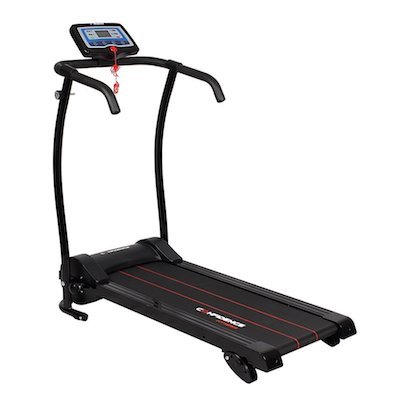
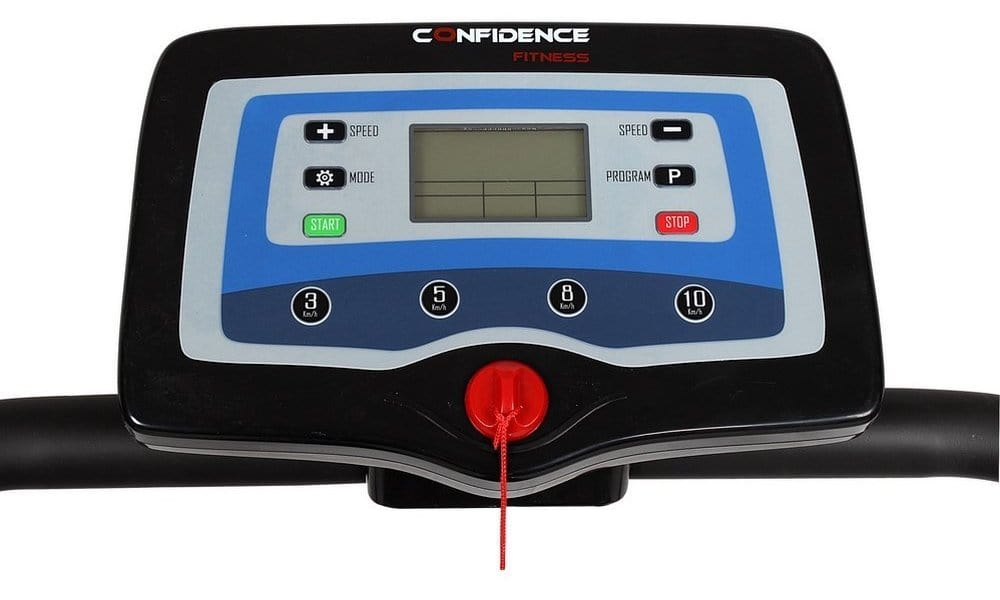 There are an aggregate of 12 distinct preset workout regimes that permit you to get everything rolling without setting the rates and levels generally all alone. This is a noteworthy number of presets for a passage level treadmill.
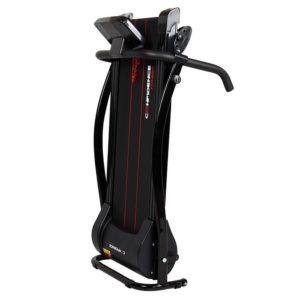 The running track on the Power Trac Pro is on the little end at 36 cm across and 100 cm long. This gives adequate room to the vast majority to move around, regardless of whether you need to run or walk. In case you are taller or heavier you might experience a tad of difficulty moving rapidly on this track, however generally it’s a decent size and it’s not very restricted for the vast majority.
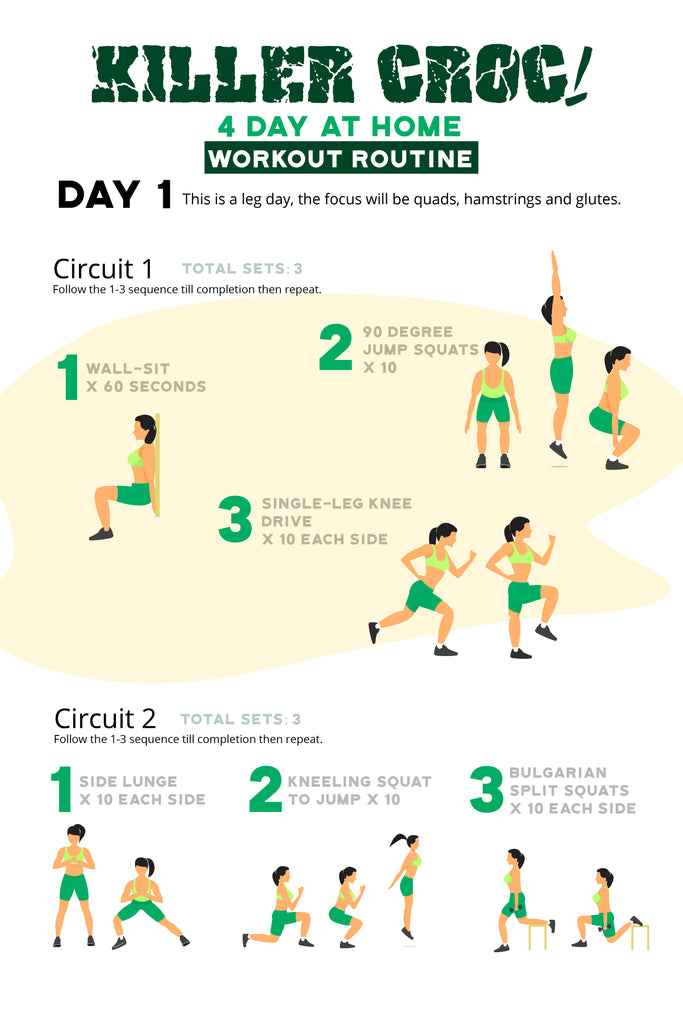


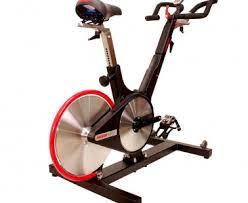 This is individual of the most amazing watching bicycles out there, yet it is something other than looks or probably it wouldn’t be however profoundly appraised as it seems to be. It is a strong stable bicycle that is below upkeep with attractive opposition, a belt drive for creamlike and liquid exercises despite the fact that it holds a slender flywheel. It is completely movable to fit anybody between 4 ft 10 ins and 6 ft 5 ins. The change is fast and simple so it very well may be utilized by multi clients. It additionally accompanies a control center that you rump manage to screen your exhibition as you exercise to save yourself on destination. The attractive opposition operates with the control center so you can understand something even out of obstruction you are utilizing so it removes a portion of the mystery from how hard you have it set. This is an exceptionally calm bicycle making it conceivable to drive in the evening or beginning morning without upsetting the rest of the others in the house.
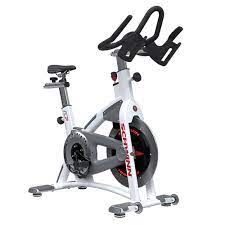 This bicycle doesn’t have as incredible a look as the Keiser and It has to a greater degree an exemplary look however it accompanies a ton of incredible elements no difference either way. This bicycle is likewise completely movable with bench and handlebars rapidly customizable on a level plane and in an upward direction to get the best familiar fit for individuals between the statures of 4 ft 11 ins and 6 ft 8 ins addressing it reasonable for most individuals from a group. It weighs 112 lbs and accompanies a 37 lbs border Weighted Flywheel that provides a full accelerating cycle and streamlines it forestalling any Jerkiness That can effects way wounds in the Hip, knee, and lower leg joints. The bicycle accompanies attractive obstruction that is constrained by a strain handle at the highest point of the casing giving you gradual increments and diminishing on a ceaseless scale from simple to hard. The Handlebars are one of the stands apart elements with cushioning and shape intended for solace while holding the closures of the bars or inclining toward them in the air position.
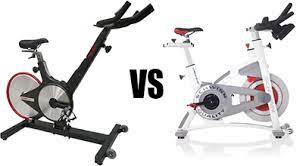 The change cycle is comparable. The two bicycles are completely flexible, that is the Keiser M3 Plus (The Keiser M3 Handlebars don’t change on a level plane) and the Schwinn position and handlebars can be changed evenly and in an upward direction.
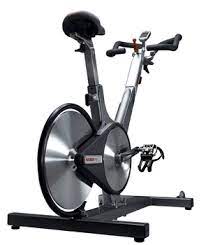 The two bicycles accompany attractive obstruction however there are contrasts by the way you control and decide how much opposition you are applying. The Keiser you utilize a switch at the front of the handlebars that work with the control center to provide you with a sign of the degree of obstruction you are applying. It this extraordinary to perceive how hard you propelling yourself and getting once again to a past setting.
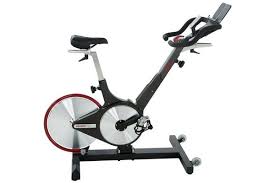 The two bicycles have double accelerators including one side should toe enclosures and ties to fit sturdy footwear and the other appropriate SPD expert shoes with spikes. The Schwinn brakes are nearer together on a level plane (Q Factor) estimating 6 3/4 inches contrasted with the Keiser at 7 3/4 inches which prompts the Schwinn closer in to believe to an open-air bicycle. The smaller this distance is it keeps your feet and hips more in arrangement lessening the weight on your legs and diminishing the odds of injury.