
Discover how to push your limits and transform your fitness with this heart-pounding cardio workout routine. Are you ready?

Table of Contents
In today’s busy world, maintaining a healthy lifestyle can often feel like a juggling act. Between work, family, and other commitments, finding the time and energy to prioritize fitness and nutrition can be challenging. However, it’s important to remember that our health should always come first. By incorporating a balanced workout routine and nutritious diet into our daily lives, we can not only improve our physical well-being but also boost our mental health and overall quality of life.
Setting Realistic Goals
When it comes to embarking on a fitness journey, setting realistic and achievable goals is crucial. Whether your aim is to lose weight, build muscle, or simply improve your overall fitness level, it’s important to tailor your goals to your individual needs and capabilities. By setting small, attainable milestones along the way, you can track your progress and stay motivated on your path to success.
Creating a Workout Routine
A well-rounded workout routine should include a mix of cardio, strength training, and flexibility exercises. Cardio activities like running, biking, or swimming help boost your heart rate and burn calories, while strength training builds muscle and increases metabolism. Incorporating flexibility exercises such as yoga or stretching helps improve mobility and prevent injury. Varying your routine not only keeps things interesting but also prevents your body from plateauing.
Balancing Nutrition
Nutrition plays a major role in fueling your body for workouts and supporting overall health. Focus on consuming nutrient-rich foods like fruits, vegetables, lean proteins, whole grains, and healthy fats. Portion control and mindful eating practices can help you maintain a healthy balance and avoid overeating. Remember, food is fuel – make sure to give your body the right kind of fuel it needs to perform at its best.
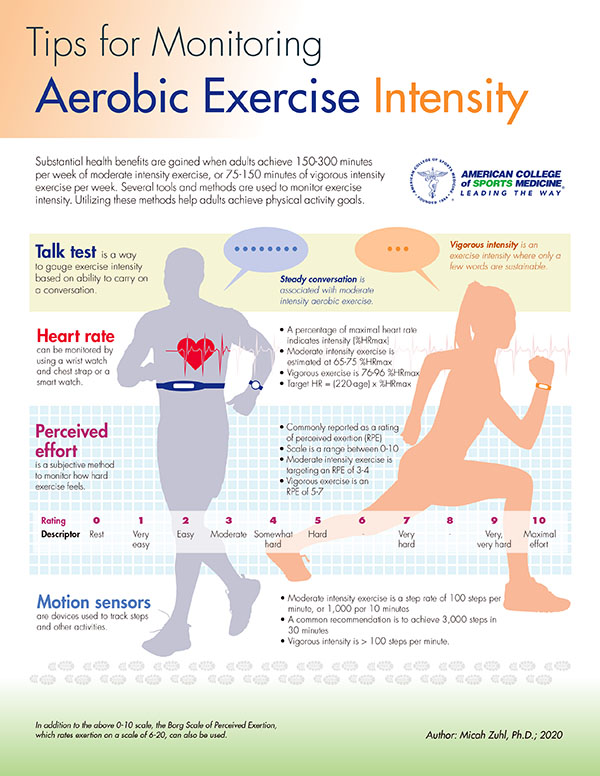
Image courtesy of www.healthxchange.sg via Google Images
Pre-Workout and Post-Workout Nutrition
Prior to your workout, opt for a balanced snack or light meal that includes carbohydrates for energy and protein for muscle repair. Post-workout, refuel your body with a combination of protein and carbohydrates to aid in recovery and replenish energy stores. This will help promote muscle growth and keep you feeling energized throughout the day.
Hydration
Staying properly hydrated is essential for optimal performance and overall well-being. Before, during, and after your workouts, be sure to drink an adequate amount of water to keep your body functioning at its best. Factors like activity level and sweat rate will determine your individual hydration needs, so listen to your body and drink accordingly.

Image courtesy of lifeboostcoffee.com via Google Images
Rest and Recovery
Rest days are just as important as active workout days. Giving your body time to recover and repair itself is crucial in preventing burnout and avoiding injury. Adequate sleep is also key in supporting physical and mental health. Incorporating recovery practices like stretching, foam rolling, and massage can help alleviate muscle soreness and improve flexibility.
Tracking Progress
Keeping track of your workouts, nutrition, and progress towards your goals can be a valuable tool in staying motivated and accountable. Whether you prefer journaling or using fitness apps, monitoring your progress allows you to see how far you’ve come and where you can make improvements. Celebrate your successes and learn from your setbacks – every step forward is a step in the right direction.
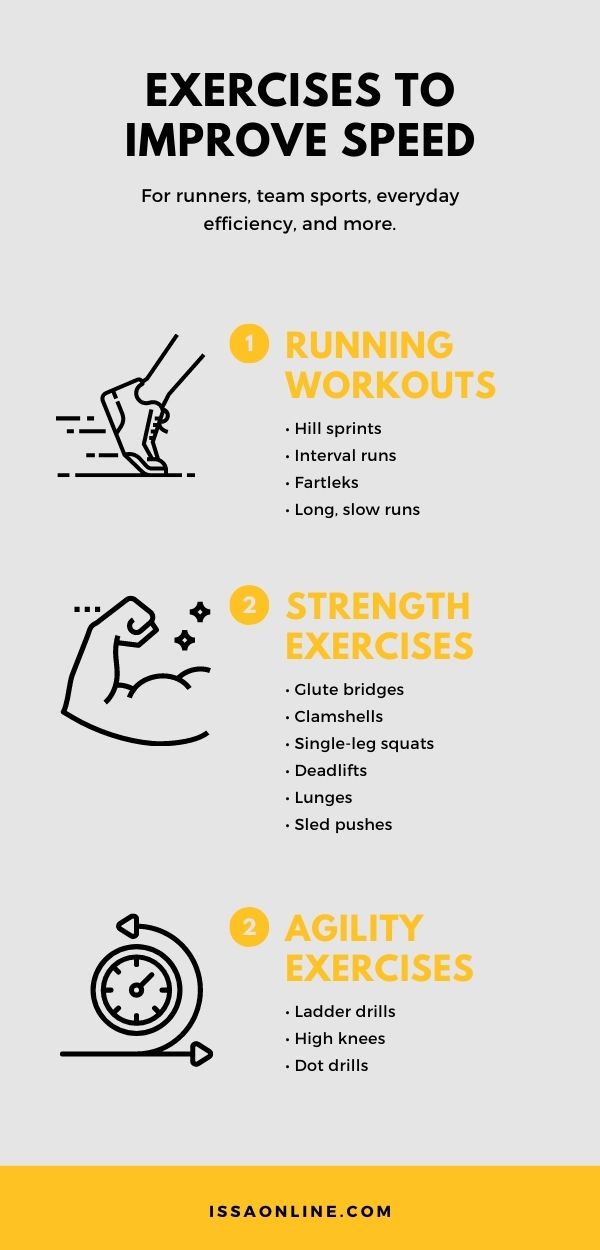
Image courtesy of www.issaonline.com via Google Images
Seeking Professional Guidance
For personalized advice and support on your fitness and nutrition journey, consider consulting with a registered dietitian or certified personal trainer. These professionals can help you create a safe and effective plan tailored to your specific needs and goals. By working with experts in the field, you can gain valuable insights and guidance that will set you up for long-term success.
Conclusion
Incorporating a balanced workout routine and nutritious diet into your daily life is key to achieving optimal health and well-being. By setting realistic goals, creating a well-rounded workout plan, balancing your nutrition, staying hydrated, prioritizing rest and recovery, tracking your progress, and seeking professional guidance, you can take charge of your health and transform your life for the better. Remember, small changes add up over time – start today and reap the benefits of a healthier, happier you.
Discover powerful tips to boost your productivity and energy levels while working from home with these simple yet effective methods.

Table of Contents
As more and more people transition to working from home, it can be easy to fall into sedentary habits and neglect our health and fitness. However, staying active and healthy while working from home is crucial for both our physical and mental well-being. In this guide, we’ll explore five easy ways to incorporate exercise and healthy habits into your daily routine, even from the comfort of your home.
Workout Tips
One of the key components of staying healthy while working from home is maintaining a regular workout routine. Incorporating both cardio and strength training exercises into your day can help boost your metabolism, improve cardiovascular health, and build muscle. Try scheduling short workout sessions throughout your day to break up long periods of sitting. This could include a quick bodyweight circuit, a brisk walk around your neighborhood, or a yoga session. Not only will these workouts help keep you physically active, but they can also serve as mental breaks to improve focus and productivity.
Nutrition Guidelines
Another important aspect of maintaining a healthy lifestyle while working from home is paying attention to your nutrition. It can be tempting to snack mindlessly throughout the day or rely on convenience foods, but incorporating nutrient-rich foods into your meals can help fuel your body and support your overall health. Focus on balancing your meals with a mix of lean proteins, whole grains, fruits, and vegetables. Meal planning can also be a helpful strategy to ensure you’re making healthy choices throughout the week.
Gym Plan Basics
Even if you don’t have access to a traditional gym, creating a structured workout plan can help you stay on track with your fitness goals. Designate a dedicated space in your home for exercise and gather any necessary equipment, such as resistance bands or dumbbells. Set specific goals for your workouts, whether it’s increasing strength, improving flexibility, or boosting endurance. Remember to track your progress and make adjustments to your gym plan as needed to continue challenging yourself.

Image courtesy of www.sleekgeek.co.za via Google Images
Warm-Up and Cool Down
Don’t forget the importance of properly warming up and cooling down before and after your workouts. A dynamic warm-up, such as jogging in place or arm circles, can help prepare your muscles for exercise and reduce the risk of injury. Similarly, incorporating stretching exercises into your cooldown routine can help prevent muscle soreness and aid in recovery. Taking the time to warm up and cool down properly can make a significant difference in your overall fitness journey.
Strength Training
Strength training is a crucial component of any fitness routine, as it helps build lean muscle mass, increase metabolism, and improve overall strength. Focus on incorporating a variety of exercises that target different muscle groups, such as squats, push-ups, and lunges. You can use your bodyweight, resistance bands, or household items as makeshift weights. Aim to include strength training exercises in your gym plan at least 2-3 times per week to see progress and improvements in your fitness levels.
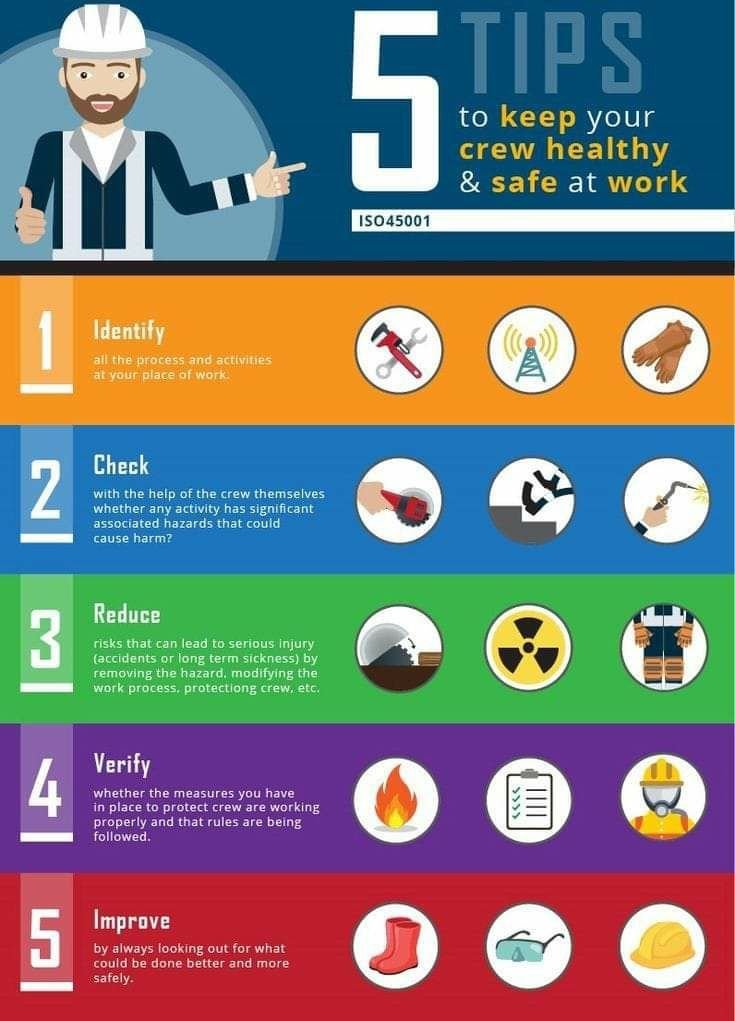
Image courtesy of hsseworld.com via Google Images
Cardio Workouts
Cardiovascular exercise is essential for heart health, weight management, and overall fitness. There are plenty of ways to get your heart rate up while working from home, such as dancing to your favorite music, going for a run outside, or following along with an online workout video. High-intensity interval training (HIIT) is another effective way to incorporate cardio into your routine, as it can be done in a shorter amount of time but still provide significant benefits. Experiment with different types of cardio workouts to find what you enjoy and stay motivated.
Nutrition for Recovery
After a challenging workout, it’s important to refuel your body with the nutrients it needs for recovery. Focus on eating a balance of protein and carbohydrates within 30-60 minutes post-exercise to help repair muscles and replenish glycogen stores. Greek yogurt with berries, a turkey and avocado wrap, or a smoothie with protein powder are all excellent options for post-workout nutrition. Staying hydrated is also crucial for recovery, so be sure to drink plenty of water throughout the day.

Image courtesy of www.oncourselearning.com via Google Images
Gym Plan Progression
As you continue on your fitness journey while working from home, don’t forget to periodically assess your gym plan and make adjustments as needed. This could involve increasing weights, trying new exercises, or setting new fitness goals to keep yourself challenged and motivated. Remember that progress takes time and consistency, so be patient with yourself and celebrate small victories along the way. By staying committed to your gym plan and making adjustments as needed, you’ll continue to see improvements in your overall health and fitness.
Conclusion
Staying active and healthy while working from home doesn’t have to be challenging or time-consuming. By incorporating these five easy ways into your daily routine – from structured workouts to balanced nutrition to proper recovery – you can prioritize your health and well-being even in a remote setting. Remember to listen to your body, stay consistent with your habits, and find activities that bring you joy and fulfillment. With dedication and a positive mindset, you can maintain a healthy lifestyle while working from home.
Discover the secrets to boosting your energy levels naturally with these 12 simple and effective health tips today!

Table of Contents
In today’s fast-paced world, it can be challenging to prioritize our health and fitness. However, combining effective workout routines with a balanced nutrition plan is essential for maximizing our overall well-being. By understanding the benefits of regular exercise and the importance of proper nutrition, we can create personalized gym plans that will help us achieve our health and fitness goals.
Benefits of Regular Exercise
Regular exercise offers a myriad of benefits that can significantly improve our physical and mental health. By incorporating workouts into our daily routine, we can increase strength and stamina, manage our weight, and enhance our cardiovascular health. Whether it’s cardio, strength training, or flexibility exercises, staying active is key to maintaining a healthy lifestyle.
Elements of a Well-rounded Workout Plan
A well-rounded workout plan should include a mix of cardiovascular exercises, strength training, and flexibility workouts. Cardio exercises like running or cycling improve our heart health, while strength training helps build muscle and increase metabolism. Incorporating flexibility exercises such as yoga or stretching can improve range of motion and prevent injury.
Tips for Creating a Personalized Gym Plan
When creating a personalized gym plan, it’s important to set realistic goals and incorporate a variety of exercises to keep things interesting. Seeking guidance from a professional trainer can help tailor a workout plan to your specific needs and abilities. By staying consistent and focused, you can achieve your fitness goals effectively.

Image courtesy of www.pinterest.com via Google Images
Importance of Nutrition in Fitness
Nutrition plays a crucial role in our fitness journey. Fueling our bodies with the right nutrients is essential for optimal performance and recovery. Understanding the role of macro and micronutrients, as well as staying hydrated, is key to supporting our fitness goals.
Nutritional Tips for a Healthy Lifestyle
Eating a balanced diet that incorporates whole foods while limiting processed foods and added sugars is essential for maintaining a healthy lifestyle. By focusing on nutrient-dense foods and proper portion control, we can fuel our bodies effectively and support our fitness goals.
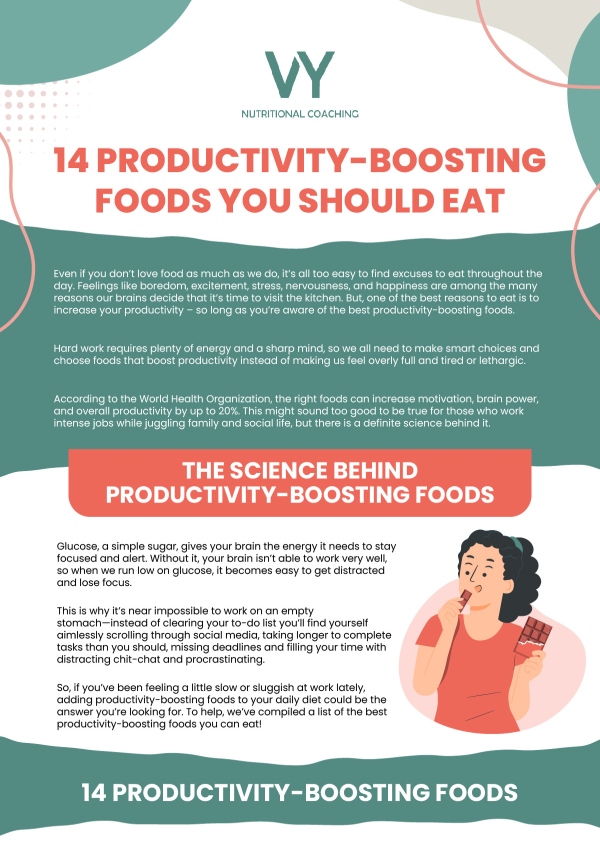
Image courtesy of vynutrition.ie via Google Images
Meal Planning for Fitness Success
Meal planning is a key component of achieving fitness success. By preparing meals in advance and balancing macronutrients in each meal, we can ensure that our bodies have the fuel they need to perform at their best. Incorporating post-workout snacks for recovery is also crucial in helping our bodies rest and repair.
Supplements for Enhanced Performance
Supplements can play a role in enhancing our fitness performance, but it’s important to understand their purpose and consult with a healthcare professional before incorporating them into our routine. Choosing supplements that align with our fitness goals can help support our overall well-being.
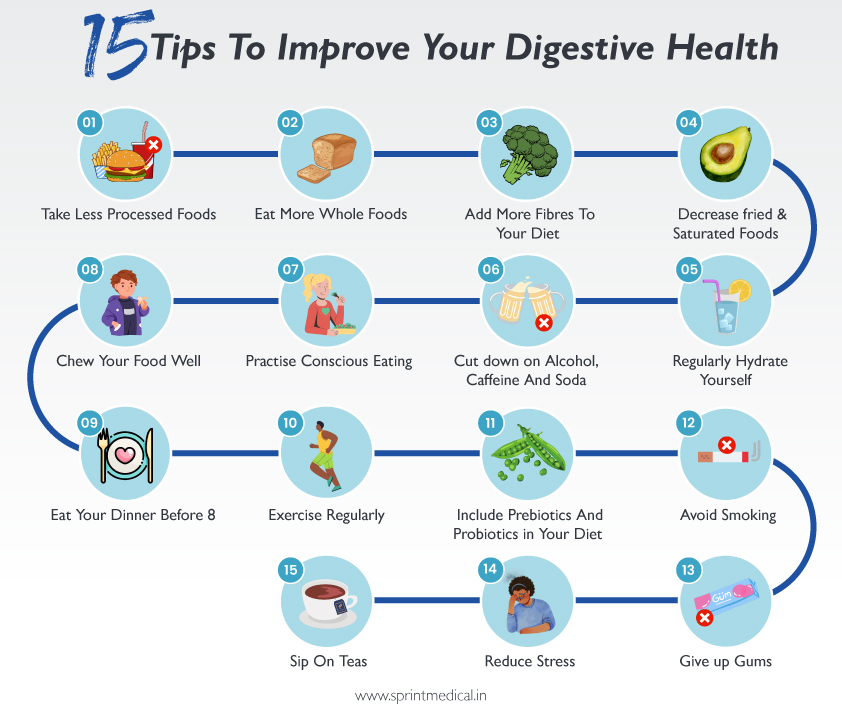
Image courtesy of dailyinfographic.com via Google Images
Eating for Energy
Fueling our workouts with the right pre-workout meals and snacking on nutrient-dense foods throughout the day is essential for sustaining energy levels and aiding in recovery post-workout. By making conscious choices about our food intake, we can maximize our energy and performance levels.
In conclusion, prioritizing our health and fitness through effective workout and nutrition plans can have a lasting impact on our overall well-being. By incorporating these simple health tips into our daily routine, we can boost our energy levels, improve our fitness performance, and enhance our quality of life. Remember, small changes can lead to significant results, so take the first step towards a healthier you today.
Best sauna for Lyme disease
 Lyme infection is a tick-borne disease influencing the north of 30,000 Americans every year. The common side effects of the disease are a bullseye rash around the nibble site, weariness, and influenza-like manifestations including fever and chills. Assuming that you at any point experience these indications with or without a tick chomp, you should look for clinical consideration. (source) As per the New England Journal of Medicine roughly 10% to 20% of individuals treated for Lyme sickness foster a constant type of the illness. Manifestations of constant Lyme can incorporate weariness, joint and muscle torment, and surprisingly intellectual issues. The indications can keep going for months to years and regularly deteriorate if not treated. (source) Nobody realizes what makes Lyme form into a constant issue. One hypothesis is that the disease forever harms tissues or changes the invulnerable framework work contrarily. Some aggravation specialists trust it’s the insusceptible framework’s response to the Lyme contamination that causes expanded torment sensation and the constant aggravation symptoms. This thus might cause helpless rest and expanded fatigue. Lyme illness is a bacterial disease that is brought about by the microbes, Borrelia burgdorferi, which is normally sent through the chomps of deer ticks or dark-legged ticks. As indicated by the CDC, albeit the frequency of Lyme infection has decreased, still, around 30,000 individuals are impacted by the sickness consistently.
Symptoms of Lyme Disease
Lyme illness is portrayed by the accompanying indications including:
- Serious cerebral pain
- Neck firmness
- Sporadic heartbeat
- Joint inflammation joined by torment and expanding in the knees
- Spinal line and cerebrum irritation
- Shivering or numbness in feet or hands
Phases of Lyme Infection
Lyme illness is described by 3 phases of the disease:
- Early limited Lyme, which is joined by influenza-like side effects like fever, migraine, chills, and throat torment.
- Early dispersed Lyme incorporates influenza alongside heart palpitation, chest torment, rashes, deadness in legs and arms, and change in vision.
- Late dispersed Lyme. This stage could happen following a while or even a long time and incorporate indications like migraine, upset rest, joint inflammation, and disarray.
- Whenever analyzed early, Lyme sickness can be treated with a short course of anti-infection agents. Notwithstanding, regularly, Lyme infection is never analyzed and if not treated rapidly, there is a shot at the sickness becoming constant.
Generally, the anti-microbials don’t kill every one of the microorganisms and as the microscopic organisms kick the bucket, they discharge a gigantic heap of poisons. Many individuals search for elective treatments, for example, infrared sauna treatment to battle Lyme illness. Nonetheless, the inquiry is, “The means by which powerful is infrared sauna treatment in battling Lyme sickness?” In this article, we will investigate how the utilization of an infrared sauna can help in fighting Lyme illness.
Kinds of Saunas
 Where infrared sauna separates itself from the standard sauna is the profundity of infiltration of the tissues, and the upgraded impact that has on entire body detoxification. Where a standard sauna might get to a lot higher temperatures, its hotness waves don’t infiltrate profoundly into the tissues and thusly it can’t offer similar detoxification benefits. In truth, individuals will perspire in a customary sauna, yet their bodies won’t activate poisons from profound inside their tissues to give them a similar medical advantage. Customary saunas can likewise be more awkward given the high hotness, and not as wonderful to encounter. I have found that most Lyme patients feel altogether more regrettable after customary saunas because of the outrageous temperature.
Inside infrared saunas, there are varieties of kinds of hotness waves – close, mid, and far-infrared. Each hotness wave will deliver various advantages to Lyme patients.
- Close infrared: these waves infiltrate the epidermis of the skin; they don’t enter the tissues as profoundly as mid and far-infrared. Close infrared waves are useful for cell wellbeing and insusceptibility, wound mending, skin revival, and relief from discomfort.
- Mid-infrared: Mid-infrared waves infiltrate further into the body, which makes way for expanded latent heart dissemination both during and after the infrared meeting.
The advantages of this incorporate relief from discomfort further developed flow and weight reduction. While the weight reduction component might seem, by all accounts, to be more shallow, numerous Lyme patients experience metabolic easing back and gain huge measures of weight regularly in spite of extremely solid eating regimens. However, with their degree of weakness, most can’t practice sufficiently to consume it off. Accordingly, the capacity of infrared saunas to animate digestion and encourage weight reduction is valued!
- Far infrared waves heat the body generally profoundly and straightforwardly, bringing about an ascent in center internal heat level. It is these waves that give the most unfathomable detoxification at the cell level, where most poisons live. They additionally advance weight reduction (with the possibility to wreck to 600 calories in a single 40-minute meeting), circulatory strain decrease, and generally speaking unwinding and relief from discomfort.
Utilizing an Infrared Sauna to Treat Lyme Disease
Infrared saunas give dry hotness that is made by infrared beams rather than steam heat in a conventional sauna. This hotness mends the body on a cellular level and gives a more prominent number of medical advantages when contrasted with ordinary steam saunas. As it identifies with Lymes Disease, there are two essential advantages of utilizing an infrared sauna:
- Detoxifying the body from treatment extras
- Facilitating muscle pressure and aggravation while expanding flow in the body
Detoxifying the body from treatment extras
As the body sweats, it completes poisons inside the body. Not exclusively will this assist with eliminating substantial metals from your framework, it will likewise assist with completing the dead spirochetes that are left over after Lyme Disease medicines. After a couple of rounds of treatment, your body is chalk brimming with extra poisons and spirochetes. By adding an infrared sauna to your routine, you assist flush with excursion these poisons and reestablish a superior equilibrium to your body.
Bryan Rosner, creator of “The Top 10 Lyme Disease Treatments” says is ideal:
- “In contrast to most sound individuals, Lyme Disease patients have troubled livers and kidneys because of the pressure caused by the irritation and poisonous weight made by constant contamination.
- Therefore, Lyme Disease patients frequently have exceptionally powerless livers and kidneys. Since the liver and kidneys are the essential detoxification organs of the body, detoxification is frequently stale. This can prompt overpowering indications of harm by the Lyme Disease neurotoxin.
- Sauna treatment is one method for incorporating perspiring into a cutting-edge way of life. Individuals have been utilizing saunas and sweat treatment to detoxify for millennia. In contrast with different strategies for skin detoxification, sauna treatment is the most reasonable, viable, and set up technique.”
THE BENEFITS OF INFRARED SAUNAS IN TREATING LYME DISEASE
Infrared saunas offer an elective when anti-toxins simply aren’t cutting it. Basically, an infrared sauna includes the utilization of imperceptible light to make heat, which then, at that point, warms your body. This can assist with detoxification by flushing out poisons. All in all, how does this identity with Lyme Disease? What advantages can infrared saunas propose to those with Lyme Disease?
1. IT HELPS EXCRETE HEAVY METAL AND FAT-SOLUBLE TOXINS
For people with Lyme Disease, their kidneys and liver are overexerted because of irritation and contamination. The microbes coursing inside the group of somebody with Lyme Disease further makes the development of poisons, and this can prompt inclination unwell and exhausted. However, infrared saunas assist flush with trip these poisons through sweat [2]. This keeps poisons from working in the inside organs, which can lead to considerably more issues.
2. INFRARED SAUNAS MAY HELP YOU SLEEP BETTER AND REDUCE YOUR FATIGUE
Infrared saunas offer a quiet and tranquil climate with very little boosts, permitting you to completely unwind. The higher temperature additionally loosens up your muscles, delivering strain all through the body, and advancing a quiet inclination. Strangely, a recent report showed infrared saunas to try and assist those with constant weakness disorder further develop their apparent exhaustion levels, just as increment their temperament, decrease uneasiness and sadness, and further develop their presentation [3].
3. IT MAY HELP REDUCE PAIN ASSOCIATED WITH LYME DISEASE
As the body’s center temperature rises, your dissemination likewise increments. This permits more oxygen, supplements, and safe cells to arrive at spaces of the body that need it. This might assist with decreasing agony and irritation in the joints. Further, this expansion in the bloodstream loosens up the muscles and joints, which may likewise diminish the side effects of Lyme Disease including torment and firmness.
4. IT PROVIDES A NON-INVASIVE TREATMENT OPTION
In contrast to anti-infection agents, an infrared sauna doesn’t expect you to place anything in your body. There is no obtrusive procedure included, and it’s all regular. Basically, an infrared sauna permits your body to go about its business by advancing its normal mending capacities through perspiring.
Facilitating muscle pressure and aggravation while expanding dissemination in the body
Body a throbbing painfulness are generally intimately acquainted to those with Lyme Disease. Later phases of Lymes can assault the muscles and sensory system, causing torment and distress in the body. The infrared hotness warms the muscles and as the muscle extends new blood is allowed to flow in. Thus, you’ll notice a decrease in everyday irritation. Particularly around joints in the body. An infrared sauna gives a brilliant expansion to any Lyme Disease taking care of oneself daily schedule. On the off chance that you have any inquiries concerning how it functions if it’s not too much trouble, go ahead and call us at (717) 244-2494. Assuming that you might want to book a meeting today, you can click here to book and here to see our evaluation.
How Infrared Saunas Can Help With Lyme Disease
At the point when Lyme illness taints an individual’s circulation system, poisons develop. Fortunately, sound hotness from a Good Health Saunas’ infrared sauna might assist with detoxifying the body and removing the poisons that presently occupy your body. Infrared saunas are one of the best strategies for detoxification, as the poisons are ousted through perspiring. Contrasted with customary saunas, infrared saunas might take out fundamentally more poisons, as the hotness can infiltrate further into muscles, tissues, and so forth, and are normally less forceful than conventional steam saunas. Also, in a Good Health Saunas model, that infrared hotness can affect all points of your body with our 360 levels of hotness entrance. This delicate hotness that is given out assists with crippling the sickness contaminating parasite, and might conceivably kill other undesirable living beings inside the body. It is said that the Lyme infection parasite is exceptionally delicate and can’t get by in the actual hotness. While it probably won’t dispose of, all things considered, together, these infrared saunas totally give some significant help. By utilizing an infrared sauna, you are utilizing a non-harmful method for diminishing the impacts of a sad illness. Infrared hotness has likewise been displayed to loosen up tense muscles, which advances generally relief from discomfort on your body, and in your muscles and joints.
Tips for the Best Sauna Experience
- STRETCH BEFORE ENTERING THE SAUNA.
Extending awakens your body, gets your blood siphoning, and builds your adaptability, and these arrangements will guarantee that your brain, body, and wellbeing will see the best outcomes after your infrared sauna meeting.
- HYDRATE YOUR BODY.
They say you should drink somewhere around eight 8-ounce glasses of water every day, and they’re not off-base! Keeping your body hydrated ensures that you’ll have the endurance to partake in a whole meeting of sound hotness in an infrared sauna.
- Track down THE RIGHT SETTINGS.
Not every person has a similar body, so not every person ought to have similar settings with regards to their infrared sauna experience. Assuming you’re looking to genuinely unwind, then, at that point, you might need to change the chromotherapy lighting to our cool blue, turn the hotness to a lower temperature, and play some quieting tunes. In any case, assuming you’re somebody who needs to utilize the infrared sauna to feel stimulated, then, at that point, maybe a brilliant orange, higher temperature, and a motivating music determination is the best approach.
- Exploit THE BENCH.
Our infrared saunas come outfitted with an agreeable seat that is positioned at the perfect tallness, so use it! The seat gives you someplace to rest to unwind, sit tranquility assuming you need to ponder, or gives a region to you to do that extending we discussed before.
Significant Considerations For Lyme Patients Using Infrared Sauna
Given the excessive touchiness of Lyme patients and their huge harmful weight, it is significant that Lyme patients start “low and slow” in their utilization of infrared sauna, so as not to trigger a serious and upsetting detoxification reaction. As their body poisonous weight lessens, they can work upon schedule, temperature, and recurrence. Those with the various variables of Lyme sickness, mycotoxin disease, and weighty metal harmfulness, compounded by hereditary deformities like MTHFR, are urged to exceed everyone’s expectations. My proposal is beginning around 90 degrees for 5-10 minutes, moving gradually up to 140 degrees for 30-40 minutes. Carrying out appropriate hydration both earlier and post infrared meetings will assist with streamlining by and large detox. Enhancing electrolytes and minerals like magnesium, calcium, zinc, and potassium can likewise be valuable. Coconut water is an invigorating wellspring of electrolytes and hydration. Dry skin brushing before the sauna can elevate the lymphatic waste to additional improve the detoxification impact. Certain individuals might track down that turning fasteners after saunas are useful – bentonite earth, zeolite, and enacted charcoal are guides to help wipe up any assembled poisons.
Considering that Lyme patients are touchy to poisons and EMFs, and considering that the fieriness of the sauna can potentiate these poisonous openings, it is basic that any infrared sauna they enter be made of hypoallergenic wood, and not contain any harmful pastes or gums. Saunas should have low electromagnetic recurrence (EMF) yield, as Lyme patients are regularly more EMF-delicate.
Conclusions
The infrared sauna can be perhaps the most valuable treatment to help Lyme patients in their recuperation. Improving detoxification assumes a focal part in their advantage; in any case, infrared saunas additionally help metabolic capacity, diminish oxidative pressure, lessen irritation, and upgrade blood flow. They can likewise assist with lessening microbial burden through the warming of center internal heat level, and the helplessness of microorganisms to warm. A mix of close, mid and far-infrared waves is ideal for the various advantages they give. Himalayan salt dividers will upgrade the detoxification impact, just as creating negative particles to additional improve prosperity. Lyme patients are urged to begin slow and work up on schedule, temperature, and recurrence of infrared saunas. An infrared sauna supports the working of the body while simultaneously helping to facilitate the numerous and changed manifestations of Lyme illness. A methodology should be possible effectively at home, imparted to the entire family, and works in help and recuperating of the body.
Frequently Asked Questions
1. What kind of sauna is good for Lyme disease?
Lyme disease is conventionally treated with antibiotics, which frequently come with unwanted side effects such as diarrhea, nausea, and vomiting. However, infrared sauna therapy offers a safe alternative that can even be used in conjunction with regular treatment to accelerate the healing process.
2. How do you flush out Lyme disease?
Antibiotics are the main treatment for Lyme disease. In many cases, a two- to four-week course of oral antibiotics clears up the infection. But more severe cases might need intravenous antibiotics. Still, up to 20 percent of people with Lyme disease continue having symptoms after antibiotic treatment.
3. What triggers Lyme disease flare-ups?
Triggers for Lyme disease vary by person, but they can include: emotional stress (such as a divorce, death in the family, or accidents) physical stress to the body (i.e., surgery, physical harm, concussion) life stress, or stressful events.
4. Does infrared sauna help Lyme?
The infrared heat warms the muscles and as the muscle expands fresh blood is free to circulate in. As a result, you’ll notice a reduction in general inflammation. Especially around joints in the body. An infrared sauna provides a wonderful addition to any Lyme Disease self-care routine.
5. Is far infrared sauna safe?
In general, infrared saunas are considered safe for most people. However, if you’re on medications, have implanted medical devices, or have a medical condition — whether acute or chronic — you should be cautious.
Unleash the power of this ultimate gym plan and watch as your fitness goals are crushed before your very eyes.

Table of Contents
- Introduction:
- Importance of Workout and Nutrition:
- Tips for Creating a Balanced Workout Routine:
- Setting Fitness Goals and Tracking Progress:
- Importance of Proper Nutrition:
- Tips for Meal Planning and Making Healthy Food Choices:
- The Role of Hydration in Fitness:
- Creating a Gym Plan:
- Staying Motivated and Overcoming Plateaus:
- Conclusion:
Introduction:
Whether you’re new to the fitness world or looking to revamp your current routine, maintaining a healthy lifestyle is key to overall wellness. By incorporating a balanced workout plan, focusing on proper nutrition, and sticking to a gym routine, you can achieve your health and fitness goals. In this ultimate health guide, we’ll provide you with tips and strategies to help you crush your goals and live your healthiest life.
Importance of Workout and Nutrition:
When it comes to health and fitness, both workout and nutrition play crucial roles. A balanced workout routine that includes a mix of cardio, strength training, and flexibility exercises helps to build endurance, strength, and flexibility. On the other hand, proper nutrition fuels your workouts, aids in muscle recovery, and supports overall health. By combining both elements, you can optimize your results and achieve long-term success.
Tips for Creating a Balanced Workout Routine:
Creating a balanced workout routine involves incorporating different types of exercises to target various muscle groups and aspects of fitness. Include cardiovascular activities like running, cycling, or swimming to improve endurance, strength training exercises such as weightlifting or bodyweight workouts to build muscle, and flexibility movements like yoga or stretching to enhance mobility and prevent injury. Aim for a mix of activities to keep your workouts engaging and effective.
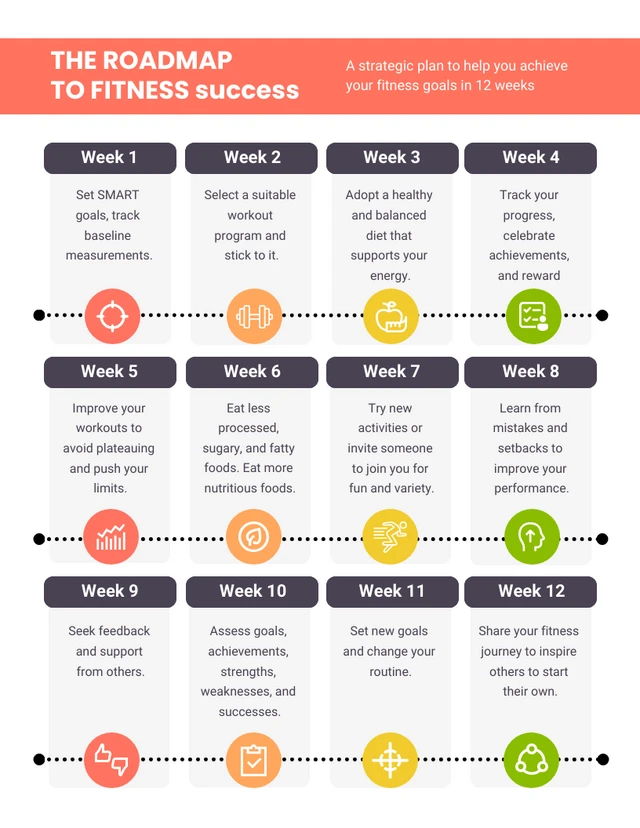
Image courtesy of via Google Images
Setting Fitness Goals and Tracking Progress:
Setting specific, measurable fitness goals is essential for staying motivated and accountable. Whether you aim to increase your strength, improve your cardiovascular fitness, or lose weight, defining clear objectives will help you stay on track. Track your progress by recording your workouts, tracking your measurements, or monitoring your performance in specific exercises. Celebrate your achievements along the way to stay motivated and inspired.
Importance of Proper Nutrition:
Nutrition is the fuel that powers your workouts and supports your overall health. Focus on consuming whole, nutrient-dense foods like fruits, vegetables, lean proteins, whole grains, and healthy fats. These foods provide essential nutrients that help fuel your workouts, aid in muscle repair and recovery, and support optimal body function. Stay hydrated by drinking plenty of water throughout the day to maintain energy levels and aid in digestion.

Image courtesy of via Google Images
Tips for Meal Planning and Making Healthy Food Choices:
Meal planning is key to maintaining a healthy diet and ensuring you have nutritious options available. Start by creating a weekly meal plan that includes a variety of foods from all food groups. Prepare your meals in advance to avoid unhealthy choices when you’re busy or on-the-go. Choose whole, unprocessed foods over processed and sugary options to fuel your body and support your fitness goals.
The Role of Hydration in Fitness:
Hydration is crucial for overall health and wellness, especially during workouts. Drinking enough water helps regulate body temperature, transport nutrients, and remove waste from your body. Stay hydrated during exercise by drinking water before, during, and after your workouts. Make it a habit to carry a water bottle with you throughout the day to ensure you’re getting an adequate amount of fluids.
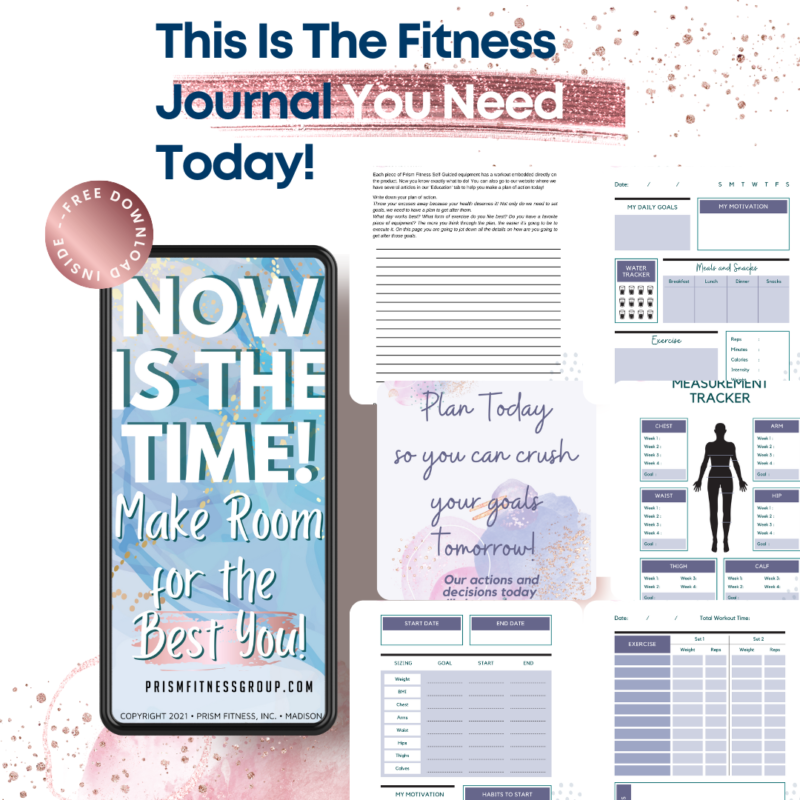
Image courtesy of via Google Images
Creating a Gym Plan:
Developing a gym plan that suits your schedule and fitness goals is essential for making progress and staying consistent. Choose a gym that is convenient for you and offers the equipment and classes you enjoy. Create a weekly workout schedule that includes a mix of strength training, cardio, and flexibility exercises. Consult with a fitness professional to design a customized plan that aligns with your goals and fitness level.
Staying Motivated and Overcoming Plateaus:
Staying motivated on your fitness journey can be challenging, especially when faced with plateaus or setbacks. To stay inspired, vary your workouts, set new goals, or try different fitness classes or activities. Surround yourself with a supportive community of like-minded individuals who can offer encouragement and accountability. Remember that progress takes time, and small, consistent steps will lead to long-term success.
Image courtesy of via Google Images
Conclusion:
By incorporating a balanced workout routine, focusing on proper nutrition, and following a gym plan that aligns with your goals, you can achieve optimal health and fitness. Stay committed to your journey, track your progress, and make adjustments as needed to continue progressing towards your goals. Remember that fitness is a lifelong journey, and by prioritizing your health and well-being, you’ll be on track to living your healthiest, most vibrant life.
Unleash your inner beast with this intense gym plan designed to sculpt your body like never before. Get swole now!

Table of Contents
In today’s fast-paced world, it’s more important than ever to prioritize our health and fitness. A holistic approach that combines regular exercise, proper nutrition, and strategic gym planning can lead to a happier and healthier lifestyle. In this blog post, we will explore the benefits of working out, the importance of nutrition, and how to create an effective gym plan to achieve your fitness goals.
Benefits of Working Out
Regular exercise offers a wide range of physical and mental benefits. From improving cardiovascular health and increasing strength and endurance to reducing stress and anxiety, working out is crucial for overall well-being. Exercise releases endorphins, known as the “feel-good” hormones, which can boost mood and energy levels.
Types of Workouts
There are various types of workouts to choose from, each targeting different aspects of fitness. Cardio workouts, such as running or cycling, help improve endurance and heart health. Strength training, through weightlifting or bodyweight exercises, can increase muscle mass and bone density. Flexibility exercises, like yoga or stretching, improve range of motion and prevent injuries.
Tips for Starting a Workout Routine
Starting a workout routine can be intimidating, but with the right approach, it can be both enjoyable and rewarding. Set realistic goals, find activities you enjoy, and stay consistent. Whether you prefer solo workouts or group classes, there’s a fitness routine out there for everyone.
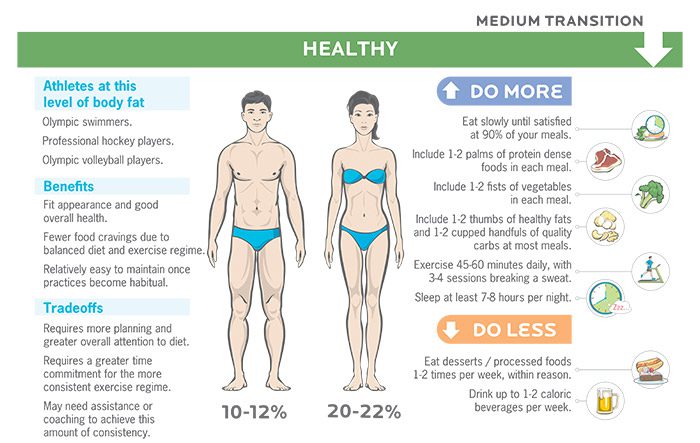
Image courtesy of www.precisionnutrition.com via Google Images
Importance of Nutrition
Nutrition plays a crucial role in supporting your workouts and overall health. Fueling your body with the right nutrients can enhance performance, aid in recovery, and maintain optimal health. Eating a balanced diet rich in protein, complex carbohydrates, healthy fats, and vitamins and minerals is key.
Essential Nutrients for Workouts
Protein is essential for muscle repair and growth, while carbohydrates provide energy for workouts. Hydration is essential for performance and recovery, so be sure to drink plenty of water before, during, and after exercise. Don’t forget about vitamins and minerals, which play a crucial role in overall health and fitness.
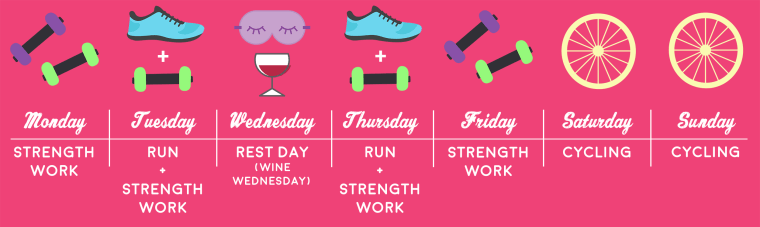
Image courtesy of www.today.com via Google Images
Meal Planning Tips
Meal planning is a great way to ensure you’re consuming the right foods to support your fitness goals. Plan balanced meals that include lean proteins, whole grains, fruits, and vegetables. Preparing meals in advance can save time and prevent unhealthy food choices on busy days.
Gym Planning
Having a well-rounded gym plan is essential for achieving your fitness goals. A balanced workout routine should include a mix of cardiovascular exercise, strength training, and flexibility work. By targeting different muscle groups and incorporating variety, you can maximize your results.
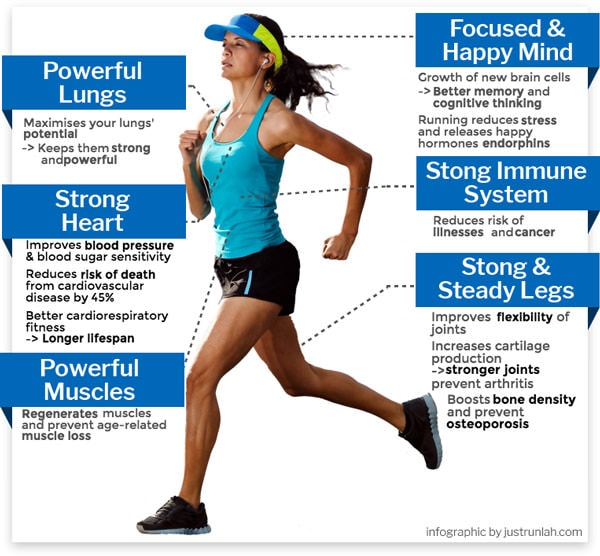
Image courtesy of www.universalathleticclub.com via Google Images
Creating a Gym Plan
When creating a gym plan, consider your fitness goals, schedule, and preferences. Develop a workout schedule that fits into your daily routine and includes a mix of exercises. Track your progress and make adjustments as needed to keep challenging yourself and seeing results.
Conclusion
By embracing a holistic approach to health and fitness that combines regular exercise, proper nutrition, and strategic gym planning, you can transform your body and improve your overall well-being. Take the time to prioritize your health and make it a priority in your daily life. Your body will thank you for it!
Unlock the secrets to building stronger muscles and achieving a healthier body with this ultimate gym plan for success.
Table of Contents
- Setting SMART Goals for Your Fitness Journey
- Health Tips for Optimal Performance
- Effective Workout Routines for Different Fitness Levels
- Nutrition Tips for Fueling Your Workouts
- Designing a Customized Gym Plan
- Tracking Your Progress and Making Adjustments
- Overcoming Plateaus and Staying Motivated
- Importance of Rest and Recovery in Your Fitness Routine
- Conclusion
In today’s fast-paced world, it can be easy to neglect our health and fitness goals. However, by incorporating a well-rounded approach that includes workout routines, nutrition advice, and a customized gym plan, you can achieve your fitness goals and lead a healthier lifestyle. This blog post will provide you with a comprehensive guide to help you navigate your fitness journey and reach your full potential.
Setting SMART Goals for Your Fitness Journey
Setting specific, measurable, achievable, relevant, and time-bound (SMART) goals is crucial for success in any fitness journey. Start by identifying what you want to achieve, whether it’s building muscle, losing weight, or improving overall fitness levels. Make sure your goals are realistic and tailored to your individual needs and abilities.
Health Tips for Optimal Performance
Hydration, sleep, and stress management are all key components of optimal performance in your fitness journey. Make sure to stay hydrated throughout the day, aim for 7-9 hours of quality sleep each night, and incorporate stress-relieving activities such as meditation or yoga into your routine. These habits will support your workouts and overall well-being.
Effective Workout Routines for Different Fitness Levels
Whether you’re a beginner, intermediate, or advanced fitness enthusiast, having a structured workout routine is essential. For cardio, consider activities like running, cycling, or swimming. Strength training exercises such as squats, deadlifts, and push-ups can help build muscle. Flexibility exercises like yoga or stretching can improve mobility and prevent injuries.
Image courtesy of www.precisionnutrition.com via Google Images
Nutrition Tips for Fueling Your Workouts
Proper nutrition plays a crucial role in fueling your workouts and supporting recovery. Focus on consuming a balanced diet rich in lean proteins, complex carbohydrates, and healthy fats. Meal prepping can help you stay on track with your nutritional goals, and healthy snacks like nuts, fruits, and yogurt can keep you energized throughout the day.
Designing a Customized Gym Plan
A customized gym plan is tailored to your fitness goals, preferences, and schedule. Consider factors such as the frequency of your workouts, the types of exercises you enjoy, and the equipment available at your gym. Remember to include a mix of cardio, strength training, and flexibility exercises to ensure a well-rounded fitness routine.

Image courtesy of www.pinterest.com via Google Images
Tracking Your Progress and Making Adjustments
Tracking your workouts, nutrition, and progress is essential for staying accountable and making adjustments as needed. Use a fitness journal or app to record your workouts, measurements, and goals. Periodically review your progress and make adjustments to your workout routine or nutrition plan based on your results.
Overcoming Plateaus and Staying Motivated
Plateaus are a common part of any fitness journey, but they can be overcome with the right strategies. If you find yourself stuck in a rut, consider changing up your workout routine, setting new goals, or seeking support from a fitness coach or workout buddy. Remember to celebrate your achievements along the way to stay motivated.
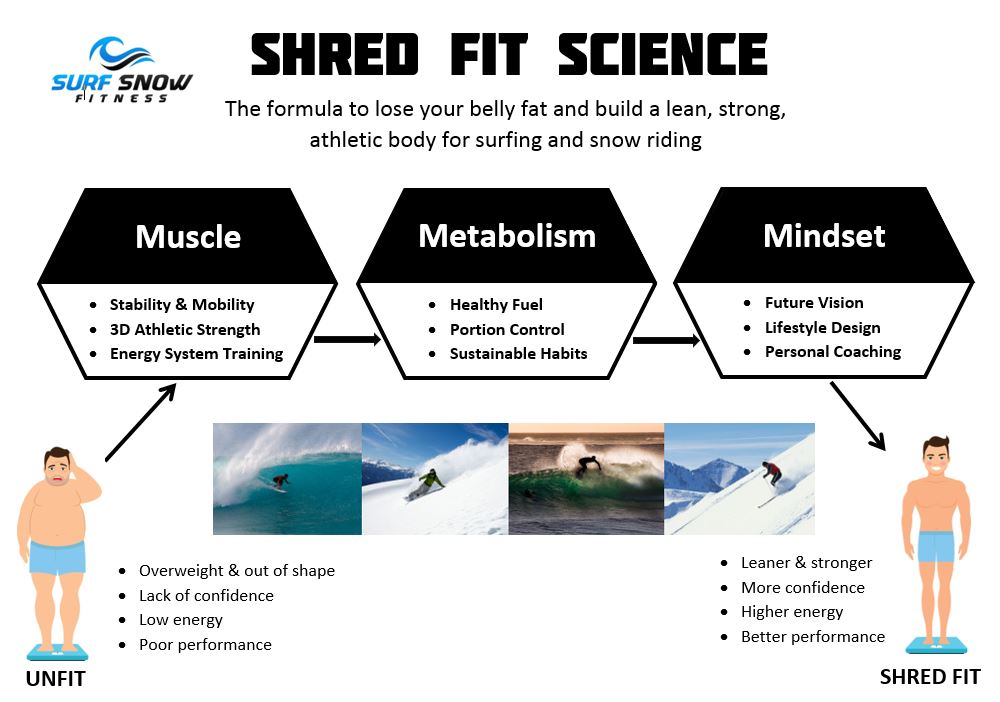
Image courtesy of surfsnowfitness.com via Google Images
Importance of Rest and Recovery in Your Fitness Routine
Rest and recovery are just as important as exercise in achieving your fitness goals. Make sure to incorporate rest days into your workout routine to allow your muscles to recover and prevent burnout. Active recovery activities like yoga or light stretching can also help improve flexibility and circulation.
Conclusion
By implementing the tips and strategies outlined in this blog post, you can take charge of your fitness journey and work towards achieving your goals. Remember to stay consistent, listen to your body, and adjust your plan as needed to continue making progress. With dedication and perseverance, you can transform your health and well-being for the better.
Unleash your full potential and achieve your dream body with this revolutionary gym plan. Say hello to a new you!
Table of Contents
In today’s fast-paced world, it’s easy to neglect our health in favor of other priorities. However, maintaining a healthy lifestyle is crucial for our overall well-being. This blog post will provide you with the ultimate health tips to help you achieve a fit lifestyle, focusing on workouts, nutrition, and gym plans. By incorporating these tips into your daily routine, you can transform your body and improve your quality of life.
Workouts
Regular exercise is essential for maintaining physical and mental health. It not only helps in weight management but also improves mood and reduces the risk of chronic diseases. To incorporate workouts into your routine, try to include a mix of cardio, strength training, and flexibility exercises. A sample workout schedule for a week could be:
- Monday: Cardio (30 minutes of running or cycling)
- Tuesday: Strength Training (full-body workout with weights or bodyweight exercises)
- Wednesday: Rest day or light stretching and yoga
- Thursday: Cardio (swimming or HIIT workout)
- Friday: Strength Training (focus on different muscle groups)
- Saturday: Flexibility training (yoga or pilates)
- Sunday: Rest day or outdoor activity like hiking or cycling
Nutrition
Along with regular exercise, maintaining a balanced diet is crucial for overall health. Focus on including a variety of nutrient-rich foods in your meals, such as fruits, vegetables, lean proteins, whole grains, and healthy fats. A sample meal plan for a day could look like:
- Breakfast: Greek yogurt with berries and a sprinkle of nuts
- Snack: Apple slices with almond butter
- Lunch: Grilled chicken salad with mixed greens and vinaigrette dressing
- Snack: Carrot sticks with hummus
- Dinner: Baked salmon with quinoa and roasted vegetables
- Hydration: Drink plenty of water throughout the day
Gym Plans
Working out at a gym can offer access to a variety of equipment and resources to enhance your fitness journey. When creating a personalized gym plan, consider your fitness goals, preferences, and schedule. Some tips for optimizing your gym plan include:

Image courtesy of www.pinterest.com via Google Images
- Consulting with a fitness trainer to create a tailored workout program
- Incorporating both cardio and strength training exercises for a well-rounded routine
- Focusing on proper form and technique to prevent injuries
- Setting realistic and achievable goals to track your progress
Cardio Workouts
Cardiovascular exercise is essential for improving heart health, burning calories, and boosting endurance. Some popular cardio workouts include running, cycling, and swimming. To maximize the benefits of your cardio workout, try to mix up your routine to keep it challenging and engaging.
Strength Training
Strength training helps build muscle mass, improve bone density, and increase metabolism. Incorporate weightlifting or bodyweight exercises into your routine to target different muscle groups. Make sure to start with light weights and gradually increase the intensity to avoid injury.

Image courtesy of www.pinterest.com via Google Images
Flexibility Exercises
Flexibility exercises, such as yoga and stretching, are essential for improving range of motion, reducing muscle stiffness, and preventing injuries. Include flexibility exercises in your routine to enhance overall mobility and balance. Focus on holding stretches for 15-30 seconds and breathing deeply to relax the muscles.
Healthy Eating Habits
Healthy eating habits play a significant role in maintaining a balanced diet and supporting your fitness goals. Practice portion control, mindful eating, and meal prepping to ensure you are fueling your body with the right nutrients. Incorporate a mix of protein, carbohydrates, and fats in your meals to support energy levels and recovery.

Image courtesy of www.pinterest.com via Google Images
Supplement Recommendations
While a well-rounded diet should provide most of the essential nutrients, supplements can sometimes be beneficial to fill in any nutritional gaps. Consult with a healthcare professional before starting any new supplements and opt for high-quality products. Common supplements to consider include vitamin D, omega-3 fatty acids, and probiotics.
Conclusion
By incorporating workouts, nutrition, and gym plans into your daily routine, you can transform your body and improve your overall health. Remember that consistency is key, and small changes can lead to significant results over time. Prioritize your health, listen to your body, and enjoy the journey of becoming the best version of yourself!
Unveil the secret to transforming your body with my ultimate gym plan for toning and strength. See results fast!
Table of Contents
Embarking on a fitness journey can be both exciting and challenging. This guide will help you create an effective gym plan that combines workouts, nutrition, and consistency to achieve your desired results. Here’s how to get started:
Setting Goals
Before hitting the gym, it’s essential to set specific and measurable fitness goals. Whether you aim to lose weight, build muscle, or improve endurance, having clear objectives will keep you motivated and focused.
Establishing a Workout Routine
Creating a workout routine is crucial for a well-rounded gym plan. Include a mix of cardiovascular exercises, strength training, and flexibility work to target different muscle groups and improve overall fitness levels.
Incorporating HIIT Workouts
High-intensity interval training (HIIT) is a great addition to any gym plan. HIIT sessions involve short bursts of intense exercise followed by brief periods of rest, making them effective for burning calories and boosting cardiovascular fitness.

Image courtesy of www.pinterest.com via Google Images
Selecting the Right Nutrition Plan
Pairing your workouts with a balanced nutrition plan is key to maximizing results. Choose nutrient-dense foods that support muscle growth and aid in recovery.
Pre-Workout Nutrition
Before hitting the gym, fuel your body with a combination of carbohydrates and protein. This will provide the necessary energy to power through your workout and optimize performance.
:max_bytes(150000):strip_icc()/autumn-calabrese-muscle-building-workout-plan-2-04cf1df91a124633868a1958a0c03aa9.jpg)
Image courtesy of www.shape.com via Google Images
Post-Workout Nutrition
After a workout, refuel your body with a mix of protein and carbohydrates to promote muscle repair and recovery. A post-workout meal or snack will replenish nutrients and aid in muscle recovery.
Tracking Progress
Tracking your workouts, nutrition, and progress towards your goals is essential for staying on track. Keep a workout journal or use a fitness app to monitor your progress and make adjustments as needed.
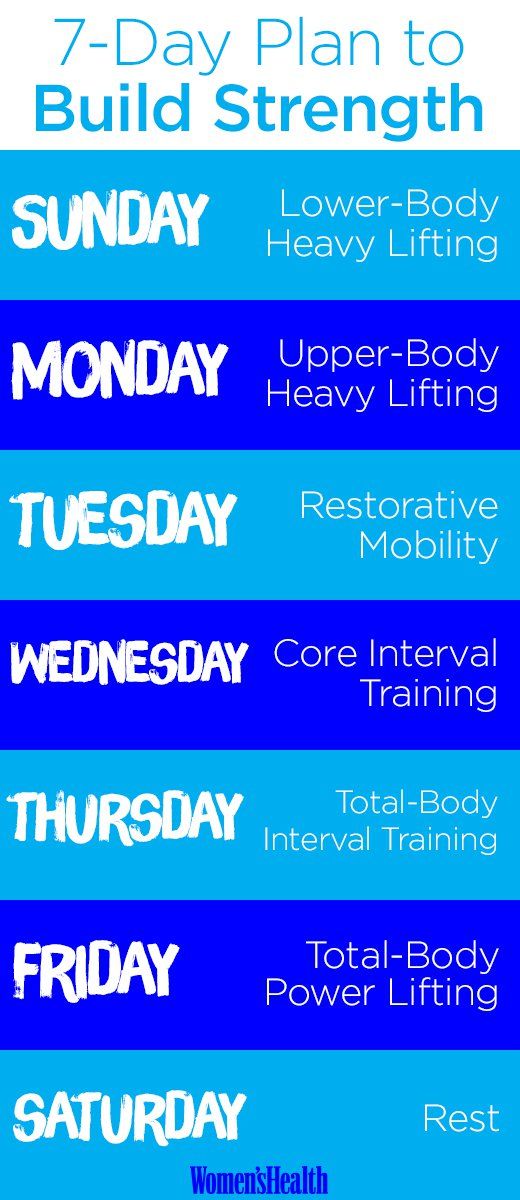
Image courtesy of www.womenshealthmag.com via Google Images
Incorporating Rest Days
Rest and recovery are crucial components of any gym plan. Incorporate rest days into your schedule to prevent burnout, reduce the risk of injury, and allow your muscles to recover and grow.
Adjusting Your Plan
As you progress on your fitness journey, be prepared to adjust your gym plan accordingly. Challenge yourself with new exercises, increase weights, or try different workout formats to keep your routine exciting and effective.
Creating an effective gym plan takes dedication, consistency, and a balanced approach to workouts and nutrition. By setting clear goals, following a structured routine, and staying committed to your plan, you’ll be well on your way to achieving your fitness goals.
Discover these 5 surprising tips that will slash your grocery bill in half – you won’t believe how easy it is!

Table of Contents
When it comes to maximizing your workouts, proper nutrition and gym planning play a crucial role in achieving your fitness goals. By fueling your body with the right nutrients and having a well-structured workout plan, you can enhance your performance, optimize your recovery, and see better results. In this ultimate guide, we will explore the tips and strategies for incorporating nutrition and gym planning into your fitness routine.
Tips for Pre-Workout Nutrition
Before you hit the gym, it’s essential to fuel your body with the right nutrients to maximize your workout performance. Aim for a combination of carbohydrates and protein to provide energy and support muscle function. Some examples of pre-workout snacks include a banana with nut butter, Greek yogurt with berries, or a small protein shake. Additionally, don’t forget to stay hydrated by drinking water or a sports drink before your workout to prevent dehydration.
Tips for Post-Workout Nutrition
After a strenuous workout, your body needs to refuel and recover properly. Make sure to consume a balance of protein and carbohydrates to replenish glycogen stores and support muscle repair. Good post-workout meal options include a chicken and quinoa bowl, a smoothie with protein powder and fruit, or a turkey wrap with veggies. It’s also important to hydrate well after exercise to replace fluids lost through sweat.
How to Plan Your Gym Workouts
Having a well-structured workout plan is key to staying on track with your fitness goals. Start by setting specific and achievable goals, whether it’s building muscle, improving endurance, or losing weight. Based on your goals, create a workout schedule that includes a mix of cardio, strength training, and flexibility exercises. Consider working with a personal trainer to help design a customized workout plan that suits your needs and abilities.

Image courtesy of www.pinterest.ph via Google Images
Importance of Rest and Recovery
Rest is just as crucial as exercise in achieving optimal fitness results. Make sure to include rest days in your workout plan to allow your body to recover and repair. Overtraining can lead to fatigue, burnout, and even injury, so listen to your body and give yourself permission to take a break when needed. Incorporating activities like stretching, yoga, or foam rolling can also help promote recovery and prevent muscle tightness.
Balancing Macros for Optimal Performance
Macronutrients, including protein, carbohydrates, and fats, are essential for fueling your body and supporting your workouts. To optimize your performance, aim to balance your macros in each meal by including a mix of all three nutrients. For instance, a balanced meal might consist of grilled chicken (protein), quinoa (carbohydrates), and avocado (healthy fats). Experiment with different meals to find what works best for your body and fitness goals.

Image courtesy of einvestingforbeginners.com via Google Images
Supplements for Enhanced Performance
While a well-rounded diet should be the primary source of nutrients, supplements can sometimes be beneficial for enhancing performance. Popular workout supplements like protein powder, creatine, and BCAAs can aid in muscle recovery, growth, and energy levels. However, it’s essential to consult with a healthcare provider or nutritionist before incorporating supplements into your routine to ensure they are safe and appropriate for you.
How to Stay Motivated and Consistent
Staying motivated and consistent with your fitness routine can be challenging, but there are strategies to help you stay on track. Set small, achievable goals and celebrate your progress along the way to maintain momentum. Find a workout buddy or join a fitness community for support and accountability. Tracking your workouts, nutrition, and progress can also help you stay motivated and see how far you’ve come.

Image courtesy of www.creditkarma.com via Google Images
Adjusting Your Plan for Long-Term Success
As you progress on your fitness journey, it’s important to reassess and adjust your workout and nutrition plan as needed. Your body may adapt to your routine, leading to plateaus in progress. Listen to your body’s signals and make modifications to continue challenging yourself. Stay open to trying new workouts, classes, or meal plans to keep things exciting and ensure continued progress towards your long-term fitness goals.
In conclusion, proper nutrition and gym planning are essential components of a successful fitness routine. By following these tips and strategies, you can optimize your workouts, support your body’s recovery, and achieve your fitness goals. Remember to prioritize rest, stay consistent, and adjust your plan as needed to ensure long-term success on your fitness journey.