
Hiking and cycling are ideal fall exercises, taking advantage of cooler temperatures and changing scenery. Yoga amidst autumn leaves brings a calming ambiance to your fitness routine.
As the crisp autumn air rolls in, outdoor activities become increasingly inviting for fitness enthusiasts. Fall presents the perfect backdrop for a blend of exercise and enjoyment of nature’s beauty. Hiking provides an opportunity to traverse through nature trails, offering both a cardiovascular workout and the chance to witness the changing leaves.
Meanwhile, cycling allows for greater ground coverage, letting you explore further while improving your stamina and leg strength. For a more serene and reflective exercise, practicing yoga in a park surrounded by falling leaves can enhance your sense of peace and grounding. Altogether, these activities not only boost physical health but also contribute to mental well-being, making them superb options for your fall fitness regimen. With the right approach, these workouts can be easily tailored to any fitness level, ensuring a season full of health and enjoyment.
Credit: www.mikekellytoyota.com
Embrace Autumn Fitness Routines
Fall brings with it a mosaic of colors, cooler temperatures, and the perfect backdrop for revamping your exercise regimen. Autumn months offer a natural canvas for a variety of activities that are both invigorating and picturesque. As the leaves start to transform and the crisp air sets in, it’s time to consider how your workouts can adapt to the season. Let’s dive into some tips to ensure your exercise routine is as dynamic and vibrant as fall itself.
Consider The Changing Environment And Weather Patterns
As you embrace outdoor workouts during fall, it’s essential to be mindful of the shorter daylight hours and fluctuating weather conditions. Planning is key. Choose the time of day wisely—afternoons can be ideal as they’re typically warmer and more sunlight is available. Make sure to check the weather forecast regularly to avoid any surprises and to ensure safety throughout your workouts.
- Seek scenic trails with colorful foliage along your jogging route.
- Incorporate outdoor strength training; use park benches for dips or push-ups amid a natural setting.
- Transition into indoor pools for swimming as temperatures drop.
Biking or hiking in the fall can reveal new landscapes as nature transforms, providing a fresh perspective and motivation during your routine. Furthermore, be certain to have a backup plan for indoor exercise options when the weather doesn’t cooperate.
Embrace Layering Techniques For Comfort And Warmth During Workouts
Proper attire is critical for a comfortable and effective autumn workout. Mastering the art of layering will allow you to adjust your body temperature and remain comfortable as you heat up and cool down during exercise.
| Layer | Type | Function |
|---|---|---|
| Base Layer | Moisture-wicking fabric | Keeps skin dry |
| Middle Layer | Insulating material | Retains body heat |
| Outer Layer | Weather-resistant jacket | Protects against wind and rain |
Remember to adapt your layers throughout your workout: start with all layers on and remove them as needed. Ensure the first layer stays on at all times to maintain dryness against the skin. Additionally, gloves and hats are important as a significant amount of body heat is lost through the extremities.
As you set out to stay active this fall, proper planning and attire will not only enhance your performance but also make your fitness routine an enjoyable and integral part of the season. Explore the great outdoors with enthusiasm and watch as the environment transforms your workout experience.
Outdoor Fall Exercise Options
Fall brings with it a unique opportunity to embrace the great outdoors with a bevy of exercise options tailor-made for the season. The tapestry of autumn colors, the gentle rustle of falling leaves, and the cooler temperatures create a perfect environment for invigorating physical activities. Let’s explore some of the most rewarding ways to stay fit and active during this picturesque time of year.
Hiking Amid The Vibrant Foliage
Hiking is a fan favorite when it comes to fall exercise. The stunning hues of red, orange, and yellow transform any trail into a visual feast. You can revel in the crunch of leaves underfoot while your body benefits from the varied intensity of uphill climbs and leisurely walks across flat terrain. This time of the year usually promises cooler temperatures, which makes longer hikes more comfortable, minimizing the risk of overheating and dehydration. Ensure you’re adequately prepared with sturdy footwear, layered clothing, and ample hydration for a perfect day out on the trails.
Trail Running For Varied Terrain And Scenery
For those seeking an adrenaline boost, trail running in the fall is an exhilarating option. The varied terrain not only challenges your body but also stimulates the mind as you navigate through the diverse landscapes. The soft earth cushioned by layers of fallen leaves provides a good grip and is gentle on the joints, allowing for longer, safer, and more enjoyable runs. Immersing yourself in the changing scenery and witnessing the wildlife preparing for winter can be an additional motivating factor for trail runners enthusiastic about combining fitness with nature’s wonders. Remember to wear shoes with good traction and be mindful of early sunsets when planning your runs.
Biking Through The Crisp Air And Picturesque Landscapes
There’s no better way to cover more ground and take in the breadth of fall’s beauty than by biking. Feel the crisp, cool air against your face as you pedal through paths painted with rich autumn colors. Your senses will thank you for the experience as the landscape offers a stunning backdrop and the air carries the scent of earth and foliage. Taking your bike out on a fall day combines the thrill of speed with a full-body workout, enhancing cardiovascular health and building muscle strength. Pre-ride checks and proper safety gear are vital, as well as dressing in layers to adjust to the temperature changes throughout your ride. Whether on a city bike path or a country trail, this activity is sure to delight any fitness enthusiast.
Indoor Workouts For Cooler Days
As the crisp air of fall whisks away the warmth of summer, outdoor exercise becomes a bit more challenging. But don’t let the cooler temperatures put your fitness routine on ice. Embrace the change of season with a variety of indoor workouts that can keep your body moving and grooving. It’s the perfect time to explore new fitness territories or revisit trusted favorites that make breaking a sweat as enjoyable as a pumpkin spice treat.
Yoga Sequences Focusing On Warmth And Flexibility
Embrace the change of season with yoga sequences specifically tailored to generate internal heat and amplify flexibility. Transform your living room into a serene studio with these practices:
- Hot Yoga at Home: Crank up the thermostat a bit, grab your mat, and immerse yourself in a Vinyasa flow that naturally builds body heat.
- Dynamic Stretching: Engage in yoga sequences incorporating Sun Salutations to promote circulation and muscular flexibility.
- Restorative Yoga: Opt for slower, longer-held poses to deepen the stretch and enhance joint mobility on those chilly days.
These yoga routines ensure that despite the drop in the mercury, your body maintains its suppleness and warmth.
Functional Strength Training With A Focus On Core Stability
Functional strength training targets the muscles we use daily. Incorporating a core stability component can fortify your midsection and protect against falls or strains as you navigate the season’s slippery paths. Here’s how to engage your core indoors:
| Exercise | Benefits | Sets and Reps |
|---|---|---|
| Planks | Tightens deep abdominal muscles | 3 sets of 30 seconds |
| Dead Bugs | Improves coordination and spinal stability | 2 sets of 10 reps per side |
| Russian Twists | Targets obliques and rotational strength | 2 sets of 15 reps per side |
Regularly performing these exercises contributes to a solid core which aids in functional health and overall fitness endurance.
Group Fitness Classes Offering Motivation And Variety
For those who find solo workouts lacking in enthusiasm, group fitness classes offer a fun alternative. These are great for staying motivated and mixing up your routine:
- High-Intensity Interval Training (HIIT): A fast-paced class to get your heart racing and endorphins pumping.
- Zumba: Dance away the fall blues with energetic Latin rhythms in a vibrant class atmosphere.
- Spin Classes: Cycle through autumn with indoor cycling sessions that offer a low-impact, high-cardio workout.
Signing up for classes can introduce you to new workout styles and keeps you accountable on those darker, cooler days.
Home Exercise Setups
As the leaves turn shades of orange and the air becomes crisp, autumn invites new routines and fresh ways to stay active. Home Exercise Setups emerge as a convenient and comfortable option to keep fitness a top priority. Tailored to this colorful season, we explore how to create a space at home that is conducive to getting fit and staying motivated, regardless of the cooler weather.
Building A Budget-friendly Home Gym For Fall
With the right approach, a home gym doesn’t have to break the bank. Creating a budget-friendly exercise space is all about prioritizing essential equipment and making smart choices. Here’s a guide:
- Assess your space: Choose a designated area in your home that is spacious enough for movement but can also be a dedicated workout zone.
- Essential Equipment: Begin with basics like a yoga mat, resistance bands, and dumbbells. These versatile pieces lay the foundation for a myriad of exercises.
- Creative Substitutes: Use household items as weights–water bottles or books can be just as effective in a pinch!
Create different workout stations within your space to keep things interesting. For example, one corner could be for strength training, another for cardio activities, and a third for flexibility or balance exercises. Staying organized and having variety within your budget is key to making the most of your fall fitness regime.
Virtual Fitness Challenges To Stay Connected And Accountable
The fall season often brings the challenge of staying motivated as the days get shorter. Virtual fitness challenges provide a solution to this by keeping you accountable and connected to a community. Here are some engaging online initiatives to consider:
- Join a global challenge: Many fitness apps and online platforms host seasonal challenges that you can be a part of from the comfort of your home.
- Set up friendly competitions with friends or family: Use technology to track everyone’s progress and keep the spirit of healthy competition alive.
- Participate in live-streamed classes: Stay motivated by working out in real-time with others. This can replicate the feeling of being in a group fitness class without leaving your house.
These virtual fitness experiences not only elevate your exercise routine but also create a support network that can propel you toward your health goals throughout the season.
Fun Fall Family Activities
The crisp autumn air and the colorful tapestry of falling leaves make fall the perfect time to bond with your family through active and engaging activities. These moments not only encourage physical exercise but also foster family togetherness. Below, explore dynamic ways to infuse exercise into your family’s fall routine.
Organizing Weekend Active Outings
Planning active weekends is a brilliant strategy to keep everyone in your family moving, especially during the cooler months of fall. Consider these stimulating options:
- Hiking in a nearby park to enjoy the fall foliage.
- Biking along scenic routes dotted with autumn colors.
- Organizing a family scavenger hunt around the neighborhood.
- Embarking on a canoeing or kayaking adventure in a local lake or river.
Pick activities that cater to all ages within the family so that everyone can participate actively. Additionally, use this opportunity to explore different areas and create lasting memories.
Participating In Community Fall Sports Leagues
Joining local community sports leagues provides a structured way to engage in regular physical activity and socialize with neighbors. Some popular fall sports include:
| Sport | Age Group |
|---|---|
| Flag Football | All Ages |
| Soccer | Children to Adults |
| Field Hockey | Teens and Up |
| Ultimate Frisbee | Young Adults |
Check with your community center or parks and recreation department for league sign-ups and schedules. Embrace the competitive spirit and excitement that comes with team sports while you get fit and make new friends.
Creative Exercise Pairings
Autumn brings a refreshing crispness to the air, painting the outdoors with vibrant hues, and inviting you to think outside the gym for your fitness routine. With the season in full swing, it’s time to get creative and pair traditional exercises with the unique offerings of fall. These innovative approach to working out not only spices up your fitness plan but also helps you reap the benefits of the great outdoors while enjoying seasonal activities. Let’s dive into some creative exercise pairings tailored perfectly for this fall.
Combining Workouts With Seasonal Chores Like Raking Leaves
Fall chores can be more than just tasks on your to-do list; they’re opportunities for a great workout. Raking leaves is not only quintessentially autumnal but also an excellent form of cardiovascular and strength training. To maximize the benefits:
- Maintain proper form, keeping your back straight and using your legs to lift
- Switch hands frequently to work both sides of your body
- Intensify the workout by doing lunges or squats as you gather leaves
This outdoor activity pairs seamlessly with brisk walks or jogging intervals, ensuring a full-body workout amidst the natural beauty of the changing leaves.
Planning Fitness Meetups Around Fall Events And Festivals
Fall’s event calendar bursts with activities, from pumpkin patches to harvest festivals. Capitalizing on these occasions, you can plan fitness meetups that blend social fun with physical activity. Here’s how:
- Scout for local events that involve a good deal of walking
- Organize a group to attend the event with fitness trackers in tow
- Set step goals or challenges to keep everyone motivated
Whether it’s a haunted hayride walk-through or a corn maze excursion, the possibilities for a festive and active outing are endless.
Conclusion
As autumn’s golden hues take hold, so can your fitness routine. Embracing outdoor activities like hiking or yoga in the park can transform your exercise experience. Indoor workouts also adapt well to cooler weather—think dance classes or mall walking. Whichever path you choose, fall is a fantastic season to rekindle your love for movement while enjoying the crisp air and changing leaves.
Stay active and cherish the season’s unique offerings for a happier, healthier you.
Unlock the secrets to reaching any fitness goal with this comprehensive gym routine – Flex, Lift, Repeat your way to success!
Table of Contents
Are you looking to take your fitness journey to the next level? Whether your goal is to lose weight, gain muscle, or improve overall health, mastering the art of combining proper nutrition with an effective gym plan is essential. In this blog post, we will explore how to fuel your workouts with the right nutrition and create a personalized gym plan to achieve your desired results.
Understanding the Role of Nutrition in Workouts
Proper nutrition is the foundation of any successful workout routine. Before hitting the gym, it’s important to fuel your body with the right nutrients to maximize performance and support muscle recovery. Pre-workout nutrition should focus on providing energy, while post-workout nutrition is crucial for replenishing lost nutrients and aiding in muscle repair.
Planning Your Gym Workouts
Setting specific fitness goals is the first step in creating an effective gym plan. Whether you aim to increase strength, improve cardiovascular health, or enhance flexibility, having a clear goal will help guide your workout routine. It’s important to create a workout schedule that fits your lifestyle and incorporates a variety of exercises, including strength training, cardio, and flexibility exercises.
Tips for Pre-Workout Nutrition
Before heading to the gym, focus on consuming a balanced meal that includes carbohydrates for energy and protein for muscle support. Carbohydrates such as whole grains, fruits, and vegetables can help fuel your workout, while lean protein sources like chicken, fish, or tofu can aid in muscle repair. Additionally, staying hydrated by drinking water before your workout is essential for optimal performance.
Guidelines for Post-Workout Nutrition
After a strenuous workout, it’s important to refuel your body with a combination of protein and carbohydrates. Consuming a post-workout meal or snack within 30 minutes to an hour after exercise can help replenish glycogen stores and promote muscle recovery. Foods rich in protein, such as Greek yogurt, eggs, or protein shakes, can aid in muscle growth and repair.
Crafting a Balanced Gym Plan
A well-rounded gym plan incorporates a mix of cardio, strength training, and flexibility exercises. Balancing these different types of workouts can help prevent plateaus and ensure overall fitness progression. It’s also important to include rest days in your gym routine to allow your muscles time to recover and prevent burnout.
The Role of Supplements in Your Workout Routine
While proper nutrition should always come from whole foods, supplements can be a helpful addition to your workout routine. Understanding the benefits of supplements and choosing the right ones based on your individual goals can enhance your performance and support your fitness journey. However, it’s important to consult with a healthcare professional before adding any supplements to your routine.
Strategies for Staying Consistent with Your Nutrition and Gym Plan
Consistency is key when it comes to achieving fitness goals. Meal prepping can make it easier to stick to a healthy eating plan, while finding a workout buddy can provide accountability and motivation. Tracking your progress and making adjustments as needed will help you stay on track and continue making progress towards your goals.
Overcoming Common Challenges in Nutrition and Gym Planning
Cravings, time constraints, and motivation can be common obstacles in maintaining a healthy nutrition and gym routine. Finding healthy alternatives to satisfy cravings, prioritizing time for workouts and meal prep, and seeking motivation from personal achievements or setting smaller goals can help overcome these challenges and keep you on track.
Conclusion
By understanding the importance of nutrition and gym planning, you can create a comprehensive fitness routine that supports your goals and leads to long-term success. Remember to fuel your workouts with the right nutrients, create a balanced gym plan that includes a variety of exercises, and stay consistent in your efforts. With dedication and perseverance, you can achieve the fitness results you desire.
Best shoes for a rowing machine
In contrast to running, paddling little affects the feet and knees, particularly when done effectively. Subsequently, thick outsoles are not needed. Without a doubt, shoes with level soles and less padding are best and more agreeable for paddling machine practice shoes. All paddling gear should be agreeable and breathable and permit the wearer opportunity of development. For anybody with existing joint issues or people who are overweight, the high-sway practice systems likely could be near on difficult to perform. Paddling exercise machines are an extraordinary method for getting fit and proposition a reasonable exercise strategy for the individuals who can’t attempt weight-bearing activities like running or in any event, strolling. The water paddling machines are painstakingly intended to precisely copy paddling boat paddling and when done effectively there is no strain or effect on the feet. Assuming when you attempt a paddling exercise machine and generally disapprove of your feet it is possible that you really want to change your footwear for indoor paddling machines. The choice of paddling machine shoes here is for people and even provides food for those with foot issues on the grounds that no two sets of feet are something similar. The best paddling machine shoes ought to have the accompanying credits:
1. Merrell Men’s Trail Glove 3 Minimal Trail Shoe
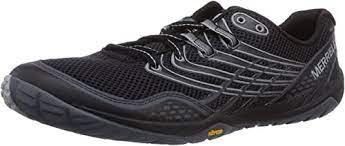 The Trail Glove 3 Minimal shoes are focused on the running business sector, yet there is no motivation behind why they won’t fill in as paddling exercise shoes, particularly as the primary selling point is the glove-like fit. The 100% material uppers are Mesh and TPU material and the sole is elastic. An exact glove-like fit is accomplished by the Omni-fit binding framework and the shoes do have an intelligent detail assuming that you are intending to utilize them for running just as shoes for paddling machine work out. Coming up consistent with the size they are accessible in sizes 8-14. They are presented in four colorways: beat up; dark and dim, orange and naval force, and blue and lime green. Solace and newness are given by the M Select™ FRESH treatment to assist with diminishing smells and the decent froth footbed and they additionally have a delicately cushioned tongue and collar. Many individuals go on and on with regards to the first path glove running shoe and the explanation that they do is a result of the moderate style and the genuine fit perfectly, yet when of this third-age, the shoe has a significantly more blended gathering from sprinters.
Key Features
- 100% Textile and Synthetic
- Imported
- Elastic sole
Pros
- The shoes are lightweight and upscale, consistent with the size and the four shading ways give the purchaser a decision.
- They are very lightweight at 9oz.
Cons
- I was unable to track down any.
2. Merrell Women’s Trail Glove 3 Minimal Trail Shoe
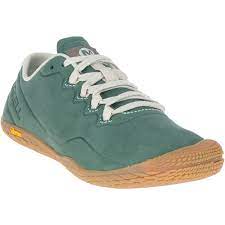 Sold in US sizes 5 to 11 these are planned as an insignificant mentor intended to give a genuine feel with little between your feet and the ground. Despite the fact that they do.
Anyway highlight the TrailProtect™ cushion to give underneath assurance, the plan implies that as indoor paddling shoes there is a great feel and with zero drops you expand the productivity of force move from your feet onto the foot sheets. These shoes highlight the Vibram TC5+ sole, an elastic sole that is strong, slip-safe, and produced using reused materials. The upper is artificial material and cross-section with customary style trim conclusion. For solace, they have a breathable cross-section lining. The Merrell shoes for home paddling machine exercise are profoundly adaptable and highlight the Omni-fit binding framework for an adaptable fits perfectly type fit. They are accessible in nine shading varieties, so there will undoubtedly be something there to suit everybody. The shoes are likewise 100% veggie lover amicable.
Key Features
- 100% Fabric or Textile
- Imported
- Vibram sole
- Network Upper
- Zero Drop
- Shoeless Technology
- Vibram Outsole
- Solid
Pros
- Lightweight
- Intended to give great underneath feel.
- Zero drops, which is great for paddling exercise shoes.
Cons
- I can’t track down any.
3. Reebok Men’s Crossfit Nano 8.0 Flexweave Shoes
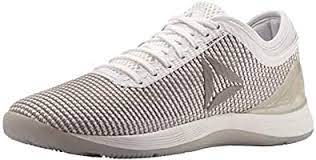 These are intended for CrossFit with input from the CrossFit local area and are subsequently made for the particular prerequisites of CrossFit competitors and that incorporates paddling machine work out. This variant is intended to outperform the past models and has been re-designed to join Flexweave upper for breathability, strength, and toughness just as target support. That is not too’s new there is another heel bootie development that Reebok says ‘gives extreme execution solace’, and their toe section gives assurance to the toe region for sports exercises. The Men’s Crossfit Nano 8.0 are developed with manufactured materials and have high scraped spot elastic outsoles. The outsoles are overall quite steady, strong, however adaptable enough to be coordinated. The Reebok paddling exercise machine shoes have seven eyelets for exact fit. They do make a decent pair of shoes for paddling machine work out. They are accessible in 19 tones and sizes from 6.5 to 14.
Key Features
- 100% Synthetic
- Imported
- Elastic sole
- Shaft gauges roughly low-top from the curve
- Manufactured
- Imported
- Elastic sole
- Shaft gauges roughly low-top from the curve
- Reebok Shoes
- Imported
Pros
- Planned in light of Crossfit the Reebok Nano 8 has a wide toe box, insignificant drop outsole, and the Flexweave upper.
Cons
- Estimating, you might have to arrange a half size up.
- Not especially ideal to see paddling exercise shoes.
4. Reebok Women’s CROSSFIT Nano 8.0 Flexweave Cross Trainer
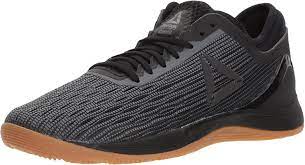 The re-designed Flexweave innovation is intended to give strength, breathability, and adaptability. The framework permits the shoe to flex more in certain spots while being more inflexible in others and makes a decent agreeable fit for all states of the foot. The material is lightweight and tough to give stretch and support and the Women’s CROSSFIT Nano 8.0 Flexweave Cross Trainer likewise includes low profile styling intended to expand lower leg portability. Reebok has likewise made new heel bootie development that additionally has added padding for added solace that along with the truly steady padded sole gives backing to assist with forestalling shin supports and spasms. The shoes likewise have the Reebok ‘Toe Tection’ for expanded strength. On account of the adaptable elastic sole, the shoe holds well and feels stable when utilized as paddling exercise shoes. The Reebok Women’s variant of the Nano 8 comes in 21 alluring shading ways and comes up consistent with foot size.
Key Features
- 100% Synthetic
- Imported
- Manufactured sole
- Shaft gauges around low-top from the curve
- Solid AND LIGHTWEIGHT Metal: This flex weave is woven tennis shoes give tough stretch and backing; Re-designed Flexweave innovation gives soundness and adaptability
- Proficient FOOT SUPPORT: These slick mentors with new impact point bootie development with added padding gives extreme execution solace
- Agreeable AND STURDY DESIGN: This footwear highlights Toe Section that gives toughness to focused energy exercises; Low-cut plan for an expanded lower legs portability so you continue to move the entire day
- Elite PERFORMANCE SPORTS SHOES: Ideal for exercises and weightlifting
Pros
- The shoes truly embrace the feet and the liberal toe box guarantees great toe solace while flexing the feet.
- They give a decent grasp and the mend doesn’t slip.
- These focuses guarantee that these are some of the most outstanding paddling shoes.
Cons
- Couldn’t track down any
5. New Balance Women’s Minimus Running & Rowing Shoes
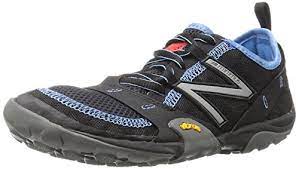 The shoes are planned as a moderate lightweight running shoe for rough terrain trail running anyway with the prevalent grasp from the Vibram® elastic soles and a low drop guarantees that they function admirably as paddling exercise shoes. The uppers are an adaptable engineered network blend and a mid-foot calfskin wrap is incorporated to keep the feet solidly in position and make the NBs perhaps the best shoe for indoor paddling. Shading astute they are less motivating than some other paddling exercise shoes accessible. They do offer a decision of six shading ways, however, these are totally founded on dark. The Minimus V10 V1 is presented in sizes 5 to 12 and in a decision of standard and wide fittings. ACTEVA padded sole padding for adaptable, adaptable help.
Key Features
- 100% Synthetic
- Imported
- Elastic sole
- Shaft gauges around low-top from the curve
- Acteva padded sole. Heel pull circle
- Antimicrobial treatment to lessen the scent
- 4 mm drop, Vibram outsole
- With an upper made of adaptable lattice materials and a Vibram outsole with flex grooves.
- This present ladies’ path running shoe offers the foothold and strength you want to run on a rough path. Trim up conclusion
Pros
- Presented in norm and wide fitting, so a distinct professional for those with more extensive feet.
- Low drop and the lightest weight presenting under survey.
Cons
- Sizes run little, so request a half size or even a standard bigger than typical.
- The bands don’t slide by any means and need physically taking care of through each opening each time they are put on and taken off.
- Restricted shading decision, particularly in the event that you don’t care for dark
6. Voovix Women & Men’s Barefoot Athletic Trail Shoes
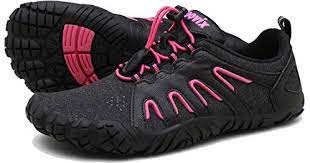 Planned with additional adaptability, the Voovix shoes are appropriate for most kinds of activity. Because of their lightweight and breathable weave texture and elastic sole, these paddling shoes are truly agreeable and furthermore non-slip. Furthermore, they are not difficult to slip on and off because of their great degree of adaptability. Voovix gives a size outline, so you can gauge your feet for the ideal size preceding requesting, which is an incredible benefit over different shoes that have purchasers returning and buying bigger or more modest sizes. The toe box is painstakingly intended to give toes wriggle room as well. There is an enormous decision of 11 tones and these are a great assortment to suit all preferences of people. The exercise shoes highlight waste openings for sprinters who are exceptionally breathable and launderable which contributes to making this pair probably the best shoe for paddling machine exercise.
Key Features
- Elastic sole
- Proficient solace plan: Our shoeless shoes are intended to fit the foot and feel great. Long haul wear can fortify the muscles of the foot. With more grounded adornment muscles in the foot, injury rates were relied upon to drop, and running effectiveness would improve.
- Wide toe box: The moderate path running shoes have adequate space to loosen up the toes and let them stretch normally, making the feet more easygoing during activity and assisting with keeping up with the balance. If your foot width is typical, the shoe width can be changed openly by versatile bands.
- Updated materials: The stretchy upper is exceptionally ventilated and breathable. Against slip elastic outsole gives extraordinary grasp and insurance. Delicate removable insoles will comfort your feet all the time. They are all skin-accommodating materials and you can decide to wear socks or not.
- Level zero-drop bottom: A zero-drop underside puts your forefoot and impact point in a level surface which upholds a solid stance and puts less weight on the joints. The entire shoe is lightweight and flexible. They will be the shoes that you feel generally good and are allowed to wear.
- Multi-useful shoes for different exercises: These moderate open-air shoeless shoes are reasonable for some events, like preparing, strolling, running, running, rec center, climbing, trekking, setting up camp, etc. This pair of multi-useful shoes is an absolute necessity to have to shoe in your shoe bureau.
Pros
- A size graph to pick the right size is a valuable expansion to assist with purchasing.
- The Voovix paddling shoes are adaptable and simple to wash and rush to dry.
- They are zero drops and accompanied by a delicate agreeable insole.
Cons
- Not quite so tough as different brands like NB.
7. Troadlop Men’s Hiking Quick Drying Trail Shoes
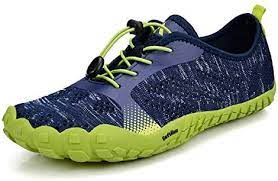 Intended to be more adaptable for any type of activity the lightweight and breathable weaved texture is profoundly adaptable similar to the elastic sole, which is additionally non-slip. They are not difficult to slip on and off because of their great degree of adaptability. Troadloup gives a size graph, so you can quantify your feet for the ideal size preceding requesting, which is an extraordinary benefit over contenders that have individuals returning and buying bigger or more modest sizes. The toe box is painstakingly intended to give toes wriggle room as well. There is a huge decision of 26 tones and these are a great assortment to suit all preferences. The shoe highlight waste openings for sprinters are exceptionally breathable and launderable which contributes to making this pair perhaps the best shoe for paddling machine exercise.
Key Features
- Elastic sole
- Tough SOLE: Anti-slip elastic outsole with a remarkable example, increment the track bond to forestall slipping. one of a kind and solid sole with openings on base to guarantee appropriate water stream out of them which establishes a cooler and better shoe climate, fast dry, very open to during water sports
- Agreeable: The elastic bottom has a truly agreeable and thick froth curved help embed inside, which is both adaptable and thick to shield your feet from stepping on rocks and stones. Simultaneously, the insoles impeccably match the shoes and keep you from tumbling off during climbing or water sports
- Style Design: A trendy toe with a toe look gives you a more beautiful and remarkable dressing experience. In spite of the fact that there are no different openings, thicker toe covers give serious padding, which you want to help when climbing and climbing. Try not to stress that they will scratch your large toe while strolling, we give adequate room to guarantee solace
- Versatility AND CONVENIENT: Breathable and smooth textures with fine stretch on uppers. Non-network, don’t give the sand access to the shoes. The shoe is super light, adaptable, and agreeable. An optimal shoe for rowers, surfers, kayakers, and SUP devotees, the shoe gives grasp and solace out on the water and packs effectively into a dry sack toward the day’s end
- Land and/or water capable: Shoes are land and/or water capable shoes that guarantee you can appreciate life ashore or in the water. You can surf, gulch, kayak, camp, zipline, swim, hop, stream journey, paddle, swim, downpour, downpour, ocean side outings, shopping, travel, water heart stimulating exercise, running, Walking, utilizing water sports shoes, or playing ground in any water movement
Pros
- A size outline to pick the right size is a valuable expansion to assist with purchasing.
- The Troadlop home paddling shoes are adaptable and simple to wash and rush to dry.
- They are zero drops.
Cons
- Heavier than the opposition.
8. ASICS Women’s Gel Kayano Running & Rowing Shoes
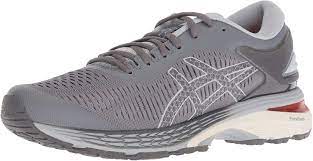 The Asics Gel-Kayano comes up in pursuit as appropriate for paddling machine use and apparently there are some charming elements to these shoes for paddling at home. They arrive at a decision of 21 shading ways which highlights everything from dark on dark to fluorescent shading plans. They highlight a back foot and forefoot gel innovation that is intended to work on the step of sprinters and their other interesting selling point is ASICS SpevaFoam 45 Lasting, for further developed solace by giving a delicate stage feel. Albeit not advanced as nonslip their nonslip properties are great. Cautious development procedures guarantee that they are crease allowed to stay away from pressure focuses and abrading and the dispersal of the eyelets is intended to guarantee an all the more even tension dissemination over the binding and for a uniquely fit feel.
The ASICS Women’s Gel-Kayano 25 likewise includes an inward versatile sleeve to fit cozily around the feet like a sock giving breathability and dampness to the board. Accessible in sizes 5 to 12 the ASICS indoor paddling footwear run somewhat little and are thin, so it is prudent to go up a size for a more extensive fit and in some measures a large portion of a size for length.
Key Features
- Manufactured and-network
- Imported
- Elastic sole
- Rearfoot and Forefoot GEL Technology Cushioning System – Attenuates shock during effect and toe-off stages, and permits development in different planes as the foot changes through the step cycle.
- I.G.S (Impact Guidance System) Technology – ASICS plan reasoning that utilizes connected componentry to improve the foot’s regular stride from impact point strike to toe-off.
- Direction Line Midsole Technology – Vertical flex groove decouples the tooling along the line of movement for upgraded walk productivity.
- Direction Trusstic System Technology – This Trusstic System Technology coordinates Guidance Line development for improved step proficiency while giving midfoot primary uprightness.
- SpevaFoam 45 Lasting – Employs 45-degree full-length SpevaFoam 45 enduring material for a delicate stage feel and further developed solace.
Pros
- With a decision of 21 tones to browse there makes certain to be something for everybody or shading for various outfits.
- Useful for the people who have level feet or require extra foot support from their paddling exercise shoes.
Cons
- 13mm drop.
9. ASICS Gel Kayano 25 Comfortable Rowing Shoes
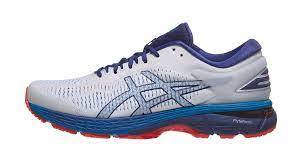 The men’s Gel-Kayano 25 is intended for further developed degrees of recuperating holding. They additionally have the ASICS FlyteFoam Lyte innovation set up to offer help and with an open-toe box for solace. They have painstakingly scattered eyelets that give an exclusively fit encounter and surprisingly the tension circulation over the binding. An inner flexible sleeve fits cozily around the foot like a sock and gives breathability and dampness to the executives. The upper is artificial and network, the Gel-Kayano 25 are accessible in 14 shading plans and in sizes 6 to 15 with width decisions including wide and extra wide. They do run somewhat little and it is prudent to purchase a half size bigger than expected. With a lot of traits being to do with step effectiveness, these shoes are a decent decision for sprinters who require stride backing and who use paddling exercise machines just as running, and who require shoes that will work for paddling and running.
Key Features
- Network Synthetic
- Imported
- Elastic sole
- I.G.S (Impact Guidance System) Technology – ASICS plan reasoning that utilizes connected componentry to upgrade the foot’s normal stride from impact point strike to toe-off.
- Dynamic DuoMax Support System – This development of the DuoMax framework upgrades steadiness and backing, with diminished weight and expanded stage support.
- Direction Line Midsole Technology – Vertical flex groove decouples the tooling along the line of movement for upgraded stride proficiency.
- Direction Trusstic System Technology – This Trusstic System Technology coordinates Guidance Line development for upgraded stride proficiency while giving midfoot primary respectability.
- Ortholite X-40 Sockliner – This premium sockliner highlights higher bounce back properties while giving phenomenal dampness to the executives and an undeniable degree of breathability (Ortholite is an enrolled brand name of ATP Manufacturing LLC.)
Pros
- Great help.
Cons
- 10mm drop.
10. Nike Men’s Air Monarch IV Cross Trainer Shoes
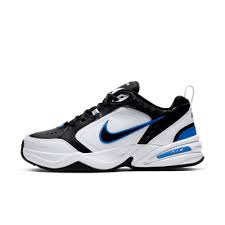 The Air Monarch IV Nike paddling shoes are the main choice here that has a calfskin upper. The cowhide is punctured alongside the lightweight froth padded sole and the exemplified full-length air sole unit to pad is intended for solace and breathability.
They are intended for cross coach use, yet are broadly worn as everyday general footwear and have a standing of being truly agreeable. Size savvy there is a lot of decision really 3.5 to 13 and a decent assortment of width measures too and they come up consistent with size. The Nike shoes for home water rowers are accessible in 8 shading plans dependent on high contrast. The sole is strong elastic and intended for toughness and to give footing, they have a drop of 10mm, and these proposition great curve support and furthermore a healthy degree of adaptability.
Key Features
- Man-Made
- Imported
- Man-Made Sole
- Shaft gauges around low-top from the curve
- NIKE shoe MEN: The Nike Air Monarch IV (4E) Training Shoe for Men sets you up for an open to instructional meeting with strong calfskin on top for help.
- Sturdy LEATHER: Men’s shoes are made with cowhide upper highlights for toughness and backing, while holes give wind current during each shoe wear.
- Padded COMFORT and DURABLE SUPPORT: A lightweight froth padded sole with full-length embodied Air-Sole unit pads each step, giving the entire day solace in your Nike shoes.
- Elastic OUTSOLE: Men’s Nike shoes are planned with a strong elastic outsole that is solid and gives footing over changed surfaces.
- Way of life/GYM SHOE: Whether you’re searching for a way of life tennis shoes for men or new exercise center shoes, the Nike Air Monarch IV is the ideal shoe to address every one of your issues.
Pros
- Shoes from Nike that are known to be agreeable to wear the entire day, so assuming you need shoes for paddling machine practice that you can likewise use for general wear these are a sure thing.
- They offer great curve support for the individuals who need it.
Cons
- At 10mm the drop is very high.
Conclusions
The writing is on the wall. Our rundown of the best indoor paddling shoes for people won’t break your ledger and proposition huge loads of significant worth and solace. As usual, remember what kind of perspectives you need in your indoor paddling hardware and apparel and read paddling machine shoe audits to truly ensure the size is valid and the toe-box width accommodates your feet’ shape.
Frequently Asked Questions
1. What kind of shoes do you wear rowing?
Sneakers/Running Shoes: Wear sneakers for comfort if you’ll be using the rowing machine, or ‘erg’. Shoes should not be worn in the boats, which have special rowing shoes fastened in place for each rower. YOU SHOULD BRING RUNNING SHOES TO EACH PRACTICE!
2. Can I use a rowing machine with no shoes?
Barefoot rowing is a good way to train you to stop moving your feet. Just remember that if you row barefoot you need to move the slide up a slot or two to compensate for the thickness of your shoe because without your shoe your foot will be lower. I place the straps just below the little toe.
3. What do you wear on your feet to row?
It’s a good idea to wear socks when you’re rowing as chances are you’ll be putting your feet into the shoes in the boat. … Any type of leggings are good for rowing because they won’t catch on the boat. Long leggings are great in cold weather whereas close-fitting shorts work well in the summer months.
4. Is Nike Metcons good for rowing?
Metcon 5: WODs
The shoe’s wide heel improves stability during heavy squats, snatches, cleans, and shoulder-to-overhead movements, while a Nike Hyperlift insert helps improve stability during heavy lifts as well as high-rep squats, wall balls, thrusters, and even rowing.
5. What do you wear to an indoor rowing class?
Your best bet would be either compression gear or anything relatively formfitting. Baggy sweatpants could weigh you down or interfere with your motion on the machine. “I recommend wearing compression-style bottoms to prevent any clothing snags in the wheels of the seat,” says Karwoski.
Ready to take your fitness to the next level? Discover 5 intense workout routines guaranteed to sculpt and tone your body.

Table of Contents
Staying healthy is essential for overall well-being, and incorporating a workout routine, proper nutrition, and a structured gym plan can help you achieve your health and fitness goals. By focusing on these key components, you can enhance your physical strength, improve your endurance, and boost your overall health.
Setting Goals
Setting specific and achievable fitness goals is crucial for staying motivated and on track with your health journey. Whether you aim to lose weight, build muscle, or improve your endurance, having clear goals in mind can help you stay focused and committed to your fitness routine.
Choosing the Right Workout Routine
When selecting a workout routine, it’s important to consider your fitness goals, preferences, and current fitness level. Whether you prefer cardio, strength training, or a combination of both, finding a routine that aligns with your goals and interests will make it easier to stay consistent and see results.
Incorporating Strength Training
Strength training is a crucial component of any workout routine, as it helps build muscle, increase bone density, and improve overall strength and stability. By incorporating strength training exercises such as weightlifting, bodyweight exercises, or resistance bands into your routine, you can sculpt your body and improve your physical performance.

Image courtesy of www.pinterest.cl via Google Images
Nutritional Guidelines
Proper nutrition plays a significant role in supporting your fitness goals and overall health. A balanced diet rich in whole foods, lean proteins, fruits, vegetables, and healthy fats can provide your body with the nutrients it needs to fuel your workouts, aid in recovery, and promote optimal health.
Meal Planning
Meal planning is a useful tool for ensuring you are consuming the right balance of nutrients to support your fitness goals. By prepping healthy meals and snacks in advance, you can avoid impulsive food choices, stay on track with your nutritional needs, and fuel your body for optimal performance.
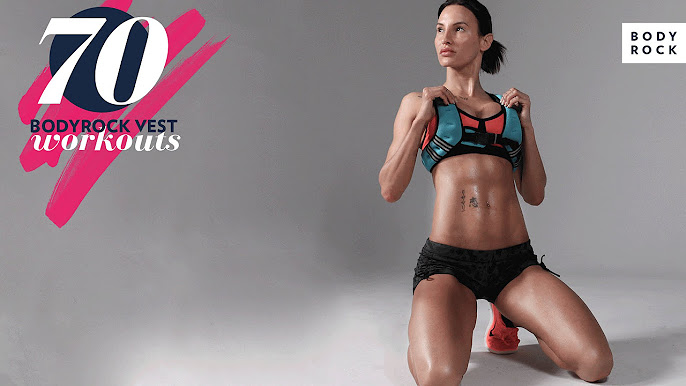
Image courtesy of www.youtube.com via Google Images
Hydration
Staying hydrated is essential for overall health and performance, especially during workouts. Drinking an adequate amount of water throughout the day can help regulate body temperature, support digestion, and maintain proper hydration levels to optimize your workouts and recovery.
Recovery
Rest and recovery are essential components of a healthy fitness routine, as they allow your body to repair and rebuild muscle tissue, reduce the risk of injury, and optimize performance. Prioritizing rest days, adequate sleep, and relaxation techniques can help enhance your overall well-being and prevent burnout.

Image courtesy of www.pinterest.co.uk via Google Images
Accountability and Support
Staying accountable to your health and fitness goals can be challenging, but seeking support from friends, family, or a fitness community can help keep you on track. Whether through workout buddies, online communities, or accountability partners, having a support system can provide motivation, encouragement, and accountability.
Creating a Sustainable Routine
Creating a sustainable workout, nutrition, and gym plan that fits into your lifestyle is key to long-term success. By finding activities you enjoy, setting realistic goals, and making gradual changes to your routine, you can establish healthy habits that promote overall health and well-being for the long haul.
Discover the ultimate workout routine that will have you sweating and sculpting your body like never before. Get ready to transform!
Table of Contents
Embarking on a journey to enhance your fitness level and overall well-being requires a holistic approach that encompasses health tips, workouts, nutrition, and gym plans. By integrating these key elements into your routine, you can work towards achieving your fitness goals effectively and sustainably.
Setting Fitness Goals
Before diving into your fitness journey, it’s essential to clearly define and prioritize your goals. Whether you aim to lose weight, build muscle, improve endurance, or enhance flexibility, identifying your objectives will provide a roadmap for your fitness plan. Remember to set realistic timelines for achieving these goals to maintain motivation and track progress effectively.
Health Tips for Success
Optimal health is fundamental to reaching your fitness goals. Ensure you prioritize hydration and adequate sleep to support your body’s recovery and performance. Additionally, integrating stress management techniques such as mindfulness or yoga can enhance your overall well-being and help you stay focused on your fitness journey.
Effective Workouts
Understanding the benefits of both cardio and strength training is crucial for a well-rounded workout routine. Cardio exercises improve cardiovascular health and burn calories, while strength training builds muscle mass and enhances metabolism. Don’t forget to incorporate stretching and flexibility exercises to improve mobility and prevent injury.

Image courtesy of www.pinterest.com via Google Images
Nutrition Essentials
Fueling your body with balanced meals is key to maximizing your workout results. Ensure your diet includes a variety of nutrients, including proteins, carbohydrates, and healthy fats to support energy levels and muscle recovery. Additionally, consult with a nutritionist to develop a personalized nutrition plan that aligns with your fitness goals.
Creating a Personalized Gym Plan
Developing a tailored gym plan that suits your lifestyle and goals is essential for consistent progress. Set a realistic workout schedule that aligns with your availability and preferences. Utilize the resources available at your gym, such as personal trainers or group fitness classes, to diversify your routine and stay motivated.

Image courtesy of www.pinterest.com via Google Images
Tracking Progress
Monitoring your workouts and progress measurements is crucial for assessing your fitness journey’s effectiveness. Keep a workout journal or utilize fitness tracking apps to record your sessions, track improvements, and identify areas for advancement. Based on your progress, adjust your plan accordingly to continue challenging yourself and evolving.
Motivation and Accountability
Staying motivated throughout your fitness journey can be a challenge, especially when faced with obstacles or setbacks. Set achievable milestones and reward yourself for reaching them to stay engaged and driven. Consider finding a workout buddy or accountability partner to share your experiences, support each other, and keep each other accountable.

Image courtesy of www.pinterest.com via Google Images
Overcoming Plateaus
Plateaus are a common occurrence in fitness progress and can be frustrating. Recognize potential reasons for plateaus, such as overtraining, inadequate recovery, or lack of variation in your routine. Implement strategies to break through plateaus, such as changing your workout intensity, trying new exercises, or consulting with a fitness expert for guidance.
Conclusion
By integrating health tips, workouts, nutrition, and gym plans into your fitness routine, you can embark on a comprehensive journey towards achieving your fitness goals. Remember to prioritize your well-being, track your progress, stay motivated, and adapt your plan as needed to ensure continued success in your fitness endeavors.
Find out how to create the ultimate workout plan tailored to your fitness goals and get stronger than ever before!
Table of Contents
In today’s fast-paced world, finding the time and motivation to prioritize our health and fitness can be a challenge. However, by incorporating a combination of workout, nutrition, and gym planning into our daily routines, we can achieve our fitness goals and improve our overall well-being. In this comprehensive guide, we will explore the essential components of maximizing our health through workout, nutrition, and gym planning.
Setting Fitness Goals
Before starting any fitness journey, it’s crucial to establish clear and achievable fitness goals. Whether your goal is to lose weight, build muscle, or improve your overall fitness level, setting specific, measurable, attainable, relevant, and time-bound (SMART) objectives can help you stay focused and motivated.
Creating a Workout Routine
Designing an effective workout routine is key to achieving your fitness goals. A balanced routine should include a mix of cardiovascular exercise, strength training, and flexibility exercises. Cardiovascular activities like running, cycling, or swimming help improve your cardiovascular health and burn calories. Strength training exercises, such as weightlifting or bodyweight exercises, help build muscle and increase strength. Incorporating flexibility exercises like yoga or stretching can improve your mobility and prevent injuries.
Nutrition Essentials
Proper nutrition plays a pivotal role in supporting your fitness goals. Make sure to consume a variety of nutrient-rich foods, including fruits, vegetables, whole grains, lean proteins, and healthy fats. Balancing your macronutrients—carbohydrates, proteins, and fats—can help fuel your workouts, aid in muscle recovery, and support overall health.

Image courtesy of www.australiawidefirstaid.com.au via Google Images
Meal Prep and Planning
Meal prepping and planning can help you stay on track with your nutrition goals. By preparing meals in advance, you can avoid the temptation of unhealthy fast food options and ensure that you have nutritious meals readily available. Schedule time each week to plan your meals, create a grocery list, and prep ingredients to streamline your meal prep process.
Tracking Progress
Monitoring your progress is essential to making informed decisions about your fitness and nutrition goals. Keep track of your workouts, meals, and progress measurements to identify areas of improvement and celebrate your successes. Consider using a fitness app or journal to track your progress and stay motivated.
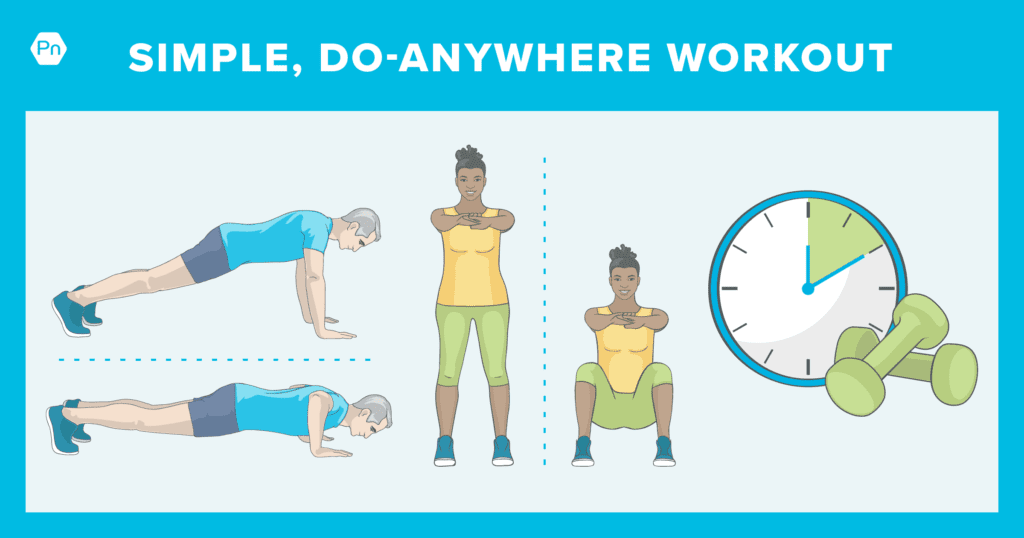
Image courtesy of www.precisionnutrition.com via Google Images
Gym Planning Tips
When planning your gym workouts, consider your fitness goals, schedule, and preferences. Select exercises and equipment that align with your objectives and fit into your routine. Don’t hesitate to seek guidance from fitness professionals or trainers to help you create a personalized gym plan that suits your needs.
Preventing Burnout
It’s essential to listen to your body and avoid burnout during your fitness journey. Incorporate rest days into your routine to allow your body to recover and prevent overtraining. Practicing self-care activities, such as meditation, yoga, or hobbies, can help reduce stress and maintain a healthy balance between fitness and relaxation.
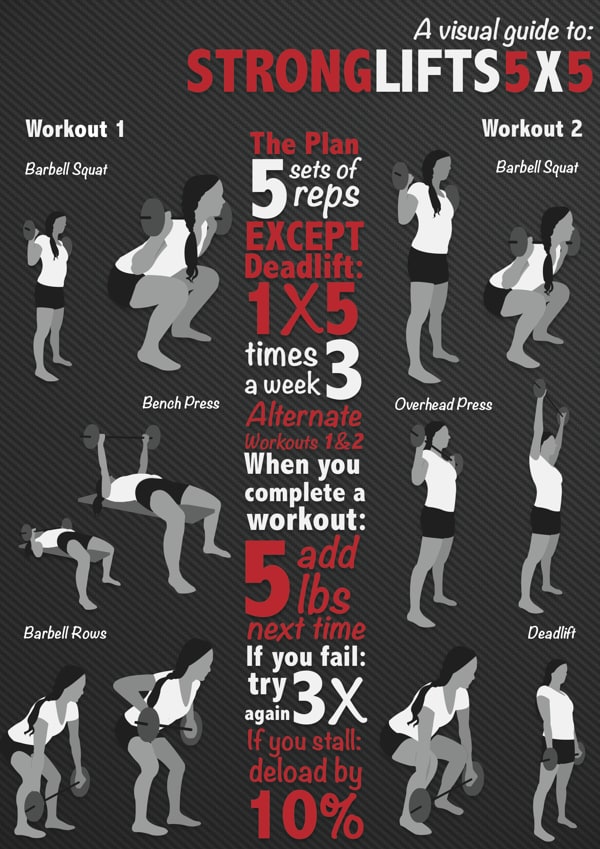
Image courtesy of liftvault.com via Google Images
Staying Consistent
Consistency is key to achieving long-term fitness success. Stay committed to your workout, nutrition, and gym plan by establishing a routine that works for you. Be adaptable and open to making adjustments as needed to stay on track with your goals. Remember that progress takes time, so stay patient and persistent in your fitness journey.
In conclusion, by incorporating a holistic approach to fitness that includes workout, nutrition, and gym planning, you can achieve your fitness goals and lead a healthier lifestyle. Prioritize your health and well-being by committing to a balanced routine that supports your physical and mental well-being. Get started today and take the first step toward a fitter, stronger, and healthier you!
Unlock the secrets to creating stunning graphics that will captivate your audience and elevate your blog to the next level.

Table of Contents
In today’s fast-paced digital world, creating eye-catching graphics for your blog is essential to capture the attention of your audience. Whether you’re a seasoned blogger or just starting out, incorporating visually appealing graphics can significantly enhance the overall aesthetic and impact of your content. In this blog post, we will explore some tips and techniques to help you create stunning graphics that will make your blog stand out.
Tips for Pre-Workout Nutrition
Before heading to the gym, it’s crucial to fuel your body with the right nutrients to maximize your workout performance. Consider having a balanced meal or snack containing a mix of carbohydrates, proteins, and healthy fats. For example, you could opt for a banana with almond butter or a Greek yogurt parfait with granola. These options provide a good blend of energy-boosting carbs and muscle-repairing proteins.
Tips for Post-Workout Nutrition
After completing your workout, it’s essential to refuel your body to aid in muscle recovery and replenish energy stores. Incorporate a post-workout meal or snack rich in protein and carbohydrates. This could include a chicken and quinoa salad or a fruit smoothie with added protein powder. Ensuring you consume the right nutrients post-workout will help support muscle growth and repair.
The Role of Protein in Your Diet
Protein plays a crucial role in muscle growth and repair, making it an essential component of your diet, especially for those engaging in regular workouts. Incorporate sources of lean protein such as chicken, fish, tofu, or legumes into your meals to ensure you’re meeting your body’s protein needs. You could also consider supplementing with protein shakes or bars if needed.

Image courtesy of www.peoplefirstcontent.com via Google Images
The Role of Carbohydrates in Your Diet
Carbohydrates are the body’s primary source of energy, making them essential for fueling your workouts. Opt for complex carbohydrates like whole grains, fruits, and vegetables to sustain energy levels during your gym sessions. Incorporating these nutrient-rich carbs into your diet will help support your overall fitness goals and provide the necessary fuel for your workouts.
The Role of Fats in Your Diet
Healthy fats are essential for overall health and should not be overlooked in your diet. Include sources of unsaturated fats such as avocados, nuts, seeds, and olive oil in your meals to promote cardiovascular health and support proper bodily functions. Balancing your fat intake alongside proteins and carbohydrates is key to maintaining a well-rounded and nutritious diet.
Image courtesy of www.benchmarkone.com via Google Images
Creating a Gym Plan
Establishing a structured gym plan is vital for staying consistent with your fitness routine and achieving your desired results. Start by setting realistic fitness goals that align with your personal objectives. Consider factors such as your fitness level, time availability, and preferred workout style when designing a gym plan that suits your needs and lifestyle.
Designing an Effective Workout Routine
When creating your workout routine, aim for a balanced mix of strength training and cardio exercises to target different muscle groups and improve overall fitness. Incorporate exercises that challenge your body and vary your routine to prevent plateaus and keep your workouts engaging. Additionally, ensure you include rest days in your plan to allow your body time to recover and repair.

Image courtesy of venngage.com via Google Images
Tracking Your Progress
Monitoring your progress is crucial for staying motivated and tracking your fitness journey. Keep a workout journal, use fitness apps, or invest in a fitness tracker to record your workouts, nutrition, and any improvements or setbacks. By tracking your progress regularly, you can identify areas for improvement, celebrate your successes, and stay on course towards reaching your fitness goals.
Conclusion
In conclusion, proper nutrition and a well-structured gym plan are fundamental elements for maximizing your workout results and achieving your fitness goals. By incorporating the tips and techniques mentioned in this blog post, you can create a solid foundation for your fitness journey and enhance the overall effectiveness of your workouts. Remember to prioritize your health and well-being by nourishing your body with the right nutrients and staying consistent with your exercise routine.
Bid farewell to love handles by embracing a healthier lifestyle and targeted exercises. Achieve a slimmer waist through dedication and the right strategies.
Love handles, the pesky fat deposits around the waistline, can be stubborn to lose. Getting rid of them requires a combination of proper nutrition, consistent exercise, and an overall commitment to health. Adopting a balanced diet that includes plenty of fruits, vegetables, lean proteins, and whole grains is crucial.
Regular physical activity, particularly exercises that focus on the core and oblique muscles, will also help tone the midsection. It’s important to set realistic goals and remain patient, as losing fat in specific areas takes time. Remember, while there’s no magic solution for melting away love handles, a sustained effort with smart lifestyle choices will bring visible results and improved well-being. Aim for progress, not perfection, and keep pushing forward on your fitness journey for a handle-free waist.
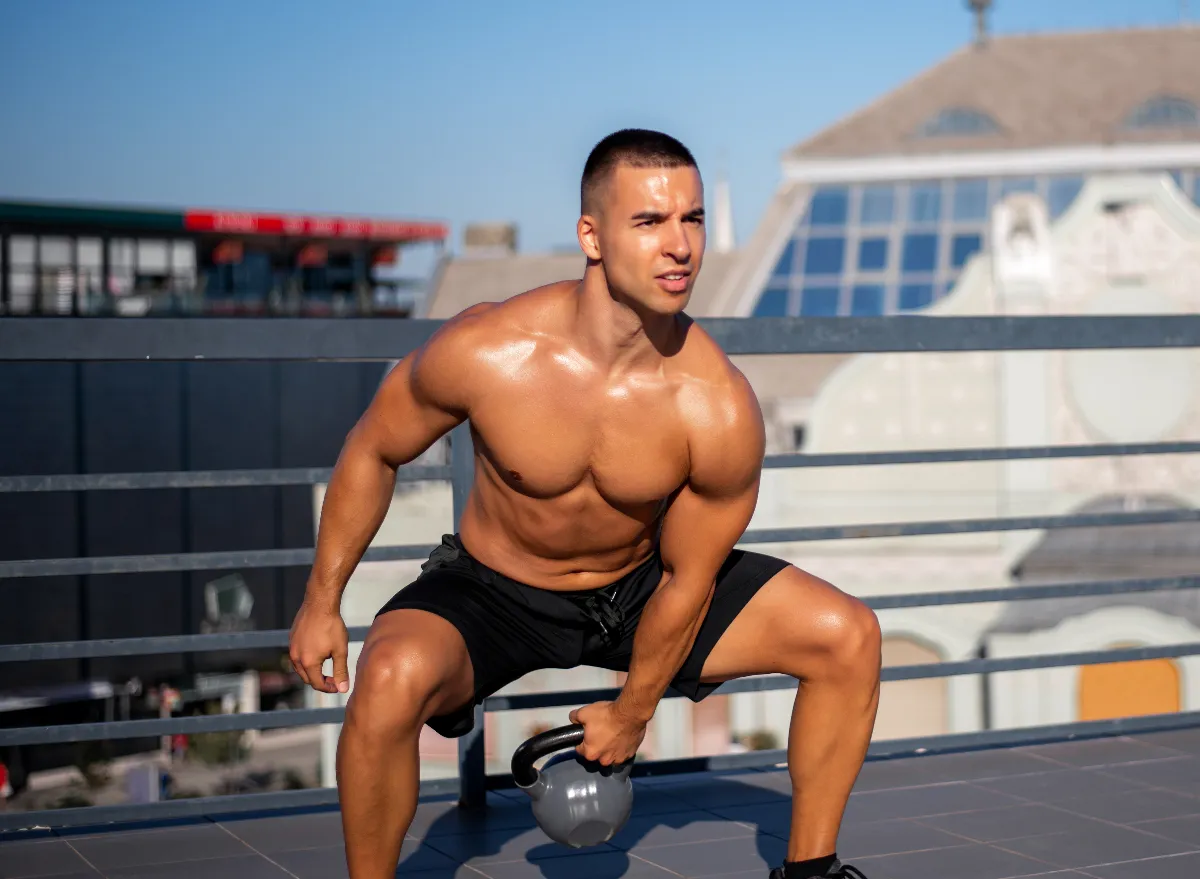
Credit: www.eatthis.com
Unveiling Love Handle Myths
Love handles – the term might evoke a chuckle or a wince, but for many, it’s a stubborn reality and a source of frustration. These pesky patches of fat that cling to our midsections inspire a myriad of myths and misunderstandings. It’s time to unravel the truth behind love handles, leaving behind the quick fixes and spot reduction promises, and turning towards what science tells us about fat loss.
Dispel Common Misconceptions About Love Handles
Busting myths is crucial to setting realistic goals and methods for shedding those unwanted love handles. Many still cling to the belief that targeted exercises alone can melt away fat from specific areas. Grasping the truth behind these misconceptions will illuminate the path to results.
- Targeted weight loss is achievable: False. While targeted exercises can strengthen muscles, they don’t selectively burn fat from that area.
- Love handles disappear with core workouts: Not quite. Core workouts reinforce abdominal strength, but don’t directly eliminate fat.
- Slimming creams and wraps work: Misleading. Temporary loss of water weight is possible, but fat reduction is another story entirely.
Understand Body Fat Distribution And Genetics
Your genetics play a pivotal role in where your body stores fat. You can thank your ancestors for that unique pattern. However, understanding that genetics is part of the equation can empower you rather than discourage.
- Every body is unique – some might find love handles harder to lose than others due to their genetic predisposition.
- Men and women can store fat differently due to hormones, which also affect fat distribution.
- While you can’t change your genetics, you can focus on overall fat reduction to impact your love handles.
Pinpointing The Causes
Say goodbye to your love handles, not with a quick fix, but by understanding and addressing the root causes of this stubborn fat. Love handles, which refer to excess fat around the hips and abdominal area, can be particularly challenging to lose. By pinpointing the underlying factors, you can tailor your approach to effectively reduce and eventually eliminate them.
Assessing diet’s impact on abdominal fatAssessing Diet’s Impact On Abdominal Fat
The foods you consume play a pivotal role in the accumulation of fat around your midsection. To battle love handles, understanding the relationship between diet and abdominal fat is essential.
- Caloric Balance: Consuming more calories than your body can burn leads to weight gain, often around the midsection.
- Nutrient Quality: Diets high in processed foods, sugars, and unhealthy fats contribute to fat gain, especially around the waist.
- Fiber Intake: A lack of dietary fiber can hinder weight loss and promote fat retention in the abdominal area.
Role Of Hormones In Love Handle Formation
Hormones are chemical messengers with a direct influence on how your body stores and manages fat. An imbalance can lead to the development of love handles. Key hormones in this process include:
- Insulin:
- Regulates blood sugar levels and fat storage, particularly in the abdominal area.
- Cortisol:
- Known as the stress hormone, elevated levels can cause the body to hold onto fat around the stomach.
- Estrogen:
- Low levels, especially after menopause, can result in a shift of fat storage from the hips and thighs to the abdomen.
Effects Of Lifestyle And Stress On Body Shape
Lifestyle choices and stress levels can significantly impact your body shape and the appearance of love handles. Sedentary habits, insufficient sleep, and high stress can each lead to increased abdominal fat.
| Lifestyle Factor | Effect on Body Shape |
|---|---|
| Physical Activity: | Regular exercise, especially HIIT and strength training, can reduce fat storage. |
| Sleep Quality: | Poor sleep can disrupt hormone levels, leading to excess fat accumulation. |
| Stress Management: | Chronic stress can trigger emotional eating and increased fat storage, particularly around the midsection. |
Crafting Your Trim & Tone Strategy
Embarking on a journey to say goodbye to those love handles requires a well-rounded strategy. It’s not just about going to the gym or cutting down on sweets; it’s a lifestyle adjustment that encompasses various elements that work in harmony. Crafting a Trim & Tone strategy is the roadmap to success, focusing on intelligent choices that mold and fine-tune your body. Getting rid of love handles and achieving a toned physique involves a balance – a symbiotic relationship between diet, exercise, and rest. Each component is a puzzle piece in the grand scheme of whole-body wellness. Let’s explore how a multi-faceted approach can yield the results you’ve been dreaming of.
Importance Of A Multi-faceted Approach
When sculpting the body, one singular methodology seldom proves effective. What’s required is a varied, multi-dimensional plan of attack. Love handles, a term quaint in nature but stubborn in presence, require more than a cursory glance. They need a focused and diverse strategy to be completely ousted.
- Nutrition: It’s not just about eating less, but eating smart. Tailoring your diet to include specific foods that target fat loss can significantly magnify your efforts.
- Exercise: A blend of cardiovascular workouts and strength training creates the perfect storm to both burn calories and shape muscle.
- Lifestyle: Sleep and stress management are silent partners in the quest for a trimmed physique; optimal rest and low stress encourage fat loss.
Balancing Diet, Exercise, And Rest
Finding the right balance between these critical components is the cornerstone of shedding unwanted fat around the midsection. This balance looks different for everyone, but there are key principles that are universally effective.
| Component | Role | Example |
|---|---|---|
| Diet | Provides nutrients and controls caloric intake | High-fiber vegetables, lean proteins, and healthy fats |
| Exercise | Burns calories and builds muscle definition | Combination of HIIT, resistance training, and core exercises |
| Rest | Allows recovery and hormone regulation | Quality sleep and stress management techniques |
Integrating these principles into your daily routine may seem daunting, but the rewards are worth the effort. Consistency is key; a steady, unwavering approach to balancing these elements underpins the success of any Trim & Tone strategy.
Customizing Your Nutrition Plan
Customizing Your Nutrition Plan is a game-changer when aiming to bid farewell to those pesky love handles. It’s not just about cutting calories; it’s about choosing the right foods to fuel your body efficiently. Custom nutrition plans target stubborn abdominal fat by optimizing what you consume for breakfast, lunch, dinner, and even snacks. Tailoring your diet can provide your body with a steady stream of energy throughout the day, preventing those dreaded energy dips that can lead to unhealthy cravings.
Identifying foods that target abdominal fatIdentifying Foods That Target Abdominal Fat
Eating the correct types of food is critical in eliminating abdominal fat. Foods rich in fiber, protein, and healthy fats can help reduce the midsection. For example, avocados, rich in monounsaturated fats, have been found to redistribute belly fat, while whole grains keep insulin levels low, preventing fat storage around the stomach.
A few key foods to include in your nutrition plan are:
- Almonds – packed with protein and good fats to keep you full.
- Berries – high in fiber which helps regulate insulin response.
- Green Tea – contains catechins that can boost your metabolism.
- Leafy Greens – low in calories and high in fiber.
- Lean Meats – a great source of protein that aids in muscle building.
Structuring A Meal Plan For Sustained Energy
Planning your meals wisely ensures sustained energy levels throughout the day, which is vital for reducing body fat. A well-structured meal plan stabilizes blood sugar and regulates your appetite.
| Time of Day | Meal | Components |
|---|---|---|
| Breakfast | Protein-packed smoothie | Mixed berries, spinach, almond milk, whey protein |
| Mid-morning Snack | Healthy fats snack | Handful of nuts or avocado toast |
| Lunch | Lean protein with complex carbs | Grilled chicken salad with a variety of vegetables and quinoa |
| Afternoon Snack | Fiber-rich snack | Carrot sticks with hummus or Greek yogurt |
| Dinner | Balance plate | Baked salmon, steamed broccoli, and sweet potato |
Remember to adjust portion sizes based on individual needs and ensure each meal includes protein, fiber, and healthy fats to maintain fullness and energy levels. This approach not only targets love handles but also enhances overall health.
Core And Oblique Sculpting Workouts
Wave goodbye to unsightly love handles with a targeted approach to fitness. Core and oblique sculpting workouts are your best allies in the fight against those stubborn fat deposits. Crafting a well-defined midsection involves a blend of exercises that not only reduce fat but also build the underlying muscles. Read on to learn about the optimal workouts to help reduce and eliminate love handles, and how to effectively incorporate them into your fitness regime.
Best exercises for love handle reductionBest Exercises For Love Handle Reduction
Targeting the midsection, particularly the obliques, can be challenging. Here are the top exercises designed to torch that side fat and enhance core strength:
- Russian Twists: Sit on the floor with your knees bent, lean back slightly, and twist your torso from side to side.
- Side Planks: Lie on your side and lift your body on your forearm, keeping your body in a straight line, to engage your obliques.
- Bicycle Crunches: Lie flat on your back, bring your knees up to form a 90-degree angle and go through a bicycle pedal motion with your legs.
- Mountain Climbers: Start in a plank position and draw your knee to your chest, alternating legs quickly.
Integrating Cardio With Strength Training
To maximize love handle reduction, combine high-intensity cardio with your strength training. This combination not only burns calories but also boosts metabolism, helping you shed fat more effectively. Consider these cardio options:
- High-Intensity Interval Training (HIIT)
- Cycling or Spin classes
- Rowing
- Boxing or kickboxing
Include 15-20 minutes of intense cardio before or after your strength routine for optimal results.
Designing a week-long exercise regimeDesigning A Week-long Exercise Regime
Structure is crucial when crafting an exercise plan. A balanced week-long routine should allow for muscle recovery while maintaining consistent caloric burn. Here’s an example:
| Day | Workout | Notes |
|---|---|---|
| Monday | Core and strength training | Focus on oblique exercises |
| Tuesday | Cardio | Incorporate HIIT for maximum burn |
| Wednesday | Rest or light yoga | Recovery is key |
| Thursday | Core and strength training | Include varied core exercises |
| Friday | Cardio | Choose a different cardio workout |
| Saturday | Full body workout | Engage all muscle groups |
| Sunday | Rest or active recovery | Prepare for the upcoming week |
Say Goodbye To Love Handles: Workout Schedules
Unwanted fat around the midsection, commonly known as love handles, can be tough to tackle. However, with a tailored workout schedule that focuses on burning fat and building muscle, waving farewell to those pesky love handles becomes a realistic goal. Understanding the importance of a daily workout routine, the role of flexibility, and the necessity for core stabilization provides a solid foundation for effective fitness plans.
Creating A Daily Workout Routine
Consistency is key when aiming to diminish love handles. Crafting a daily workout routine that challenges your body is essential for progress. Incorporate a mix of cardiovascular exercises and strength training to maximize calorie burn and muscle tone. Aim for a balanced approach:
- Cardiovascular exercises: Choose from brisk walking, running, cycling, or swimming for at least 30 minutes a day.
- Strength training: Focus on exercises that target multiple muscle groups, including squats, deadlifts, and planks.
- High-Intensity Interval Training (HIIT): This involves short bursts of intense activity followed by brief recovery periods, proving effective at fat reduction.
Exercise variety prevents boredom and promotes continued improvement by challenging the muscles in new ways.
Incorporating Flexibility And Core Stabilization
A well-rounded fitness routine does more than just challenge muscles; it also builds a strong, stable core while increasing flexibility. Incorporating flexibility and core stabilization exercises into your workout can enhance range of motion and improve overall performance, aiding in the reduction of love handles.
| Day of the Week | Core & Flexibility Workouts |
|---|---|
| Monday | Yoga or Pilates for full-body flexibility |
| Wednesday | Core-focused training; include planks and bicycle crunches |
| Friday | Dynamic stretching and stability ball exercises |
Engage in flexibility workouts and core exercises regularly to aid in the sculpting of the midsection and the elimination of stubborn love handles.
Tracking Progress And Staying Motivated
Saying goodbye to love handles requires dedication, perseverance, and a splash of strategy. As you embark on this transformational journey, maintaining your motivation and monitoring your advancements is crucial. Success lies in recognizing your progress and continually fueling your drive to achieve those coveted results. Below are techniques to help you stay on track and keep your spirits high!
Setting Realistic Goals And Milestones
Setting achievable goals is the foundation of a successful fat loss plan. Establishing clear, quantifiable targets provides a roadmap to your destination, minimizing detours and ensuring every effort counts. Let’s delve into smart goal-setting:
- Create SMART goals: Specific, Measurable, Achievable, Relevant, Time-bound.
- Start small, dream big: Aim for incremental changes to avoid feeling overwhelmed.
- Keep a goal journal: Documenting goals can reinforce your commitment and help visualize your path to success.
- Celebrate milestones: Reward yourself for the small victories to maintain enthusiasm.
| Time Frame | Goal | Reward |
|---|---|---|
| 2 Weeks | Exercise 3 times a week | New workout playlist |
| 1 Month | Lose 2% body fat | Fitness magazine subscription |
| 3 Months | Fit into a smaller size | Shopping for new clothes |
Engaging With A Community For Support
Embarking on a fitness journey alone can be daunting; hence, finding a support network is essential. Engaging with others who share your goals can provide emotional support, advice, and accountability. Here are ways to connect with like-minded individuals:
- Join fitness forums: Online communities offer a treasure trove of inspiration and knowledge.
- Participate in group workouts: Working out with others can boost your motivation and performance.
- Find an accountability buddy: A partner to share progress with can keep you honest and on track.
- Share your journey on social media: Publicly declaring your goals can reinforce your commitment.
✅ Remember, a supportive community can be the wind beneath your wings. Find your tribe and let them carry you forward when the going gets tough. Together, you’ll transform those love handles into a love affair with health and fitness!
Celebrate Achievements, Aim Higher
Saying goodbye to love handles isn’t just a physical transformation; it’s a journey that tests your willpower, dedication, and perseverance. As we embrace this journey, it’s vital to recognize our triumphs and set new goals. Each victory, no matter how small, deserves a celebration—it fuels our motivation and propels us towards even loftier peaks. Let’s delve into the art of celebrating milestones and strategizing for continued success to ensure that waving goodbye to those unwanted love handles becomes a sustainable reality.
Rewarding Milestones To Boost Morale
Every step on your fitness journey matters. Rejoice in the mini victories with some well-deserved rewards. Rewarding milestones not only acknowledges your effort but also encourages consistent behavior change. Whether it’s dropping a jean size, sticking to your meal plan for a month, or consistently working out, each milestone is a pivotal moment to boost your morale.
- Hit your weekly exercise target? Treat yourself to a movie night.
- Resisted temptation? Perhaps a relaxing spa day is in order!
- Notice physical changes? Snap a selfie to track your progress.
Your rewards should align with your goals. Opt for experiences and self-care rather than food-based rewards, which can be counterproductive. Remember, these incentives are not just fun; they’re strategic morale boosters. They serve as physical reminders of your hard-won progress, keeping you engaged and focused on your overarching aspirations.
Adjusting Strategies For Continued Success
Success in the battle against love handles depends on flexibility and adaptation. This could mean varying your workout routine, tweaking your diet, or even seeking professional guidance. Pay attention to your body’s feedback and adjust your strategies accordingly. Stagnation is the enemy of progress—keep challenging yourself.
| Phase | Strategy | Outcome |
|---|---|---|
| Initial | Establish baseline habits | Set foundation for change |
| Adaptation | Increase workout intensity | Overcome plateaus |
| Growth | Refine nutritional intake | Optimize body composition |
Goal reassessment is crucial. When a certain tactic isn’t yielding the expected results, it’s time for a new approach. Incorporate variety into your routine, try new exercises, or alter your macronutrient ratio. Keep learning and experimenting to discover what strategies work best for your unique body and lifestyle. Above all, maintain patience and resilience: two qualities that are indispensable for success in any health and fitness endeavor.
Conclusion
Embarking on a journey to eliminate love handles can be transformative, both physically and mentally. With a blend of targeted exercises, mindful eating, and consistency, shedding those stubborn fatty areas is within reach. Stay committed to your fitness goals and soon you’ll enjoy the benefits of a toned and healthier body.
Wave goodbye to your love handles and hello to newfound confidence.
Discover the secret to optimal health and well-being with these 10 essential nutrition tips for nourishing your mind and body.

Table of Contents
Whether you’re a seasoned gym-goer or just beginning your fitness journey, crafting a comprehensive workout and nutrition plan is key to achieving your fitness goals. By combining the right exercises with proper nutrition, you can optimize your performance, reach your target weight, and improve your overall health. In this blog post, we will explore tips for setting fitness goals, creating a workout plan, establishing a nutrition plan, finding the right gym, staying motivated, overcoming plateaus, listening to your body, and tracking your progress.
Setting Fitness Goals
Before embarking on your fitness journey, it’s essential to identify your specific goals. Do you want to lose weight, build muscle, improve cardio endurance, or enhance flexibility? Setting realistic timelines for achieving these goals will help you stay focused and motivated throughout your fitness journey.
Creating a Workout Plan
Consulting with a fitness professional or trainer can provide valuable insight into designing a workout plan that aligns with your goals. A well-rounded workout routine should include a mix of cardio, strength training, and flexibility exercises to target different muscle groups and improve overall fitness.
Establishing a Nutrition Plan
Nutrition plays a crucial role in fueling your workouts and supporting your body’s recovery. Consulting with a nutritionist or dietitian can help you calculate your caloric needs based on your fitness goals. Designing a balanced meal plan that includes a variety of nutrients will ensure that your body has the fuel it needs to perform at its best.

Image courtesy of in.pinterest.com via Google Images
Finding the Right Gym
Choosing the right gym is essential for creating a comfortable and motivating workout environment. Researching gyms in your area and touring facilities to assess equipment, amenities, and class offerings can help you find a gym that meets your needs and preferences.
Staying Motivated
Setting smaller milestones along the way can help you track your progress and celebrate your achievements. Rewarding yourself for hitting milestones, finding a workout buddy, or joining group classes for accountability can help you stay motivated and committed to your fitness goals.

Image courtesy of www.linkedin.com via Google Images
Overcoming Plateaus
Plateaus are a common occurrence in any fitness journey. To overcome plateaus, consider switching up your workout routine, reevaluating your nutrition plan, and seeking advice from fitness professionals. Making small adjustments can help you break through barriers and continue making progress.
Listening to Your Body
Listening to your body is crucial in preventing injuries and avoiding burnout. Paying attention to signs of overtraining, practicing proper form during exercises, and making adjustments to your plan based on how your body responds can help you stay healthy and injury-free.
Image courtesy of chponline.com · In stock via Google Images
Tracking Progress
Keeping track of your progress is essential for staying motivated and making adjustments to your plan as needed. Keeping a workout and nutrition journal, taking measurements and progress photos regularly, and using apps or trackers to monitor your fitness and nutrition goals can help you stay on track and achieve success.
In conclusion, a comprehensive workout and nutrition plan is essential for achieving your fitness goals. By setting realistic goals, creating a well-rounded workout routine, establishing a balanced nutrition plan, finding the right gym, staying motivated, overcoming plateaus, listening to your body, and tracking your progress, you can optimize your performance, reach your target weight, and improve your overall health. Remember to stay dedicated and persistent in your fitness journey, and you will see progress and results over time.
Discover the ultimate gym plan that will help you get ripped in just 30 days – are you up for the challenge?
Table of Contents
When it comes to improving your health and fitness, there are two key components that go hand in hand – workout and nutrition. In order to achieve your fitness goals, it’s essential to have a well-rounded plan that includes both aspects. In this blog post, we will explore 8 essential health tips to help you create a successful workout and nutrition plan in the gym.
Setting Goals
Setting specific and achievable goals is crucial for staying motivated and tracking your progress. Whether you aim to lose weight, build muscle, or improve your overall fitness, having clear goals will help you stay focused and committed to your plan.
Workout Routine
Creating an effective workout routine is key to achieving your fitness goals. It’s important to include a mix of cardio, strength training, and flexibility exercises to ensure a well-rounded workout plan. Find exercises that you enjoy and that cater to your specific fitness objectives.
Consider working with a fitness trainer to create a personalized workout plan that aligns with your goals and helps you stay motivated. Remember to listen to your body and make adjustments to your routine as needed.
Nutrition Plan
Proper nutrition plays a crucial role in supporting your workouts and overall health. Fueling your body with the right nutrients before and after exercise can help maximize your performance and recovery. Aim for a balanced diet that includes a variety of fruits, vegetables, lean proteins, whole grains, and healthy fats.

Image courtesy of www.pinterest.com via Google Images
Meal prepping can be a great way to ensure you have healthy options on hand, especially when pressed for time. Plan your meals in advance, and consider batch cooking to make meal prep easier and more efficient.
Hydration
Staying properly hydrated is essential for optimal performance during workouts and overall health. Drink plenty of water throughout the day, especially before and after exercise. Additionally, consider incorporating hydrating foods like fruits and vegetables into your diet to help maintain hydration levels.
Recovery and Rest
Rest and recovery are just as important as exercise when it comes to achieving your fitness goals. Make sure to give your body time to recover after intense workouts to prevent injury and promote muscle growth. Incorporate stretching, foam rolling, and adequate sleep into your routine to support recovery.

Image courtesy of www.pinterest.com via Google Images
Tracking Progress
Tracking your progress is instrumental in staying motivated and monitoring your results. Keep a fitness journal or use a fitness app to log your workouts, nutrition intake, and measurements. Having a visual record of your progress can help you stay accountable and make adjustments to your plan as needed.
Seeking Professional Guidance
Consider seeking guidance from a fitness trainer or nutritionist to help you create a personalized plan that aligns with your goals and needs. A professional can provide expert advice and support to help you achieve your fitness objectives safely and effectively.

Image courtesy of www.pinterest.com via Google Images
Conclusion
By incorporating these 8 essential health tips into your workout and nutrition plan, you can set yourself up for success on your fitness journey. Remember to stay consistent, stay dedicated, and listen to your body throughout the process. With the right plan and mindset, you can achieve your health and fitness goals in the gym.