
Unleash your inner Workout Warrior with this 6-week gym plan designed to crush your fitness goals and transform your body.
Table of Contents
Hey there, fitness enthusiasts! Are you ready to take your workout routine to the next level and create a gym plan that will help you crush your fitness goals? Look no further, because we have curated the perfect tips to help you design a successful gym plan that suits your needs and sets you up for success.
Set Your Goals
Before diving into your gym plan, it’s essential to establish clear and realistic fitness goals for yourself. Whether you aim to lose weight, build muscle, or improve your overall fitness level, defining your objectives will give you a sense of direction and motivation to stay on track throughout your journey.
Create a Workout Schedule
Once you have identified your fitness goals, the next step is to create a workout schedule that fits into your lifestyle and sets you up for success. Determine how many days per week you can commit to working out and plan your weekly workout schedule accordingly. Consistency is key to seeing results, so make sure to stick to your plan.
Choose the Right Exercises
When designing your gym plan, it’s crucial to select a variety of exercises that target different muscle groups and allow for a well-rounded workout. Incorporate compound movements, such as squats, deadlifts, and bench presses, along with isolation exercises to ensure that you are working all areas of your body effectively.
Image courtesy of www.quora.com via Google Images
Incorporate Cardio
Cardiovascular exercise is an essential component of any gym plan, as it helps improve cardiovascular health, boost endurance, and burn calories. Include a mix of high-intensity interval training (HIIT), steady-state cardio, and cardio machines like the treadmill or elliptical to keep your workouts dynamic and challenging.
Focus on Proper Form
Regardless of the exercises you choose, maintaining proper form is paramount to prevent injury and maximize results. Take the time to learn the correct technique for each exercise and focus on executing them with precision during your workouts. If needed, seek guidance from a personal trainer to ensure that you are performing movements safely and effectively.
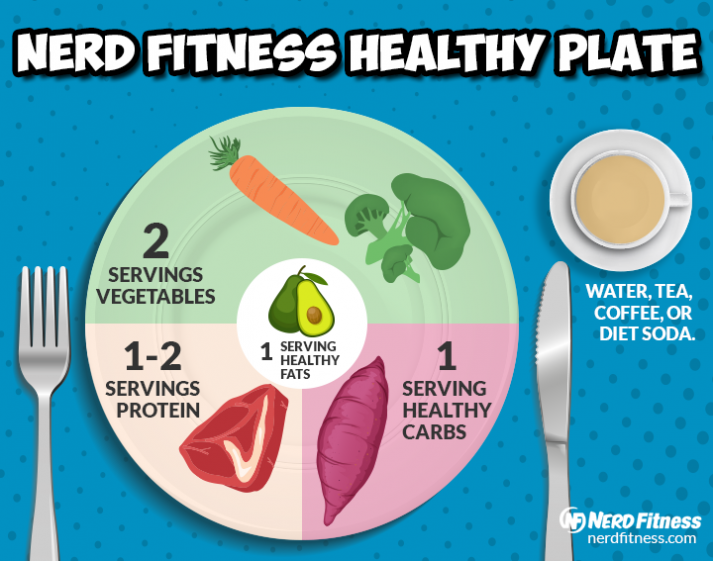
Image courtesy of www.nerdfitness.com via Google Images
Balance Strength Training and Cardio
Finding the right balance between strength training and cardiovascular exercise is key to achieving your fitness goals. Aim to incorporate both into your gym plan to build muscle, increase strength, and improve overall fitness levels. Remember that a well-rounded workout routine includes a mix of strength training and cardio for optimal results.
Nutrition Tips for Fueling Your Workouts
Proper nutrition plays a significant role in supporting your workout routine and helping you reach your fitness goals. Make sure to fuel your body with a balanced diet that includes a mix of lean proteins, complex carbohydrates, healthy fats, and plenty of fruits and vegetables. Stay hydrated and consider incorporating pre and post-workout snacks to optimize your performance and recovery.
Image courtesy of www.quora.com via Google Images
Rest and Recovery
While it’s essential to stay consistent with your gym plan, it’s equally important to prioritize rest and recovery. Allow your muscles time to repair and rebuild by incorporating rest days into your schedule. Listen to your body and avoid overtraining to prevent burnout and injury. Remember, progress happens not just during workouts but also during periods of rest.
Adjusting and Evaluating Your Plan
As you progress through your gym plan, make sure to regularly assess your performance and make necessary adjustments to continue seeing results. Monitor your progress, track your workouts, and be open to modifying your plan as needed. Whether it’s increasing the intensity of your workouts, switching up exercises, or adjusting your nutrition, staying flexible and adaptable will help you stay on the path to success.
In conclusion, creating a successful gym plan requires careful planning, dedication, and consistency. By setting clear goals, designing a well-rounded workout schedule, focusing on proper form, and incorporating balanced nutrition and rest, you can pave the way for achieving your fitness goals. Use these curated tips to design a gym plan that works for you and watch as you crush your fitness goals one workout at a time. You’ve got this, workout warrior!
A ketogenic diet can optimize your workout by fueling it with high-fat and low-carbohydrate sources. Adapting to this diet enhances endurance and sustains energy during exercise.
Embarking on a ketogenic diet transforms how your body fuels physical activity. This diet shifts your energy reliance from carbs to fats, promoting efficient fat burning and weight management. For fitness enthusiasts and athletes who aim for peak performance, the keto diet offers a strategic approach to fueling workouts, potentially increasing stamina and reducing recovery times.
Tailoring your diet to high-fat and low-carb intake primes your body to utilize ketones as an energy source, a state known as ketosis. Successfully merging the keto diet with an exercise regime requires thoughtful meal planning and an understanding of nutrient timing to maximize the benefits. This practice ensures sustained energy levels, supports muscle preservation, and aids overall fitness goals, creating a synergy between diet and physical activity.
Keto And Fitness Synergy
Embarking on a ketogenic lifestyle can be a transformative experience, not just for weight loss, but also for enhancing workout performance. The unique partnership between the keto diet and fitness has garnered widespread attention, sparking a movement among health enthusiasts and athletes alike. This section delves into how a state of ketosis works synergistically with your fitness routine to potentially catapult you towards achieving your performance goals with unprecedented efficiency.
Understanding The Keto Diet Fundamentals
Before harnessing the power of keto for your workouts, grasping its core principles is essential. The ketogenic diet is a high-fat, moderate-protein, and low-carbohydrate eating plan. It shifts your body’s metabolism away from glucose and towards fat and ketone bodies—a state known as ketosis. In ketosis, fat becomes the primary source of energy, offering a steady stream of fuel for both the brain and muscles, which can be a game-changer for endurance and strength training sessions.
The Science Behind Keto And Workout Performance
Emerging studies reveal a fascinating connection between ketosis and exercise efficiency. The body’s ability to tap into fat reserves for energy means less dependency on glycogen stores, which are limited and can hinder prolonged or intense workout sessions. By maintaining a ketogenic state, athletes may experience enhanced endurance, reduced recovery times, and a steady energy output.
- Fat oxidation increases, making long-duration workouts more sustainable.
- Reduced inflammation and oxidative stress from decreased glucose metabolism may hasten recovery.
- Stabilized blood sugar levels help in avoiding energy crashes commonly associated with carb-heavy diets.
Variations Of Keto Diet For Different Workout Routines
The standard keto diet isn’t one-size-fits-all, especially when aligned with varied exercise demands. Tweaking macronutrient ratios ensures that you tailor your diet to complement your workout routine optimally:
| Workout Type | Keto Variation | Benefits |
|---|---|---|
| Endurance Training | Standard Keto | Facilitates long-duration performance with enhanced fat-burning. |
| Strength Training | Targeted Keto | Allows for carb intake around workouts for improved muscle glycogen. |
| High-Intensity Training | Cyclical Keto | Periodic carb refeeding to replenish glycogen stores for explosive exercise. |
This personalized approach can help align dietary focus with specific exercise agendas, ensuring that both adequate energy is available for workouts and the unique benefits of ketosis remain intact. By doing so, athletes can support muscle building, power through high-intensity intervals, or enhance stamina for long-distance events—all while adhering to the principles of keto.
Keto Diet’s Impact On Workout Types
Embarking on a keto diet introduces a new dynamic to your workout regimen. The shift from glucose to ketones as a primary energy source can significantly influence performance during various types of exercise. Understanding how this low-carb, high-fat diet intersects with your workouts is crucial, whether you’re focused on high-intensity training, endurance sports, or strength conditioning. Let’s delve into the specifics of how the ketogenic diet interacts with different workout types.
High-intensity Training On Keto
High-intensity training (HIT) demands quick and explosive energy that traditionally relies on glycogen stores. Under a keto regimen, your body learns to utilize ketones efficiently, which may not immediately support the rapid energy surge required for HIT. Here’s what to expect:
- Initial performance dip: As you transition into ketosis, you might notice a temporary decrease in performance levels during high-intensity intervals or sprints.
- Adaptation phase: Your body requires time to adapt to burning fat for fuel. This period varies, but typically you can expect it to last a few weeks.
- Stabilized energy: Once adaptation occurs, many athletes report a steady supply of energy, although peak explosive power may be less than that on a high-carbohydrate diet.
Endurance Exercises While In Ketosis
Endurance athletes may find a distinct advantage with the keto diet. The ability to tap into vast fat reserves can keep you going for long distances without the constant need to replenish carbs. Here are a few key insights:
- Efficient fuel utilization: Transitioning to ketosis can lead to more consistent energy levels, potentially improving performance in endurance sports like running, cycling, and swimming.
- Bonk prevention: “Hitting the wall” becomes less of a threat as reliance on limited glycogen stores decreases.
- Enhanced fat oxidation: Your body becomes adept at burning fat at a higher intensity, which might benefit long-duration activities.
Strength Training Adaptations To Low-carb Fueling
Strength training under a ketogenic regime presents a unique scenario. Without readily available glucose, your muscles might take a hit in explosive power initially. But it’s not all challenging; consider the following adaptations:
| Adaptation | Description |
|---|---|
| Muscle maintenance: | Ketones are muscle sparing, meaning the risk of muscle catabolism is reduced, especially when adequate protein intake is maintained. |
| Recovery benefits: | Some evidence suggests anti-inflammatory properties of ketosis can aid in recovery, allowing for more consistent training sessions. |
| Long-term adaptations: | Similar to endurance training, the body adapts to using ketones, potentially normalizing strength levels after an initial period of lower performance. |
Finding Your Optimal Keto Workout Match
Welcome to the fascinating intersection of fitness and diet, specifically the journey to discover your ultimate pairing: the Keto diet and your workout routine. In the quest to shed fat, gain muscle, or enhance endurance, your eating habits play a pivotal role — especially on a ketogenic regimen. Unlocking your potential hinges on finding that perfect match between your low-carb lifestyle and exercise habits.
Assessing Personal Fitness GoalsAssessing Personal Fitness Goals
Identifying your fitness objectives is the first step to synchronizing your Keto diet with your workout. Whether you’re looking to increase strength, boost endurance, or cut body fat, your exercise regimen must reflect these aspirations.
- Strength building: Calls for resistance training and strategic protein intake to repair muscle.
- Endurance training: Emphasizes steady cardio sessions and sufficient energy from fats.
- Fat loss: Involves a mix of high-intensity interval training (HIIT) and controlled caloric intake.
Balancing Macronutrients For Your Workout Type
Adjusting your Keto macronutrients to complement your exercise plan is crucial. A tailored macronutrient ratio ensures your body gets the right fuel for the demands of your workouts.
| Workout Type | Protein | Fats | Carbs |
|---|---|---|---|
| Strength Training | High | Moderate | Low |
| Endurance Training | Moderate | High | Low to Moderate |
| Fat Loss | Moderate to High | Moderate | Low |
Focusing on high-quality fats and adequate protein supports recovery and energy needs without derailing ketosis.
Best Keto Foods for Pre and Post-WorkoutBest Keto Foods For Pre And Post-workout
Selecting the optimal Keto-friendly foods can make a significant difference in your performance and recovery. Here’s what to consider:
- Pre-Workout: Aim for energizing, easily digestible fats like MCT oil or a handful of nuts to fuel your session without gastrointestinal distress.
- During Workout: Stay hydrated and replenish electrolytes with bone broth or a Keto-friendly electrolyte drink.
- Post-Workout: Focus on protein for muscle recovery, such as a grass-fed steak or a salmon fillet, paired with low-carb vegetables to replenish nutrients.
What Keto Diet Will Enhance Your Workout Most?
Embarking on a ketogenic diet can revolutionize your energy levels and workout performance. Understanding how to align your keto eating plan with your exercise goals is essential for maximum impact. Whether you’re a seasoned athlete or a fitness newbie, customizing the keto diet to complement your workout regimen is crucial for gaining muscle, losing fat, and improving overall stamina. Let’s delve into how you can fine-tune your keto approach to fuel your exercise journey most effectively.
Customizing Keto For Your Exercise Regimen
Every workout demands varied nutritional support, and the ketogenic diet is no exception. If you’re into high-intensity interval training (HIIT) or weightlifting, your body requires adequate protein to repair and build muscle. A keto diet with a higher protein intake, consisting of foods like grass-fed beef or wild-caught salmon, could be ideal. On the other hand, endurance athletes might benefit from a higher fat intake to maintain energy levels during long sessions. Integrating MCT oil or avocados into your diet could provide that sustained release of energy.
Balance is key; too much protein can knock you out of ketosis, while excessive fats might not support quick energy needs for certain exercises. Listen to your body and assess your performance and recovery to gauge if your diet matches your workouts.
Timing Your Carb Intake Around Workouts
While maintaining a low carb intake is the cornerstone of keto, smartly incorporating carbs can support intense workouts. Consider the concept of a Targeted Ketogenic Diet (TKD), where you consume an extra 20-50 grams of carbs about 30 minutes to an hour before your workout. This strategy can provide you with an immediate energy boost.
Choosing the right carbs is crucial. Opt for quick but healthy options, like a banana or berries, which can deliver fast energy without a major insulin spike. Keep track of how these targeted carbs affect your performance and ketosis state to find your sweet spot.
Hydration And Electrolyte Management On Keto
Hydration is a cornerstone of any diet, especially when paired with rigorous workout routines. On keto, it is critical not to underestimate your fluid intake as the diet naturally leads to a reduction in water retention. Drink plenty of water before, during, and after your workouts to stay hydrated and aid in recovery.
Furthermore, managing electrolyte balance is vital since keto-adaptation can cause your body to excrete more electrolytes through urine. A deficiency in sodium, magnesium, or potassium can cause fatigue, cramps, or poor performance. Ensure you’re getting sufficient electrolytes with bone broth, electrolyte supplements, or by adding a pinch of Himalayan salt to your water. Keep your electrolyte levels optimized to avoid common side effects and to keep your energy levels steady throughout your workout.
Making informed choices about your nutrition will not just support your current fitness level but will also pave the way for significant achievements in your exercise endeavors. Every change in your routine should be a stepping stone towards optimizing your energy, endurance, and strength on your keto fitness journey.
Keto Diet Adjustments For Peak Performance
Embarking on a fitness journey while adhering to a ketogenic diet requires thoughtful adjustments to fuel peak performance. The high-fat, low-carbohydrate regimen of the keto diet pushes your body into ketosis, a state where it burns fat for energy instead of glucose. For athletes and fitness enthusiasts aiming to optimize their workouts, tuning their keto diet for enhanced energy and recovery is crucial. Let’s dive into strategic adjustments that can help harmonize your exercise routine with the keto lifestyle for uncompromised performance.
When To Tweak Your Keto Ratios
Adapting your macronutrient ratios on the keto diet can have a significant impact on exercise performance. A careful balance of fats, proteins, and carbohydrates is essential, particularly for those with demanding workout schedules. Listen to your body and consider these tweaks:
- During high-intensity workouts: Increase your protein intake marginally to prevent muscle loss and aid in repair and growth. A small uptick in carbs might also provide that extra energy surge needed for explosive movements.
- For endurance training: Your body may require an additional amount of fats to ensure a steady energy supply for prolonged periods.
- On rest days: Scale back on calories overall, specifically minimizing carbs and keeping protein moderate to maintain muscle mass without interrupting ketosis.
The Role Of Keto Cycling And Targeted Keto
Both keto cycling and targeted ketogenic diets (TKD) serve as effective strategies to accommodate the needs of your workouts. Keto cycling involves planned breaks from strict ketosis by incorporating higher-carb days, which some find beneficial for glycogen replenishment and performance optimization. Targeted keto, on the other hand, requires a strategic intake of carbohydrates around workout times, boosting energy levels precisely when needed. This approach ensures a surge in energy without compromising the benefits of ketosis.
Understanding Workout Recovery On Keto
Recovery is a pivotal aspect of any workout regimen, and the keto diet poses unique considerations in this arena. While in ketosis:
- Your body may require more time to replenish glycogen stores, affecting recovery duration.
- Ingesting adequate amounts of electrolytes, such as sodium, potassium, and magnesium, is paramount to prevent depletion and muscle cramps.
- Quality fats and moderate protein consumption post-exercise can aid in the repair of tissues and building muscle.
| Post-Workout Nutrient | Purpose |
|---|---|
| Electrolytes | Maintain fluid balance and muscle function |
| Fats | Continue fueling your body with ketones |
| Proteins | Repair and build muscle fibers |
Undeniably, mastering your keto diet in alignment with your workout regimen takes patience and experimentation. Keep these techniques in your arsenal and tweak as necessary to unlock peak performance while thriving in your ketogenic lifestyle.
Enhancing Workout Recovery With Keto
Embarking on a ketogenic diet not only transforms the way your body uses energy but can also significantly impact your exercise routine. Let’s discuss how adapting your workouts while on a keto diet can optimize recovery, reduce inflammation, and support muscle repair. Proper recovery is pivotal for ongoing strength and endurance, and keto offers unique advantages in this regard.
Anti-inflammatory Benefits Of Keto
The ketogenic lifestyle is renowned for its potent anti-inflammatory properties, stemming from reduced sugar intake and lower insulin levels. This aids in decreasing chronic inflammation and expedites healing post-workout. Consider these advantages:
- Reduction in inflammation markers such as C-reactive protein
- Improved joint mobility leading to enhanced performance
- Faster recovery times through decreased muscle soreness
Eating an anti-inflammatory keto diet can help keep those pesky aches at bay, enabling you to return to training sooner, with renewed vigor.
Keto Recipes To Support Muscle Repair
After an intense workout, your muscles require the right nutrients for effective repair. Keto-friendly recipes are packed with high-quality fats and proteins, essential for muscle regeneration. Here’s a table highlighting some quick post-workout recipes:
| Recipe | Main Ingredients | Protein | Fats |
|---|---|---|---|
| Avocado Chicken Salad | Chicken, Avocado, Onions | High | High |
| Almond Butter Smoothie | Almond Butter, Coconut Milk, Chia Seeds | Moderate | High |
| Salmon & Spinach | Salmon, Spinach, Olive Oil | High | High |
These nutrient-dense options can aid in a swifter recovery process, promoting muscle repair without kicking you out of ketosis.
The Importance Of Sleep And Rest Days On Keto
Sleep and rest days are crucial components of any fitness regimen, especially on keto. Quality sleep plays an integral role in hormone regulation and muscle repair. On keto, it’s essential to heed these pointers:
- Aim for 7-9 hours of uninterrupted sleep to support overall recovery.
- Consider including magnesium-rich keto foods like spinach or pumpkin seeds to improve sleep quality.
- Embrace rest days to allow your body to adapt to the ketogenic process and replenish energy stores.
Integrating adequate sleep and rest can significantly amplify your workout recovery and contribute to your keto lifestyle’s success.
Tracking Progress And Keto Adaptation
Embracing the ketogenic lifestyle doesn’t just influence your diet; it also plays a significant role in how you approach your workouts. As your body transitions to using fat for fuel, a process known as keto adaptation, tracking your progress becomes even more critical to ensure you’re maximizing your fitness results while maintaining your new dietary choices. Understanding the intricacies of this adaptation phase helps refine your workout routine and dietary plan, allowing for a smoother transition and better performance results. Let’s delve into the aspects of monitoring ketone levels, adjusting your workout intensity, and tracking fitness improvements alongside body composition changes.
Monitoring ketone levels and workout intensityMonitoring Ketone Levels And Workout Intensity
Keeping an eye on ketone levels is pivotal to ascertain that your body remains in a state of ketosis. Various methods, like blood ketone meters, urine strips, and breath analyzers, can offer insights into your ketosis state. As you exercise, these levels can be an immediate indicator of how your workouts are influenced by your keto diet. A balance between moderate and high-intensity workouts is often recommended, as very high intensity could deplete glycogen stores, potentially taking you out of ketosis. Therefore, calculating this balance is crucial in planning your exercise regimen.
Adjusting workouts during the keto-adaptation phaseAdjusting Workouts During The Keto-adaptation Phase
The initial phase of keto-adaptation might be met with a temporary dip in workout performance. This is normal. Energy levels can fluctuate as the body switches from carbs to fat for energy. During this phase, it’s essential to adjust the intensity and duration of workouts to correlate with your body’s changing energy dynamics. Structured adjustments might entail shifting towards lower-intensity, longer-duration activities like walking, cycling, or light jogging, which are more conducive to a fat-fueled metabolism.
Tracking fitness improvements and body composition changesTracking Fitness Improvements And Body Composition Changes
As you integrate the keto diet with your workout routine, tracking changes in fitness performance and body composition becomes more than just stepping onto a scale. Utilizing tools such as body circumference measurements, bioelectrical impedance scales, or Dual-energy X-ray Absorptiometry (DEXA) scans can offer a clearer picture of your progress.
Tracking improvements can also mean assessing your workout capacity—note advancements in your stamina, strength, and the ability to sustain a higher intensity for longer periods. Remember, it’s essential to align these tracking methodologies with your personal fitness goals, whether they revolve around weight loss, muscle gain, or enhanced athletic performance.
Overcoming Keto-workout Challenges
Welcome to the journey of overcoming keto-workout challenges! As fitness enthusiasts on a ketogenic diet, it’s crucial to recognize that our bodies require adaptation to this fat-fueled lifestyle, especially when coupled with an exercise regimen. Sprint through the fog of uncertainty with actionable tips and inspiring success stories that can help you navigate this path with vigor and strength.
Dealing With The Keto Flu And Exercise Fatigue
Keto flu, a common hurdle for beginners, often brings a feeling of fatigue that can impact workout routines. Exercise, a stressor to the body, may intensify these symptoms. To push through this phase:
- Stay Hydrated: Drink plenty of water to help flush out toxins.
- Electrolyte Balance: Replenish vital minerals with a keto-friendly electrolyte supplement.
- Adjust Intensity: Start with low-impact exercises and gradually intensify your workouts as your body adapts.
- Rest Appropriately: Get enough sleep and consider adding brief naps to your routine if possible.
Remember that it’s normal to feel a drop in energy as your body shifts from burning carbs to fat for fuel.
Strategies For Breaking Through Workout Plateaus On Keto
Stagnation can strike when you least expect it, even on keto. When the initial rush of progress stalls, consider these strategies:
- Cross-Training: Incorporate different types of exercises to challenge your body in new ways.
- Adjust Macros: Re-evaluate your macronutrient ratios to ensure they are optimized for your current fitness level.
- High-Intensity Interval Training (HIIT): Short bursts of high-intensity workouts followed by rest can reignite your metabolism.
- Consistency: Stick with your routine and adjust as needed. Consistency is key for breakthroughs.
Muscle confusion and macronutrient adjustments can be game-changers in pushing past plateaus.
Success Stories: Keto And Enhanced Workout Performance
Real-life successes can serve as powerful motivators. Many have found that once adapted to the keto lifestyle, not only is the return of energy evident, but many experience enhanced workout performance. Key highlights include:
| Name | Workout Type | Improvement |
|---|---|---|
| John Doe | Weightlifting | Increased strength and muscle mass |
| Jane Smith | Endurance Running | Improved stamina and faster recovery |
| Max Power | CrossFit | Greater energy and better performance in workouts |
These testimonials reinforce the belief that keto can be conducive to an active lifestyle, maximizing the fruits of one’s physical endeavors.

Credit: www.amazon.com
Conclusion
Embarking on a keto journey aligns your nutrition with your fitness goals. Complementing workouts with this low-carb regime can spur impressive results. Remember to tailor your diet to your exercise routine for optimum performance and recovery. Dive into keto, elevate your fitness, and unleash the energy to go the extra mile.
Struggling with procrastination? Discover 20 tried and tested tips to boost productivity and conquer procrastination once and for all!

Table of Contents
Procrastination is a common struggle for many of us, but it doesn’t have to hinder our productivity. By implementing these tips for beating procrastination, you can stay on track and accomplish your goals efficiently.
Procrastination can be a sneaky habit that creeps up on us, causing delays in our work and hindering our progress. However, with the right strategies and mindset, you can overcome procrastination and maintain high levels of productivity.
Set Your Goals
One of the key steps in beating procrastination is setting clear and specific goals. When you have a clear vision of what you want to achieve, it becomes easier to stay focused and motivated. Take some time to define your short-term and long-term goals, and break them down into smaller, actionable steps.
Establish a Routine
Creating a daily routine can help eliminate decision fatigue and provide structure to your day. Start by identifying your most productive times and scheduling your most important tasks during those periods. Consistency is key, so try to stick to your routine as much as possible.
Eliminate Distractions
Identify the factors that commonly distract you and find ways to minimize or eliminate them. This could include turning off notifications on your phone, finding a quiet workspace, or using website blockers to prevent access to distracting websites. By creating a distraction-free environment, you can improve your focus and productivity.
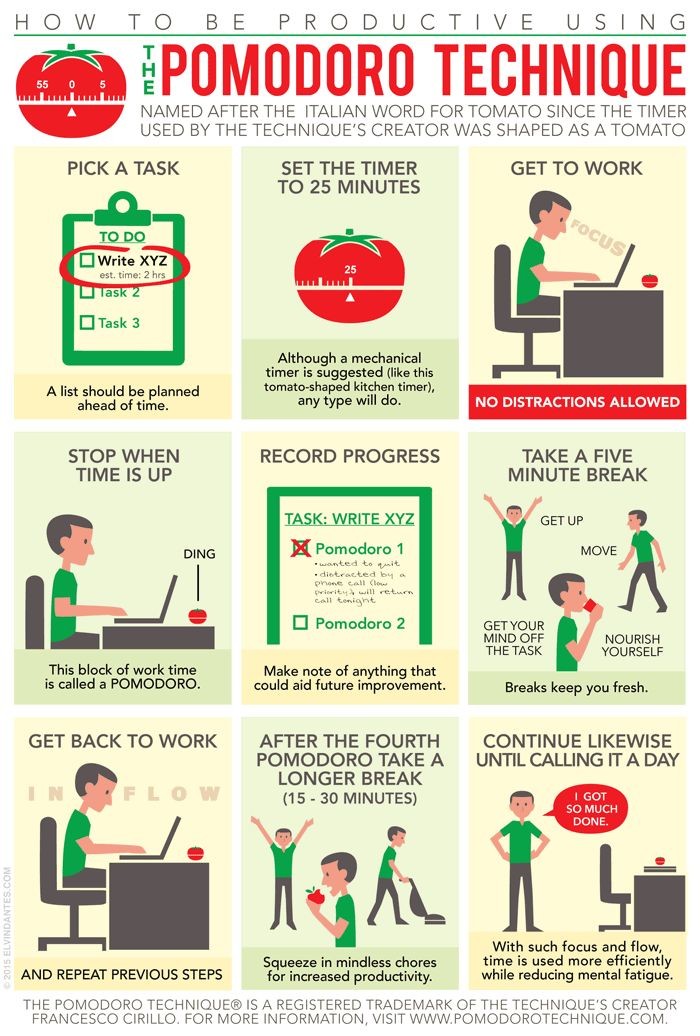
Image courtesy of library.defiance.edu via Google Images
Utilize Time Management Techniques
Time management techniques, such as the Pomodoro Technique or time-blocking, can help you manage your time more effectively and prevent procrastination. Experiment with different techniques to find what works best for you and integrate them into your daily routine.
Practice Self-Discipline
Self-discipline plays a crucial role in overcoming procrastination. Set clear boundaries for yourself and hold yourself accountable for your actions. Practice saying no to tasks that don’t align with your goals and prioritize your most important work.

Image courtesy of getgoally.com via Google Images
Take Breaks
It’s important to give yourself regular breaks throughout the day to avoid burnout and maintain your focus. Incorporate short breaks into your schedule, and use them to recharge and refresh your mind. Taking breaks can actually improve your productivity in the long run.
Seek Accountability
Accountability can be a powerful motivator in staying productive and overcoming procrastination. Share your goals with a friend, mentor, or coach who can help keep you on track and provide support when needed. Having someone to answer to can make a significant difference in your productivity levels.

Image courtesy of mylifestyleacademy.com via Google Images
Practice Mindfulness
Mindfulness techniques, such as meditation or deep breathing exercises, can help reduce stress and improve your focus. Incorporate mindfulness practices into your daily routine to help combat distractions and stay present in the moment.
Reflect and Adjust
Regularly assess your progress and reflect on what is working well and what could be improved. Be honest with yourself and make adjustments to your strategies as needed. By continuously evaluating and refining your approach, you can stay ahead of procrastination and maintain your productivity levels.
Beating procrastination is an ongoing process that requires dedication and perseverance. By implementing these tips and techniques, you can overcome procrastination and unlock your full potential. Remember to be patient with yourself and celebrate your progress along the way. With consistent effort and a positive mindset, you can conquer procrastination and achieve your goals with ease.
Best rowing machine under 200
In the present occupied life, we infrequently can get time to go out for the rec center. Simultaneously, we really want to remain fit and solid. Along these lines, practicing at home is the best answer for dynamic individuals. You will not observe any preferable choice over a paddling machine. The paddling machine is an optimal choice for home exercise because of its conservative size and viability in consuming fat. Besides, it assists with building endurance, assembling muscle, and quick-track weight reduction. Besides, the paddling machine can be costly because of its high usefulness. Indeed, even some very good-quality models cost a huge number of dollars. In any case, in the event that you search for a modest choice, then, at that point, you might observe an inferior quality paddling machine. Luckily, we have gone through top to bottom subtleties to search for the best paddling machine for under 200 dollars. We plan to give you the best one by setting aside your cash. We should view our rundown of the ten best paddling machines under 200.
1. STAMINA BODY TRAC GLIDER 1050 ROWING MACHINE
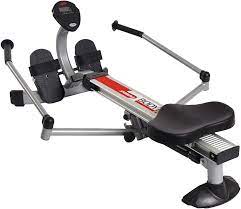 Get the vibe of paddling on the water with full-movement arms on the Stamina Body Trac Glider 1050 paddling machine. This best modest paddling machine snatches in front of the rest of the competition in our rundown because of its adequacy and novel plan. Its solid steel outline development ensures the employable full-body exercise for the significant muscle bunch. This paddling machine is famous as it assists with working on cardiovascular wellbeing and consuming calories. Endurance Body Trac Glider assists you with keeping on track during exercise with a simple to-peruse LCD screen. You can screen the subtleties of your exercise time; calories consumed, stroke count. You can change the force of the stroke by changing the pressure-driven chamber. It highlights finished footplates that deal with upgraded steadiness. The plates are great for all-size feet, and you can even change through nylon lashes.
Key Features
- Exceptional, full-scope of-movement paddling imitates being on the water
- Multi-work electronic screen to keep you spurred
- Agreeable shaped seat
- Flexible, water-powered chamber opposition for a smooth paddling stroke
- Foldable arms for smaller capacity
- Finished footplates with lashes to keep your feet secure
- Froth cushioned handholds for solace
- Durable, steel outline development.
- Folds for capacity. Some gathering is required.
- Gas shock obstruction
Specifications
- Model Name BodyTrac Glider 1050
- Brand Stamina
- Obstruction Mechanism Hydraulic
- Thing Dimensions LxWxH 58.25 x 42.5 x 18.13 inches
- Thing Weight 38 Pounds
- Material Aluminum, Carbon Steel
- Most extreme Weight Recommendation 250 Pounds
- Color Silver, Black
- A number of Batteries 1 AA battery required.
- Outline Material Carbon Steel
Pros
- Rough development
- Keep a solid grasp
- Formed seat
- Improve solace
- Successful execution
- Finished footplate with lashes
- Reasonable
- Quick and simple to set up
- The effectively clear LCD screen
- Customizable force
- Minimal capacity
Cons
- The obstruction chamber drops naturally in the most noteworthy setting
2. SUNNY HEALTH & FITNESS SF-RW1205 ROWING MACHINE
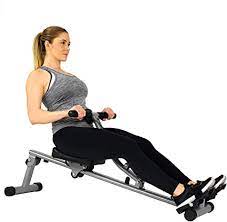 Radiant Health and Fitness paddling machines offer every one of the advantages of paddling exercise at home. They are giving awesome to the clients for a very long time to assist them with accomplishing their wellness objectives. The exceptional with regards of this paddling machine is that it includes a pressure-driven chamber with 12 obstruction levels. You can change the power level as per your everyday wellness schedule. It is outfitted with a substantial business-grade steel outline which is adequately durable to keep going for long. Rather than uncompromising development, it arrives in a smooth plan that gives a viable exercise to the two arms and whole body.
The machine incorporates an advantageous LCD screen that shows you the time, carbohydrate level, examination, and different subtleties. It comprises an additional cushioned and padded seat for delayed exercise. This agreeable seat diminishes the pressure points in the tail bone. Additionally, You can keep your feet on the footplate securely through lashes.
Key Features
- 12 LEVELS OF RESISTANCE: The water-powered opposition framework makes a smooth and calm line, all through 12 all-out degrees of obstruction.
- Advanced MONITOR: Track your exercise progress on the computerized screen, outfitted with time, count, count aggregate, calories, and output capacities.
- Flexibility: Tailor your exercise insight by fitting the movable pedal lashes to your feet, and level your rower to your space with the stabilizers.
- ERGONOMIC: Enjoy an agreeable column with the turning foot pedals, froth handlebars, and padded seat planned in view of your solace.
- Impression: The smaller plan of this rower permits you to handily move your rower from one space to another or into capacity.
- Included Components: Product Manual
Specifications
- Model Name SF-RW1205
- Brand Sunny Health and Fitness
- Obstruction Mechanism Hydraulic
- Thing Dimensions LxWxH 54 x 20 x 23 inches
- Thing Weight 20.9 Pounds
- Material Alloy Steel
- Most extreme Weight Recommendation 220 Pounds
- Color Grey/dark
- A number of Batteries 2 AA batteries are required. (included)
- Outline Material Alloy Steel
Pros
- An uncompromising steel outline gathering
- Flexible obstruction level
- Simple to-peruse LCD screen
- Padded non-slip grasp handlebars
- Ergonomic plan
- Cushioned seat
- Against slip footplate
- Practical
- Versatile
- Helpful in the huge muscle bunch
Cons
- It will not good for taller individuals
3. STAMINA INMOTION ROWER
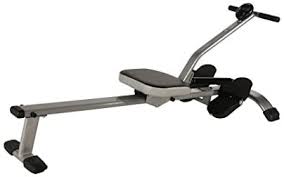 Another endurance paddling machine under 200 is in the rundown for the fit-centered who have more inspiration and less exercise space. The Stamina InMotion rower is one of the smaller and versatile units which can be put away in the middle of exercises.
This best modest paddling machine is made with strong steel material that is powerful and tough. It can persevere through any brutal use for day long. It includes full-range-movement arms which permit regular paddling development. It is exceptionally successful for low-sway vigorous exercise which targets significant muscle gatherings. You can set the force from five degrees of obstruction. Its metal ball roller framework permits smooth and low-sway development. Endurance rower incorporates a multi-practical screen with a progress tracker to track and show your present exercise time, calories consumed, and stroke count. Its cushioned footplate and formed seat offer dependability, solace for long meeting exercises. The entire unit can be collapsed in a conservative size for simple stockpiling. Also, the cost is viable with the elements.
Key Features
- Further, develop YOUR HEALTH: Boosting your heart wellbeing, reinforcing the lower body, and consuming calories is made more straightforward with the Stamina InMotion Rower, the across-the-board paddling machine.
- Customizable TENSION: Alter your exercise force between the five degrees of smooth pressure-driven opposition by moving the obstruction pin.
- MULTI-FUNCTION LCD MONITOR: The simple to-work InTouch wellness screen shows stroke count, exercise time, strokes each moment, and calories copied during exercises. Filter mode permits you to see every one of these measurements on a constant cycle.
- Upheld BY SMART AUDIO COACHING: This item is completely upheld by müüv, the across-the-board application that gives savvy sound training, a track with get-together video, customized exercises custom-made to the hardware you own, and the sky is the limit from there.
- Agreeable AND CONVENIENT: The InMotion Rower is equipped with a strong steel outline, cushioned paddling handle, padded seat, and turning footplates with movable ties. At the point when not being used, the casing remains on the finish to assist you with saving floor space.
Specifications
- Model Name 35-0123
- Brand Stamina
- Obstruction Mechanism Hydraulic
- Thing Dimensions LxWxH 56.5 x 23.5 x 19 inches
- Thing Weight 27 Pounds
- Material Carbon Steel
- Most extreme Weight Recommendation 250 Pounds
- Color Silver
- The number of Batteries 1 AA battery required.
- Outline Material Carbon Steel
Pros
-
Intense development
- Movable power
- Agreeable seat and footplate
- Adequate hold
- Dependable solace
- Simple to set up
- Simple to store
- Effectively lucid presentation
- Unquestionably effective
- Powerful advancement
Cons
- Handlebars are not adequately agreeable
- Screen readings are somewhat feeble
4. SUNNY HEALTH & FITNESS SF-RW5639 ROWER
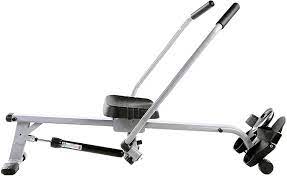 Radiant Health and Fitness SF-RW5639 accompanies a high-weight limit and strong development. Its full reach movement assists with consuming more calories and increment strength by actuating more muscle gatherings. Like other Sunny Health and Fitness rowers, it likewise includes twelve degrees of movable obstruction. You can increment or decline obstruction as per your wellness schedule. It can persevere through the load up to 350lbs, so it is the most ideal choice for the full family. Its full movement arms permit a more broad scope of movement which is incredible for shoulders. The plan incorporates a completely cushioned seat with non-slip handlebars for solace. The machine incorporates a huge enemy of slip foot pedals with movable foot ties for protecting the foot with extraordinary help. You can watch the subtleties data about your exercise meeting in the brilliant LCD. Generally speaking, this machine will assist with achieving your wellness objective by initiating your back, shoulder, and center. Try not to stress over the cost as it is accessible at a reasonable cost. Attempt this NOW!
Key Features
- Broadened weight limit of 350 lb.
- 12 Levels of customizable opposition
- Full movement arms consider the bigger scope of movements for the shoulders
- Completely cushioned seat and non-slip grasp handlebars give ideal solace and backing
- Huge enemy of slip foot pedals with movable foot ties for secure balance
Specifications
- Model Name SF-RW5639
- Brand Sunny Health and Fitness
- Opposition Mechanism Hydraulic
- Thing Dimensions LxWxH 52.2 x 28.7 x 11.8 inches
- Thing Weight 35.8 Pounds
- Material Alloy Steel
- Greatest Weight Recommendation 350 Pounds
- Color Silver
- The number of Batteries 2 AAA batteries required. (included)
- Outline Material Alloy Steel
Pros
-
Broadened weight limit
- Full-movement arms
- Ideal solace and backing
- Gotten foot pedals
- LCD computerized show
- Flexible strain framework
- Simple to set up
- Smaller length
Cons
- Rail isn’t totally foldable
- Opposition levels are insufficient for the master client
5. SUNNY HEALTH & FITNESS SF-RW1410 ROWER
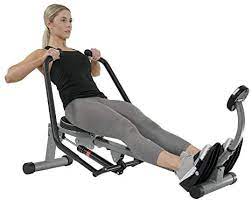 The following Sunny Health and Fitness paddling machine accompanies an unmistakable presentation unit. You don’t need to look more beneath to screen your advancement. It conveys all the incredible cardio exercises that a wellness devotee wishes. It accompanies a smooth and strong steel outline that guarantees its powerful form and sturdiness. The machine includes an inherent LCD with elite tallness.
This helpful screen is not difficult to peruse and instructive; even you can store your exercise information. Its padded seat guarantees a legitimate bloodstream in the glutes for vigorous exercise. Its finished non-slip hold foot pedals ensure that your feet move securely during an overwhelming exercise. The completely padded handles permit a more broad scope of movement for more serious chest area exercise. You can change your exercise routine to accomplish an awesome outcome. The helpful highlights ensure that you remain fixed on the exercise without feeling uneven. The cost is much under 200 so don’t stress over the financial plan.
Key Features
- Permits a full reach development, with 12 degrees of flexible opposition
- Completely thick-cushioned seat, non-slip grasp handlebars, and enormous enemy of slip pedals with customizable foot lashes for ideal solace
- Full-Motion Arms focuses on all significant muscle gatherings like the legs, arms, back, abs, glutes, and that’s just the beginning
- Inherent LCD shows your time, count, calories, and all-out counts.
- Smooth, strong steel outline offers ideal help and solace
Specifications
- Model Name SF-RW1410
- Brand Sunny Health and Fitness
- Obstruction Mechanism Water
- Thing Dimensions LxWxH 59 x 29 x 21.25 inches
- Thing Weight 33.3 Pounds
- Material Alloy Steel
- Most extreme Weight Recommendation 100 Kilograms
- Color Silver
- The number of Batteries 2 AAA batteries required. (included)
- Outline Material Metal
Pros
- Smooth plan with a strong edge
- Customizable opposition level
- Agreeable seat and foot pedals
- Full-movement arms
- An effectively decipherable LCD
- Compelling on significant muscle gatherings
- Ideal solace
- Tough
- Simple to store
Cons
- Somewhat powerless obstruction at the most noteworthy setting
6. SUNNY HEALTH & FITNESS ROW-N-RIDE TRAINER
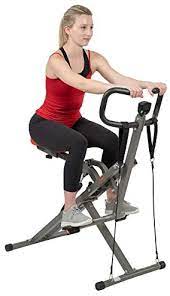 Something else altogether machine in the rundown by Sunny Health and Fitness. This squat helps the paddling machine unmistakably give the advantage of the squat. It’ll assist with expanding chemical delivery and tone your lower body. The machine deals with your shoulder, back, and chest by changing the opposition level. The plan includes an LCD screen to follow your sweep, time count, and calories data. It incorporates three flexible groups that can be cut on or off the seat to change your wellness level. Each band gives 22 pounds of obstruction; you can add or eliminate the band to change the opposition level. This adaptable paddling machine permits you to have high, medium, and low zone squat heartbeats. The handle and seat distance control will empower you to change the machine to your body length.
Key Features
- The NO. 077 Trainer incorporates admittance to an internet preparing video inside the bundle. This Practice VIDEO IS ONLINE ONLY AND WILL NOT INCLUDE A DVD IN THE PACKAGE
- Advanced MONITOR: Use the computerized screen to follow your exercise progress with the capacity to follow time, calories, count, and output.
- Customizable RESISTANCE: The three obstruction groups can be added or eliminated to change the opposition of your exercise to your wellness level. Each band is around 22 pounds of obstruction.
- Flexible SQUAT DEPTH: Adjust the seat point to 30, 60, or 90 degrees to add profundity to your squat and assortment to your exercise program.
- Flexible HANDLEBARS: Take the benefit of numerous hand positions to work muscles in your back and chest. Change the machine to your body length with the handle and seat distance control, to guarantee appropriate structure with each squat.
- Material Type: Aluminum. Non-slip foot pedals
Specifications
- Model Name NO. 077
- Brand Sunny Health and Fitness
- Opposition Mechanism Elastic Cord
- Thing Dimensions LxWxH 46.5 x 19.3 x 47.8 inches
- Thing Weight 26.8 Pounds Material Alloy Steel
- Greatest Weight Recommendation 220 Pounds
- Color Gray
- The number of Batteries 1 AA battery required. (included)
- Outline Material Alloy Steel
Pros
- Extraordinary opposition band
- Squat
- Enormous foot pedals
- Flexible ties
- Multi-utilitarian screen
- Further developed adaptability
- Adequate client stature
Cons
- The machine isn’t adequately strong
Conclusions
The paddling machine has turned into the highest point of the decision among wellness freak individuals since it is more reasonable and helpful. These days the producer is demonstrating a few minimized units with an effectively clear showcase unit. Anybody can manage the cost of them with a hundred to thousand dollar spending plan. As we referenced previously, we’ve assembled the paddling machine for those who have a spending plan under 200. We attempted to give you the best paddling machine under 200; presently it’s your move. Know your requirements and select the most ideal choice conceivable. We’ll have returned to you soon with another intriguing subject. Share your involvement in us in the remark box underneath.
Frequently Asked Questions
1. Is it OK to use a rowing machine every day?
The answer is “yes”, but you should start slow and listen to your body. You should also consider rowing duration. If you are only performing 10-15 minute moderate rowing sessions, then it is more likely you are ok using a rowing machine every day.
2. Can you get in shape by just rowing?
Utilized correctly, rowing machines can strip fat, build muscle and improve fitness like nothing else. … Helping forge elite levels of stamina and mental fortitude, indoor rowing helps build a stronger back and hamstrings while improving power from your glutes and your arms.
3. Will rowing machine tonearms?
Rowing is a great full-body exercise. Rowing is a calorie-burning activity that can quickly tone the body. Rowing machines before and after photos often show tone improvement across the entire body. This activity is particularly beneficial for the back, shoulders, abs, and arms.
4. How long should I row for a good workout?
If you’re working out for health, using a rowing machine for 30 minutes a day at a moderate intensity — or 15 minutes per day at a vigorous intensity — is enough. But if you’re rowing for weight loss or sports training, you might need to do more.
5. Is rowing better than cycling?
Even though rowing burns more calories per hour, both rowing and cycling can be helpful when trying to lose weight. Rowing also hits more muscle groups and makes for a more complete workout. But cycling on a stationary bike doesn’t require learning proper technique and poses a smaller injury risk.
6. How does rowing change your body?
Whole-body exercise not only improves the health of the muscles in your arms, legs, core, and back but also in your heart and blood vessels. Unlike running or cycling, rowing recruits large muscle groups in both your upper and lower body from the very first stroke, and strengthens your heart and cardiovascular system
7. Is rowing good for abs?
Do Rowing Machines Benefit Abs? The answer to the question is without a doubt YES. A rowing machine benefits abs by constantly engaging the core throughout every rowing stroke and being a full-body fat-burning workout. A person will not see their abs unless they get rid of the layer of fat on top of them!
8. Does rowing burn belly fat?
Rowing is an efficient way to burn calories, as well as build strong and defined muscles – but is it enough to help you shed stubborn belly fat, compared to other forms of cardio like running? The short answer is yes.
9. How do you breathe while rowing?
During low-intensity rowing (one breath)—Exhale gradually on the drive, expelling all remaining air at the finish. Inhale on the recovery. During high-intensity rowing (two breaths)—Exhale as you finish the drive. During the recovery, inhale, then exhale quickly.
10. Is a rowing machine good for flabby arms?
Vigorous rowing will improve aerobic capacity, develop muscular strength and endurance, improve flexibility and expend lots of calories, which aids in weight loss. The rowing action provides a thorough workout for muscles in your arms, chest, shoulders, and upper back.
11. What muscles should be sore after rowing?
Your muscles will feel tired (unrecovered) and sore to the touch. After rowing, you may feel this in your back, glutes, or shoulders. This muscle soreness should be in the thicker, middle region of the muscle (not near joints and tendons) and should go away within 48-72 hours.
12. What parts of the body does a rowing machine tone?
Toning and More
Rowing works your leg muscles including the hamstrings and quadriceps, the gluteal muscles of your butt, the core muscles of your back and torso, and other upper-body muscles, including your biceps, triceps and shoulders.
Unleash your inner fitness beast and crush your workout goals with these innovative and effective tips and tricks!

Table of Contents
Are you ready to take charge of your health and fitness? In this ultimate health guide, we will explore the key components of a successful workout routine, optimal nutrition, and a customized gym plan to help you achieve your fitness goals.
Benefits of Regular Workouts
Regular exercise is crucial for maintaining optimal health and well-being. Not only does it help you stay fit and strong, but it also boosts your mood, reduces stress, and improves overall cardiovascular health. Incorporating a variety of exercises, such as cardio, strength training, and flexibility work, can help you achieve a well-rounded fitness routine.
Creating a Balanced Nutrition Plan
Achieving your fitness goals goes hand in hand with proper nutrition. Fueling your body with the right nutrients is essential for energy, muscle recovery, and overall health. Focus on incorporating whole foods like fruits, vegetables, lean proteins, and whole grains into your meals. Stay hydrated by drinking plenty of water throughout the day and consider meal prepping to make healthy eating more convenient.
Sample Meal Plans and Healthy Snack Ideas
Planning your meals ahead of time can help you stay on track with your nutrition goals. Consider creating a meal plan that includes a balance of macronutrients – protein, carbohydrates, and fats. Healthy snacks like nuts, Greek yogurt, and fresh fruit can help keep you satisfied between meals and curb cravings.

Image courtesy of www.facebook.com via Google Images
Setting Realistic Fitness Goals
It’s important to set achievable fitness goals to stay motivated and track your progress. Whether you aim to run a 5K, increase your strength, or improve your flexibility, setting specific and measurable goals can help you stay focused and committed to your fitness journey.
Creating a Personalized Gym Plan
Developing a gym plan that aligns with your schedule and preferences is key to maintaining consistency in your workouts. Consider incorporating a mix of cardiovascular, strength training, and flexibility exercises into your routine. Don’t forget to warm up before each workout and cool down afterwards to prevent injury and aid muscle recovery.

Image courtesy of run4prs.co via Google Images
Staying Motivated and Overcoming Plateaus
Staying motivated on your fitness journey can sometimes be challenging. To avoid workout plateaus, mix up your routine by trying new exercises or classes, setting short-term goals to keep things fresh, and seeking support from friends or a personal trainer. Remember, progress takes time, so be patient with yourself and celebrate your achievements along the way.
Conclusion
By incorporating a balanced workout routine, mindful nutrition, and a customized gym plan into your lifestyle, you can crush your fitness goals and improve your overall health and well-being. Remember, consistency is key – stay committed to your fitness journey, and you’ll see results that will make you feel stronger, healthier, and happier.
Discover the secret to transforming your body with these intense killer workouts that will leave you feeling fit and fabulous!
Table of Contents
Do you want to achieve a healthier and fitter version of yourself? Look no further than this comprehensive guide on how to incorporate workout, nutrition, and a gym plan into your lifestyle. By following the tips outlined below, you can take a holistic approach to improving your health and fitness, leading you to a stronger, more energetic, and happier self.
Workout Tips
Regular exercise is key to maintaining good physical and mental health. Whether you enjoy cardio, strength training, or flexibility exercises, incorporating a variety of workouts into your routine can help you stay motivated and see results. Begin by setting realistic workout goals that challenge you but are attainable. Create a workout schedule that includes different types of exercises to work various muscle groups and keep things interesting.
Nutrition Tips
Eating a well-balanced diet is essential for fueling your body and achieving your fitness goals. Focus on incorporating nutrient-dense foods into your meals, such as fruits, vegetables, whole grains, and lean proteins. Plan your meals ahead of time to ensure you are consuming a variety of nutrients throughout the day. Pay attention to portion sizes and listen to your body’s hunger cues to prevent overeating.
Gym Plan Strategies
Working out at a gym can provide access to a wide range of equipment and resources to support your fitness journey. When creating a gym plan, consider your fitness level, preferences, and goals. Start by setting specific gym goals that align with your overall health objectives. Track your progress and adjust your gym plan as needed to continue challenging yourself and seeing improvements.

Image courtesy of www.fitfeelsgood.com via Google Images
Integrating Workout, Nutrition, and Gym Plan
Workout, nutrition, and a gym plan are interconnected components of a healthy lifestyle. By integrating these three aspects, you can optimize your physical and mental well-being. Find a balance that works for you, considering your schedule, personal preferences, and fitness goals. Remember that consistency is key to seeing long-term results, so make an effort to commit to a routine that incorporates all three elements.
Building Endurance and Strength
Improving your cardiovascular fitness and muscle strength requires a combination of targeted exercises and progressive overload. Gradually increase the intensity and duration of your workouts to challenge your body and build endurance. Focus on incorporating a mix of cardio and strength training exercises to work different muscle groups and improve overall fitness levels.

Image courtesy of www.pinterest.com via Google Images
Fueling Your Workouts
Prioritize pre- and post-workout nutrition to optimize your performance and recovery. Choose foods and supplements that support your energy levels and aid in muscle repair. Stay hydrated before, during, and after your workouts to prevent fatigue and maintain proper body function. Listen to your body and adjust your nutrition based on the type and intensity of your workouts.
Tailoring Your Gym Plan
Every individual is unique, and your gym plan should reflect your specific needs and goals. Customize your workouts to suit your fitness level and desired outcomes. Make adjustments to exercises, reps, and sets as needed to challenge yourself and continue making progress. Experiment with different equipment and exercises to keep your gym plan engaging and effective.

Image courtesy of www.linkedin.com via Google Images
Overcoming Challenges and Setbacks
It’s normal to face obstacles and setbacks on your fitness journey. Identify common barriers such as lack of time, motivation, or resources, and develop strategies to overcome them. Focus on maintaining a positive attitude and mindset, even when progress is slow or challenging. Remember that setbacks are temporary, and with perseverance and determination, you can get back on track and move closer to your health and fitness goals.
Conclusion
By taking a holistic approach to your health and fitness, you can transform your body and improve your overall well-being. Workout, nutrition, and a gym plan are essential components of a healthy lifestyle, and by incorporating these tips into your routine, you can achieve your desired results. Commit to prioritizing your physical and mental health, and enjoy the journey towards becoming the best version of yourself.
Discover the ultimate secrets to mastering budgeting and saving money with these top money-saving tips that will change your life.

Table of Contents
Managing your finances effectively is an essential aspect of achieving financial stability and reaching your long-term goals. One of the key components of financial management is creating a budget and saving money. In this comprehensive guide, we will explore top money-saving tips to help you build a solid financial foundation.
Setting Fitness Goals
Setting specific fitness goals is crucial in establishing a clear direction for your workout plan and nutrition routine. Whether your goal is to lose weight, build muscle, improve cardiovascular health, or increase flexibility, identifying your objectives will help you tailor your fitness regimen accordingly. Consider factors such as your current fitness level, time commitment, and personal preferences when setting your goals.
Choosing the Right Workout Routine
When selecting a workout routine, it’s essential to consider various factors to ensure that it aligns with your fitness goals and lifestyle. Depending on your objectives, you may opt for strength training to build muscle, cardio exercises to improve cardiovascular health, or flexibility workouts to enhance mobility. Be mindful of your preferences and constraints to choose a routine that you enjoy and can commit to consistently.
Nutritional Considerations
Nutrition plays a vital role in supporting your workout performance and recovery. A well-balanced diet that incorporates essential macronutrients such as protein, carbohydrates, and fats is crucial for fueling your workouts and promoting muscle growth and repair. Make conscious choices about your food intake to optimize your fitness results.

Image courtesy of via Google Images
Pre-Workout Nutrition
Before engaging in physical activity, it’s important to fuel your body with the right nutrients for optimal performance. Consider consuming a balanced meal or snack that includes carbohydrates and protein to provide energy and support muscle function. Additionally, staying hydrated before your workout is essential to prevent dehydration and maintain peak performance.
During Workout Fueling
As you engage in your workout, be mindful of your body’s fueling needs to sustain your energy levels. Consider incorporating energy-boosting snacks or beverages to keep you fueled and hydrated throughout your exercise session. Maintaining proper nutrition during your workout can enhance your endurance and performance.

Image courtesy of via Google Images
Post-Workout Recovery
After completing your workout, prioritize post-workout nutrition to support muscle recovery and growth. Consuming a combination of protein and carbohydrates within the post-exercise window can facilitate muscle repair and replenish energy stores. Make sure to replenish fluids and nutrients to aid in your body’s recovery process.
Creating a Gym Plan
Developing a structured gym plan is essential for maintaining consistency in your workout routine and maximizing the effectiveness of your fitness regimen. Design a weekly workout schedule that incorporates various types of exercises to target different muscle groups and fitness components. Allocate dedicated time for your workouts and adhere to your plan to achieve your fitness goals.

Image courtesy of via Google Images
Tracking Progress
Monitoring your progress is key to evaluating the effectiveness of your workout plan and nutrition routine. Keep track of your workouts, nutritional intake, and progress towards your fitness goals to stay accountable and motivated. Consider utilizing tools such as workout journals or fitness apps to monitor your performance and make adjustments as needed.
Conclusion
In conclusion, implementing an effective workout plan and nutrition routine is essential for achieving your fitness objectives and maintaining overall health and well-being. By setting clear goals, choosing appropriate workout routines, making informed nutritional choices, and staying consistent with your gym plan, you can optimize your fitness journey. Remember to track your progress and make adjustments as needed to continuously improve and reach your desired outcomes.
Get ready to rock your summer body with these top gym tips and tricks for the ultimate transformation. Don’t miss out!
Table of Contents
Summer is just around the corner, and for many of us, that means it’s time to kick our health and fitness routines into high gear. Achieving optimal health requires a balance of workout, nutrition, and gym plans. In this comprehensive guide, we will cover everything you need to know to set yourself up for success.
When it comes to your health, there are no shortcuts. It’s essential to understand the importance of incorporating both workout and nutrition into your daily routine. By combining these elements with a well-thought-out gym plan, you can take your wellness journey to the next level.
Workout Tips
Setting fitness goals is the first step to success. Whether you want to lose weight, build muscle, or improve your overall fitness level, having a clear objective in mind will help you stay motivated.
Choosing the right workout routine for your body type is crucial. Some people respond better to high-intensity interval training, while others may prefer a more low-impact approach. Experimenting with different types of exercises, such as cardio, strength training, and flexibility work, can help you discover what works best for you.
Nutrition Tips
Creating a balanced meal plan is key to fueling your body for success. Make sure to incorporate a variety of fruits, vegetables, lean proteins, and whole grains into your diet. Avoiding processed foods and sugary drinks will help you feel your best both inside and out.
It’s essential to remember that nutrition is just as important as your workout routine. Eating a well-rounded diet will give you the energy you need to perform at your best during gym sessions and aid in recovery afterward.
Gym Plan
Setting a workout schedule is essential for staying on track. Whether you prefer to go to the gym in the morning before work or squeeze in a session during your lunch break, find a routine that works for you and stick to it.
Image courtesy of bestbodyin52.com via Google Images
Choosing the right gym can make a world of difference in your fitness journey. Look for a facility that offers the equipment and classes you need to reach your goals. Planning different types of workouts, such as strength training, cardio, and group fitness classes, can keep things exciting and prevent burnout.
Creating a Balanced Routine
Balance is key when it comes to achieving optimal health. Be sure to mix up your workouts to include both cardio and strength training. Incorporating rest days into your routine is just as important as hitting the gym hard.
Listening to your body is crucial. If you’re feeling fatigued or sore, don’t push yourself too hard. Adjust your routine as needed to prevent injury and keep yourself feeling your best.
Tracking Progress
Keeping a workout and food journal can help you stay accountable and track your progress over time. Setting achievable milestones and celebrating small victories along the way will keep you motivated.

Image courtesy of www.pinterest.com via Google Images
Remember that progress takes time. Be patient with yourself and trust the process. If you hit a plateau, don’t get discouraged. Stay focused on your goals and keep pushing forward.
Staying Motivated
Finding a workout buddy or support system can make a world of difference in your fitness journey. Having someone to hold you accountable and cheer you on can keep you motivated on days when you’re feeling less than inspired.
Trying new workout routines and recipes can keep things exciting and prevent boredom. Remind yourself of your goals and the reasons why you want to be healthy when motivation starts to wane.
Overcoming Challenges
Plateaus are a part of any fitness journey. If you find yourself stuck in a rut, mix things up. Try a new workout routine, switch up your meal plan, or seek guidance from a personal trainer or nutritionist.

Image courtesy of in.pinterest.com via Google Images
Avoiding burnout is crucial. Listen to your body, take rest days when needed, and find ways to relax and unwind outside of the gym. Remember that your health is a journey, not a race.
Incorporating Self-Care
Self-care is just as important as your workout and nutrition routines. Take time to relax and unwind, prioritize sleep, and find ways to manage stress. Your mental health is just as important as your physical health.
Finding a balance between pushing yourself and caring for yourself is key to long-term success. Remember that your overall well-being is a combination of physical, mental, and emotional health.
Conclusion
Optimal health requires a holistic approach that includes workout, nutrition, and gym plans. By following the tips outlined in this guide, you can set yourself up for success on your wellness journey. Start incorporating these strategies into your routine today and watch as you move closer to achieving your health and fitness goals.
Unlock the secrets of eating for energy and discover how to maximize performance with the right diet choices. Don’t miss out!

Table of Contents
- The Role of Nutrition in Your Workout Routine
- Key Nutrients for Fitness Success
- Meal Planning for Athletic Performance
- Hydration and Fitness
- Building a Customized Gym Plan
- Setting Realistic Goals and Tracking Progress
- Seeking Professional Guidance
- Overcoming Plateaus and Staying Motivated
- Conclusion
When it comes to achieving your fitness goals, nutrition plays a crucial role in fueling your workouts and maximizing your results. By strategically planning your meals and snacks, you can boost your energy levels, improve muscle recovery, and enhance your overall performance in the gym. In this blog post, we will explore the importance of nutrition and a structured gym plan in enhancing your workout routine.
The Role of Nutrition in Your Workout Routine
Nutrition has a direct impact on your performance in the gym. Proper nutrition provides your body with the fuel it needs to sustain intense workouts, support muscle growth, and aid in recovery. Whether you are looking to build strength, increase endurance, or lose weight, what you eat can significantly impact your results. It is essential to pay attention to both pre-workout and post-workout nutrition to optimize your performance and recovery.
Key Nutrients for Fitness Success
There are several key nutrients that are essential for fitness success. Protein is crucial for muscle repair and growth, while carbohydrates provide the energy for your workouts. Healthy fats support hormone production and aid in nutrient absorption. Additionally, vitamins and minerals play a vital role in various bodily functions that are important for exercise performance. By including a variety of nutrient-dense foods in your diet, you can ensure that your body has everything it needs to perform at its best.
Meal Planning for Athletic Performance
Meal planning is a valuable tool for optimizing athletic performance. By preparing your meals ahead of time, you can ensure that you have the right balance of nutrients to fuel your workouts and support recovery. Consider incorporating a mix of lean proteins, whole grains, fruits, vegetables, and healthy fats into your meals. Preparing snacks and meals that are easy to grab on the go can help you stay on track with your nutrition goals, even on your busiest days.
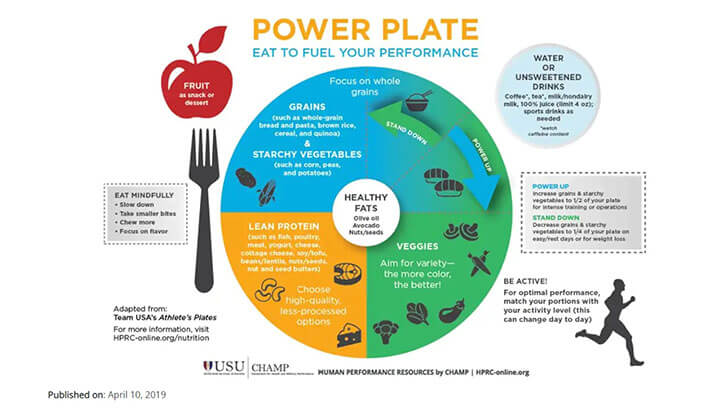
Image courtesy of www.health.mil via Google Images
Hydration and Fitness
Hydration is often overlooked but is a critical component of fitness success. Staying properly hydrated before, during, and after your workouts can help regulate your body temperature, transport nutrients to your muscles, and flush out toxins. Make sure to drink an adequate amount of water throughout the day, and consider consuming electrolyte-rich beverages if you are engaging in intense exercise or sweating heavily. Proper hydration can greatly impact your energy levels and workout performance.
Building a Customized Gym Plan
Building a customized gym plan is essential for achieving your fitness goals. Your workout routine should be tailored to your specific objectives, whether you are aiming to build muscle, improve cardiovascular health, or increase flexibility. Incorporate a mix of strength training, cardio, and flexibility exercises into your plan to achieve a well-rounded fitness regimen. Consider consulting with a personal trainer to help design a program that aligns with your goals and abilities.

Image courtesy of www.pinterest.com via Google Images
Setting Realistic Goals and Tracking Progress
Setting realistic fitness goals is key to maintaining motivation and tracking your progress. Establish both short-term and long-term goals that are achievable and measurable. Utilize tools such as fitness apps or journals to track your workouts, nutrition, and overall performance. By monitoring your progress over time, you can identify areas of improvement and celebrate your successes along the way.
Seeking Professional Guidance
If you are struggling to reach your fitness goals or feeling overwhelmed by the abundance of nutrition and workout information available, consider seeking professional guidance. A nutritionist or personal trainer can provide personalized advice and support to help you optimize your diet and gym plan for peak performance. Research reputable professionals in your area or ask for recommendations from friends or family members.
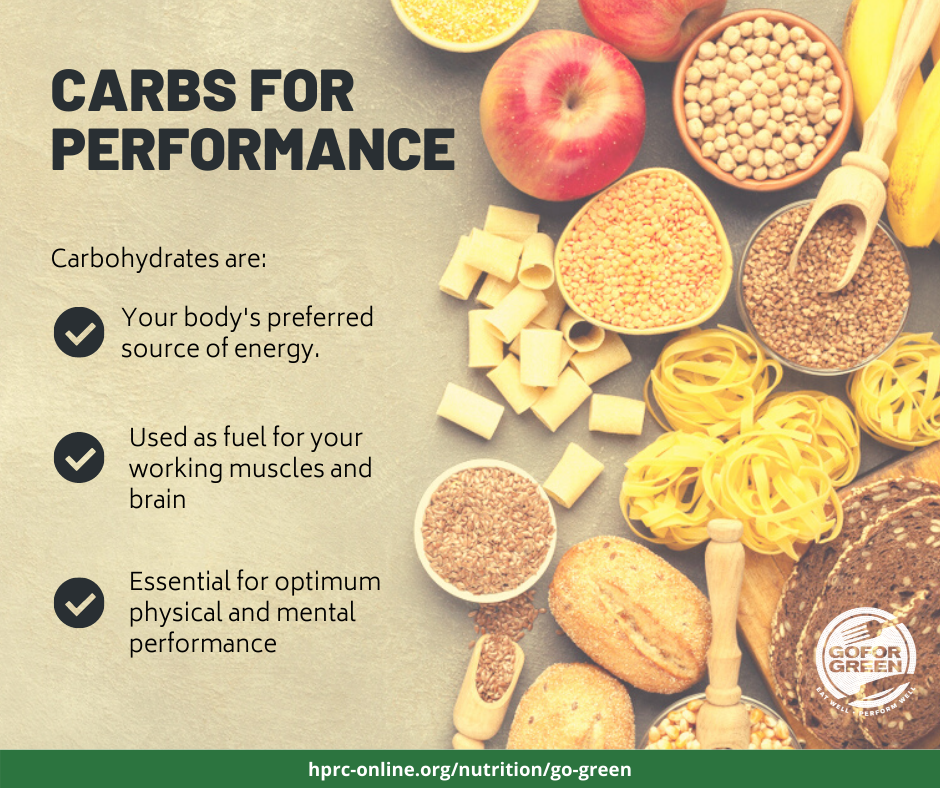
Image courtesy of www.hprc-online.org via Google Images
Overcoming Plateaus and Staying Motivated
It is normal to experience plateaus in your fitness journey, but there are strategies to overcome them and stay motivated. Mix up your workout routine by trying new exercises or varying the intensity of your workouts. Focus on small, incremental goals that keep you engaged and motivated. Remember that progress takes time, and staying consistent with your nutrition and gym plan is key to long-term success.
Conclusion
Optimizing your diet and gym plan can have a profound impact on your workout results and overall fitness success. By paying attention to your nutrition, building a customized gym plan, and setting realistic goals, you can enhance your performance, improve your endurance, and achieve your fitness objectives. Remember to stay hydrated, seek professional guidance when needed, and stay committed to your fitness journey. With the right approach, you can unlock your full potential and reach new levels of health and wellness.
Unlock the secrets to optimal health with our beginner’s guide to navigating the complex world of essential nutrients. #nutrition101

Table of Contents
Welcome to the beginner’s guide on understanding and making the most of the nutrients your body needs for optimal health. In this blog post, we will delve into the essentials of exercise, nutrition, and gym planning, offering tips and insights to help you kickstart your health journey. Whether you’re new to the world of fitness or looking to refresh your routine, this guide will provide valuable information to guide you towards a healthier lifestyle.
Workout Tips
Exercise plays a crucial role in maintaining a healthy lifestyle. Regular physical activity not only helps in managing weight but also boosts mood, reduces stress, and improves overall well-being. To get started on your fitness journey, consider incorporating a mix of cardio, strength training, and flexibility exercises into your routine. Cardio activities like running, cycling, or dancing can help improve cardiovascular health, while strength training, such as weightlifting or bodyweight exercises, can build muscle and increase metabolism. Flexibility exercises like yoga or stretching can improve mobility and prevent injuries.
Nutrition Tips
Nutrition is the cornerstone of a healthy lifestyle and complements your exercise routine. Aim for a balanced diet that includes a variety of fruits, vegetables, whole grains, lean proteins, and healthy fats. Ensure you stay hydrated by drinking an adequate amount of water throughout the day. Limit processed foods and added sugars, and instead, focus on nutrient-dense foods that fuel your body and promote overall well-being.
Gym Plan
Creating a gym plan is essential for staying on track with your fitness goals. Start by setting a schedule that works for your lifestyle and commitments. Choose exercises that target different muscle groups and vary your routine to prevent boredom and plateaus. When selecting a gym, consider factors such as location, equipment availability, and class offerings to ensure a conducive environment for your workouts. Tracking your progress is also crucial in evaluating your performance and making adjustments to your gym plan.
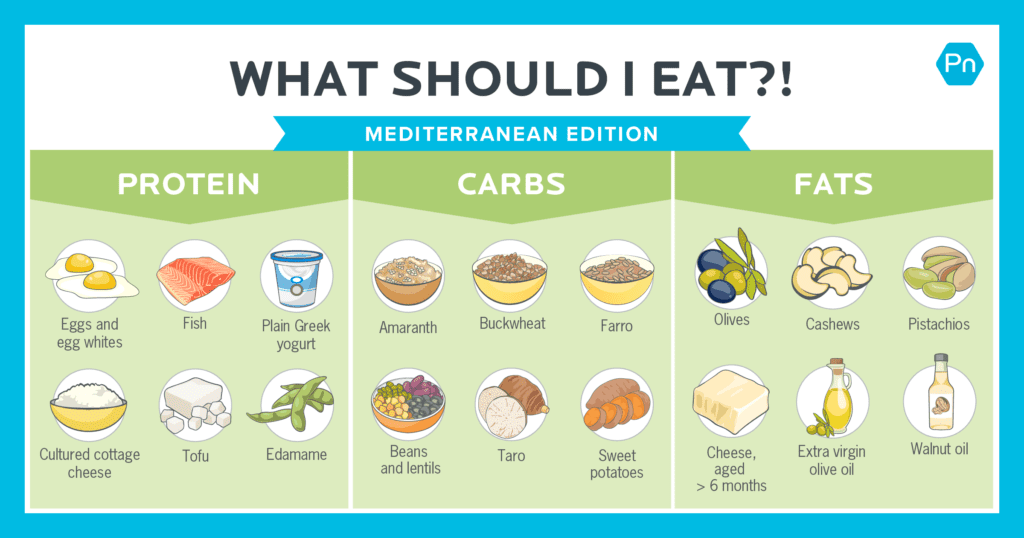
Image courtesy of www.precisionnutrition.com via Google Images
Weekly Exercise Schedule
Here’s a sample weekly exercise schedule to give you an idea of how to structure your workouts:
Monday: Cardio workout (30 minutes of running or cycling)
Tuesday: Strength training (focus on arms and core)
Wednesday: Flexibility exercises (yoga or stretching)
Thursday: Cardio workout (interval training or dance class)
Friday: Rest day or light activity (such as a walk or gentle yoga)
Saturday: Full-body strength training
Sunday: Rest day or active recovery (like swimming or hiking)
Meal Planning
Planning your meals in advance can help you stay on track with your nutrition goals. Consider creating a weekly meal plan that includes a variety of healthy and balanced meals. Here’s a sample meal plan to get you started:
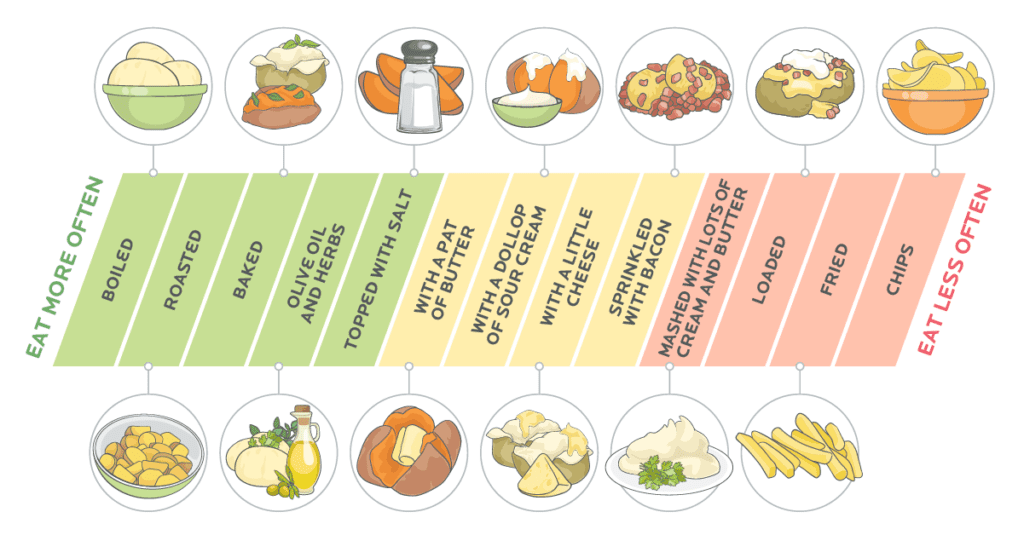
Image courtesy of www.precisionnutrition.com via Google Images
Breakfast: Oatmeal with berries and a side of Greek yogurt
Lunch: Grilled chicken salad with mixed greens and vinaigrette dressing
Dinner: Baked salmon with quinoa and roasted vegetables
Snacks: Almonds, fruits, or vegetable sticks with hummus
Hydration
Staying hydrated is essential for overall health and well-being. Make it a habit to drink water throughout the day, especially before and after workouts. Consider adding electrolytes to your water to maintain hydration levels, particularly during intense exercise sessions. Monitoring your water intake and ensuring you drink an adequate amount daily is key to supporting your fitness goals.
Supplement Recommendations
While it’s best to get your nutrients from whole foods, supplements can complement your diet and fitness routine. Consider essential vitamins and minerals like vitamin D, magnesium, and omega-3 fatty acids to support overall health. Protein powders can be beneficial for muscle recovery and growth, while pre-workout supplements can boost energy levels before exercise. Post-workout recovery drinks can aid in muscle repair and replenishing energy stores.

Image courtesy of www.precisionnutrition.com via Google Images
Progress Tracking
Tracking your progress is vital in assessing the effectiveness of your fitness and nutrition plans. Consider using fitness apps, journals, or wearable devices to monitor your workouts, nutrition intake, and overall health goals. Keeping track of your progress can help you stay motivated, identify areas for improvement, and celebrate your achievements along the way.
Conclusion
Congratulations on taking the first step towards a healthier lifestyle by exploring the world of nutrients and fitness. By incorporating exercise, nutrition, and a well-planned gym routine into your daily life, you’re on the path to achieving your health goals and feeling your best. Remember to listen to your body, stay consistent, and make adjustments as needed to support your journey towards optimal health and wellness.